Free Printable Parts and Use Worksheets for Grade 1
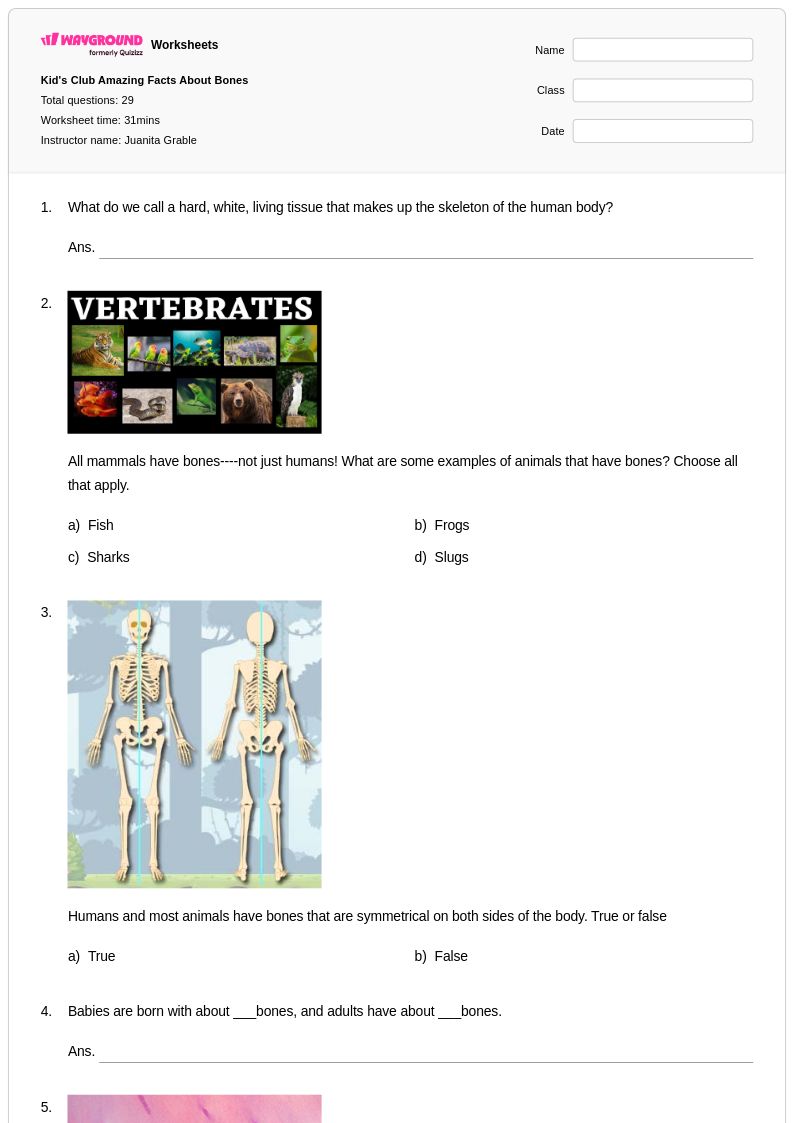
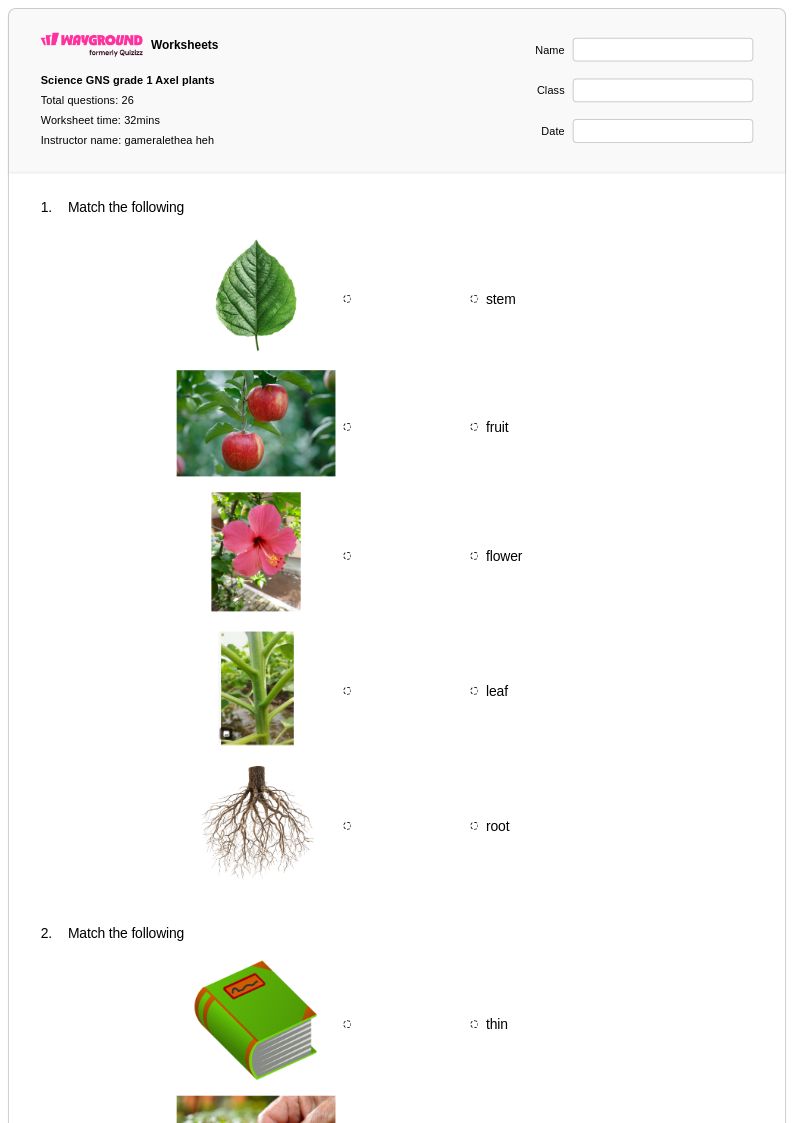
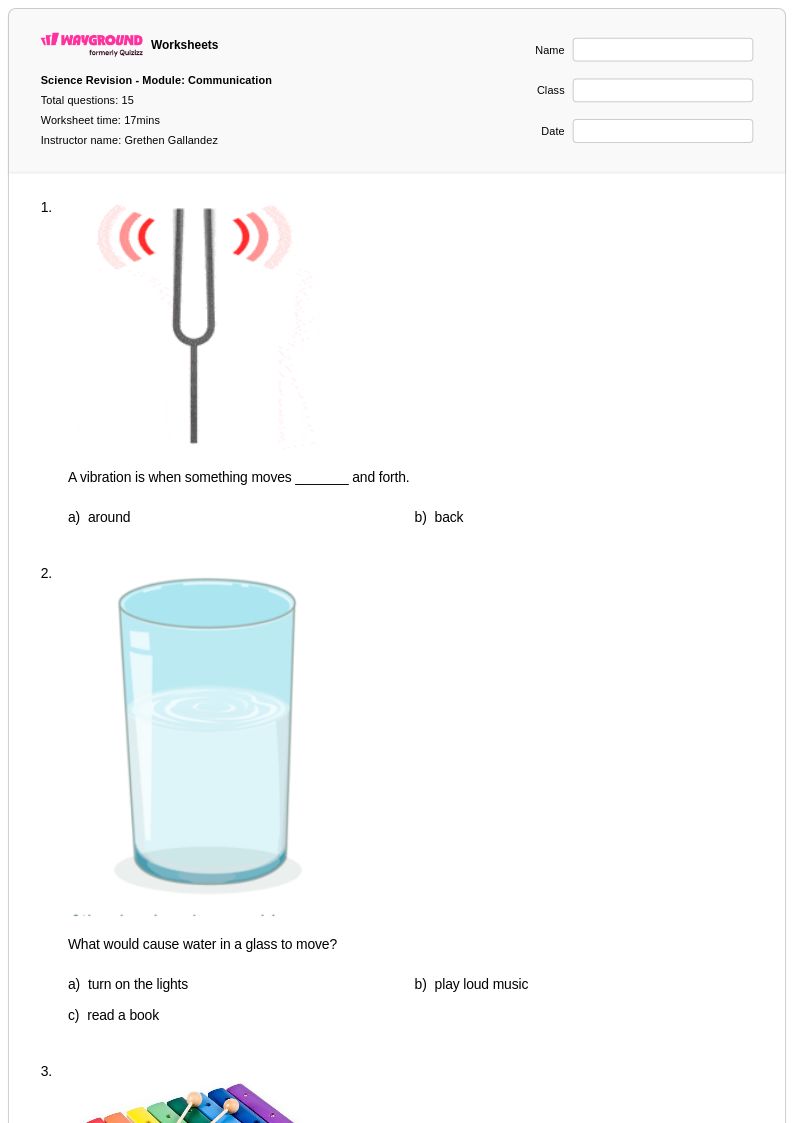
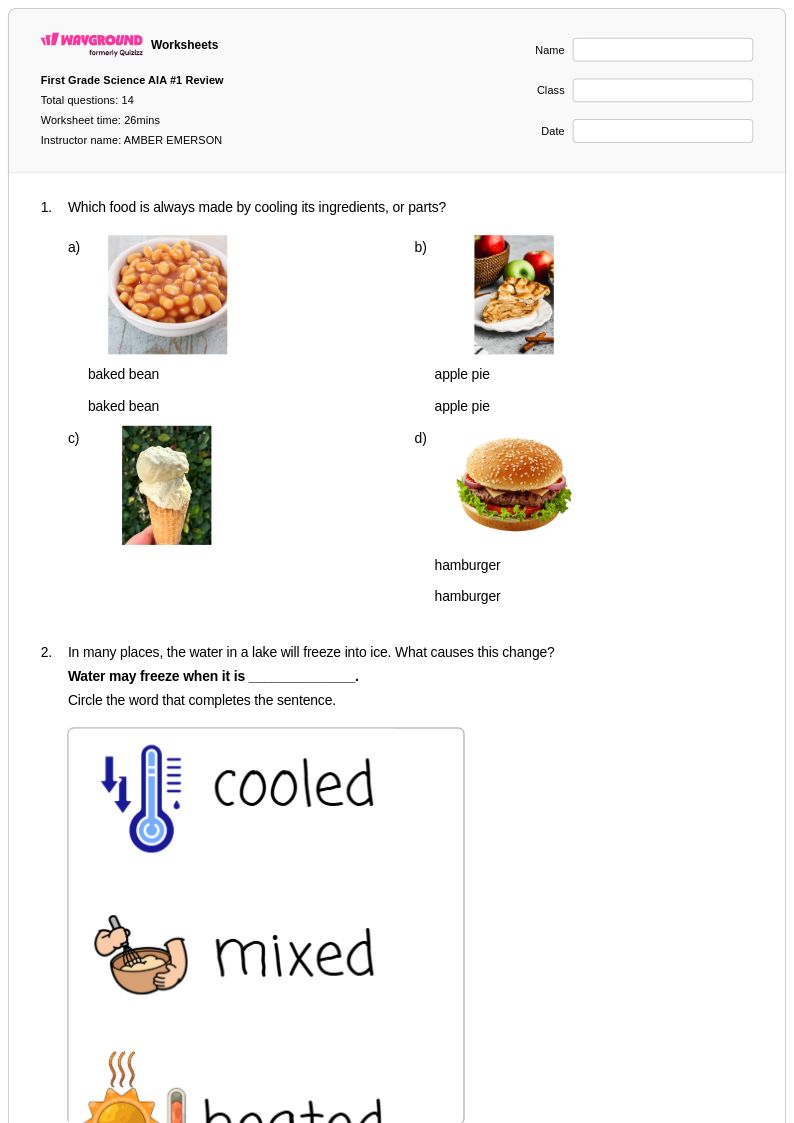
Explore Grade 1 biology worksheets focusing on parts and use, featuring free printables and practice problems that help young students identify body parts, plant components, and their functions with comprehensive answer keys.
Explore printable Parts and Use worksheets for Grade 1
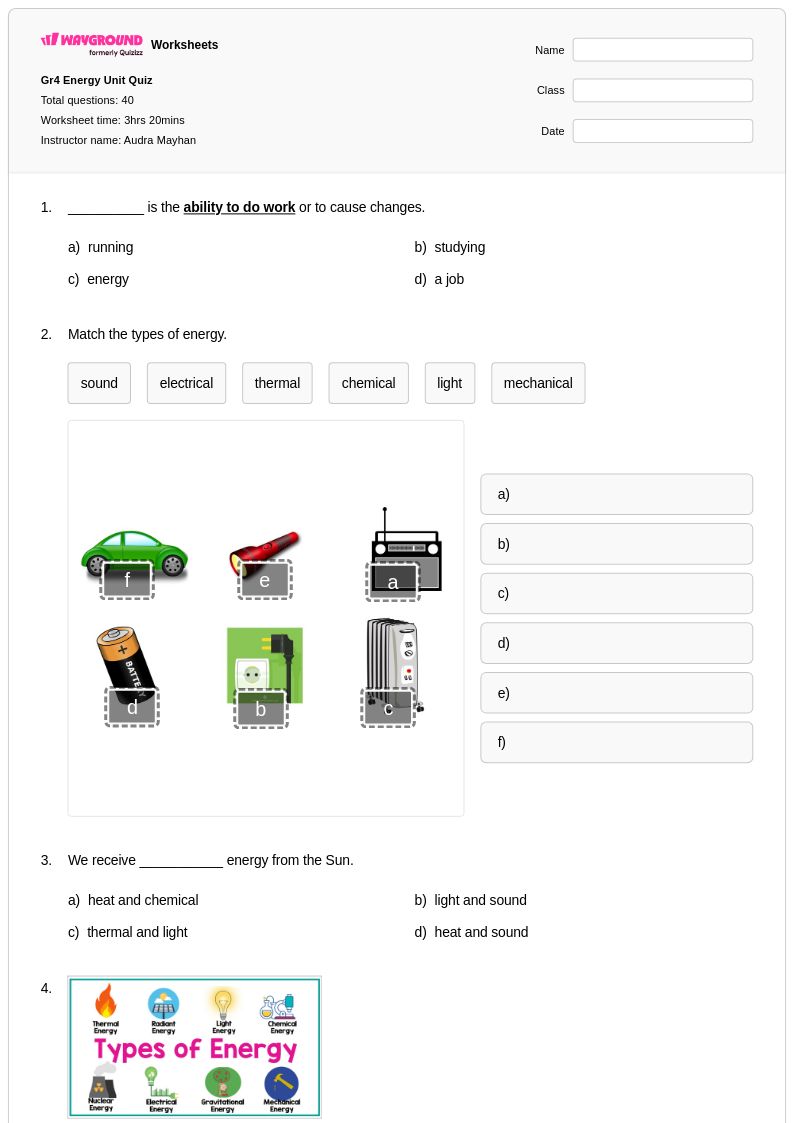
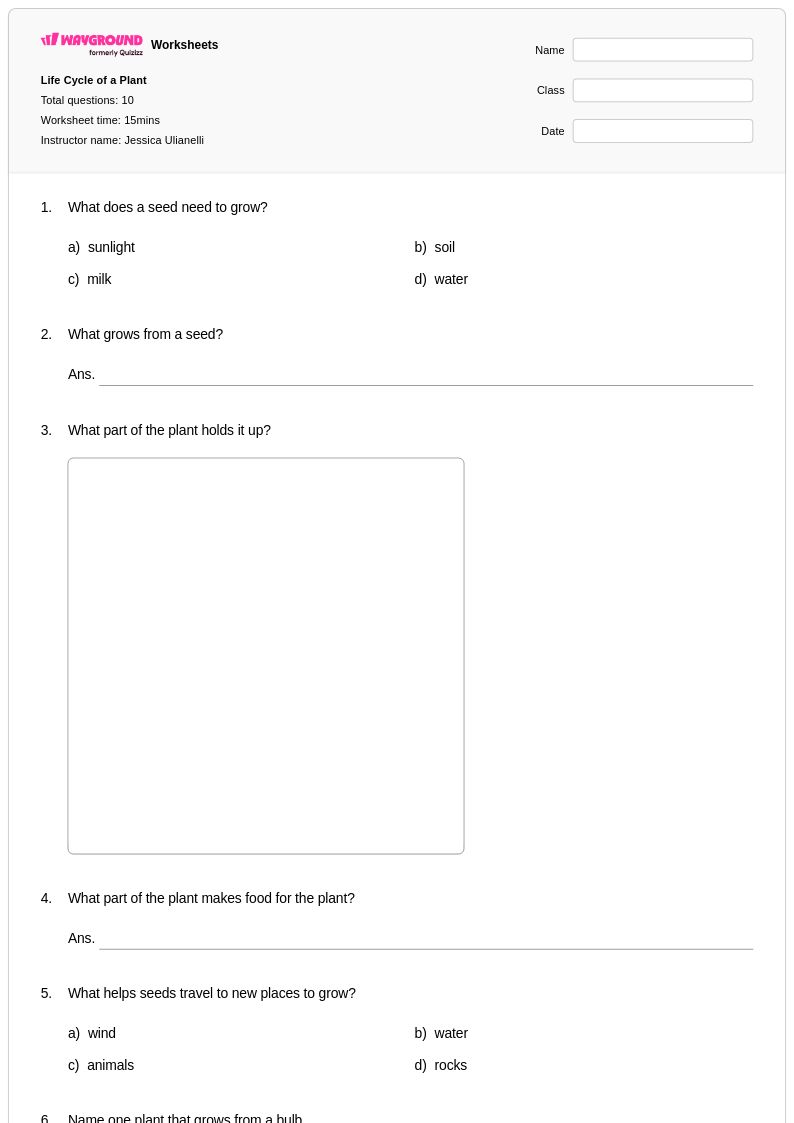
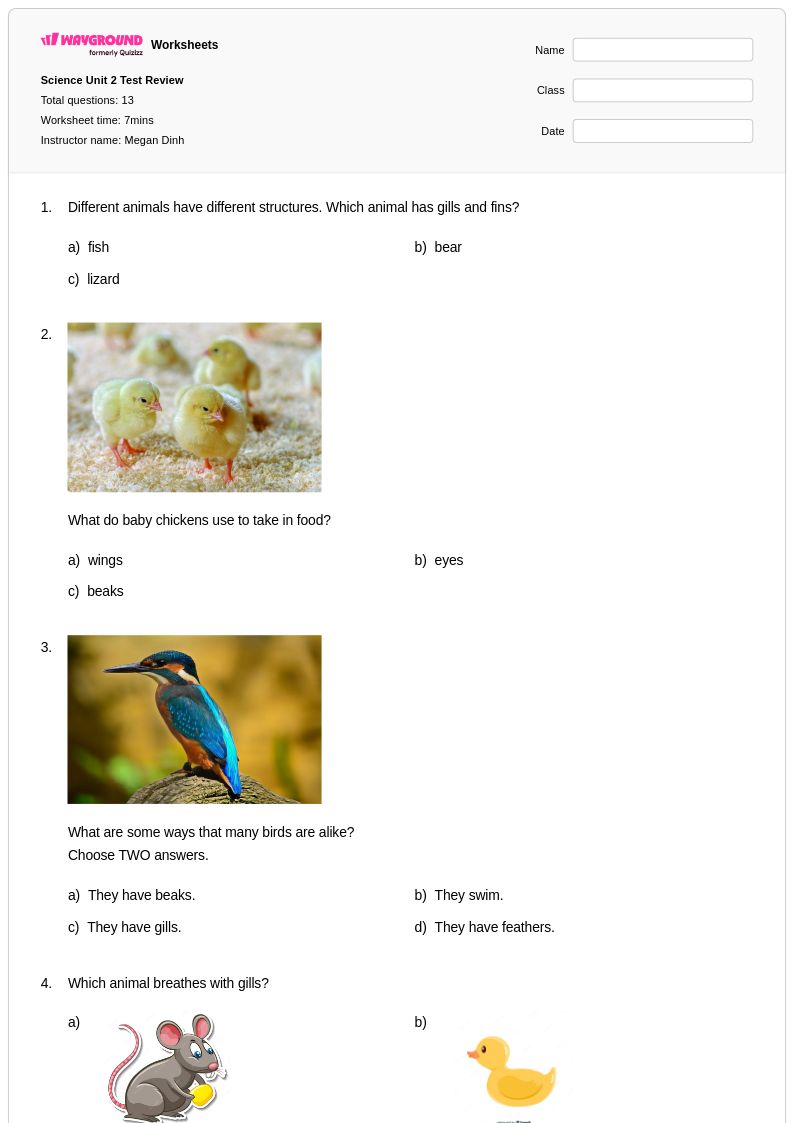
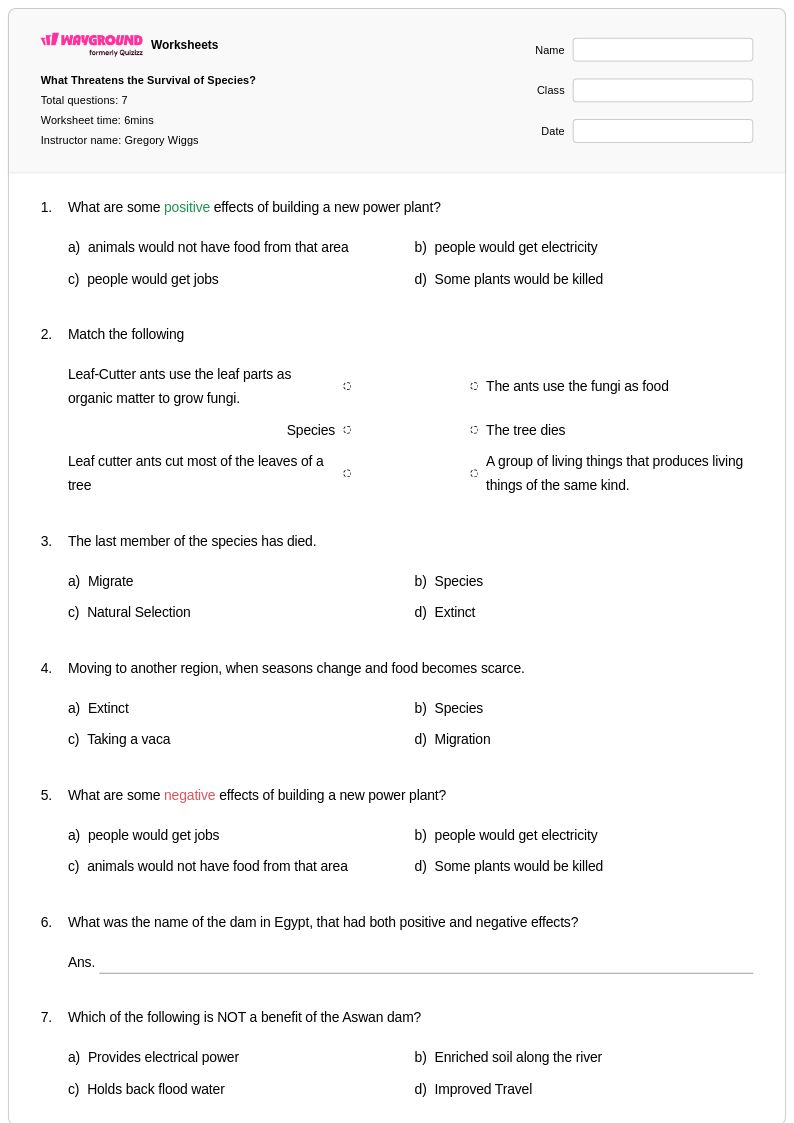
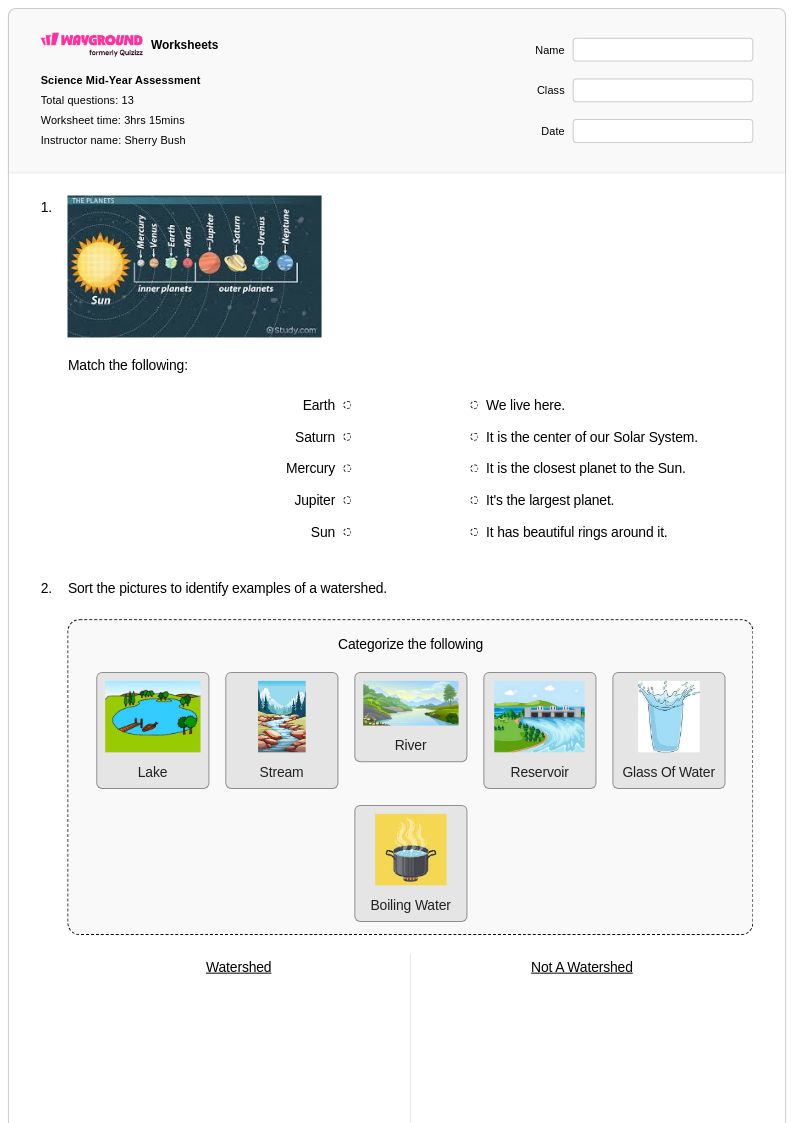
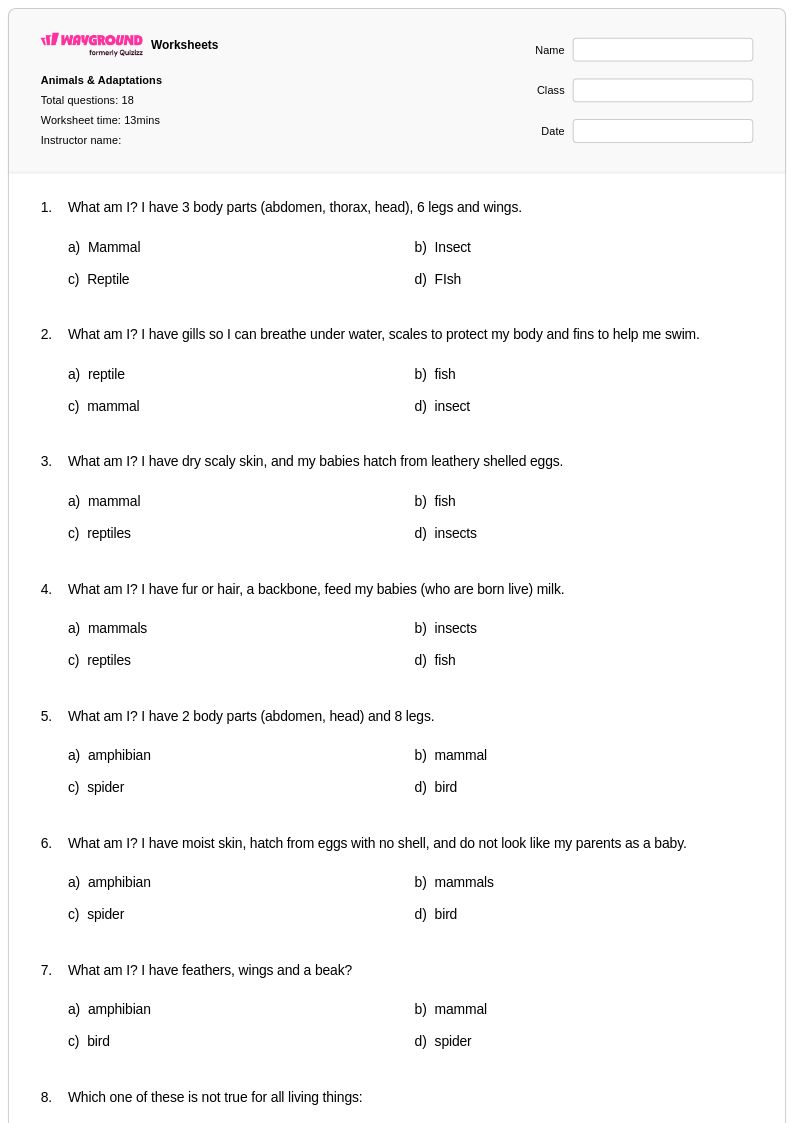
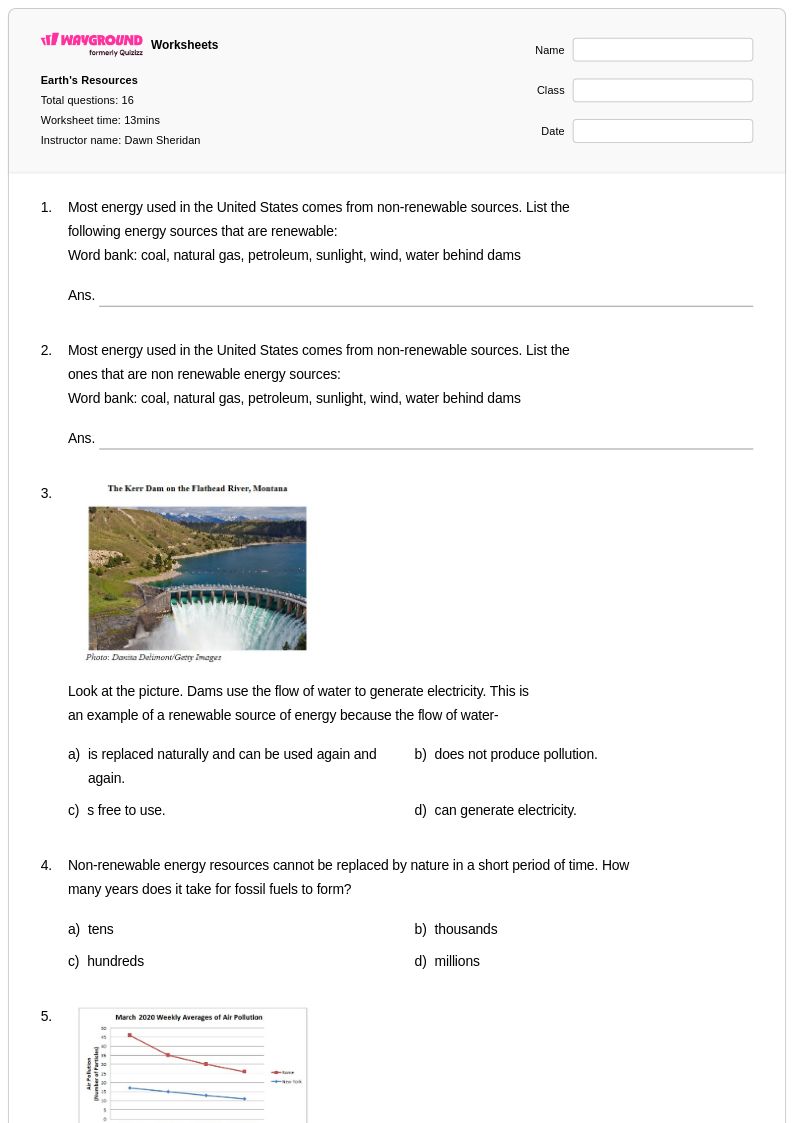
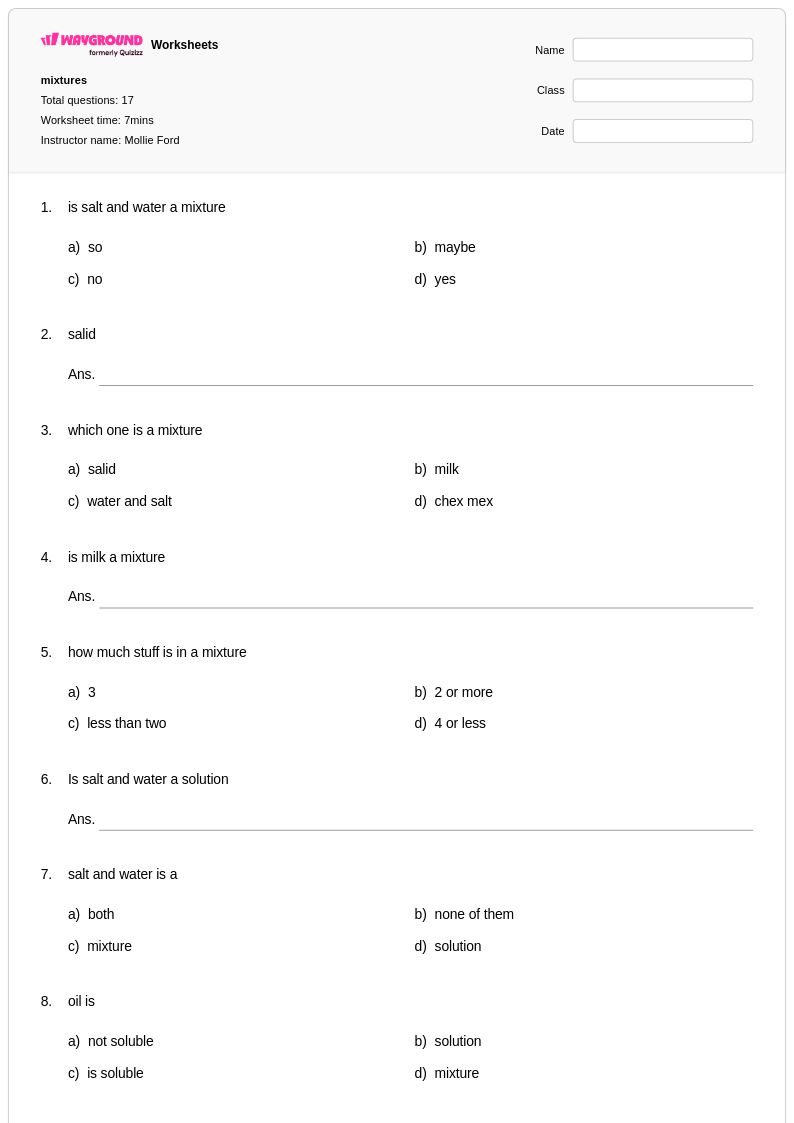
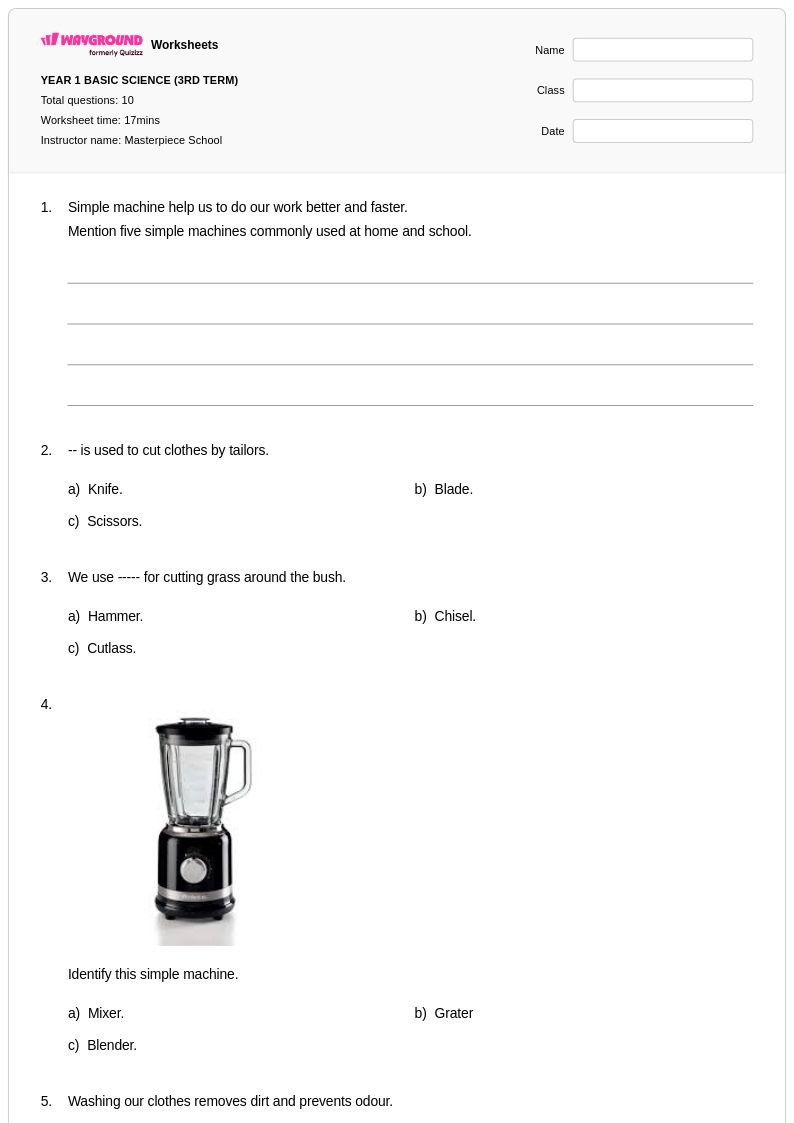
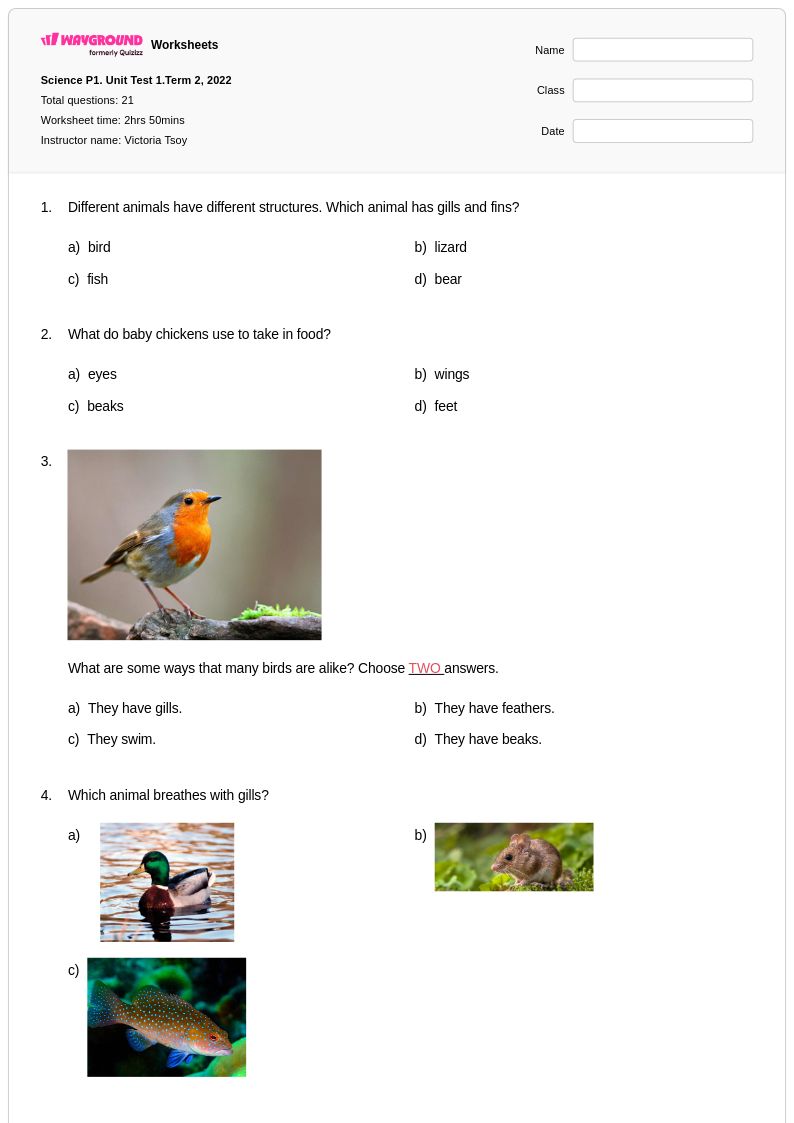
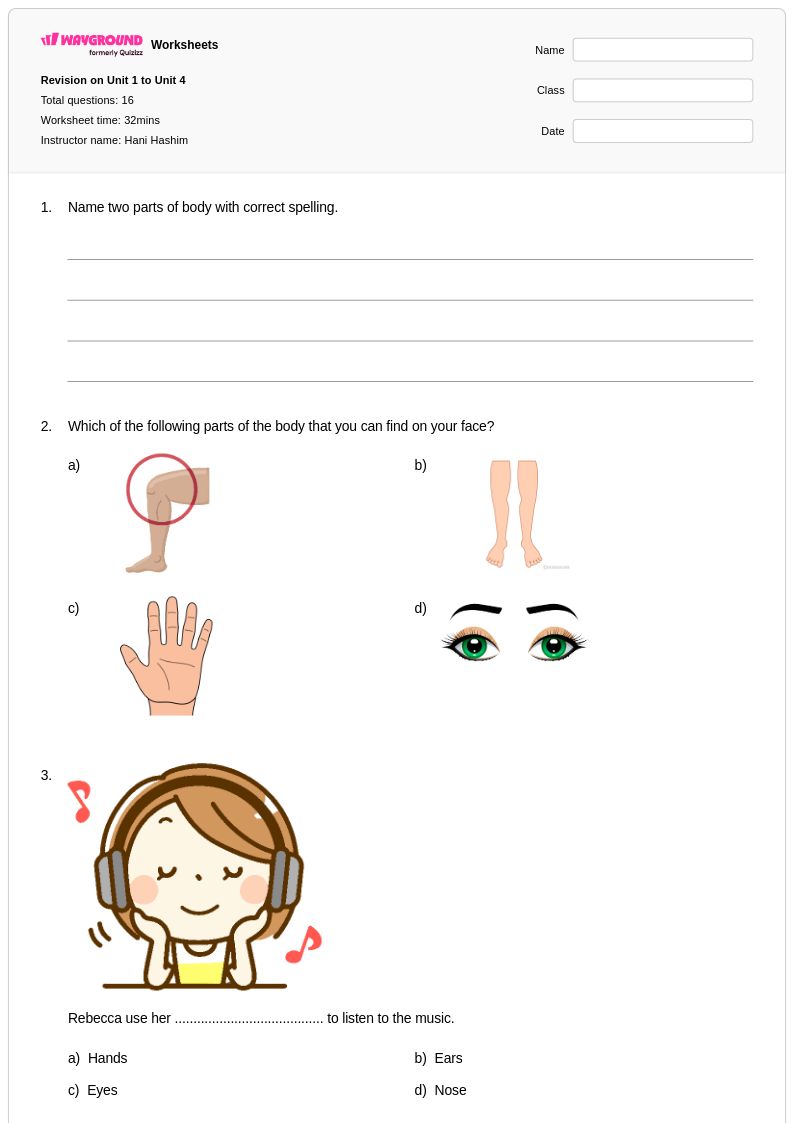
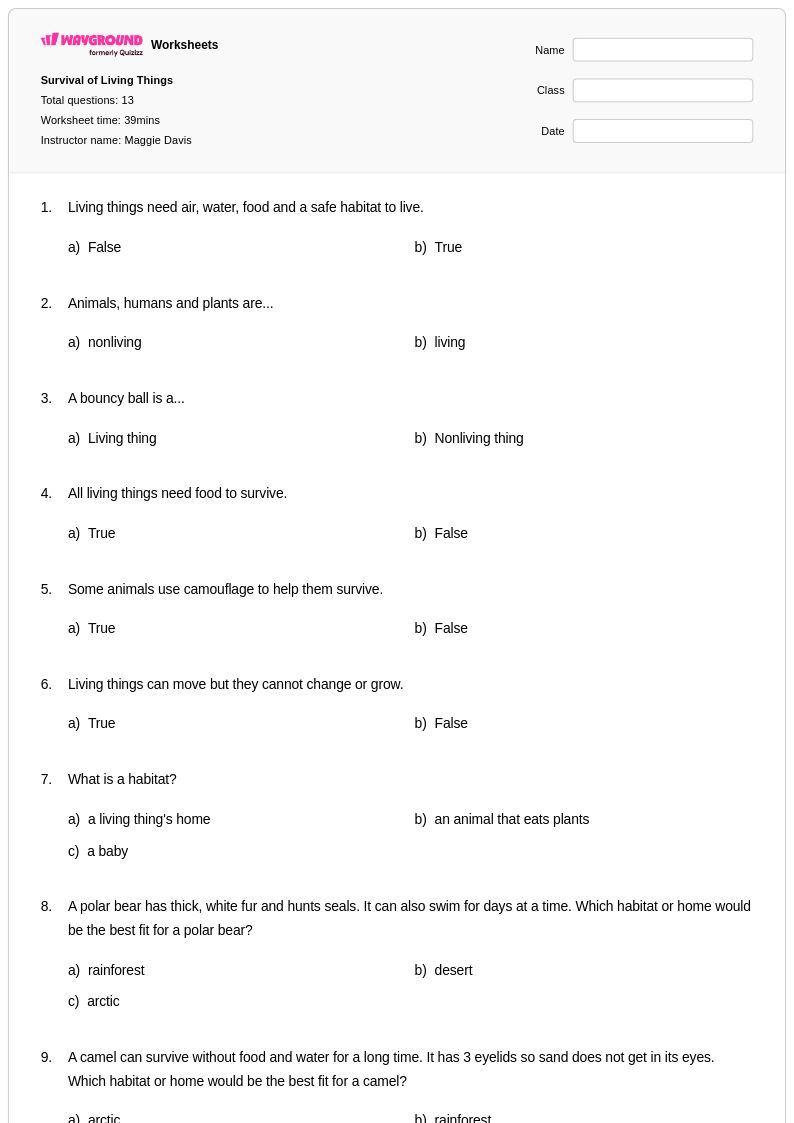
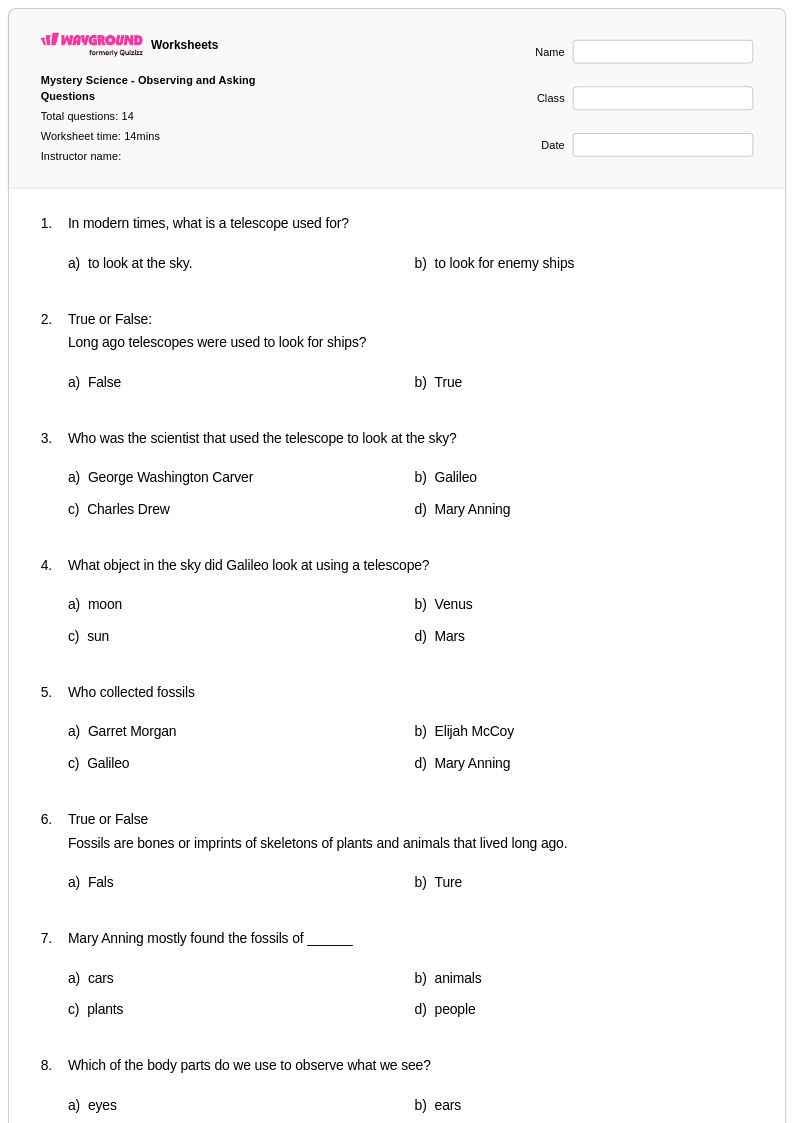
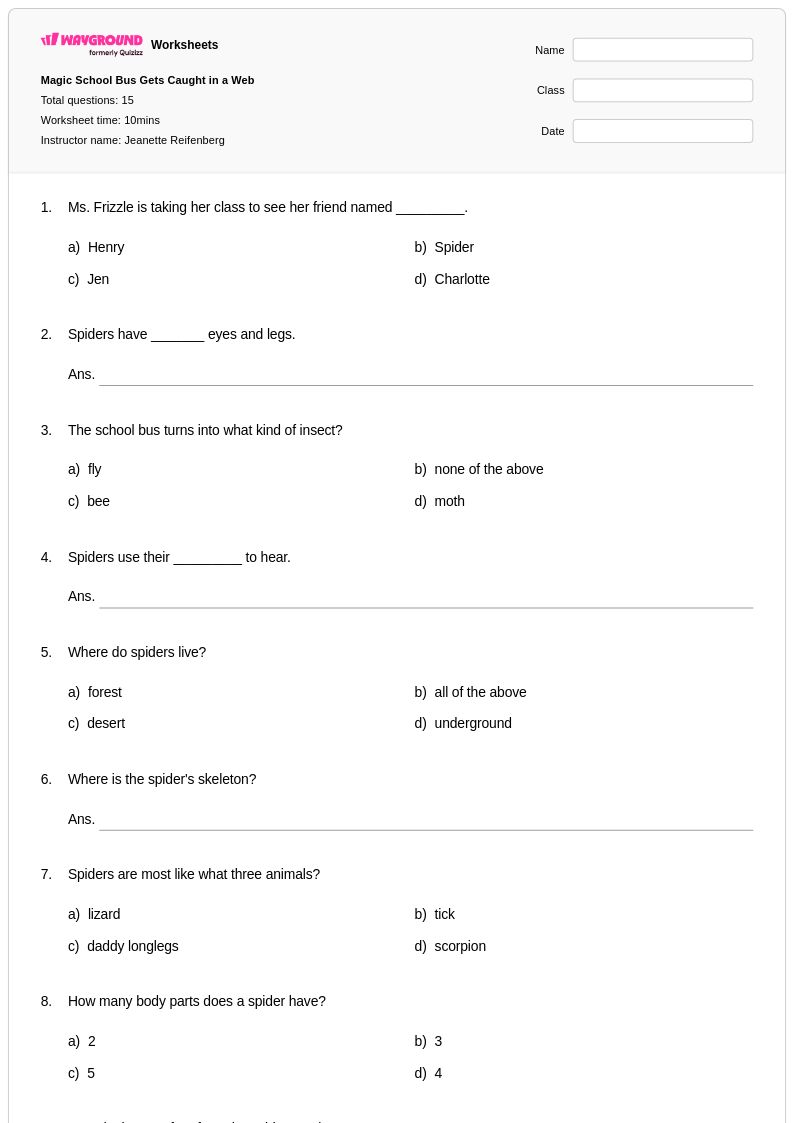
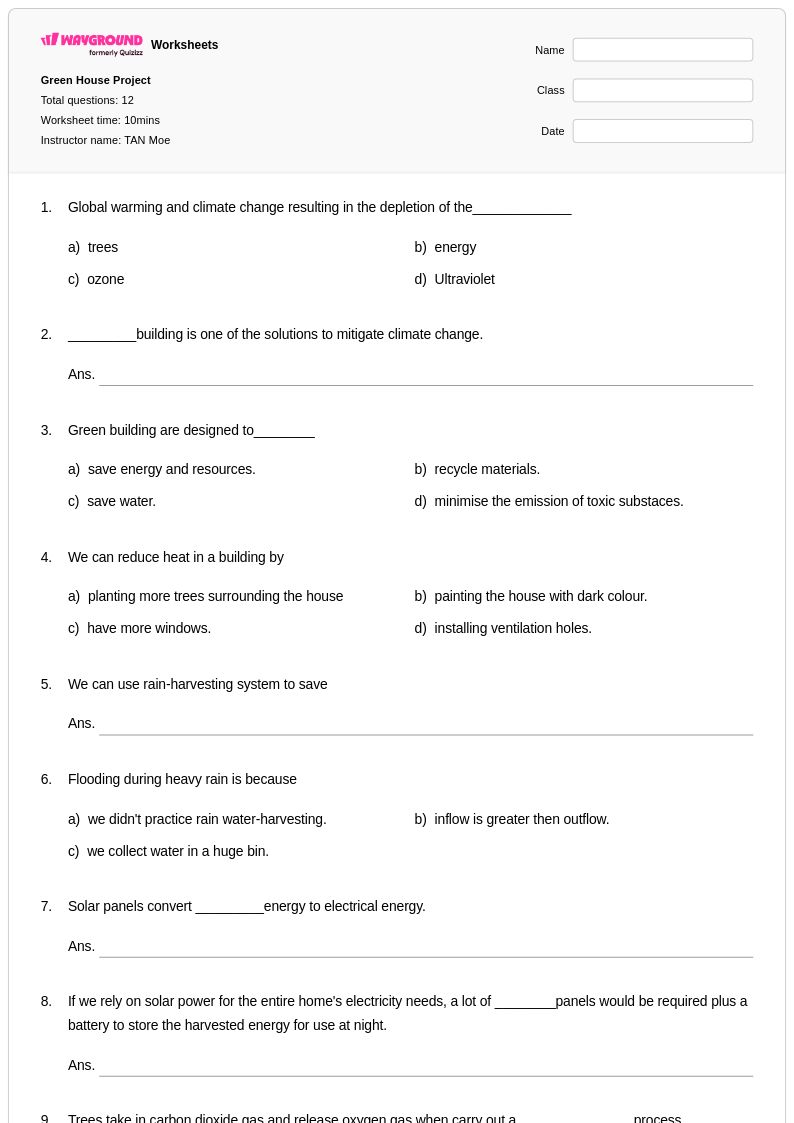
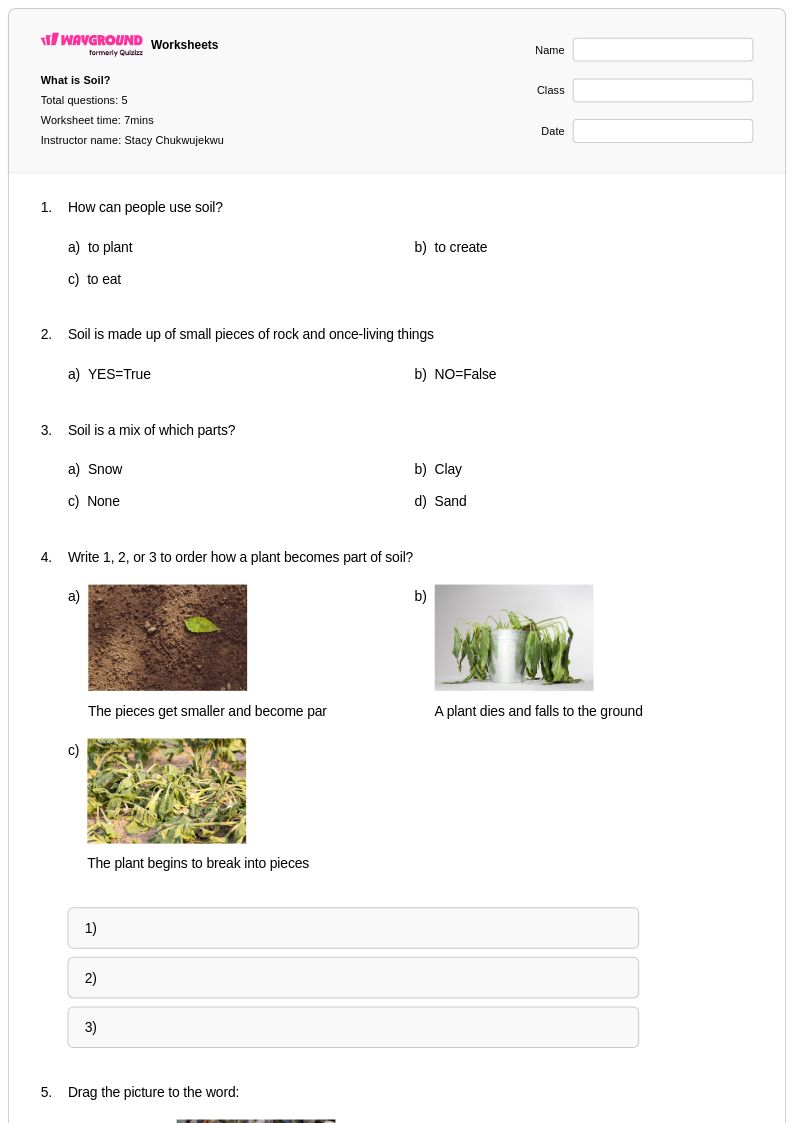
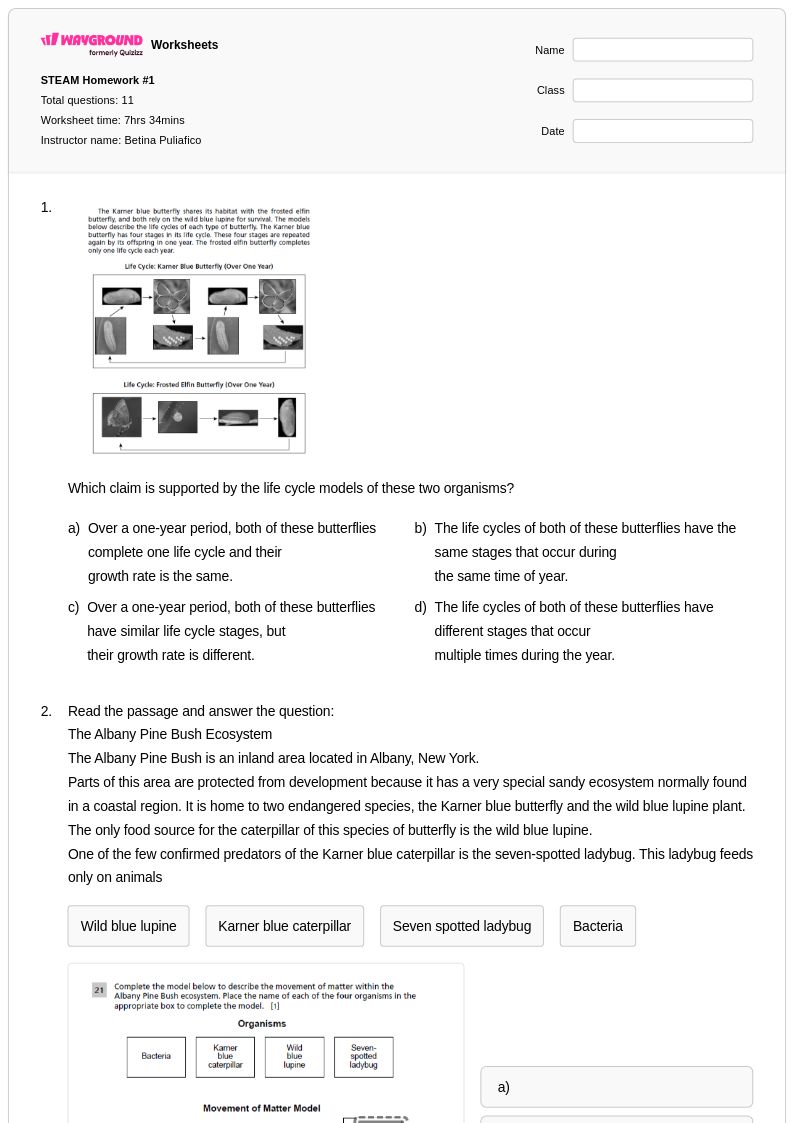
Grade 1 biology worksheets focusing on parts and use provide young learners with foundational understanding of how different components in living things serve specific functions. These educational resources from Wayground (formerly Quizizz) introduce first-grade students to essential biological concepts through age-appropriate activities that explore body parts, plant structures, and animal features alongside their corresponding purposes. The worksheets strengthen observation skills, vocabulary development, and critical thinking abilities as students learn to identify and match various biological parts with their functions. Teachers can access comprehensive answer keys and free printable materials that support systematic practice problems, enabling students to reinforce their understanding of how eyes help us see, roots help plants absorb water, and wings help birds fly.
Wayground (formerly Quizizz) empowers educators with millions of teacher-created resources specifically designed for Grade 1 parts and use biology instruction, offering robust search and filtering capabilities that align with educational standards. The platform's differentiation tools allow teachers to customize worksheets based on individual student needs, providing both remediation support for struggling learners and enrichment opportunities for advanced students. These flexible resources are available in both printable pdf formats for traditional classroom use and digital formats for interactive learning experiences. The comprehensive worksheet collection facilitates effective lesson planning by offering varied practice opportunities that help teachers assess student understanding, reinforce key concepts, and build essential scientific literacy skills through engaging, developmentally appropriate activities.
FAQs
How do I teach students to connect biological structures to their functions?
Start by anchoring instruction in the core principle that structure determines function — every biological part is shaped by what it does. Use visual labeling activities that ask students to identify a structure and immediately explain its role, rather than treating identification and function as separate tasks. Progressing from cellular organelles to organ systems helps students see this pattern repeat across all levels of life science.
What kinds of exercises help students practice identifying parts and their functions in biology?
Effective practice combines labeling diagrams, matching structures to functions, and short-answer questions that ask students to explain why a structure's shape or location suits its role. Parts and use worksheets that include diverse biological contexts — such as plant anatomy, cell organelles, and organ systems — build transferable skills rather than isolated memorization. Practice problems with answer keys allow students to self-check and reinforce understanding independently.
What mistakes do students commonly make when learning about biological parts and their functions?
The most common error is memorizing the name of a structure without understanding why it performs its function — students can label a mitochondrion correctly but cannot explain why its folded inner membrane matters. Another frequent misconception is treating structure and function as unrelated facts rather than as a cause-and-effect relationship. Targeted practice that explicitly asks students to link form to function, rather than just identify, corrects this pattern.
How can I differentiate parts and use worksheets for students with different learning needs?
For students who need additional support, reduce the number of answer choices on matching or multiple-choice items to lower cognitive load, and enable read-aloud features so that vocabulary-heavy questions don't become a barrier to demonstrating biological understanding. Advanced students benefit from open-ended extension questions that ask them to predict how a structural change would affect function. On Wayground, accommodations such as extended time, read aloud, and reduced answer choices can be assigned to individual students without other students being notified, keeping differentiation seamless.
How do I use Parts and Use worksheets from Wayground in my classroom?
Wayground's Parts and Use worksheets are available as printable PDFs for traditional classroom use and in digital formats for technology-integrated environments, including the option to host them as a live quiz on Wayground. Teachers can use the search and filtering tools to quickly locate worksheets aligned to specific learning standards and grade-level objectives. The included answer keys make these materials ready to deploy immediately for skill practice, remediation, or enrichment.