
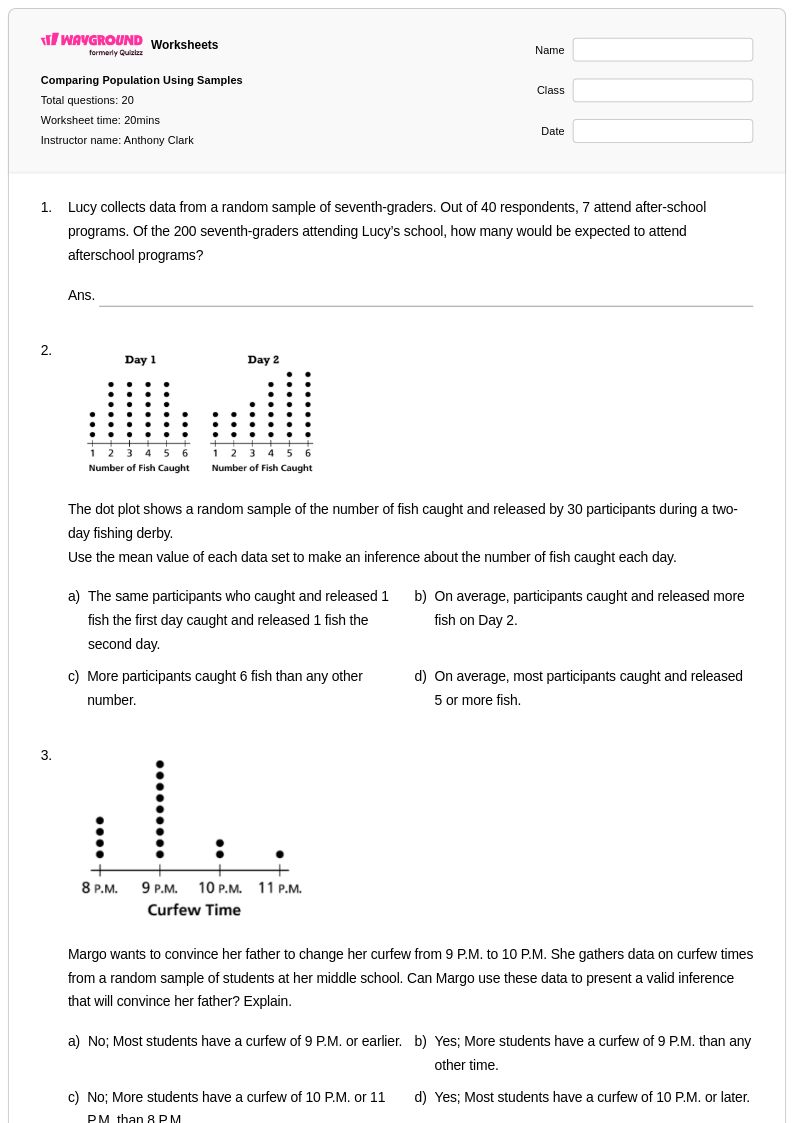
20 Q
7th - Uni
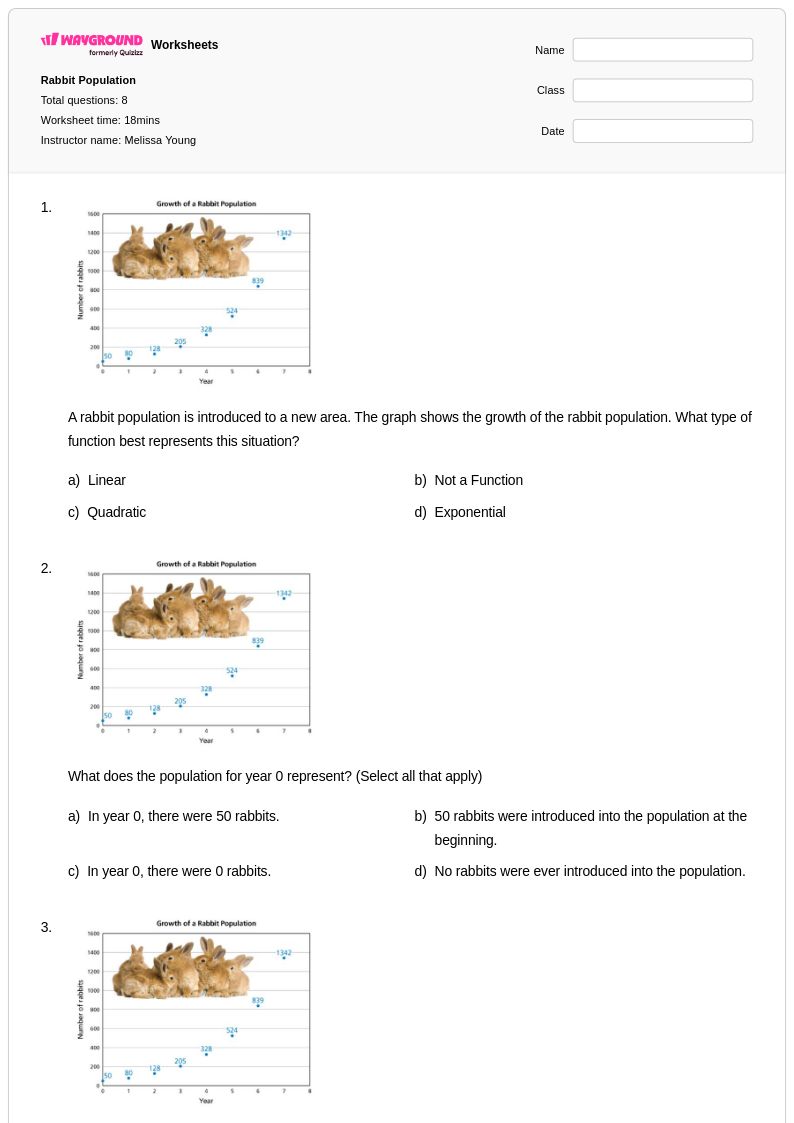
8 Q
7th - 12th
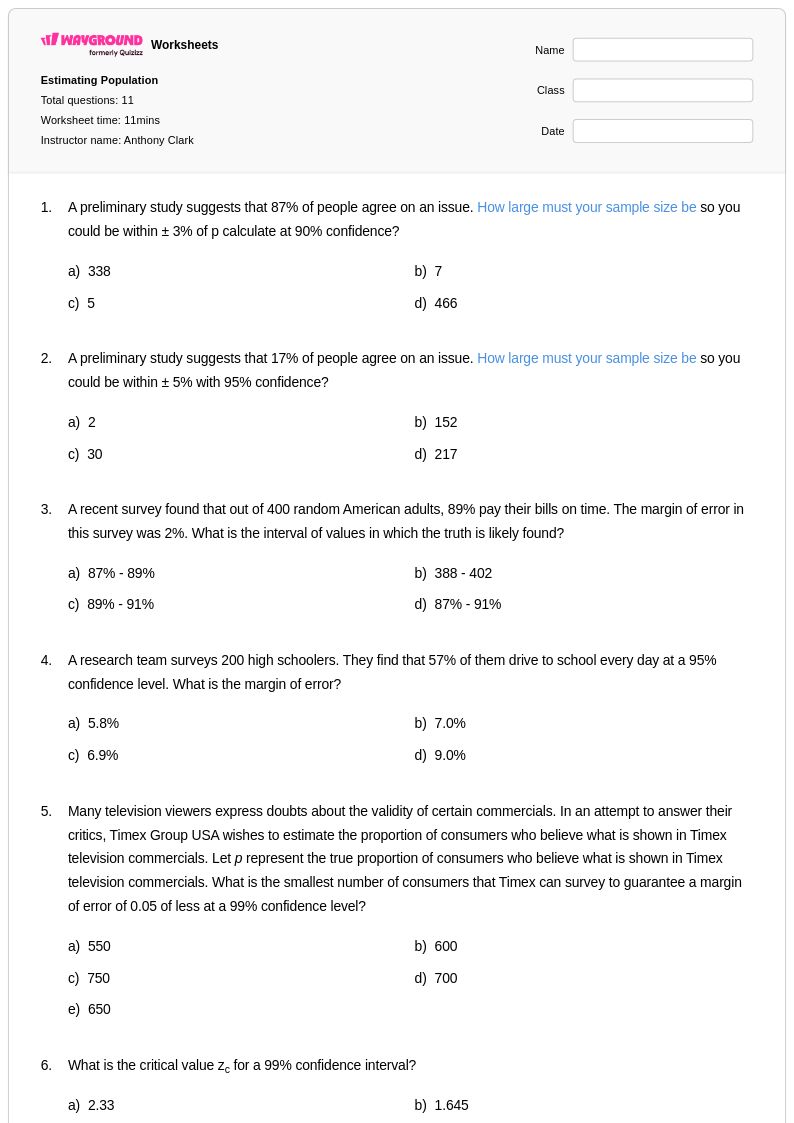
11 Q
7th - Uni
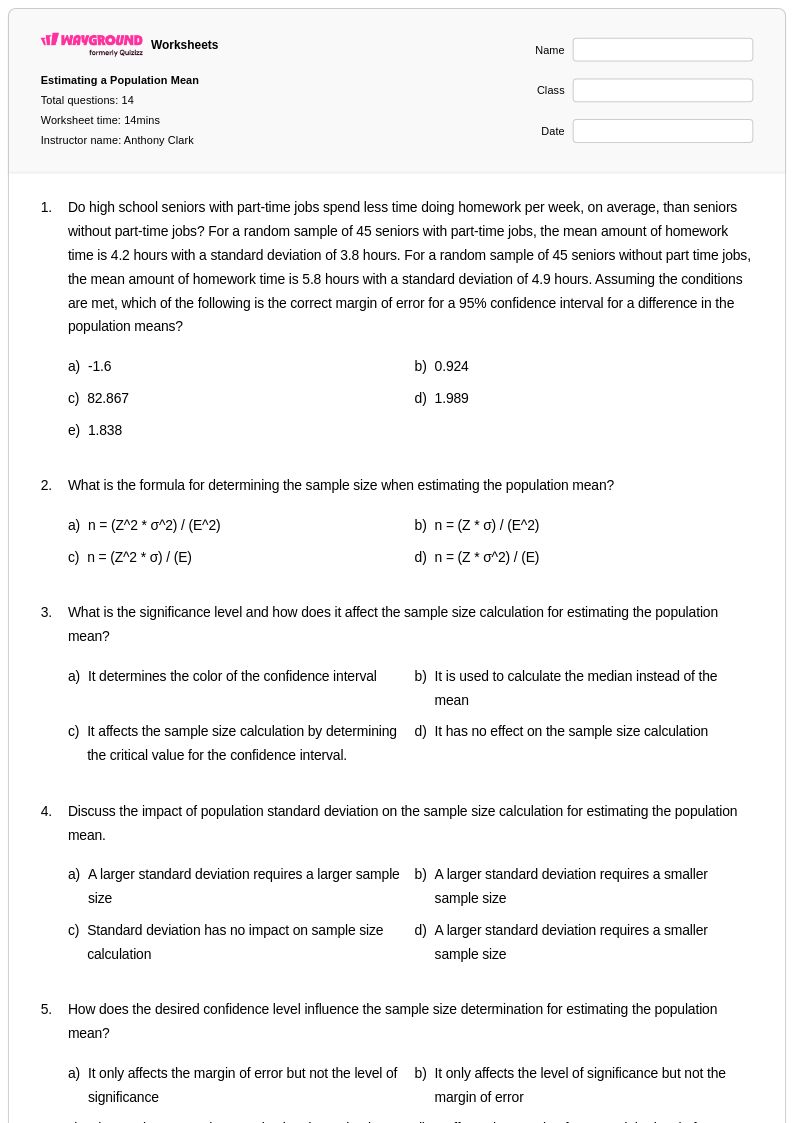
14 Q
12th - Uni
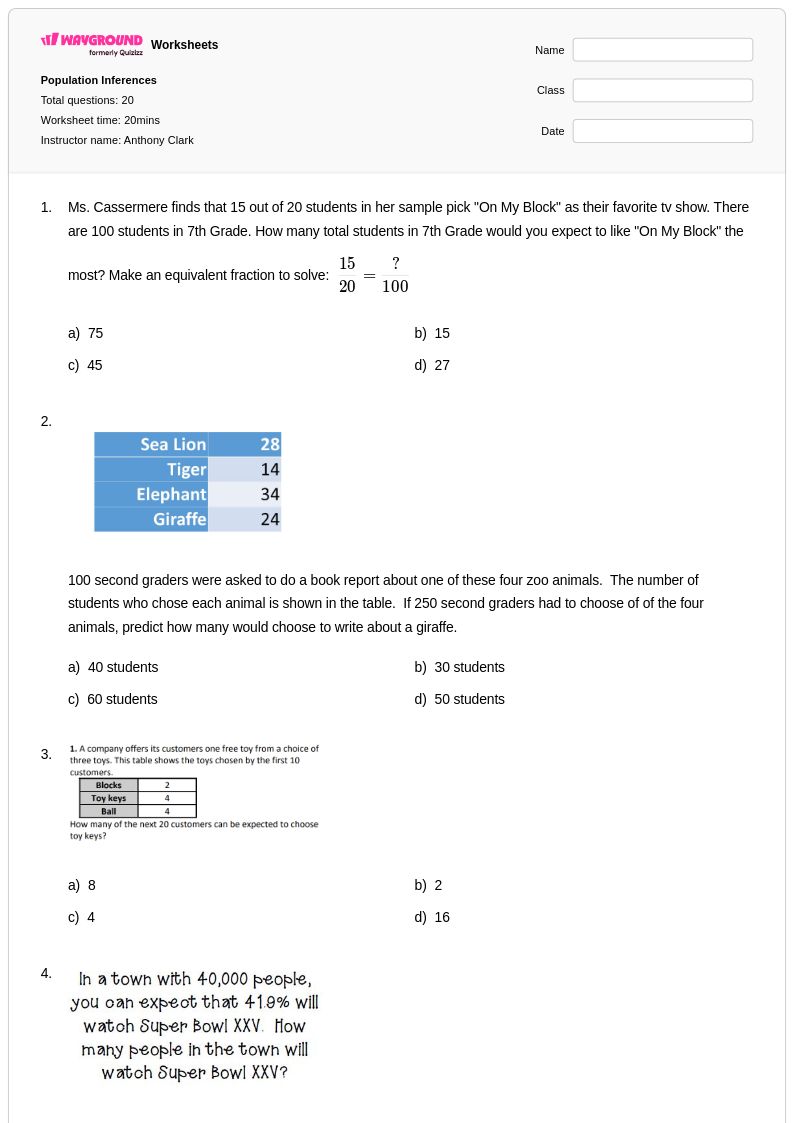
20 Q
7th - Uni
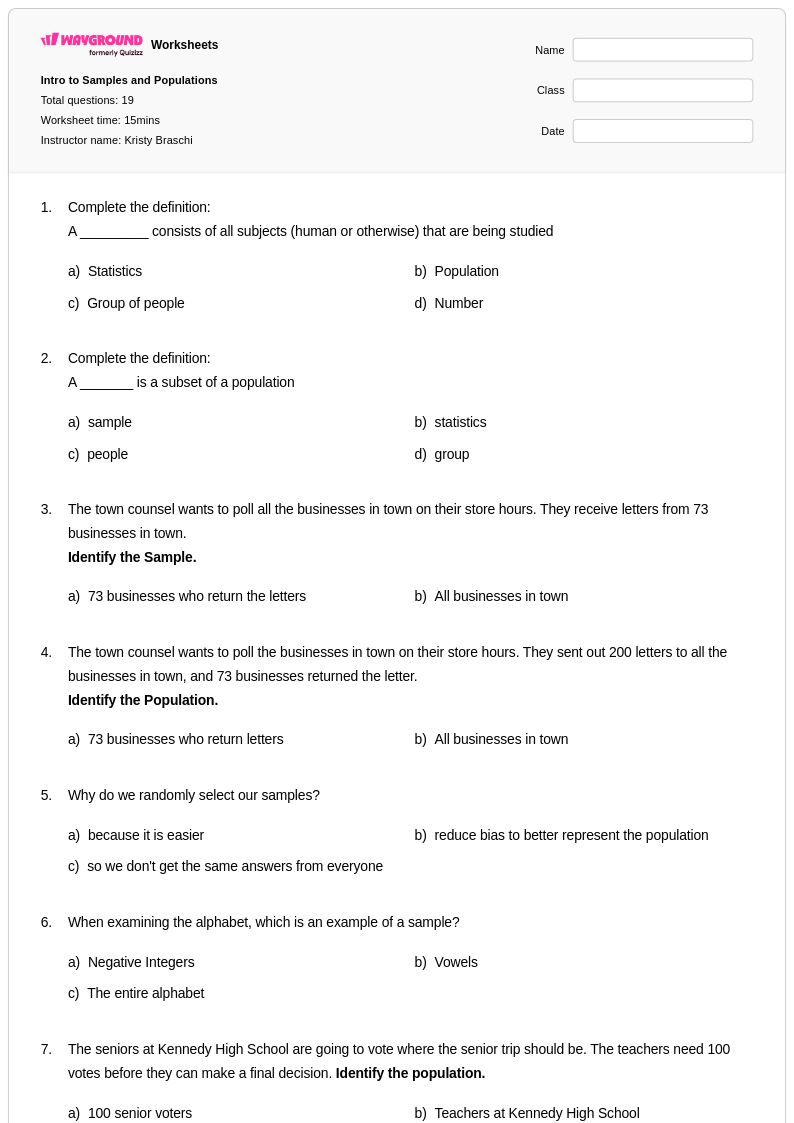
19 Q
7th - 12th
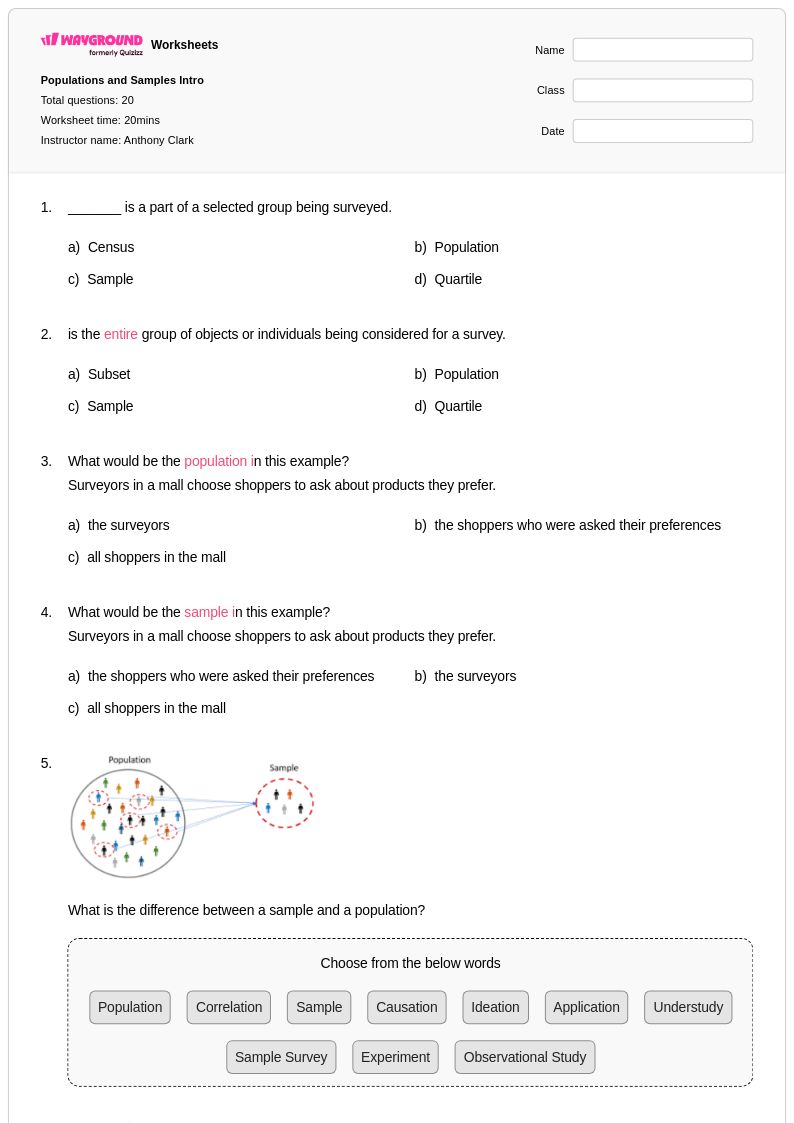
20 Q
7th - Uni
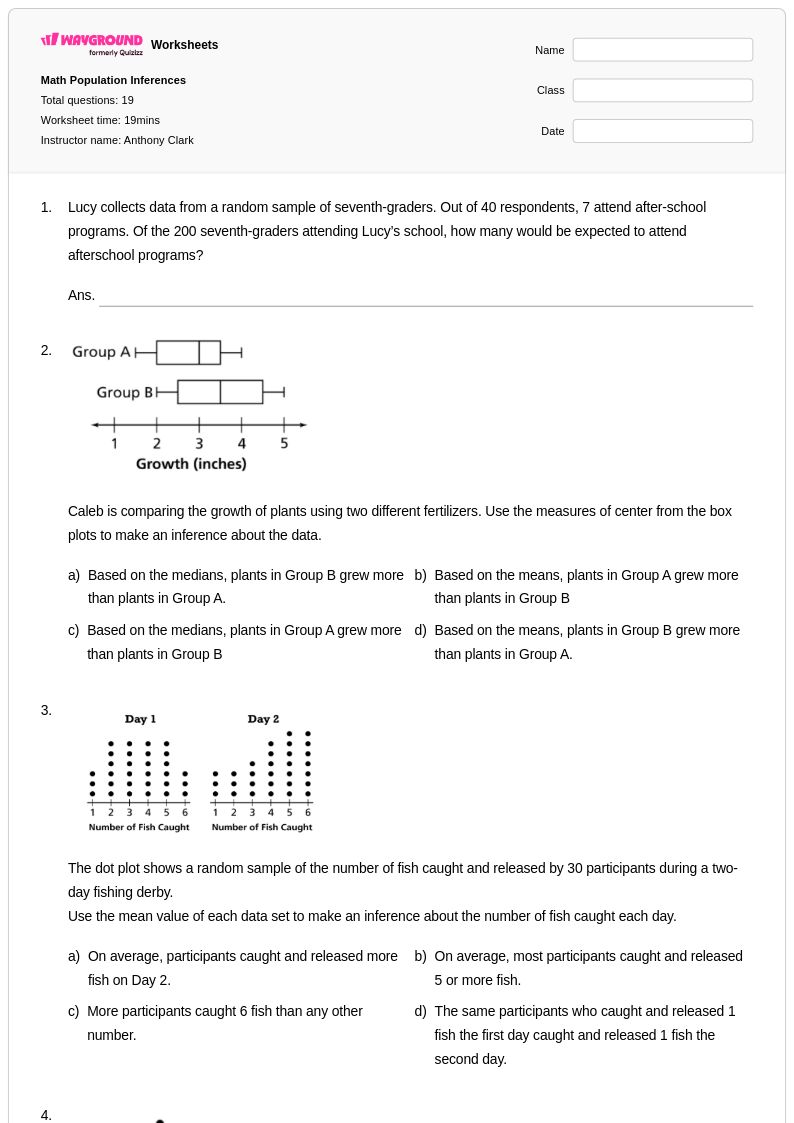
19 Q
7th - Uni
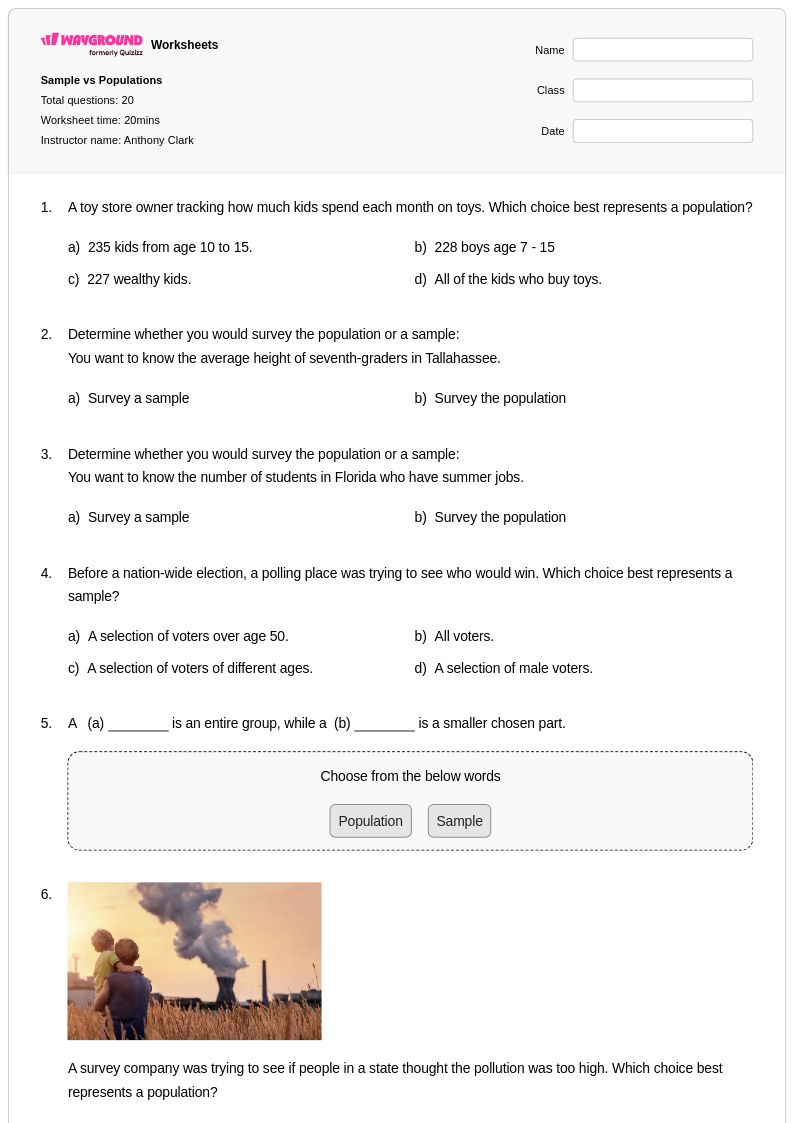
20 Q
7th - Uni
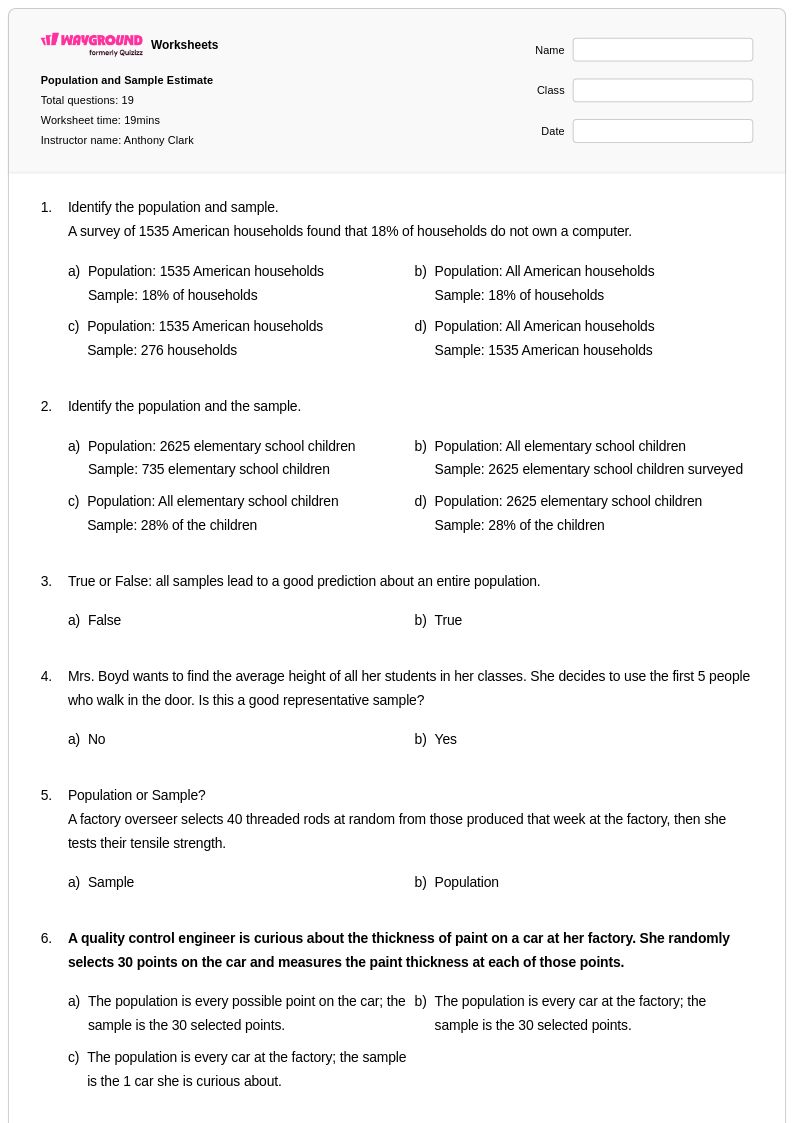
19 Q
11th - Uni
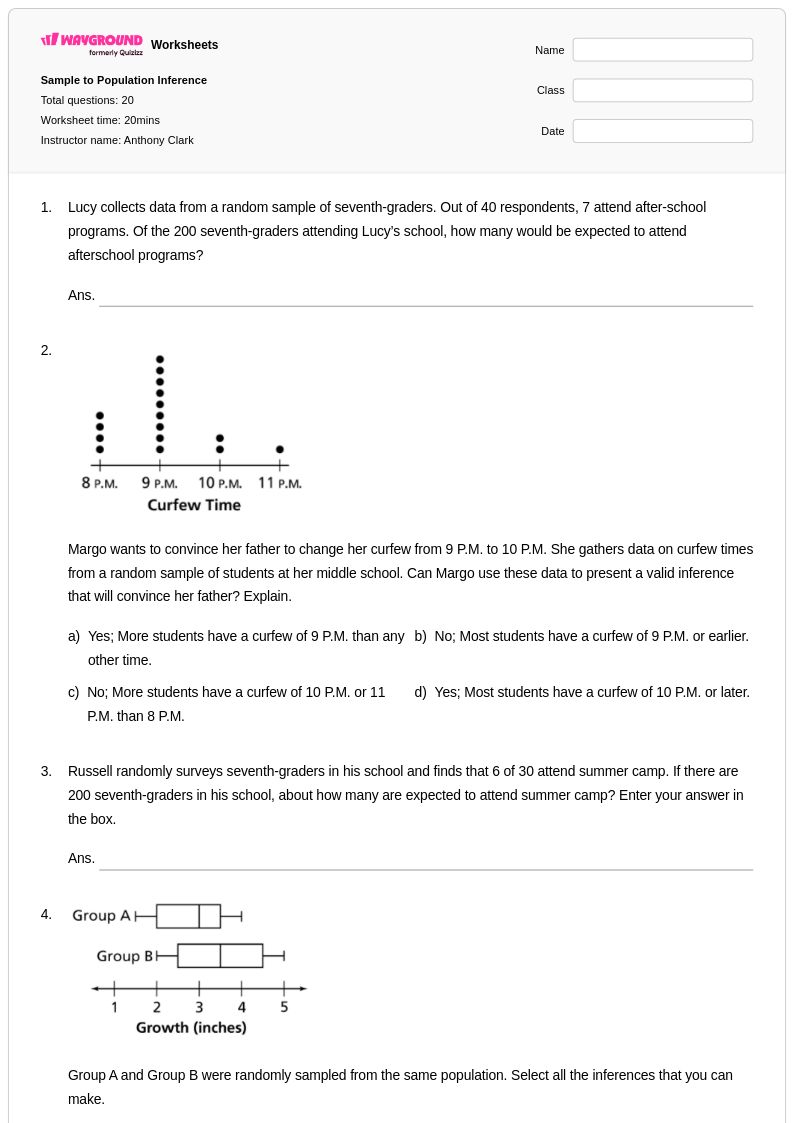
20 Q
7th - Uni
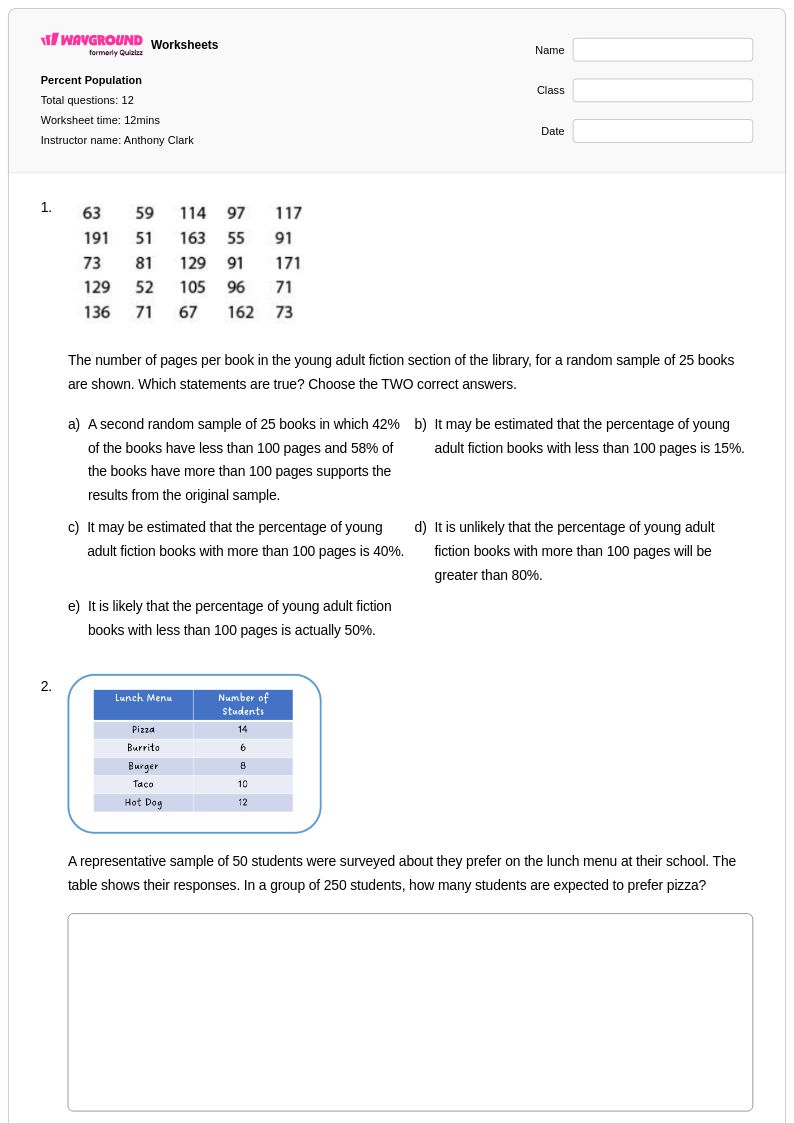
12 Q
7th - Uni
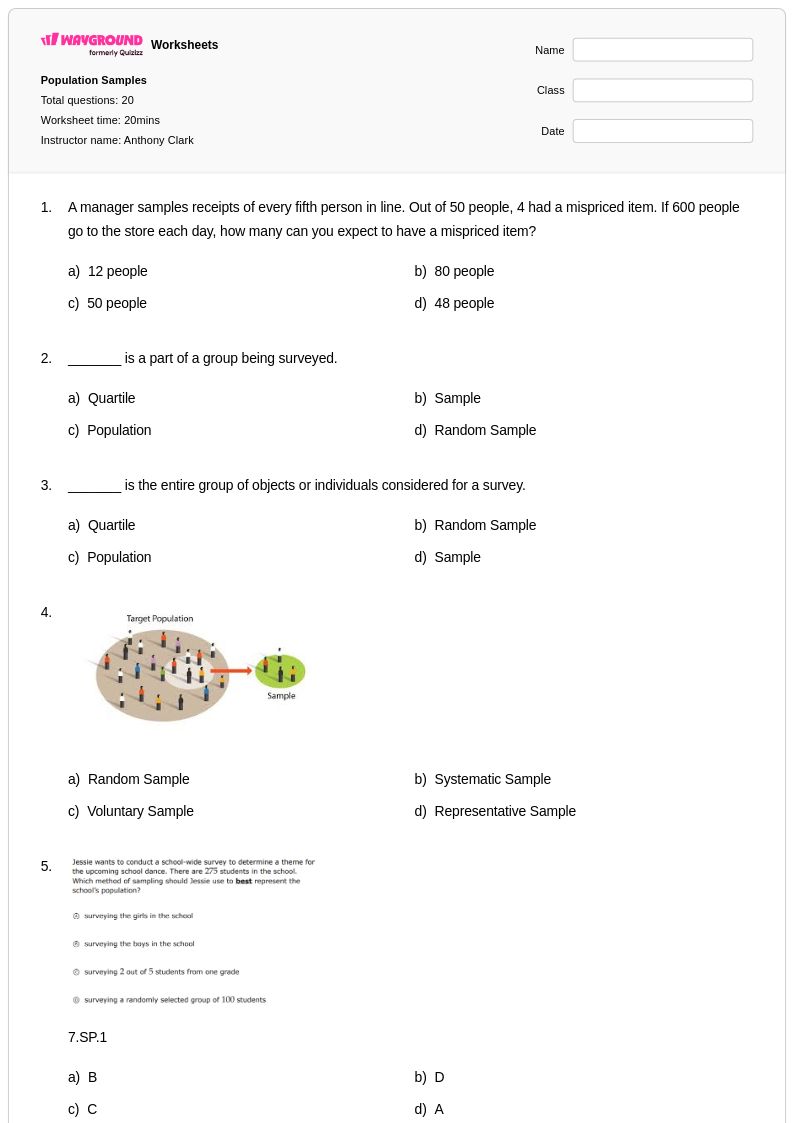
20 Q
7th - Uni
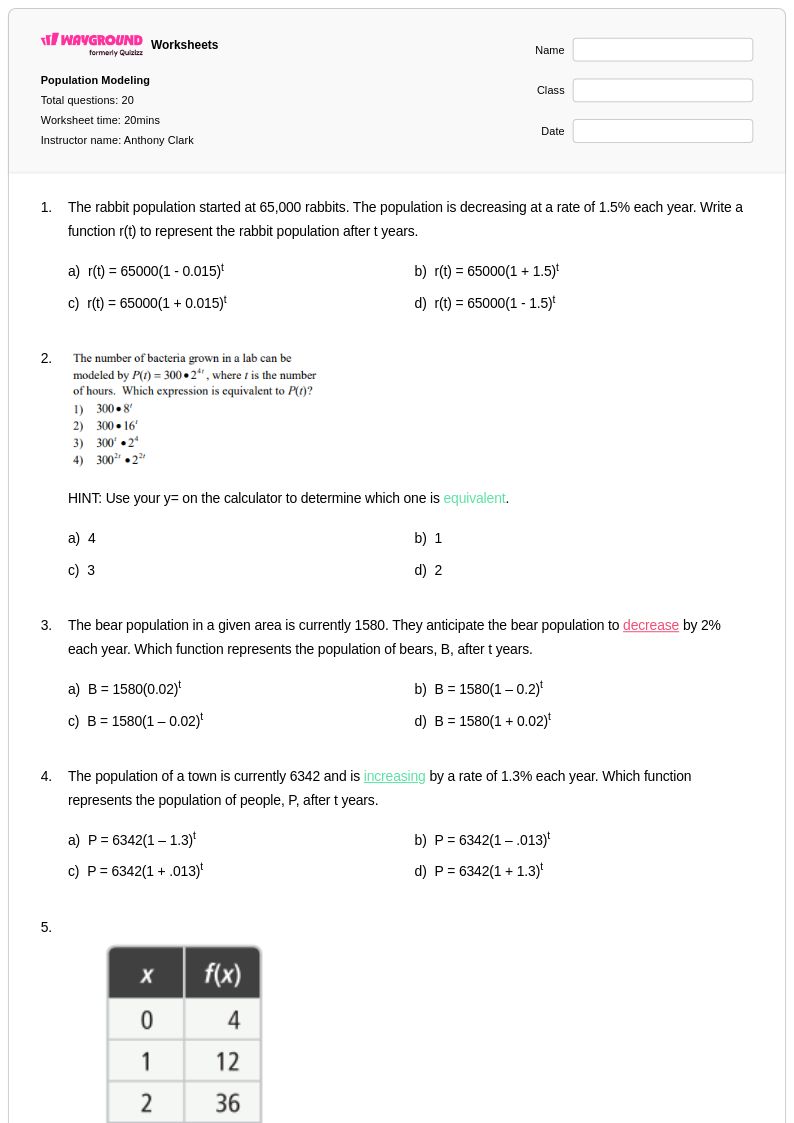
20 Q
9th - Uni
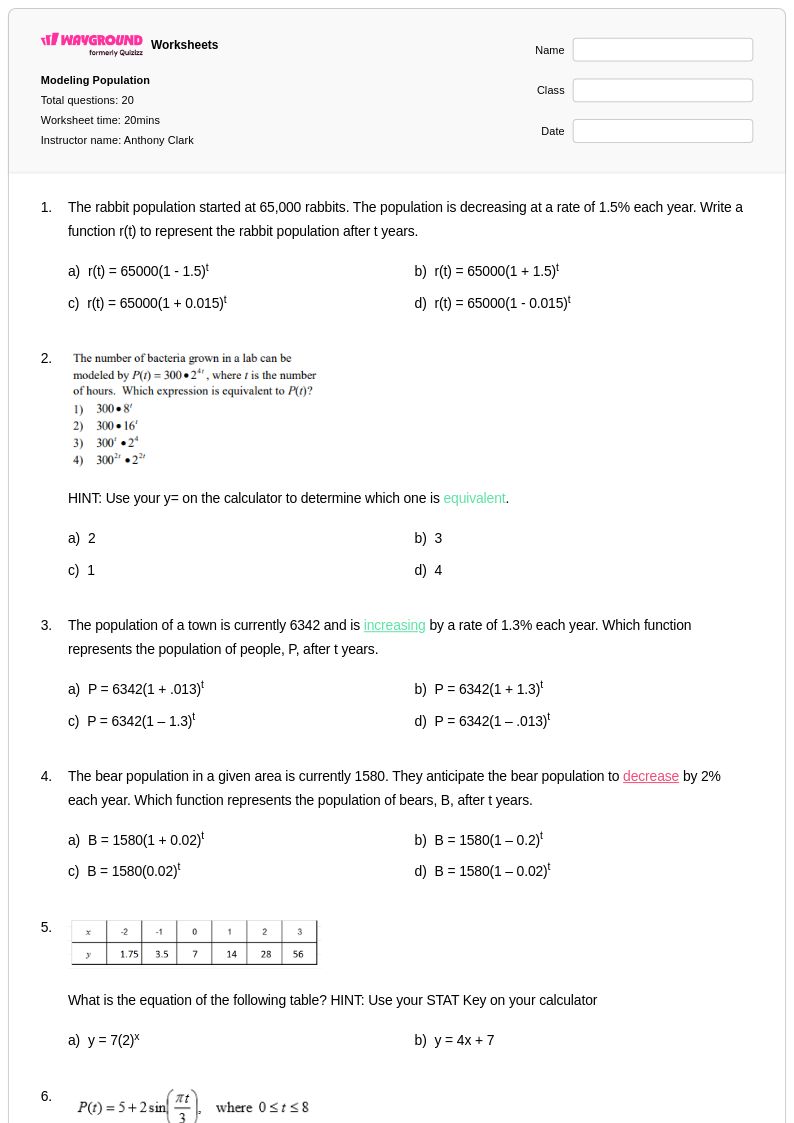
20 Q
9th - Uni
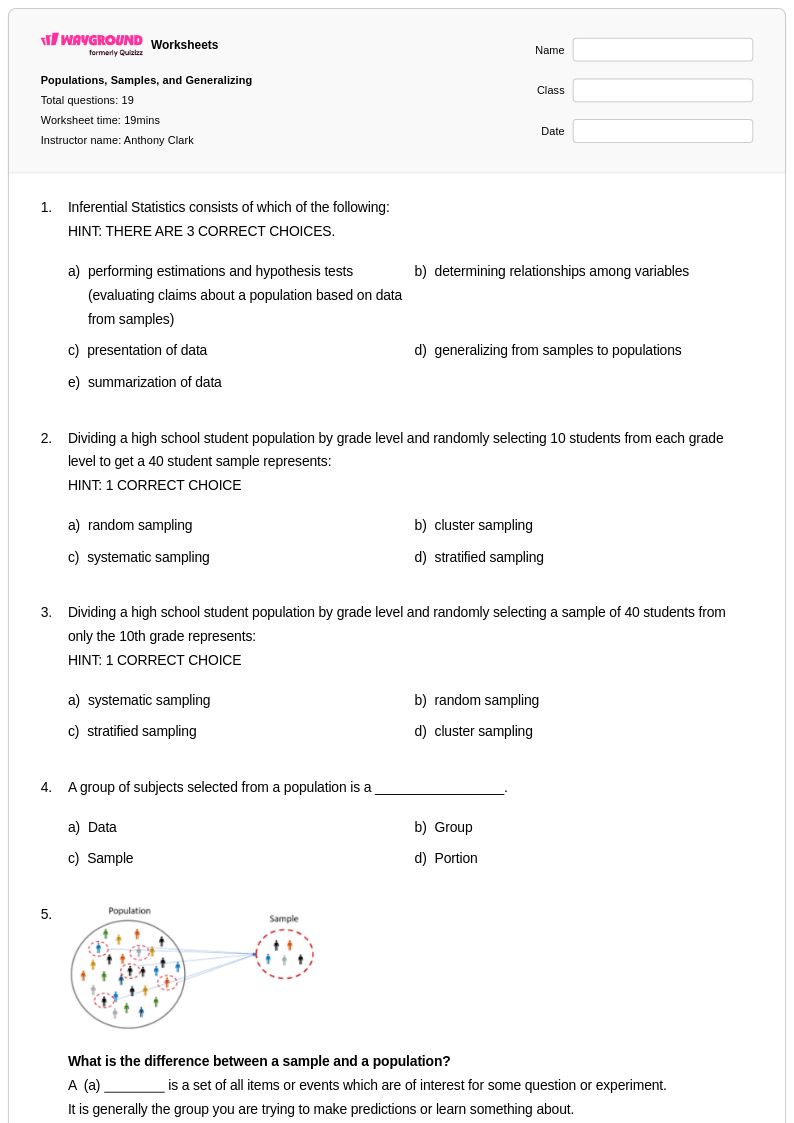
19 Q
7th - Uni
20 Q
12th - Uni
20 Q
7th - Uni
20 Q
12th - Uni
17 Q
12th - Uni
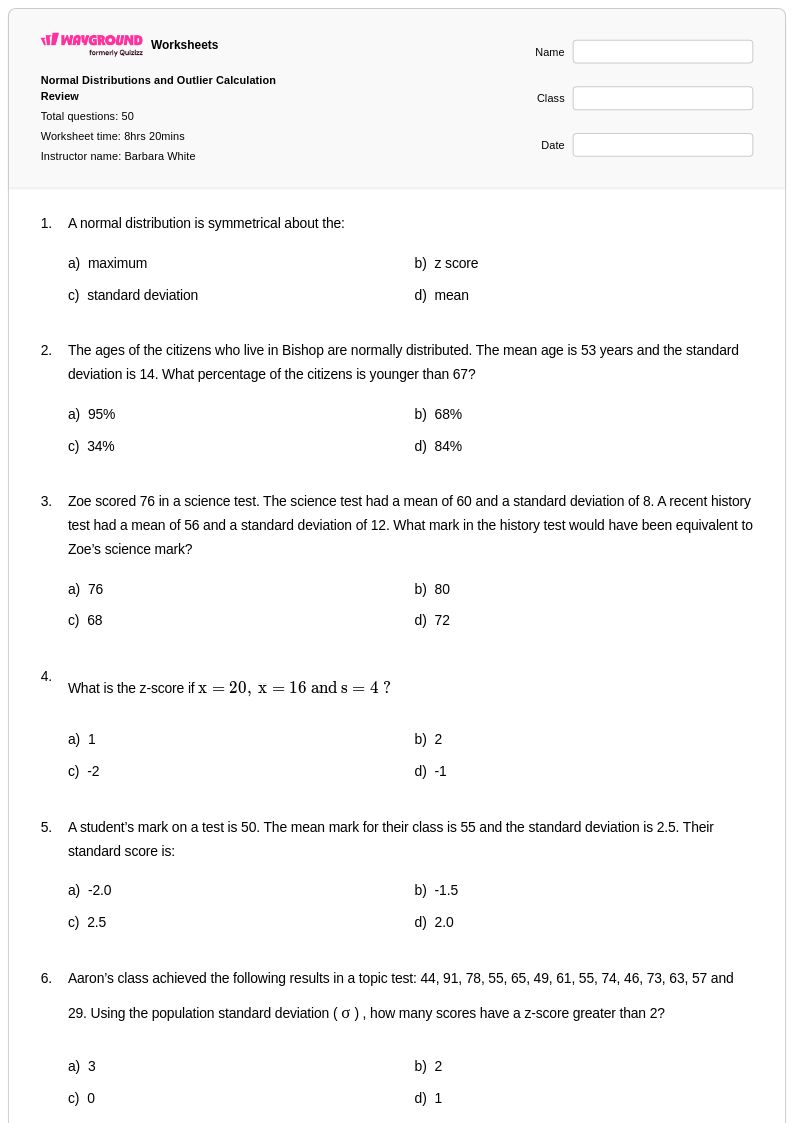
50 Q
12th
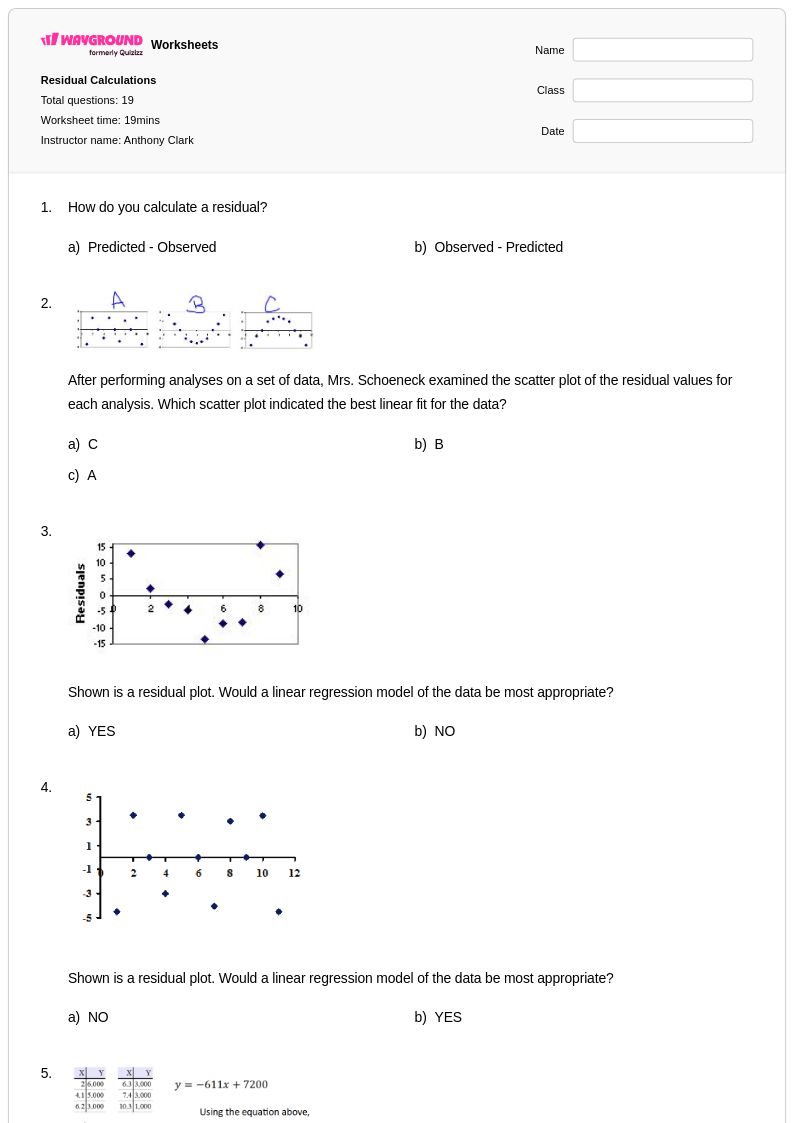
19 Q
11th - Uni
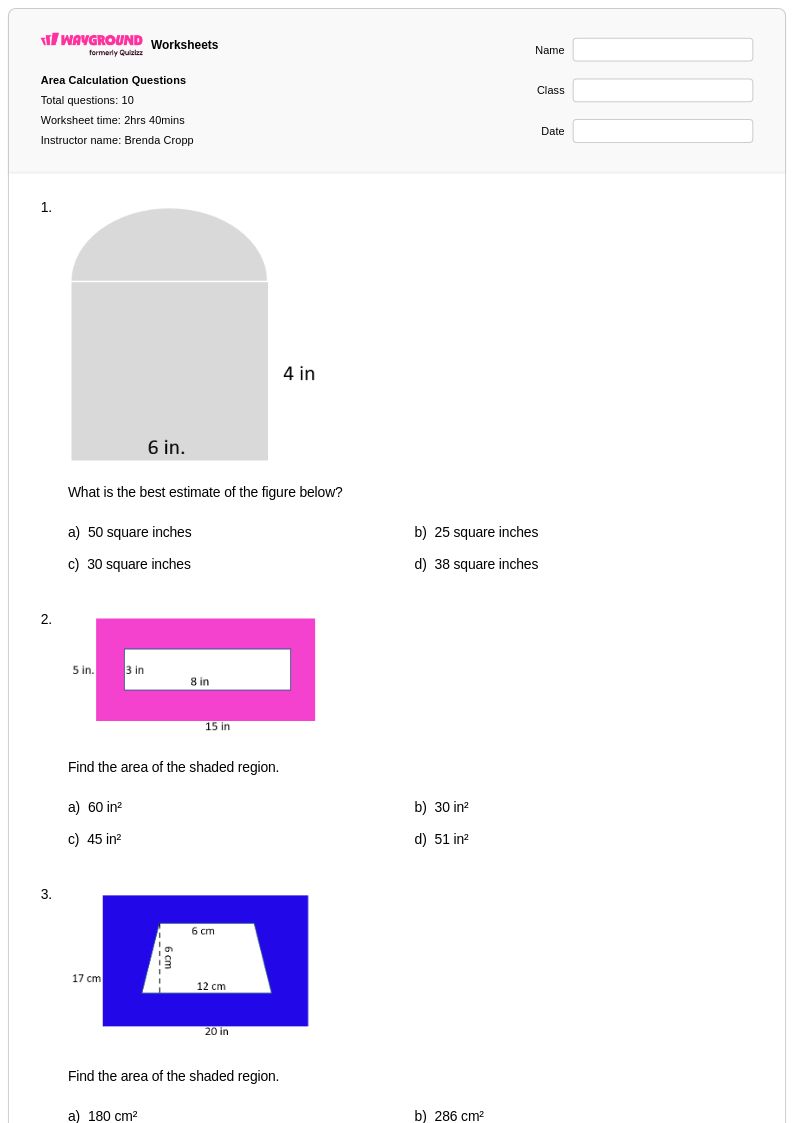
10 Q
7th - Uni
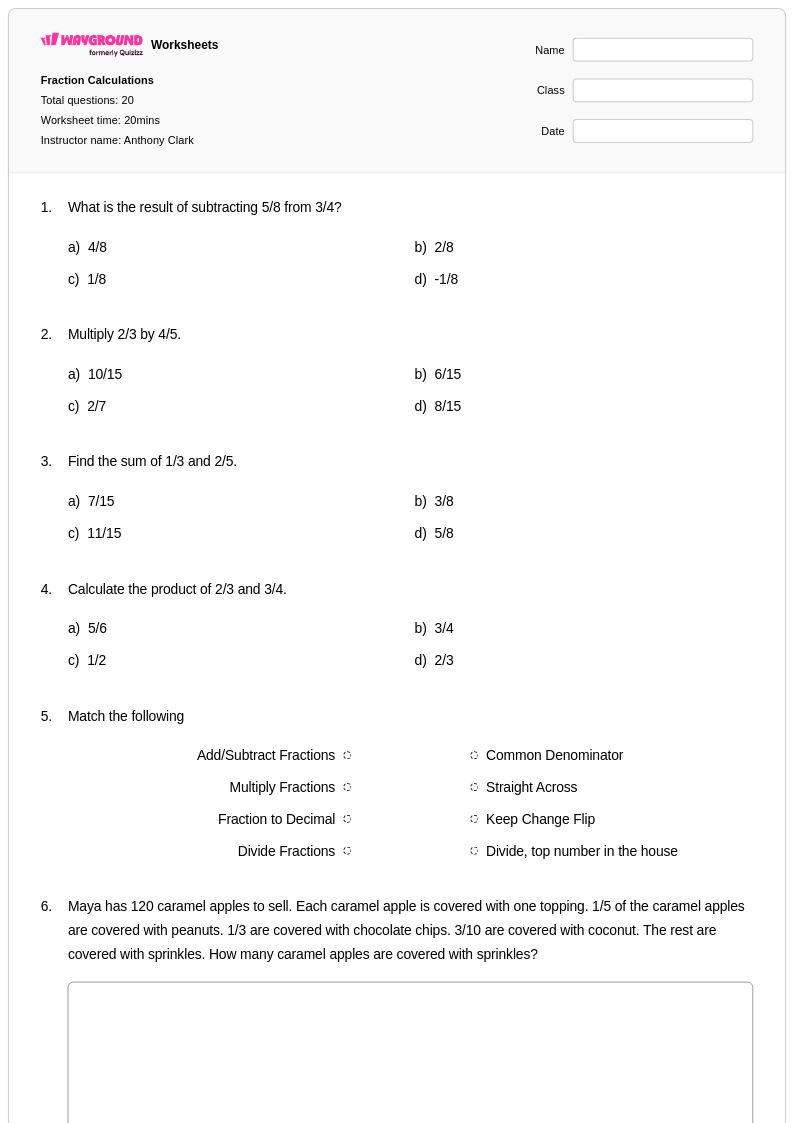
20 Q
6th - Uni
Explore Population Calculation Worksheets by Grades
Explore Other Subject Worksheets for grade 12
Explore printable Population Calculation worksheets for Grade 12
Population calculation worksheets for Grade 12 students available through Wayground (formerly Quizizz) provide comprehensive practice with advanced statistical concepts essential for understanding demographic analysis and real-world data interpretation. These expertly designed resources strengthen students' abilities to calculate population parameters, analyze sampling distributions, and apply confidence intervals to population estimates. The collection includes diverse practice problems that challenge students to work with population means, proportions, and variance calculations while developing proficiency in distinguishing between population and sample statistics. Each worksheet comes with detailed answer keys that guide students through complex multi-step solutions, and the free printable pdf format ensures accessibility for both classroom instruction and independent study sessions.
Wayground (formerly Quizizz) empowers educators with millions of teacher-created population calculation resources that streamline lesson planning and support differentiated instruction for Grade 12 mathematics courses. The platform's robust search and filtering capabilities allow teachers to quickly locate worksheets aligned with specific curriculum standards and learning objectives, while customization tools enable educators to modify content difficulty and scope to meet diverse student needs. These versatile materials are available in both printable and digital formats, including downloadable pdfs, making them ideal for classroom activities, homework assignments, remediation sessions, and enrichment opportunities. Teachers can effectively use these resources to provide targeted skill practice, assess student understanding of population parameters, and bridge the gap between theoretical statistical concepts and practical applications in fields such as market research, public health, and social sciences.