Free Printable Scrambled Sentences Worksheets for Grade 3
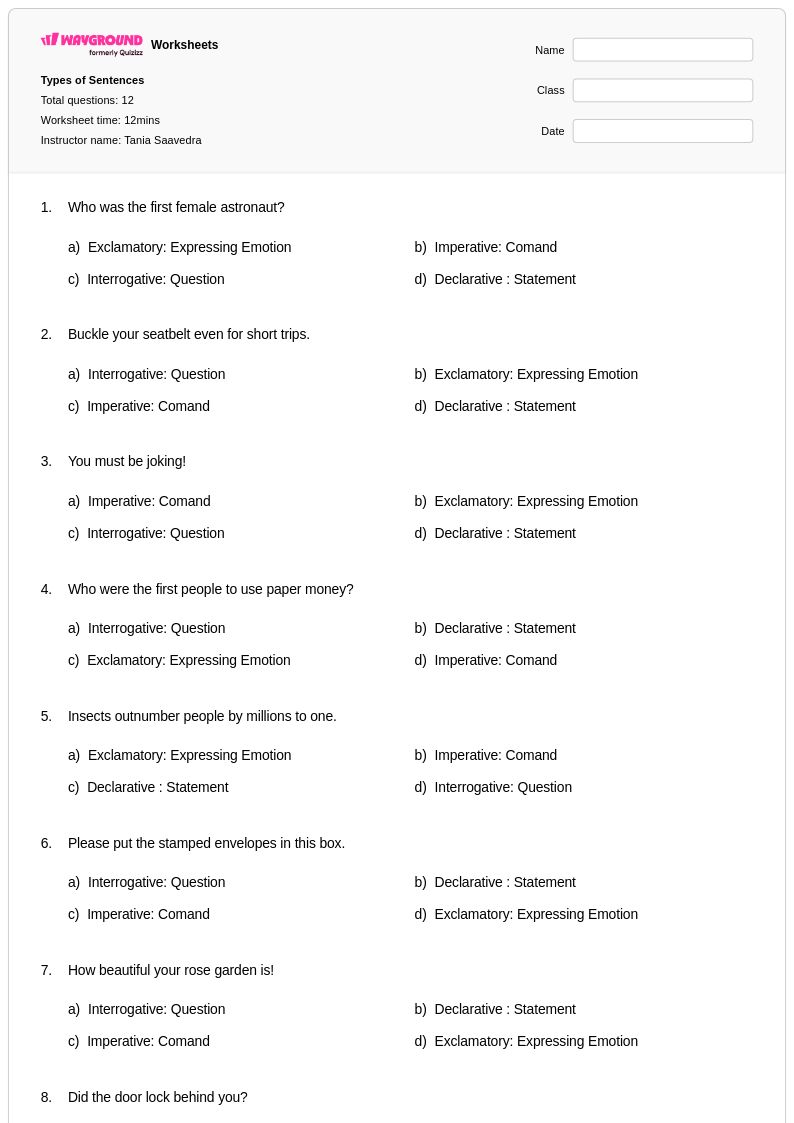
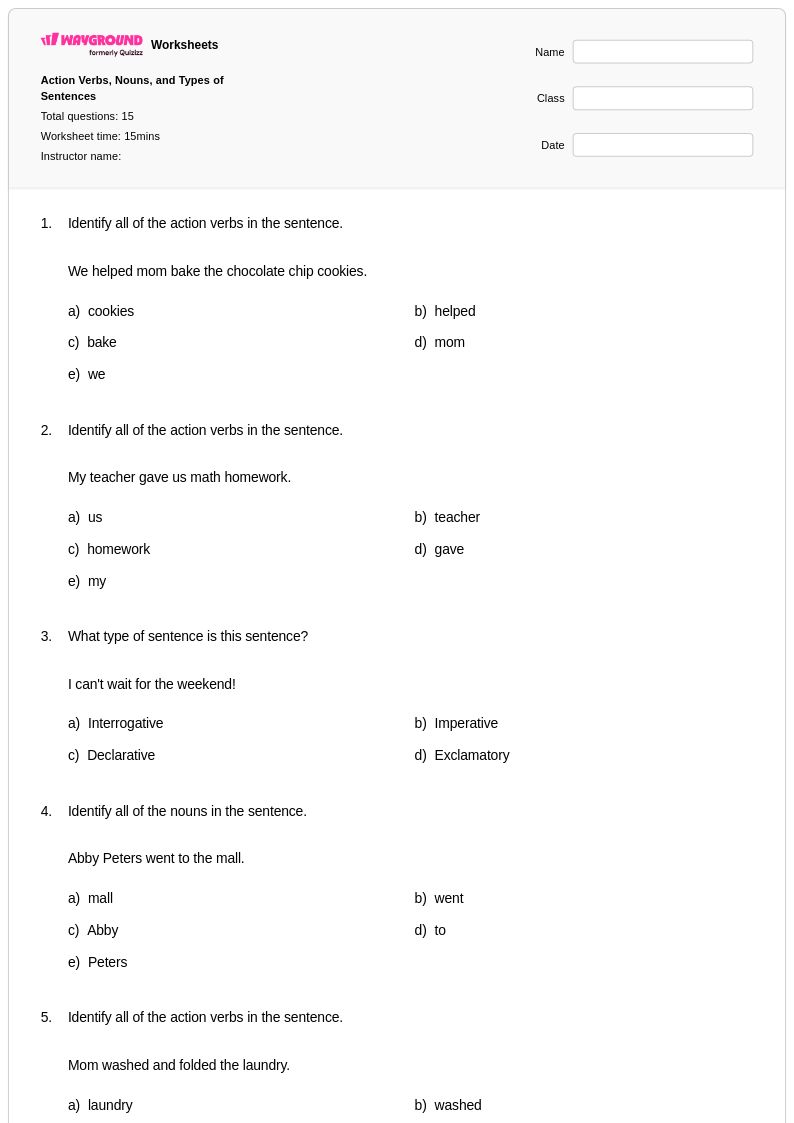
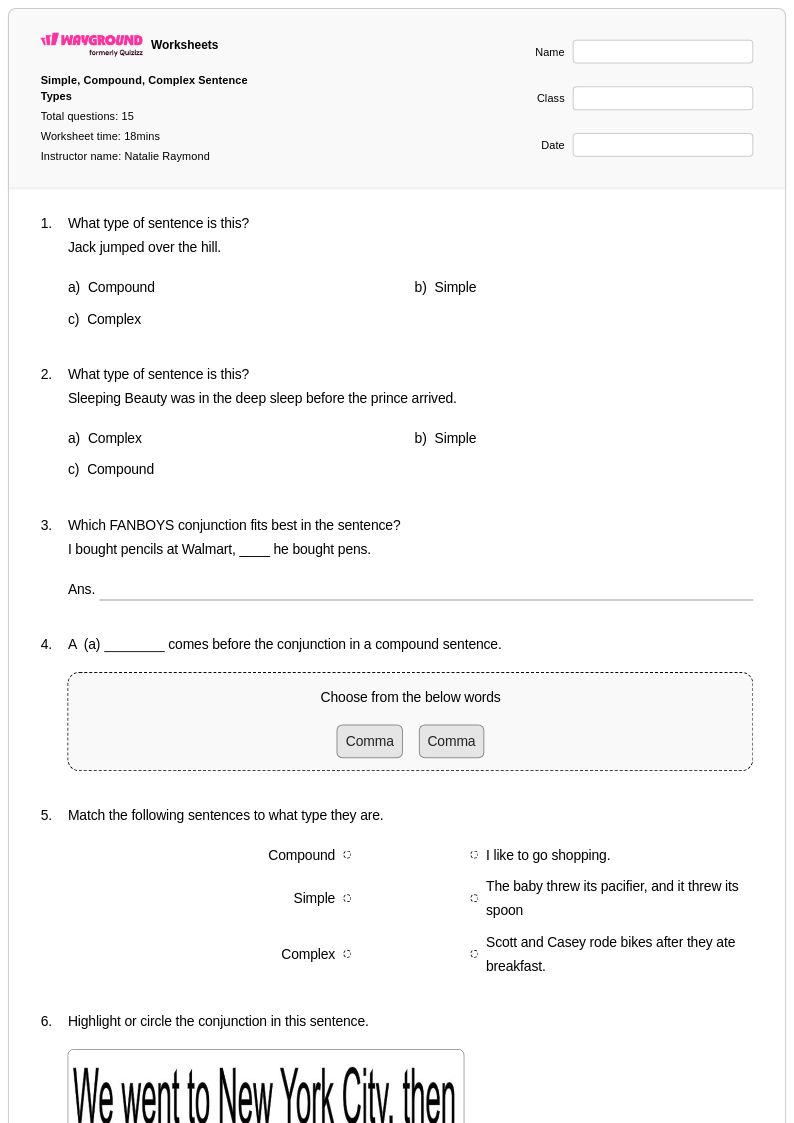
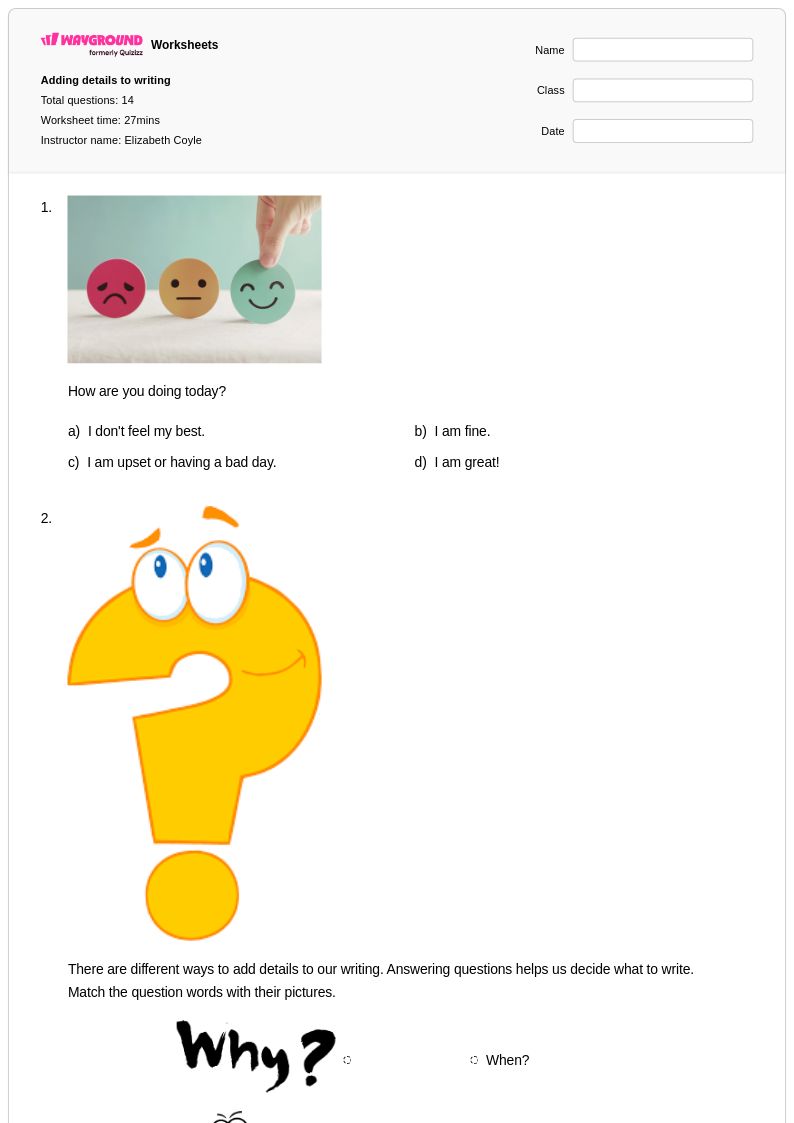
Enhance Grade 3 students' understanding of scrambled sentences with Wayground's free printable worksheets and practice problems, complete with answer keys to help young learners master proper sentence structure and word order.
Explore printable Scrambled Sentences worksheets for Grade 3
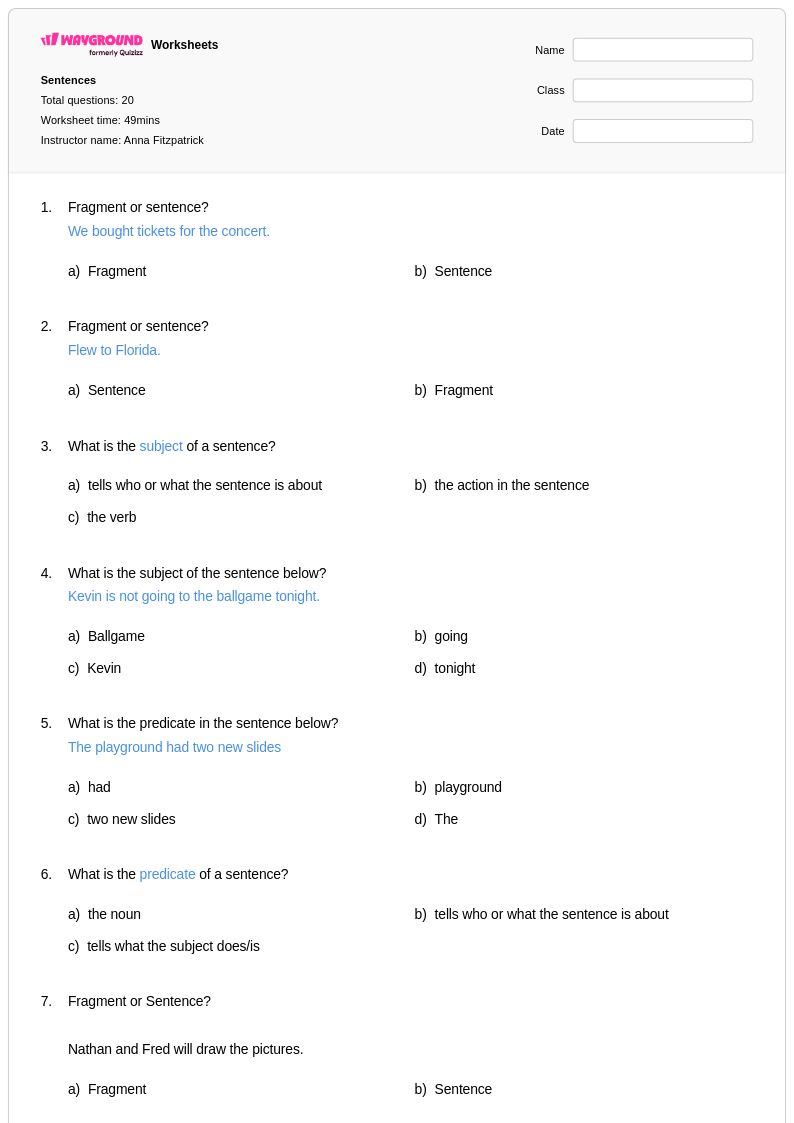
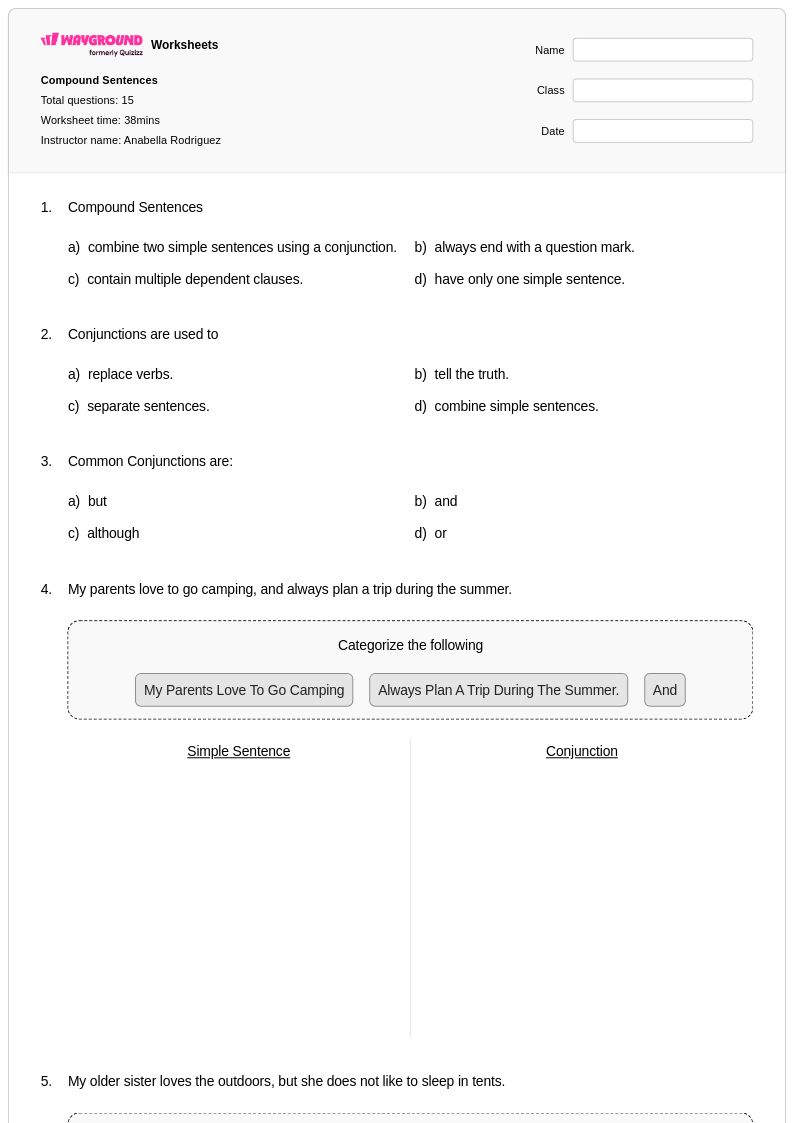
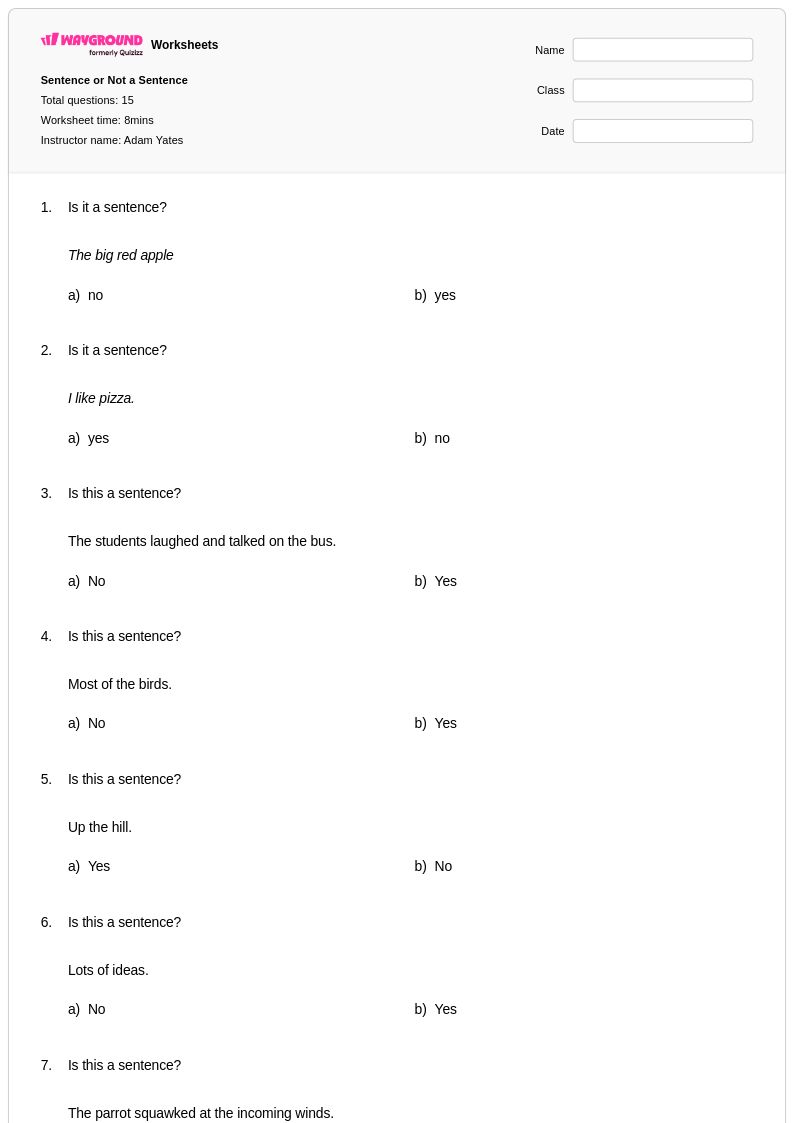
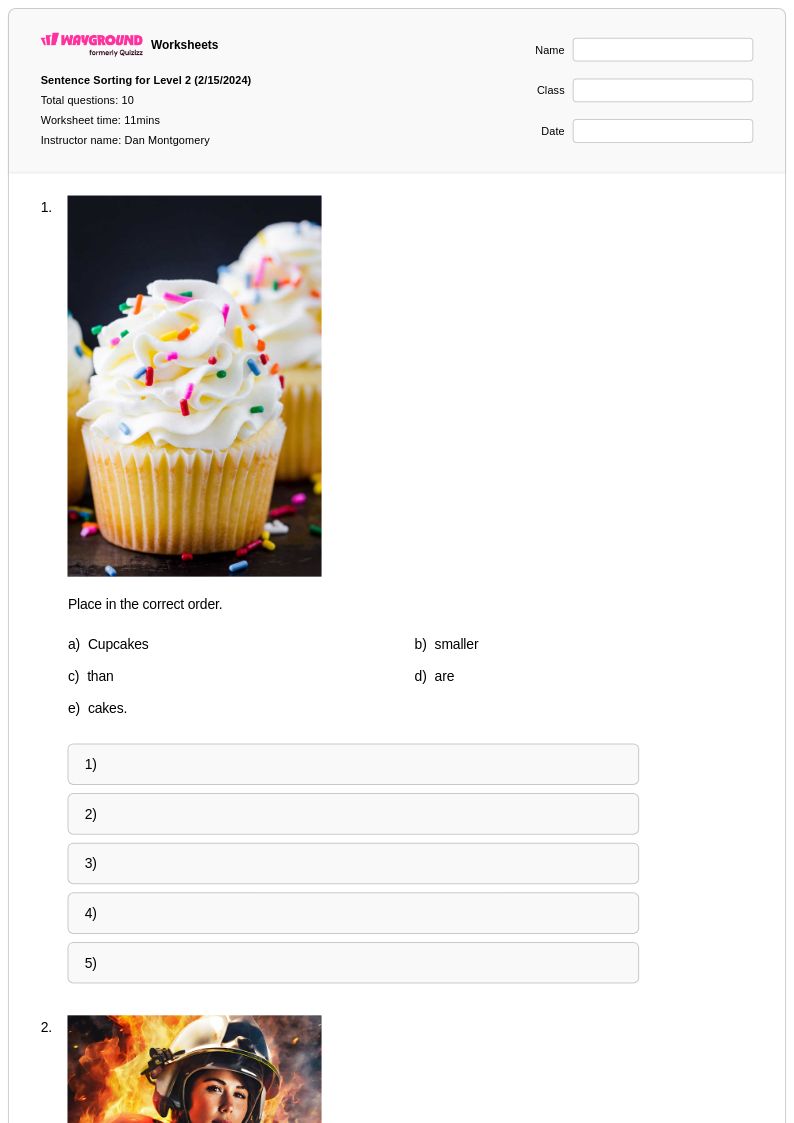
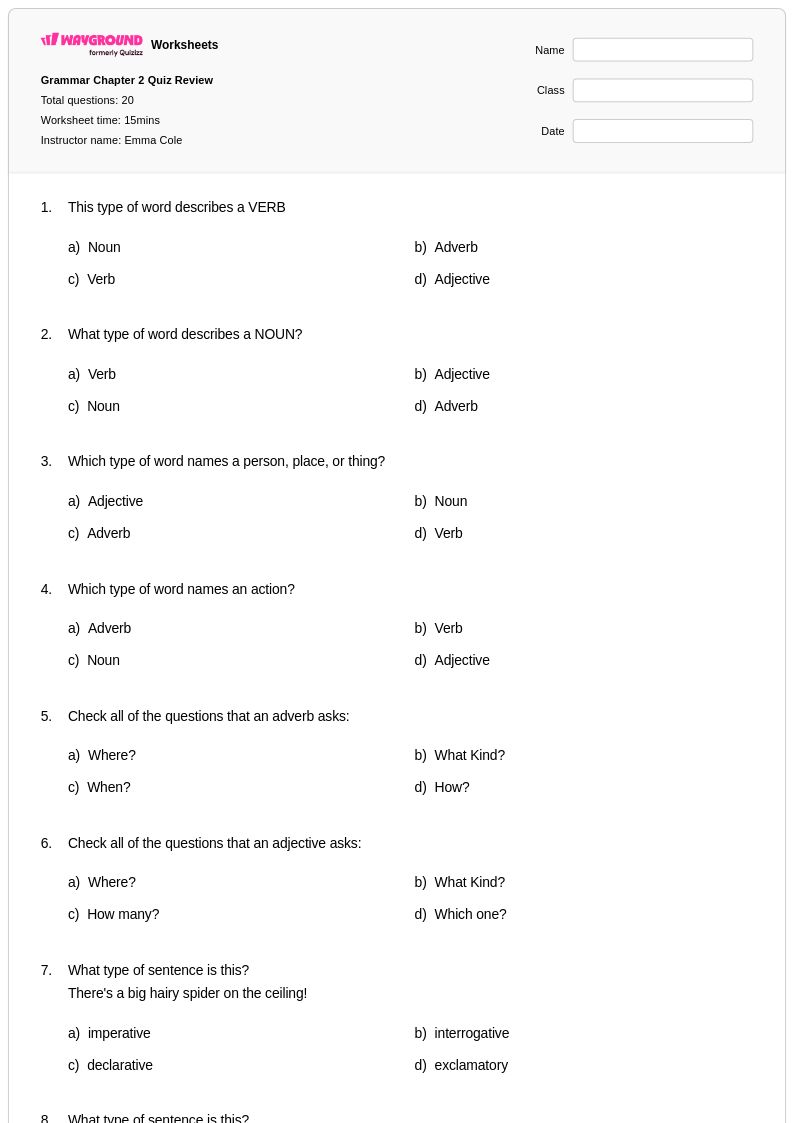
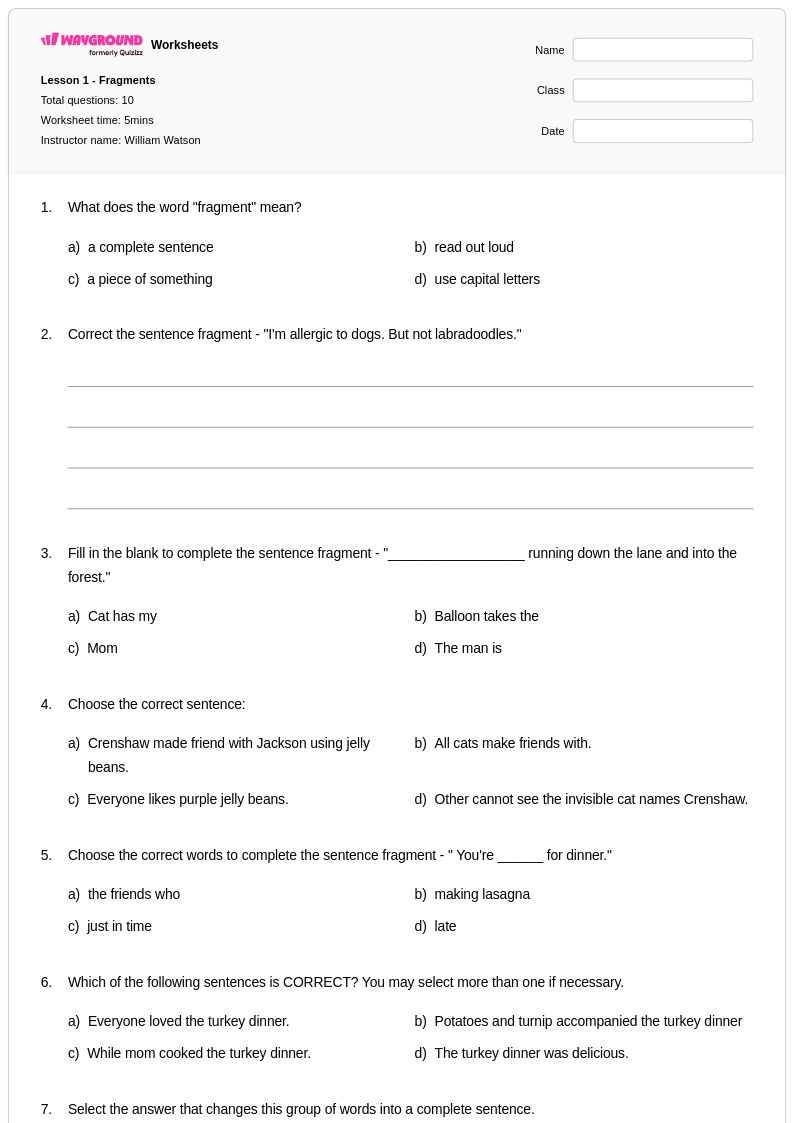
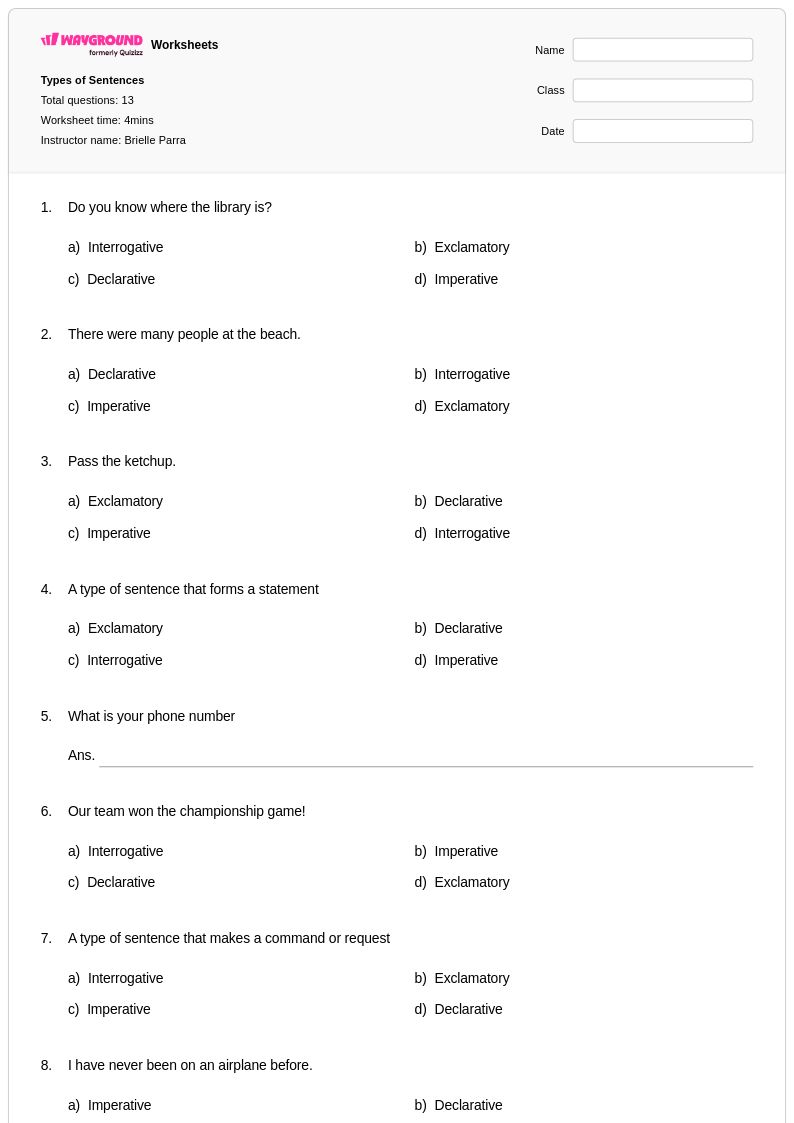
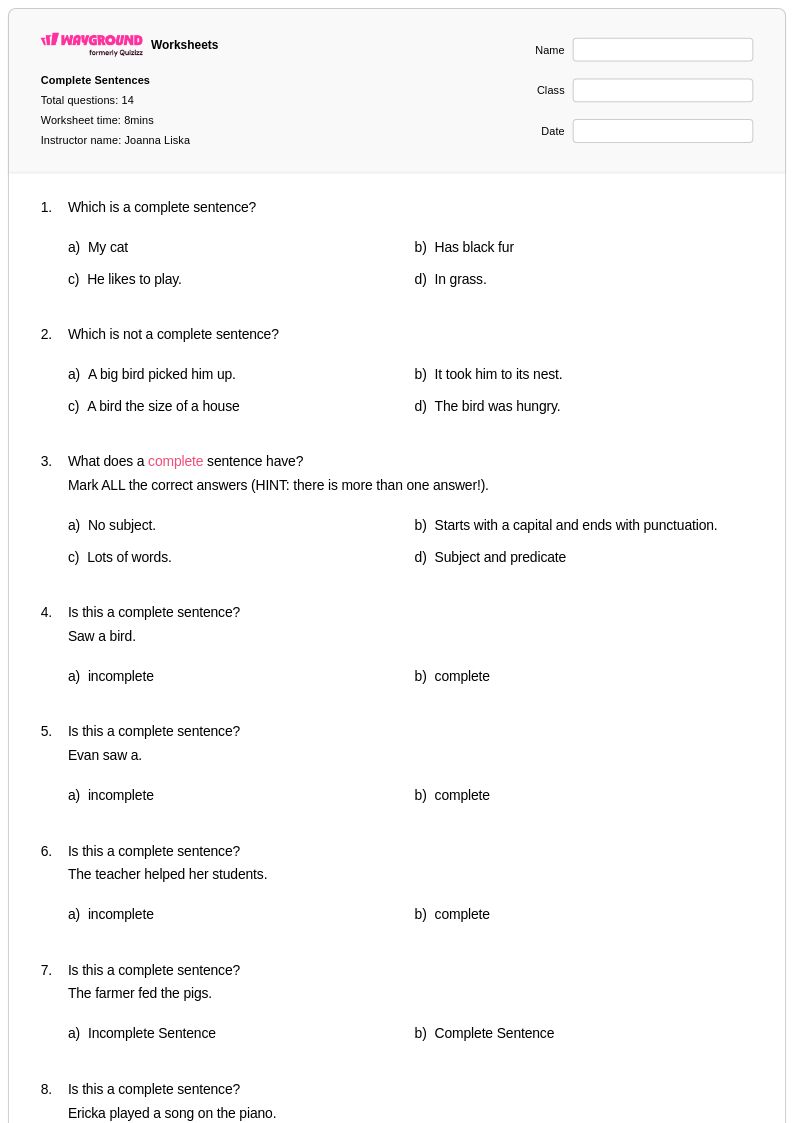
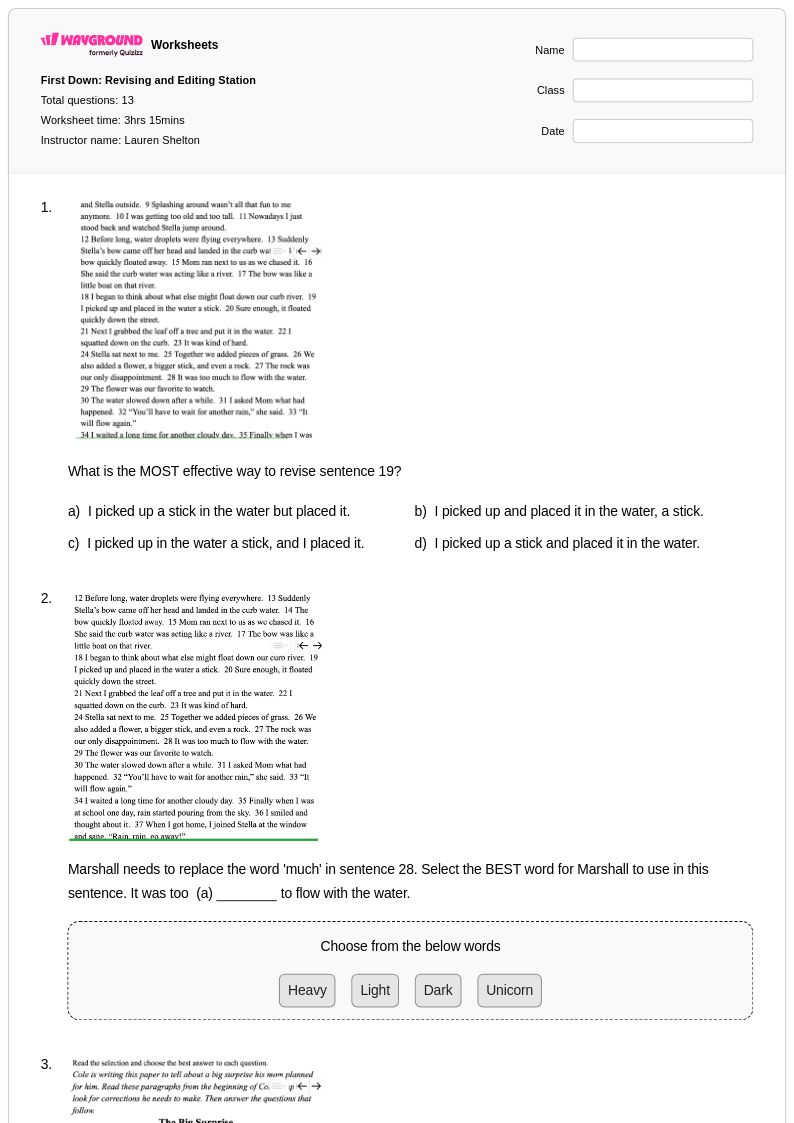
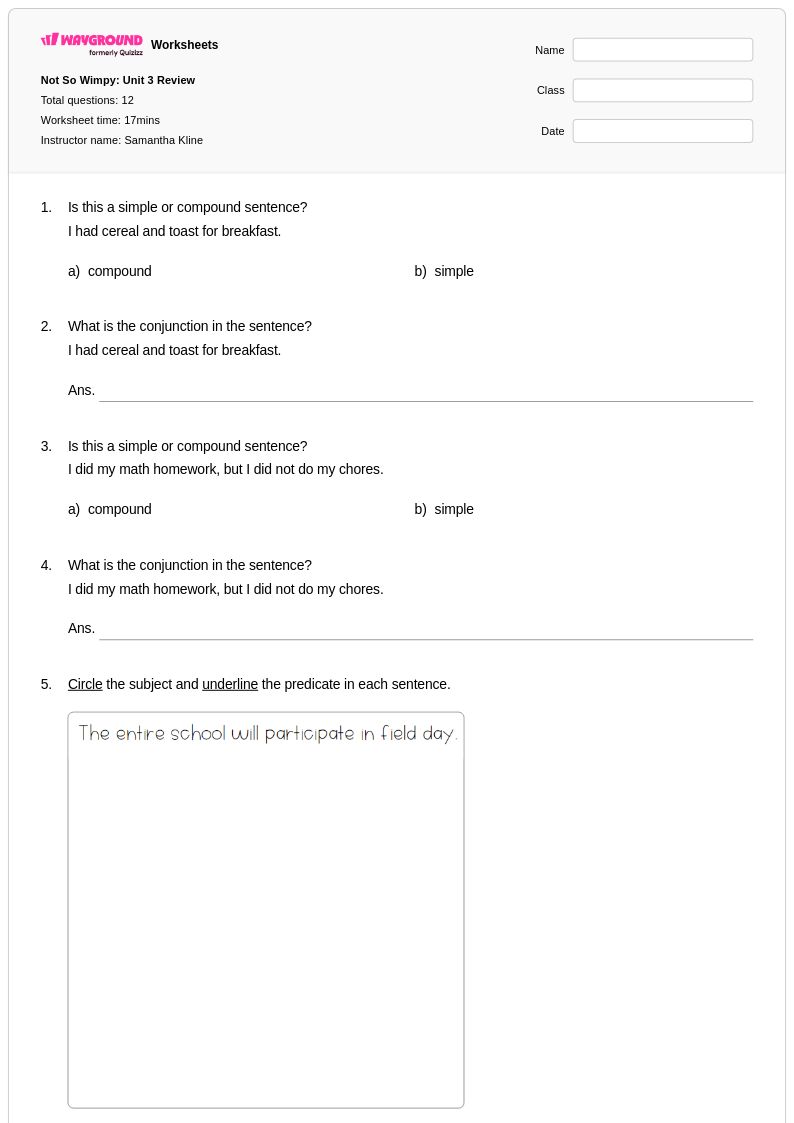
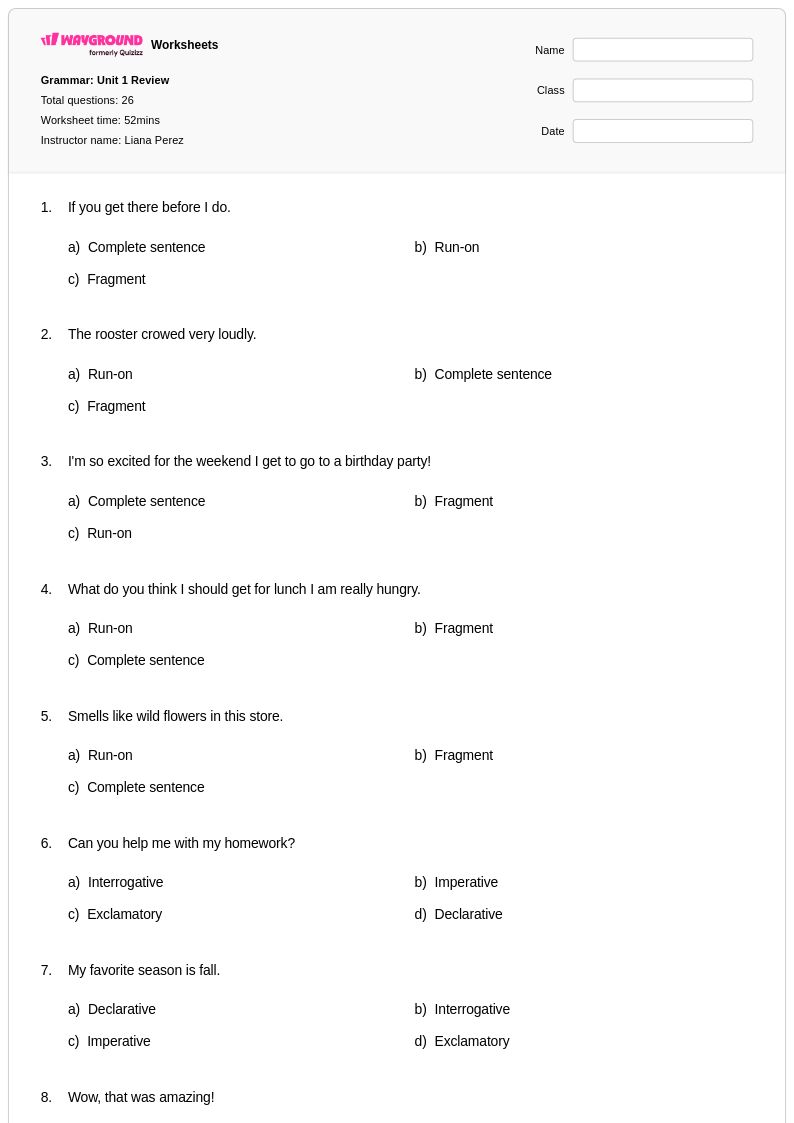
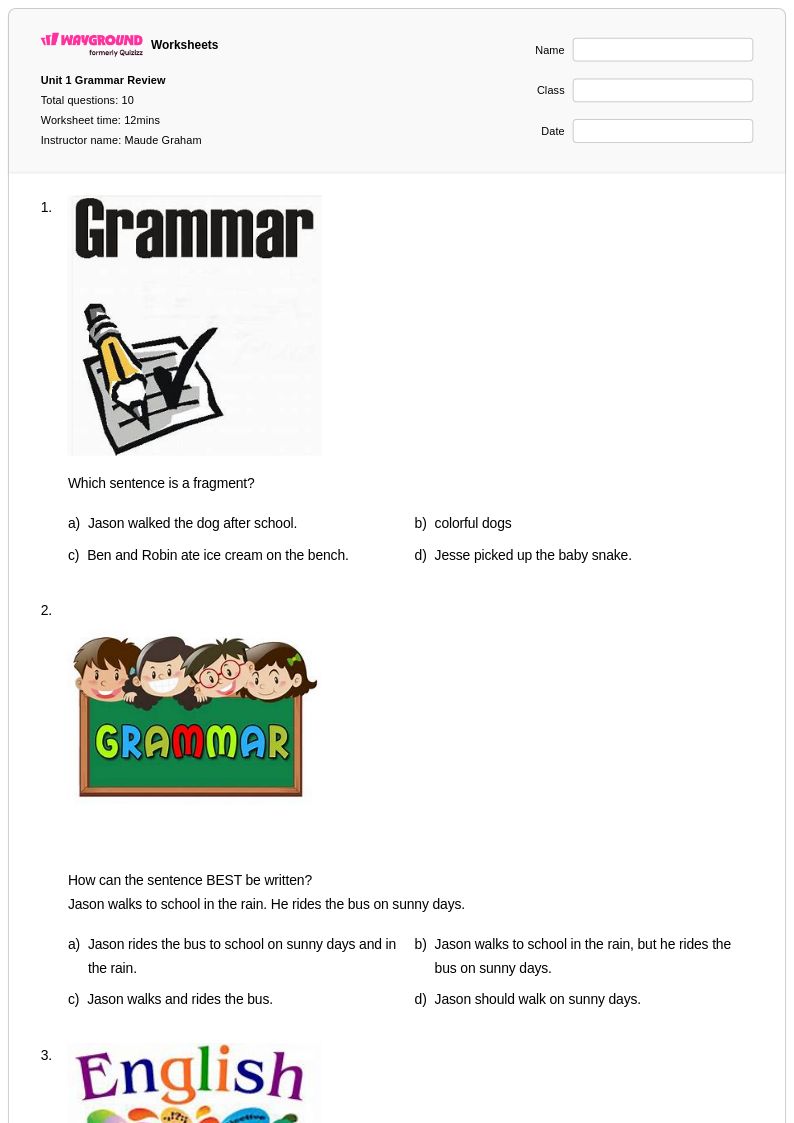
Scrambled sentences worksheets for Grade 3 students available through Wayground (formerly Quizizz) provide essential practice in sentence construction and word order recognition. These carefully designed printables challenge young learners to rearrange mixed-up words into grammatically correct and meaningful sentences, strengthening their understanding of syntax, subject-verb relationships, and proper sentence structure. Each worksheet features age-appropriate vocabulary and progressively challenging practice problems that help third graders develop critical thinking skills while reinforcing fundamental grammar concepts. Teachers can access comprehensive answer keys and free pdf downloads that make classroom implementation seamless and support both independent work and guided instruction sessions.
Wayground (formerly Quizizz) empowers educators with millions of teacher-created scrambled sentence resources specifically tailored for Grade 3 language arts instruction. The platform's robust search and filtering capabilities allow teachers to quickly locate worksheets that align with curriculum standards and match their students' specific learning needs. Advanced differentiation tools enable instructors to customize difficulty levels, modify vocabulary complexity, and adapt content for diverse learning styles, while flexible formatting options provide both printable pdf versions for traditional classroom use and digital formats for technology-integrated lessons. These comprehensive features streamline lesson planning and support targeted remediation, enrichment activities, and ongoing skill practice that helps students master sentence structure fundamentals.
FAQs
How do I teach scrambled sentences to students who struggle with word order?
Start by having students identify the subject and verb first, since anchoring those two elements gives them a structural foundation before placing modifiers, objects, and phrases. Use simple 3-4 word sentences initially, then gradually increase length and complexity as students build confidence. Visual sentence-sorting activities, where students physically manipulate word cards, can bridge the gap between tactile understanding and written practice.
What skills do scrambled sentence exercises build in student writers?
Scrambled sentence exercises directly reinforce syntax, subject-predicate relationships, and an understanding of how word order affects meaning and clarity. Students practice recognizing sentence patterns and logical sequencing, which transfers to their own writing by making them more deliberate about sentence construction. These exercises are especially effective at exposing gaps in grammar knowledge because students cannot rely on memorized phrases — they have to apply structural rules actively.
What mistakes do students commonly make when unscrambling sentences?
The most common error is placing adverbs or prepositional phrases immediately after the subject rather than at the correct position in the predicate, which produces grammatically awkward sentences. Students also frequently misplace adjectives, putting them after nouns rather than before them, particularly English language learners influenced by their home language structure. Another common mistake is treating any noun as a viable sentence opener without checking whether it functions as the subject in context.
How can scrambled sentence worksheets be used for grammar assessment?
Scrambled sentence tasks are effective low-stakes diagnostic tools because correct reordering requires students to apply grammar rules rather than recall them from a word bank or multiple-choice option. A teacher can quickly identify whether a student understands subject-verb placement, article usage, or modifier position by reviewing which words they anchor first and where errors cluster. Using a consistent set of scrambled sentence prompts before and after instruction also provides clear before-and-after evidence of syntactic growth.
How do I use Wayground's scrambled sentence worksheets in my classroom?
Wayground's scrambled sentence worksheets are available as printable PDFs for traditional classroom use and in digital formats for technology-integrated environments, so they work equally well as paper handouts, homework packets, or screen-based assignments. Teachers can also host them as a quiz directly on Wayground, enabling real-time response tracking and immediate feedback for students. Each worksheet includes a complete answer key, which supports self-assessment, peer correction, and efficient teacher grading.
How can I differentiate scrambled sentence practice for students at different skill levels?
For struggling learners, reduce sentence length, limit the number of words to rearrange, or pre-identify the first word to lower the entry point. Advanced students can work with complex sentences containing subordinate clauses or multiple prepositional phrases. On Wayground, teachers can apply accommodations such as reduced answer choices or read-aloud support to individual students, allowing the same core activity to serve the full range of learners without separate lesson planning.