Free Printable Shadow Matching Worksheets for Kindergarten
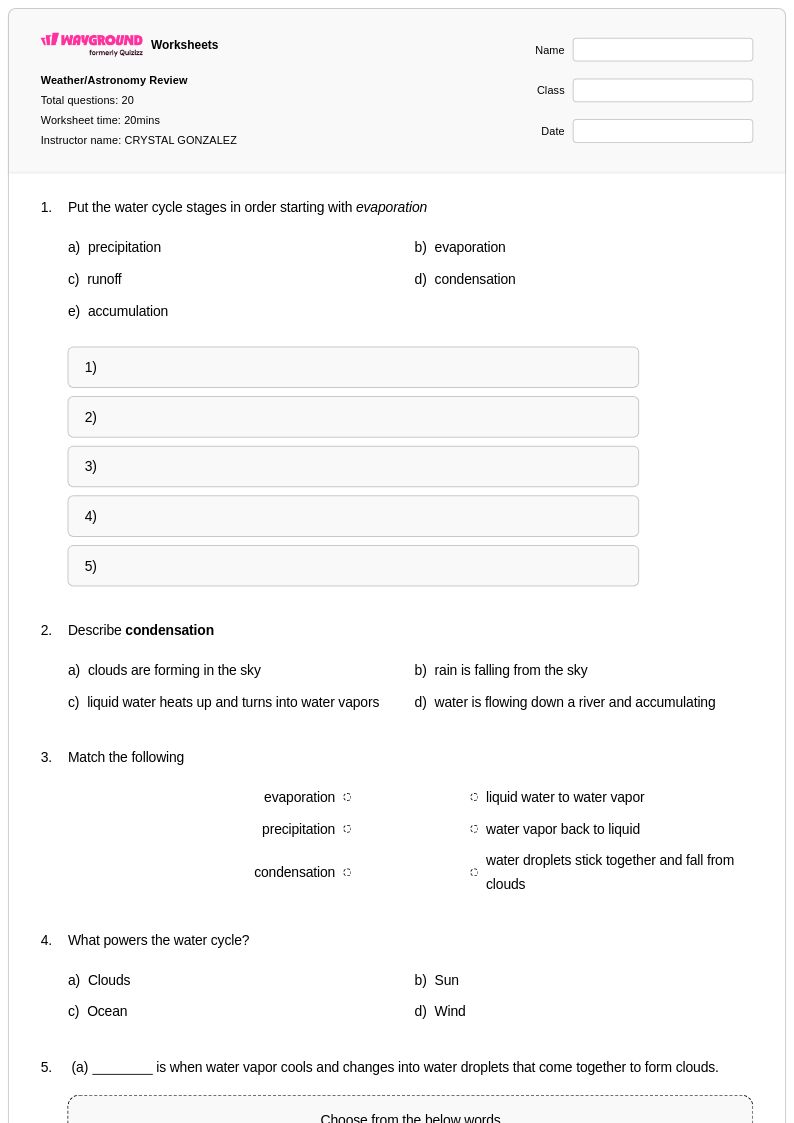
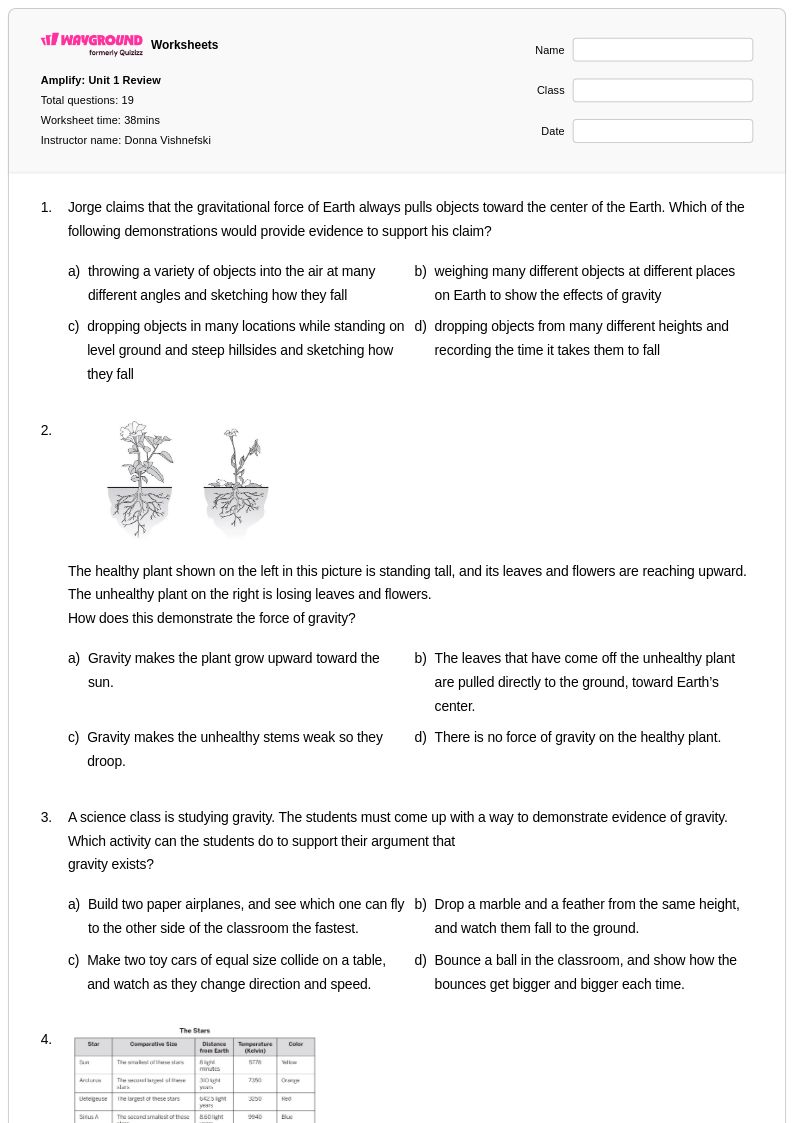
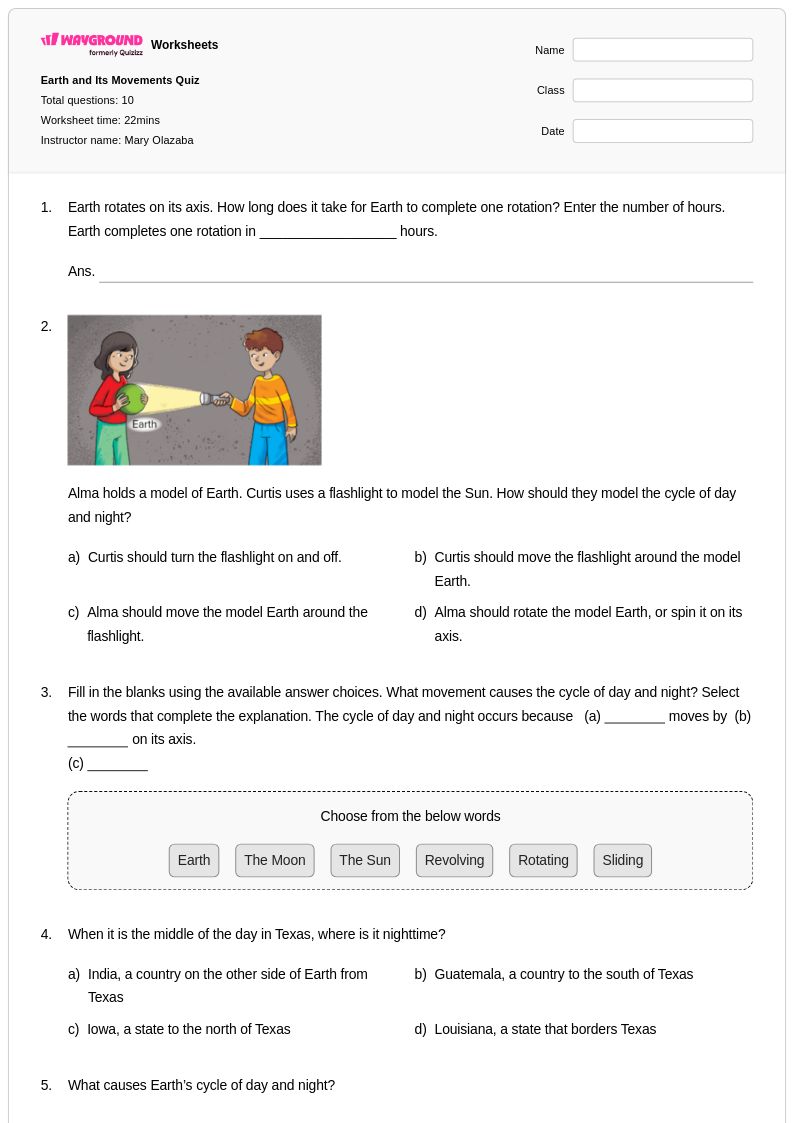
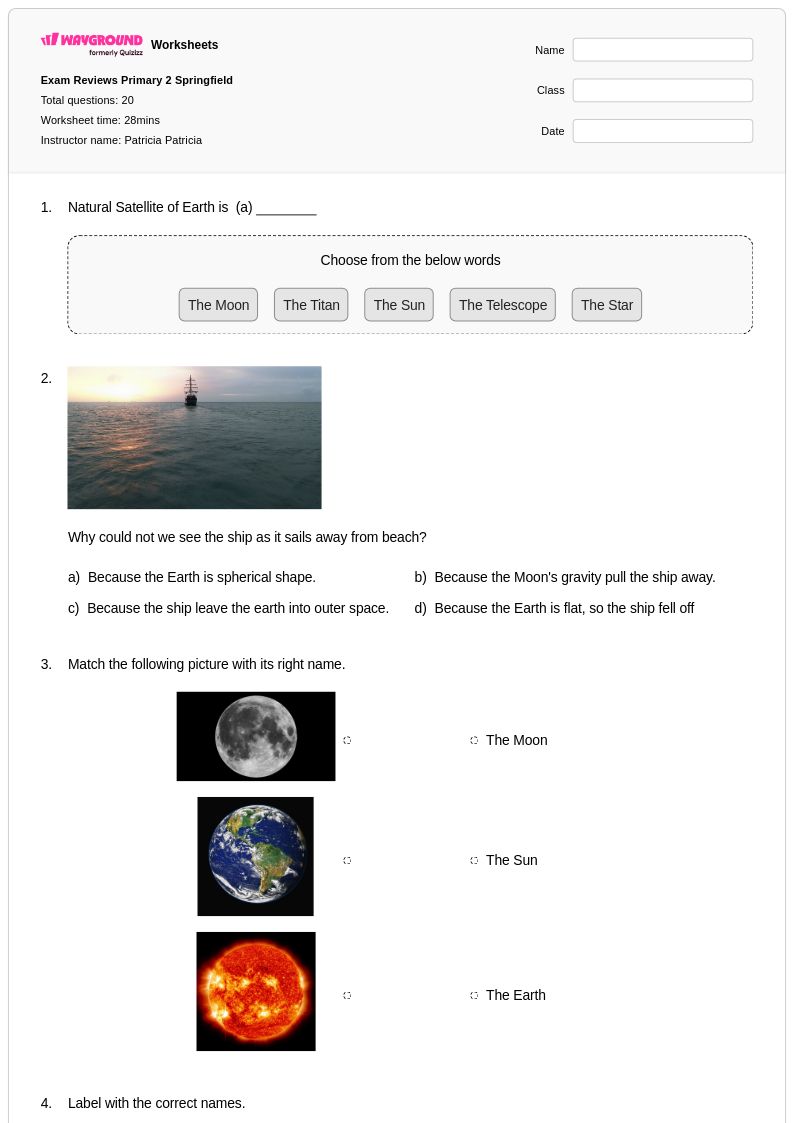
Kindergarten shadow matching worksheets from Wayground help young learners explore basic physics concepts through fun printables and practice problems, complete with answer keys for easy assessment.
Explore printable Shadow Matching worksheets for Kindergarten
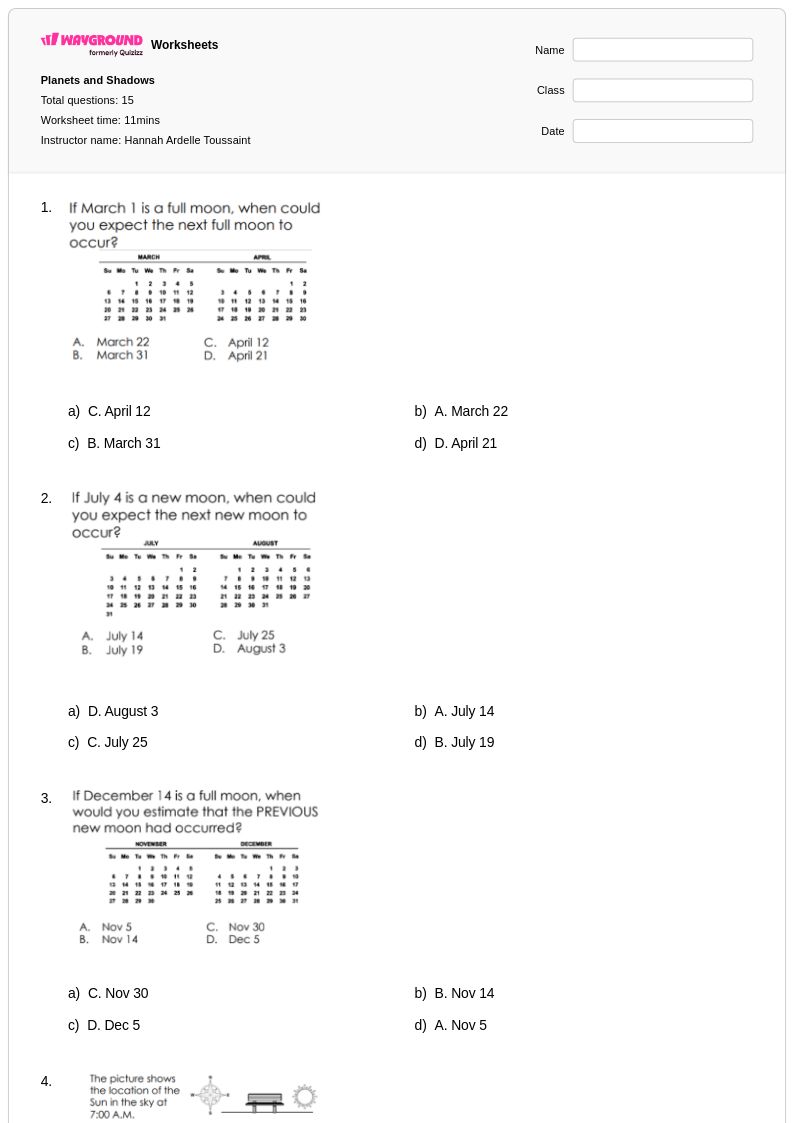
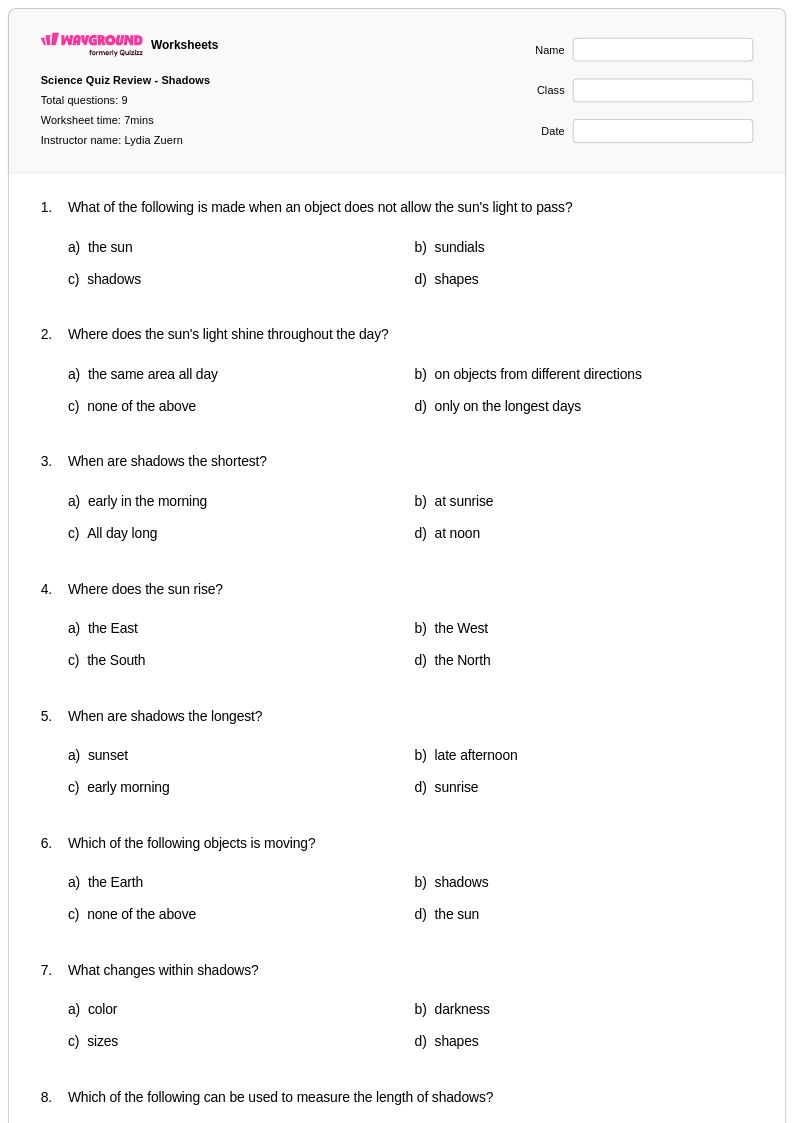
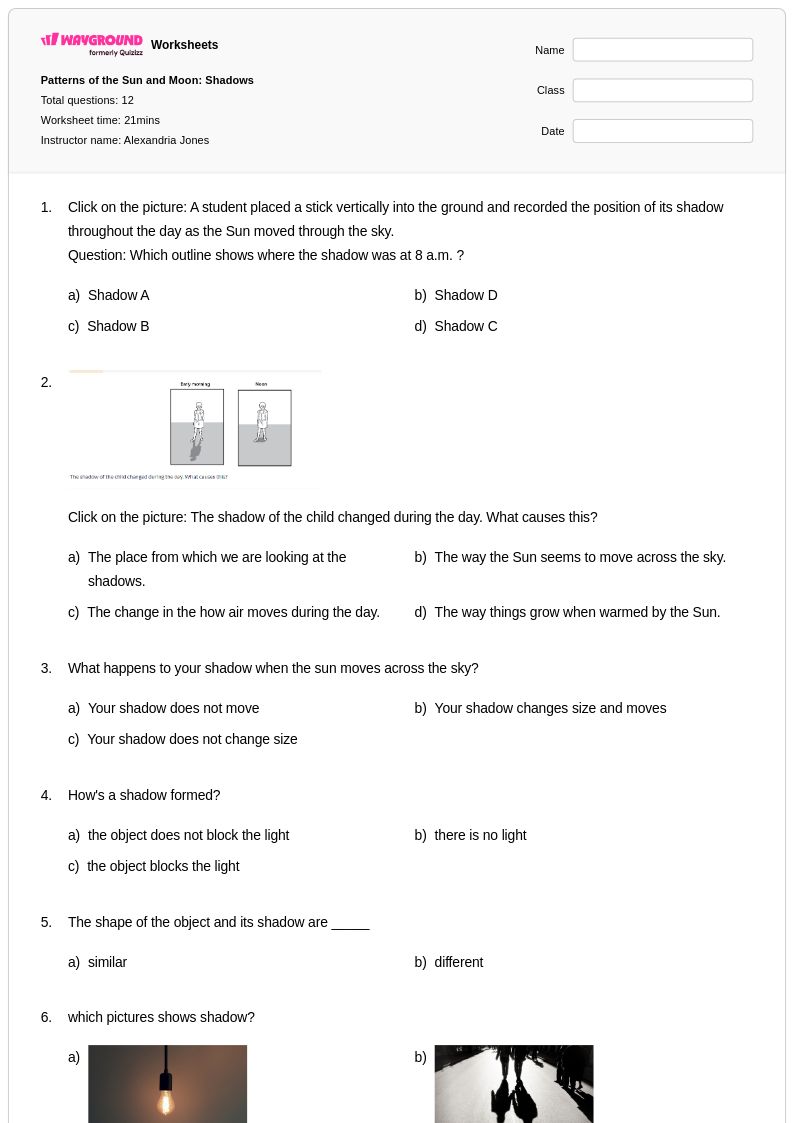
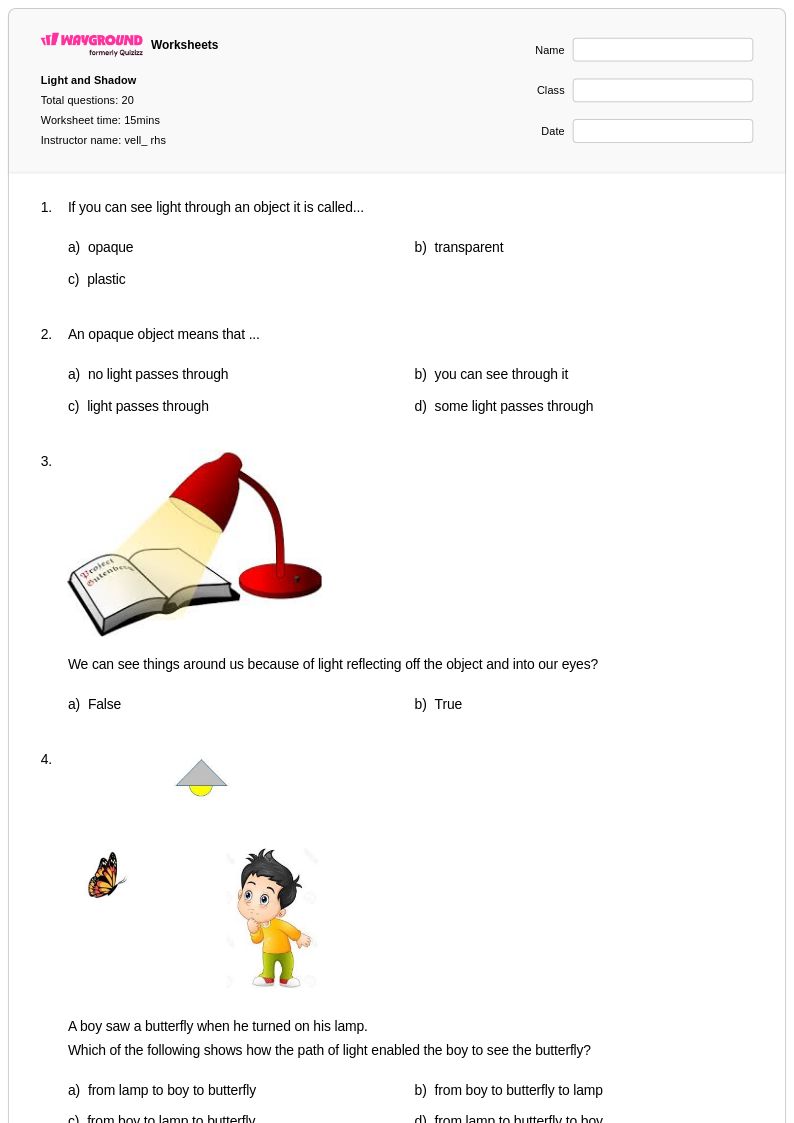
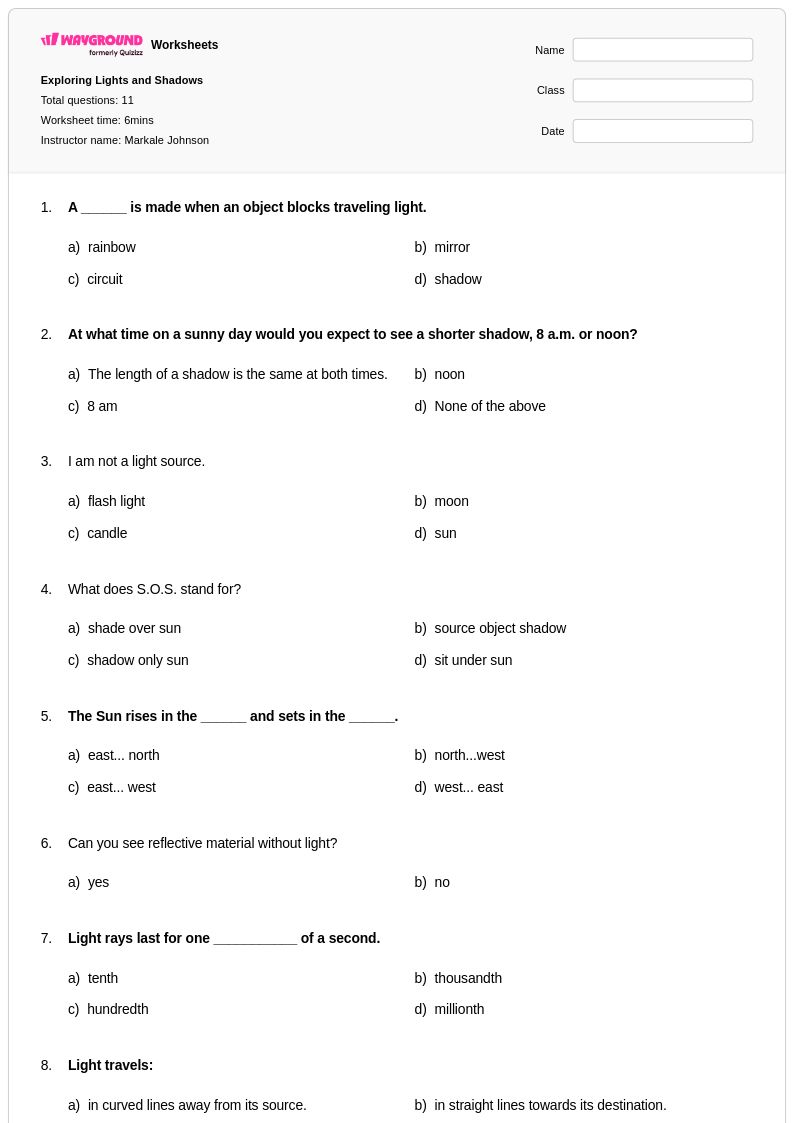
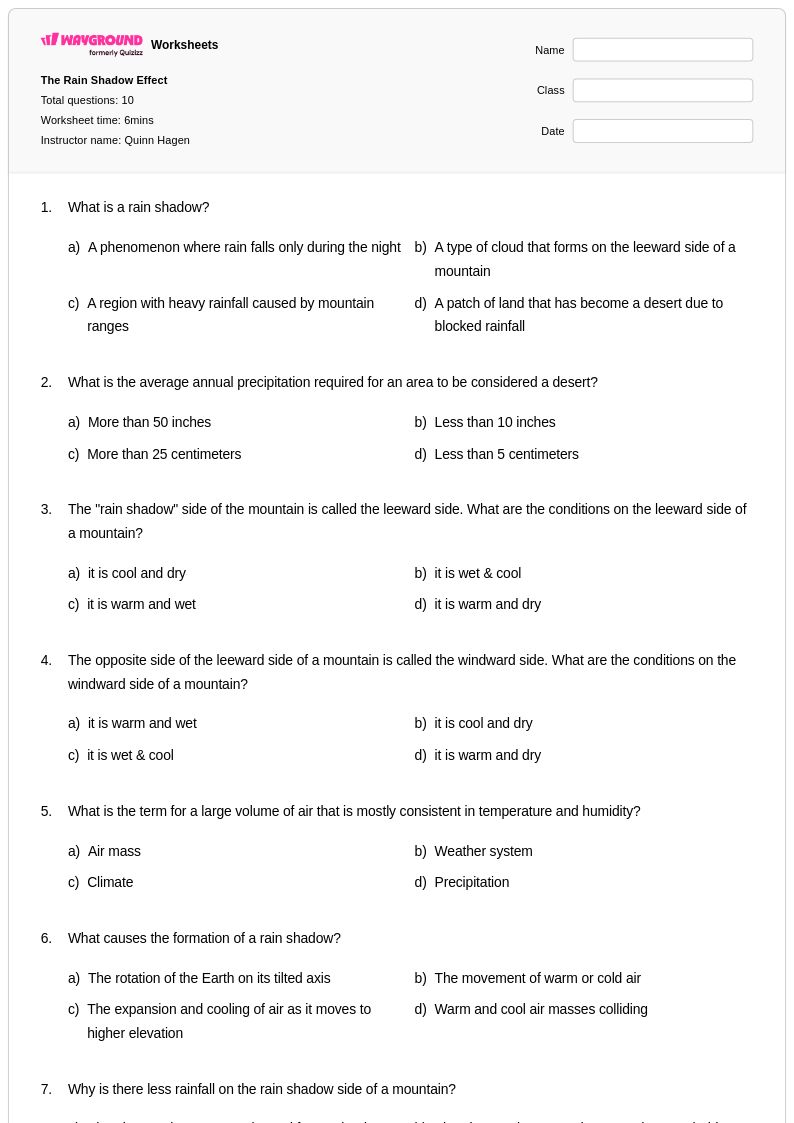
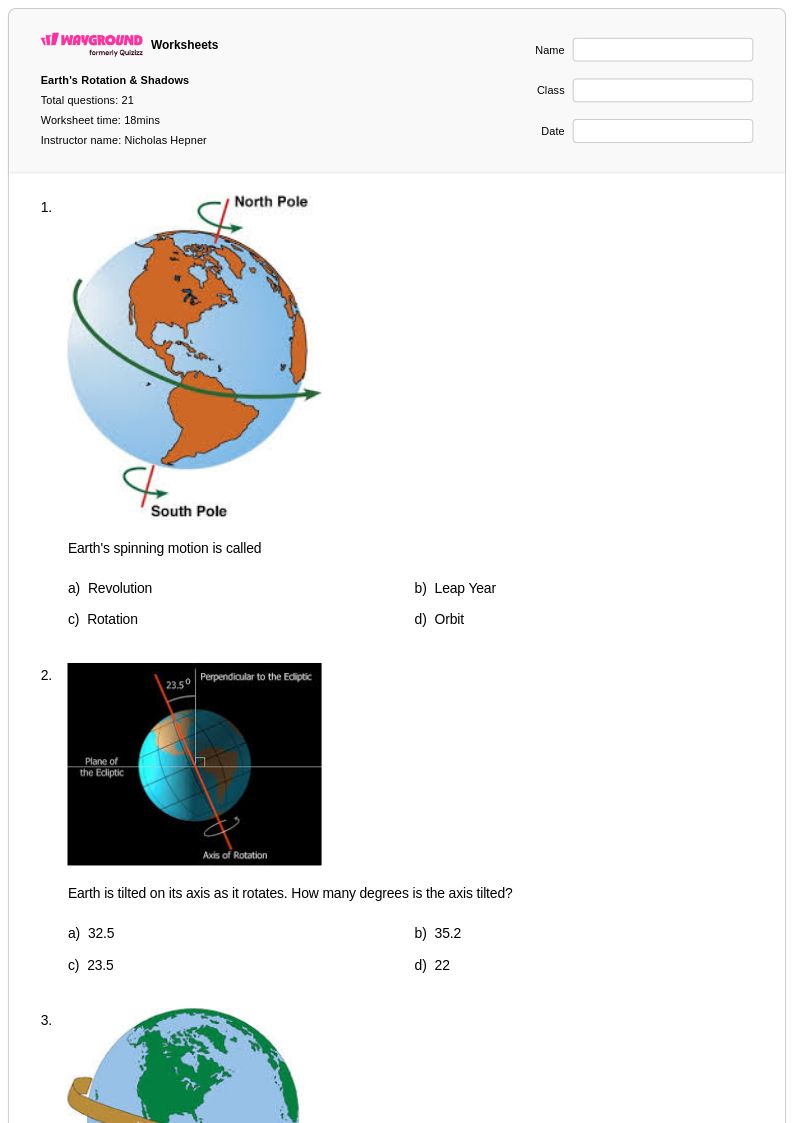
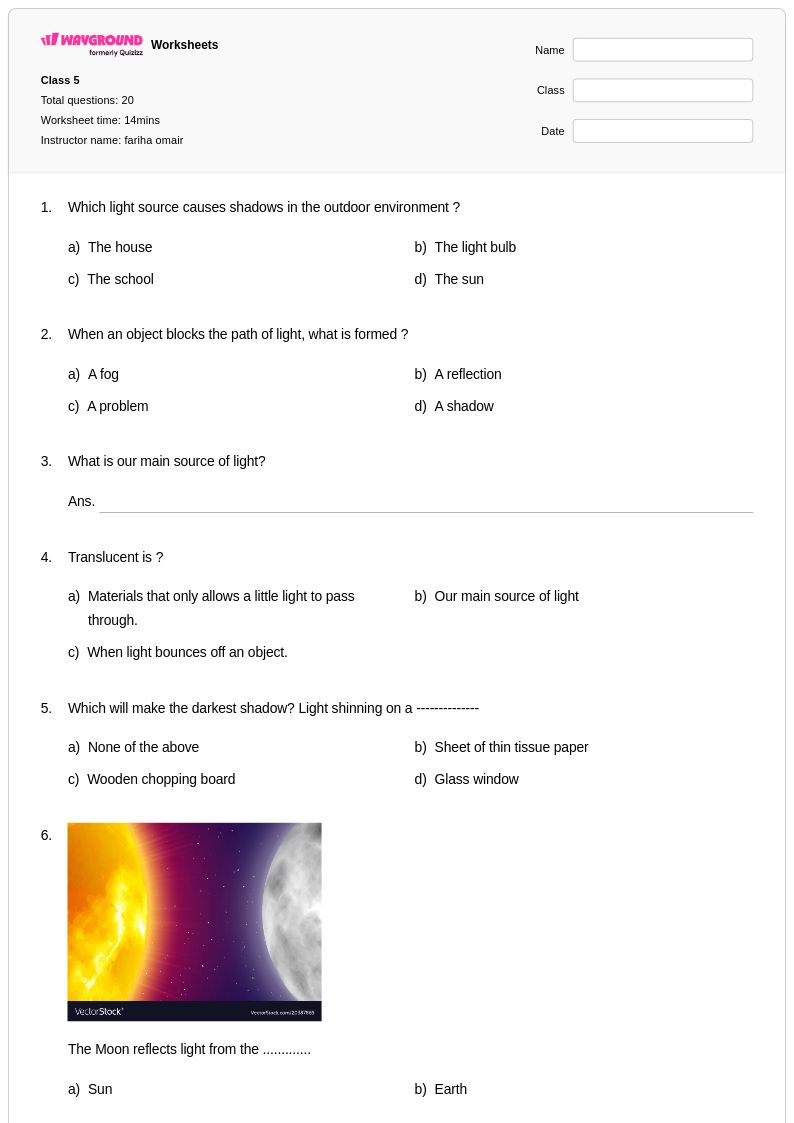
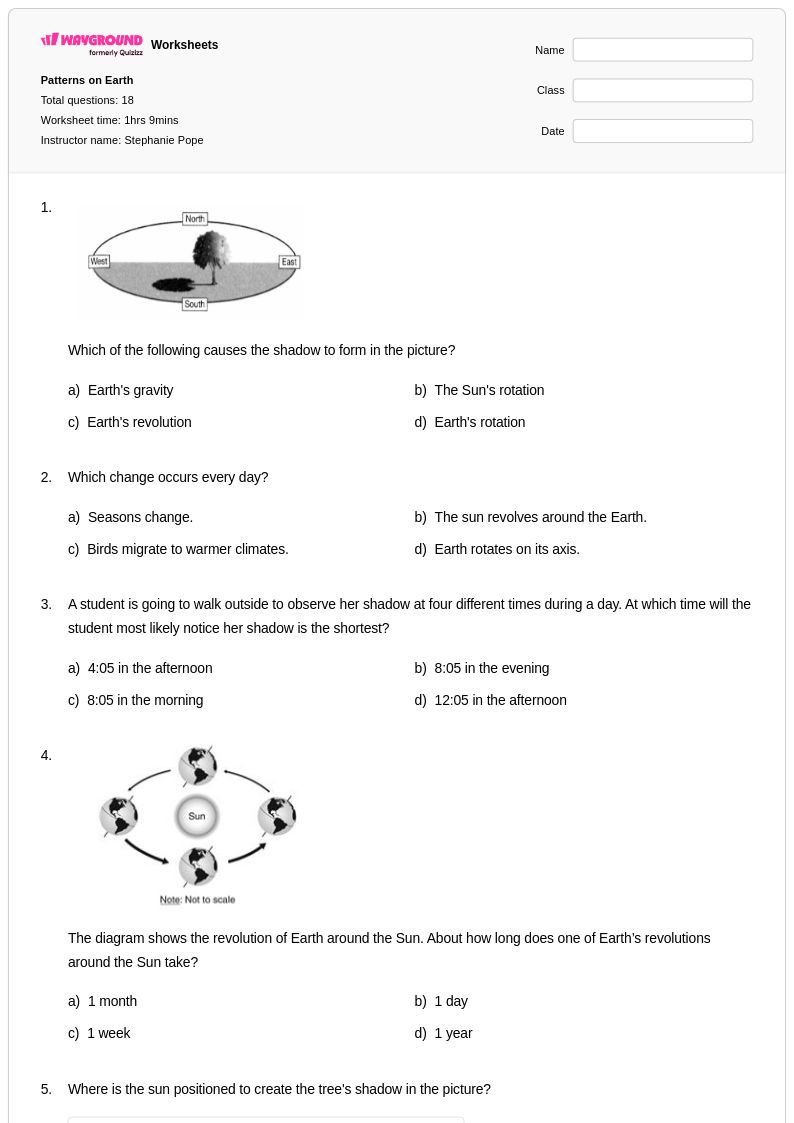
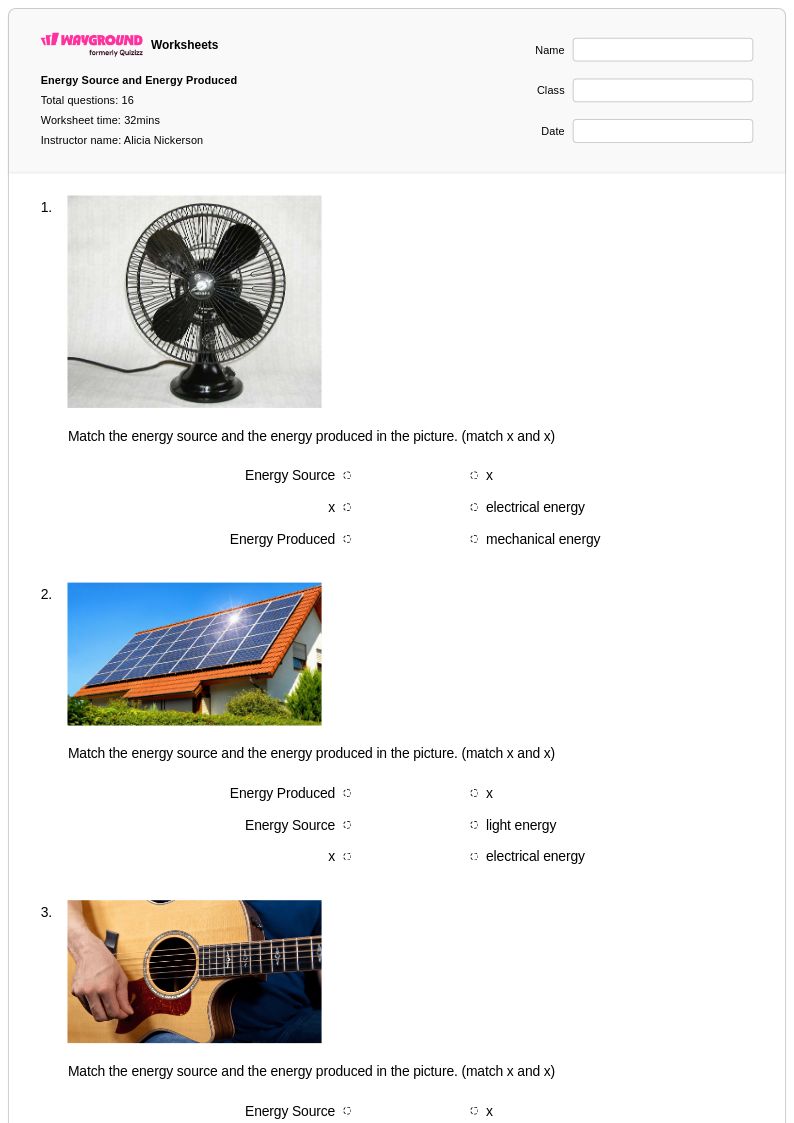
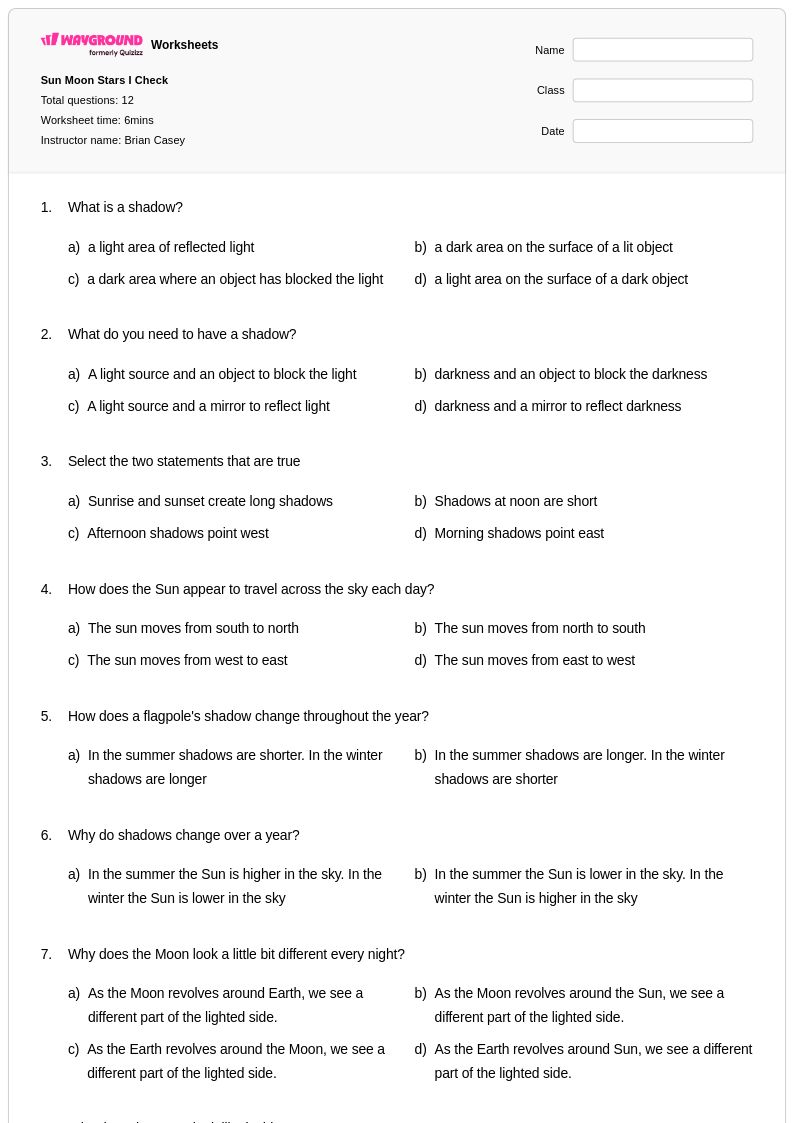
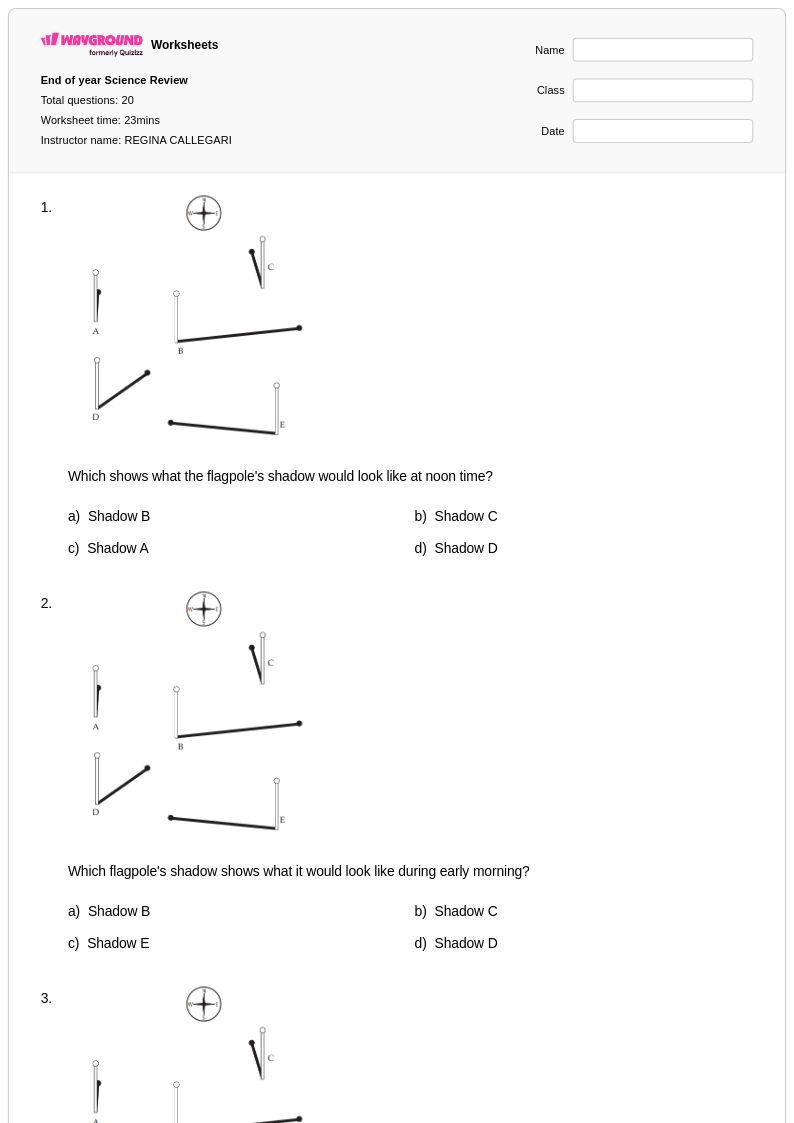
Shadow matching worksheets for kindergarten represent a foundational approach to introducing young learners to basic physics concepts through engaging visual activities. These educational resources from Wayground (formerly Quizizz) help students develop critical observation skills by matching objects with their corresponding shadows, strengthening spatial reasoning abilities and building early understanding of light and shadow relationships. The worksheets feature age-appropriate images and clear answer keys that enable independent practice, while the free printable format allows teachers to easily distribute materials for individual or group activities. These practice problems systematically introduce concepts such as shape recognition, size comparison, and the fundamental principle that shadows are created when objects block light sources.
Wayground's extensive collection of teacher-created shadow matching resources provides kindergarten educators with millions of professionally developed materials designed to support diverse learning needs. The platform's robust search and filtering capabilities allow teachers to quickly locate worksheets that align with specific standards and learning objectives, while built-in differentiation tools enable customization for various skill levels within the classroom. Available in both digital and printable pdf formats, these resources offer flexibility for lesson planning, targeted remediation, and enrichment activities that reinforce essential physics concepts. Teachers can seamlessly integrate these materials into their curriculum to provide consistent skill practice opportunities that build students' foundational understanding of light, shadows, and spatial relationships through developmentally appropriate hands-on learning experiences.
FAQs
How do I teach shadow matching to young students?
Start by demonstrating how light travels in straight lines using a flashlight and common classroom objects, showing students how the angle and distance of a light source changes the shape and size of a shadow. Then move to two-dimensional representations by having students match printed objects to their shadow outlines, reinforcing that shadows preserve the silhouette of an object while losing surface detail. Connecting hands-on experimentation to worksheet practice helps students build the spatial reasoning needed to match objects to shadows reliably.
What skills does shadow matching practice build in students?
Shadow matching develops critical observation, spatial reasoning, and geometric thinking by requiring students to analyze the two-dimensional silhouette produced by a three-dimensional object. Students must mentally rotate objects, consider light direction, and distinguish between shapes that look similar but differ in key proportions. These skills transfer directly to broader physics concepts like light behavior and optics, as well as to geometry and visual-spatial analysis.
What mistakes do students commonly make when matching objects to their shadows?
The most frequent error is ignoring the direction of the light source, which causes students to select a shadow that matches the object's shape but not its correct orientation. Students also commonly confuse shadows produced by similar-shaped objects, such as a cube and a rectangular prism, because they focus on overall outline rather than proportional differences. Reminding students to trace the specific edges and proportions of each silhouette before choosing an answer significantly reduces these errors.
How can I differentiate shadow matching activities for students at different skill levels?
For beginning learners, use simple geometric shapes with highly distinct silhouettes and limit the number of answer choices so the match is clear. For more advanced students, introduce objects with subtle shape differences, varied lighting angles, or overlapping shadows to increase cognitive demand. On Wayground, teachers can apply reduced answer choices as an accommodation for individual students who need additional support, while other students work with the full set of options, all within the same assignment.
How do I use Wayground's shadow matching worksheets in my classroom?
Wayground's shadow matching worksheets are available as printable PDFs for traditional classroom use and in digital formats for technology-integrated settings, giving teachers flexibility to assign them as independent practice, homework, or in-class review. Teachers can also host the worksheets as a quiz directly on Wayground, enabling real-time response tracking and immediate feedback. Each worksheet includes a complete answer key, so grading and follow-up discussion can happen efficiently without additional preparation.
At what age or grade level should students start working on shadow matching worksheets?
Shadow matching is most commonly introduced in early elementary grades as part of foundational science and spatial reasoning development, though the complexity of the exercises can scale to suit older students studying light and optics in a physics context. Simple shape-based shadow matching is accessible to kindergarten and first-grade students, while worksheets featuring varied lighting conditions and more complex three-dimensional objects are appropriate for upper elementary and middle school learners. The format naturally supports a wide ability range within the same classroom.