
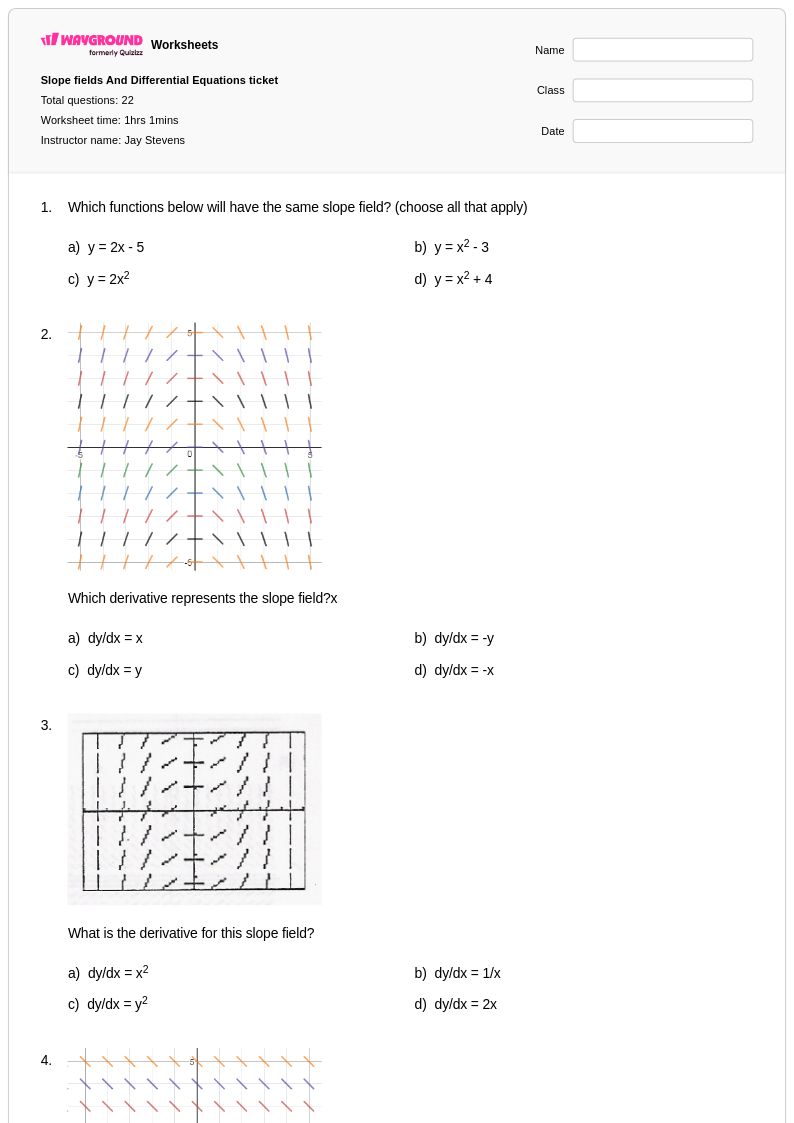
22 T
9th - 12th
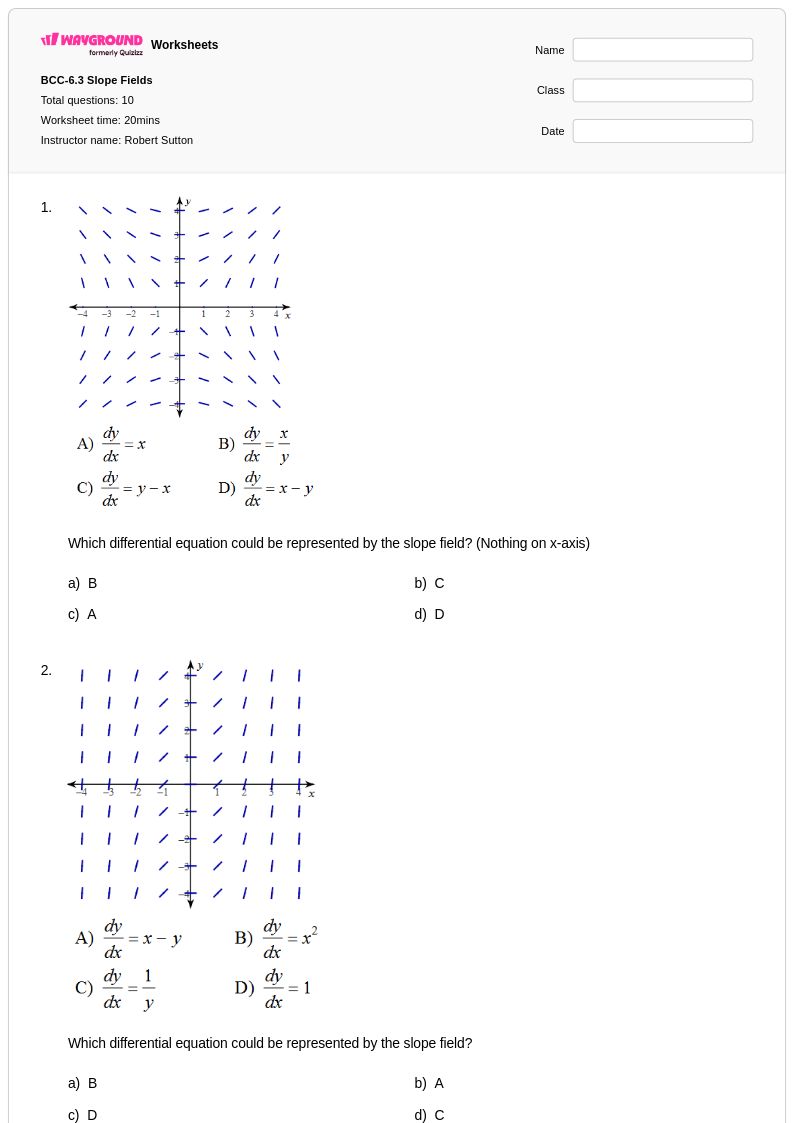
10 T
9th - 12th
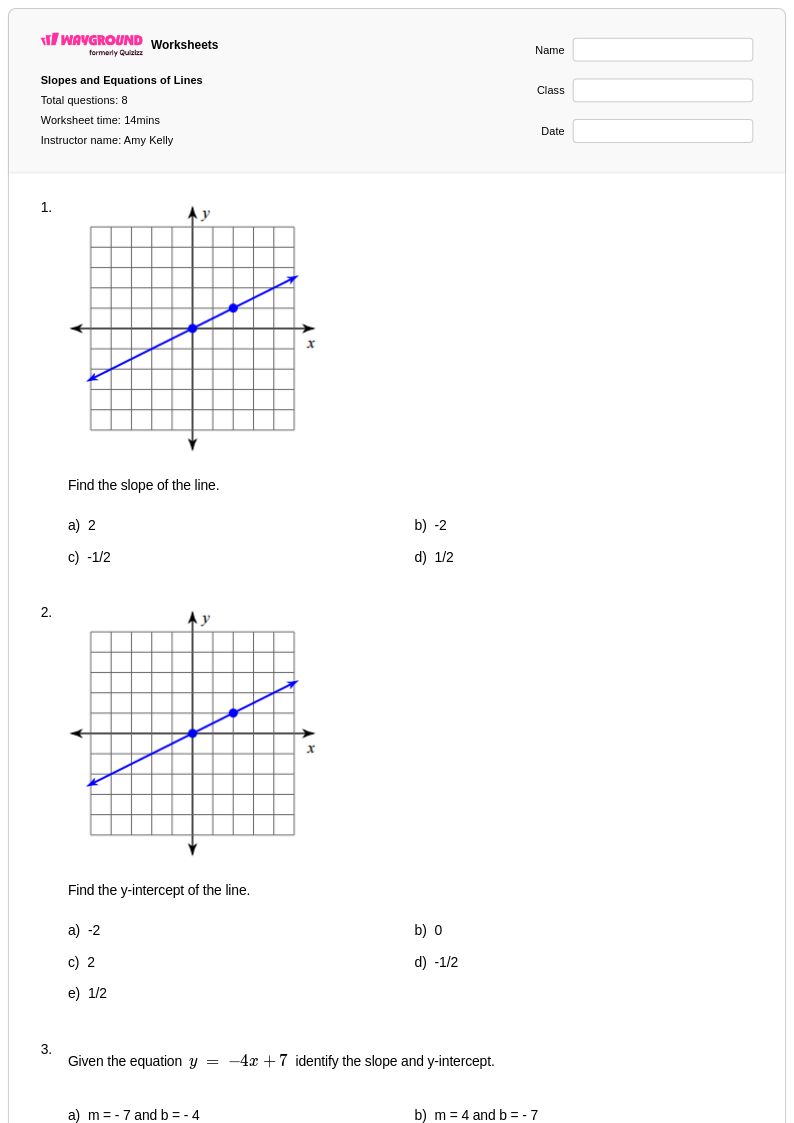
8 T
9th
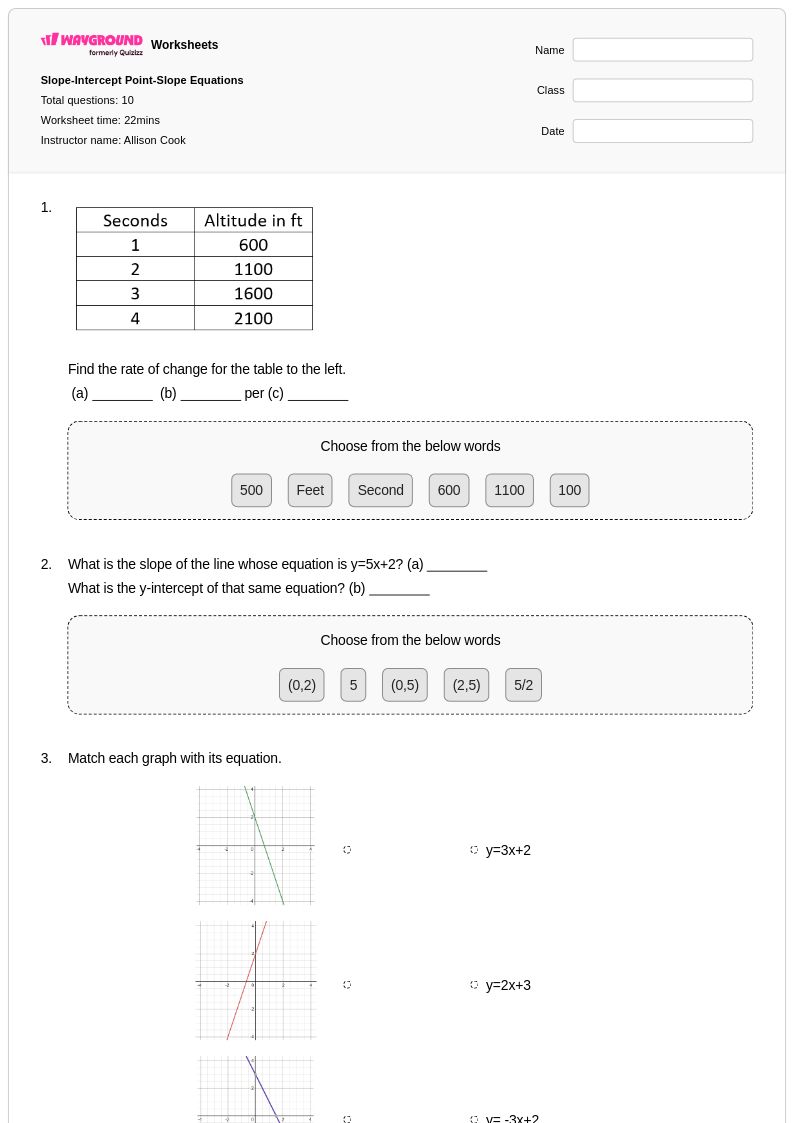
10 T
9th
21 T
9th - 12th
10 T
9th - Uni
19 T
9th - Uni

14 T
9th - 12th
10 T
9th - 10th
20 T
9th - Uni
16 T
9th - 12th
11 T
9th - 12th
20 T
8th - 9th
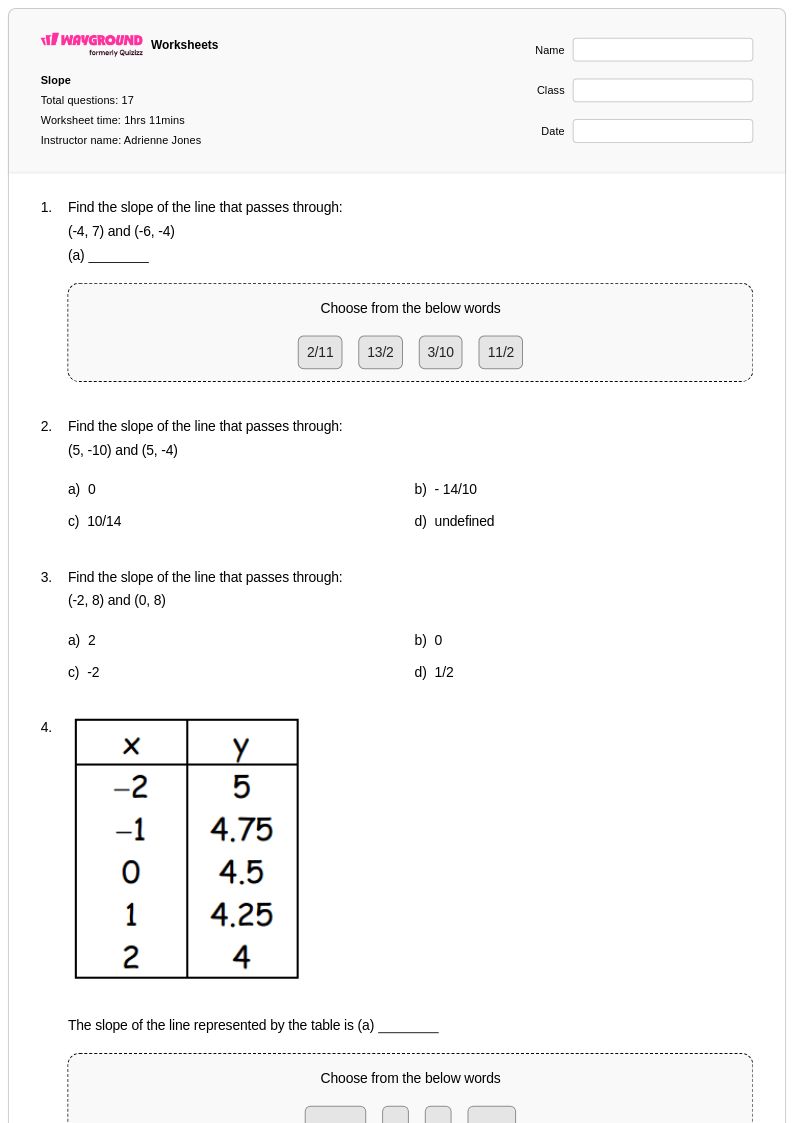
17 T
9th
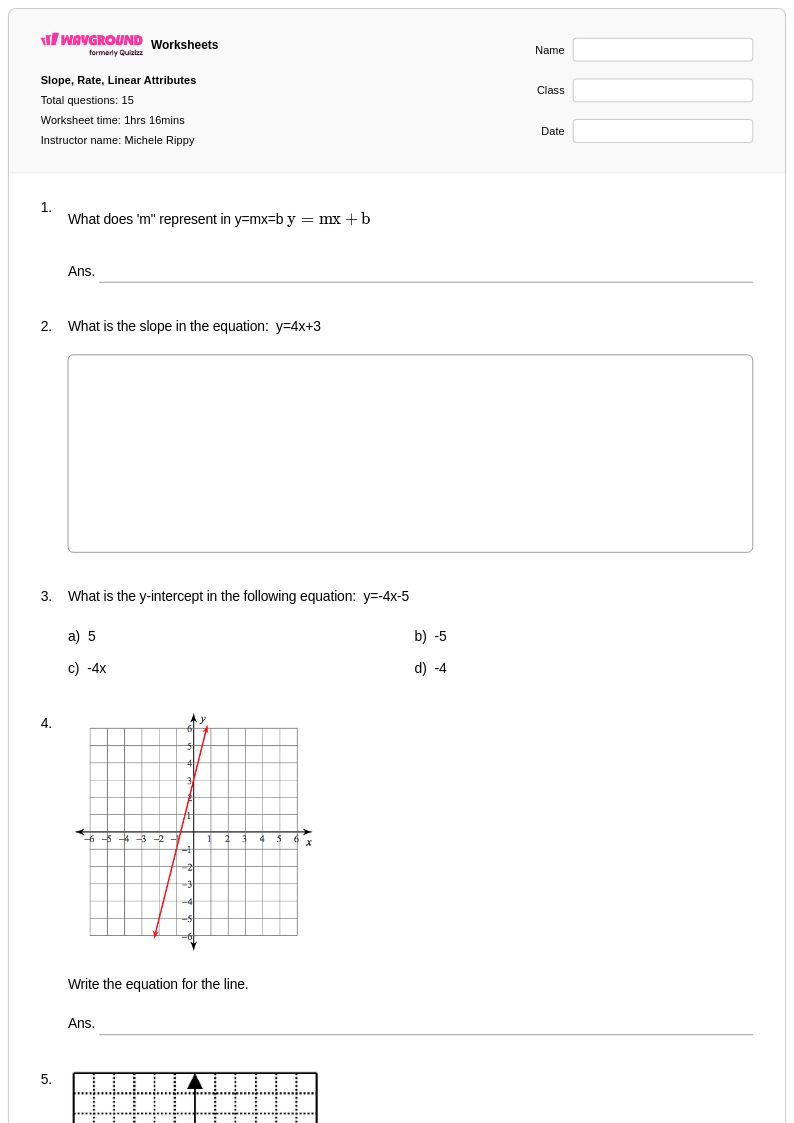
15 T
9th
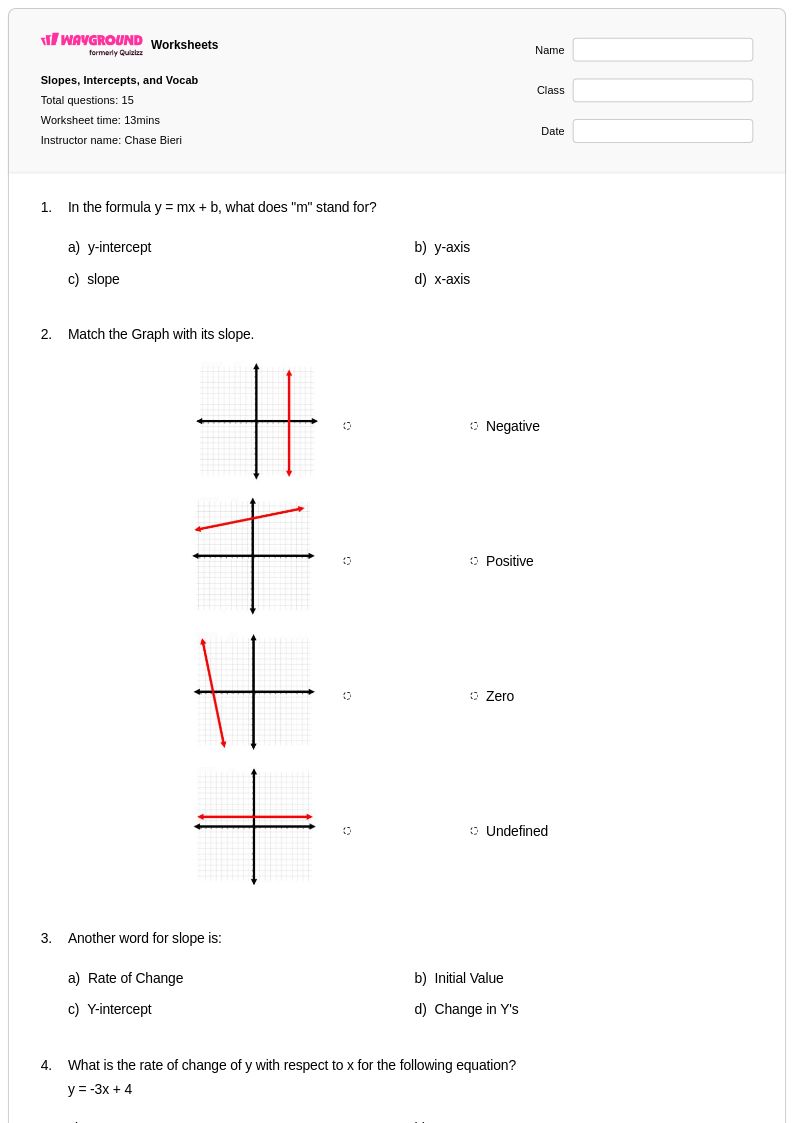
15 T
9th
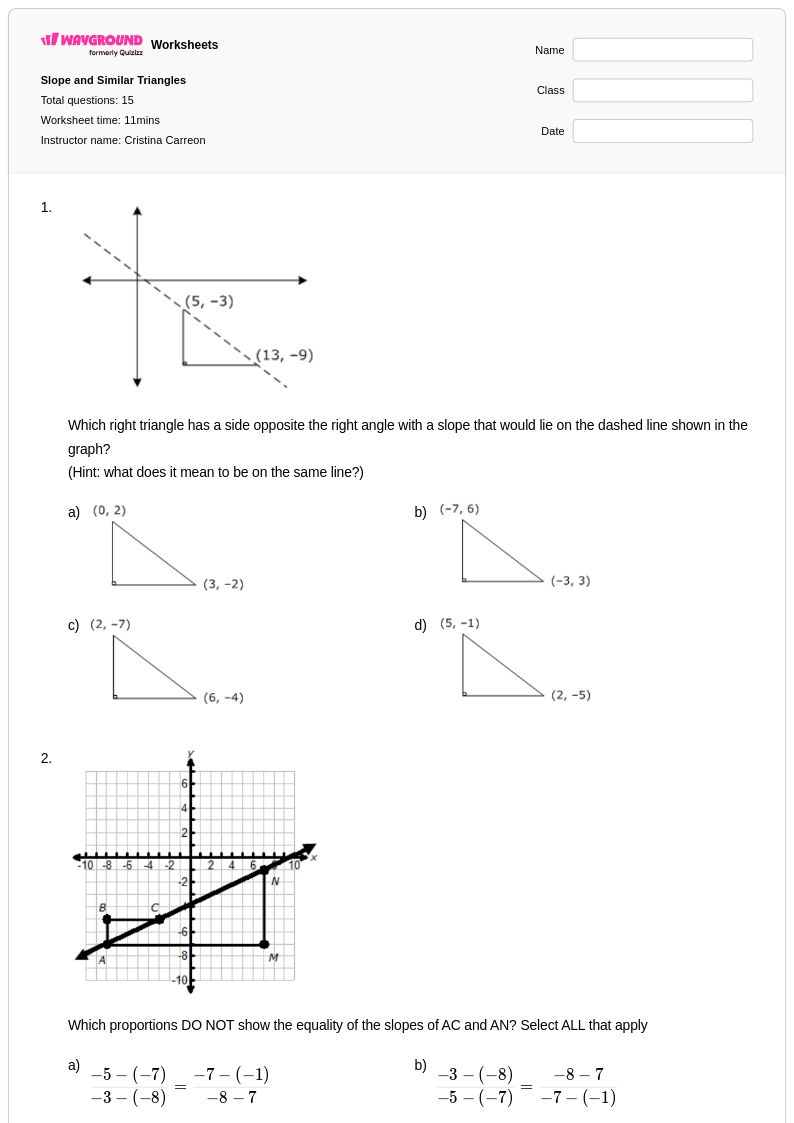
15 T
7th - 9th
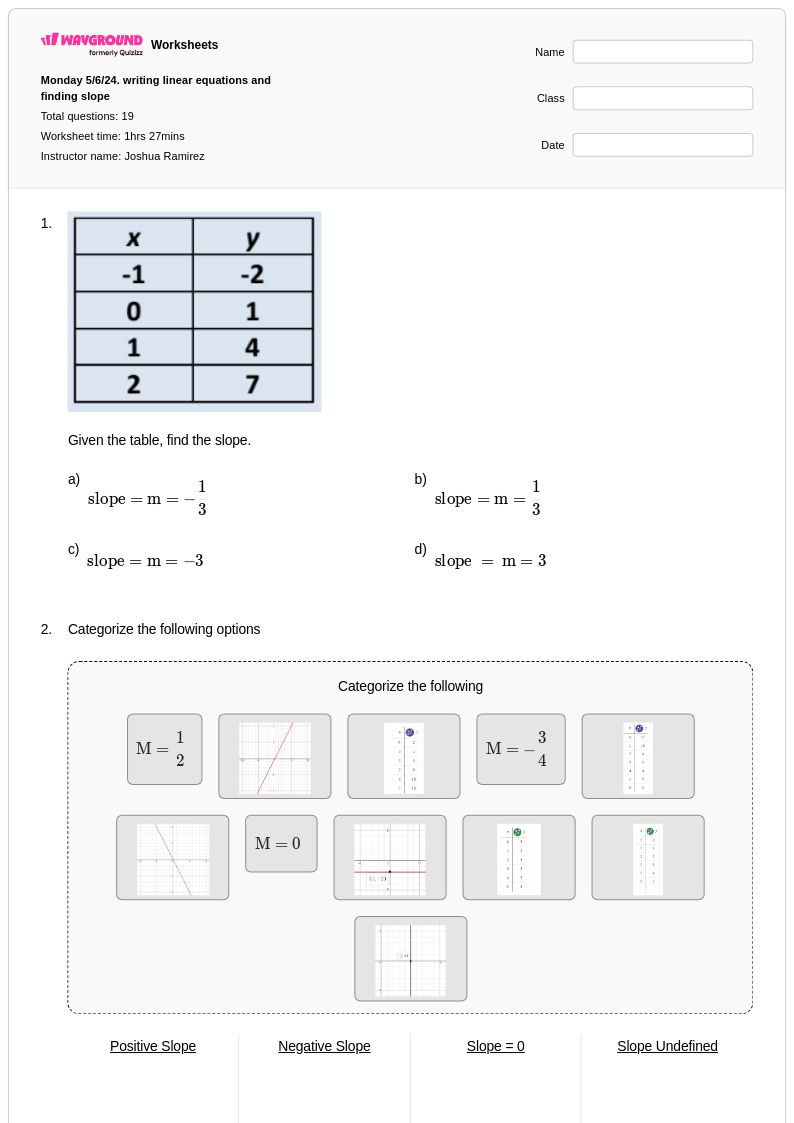
19 T
9th
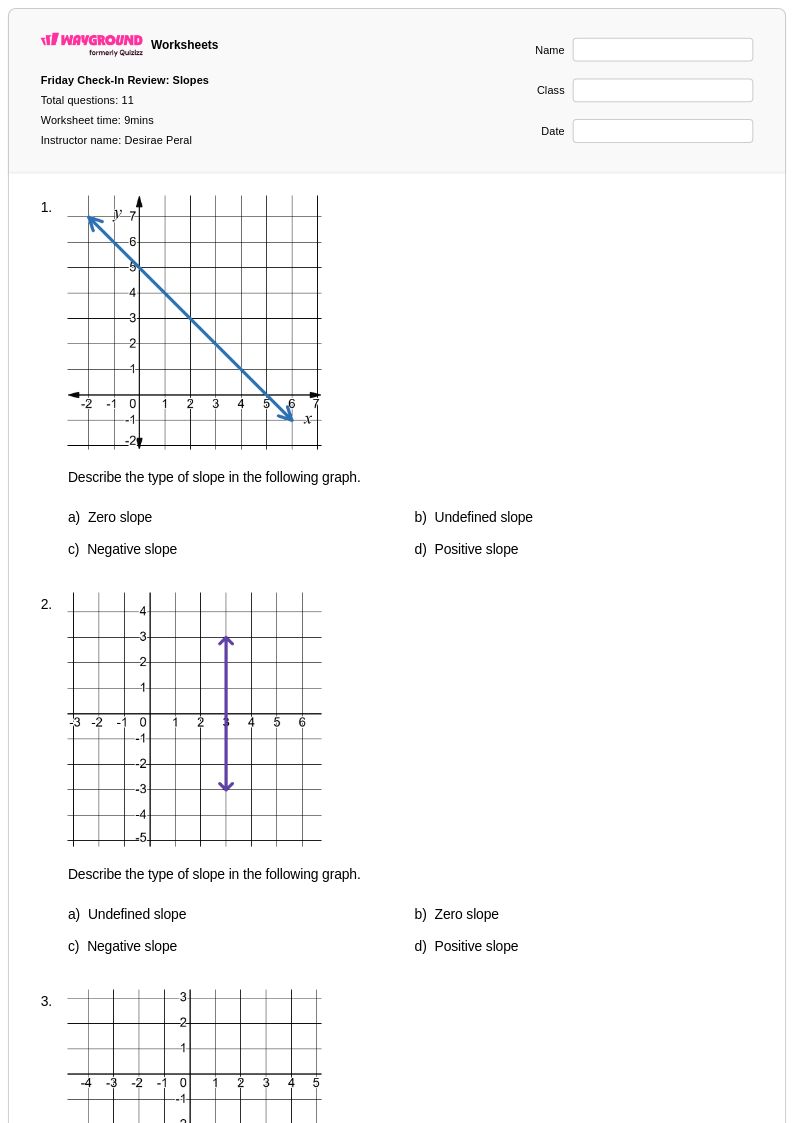
11 T
9th
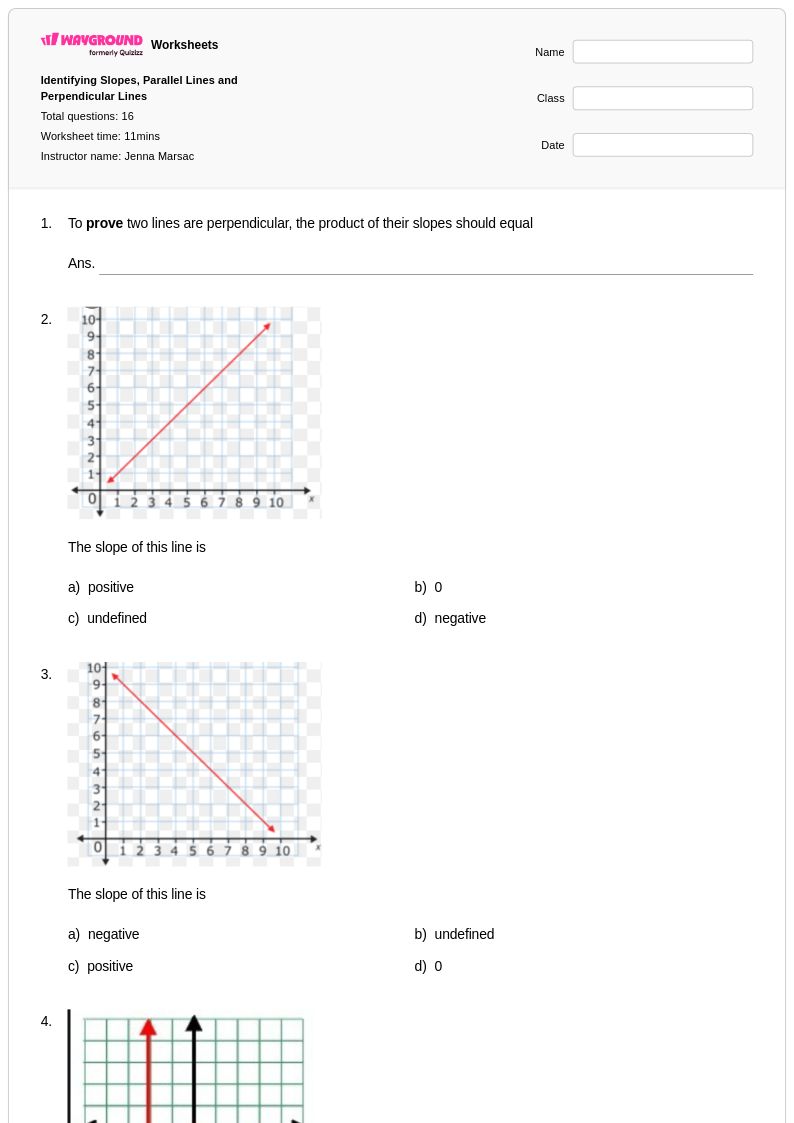
16 T
9th
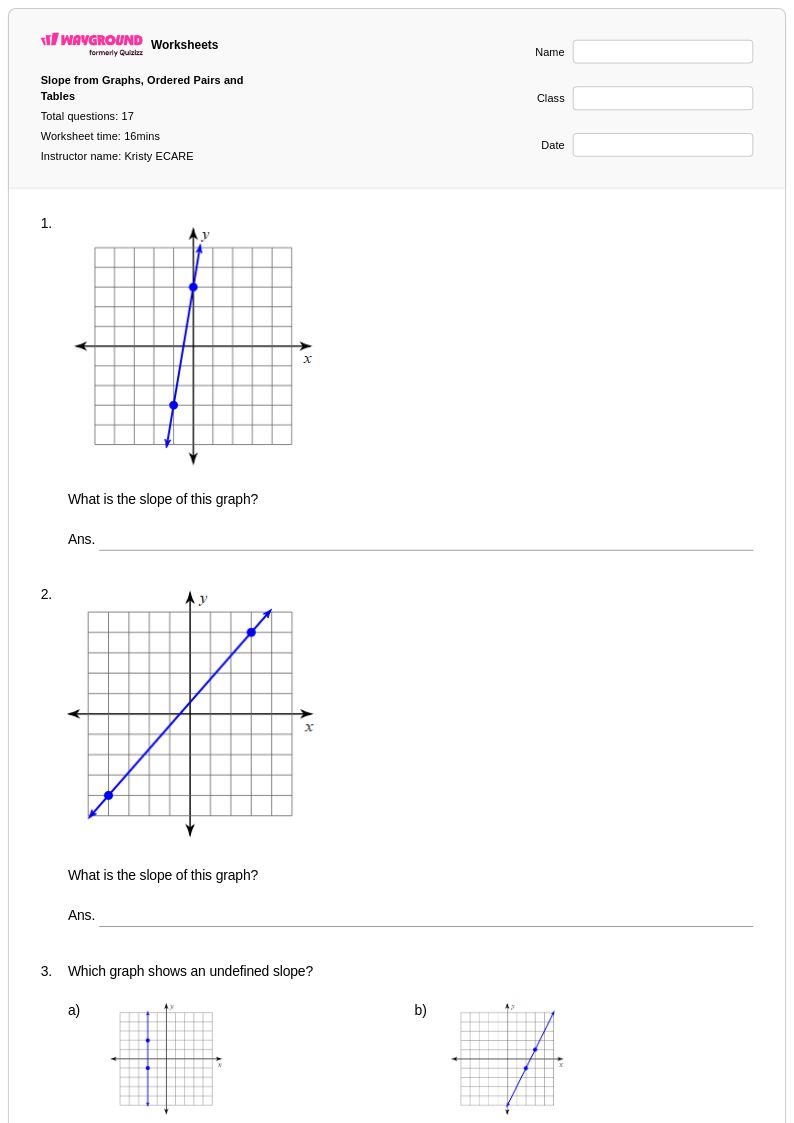
17 T
9th
20 T
9th - 12th
20 T
9th - Uni
14 T
6th - 12th
Jelajahi Lembar Kerja Mata Pelajaran Lainnya untuk grade 9
Explore printable Slope Fields worksheets for Grade 9
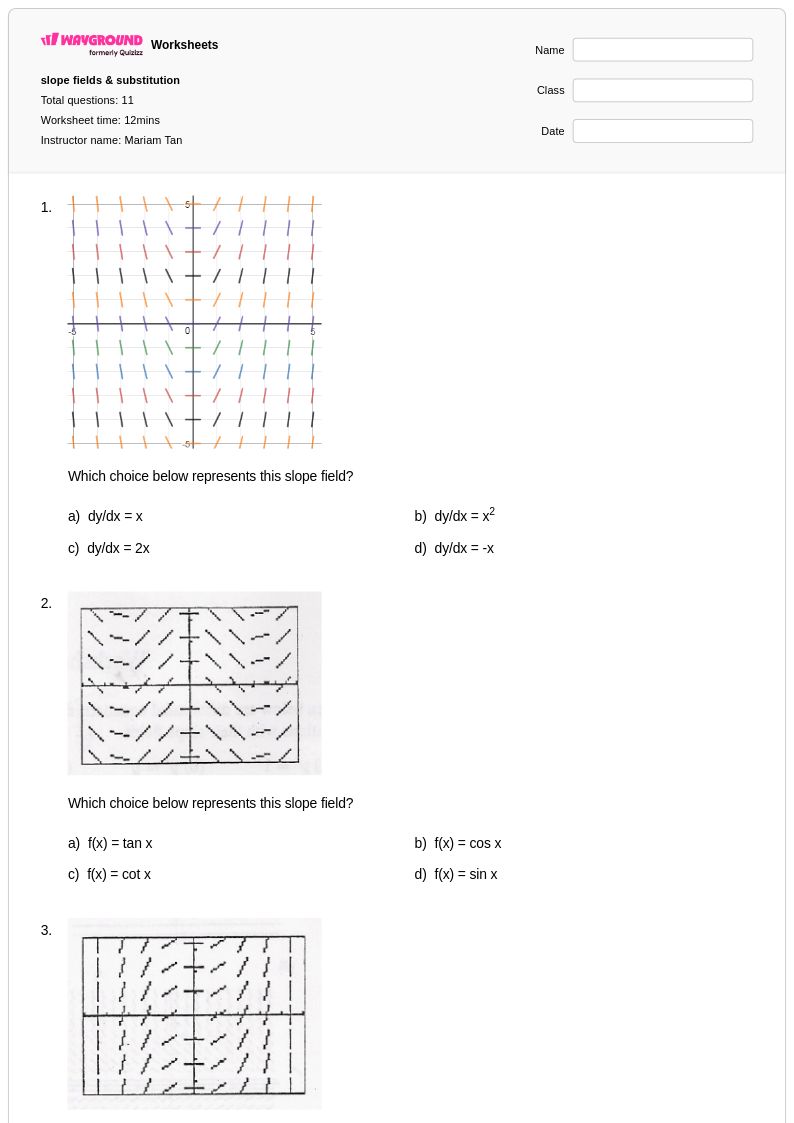
Slope fields worksheets for Grade 9 students provide essential practice with visualizing differential equations and understanding the geometric interpretation of derivatives. These comprehensive resources available through Wayground (formerly Quizizz) help students develop critical skills in sketching solution curves, analyzing directional fields, and connecting algebraic expressions to their graphical representations. The worksheets include carefully structured practice problems that guide students through interpreting slope field diagrams, drawing integral curves, and predicting solution behavior without solving differential equations explicitly. Each printable resource comes with detailed answer keys that support independent learning and self-assessment, while the free pdf format ensures easy access for both classroom and homework assignments.
Wayground (formerly Quizizz) empowers educators with millions of teacher-created slope field worksheets specifically designed for Grade 9 mathematics instruction. The platform's robust search and filtering capabilities allow teachers to quickly locate resources that align with curriculum standards and match their students' skill levels. These differentiation tools enable instructors to customize worksheets for remediation, enrichment, or targeted skill practice, while the flexible format options support both digital classroom integration and traditional printable assignments. Teachers can efficiently plan engaging calculus lessons that build foundational understanding of differential equations, using these professionally developed resources to reinforce complex mathematical concepts through systematic practice and visual learning approaches.
FAQs
Is it typical to teach slope fields in 9th grade?
How can I introduce slope fields to advanced 9th graders?
What are good introductory exercises for this topic?
What's a key misconception for students new to slope fields?
How do I use this worksheet with my 9th graders?