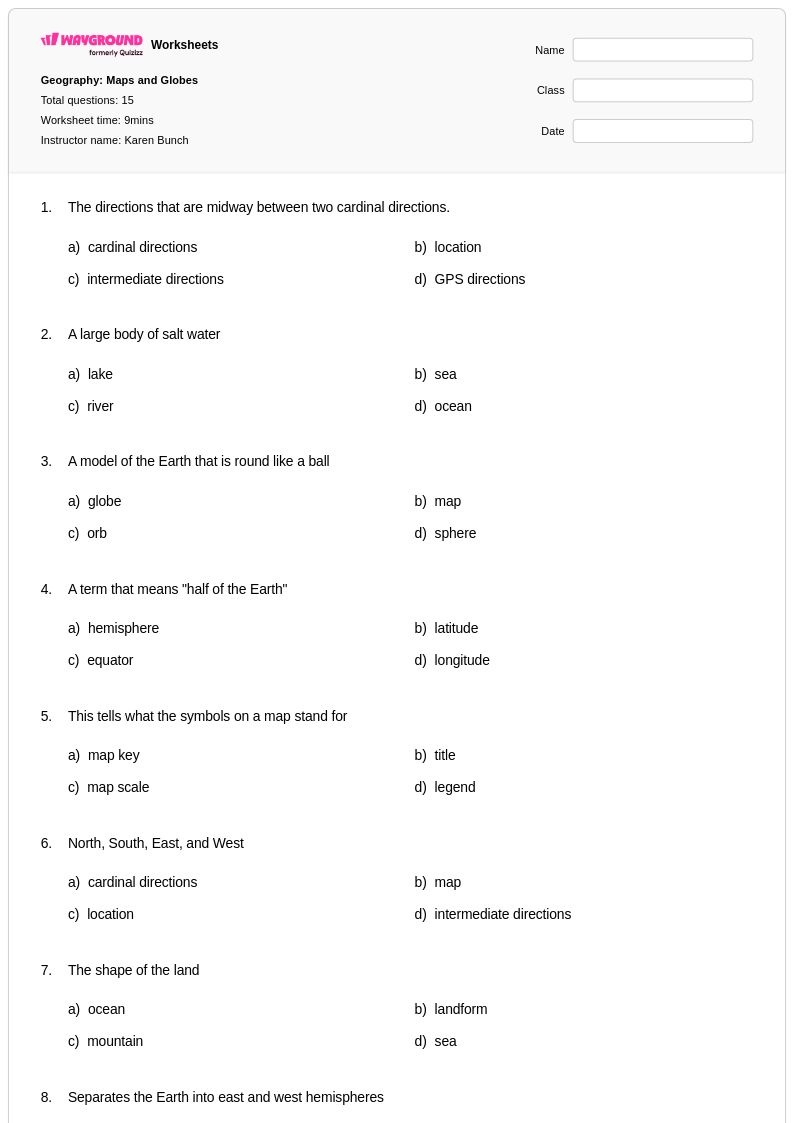
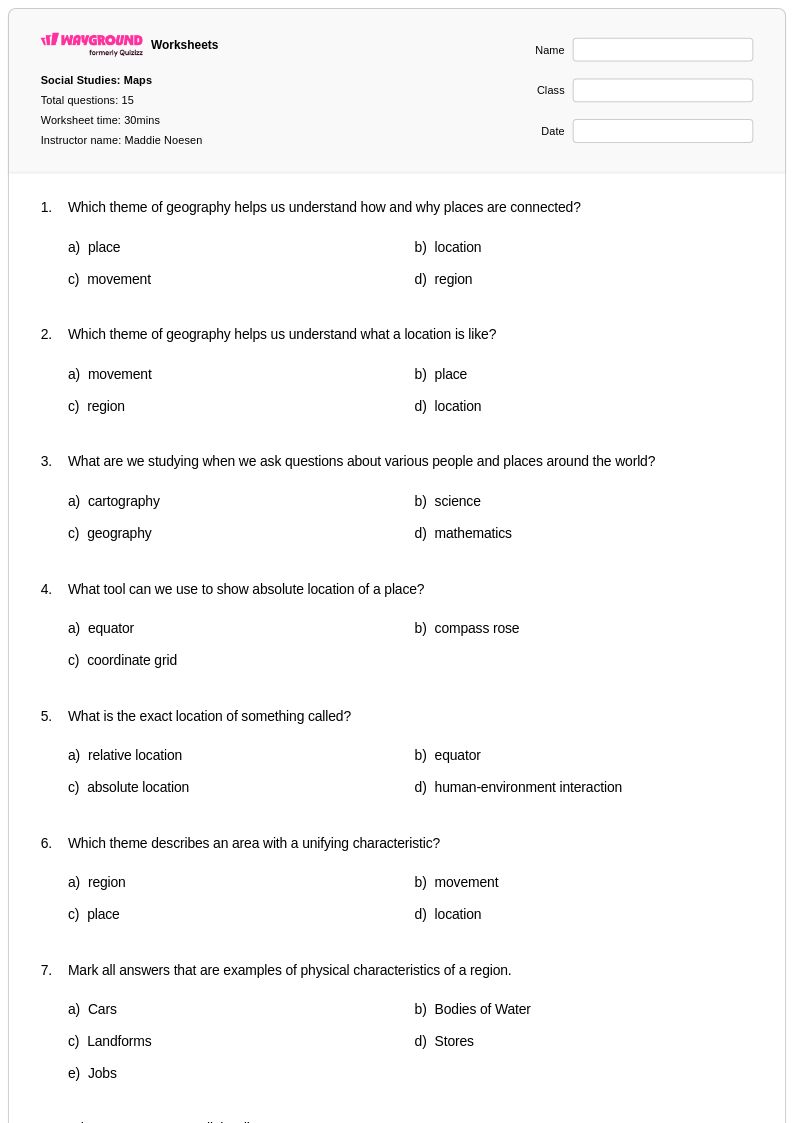
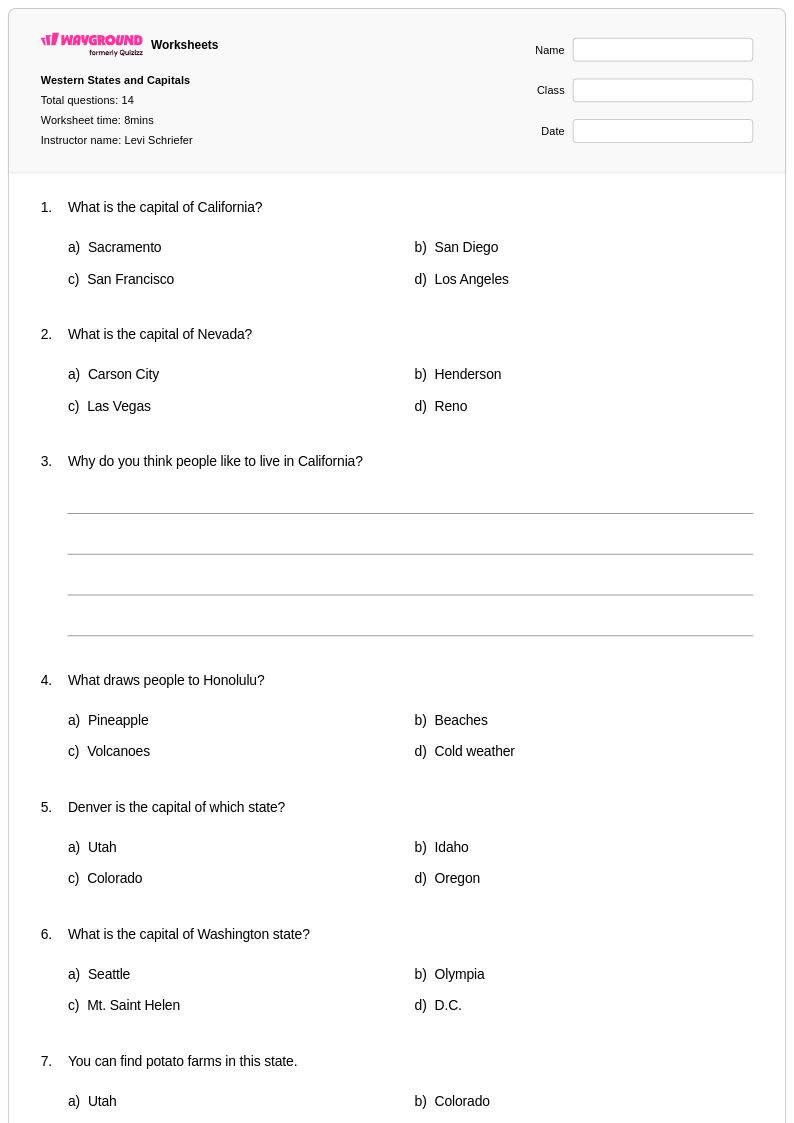
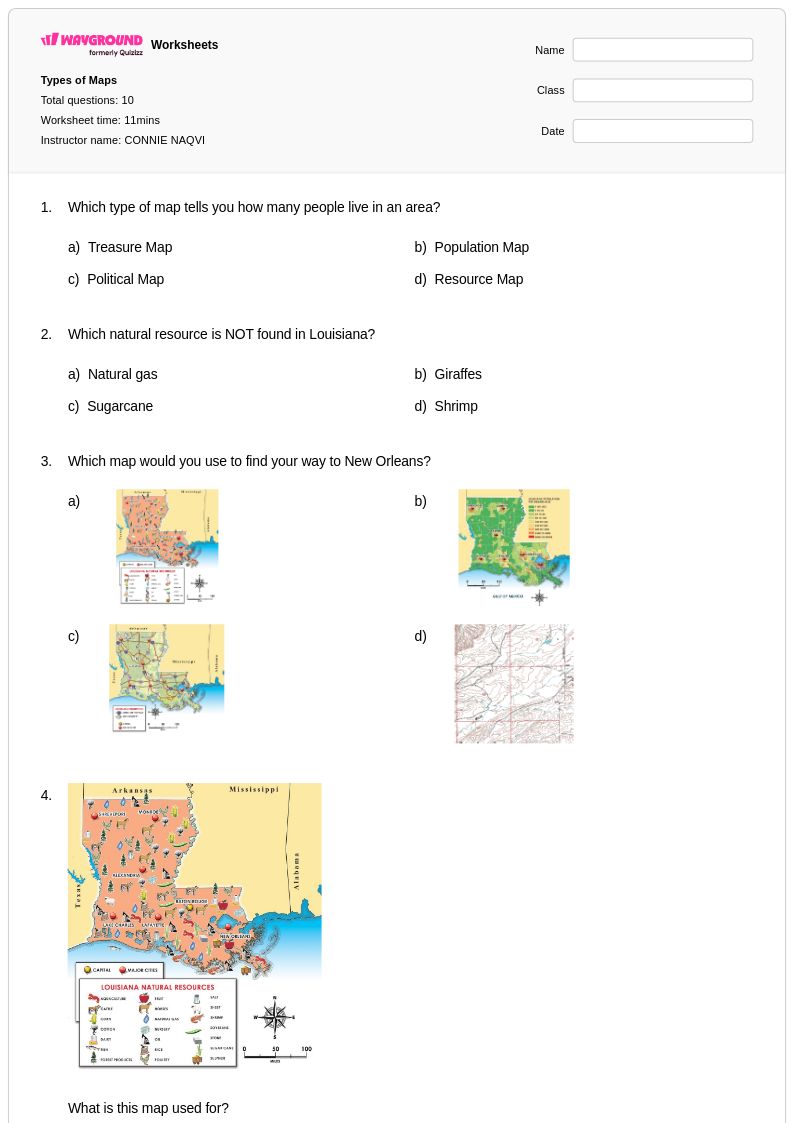
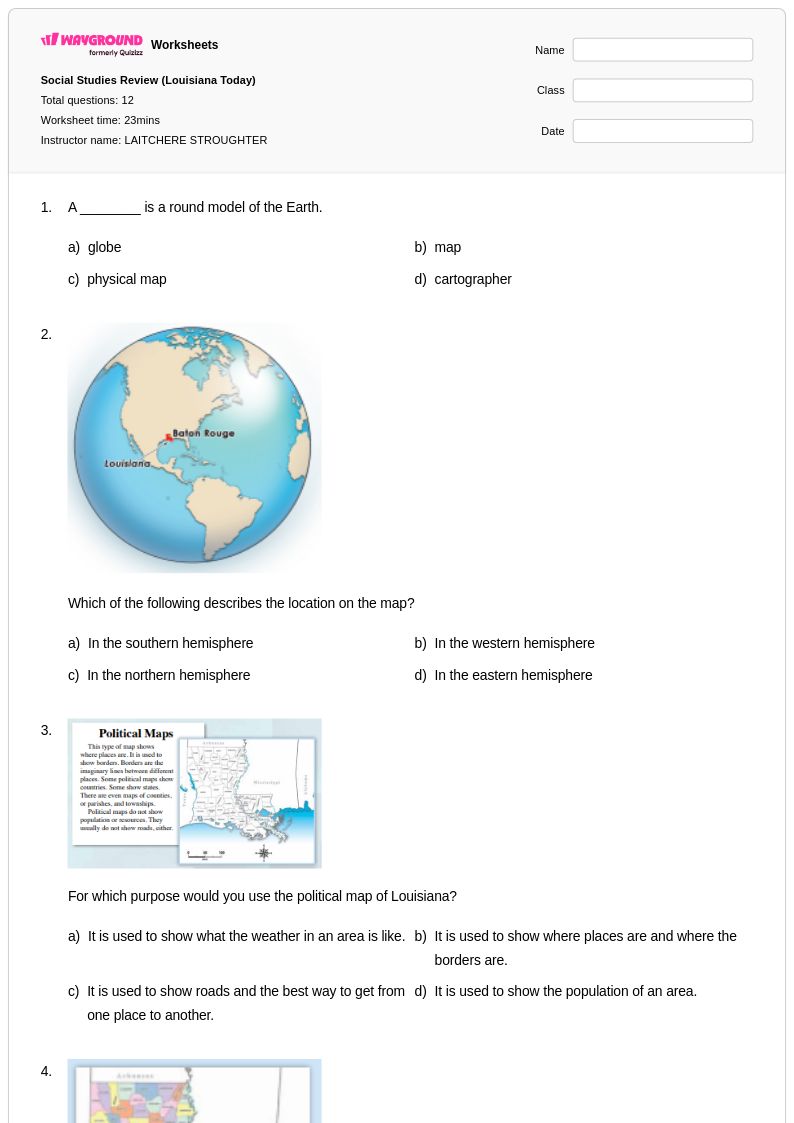
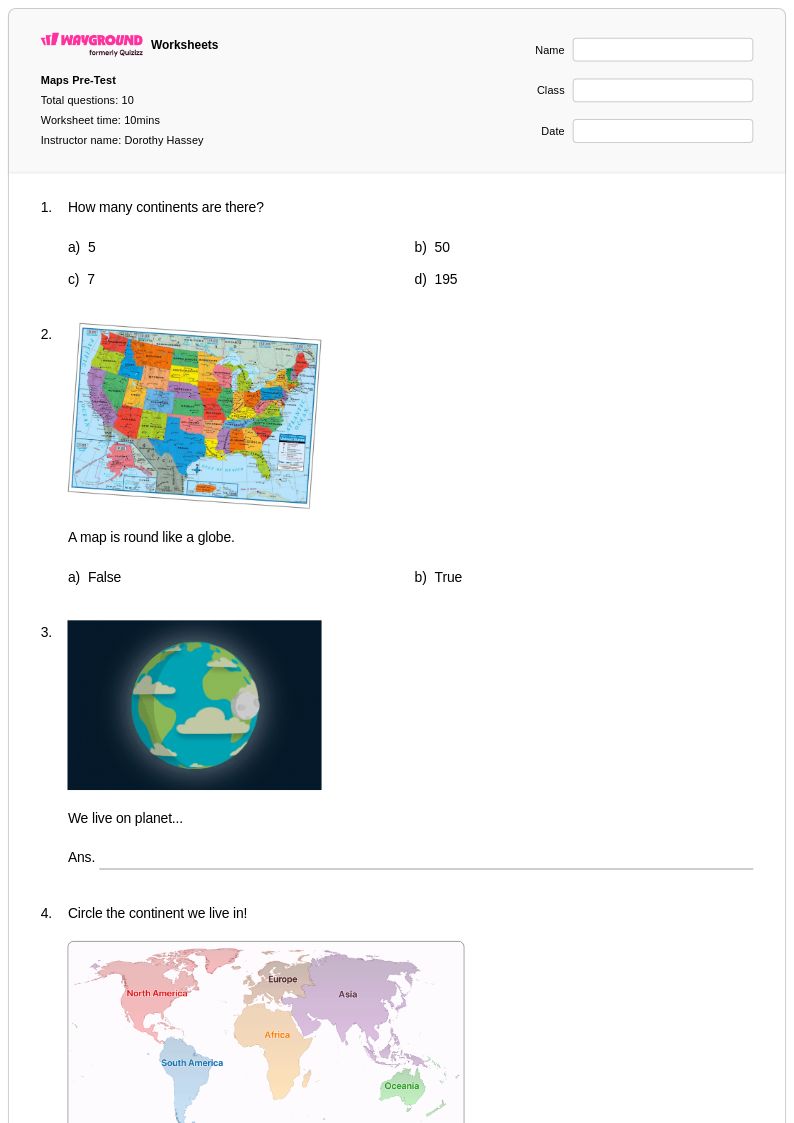
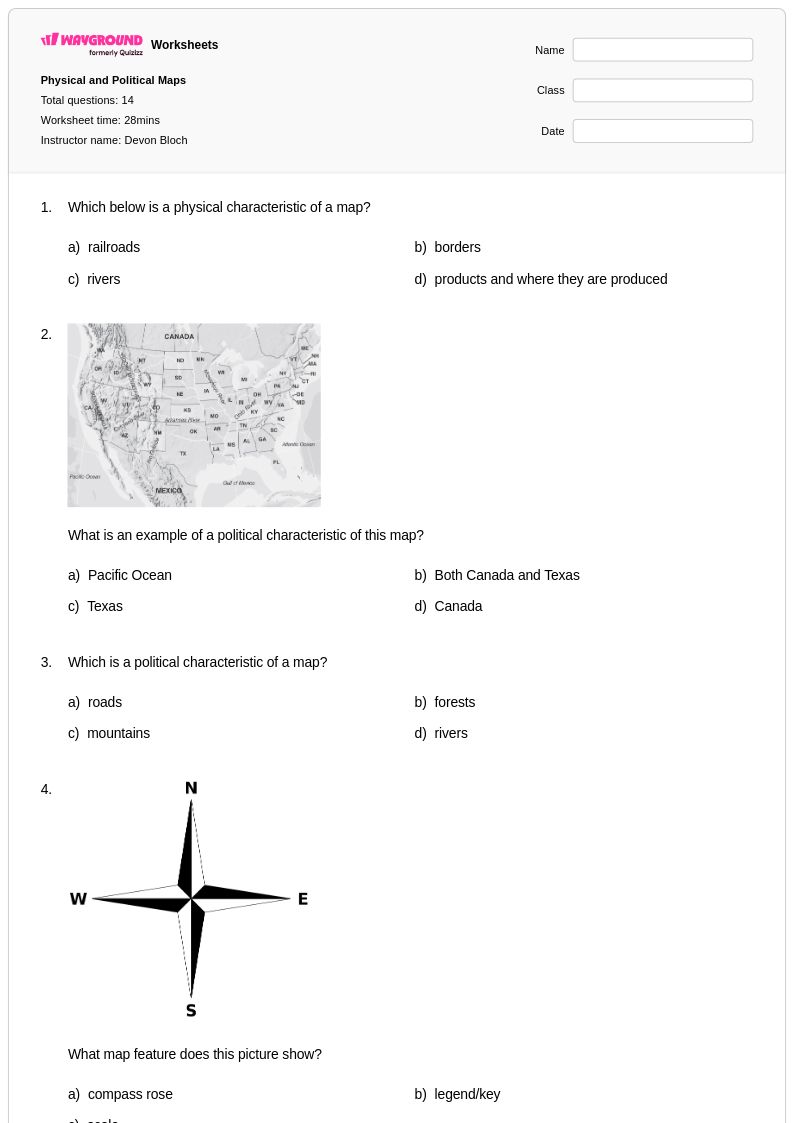
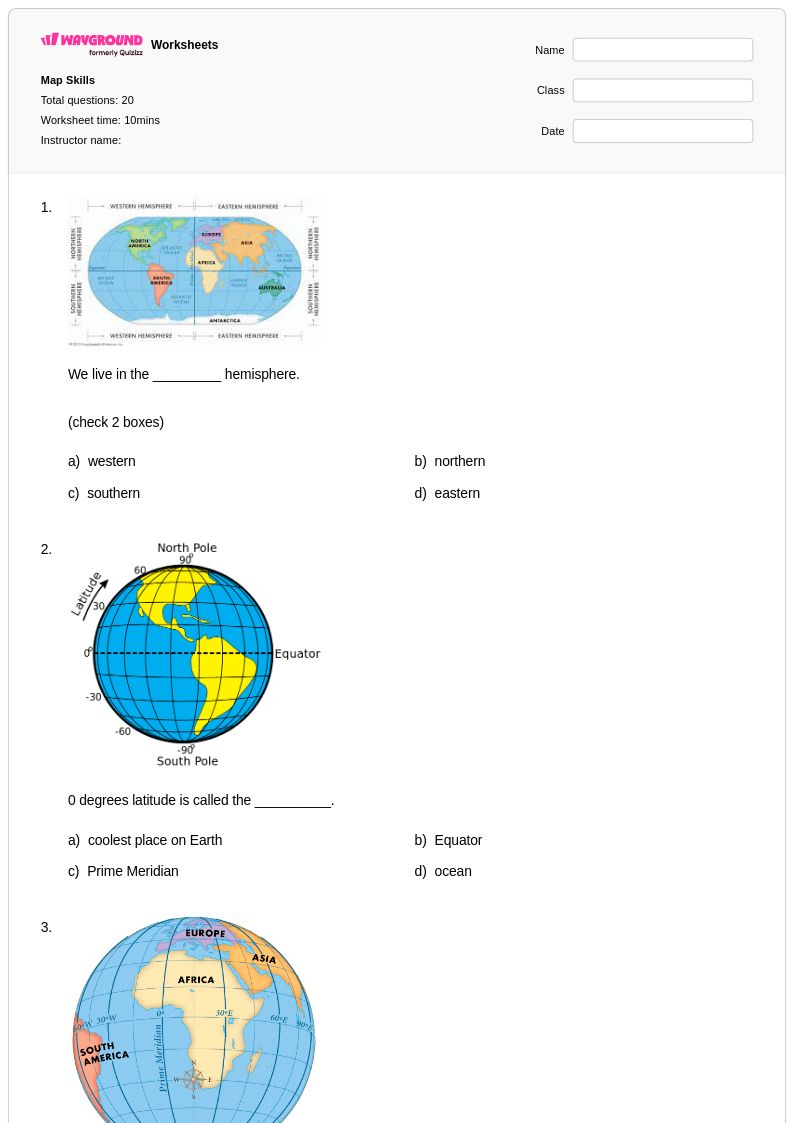
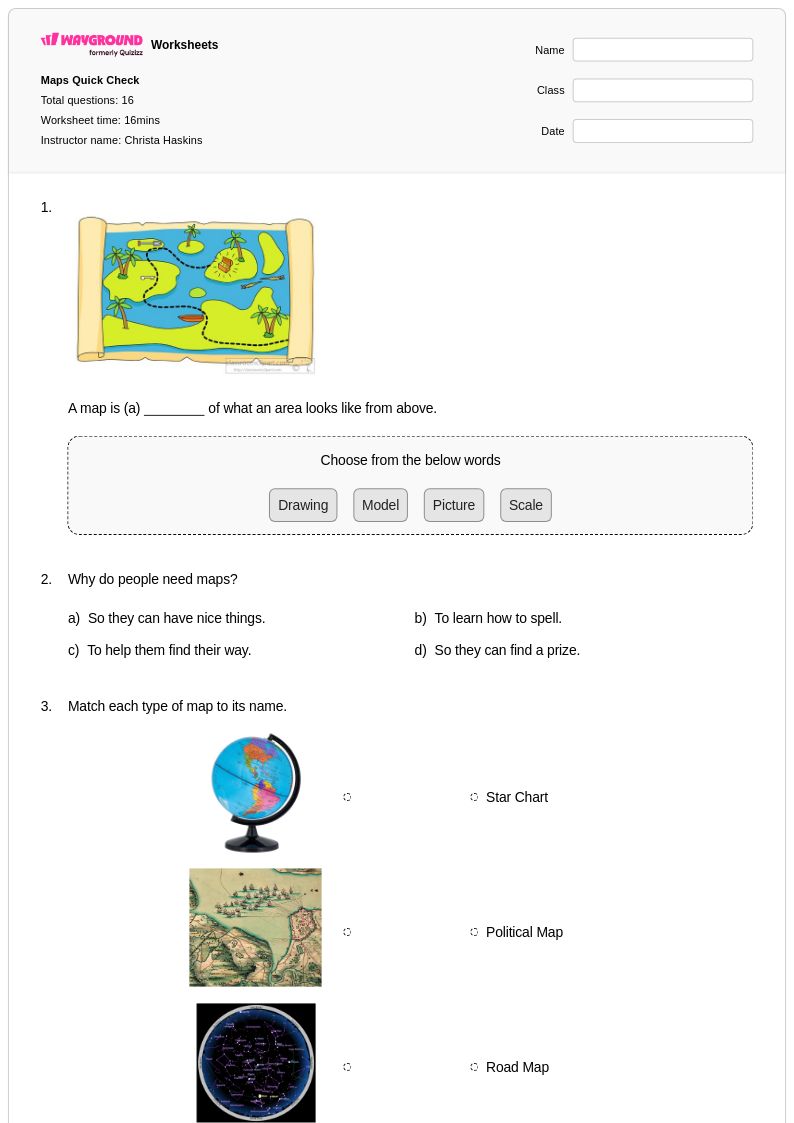
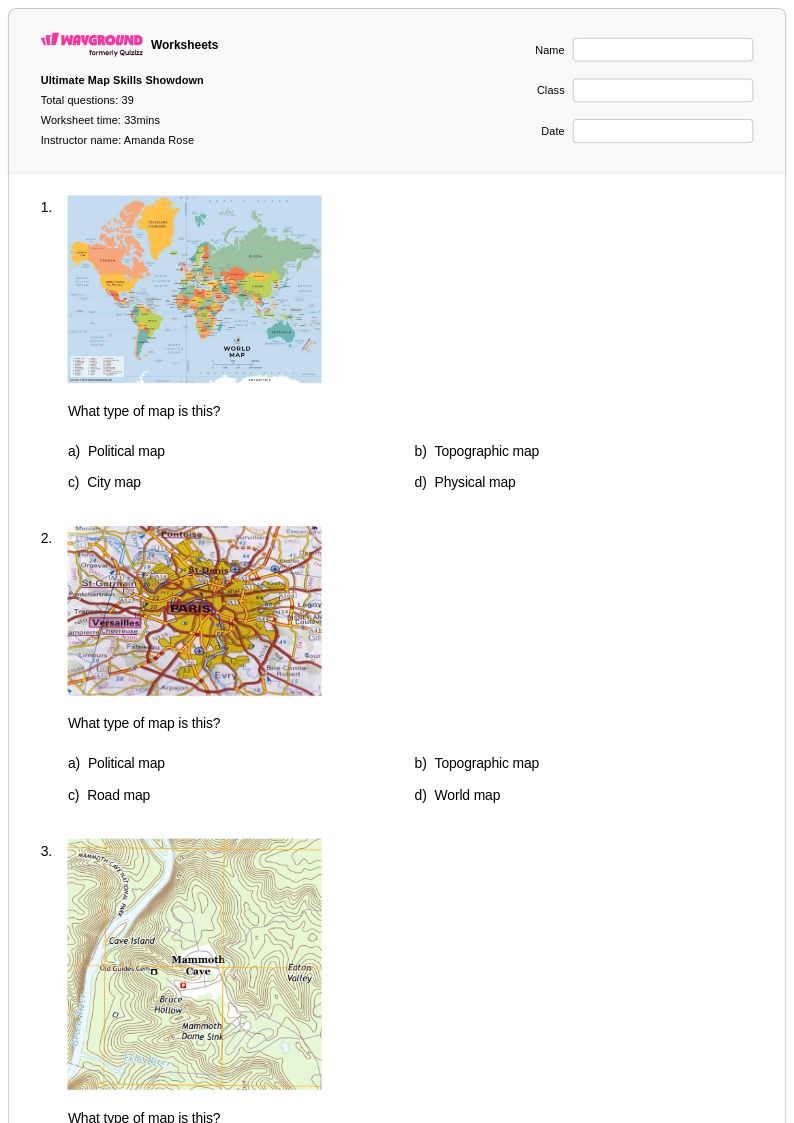
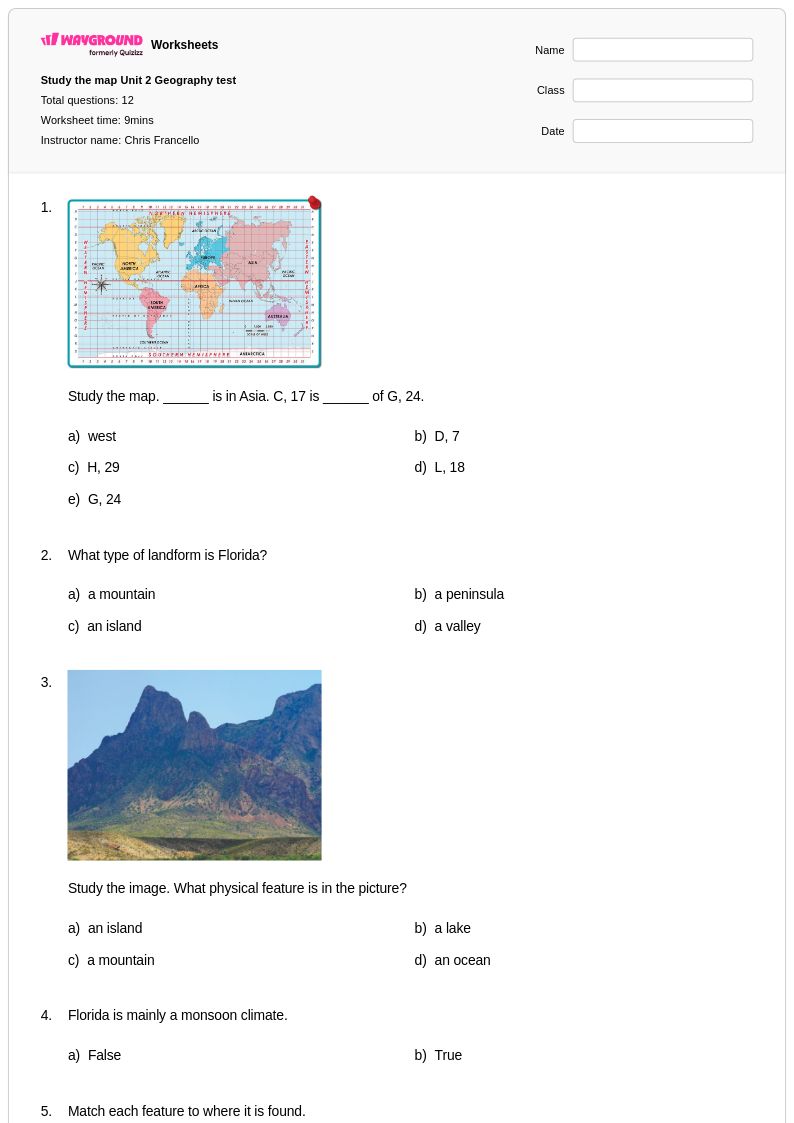
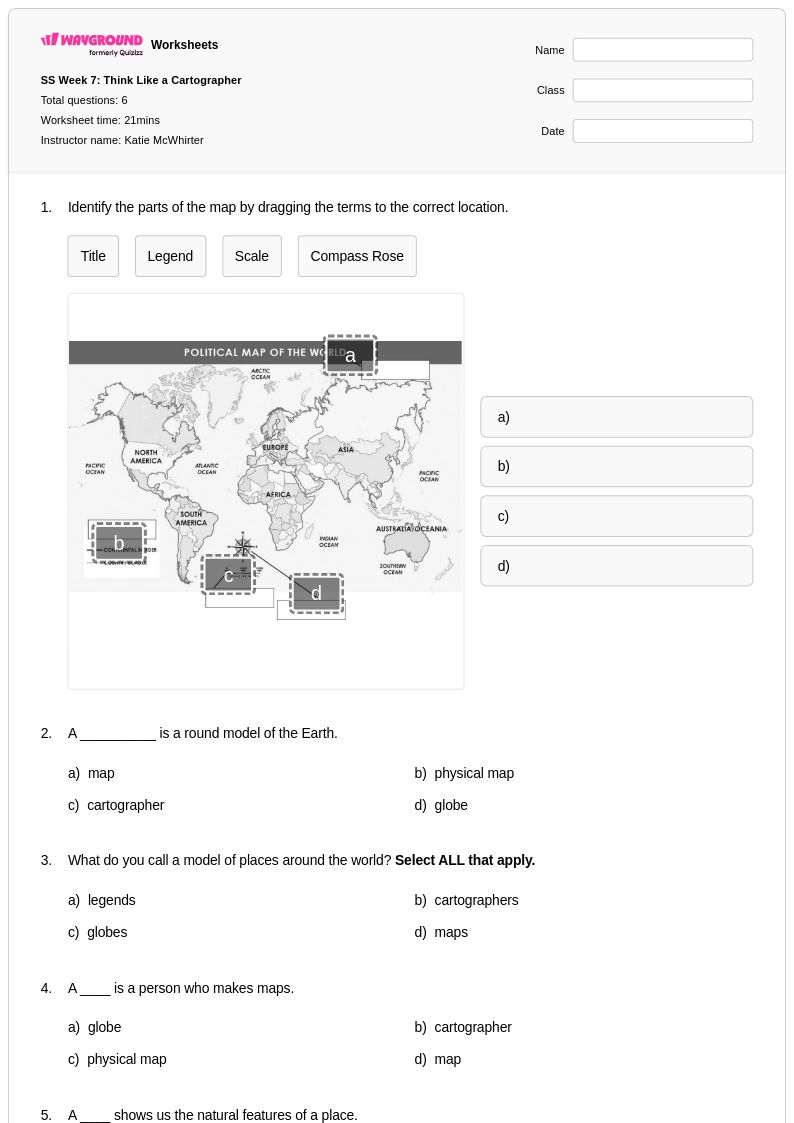
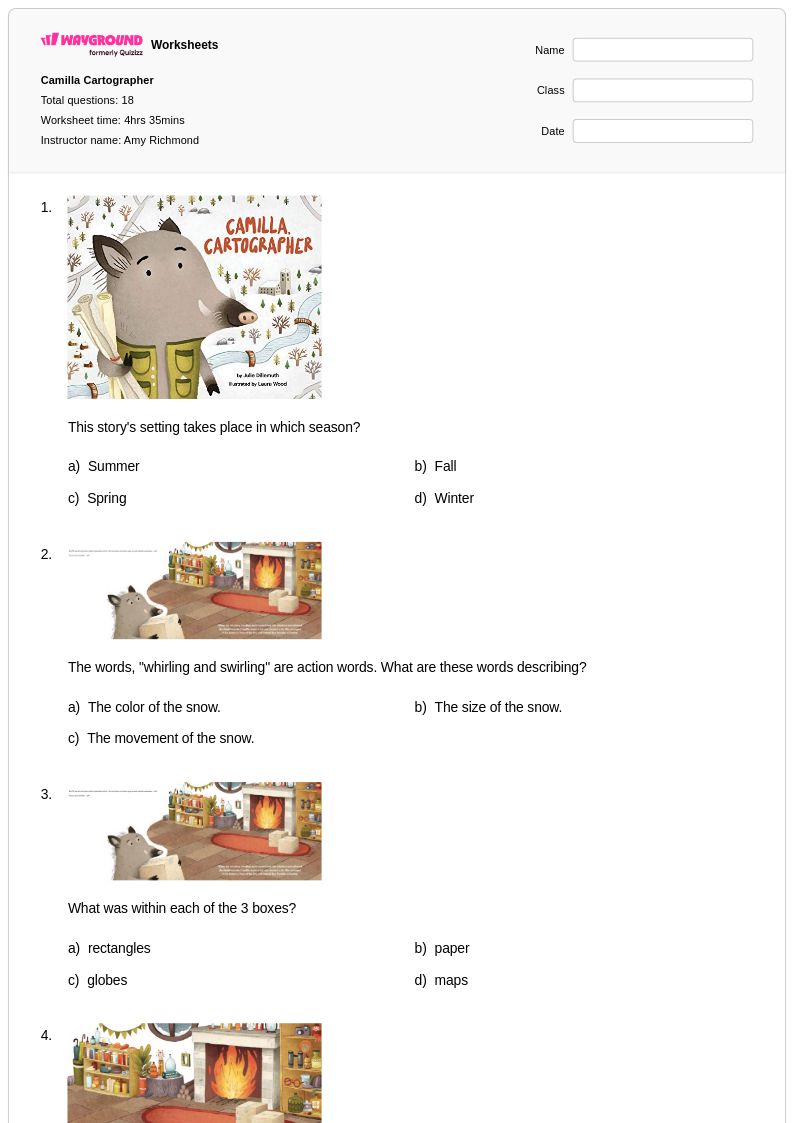
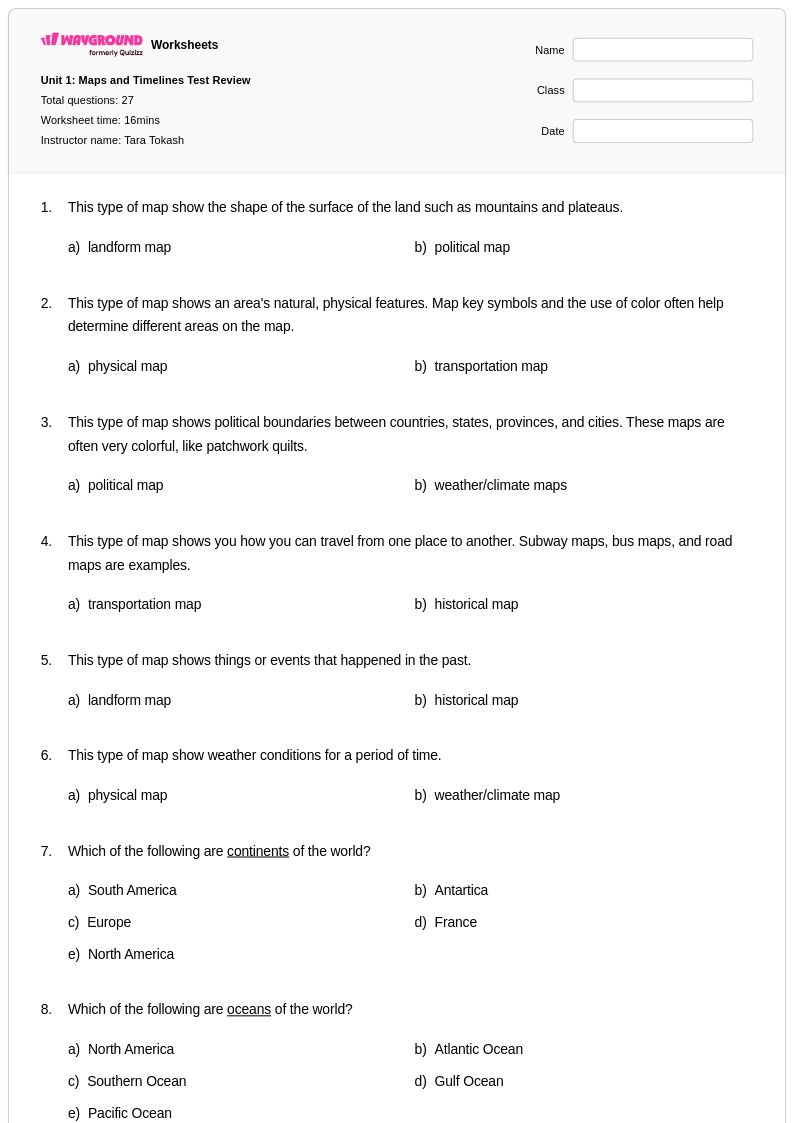
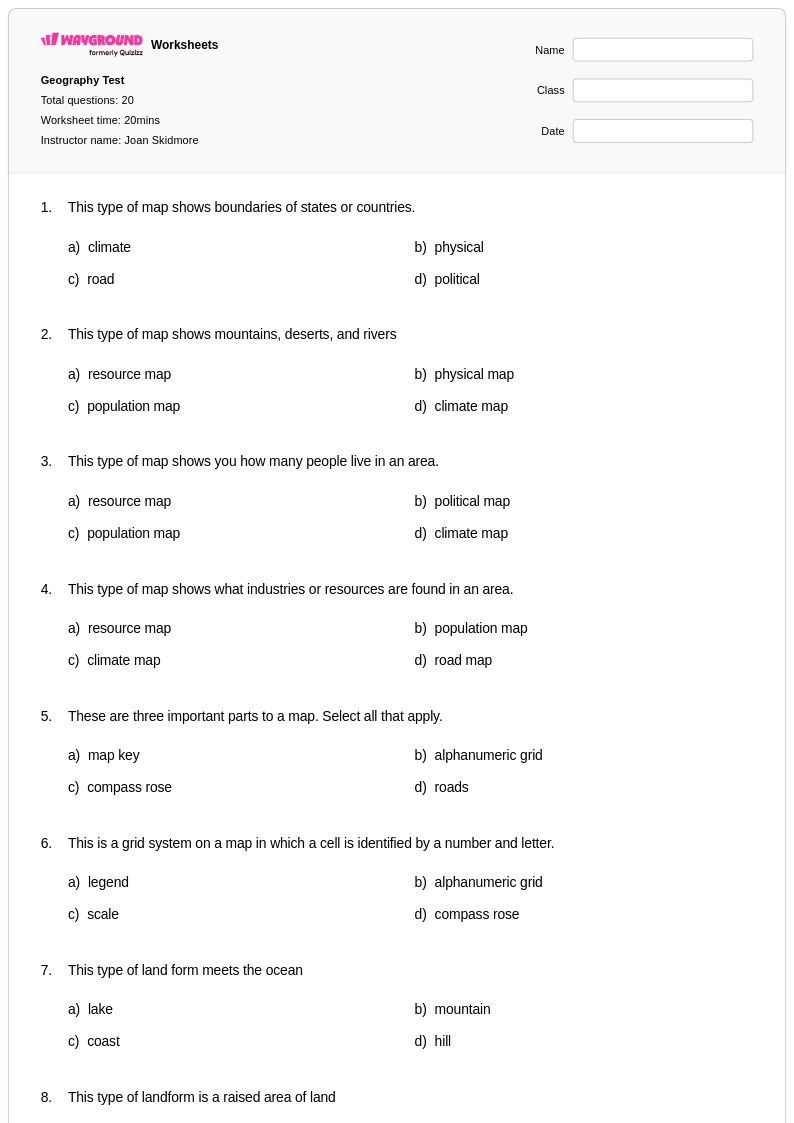
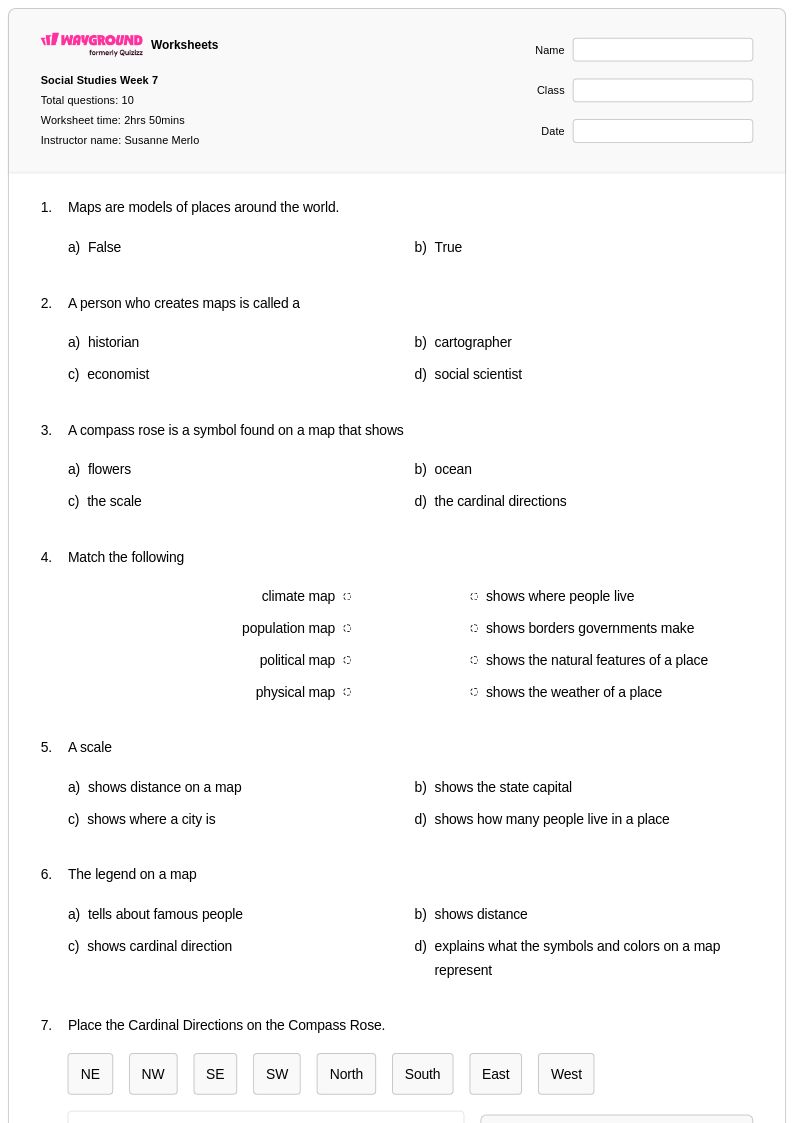
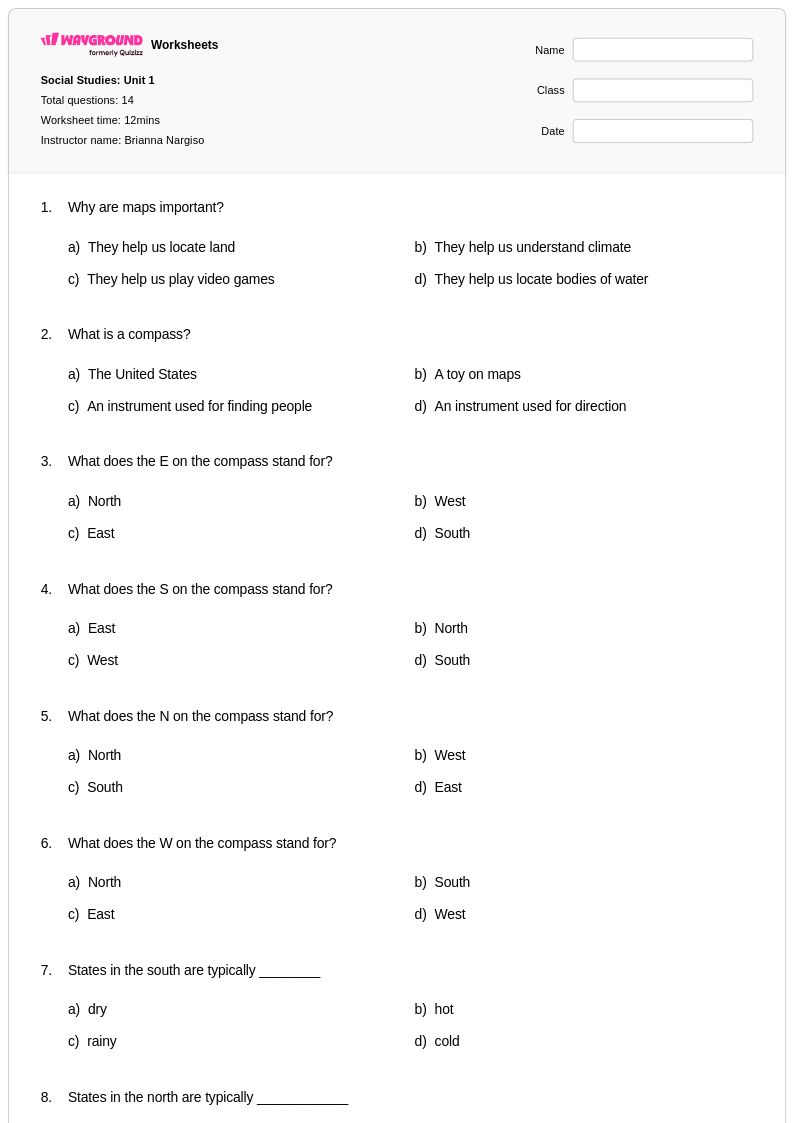
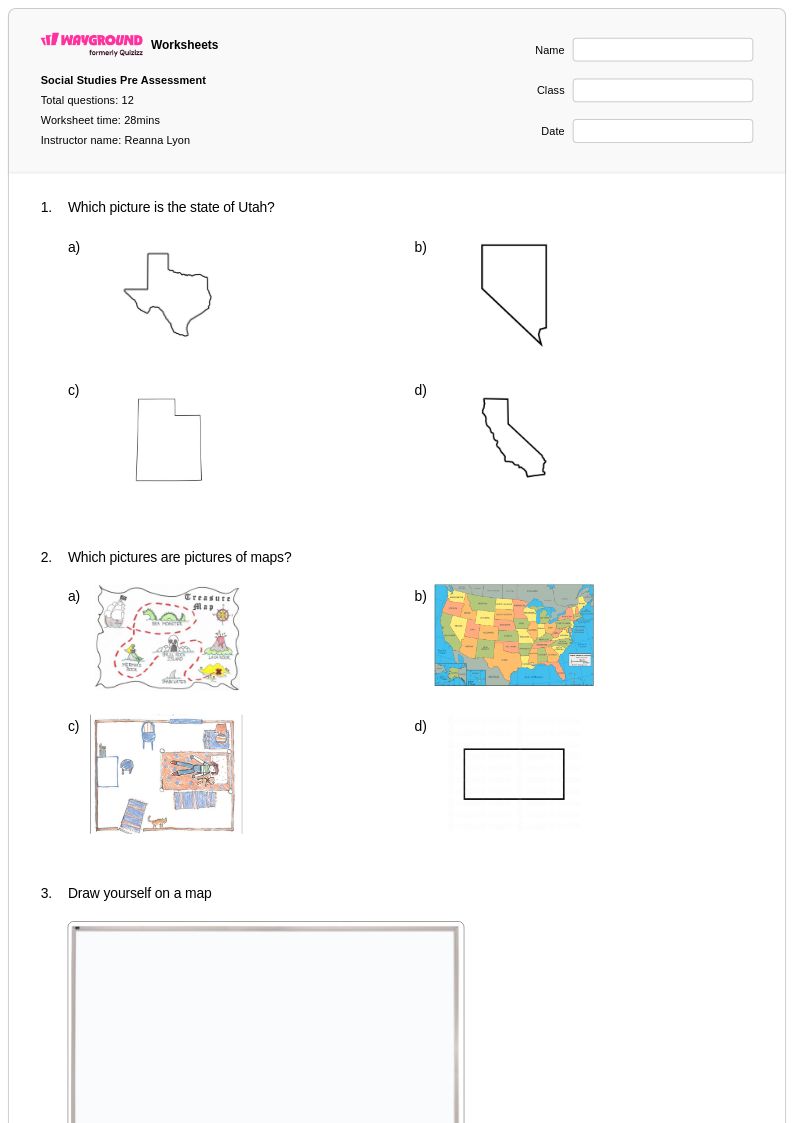
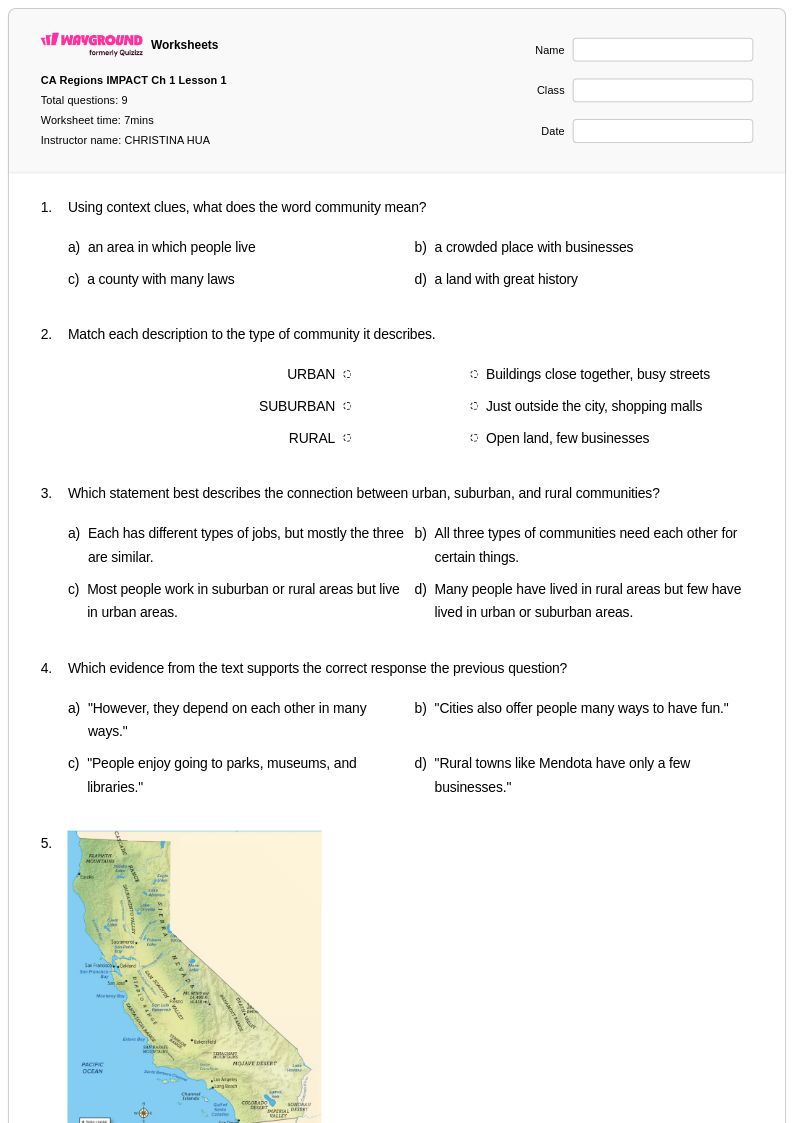
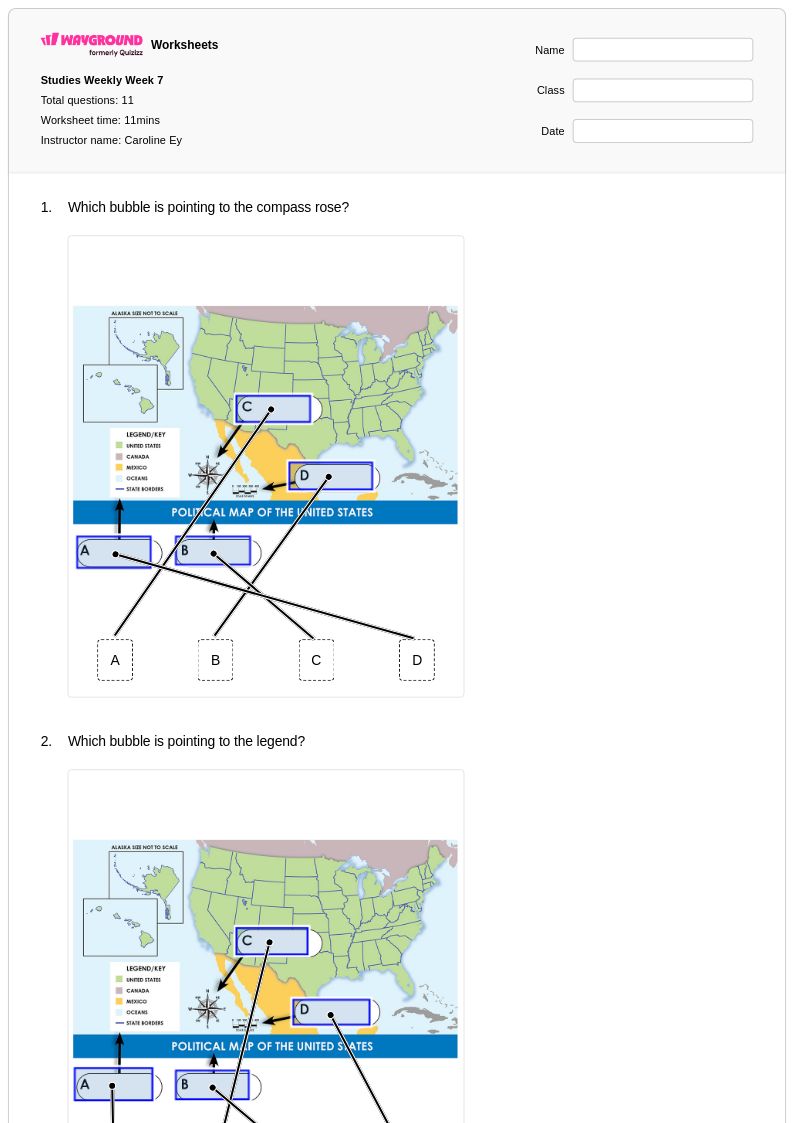
Free Grade 3 state maps worksheets and printables help students explore U.S. geography through engaging practice problems, with PDF downloads and answer keys available for effective learning.
Explore printable State Maps worksheets for Grade 3
State maps worksheets for Grade 3 students available through Wayground (formerly Quizizz) provide essential foundational geography practice that helps young learners develop spatial reasoning and geographic literacy skills. These comprehensive printables focus on helping third-grade students identify state boundaries, locate major cities and capitals, and understand basic geographic features within individual states. The worksheet collection includes varied practice problems that challenge students to read map legends, use compass directions, and recognize state shapes and relative positions. Each resource comes with a complete answer key, making it easy for educators to assess student progress and provide immediate feedback. These free pdf materials strengthen critical map-reading abilities while building students' confidence in interpreting geographic information and understanding their place within the broader United States.
Wayground's extensive library contains millions of teacher-created state maps resources specifically designed for Grade 3 geography instruction, offering educators powerful search and filtering capabilities to find materials that align with curriculum standards and individual classroom needs. The platform's differentiation tools allow teachers to customize worksheets for various skill levels, supporting both remediation for struggling learners and enrichment opportunities for advanced students. Available in both printable and digital pdf formats, these state maps materials provide flexibility for in-person and remote learning environments. Teachers can efficiently plan geography lessons, create targeted skill practice sessions, and supplement core curriculum with engaging activities that reinforce state identification, map symbol interpretation, and spatial relationship understanding essential for third-grade social studies success.
FAQs
How do I teach students to read and interpret state maps?
Start by teaching map components in isolation: political boundaries, state capitals, major cities, rivers, and mountain ranges. Once students can identify individual features, move to integrated reading tasks where they must use multiple map elements together to answer geographic questions. Connecting map features to real-world context, such as why major cities often develop near rivers or along coasts, helps students build durable spatial reasoning rather than just memorizing locations.
What exercises help students practice U.S. state geography?
Effective practice tasks include labeling blank state maps with capitals and major cities, identifying rivers and mountain ranges from physical maps, and answering questions that require interpreting political boundaries and regional relationships. Repeated low-stakes practice with immediate feedback, such as self-checking against answer keys, is particularly effective for building fluency with state-specific geographic details.
What common mistakes do students make when working with state maps?
Students frequently confuse state capitals with the largest or most well-known city in a state, such as assuming New York City is New York's capital or Los Angeles is California's capital. They also tend to misidentify rivers as state boundaries when rivers only partially define a border, and they often struggle to distinguish between physical features like mountain ranges and political features like county or state lines when both appear on the same map.
How can I differentiate state maps instruction for students at different skill levels?
For students who need additional support, reduce the number of features being labeled at one time and start with highly recognizable states before moving to less familiar ones. On Wayground, teachers can apply accommodations such as reduced answer choices and read-aloud support to individual students, lowering cognitive load without disrupting the rest of the class. More advanced students can be challenged with tasks that require interpreting spatial relationships between features rather than simple identification.
How do I use Wayground's state maps worksheets in my classroom?
Wayground's state maps worksheets are available as printable PDFs for traditional classroom use and in digital formats for technology-integrated learning environments. Teachers can assign them as in-class practice, homework, or host them as a quiz directly on Wayground to track student performance. Each worksheet includes a complete answer key, making them suitable for independent work, small-group review, or whole-class instruction.