
15 Q
3rd - Uni
15 Q
7th - 8th
23 Q
7th
25 Q
3rd - Uni
25 Q
7th
14 Q
7th
18 Q
7th
19 Q
7th
25 Q
7th - Uni
15 Q
7th
12 Q
7th - 11th
9 Q
7th - Uni
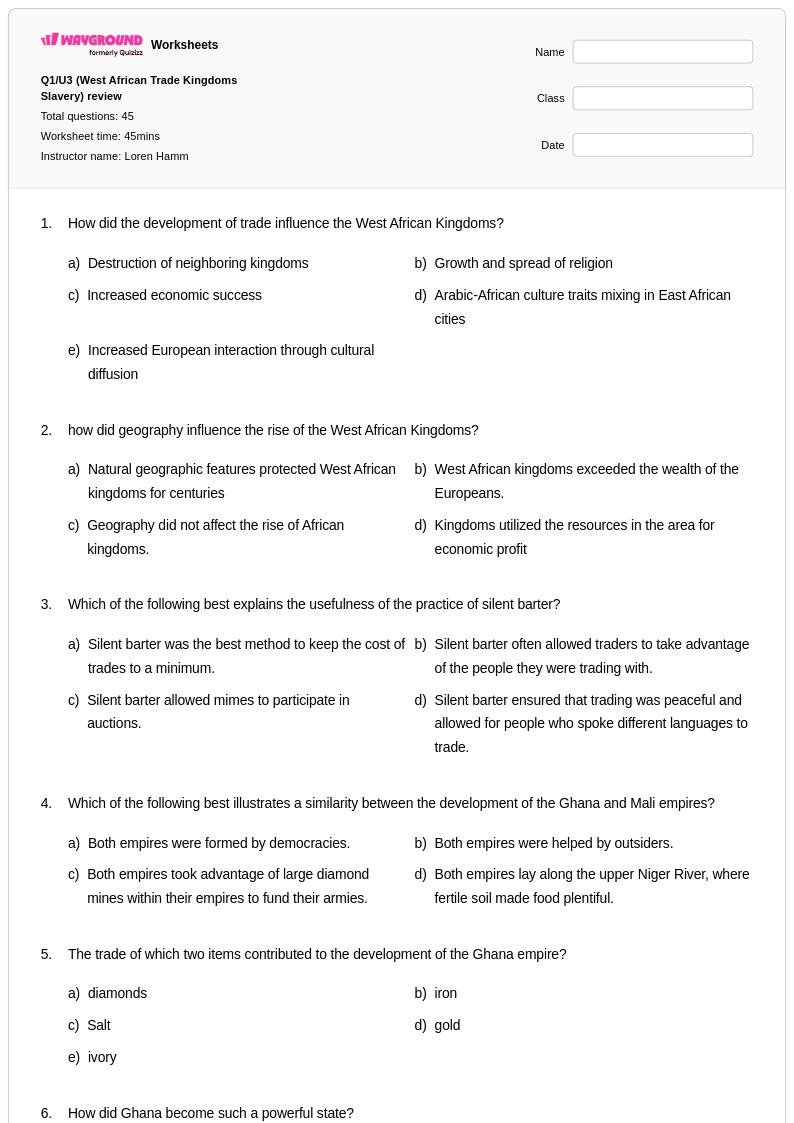
45 Q
7th
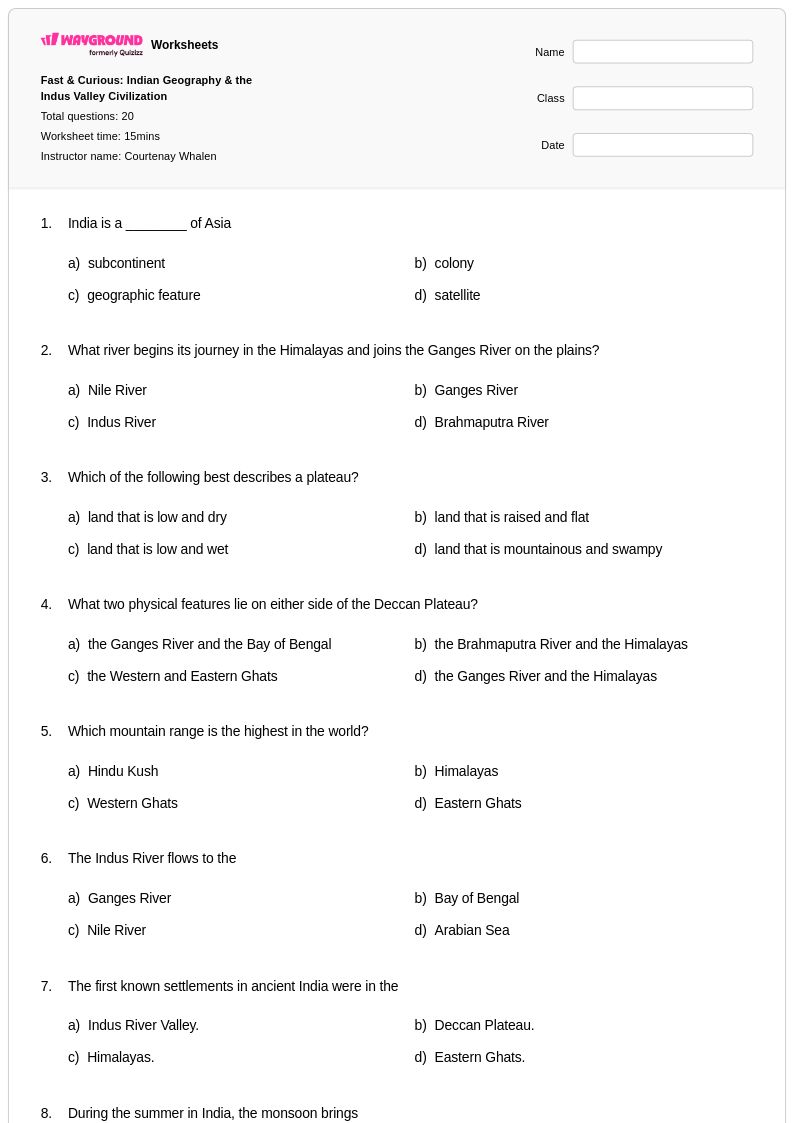
20 Q
7th
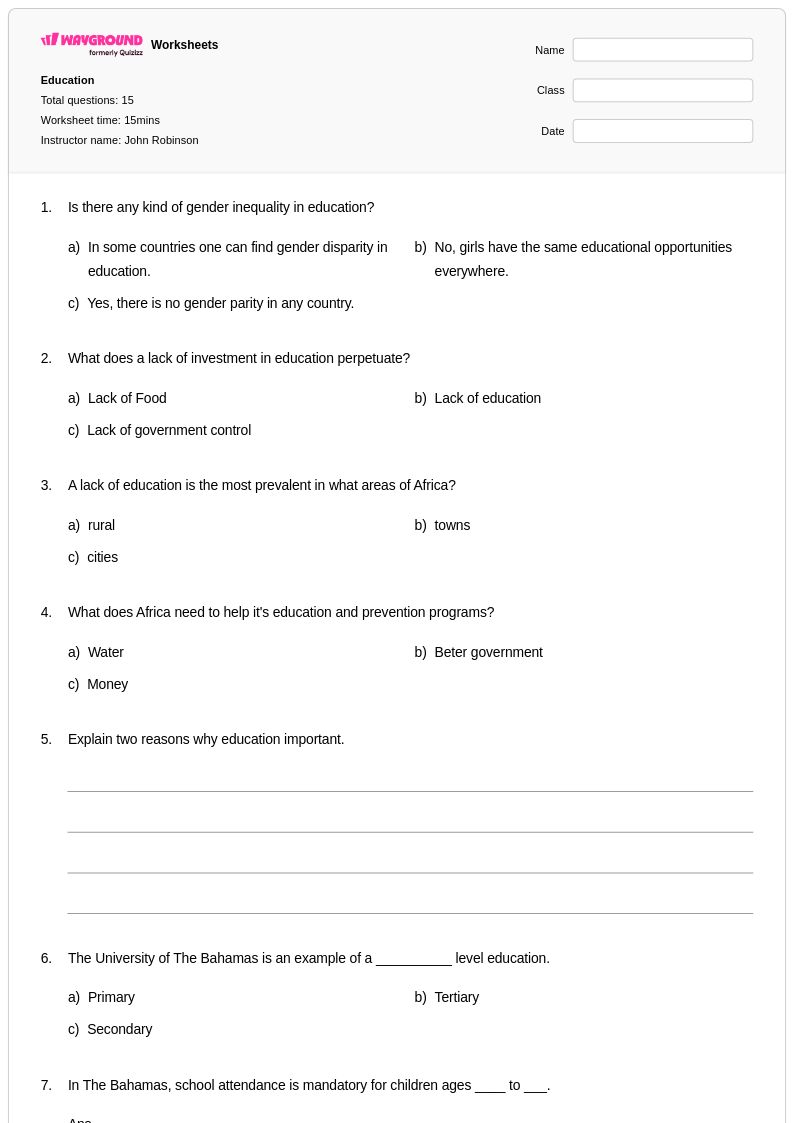
15 Q
7th - Uni
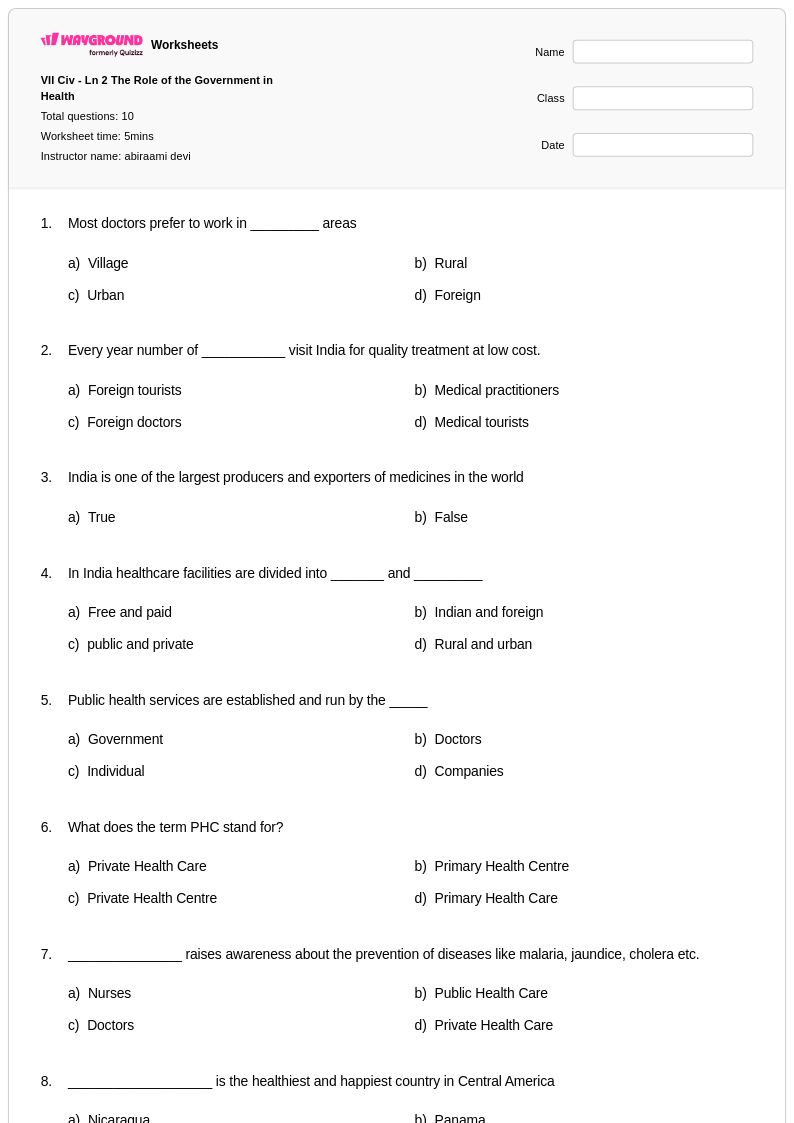
10 Q
7th
26 Q
7th
20 Q
7th - 8th
20 Q
7th
19 Q
7th
35 Q
7th
10 Q
7th
26 Q
7th - 11th
24 Q
7th
Explore Suicide Prevention Worksheets by Grades
Explore Other Subject Worksheets for grade 7
Explore printable Suicide Prevention worksheets for Grade 7
Suicide prevention worksheets for Grade 7 provide essential resources that help educators address this critical social skills topic with age-appropriate sensitivity and educational rigor. These comprehensive materials guide seventh-grade students through understanding warning signs, developing empathy, learning how to seek help, and building supportive peer relationships while fostering emotional intelligence and crisis awareness. The worksheets strengthen vital life skills including recognizing mental health challenges, practicing effective communication strategies, understanding available support systems, and developing healthy coping mechanisms. Teachers can access complete answer keys alongside these printable resources, ensuring accurate guidance during sensitive discussions, while free practice problems allow students to process complex emotional scenarios in a structured, supportive learning environment through carefully designed pdf materials.
Wayground, formerly Quizizz, empowers educators with an extensive collection of teacher-created suicide prevention and social skills resources specifically designed for Grade 7 students, drawing from millions of professionally developed materials that address this sensitive subject matter with appropriate developmental considerations. The platform's robust search and filtering capabilities enable teachers to locate standards-aligned content that meets specific classroom needs, while differentiation tools allow for customized approaches that respect diverse student backgrounds and emotional readiness levels. These flexible resources support comprehensive lesson planning through both printable and digital formats, including downloadable pdf versions, making it easier for educators to provide targeted remediation for students who need additional support, enrichment opportunities for advanced learners, and consistent skill practice that reinforces critical suicide prevention awareness and social-emotional learning objectives throughout the academic year.
FAQs
How do I teach suicide prevention in the classroom without causing harm or distress?
What skills should suicide prevention worksheets help students develop?
What common misconceptions do students have about suicide that teachers need to address?
How can I differentiate suicide prevention instruction for students at different readiness levels?
How do I use Wayground's suicide prevention worksheets in my classroom?