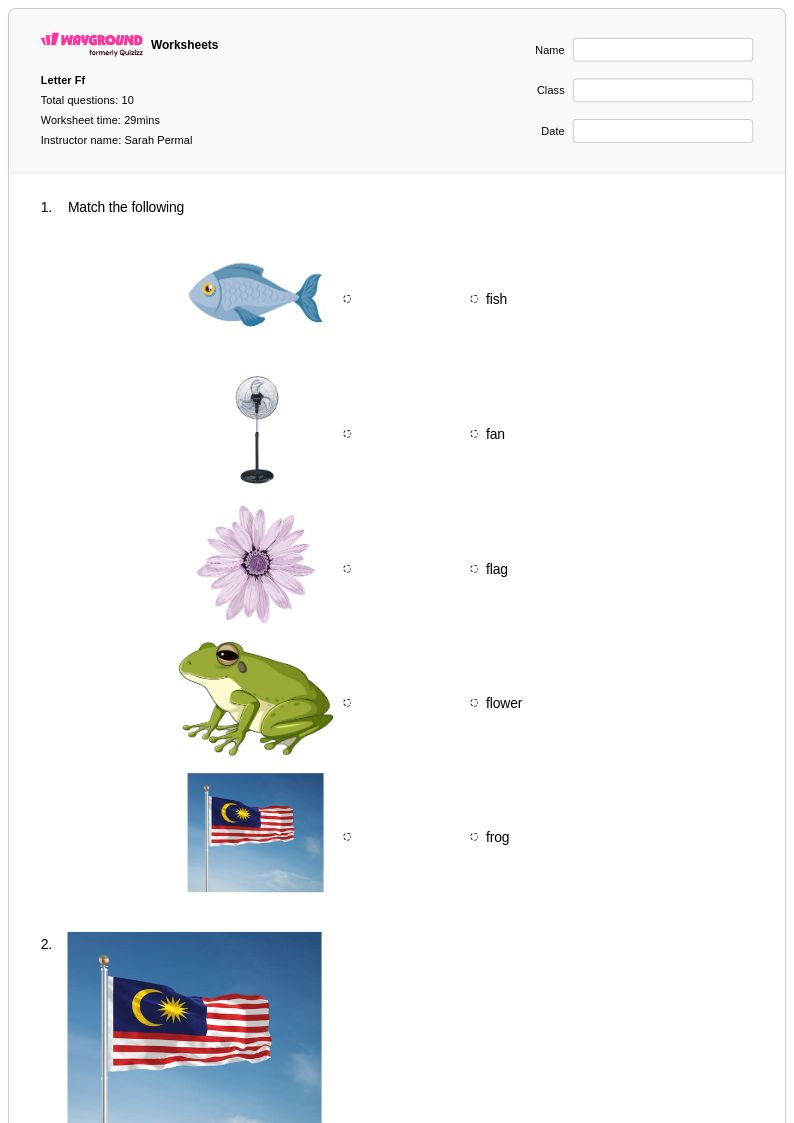
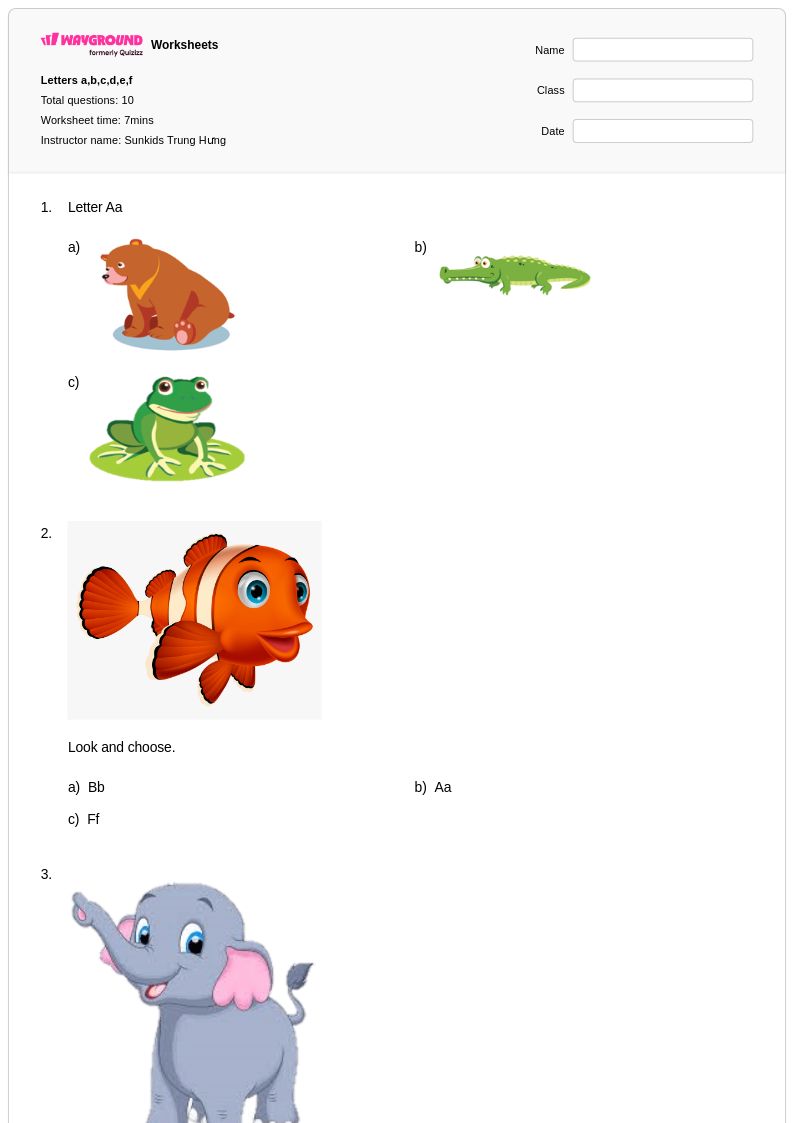
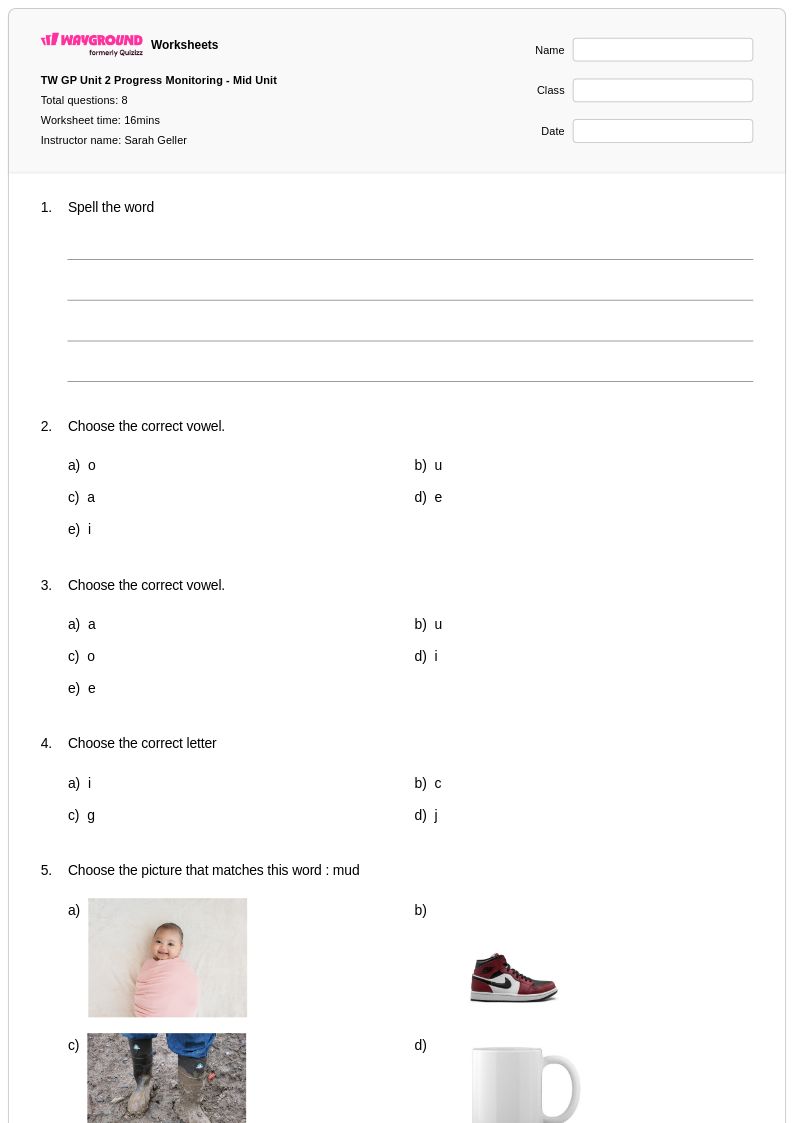
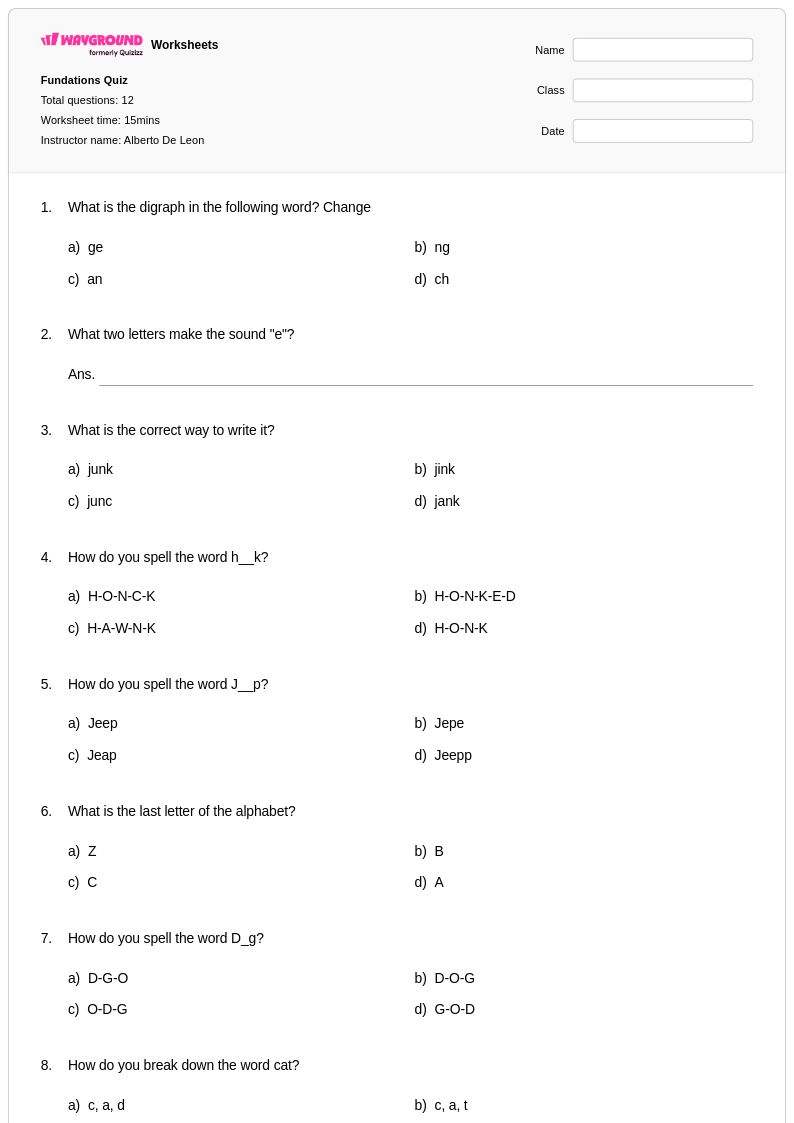
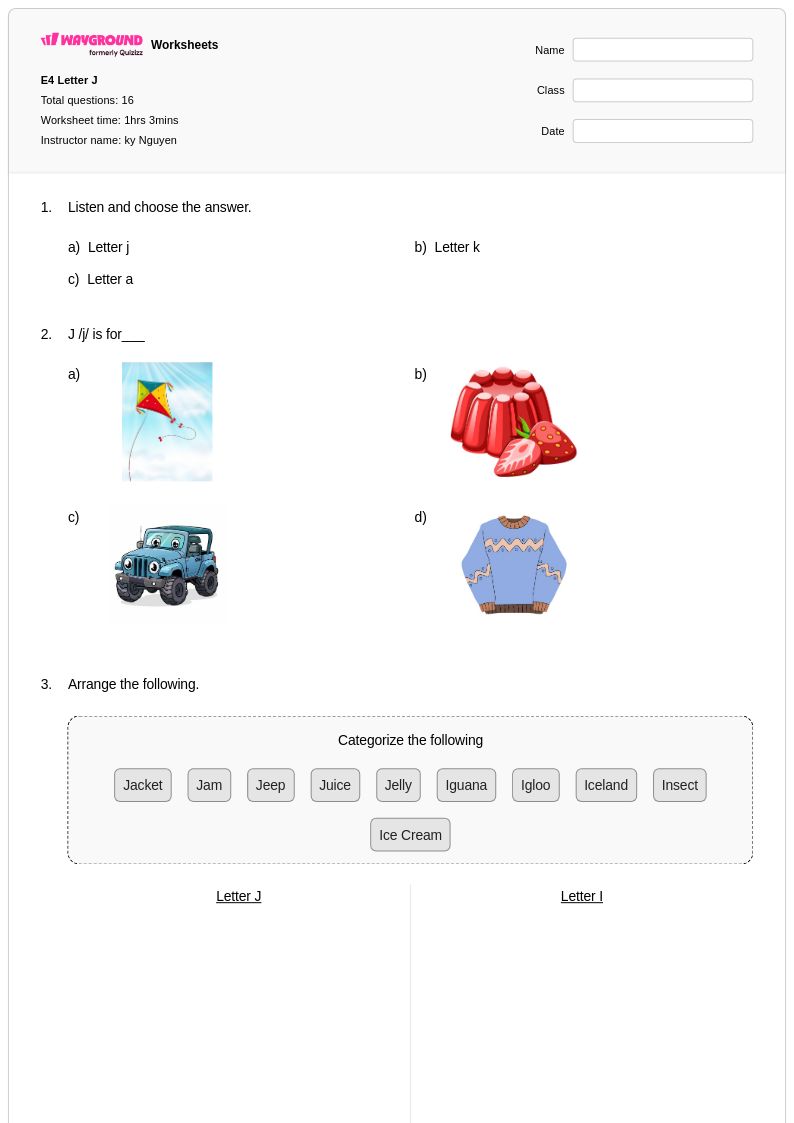
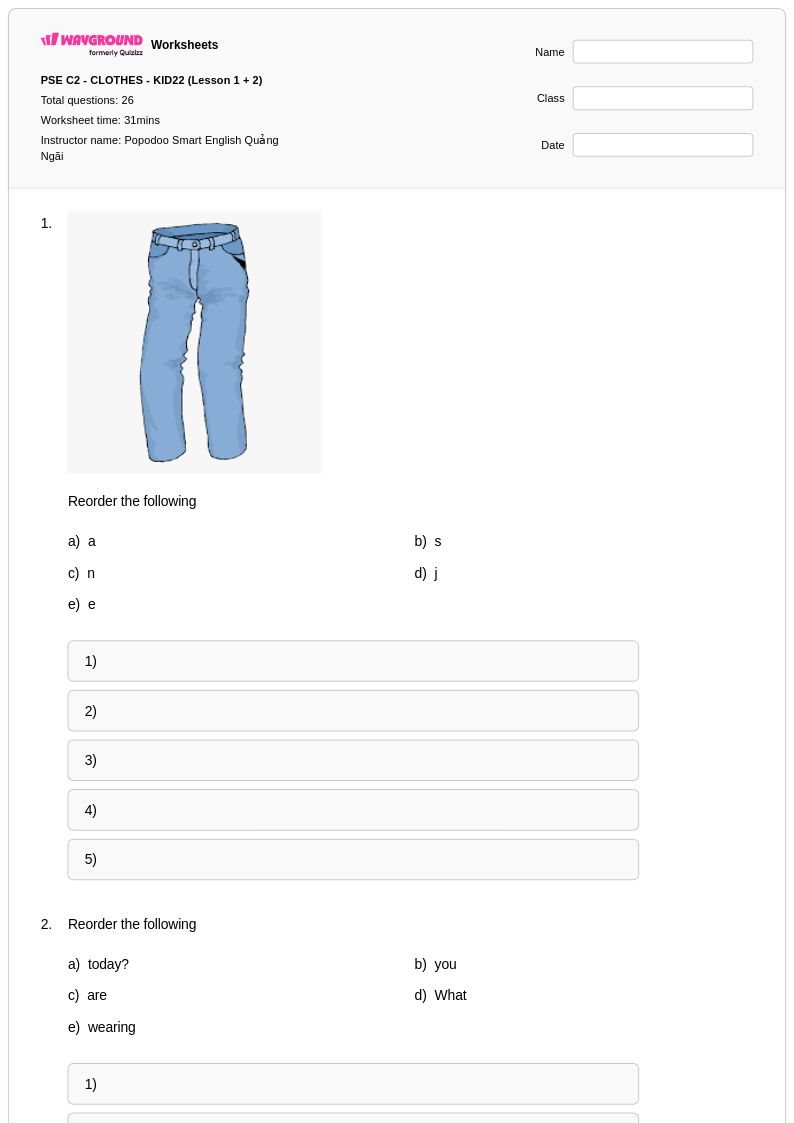
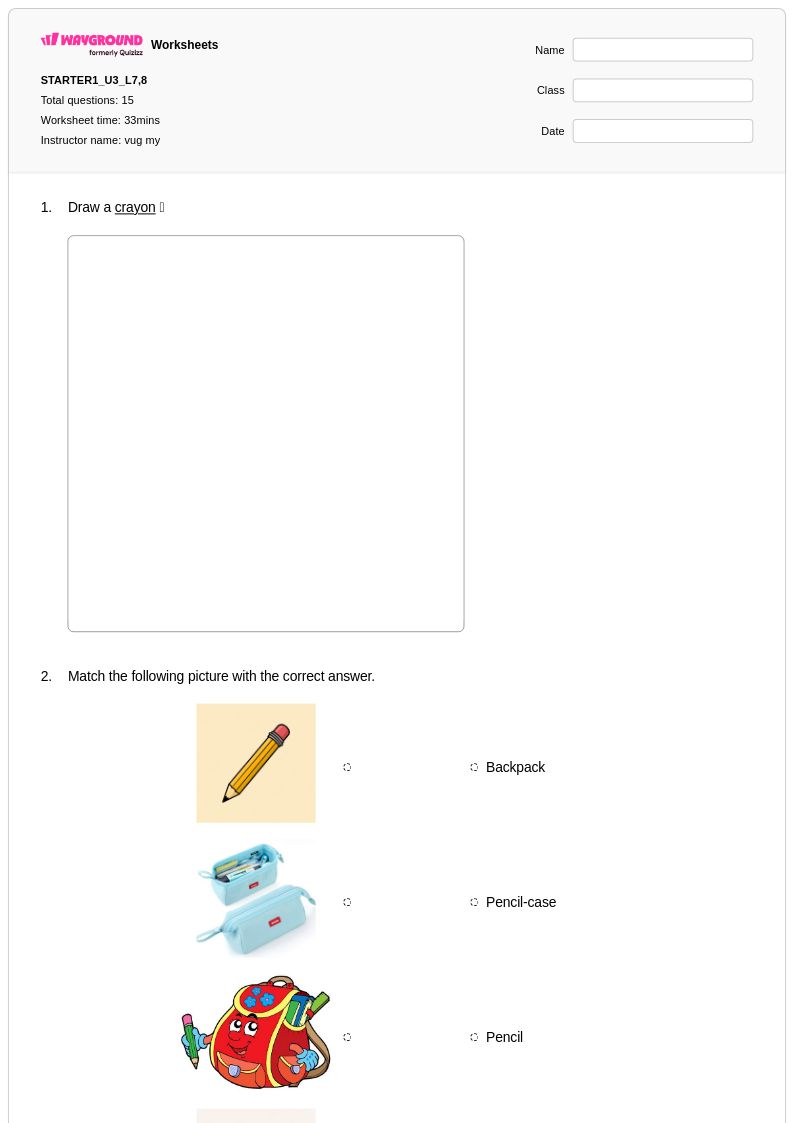
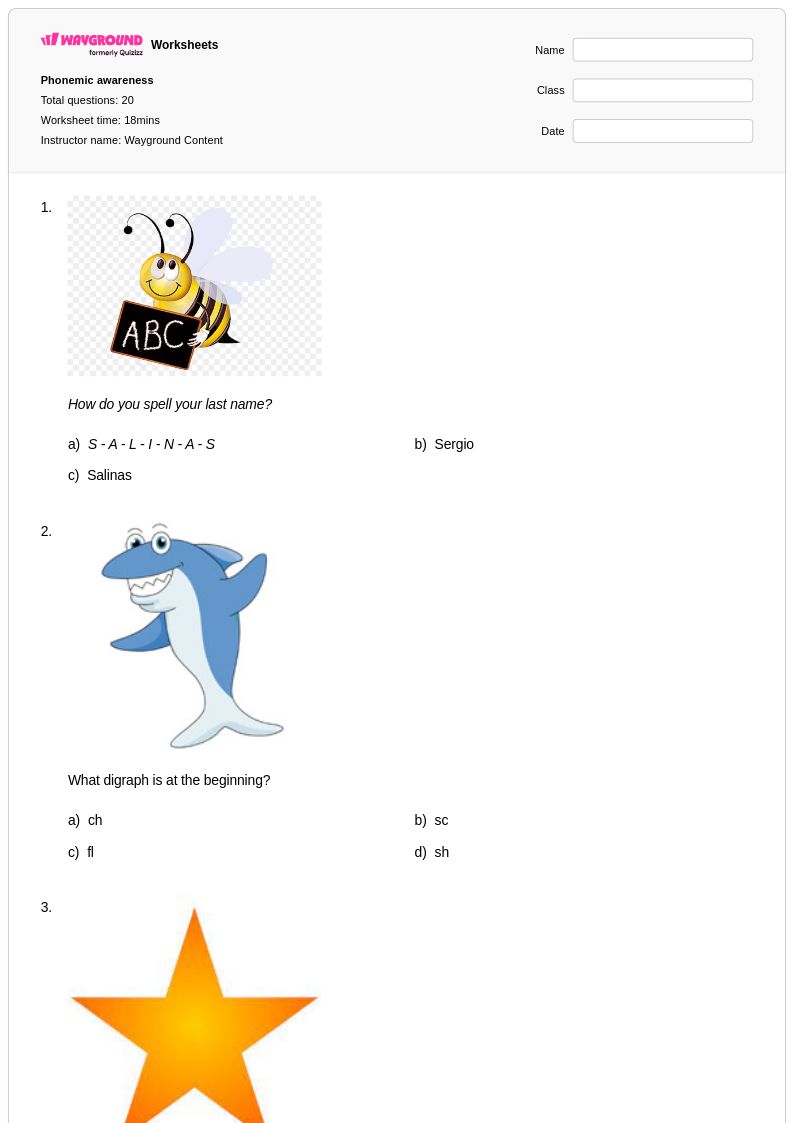
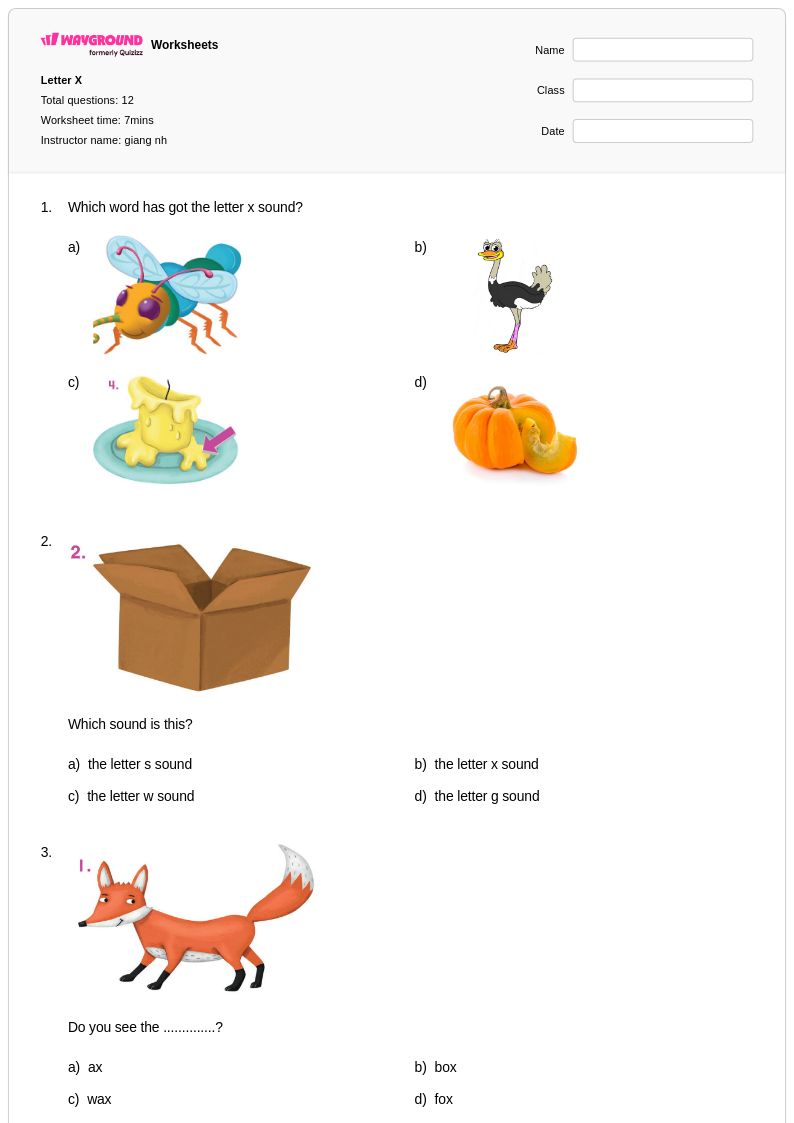
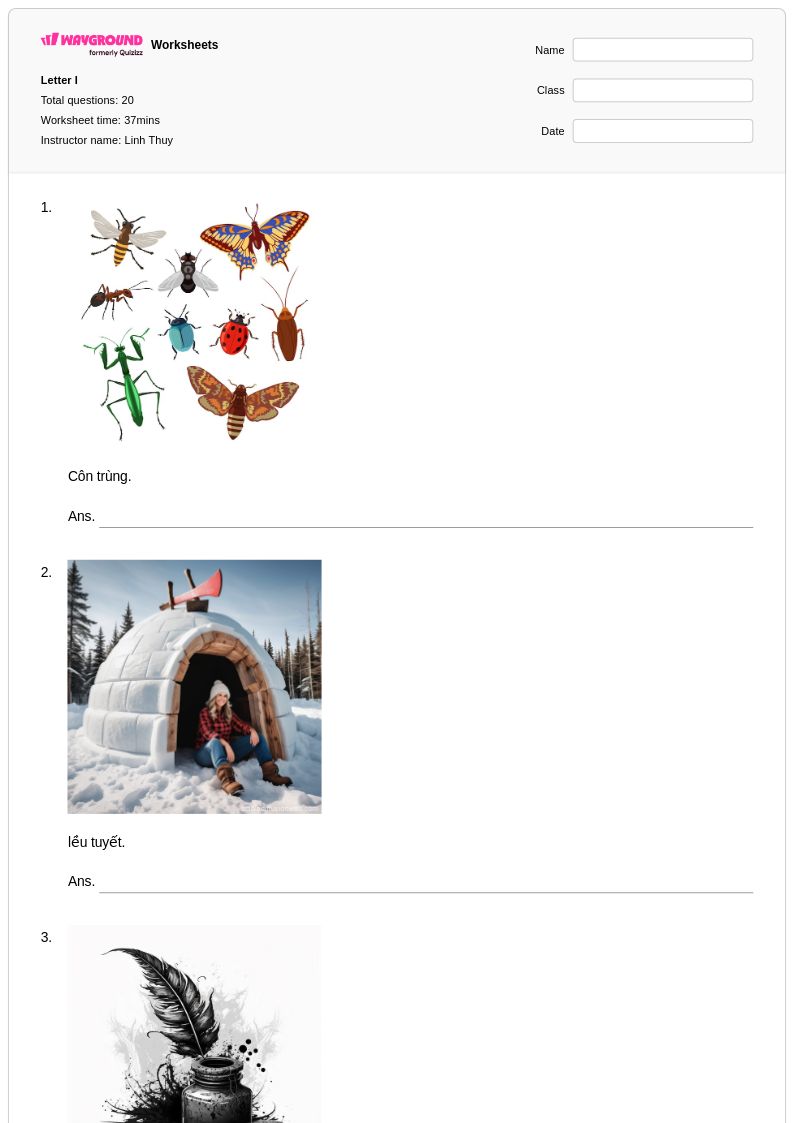
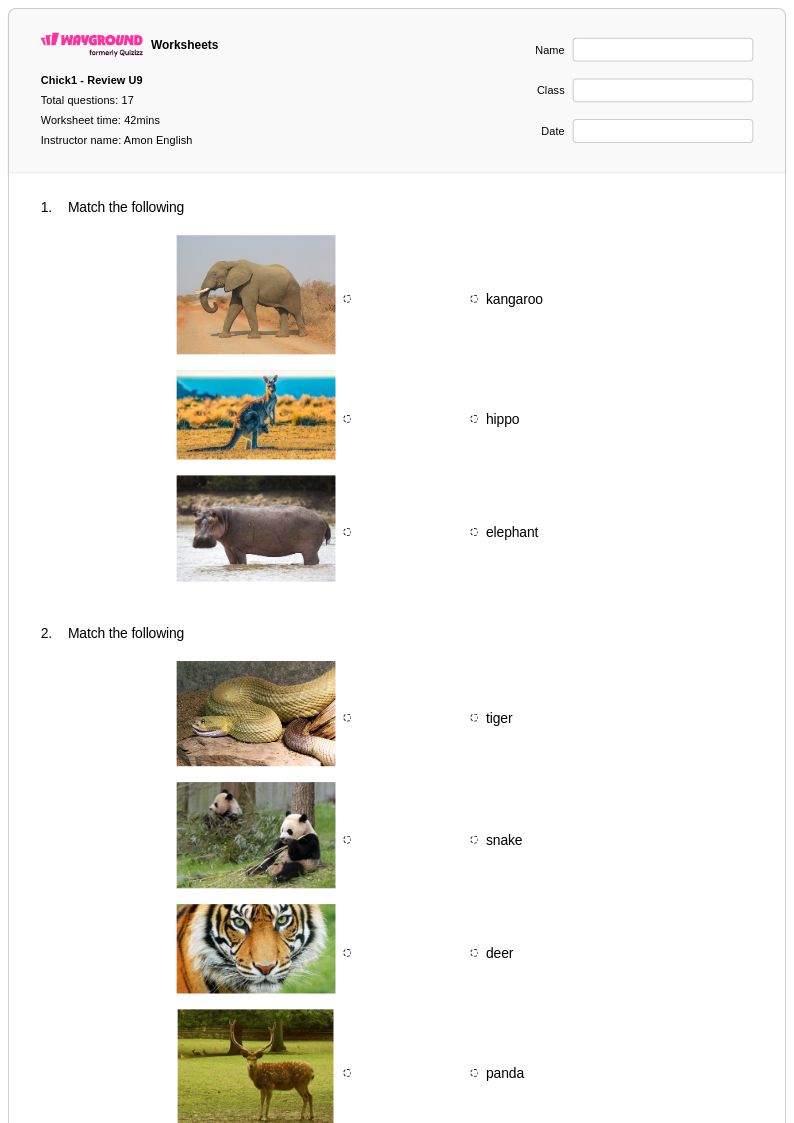
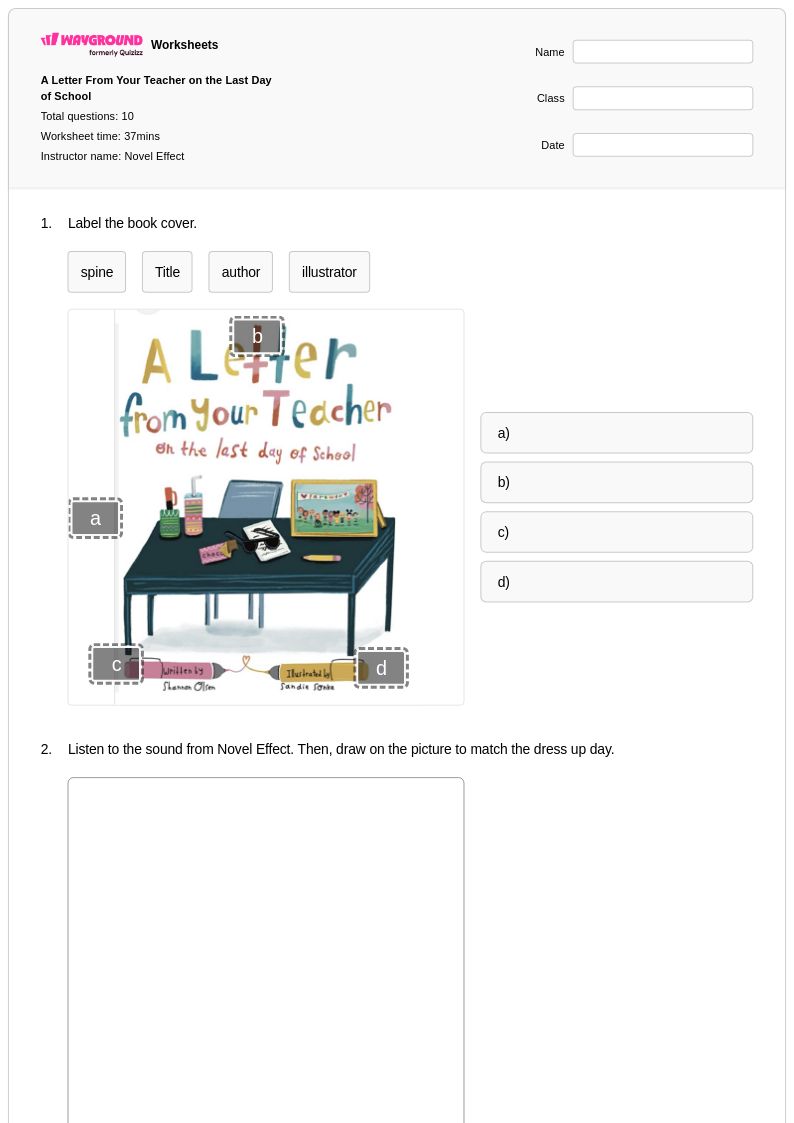
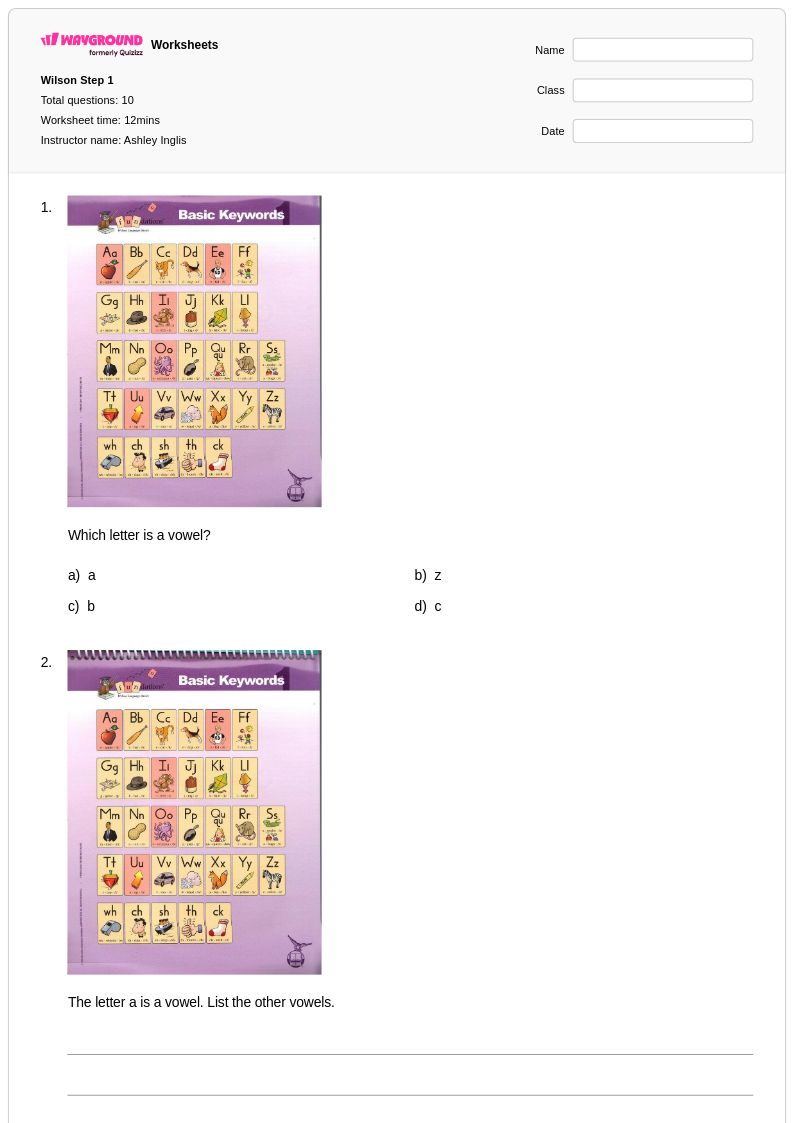
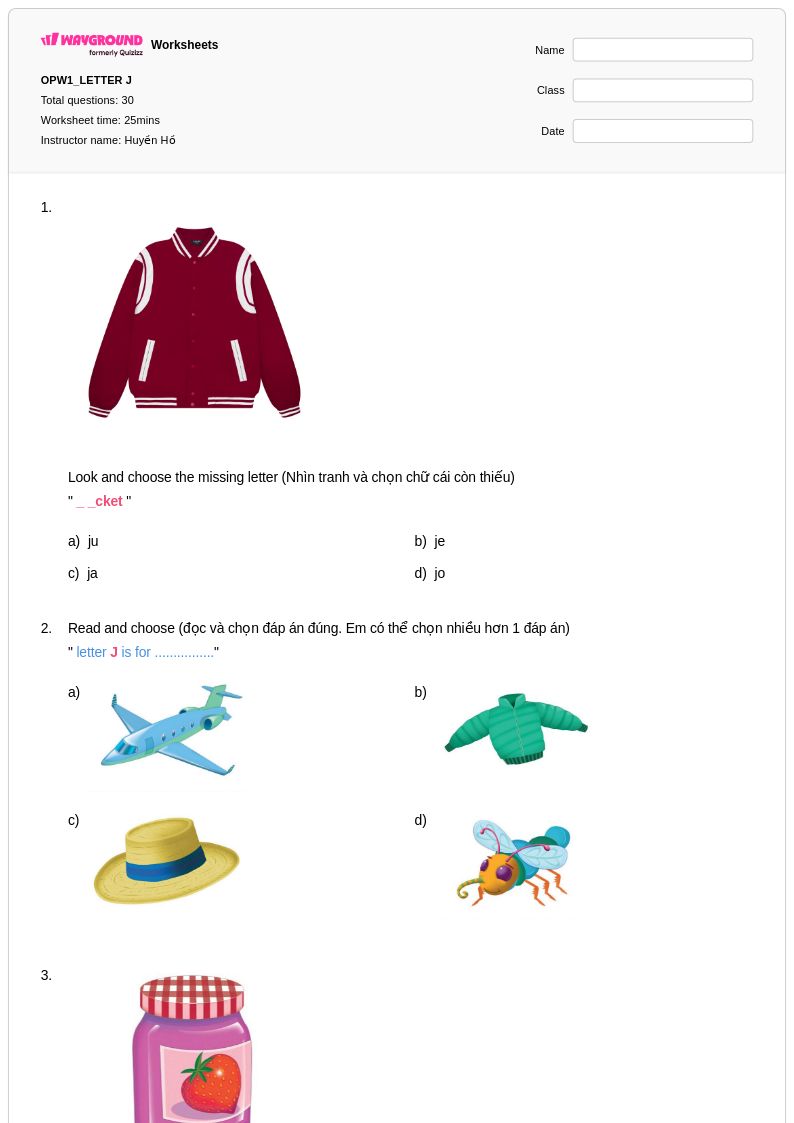
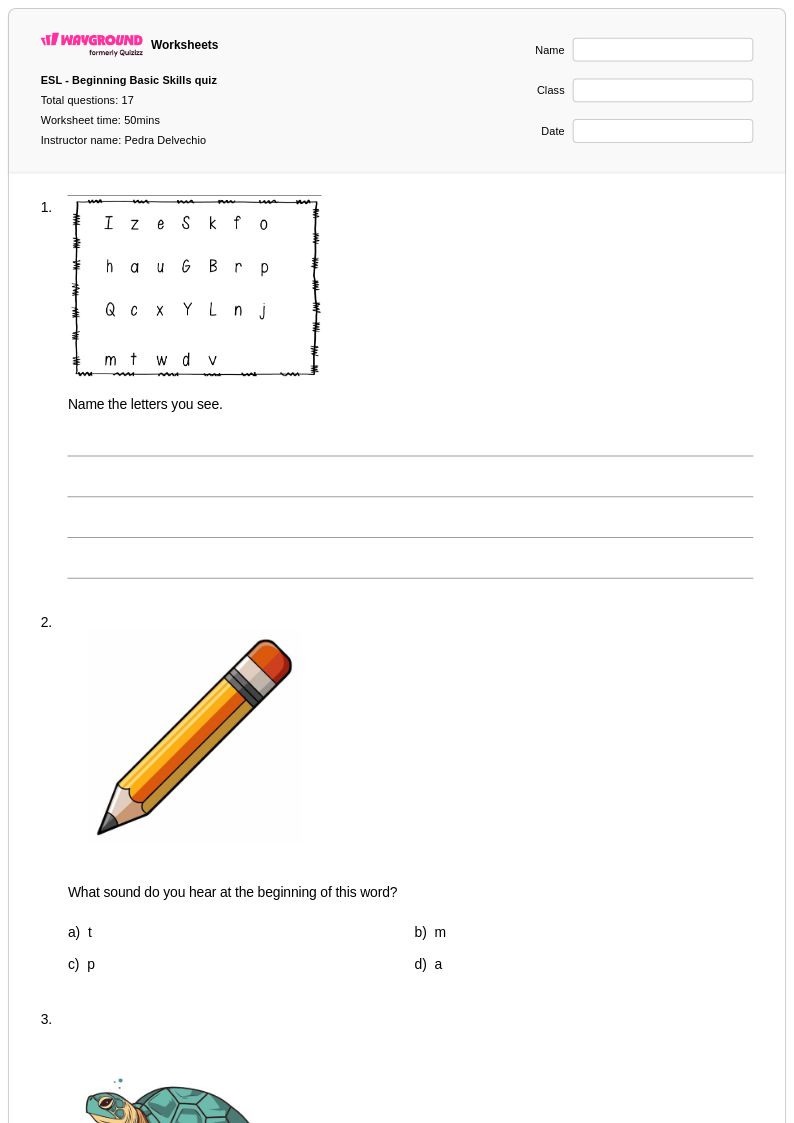
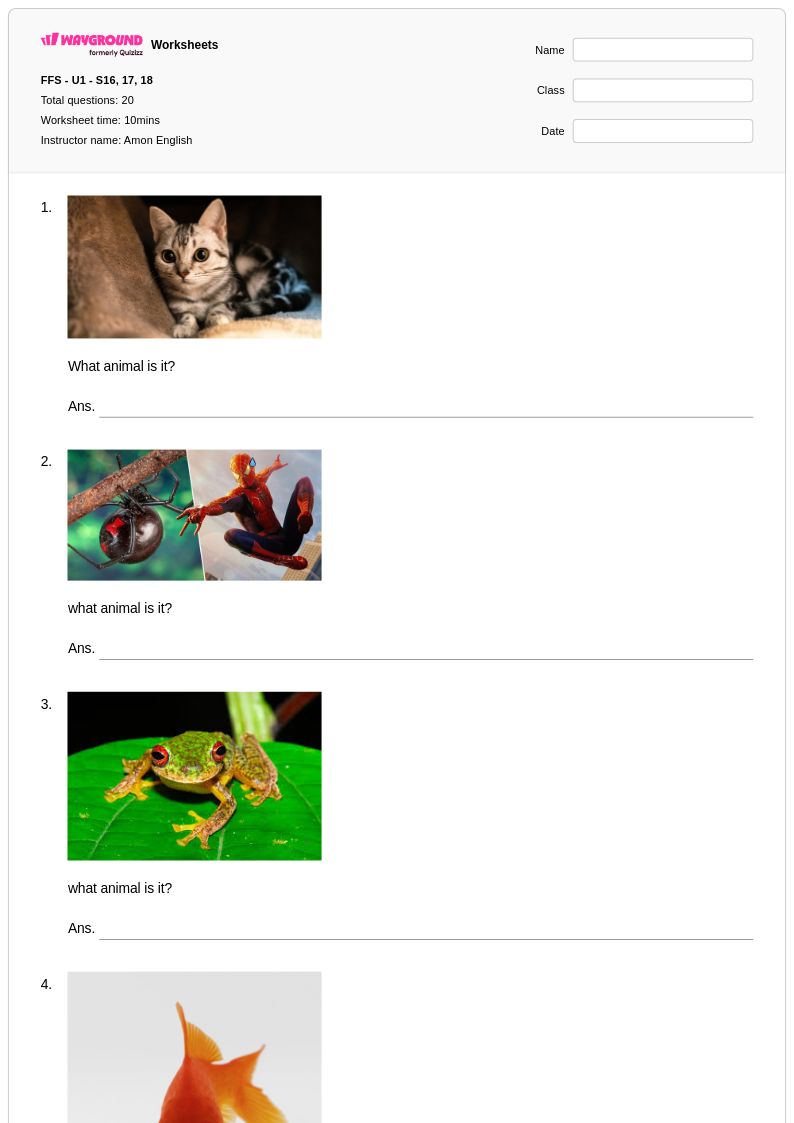
Free Printable The Letter G Worksheets for Grade 1
Enhance Grade 1 students' letter recognition and phonics skills with our free Letter G worksheets and printables, featuring engaging practice problems and complete answer keys in PDF format.
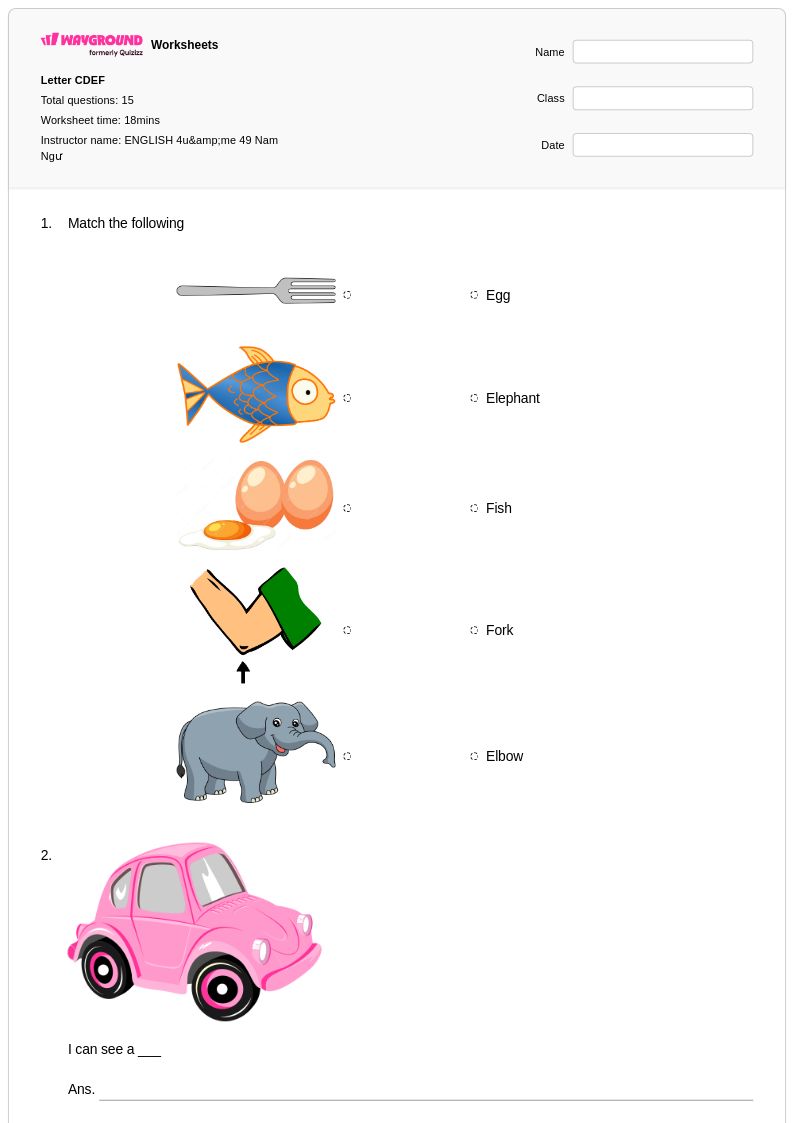
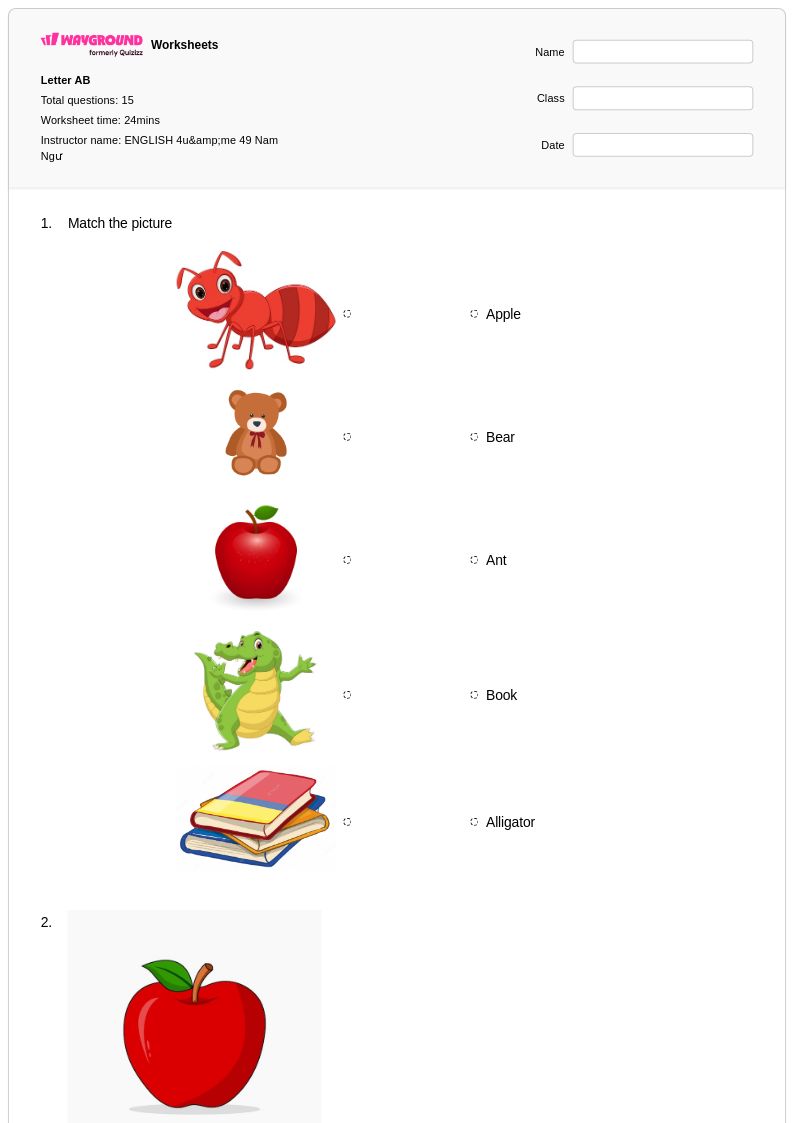
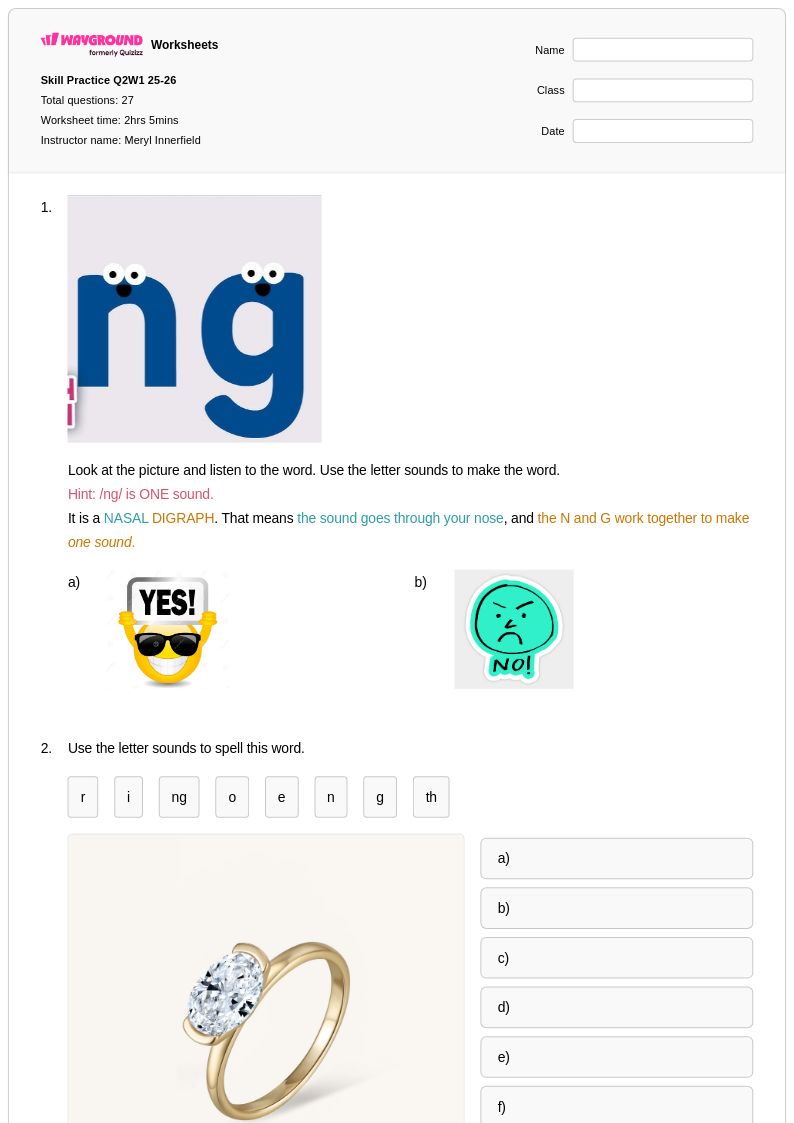
Explore printable The Letter G worksheets for Grade 1
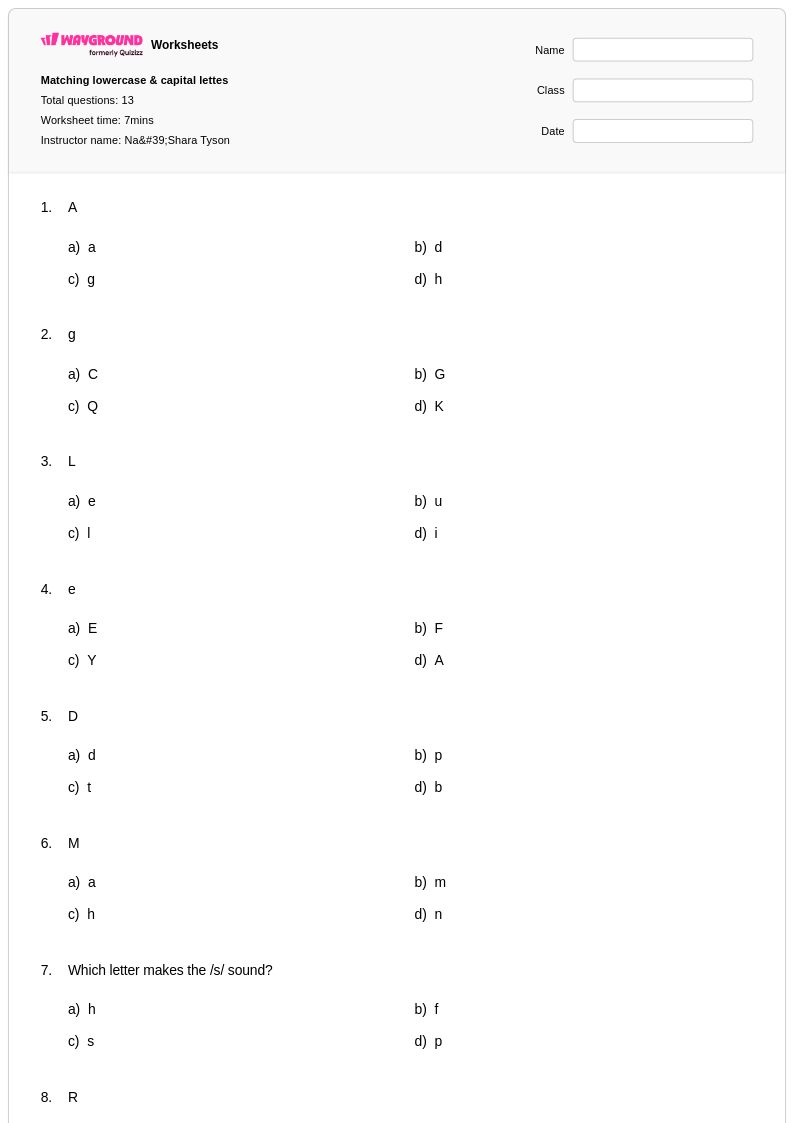
The Letter G worksheets for Grade 1 students provide comprehensive practice opportunities for young learners to master this important consonant through engaging, developmentally appropriate activities. These educational resources focus on essential foundational skills including letter recognition, proper formation through tracing exercises, and phonetic awareness of the hard and soft G sounds found in words like "goat" and "giraffe." Students work through carefully structured practice problems that reinforce visual discrimination between uppercase and lowercase forms while building confidence in handwriting mechanics. Each worksheet collection includes detailed answer keys to support accurate assessment, and these free printables offer teachers and parents convenient access to high-quality materials that strengthen early literacy development through systematic letter-sound correspondence practice.
Wayground (formerly Quizizz) empowers educators with access to millions of teacher-created Letter G resources that can be easily customized to meet diverse classroom needs and learning objectives. The platform's robust search and filtering capabilities allow teachers to quickly locate grade-appropriate materials aligned with state literacy standards, while built-in differentiation tools enable seamless adaptation for students requiring additional support or enrichment opportunities. These versatile worksheet collections are available in both printable pdf format for traditional paper-and-pencil activities and digital formats for interactive learning experiences, providing maximum flexibility for lesson planning and skill remediation. Teachers can efficiently organize targeted practice sessions, track student progress through structured activities, and implement data-driven instruction that addresses individual learning gaps in alphabet mastery and phonemic awareness development.
FAQs
How do I teach the letter G to early learners?
Teaching the letter G effectively means addressing both its hard sound (as in 'goat') and soft sound (as in 'giant') explicitly, since students often encounter both early in reading. Begin with the more common hard G sound before introducing the soft G, and use picture-sound sorting activities to build discrimination. Pairing letter formation practice with phonics instruction reinforces the visual and auditory connection simultaneously.
What exercises help students practice the letter G?
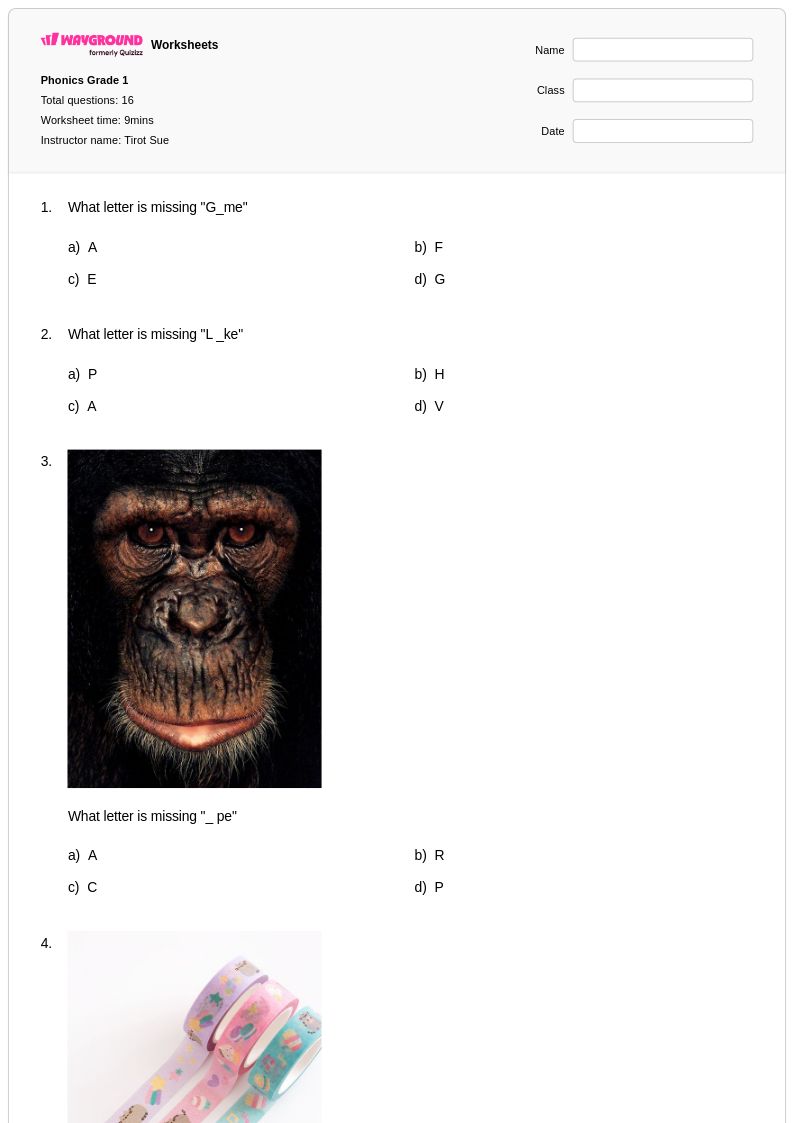
Effective practice activities for the letter G include tracing and writing both uppercase and lowercase forms, identifying G words from picture sets, and sorting words by hard versus soft G sounds. Phonics fill-in activities where students complete words containing G help reinforce letter-sound correspondence in context. Repeated, varied practice across these activity types builds automaticity in both recognition and formation.
What mistakes do students commonly make when learning the letter G?
One of the most common errors students make with the letter G is confusing the hard and soft G sounds, particularly when encountering words like 'gem' or 'giraffe' where the G behaves like a J. Students also frequently reverse the lowercase G, writing it as a mirror image, which is a typical developmental error requiring targeted formation practice. Explicitly teaching the spelling pattern that G followed by E, I, or Y often produces the soft sound can help preempt this confusion.
How do I use Letter G worksheets in my classroom?
Letter G worksheets on Wayground are available as printable PDFs for traditional classroom use and in digital formats for technology-integrated or remote learning environments, giving teachers flexibility in how they deploy them. Teachers can also host these worksheets as a live or assigned quiz directly on Wayground, making it easy to collect student responses and monitor progress. For students who need additional support, Wayground's accommodation settings allow teachers to enable read aloud, extended time, or reduced answer choices on an individual basis without disrupting the rest of the class.
How can I support struggling readers who are having difficulty with the letter G?
For students struggling with the letter G, focus remediation on one sound at a time rather than introducing hard and soft G simultaneously, and use multisensory techniques such as tracing the letter while saying the sound aloud. Wayground allows teachers to apply individual accommodations including read aloud support and extended time, which can reduce barriers for students with decoding difficulties or processing challenges. Targeted, repeated practice with immediate feedback through answer keys helps struggling learners track their own progress and build confidence.