
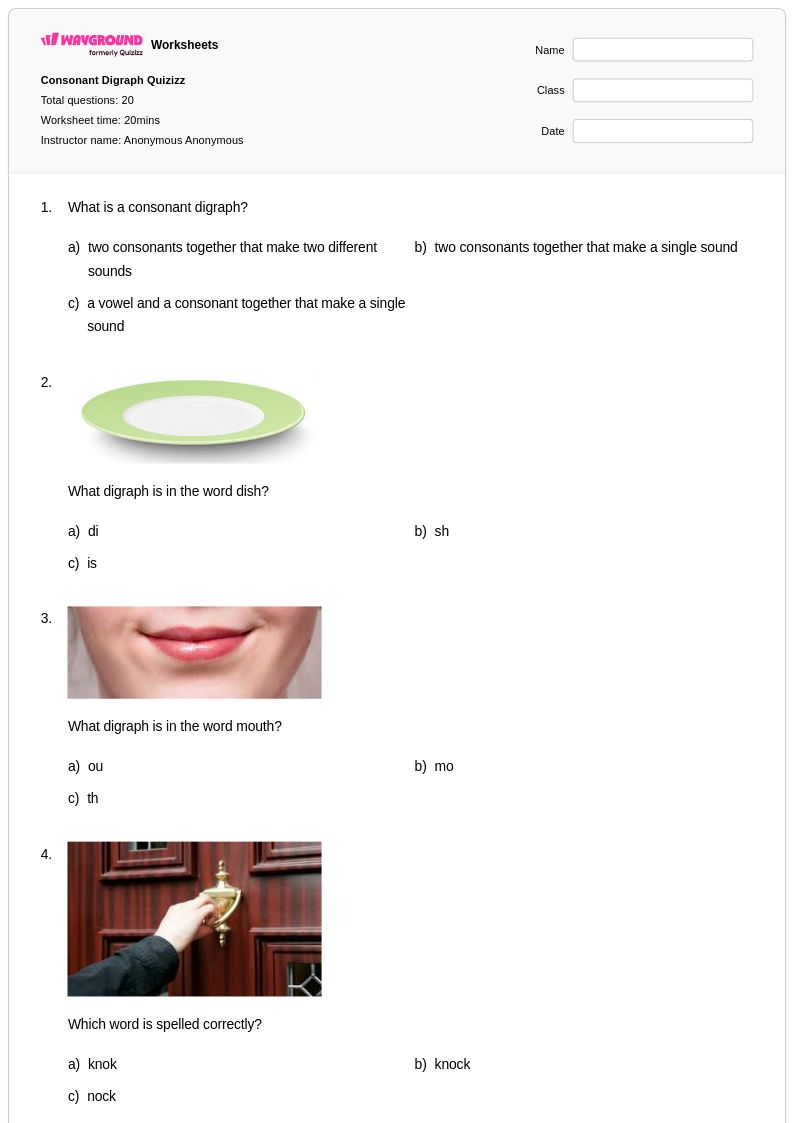
20 Q
1st - 5th
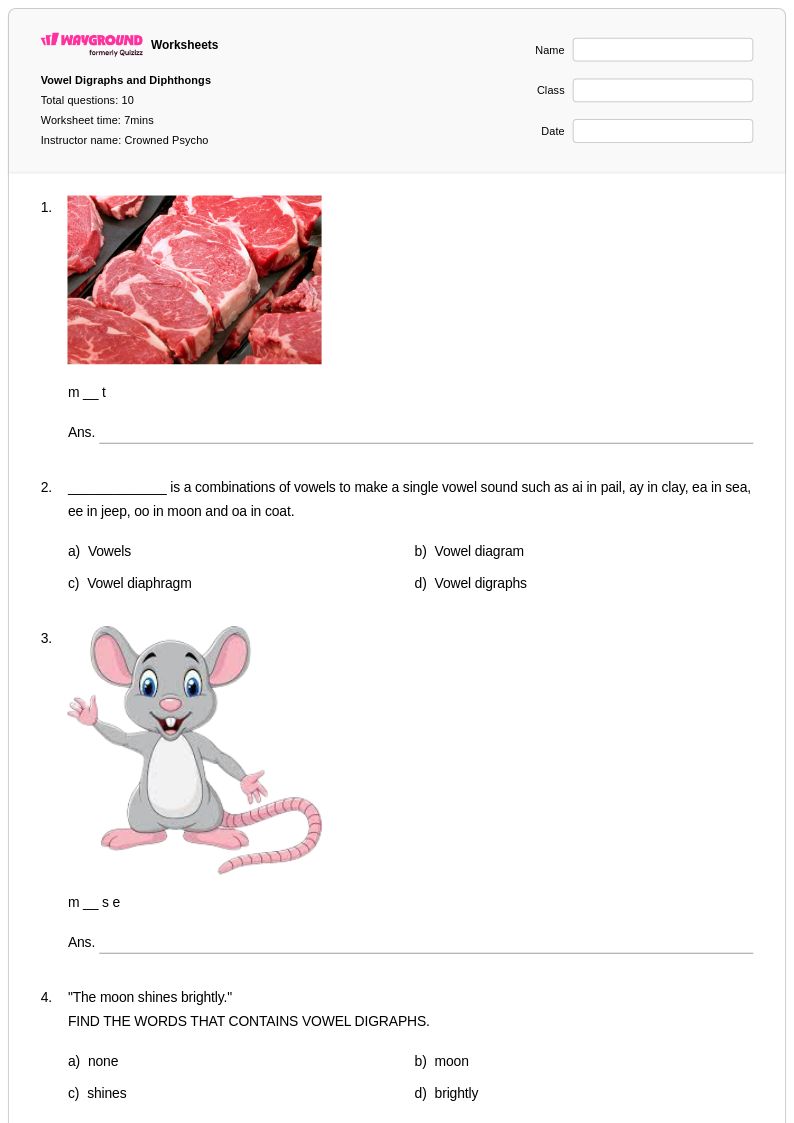
10 Q
3rd
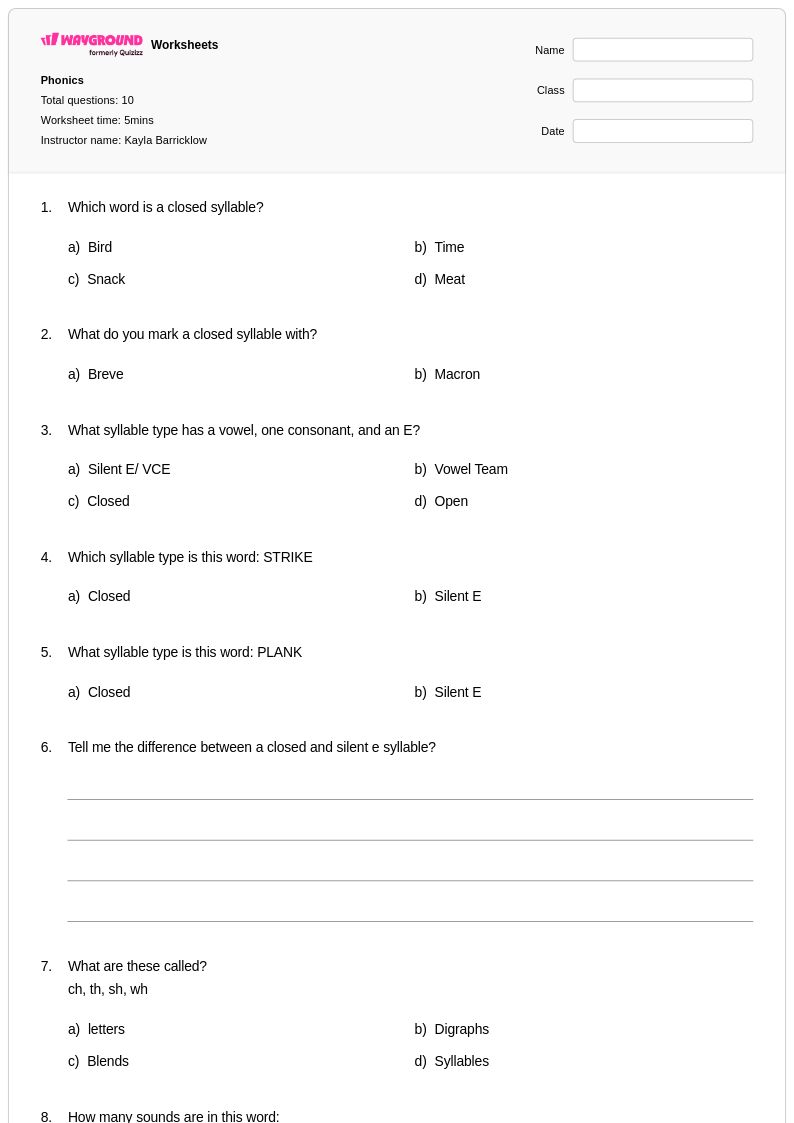
10 Q
1st - 3rd
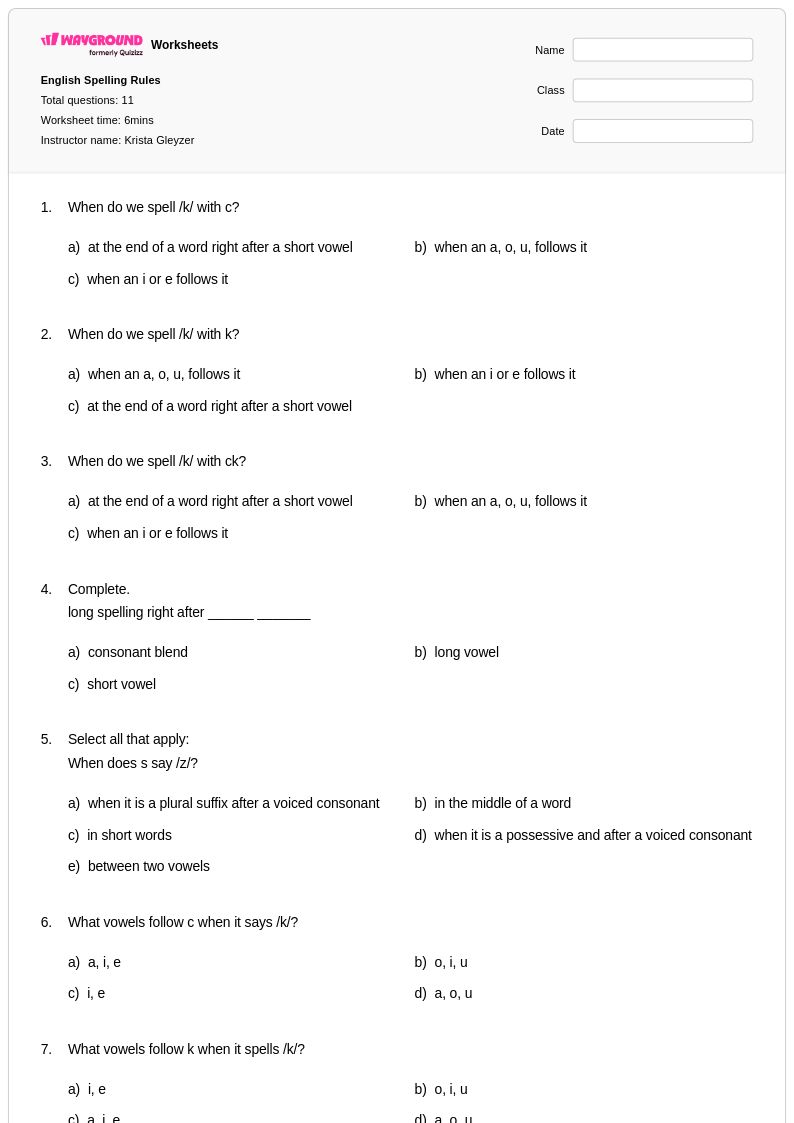
11 Q
1st - 5th
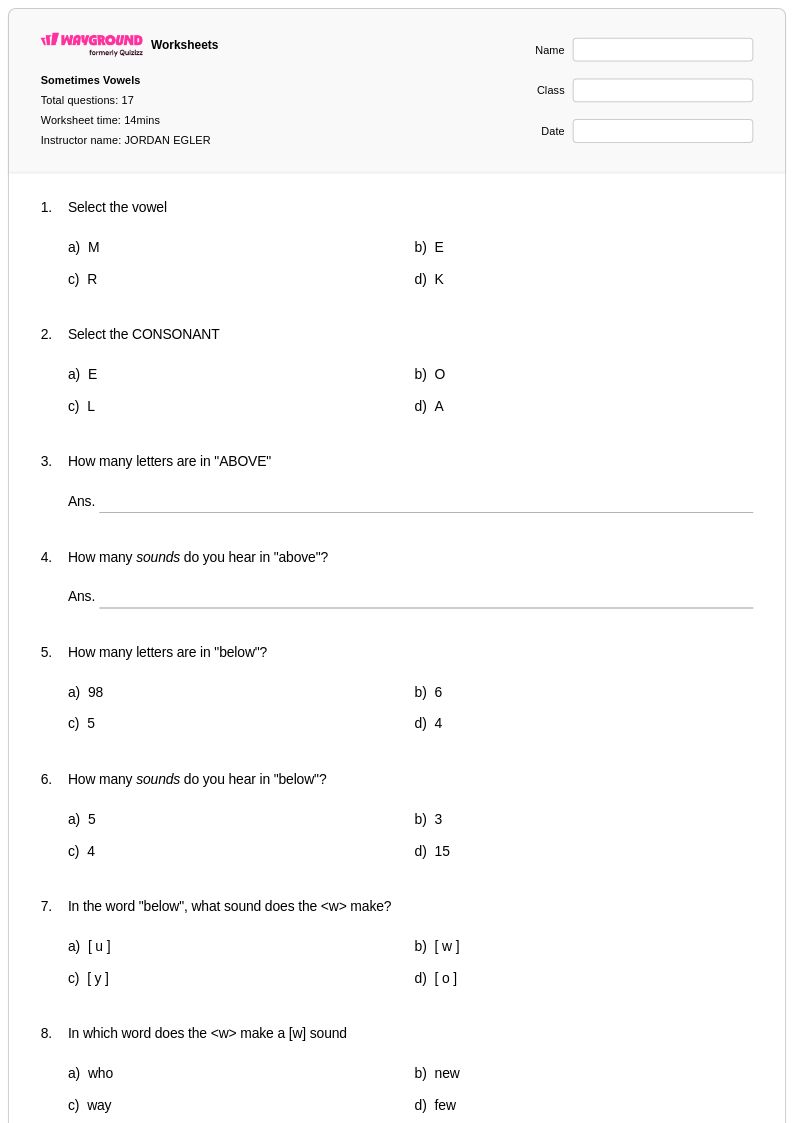
17 Q
2nd - 6th
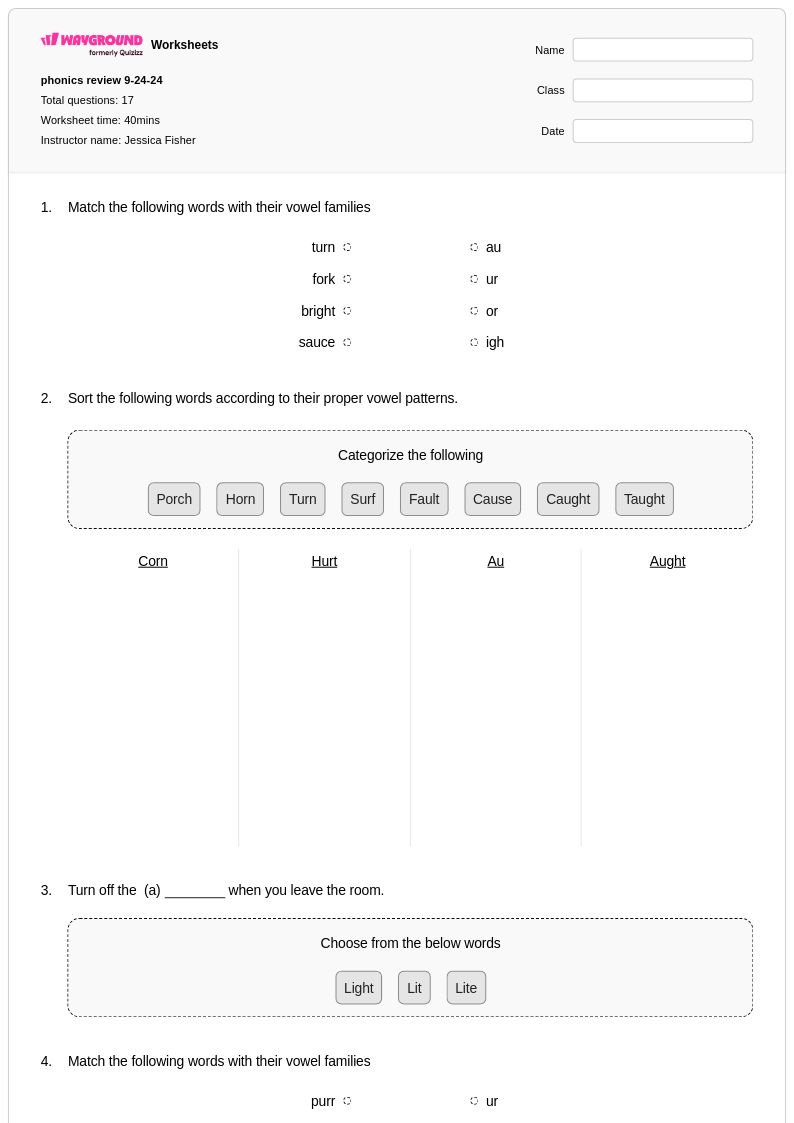
17 Q
3rd
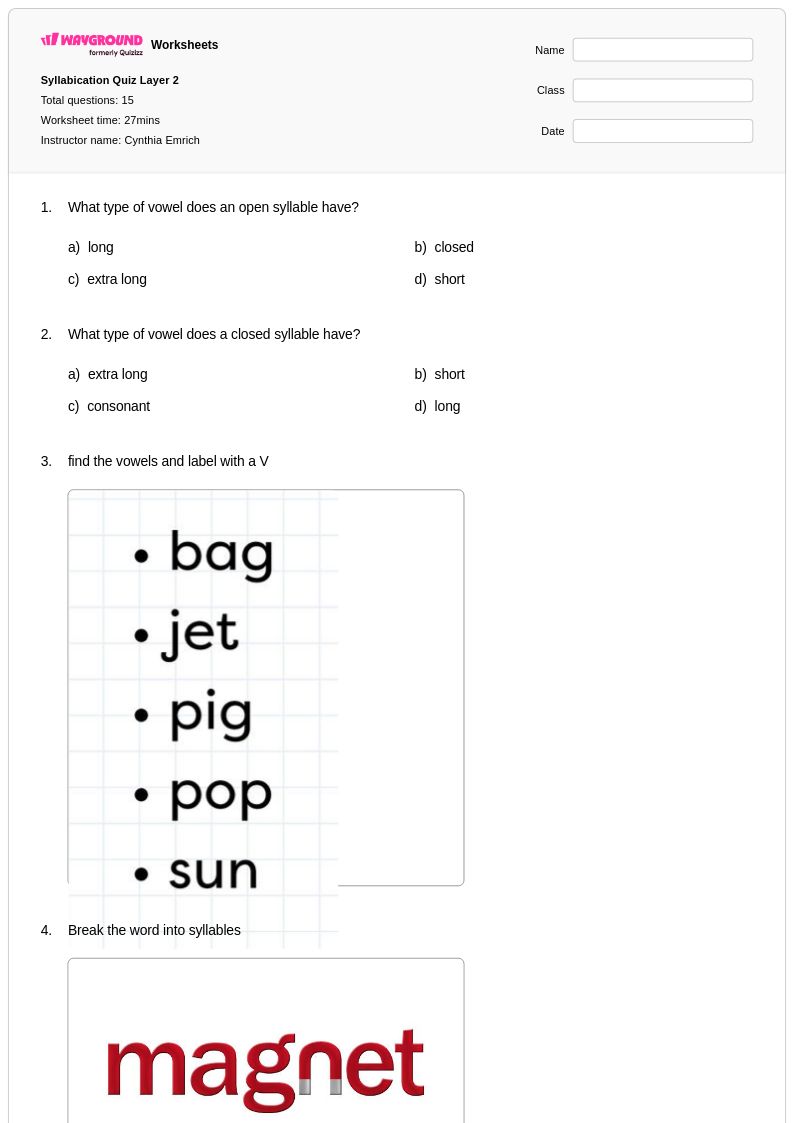
15 Q
1st - 5th
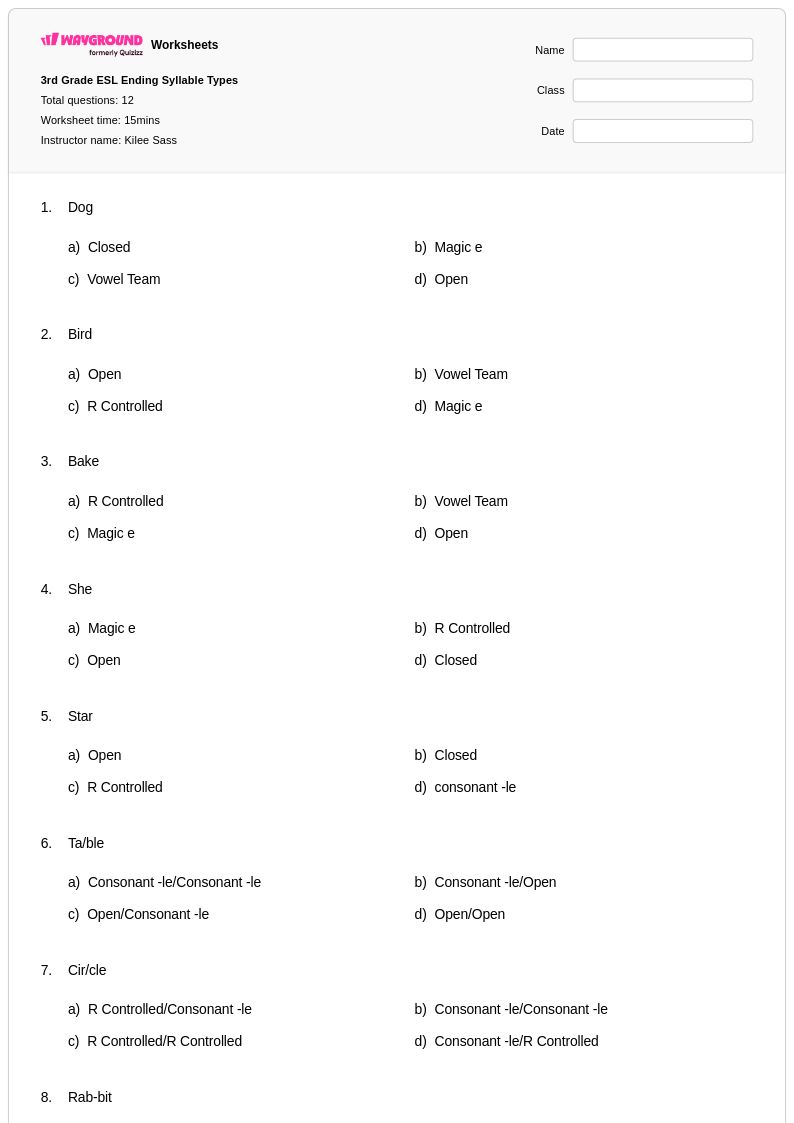
12 Q
3rd
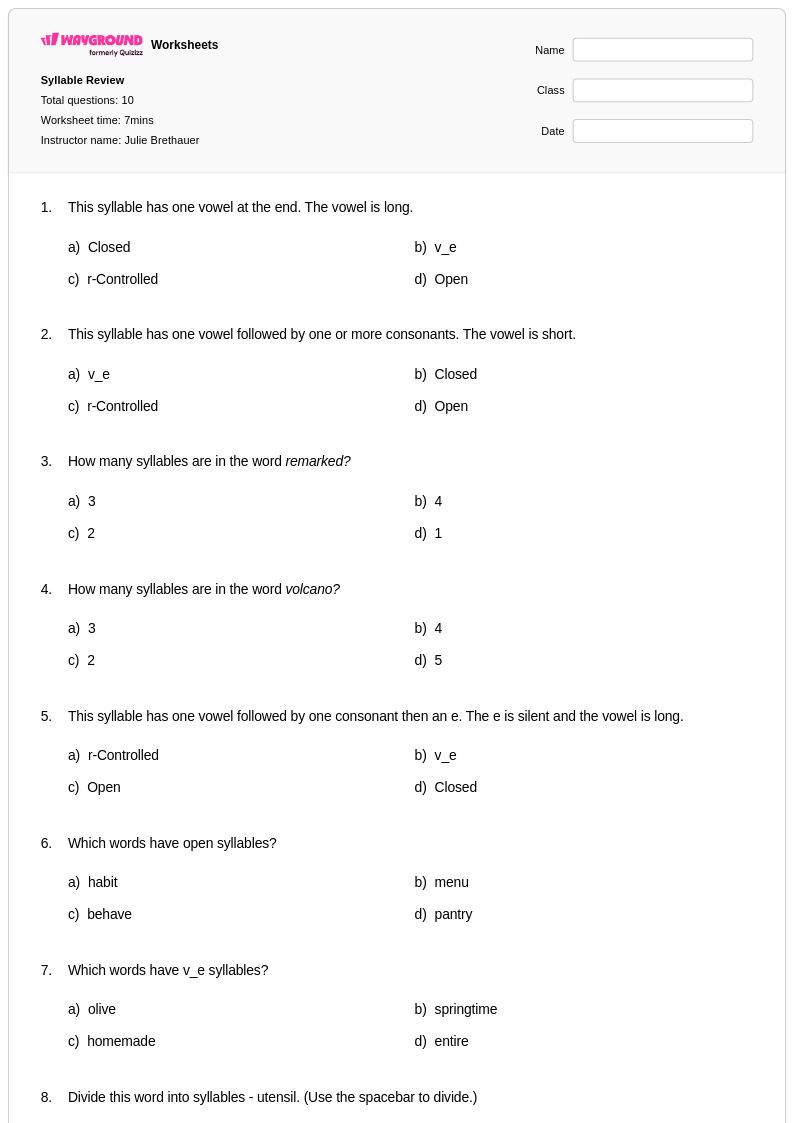
10 Q
2nd - 4th
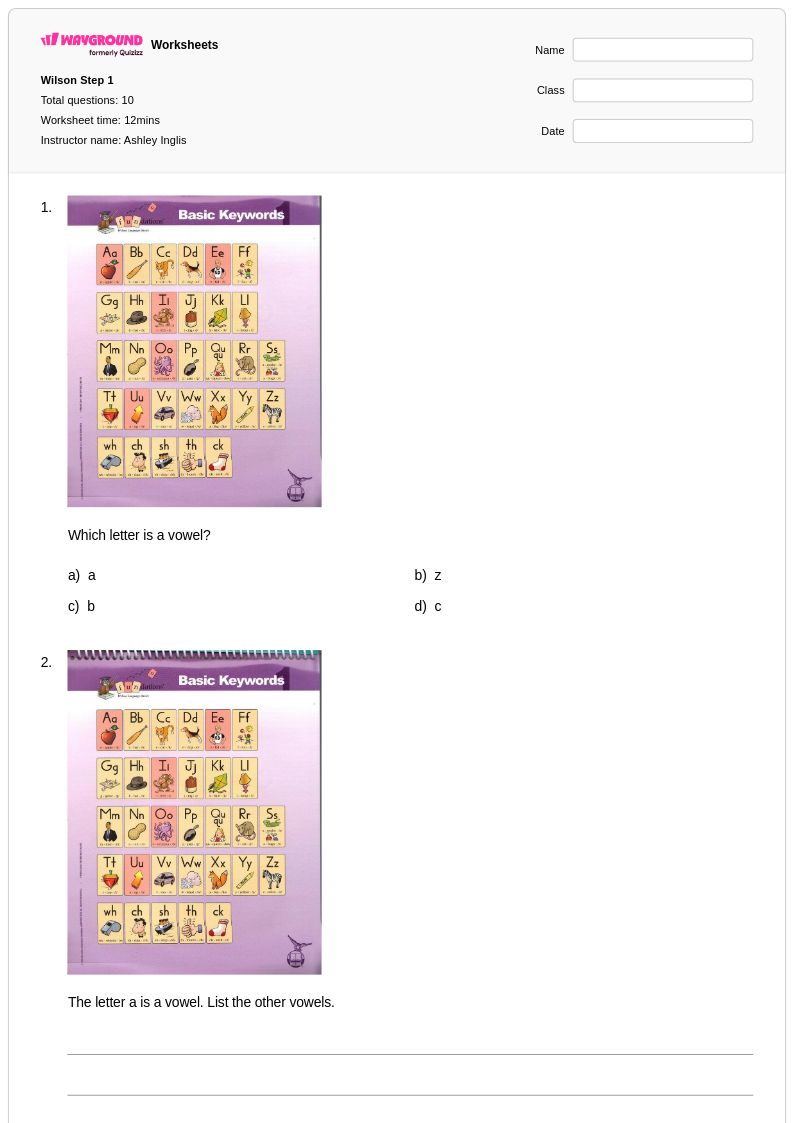
10 Q
1st - 5th
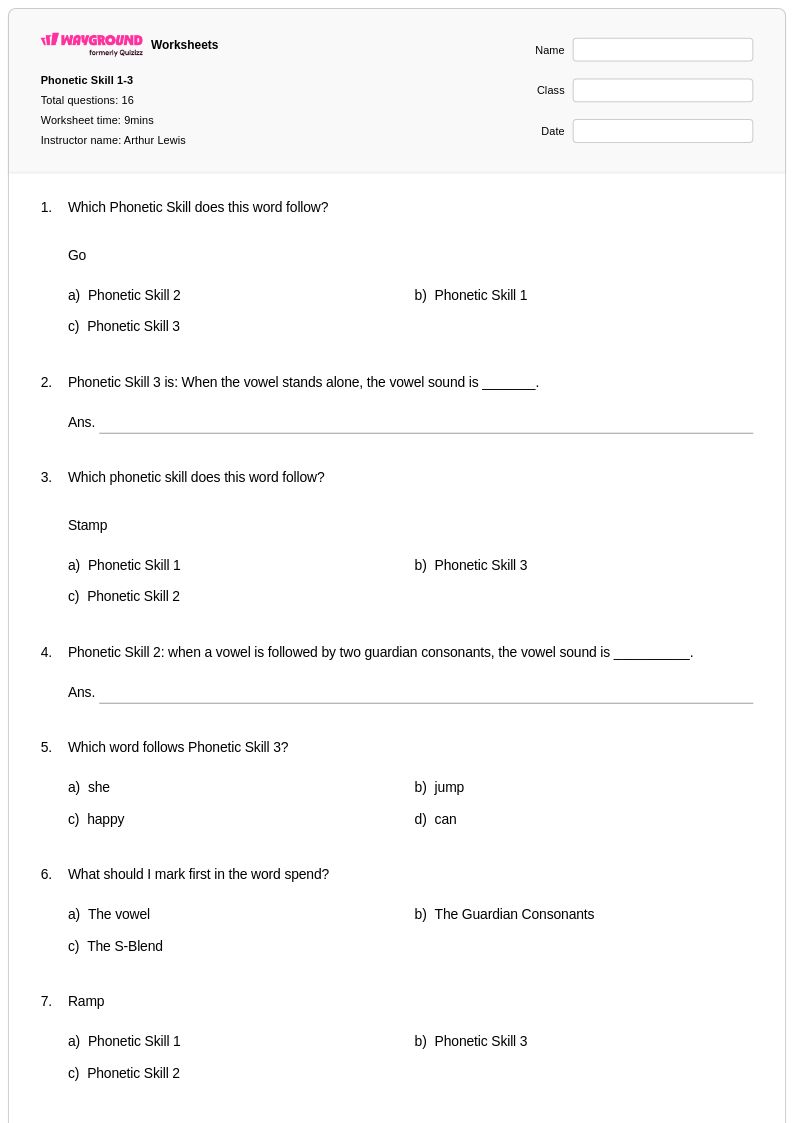
16 Q
1st - 3rd
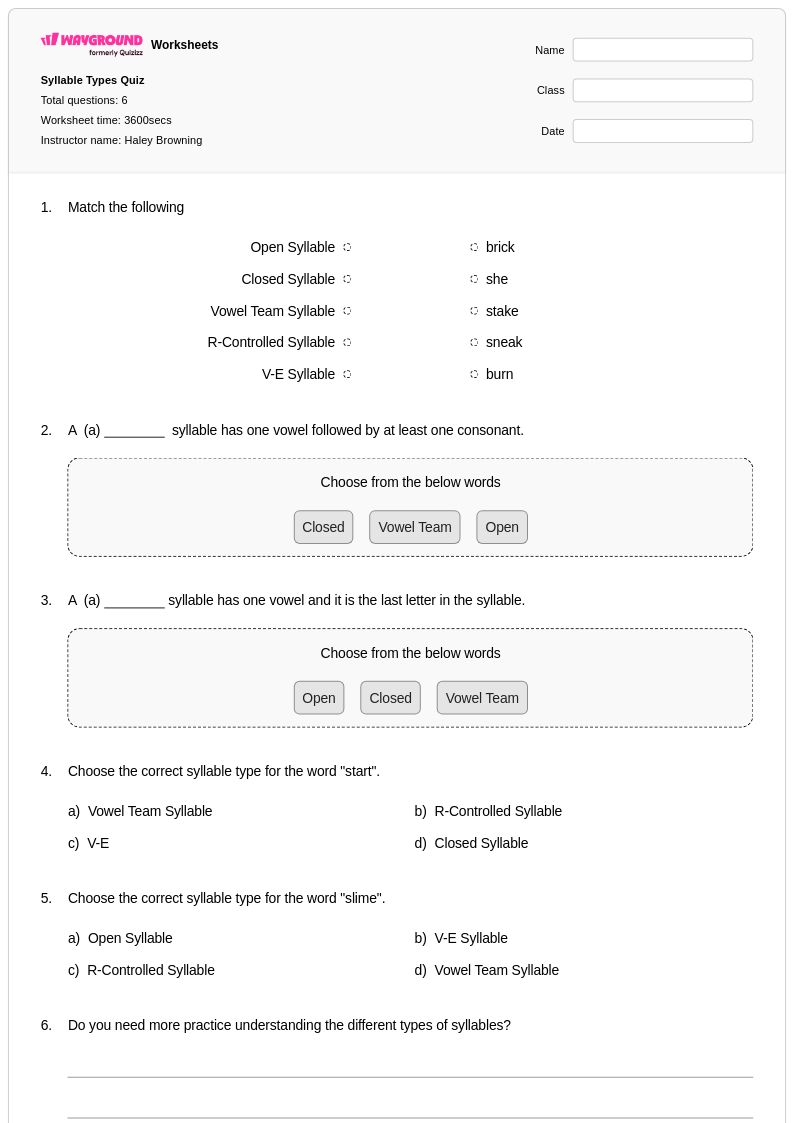
6 Q
1st - 5th
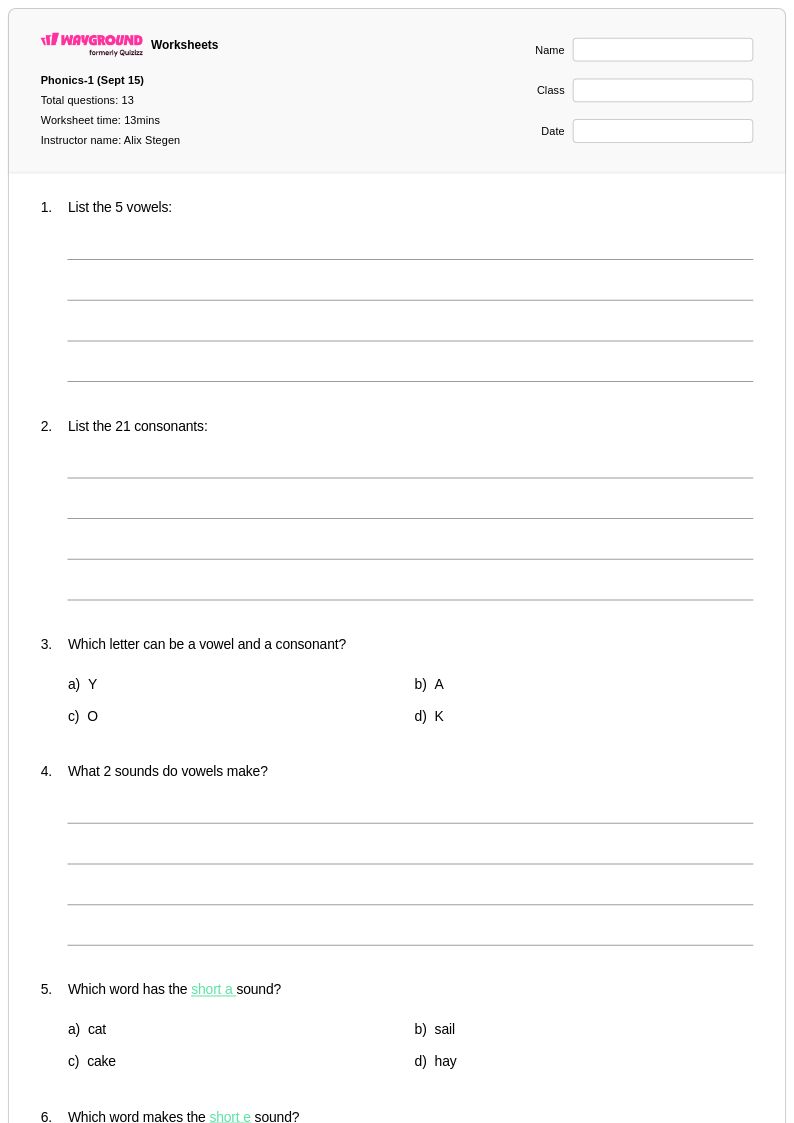
13 Q
1st - 4th
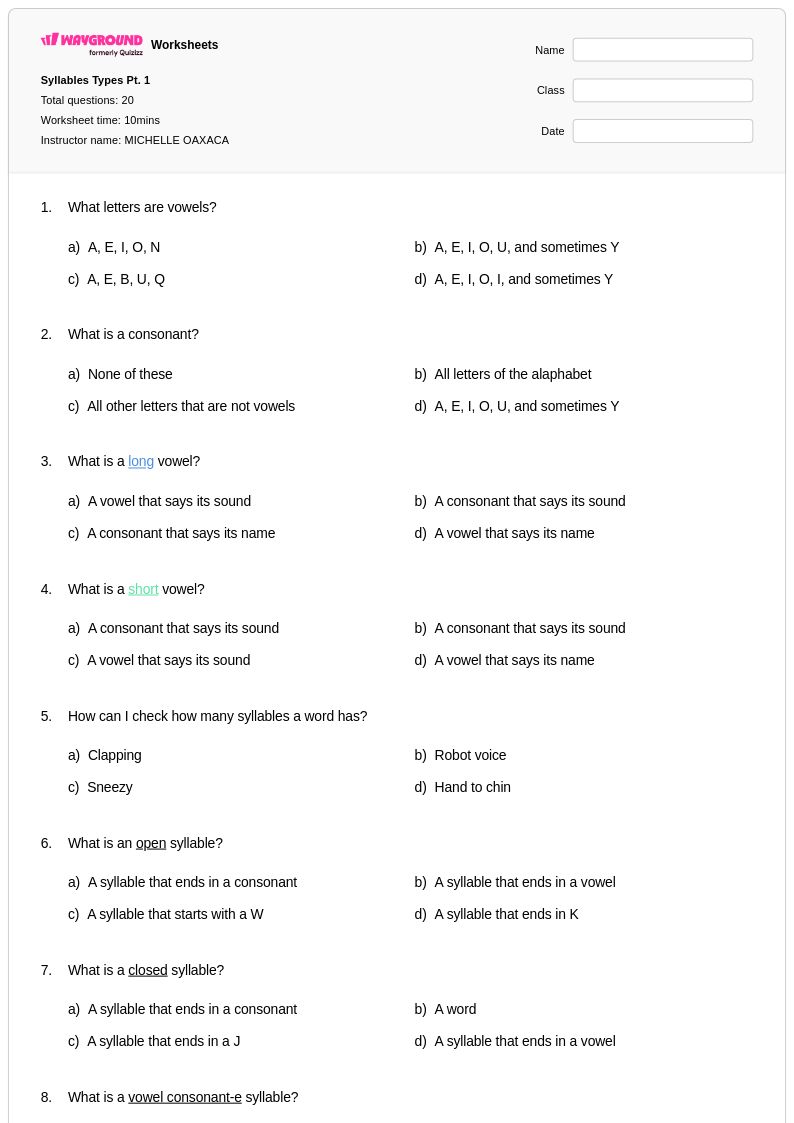
20 Q
3rd - 4th
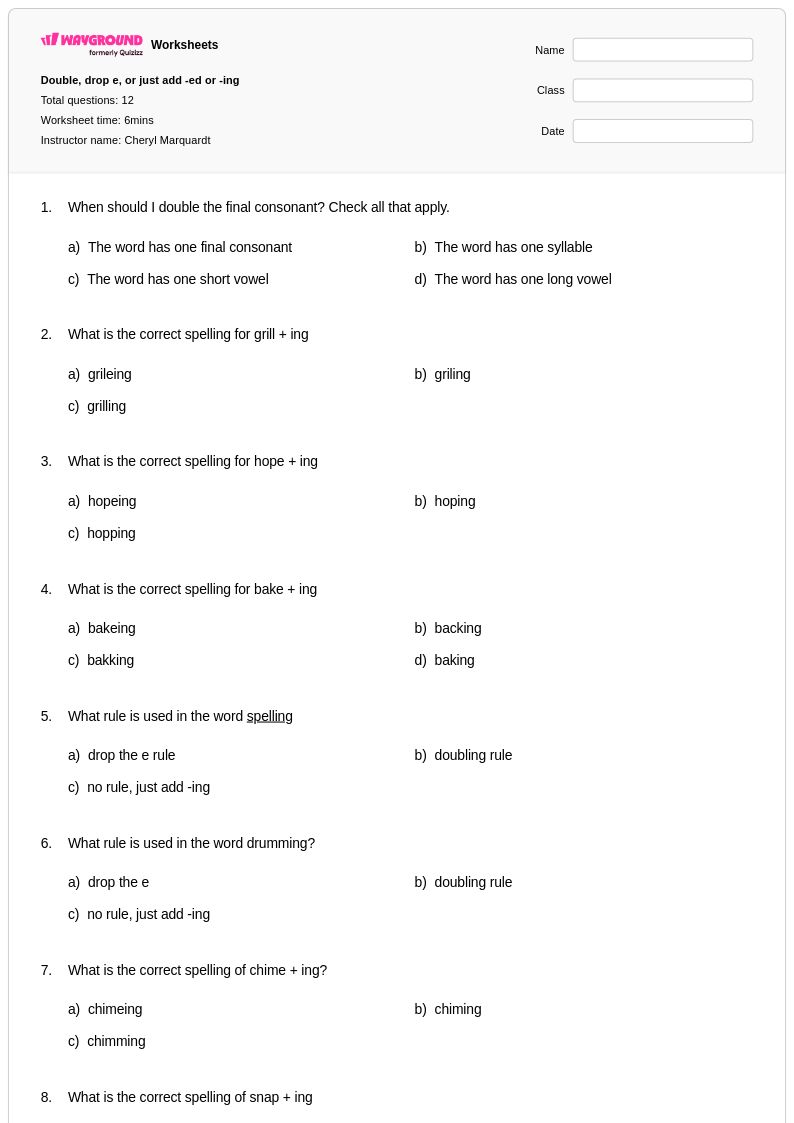
12 Q
2nd - 3rd
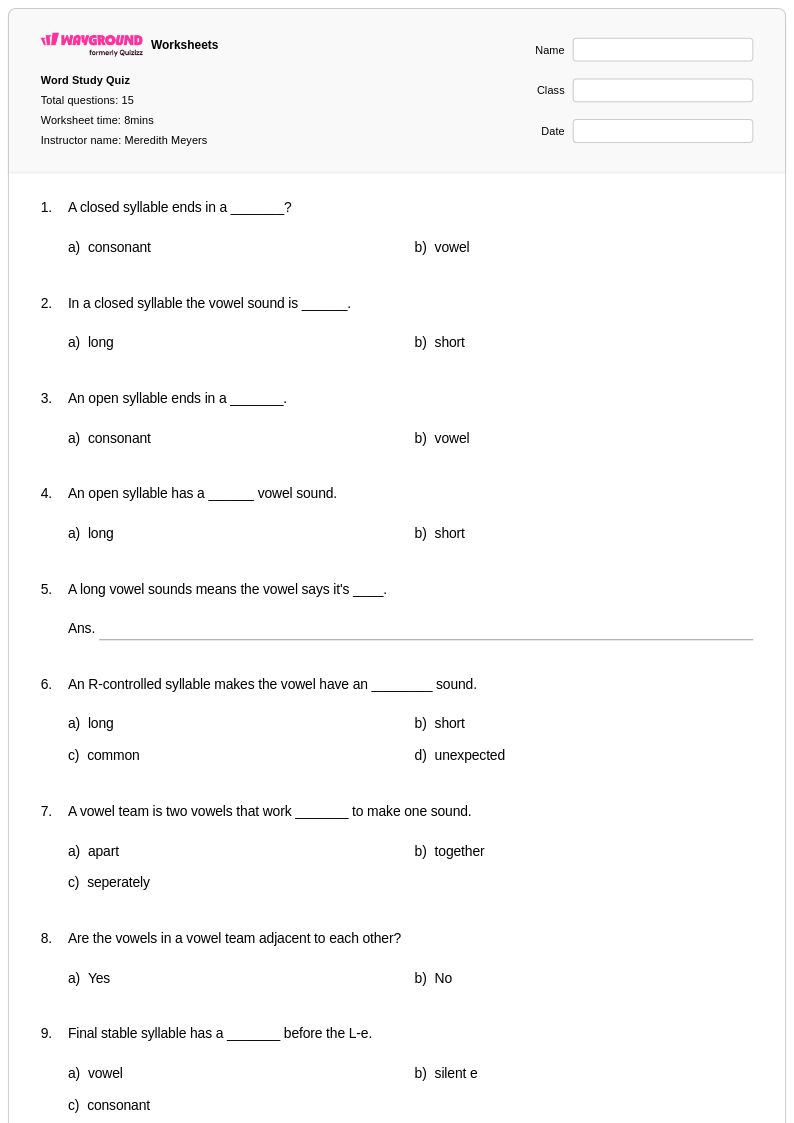
15 Q
3rd
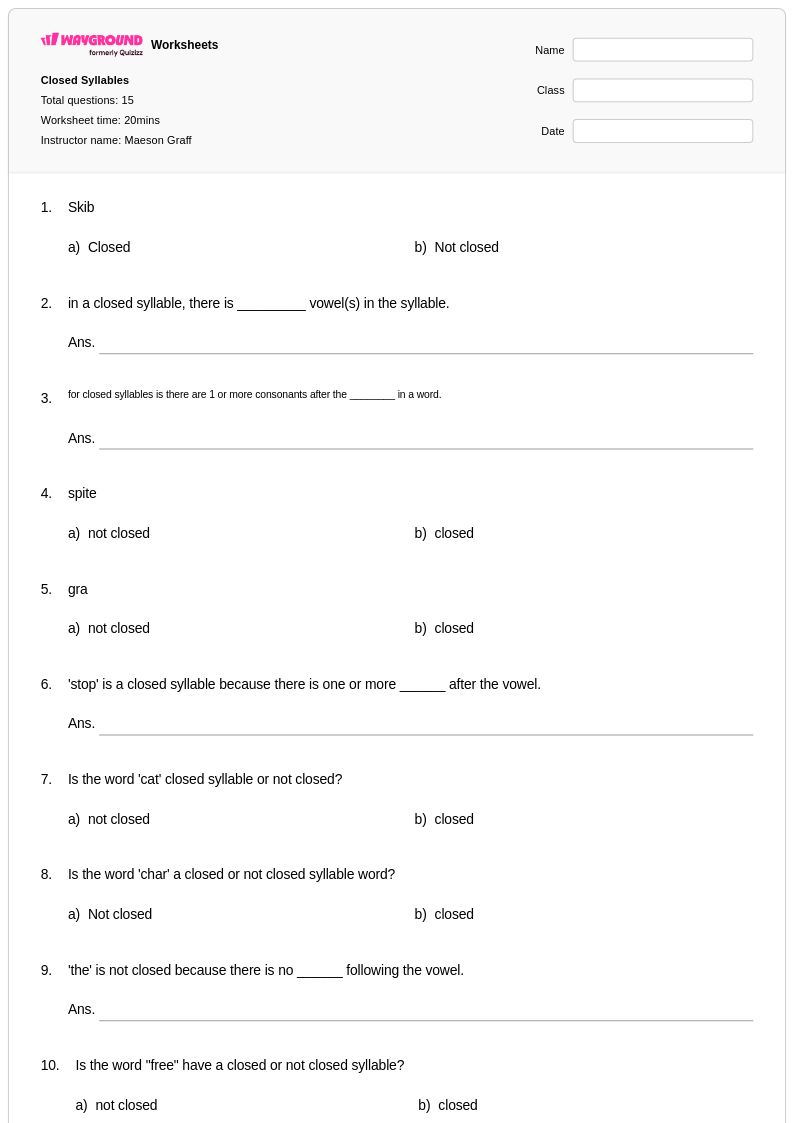
15 Q
3rd
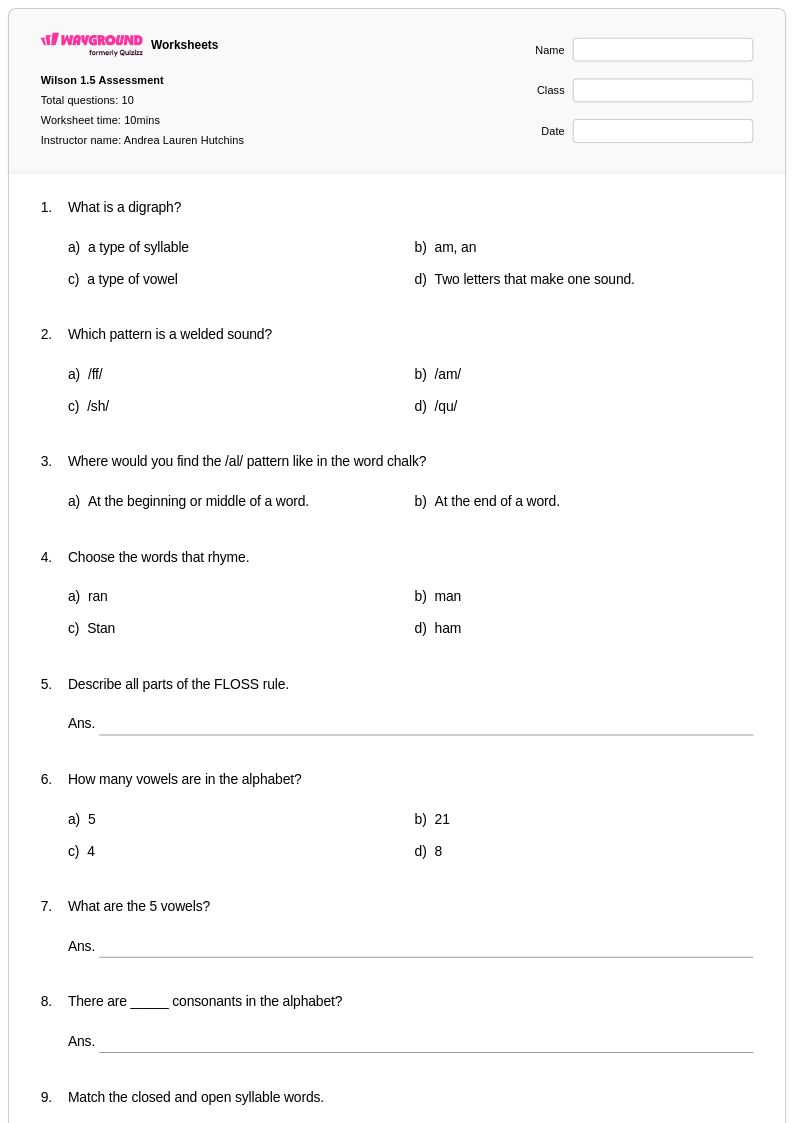
10 Q
1st - 5th
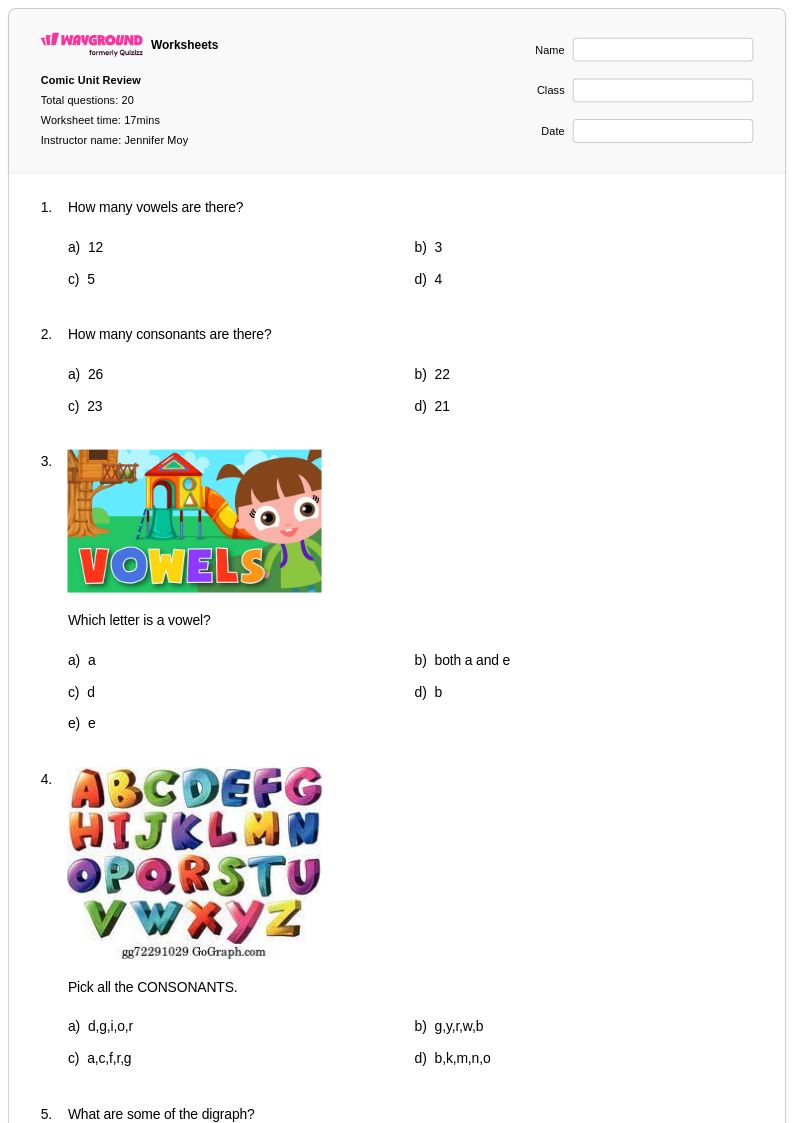
20 Q
3rd
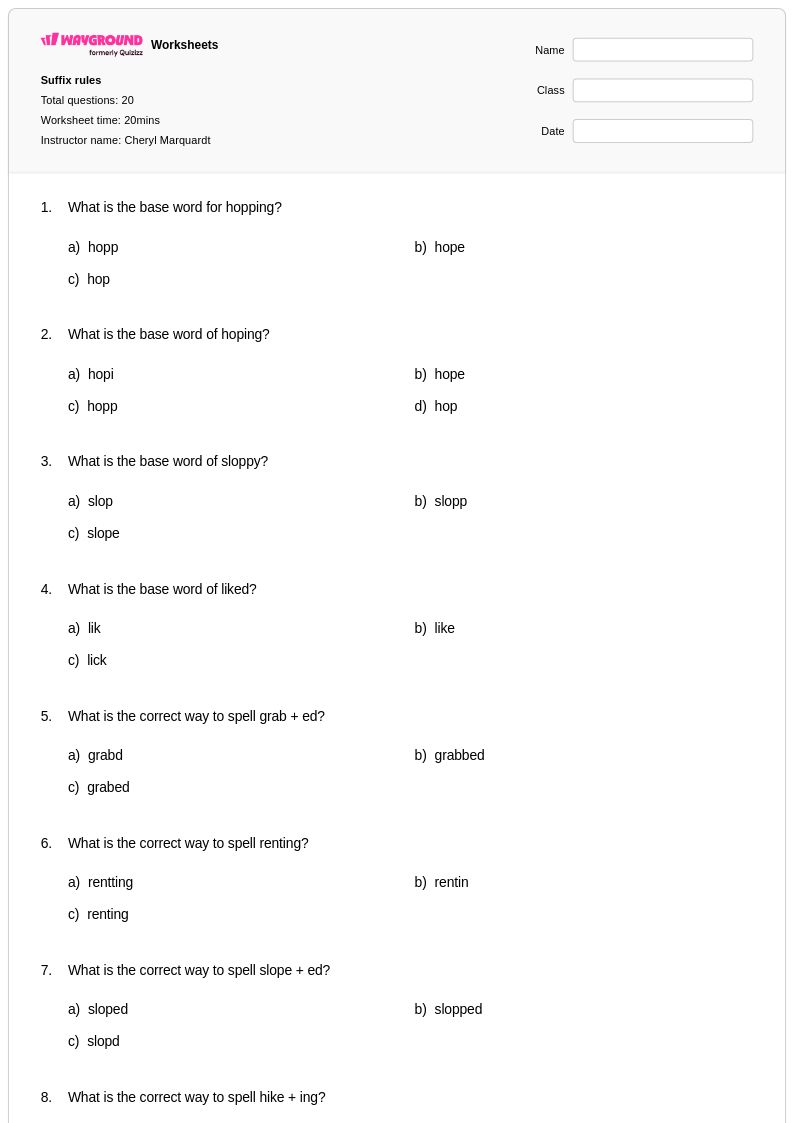
20 Q
2nd - 3rd
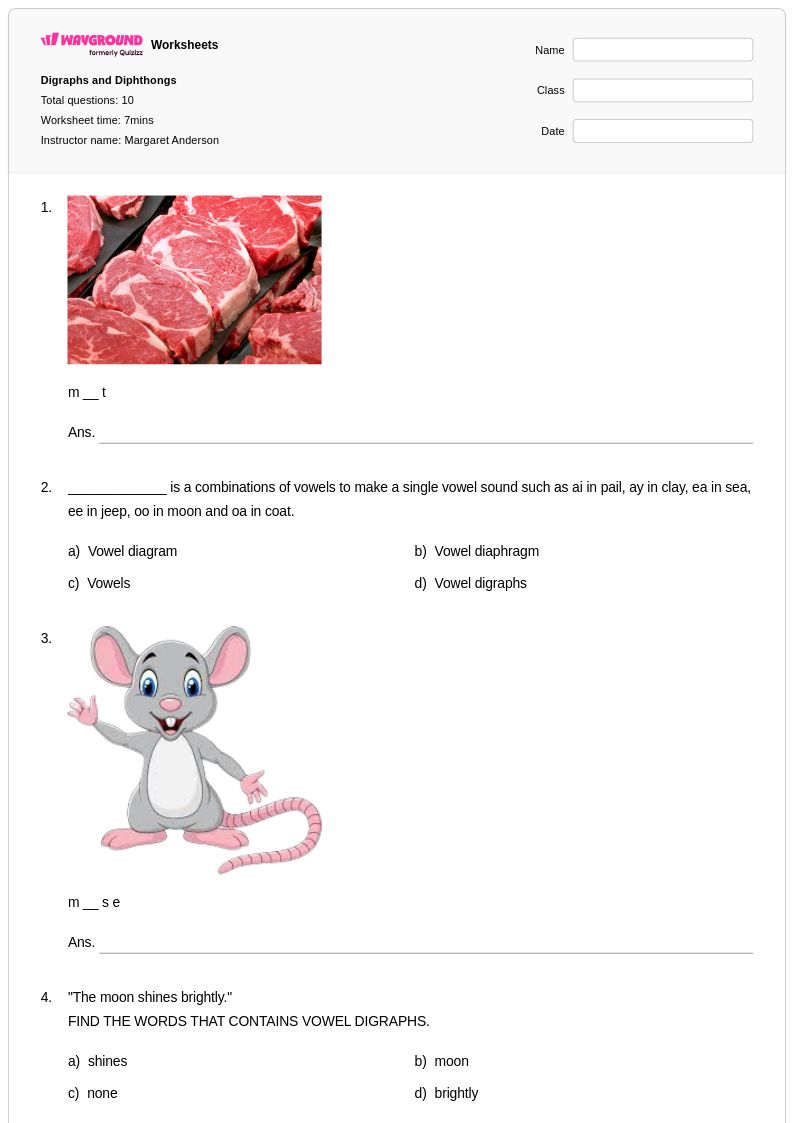
10 Q
3rd
25 Q
1st - 6th
12 Q
3rd
25 Q
2nd - Uni
Explore Vowel-consonant-e Worksheets by Grades
Explore Other Subject Worksheets for grade 3
Explore printable Vowel-consonant-e worksheets for Grade 3
Vowel-consonant-e worksheets for Grade 3 students available through Wayground provide essential practice with one of the most fundamental phonics patterns in English reading. These comprehensive printables focus on the silent-e rule, where adding an 'e' to the end of a word changes the vowel sound from short to long, transforming words like "cap" to "cape" and "bit" to "bite." Each worksheet includes carefully structured practice problems that guide students through recognizing, reading, and spelling words with this crucial pattern, while accompanying answer keys enable teachers and parents to provide immediate feedback. The free pdf resources systematically build students' decoding skills through varied exercises including word sorting, sentence completion, and reading comprehension activities that reinforce the vowel-consonant-e concept across different contexts.
Wayground's extensive collection of teacher-created vowel-consonant-e resources, drawn from millions of educational materials, empowers educators to deliver targeted phonics instruction that meets diverse classroom needs. The platform's robust search and filtering capabilities allow teachers to quickly locate grade-appropriate worksheets aligned with phonics standards, while built-in differentiation tools support both struggling readers requiring additional scaffolding and advanced students ready for enrichment activities. These customizable resources are available in both printable pdf format for traditional classroom use and digital formats for interactive learning, making lesson planning more efficient and enabling teachers to provide focused remediation or skill practice that directly addresses each student's phonics development needs.
FAQs
How do I teach the vowel-consonant-e pattern to early readers?
What exercises help students practice the magic-e rule?
What mistakes do students commonly make with the vowel-consonant-e pattern?
How can I differentiate vowel-consonant-e instruction for struggling readers?
How do I use Wayground's vowel-consonant-e worksheets in my classroom?