Free Printable B and D Confusion Worksheets for Class 2
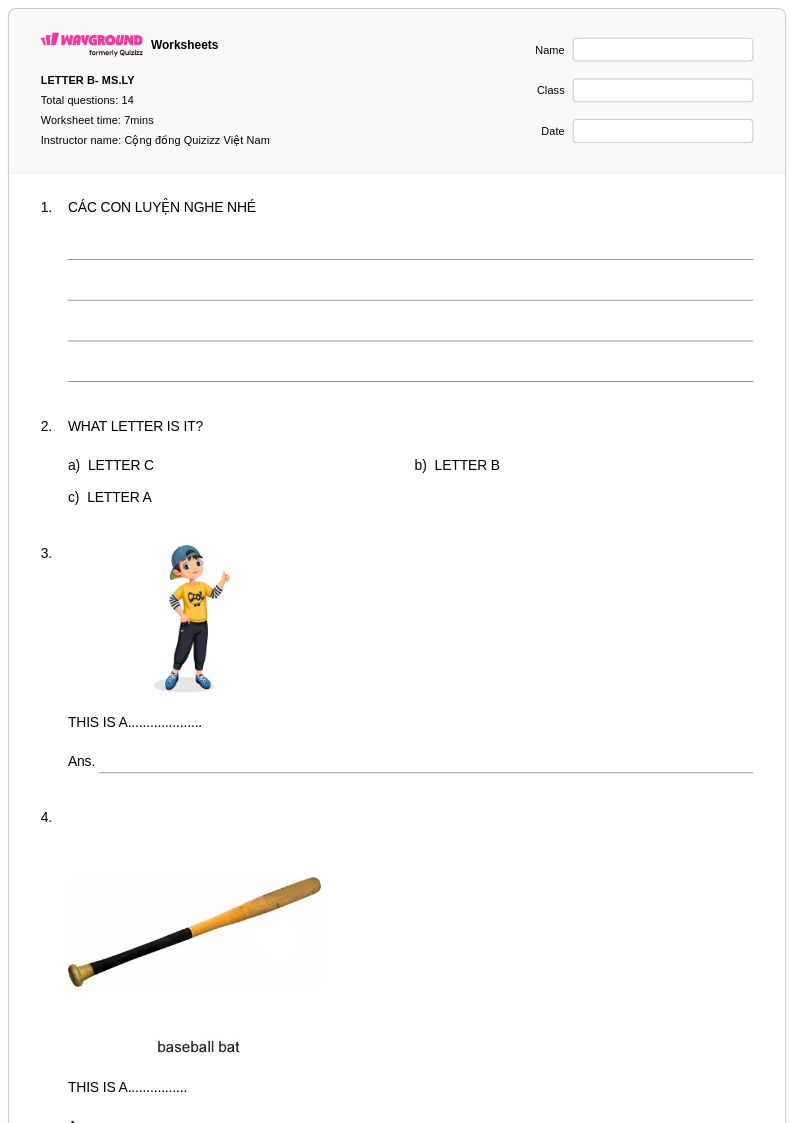
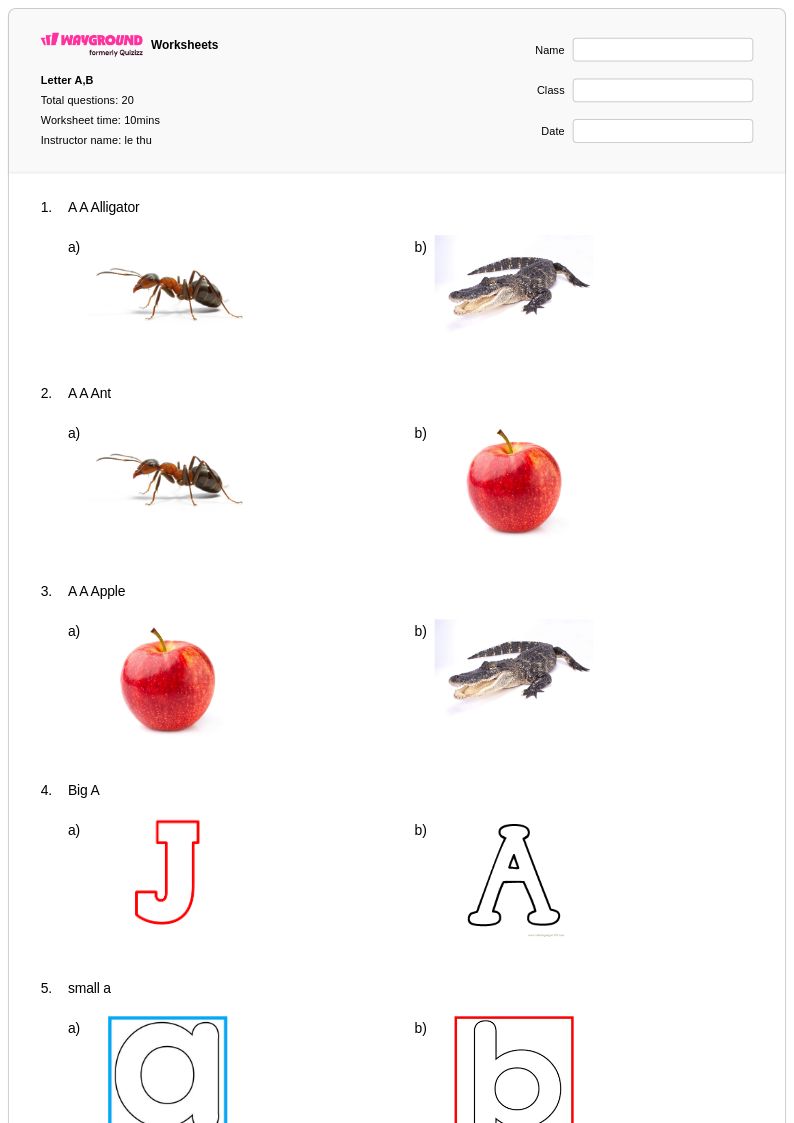
Free Class 2 B and D confusion worksheets and printables help students distinguish between these commonly reversed letters through engaging practice problems and activities with answer keys available as downloadable PDFs.
Explore printable B and D Confusion worksheets for Class 2
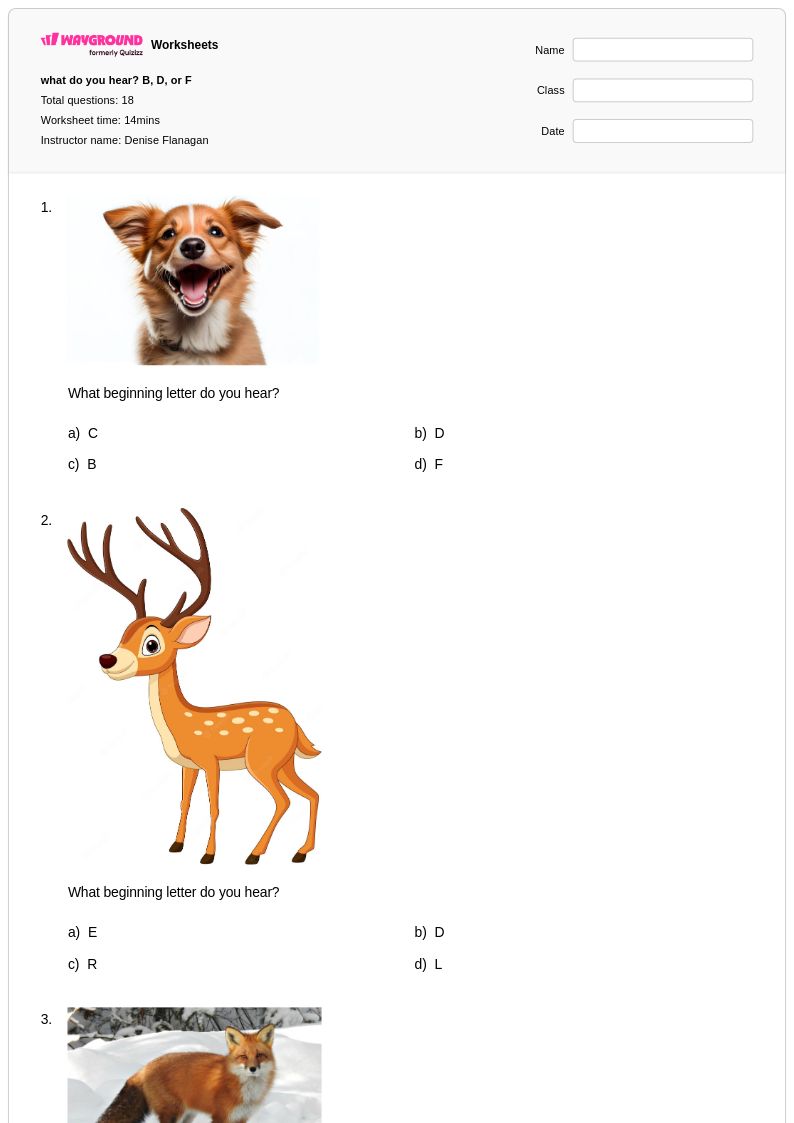
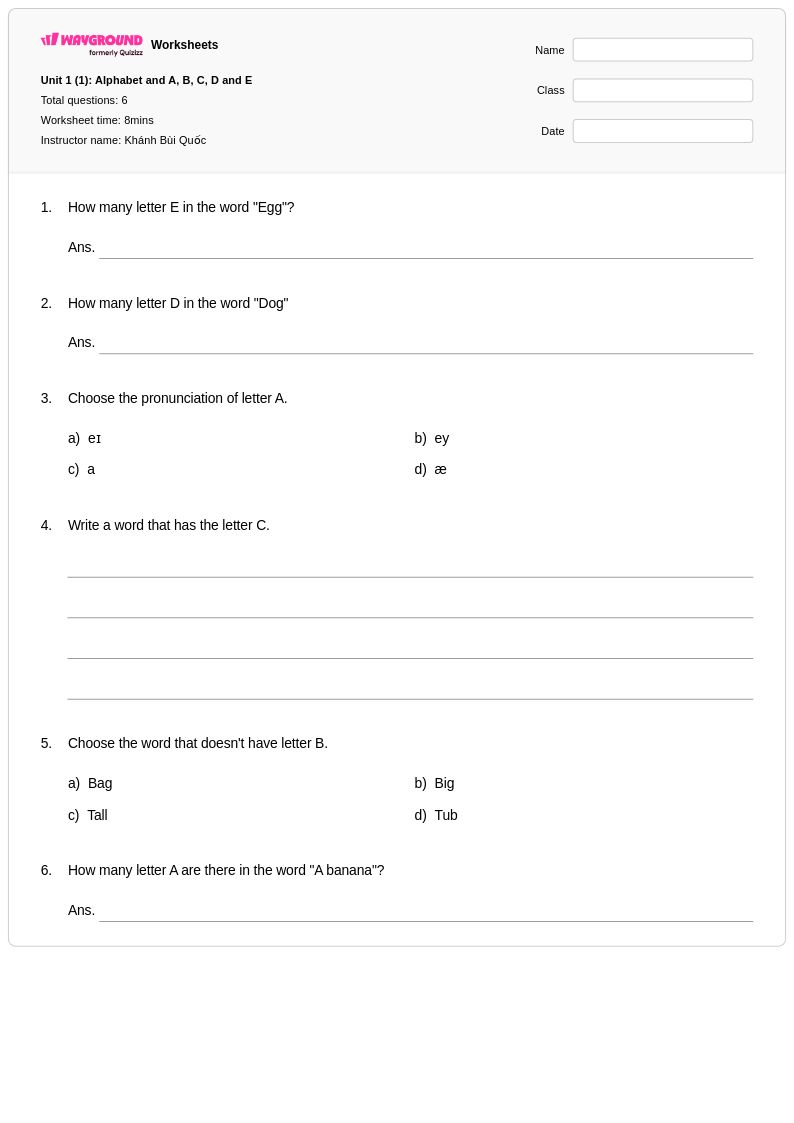
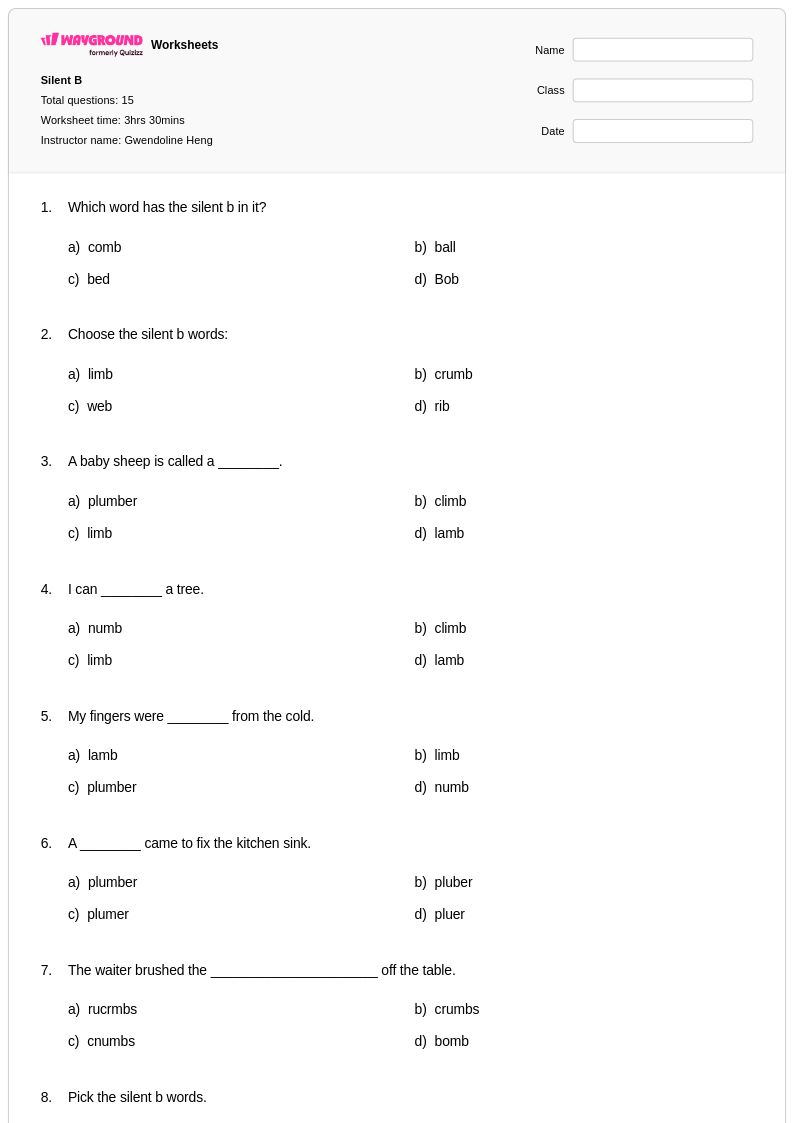
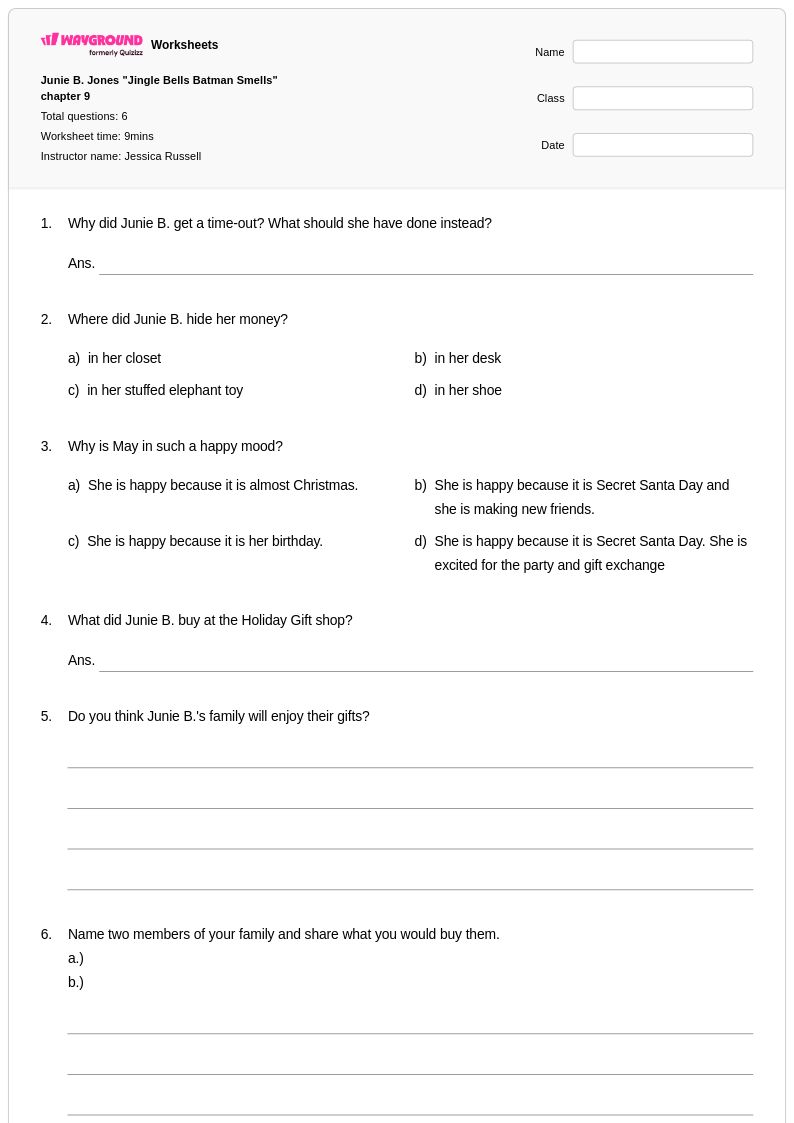
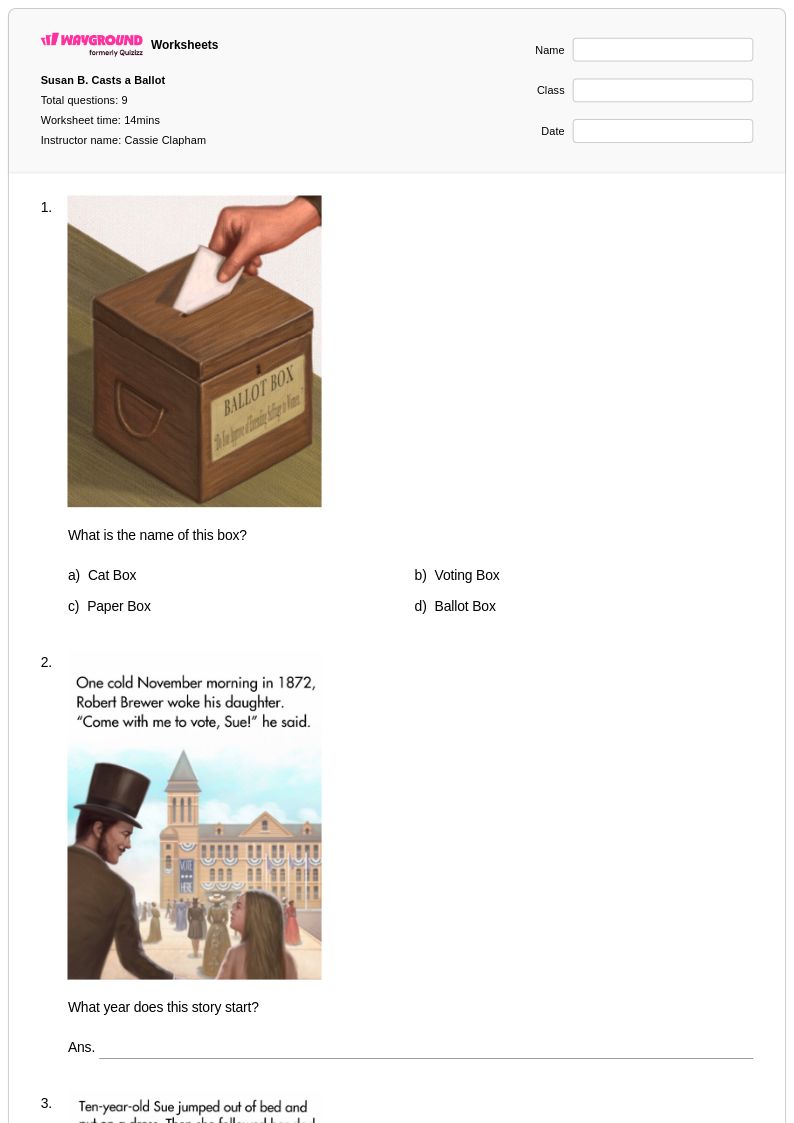
B and D confusion worksheets for Class 2 students available through Wayground (formerly Quizizz) provide targeted practice to help young learners overcome one of the most common challenges in early literacy development. These carefully designed printables focus on strengthening letter recognition and visual discrimination skills by offering systematic practice problems that teach students to distinguish between these frequently reversed letters. The worksheets incorporate engaging activities such as letter sorting exercises, word identification tasks, and visual discrimination drills that reinforce proper letter formation and recognition patterns. Each resource includes a comprehensive answer key to support accurate assessment and feedback, while the free pdf format ensures easy accessibility for classroom use and home practice.
Wayground (formerly Quizizz) empowers educators with an extensive collection of millions of teacher-created resources specifically designed to address b and d confusion challenges in Class 2 literacy instruction. The platform's robust search and filtering capabilities allow teachers to quickly locate worksheets that align with curriculum standards and match their students' specific learning needs. These differentiation tools enable educators to customize materials for remediation support or enrichment activities, while the flexible format options provide both printable pdf versions for traditional classroom use and digital formats for interactive learning experiences. Teachers can seamlessly integrate these resources into their lesson planning to provide consistent skill practice, targeted intervention for struggling readers, and systematic reinforcement of proper letter recognition patterns essential for reading fluency development.
FAQs
How do I teach students to stop confusing b and d?
One of the most effective strategies is to anchor each letter to a concrete visual or physical cue. A popular classroom technique is the 'bed trick': students form the word 'bed' with their hands, where the left fist makes a lowercase b and the right fist makes a lowercase d, creating a visual they can self-check anytime. Pairing this with explicit instruction on each letter's distinctive features — the direction of the bump, the stick placement — and providing repeated, targeted practice helps students move from deliberate recognition to automatic recall.
What exercises help students practice telling b and d apart?
Sorting tasks, tracing exercises, and contextual practice problems are among the most effective activity types for building reliable b and d discrimination. Sorting tasks require students to categorize words or letters into b and d columns, which forces active visual comparison rather than passive recognition. Tracing exercises reinforce correct letter formation through muscle memory, while contextual practice — identifying b and d within real words — bridges isolated skill-building to actual reading and writing application.
What mistakes do students commonly make when learning b and d?
The most common error is mirror reversal: students write or read one letter in place of the other because both share the same vertical stick and circular bump, differing only in orientation. Students frequently struggle most when letters appear in isolation rather than in word context, and the problem tends to resurface under time pressure or reading fatigue. A related misconception is that students sometimes self-correct to the wrong letter, reinforcing the reversal rather than fixing it — which is why systematic, visually explicit practice materials are particularly important.
How do I use b and d confusion worksheets in my classroom?
B and d confusion worksheets work well as targeted intervention materials, warm-up activities, or independent practice during literacy centers. On Wayground, these worksheets are available as printable PDFs for traditional classroom use and in digital formats for technology-integrated learning environments, and teachers can also host them as a quiz directly on Wayground. Answer keys are included with each resource, making them suitable for guided instruction, independent student practice, or homework assignments without requiring additional teacher preparation.
How can I support students with different learning needs when addressing b and d confusion?
Differentiation is essential when working with b and d confusion because students arrive at this skill with very different levels of phonological awareness and visual processing ability. On Wayground, teachers can apply student-level accommodations such as Read Aloud, which provides audio support for students who benefit from hearing content alongside seeing it, and reduced answer choices, which lowers cognitive load for students who become overwhelmed by too many options. Extended time can also be set on a per-student basis, and these settings are saved and reusable across future sessions so teachers do not need to reconfigure them for each activity.
At what reading level or grade do students typically struggle most with b and d confusion?
B and d reversals are most prevalent in early literacy development, typically in kindergarten through second grade, as students are building foundational letter recognition and print concepts. Some students, particularly those with dyslexia or other reading difficulties, may continue to experience b and d confusion into later elementary grades. Early, targeted intervention with structured practice materials significantly reduces the persistence of reversals and supports stronger long-term reading fluency.