Free Printable Citizens United Worksheets for Class 10
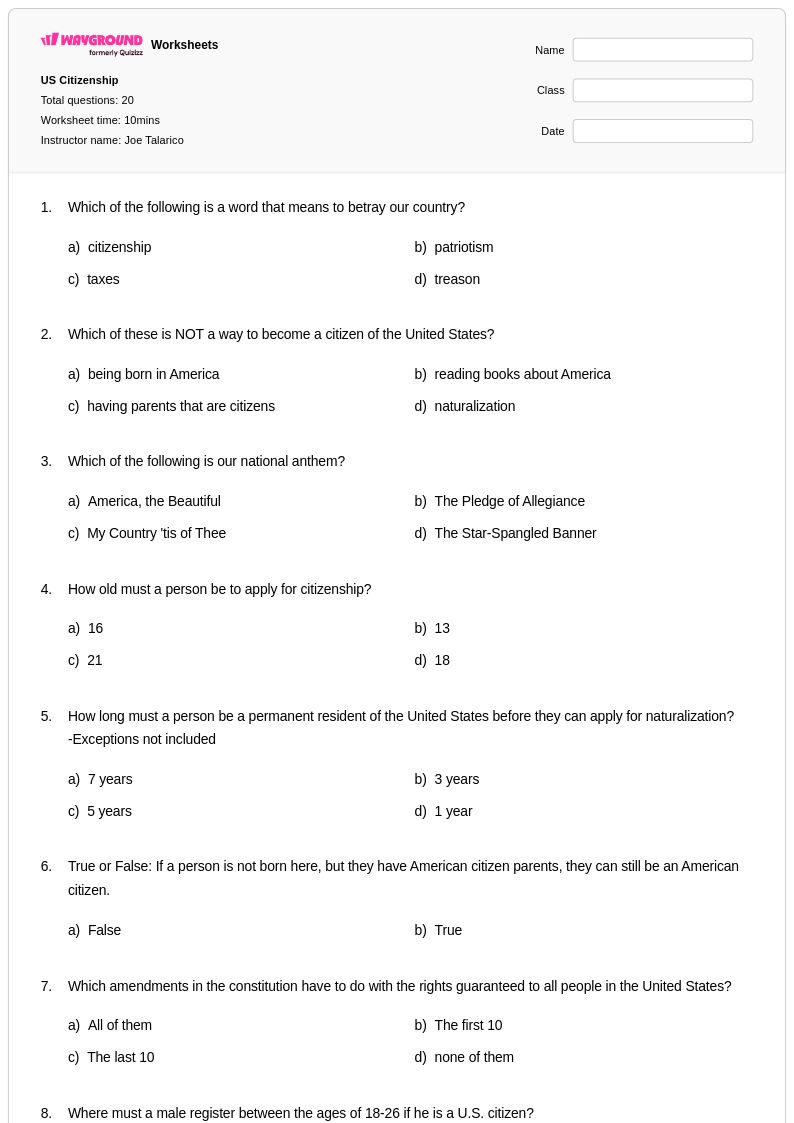
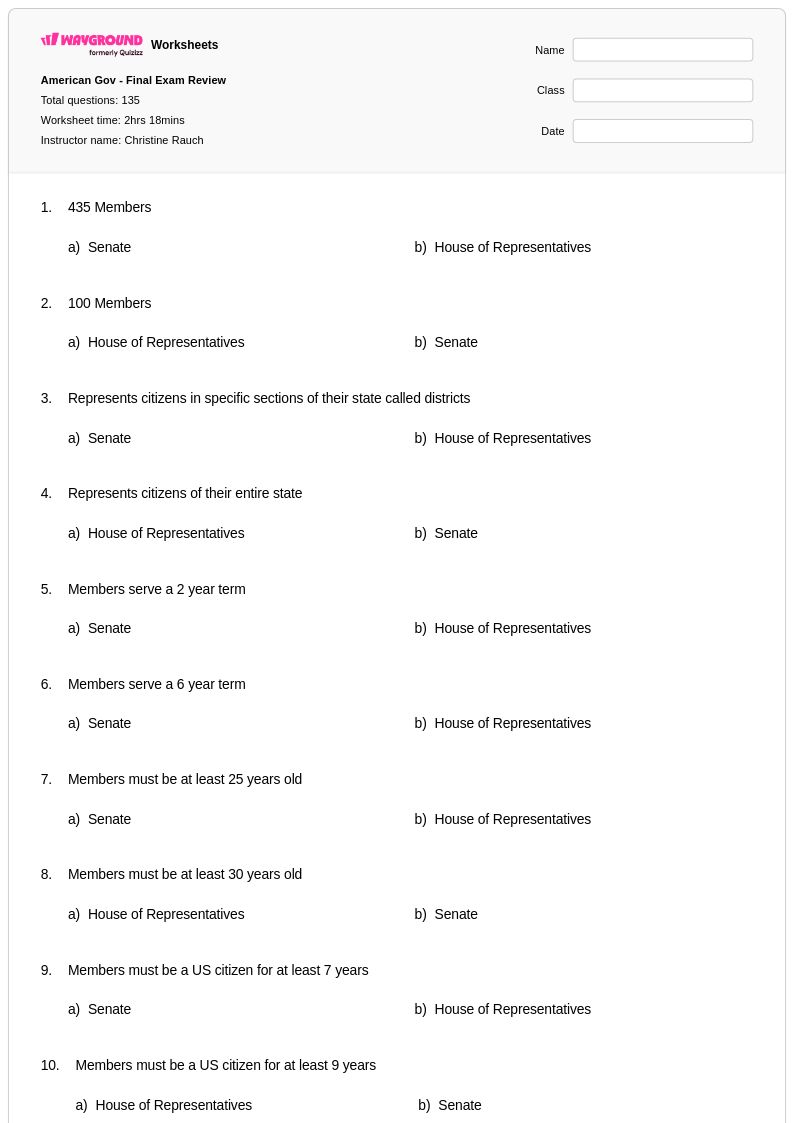
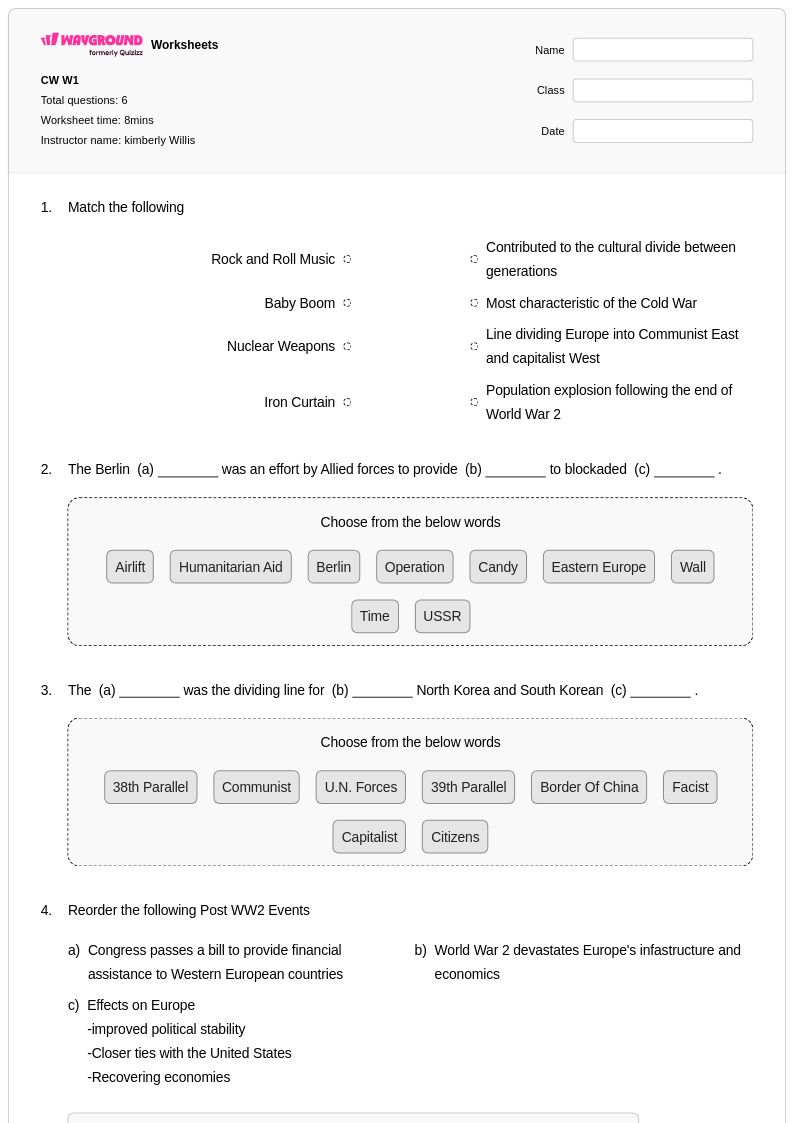
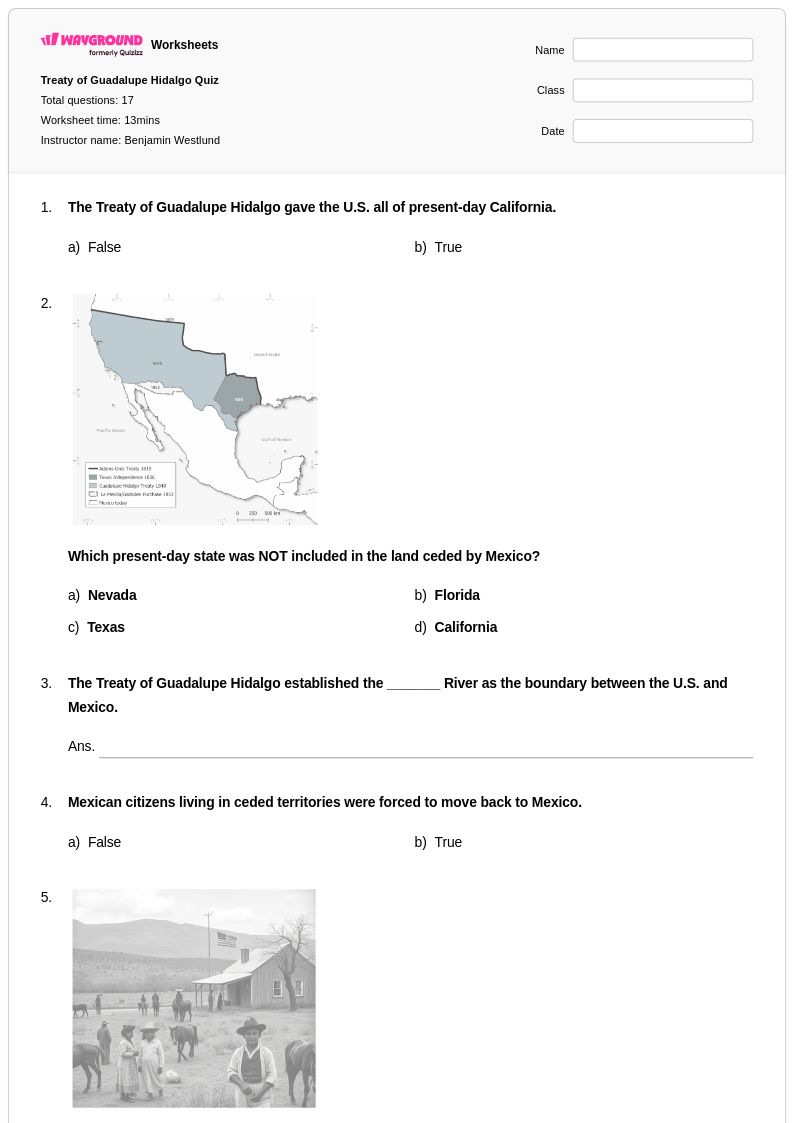
Class 10 Citizens United free worksheets and printables help students analyze landmark Supreme Court cases, practice critical thinking about campaign finance laws, and explore constitutional interpretations with comprehensive answer keys and PDF resources.
Explore printable Citizens United worksheets for Class 10
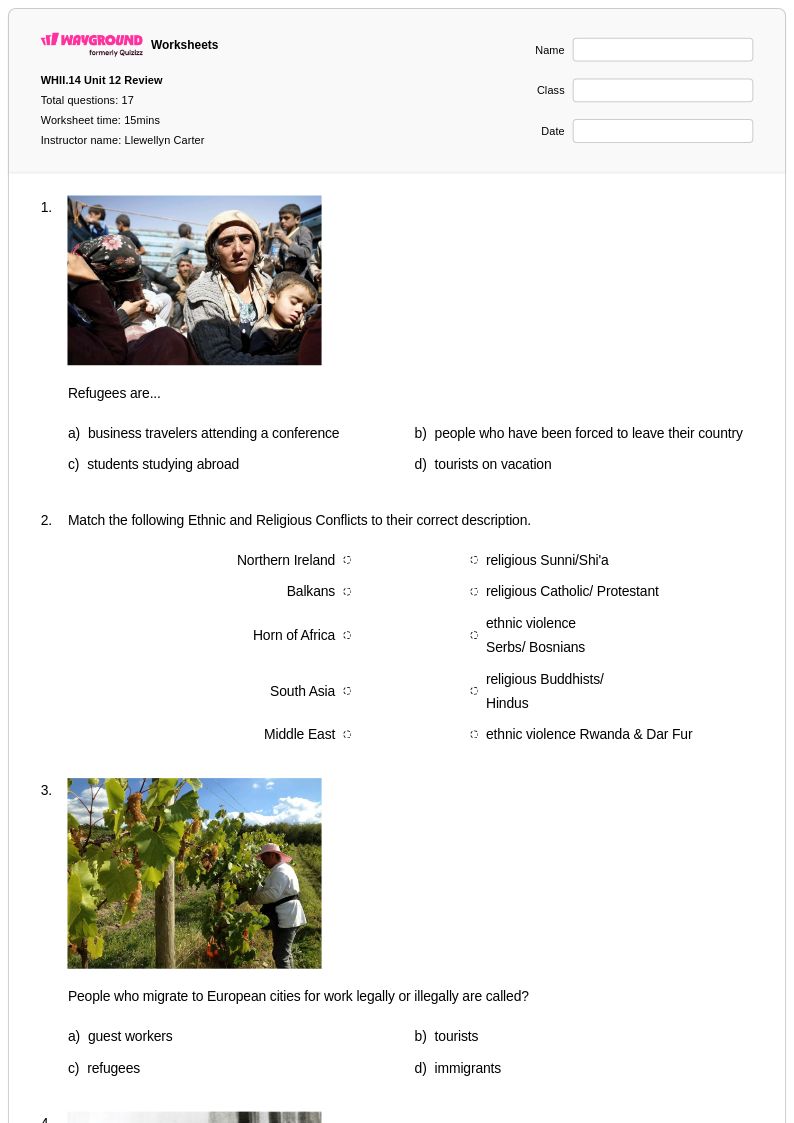
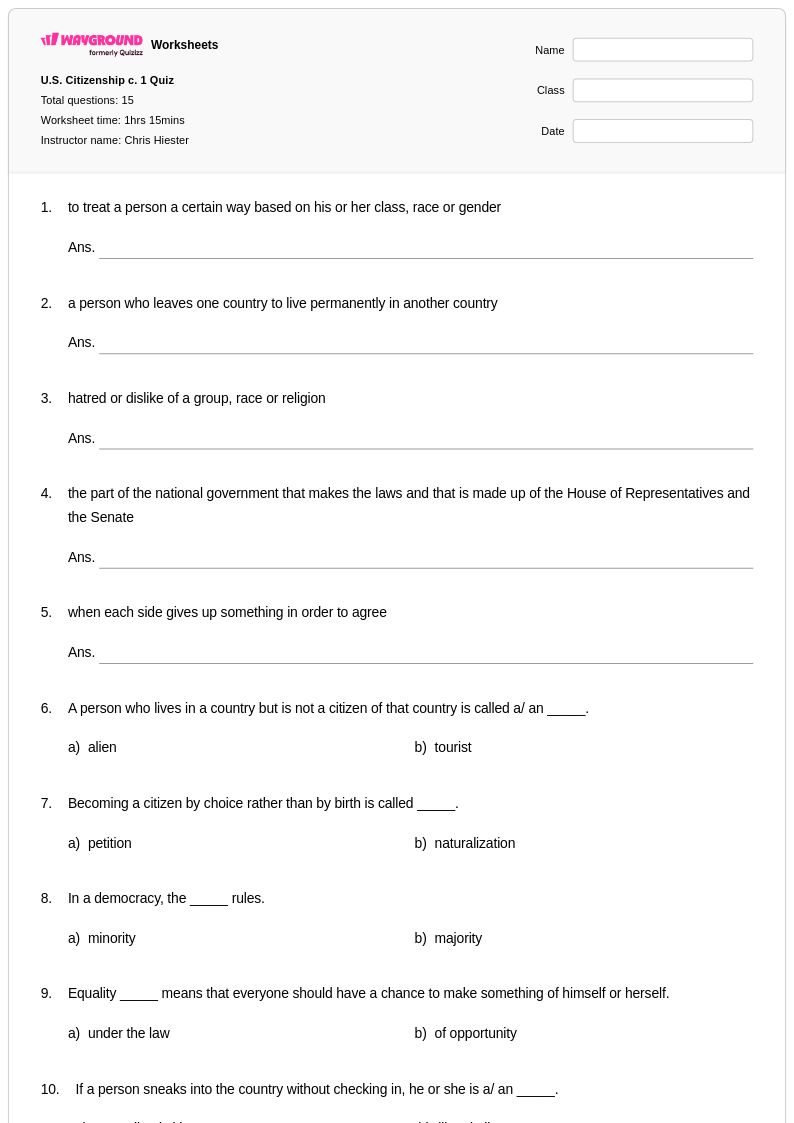
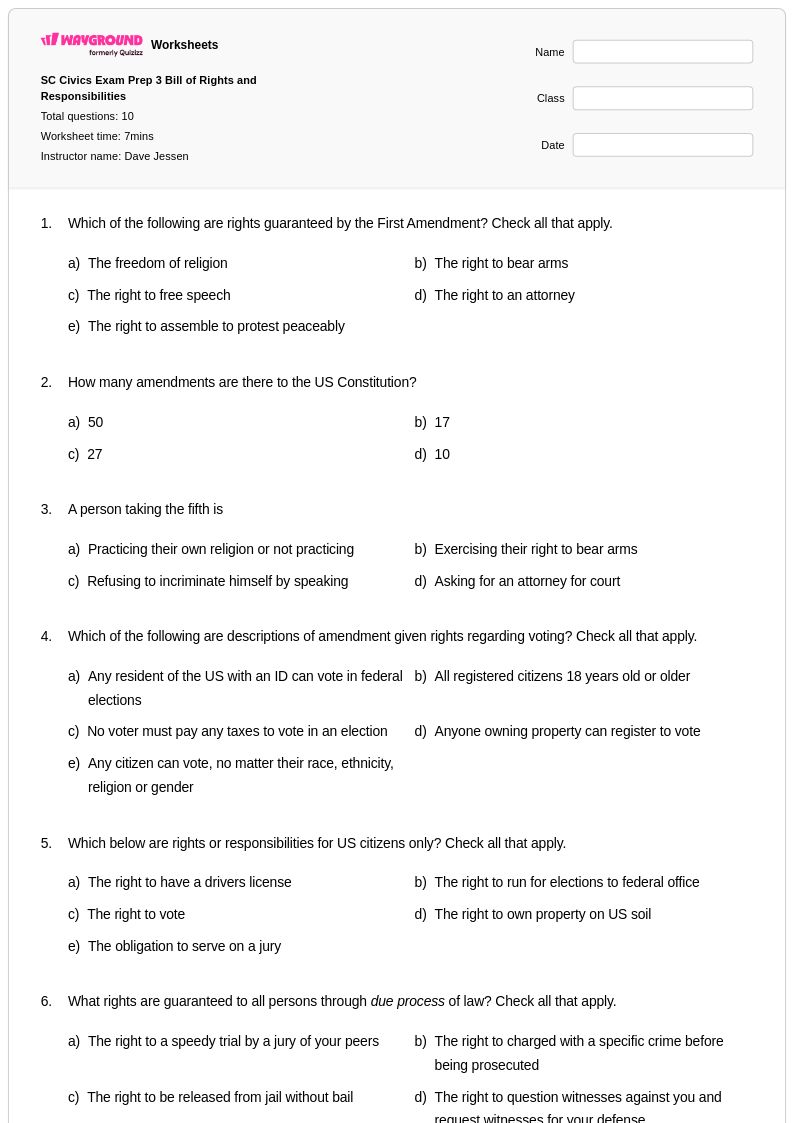
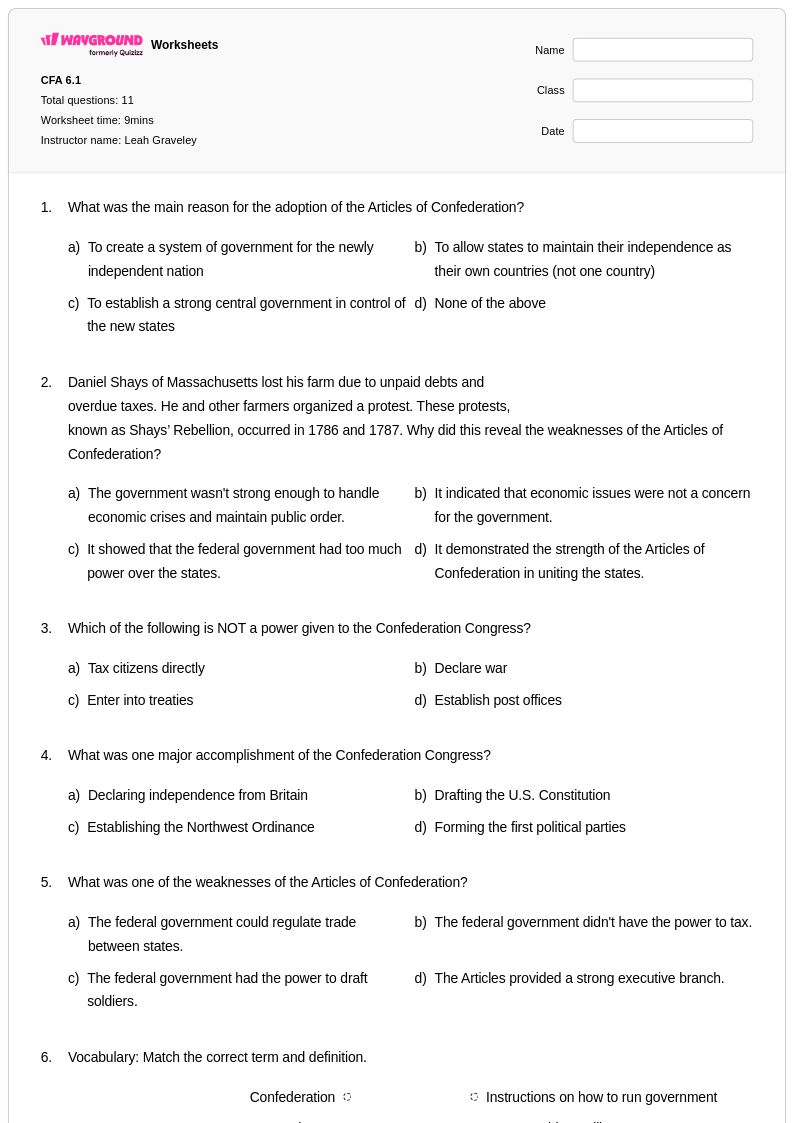
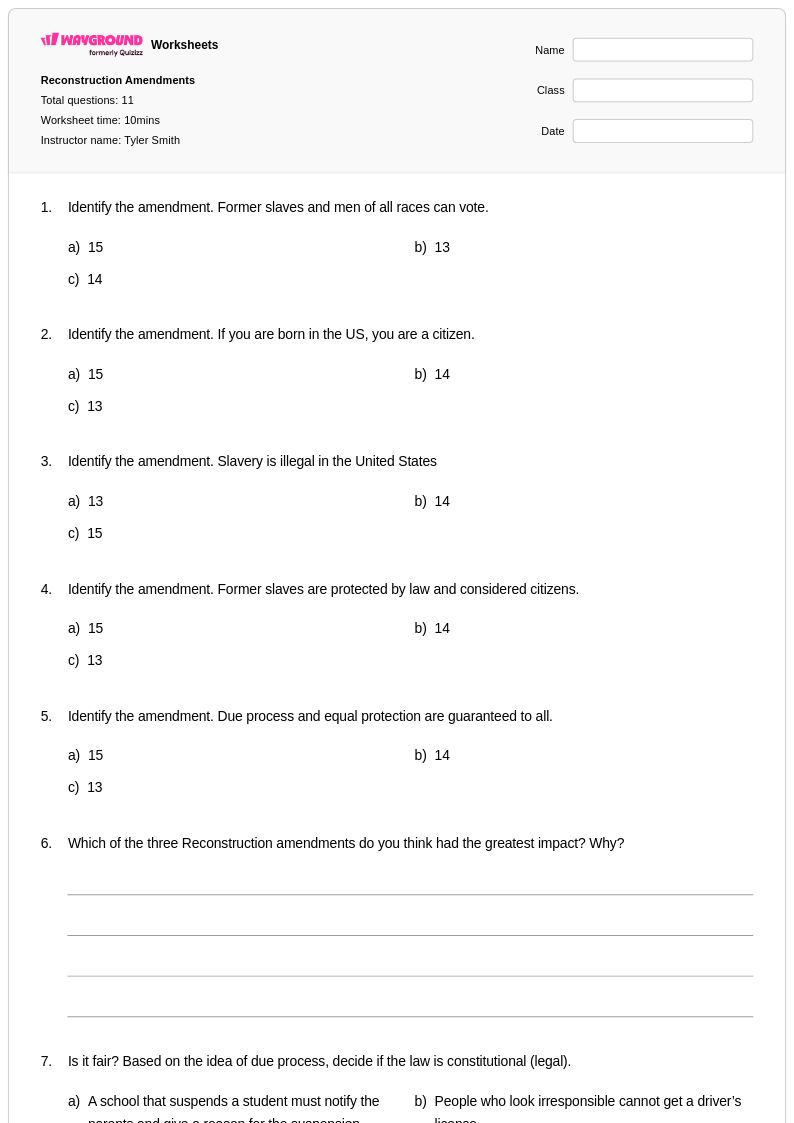
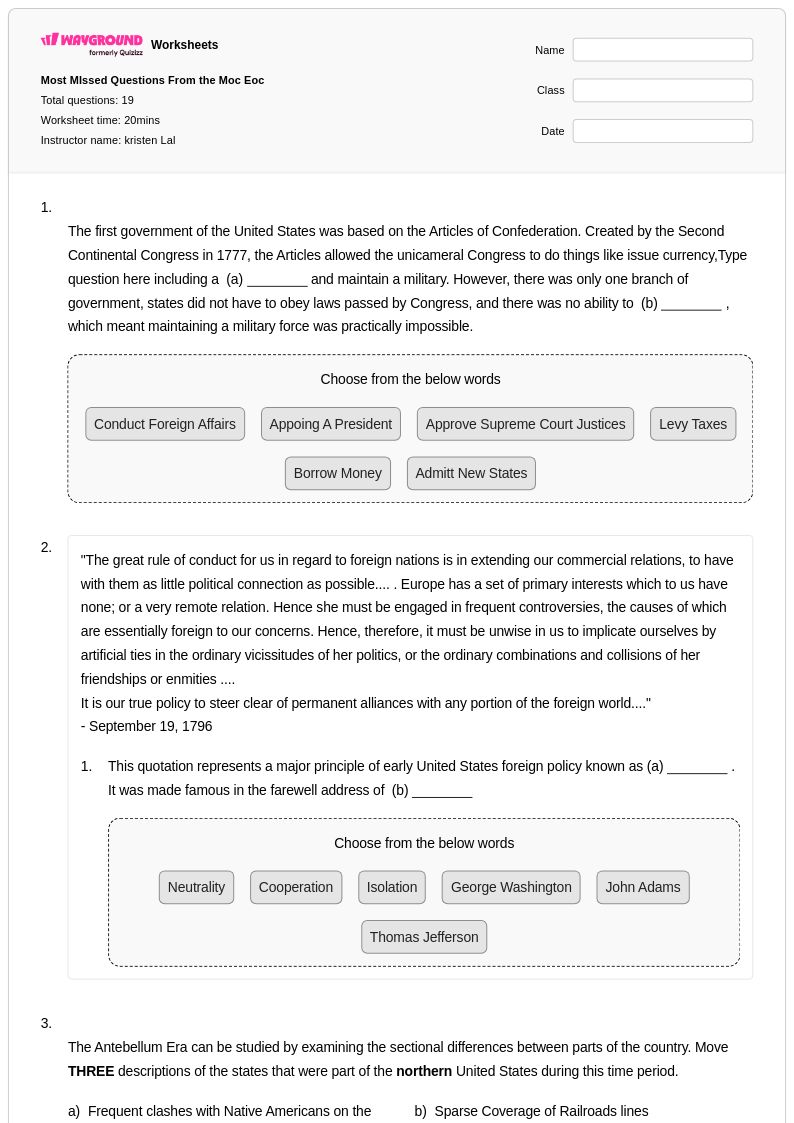
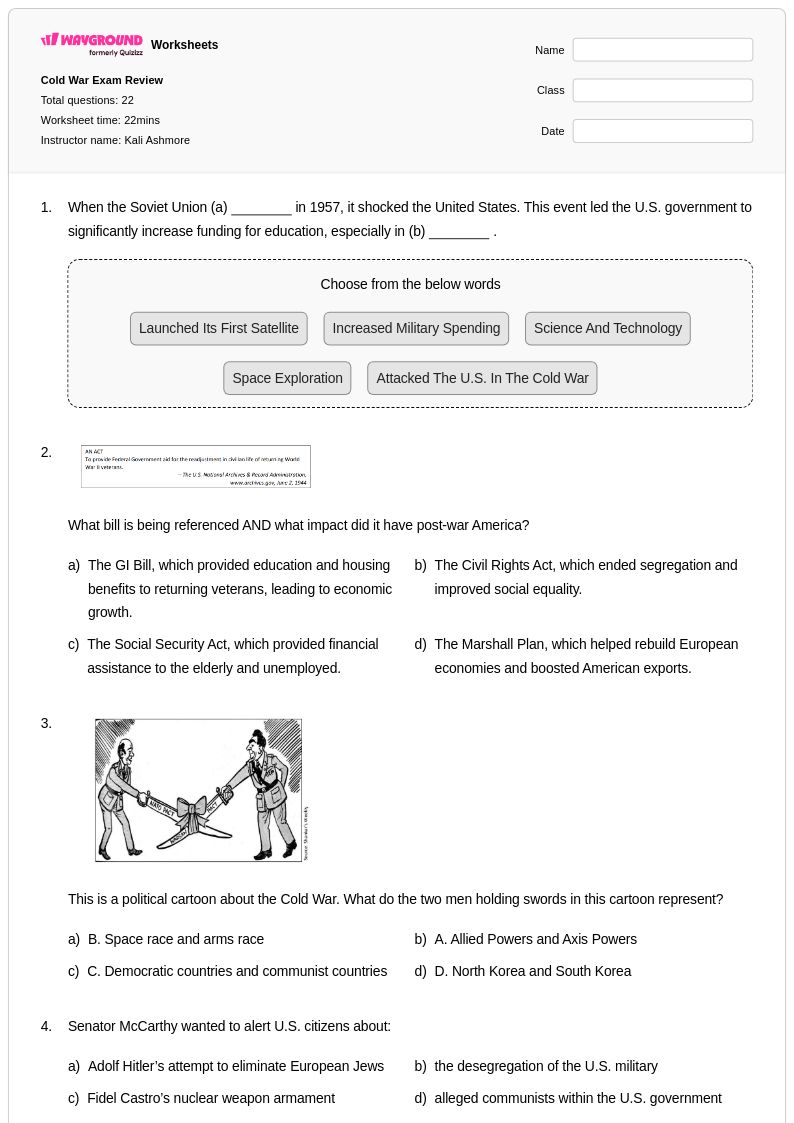
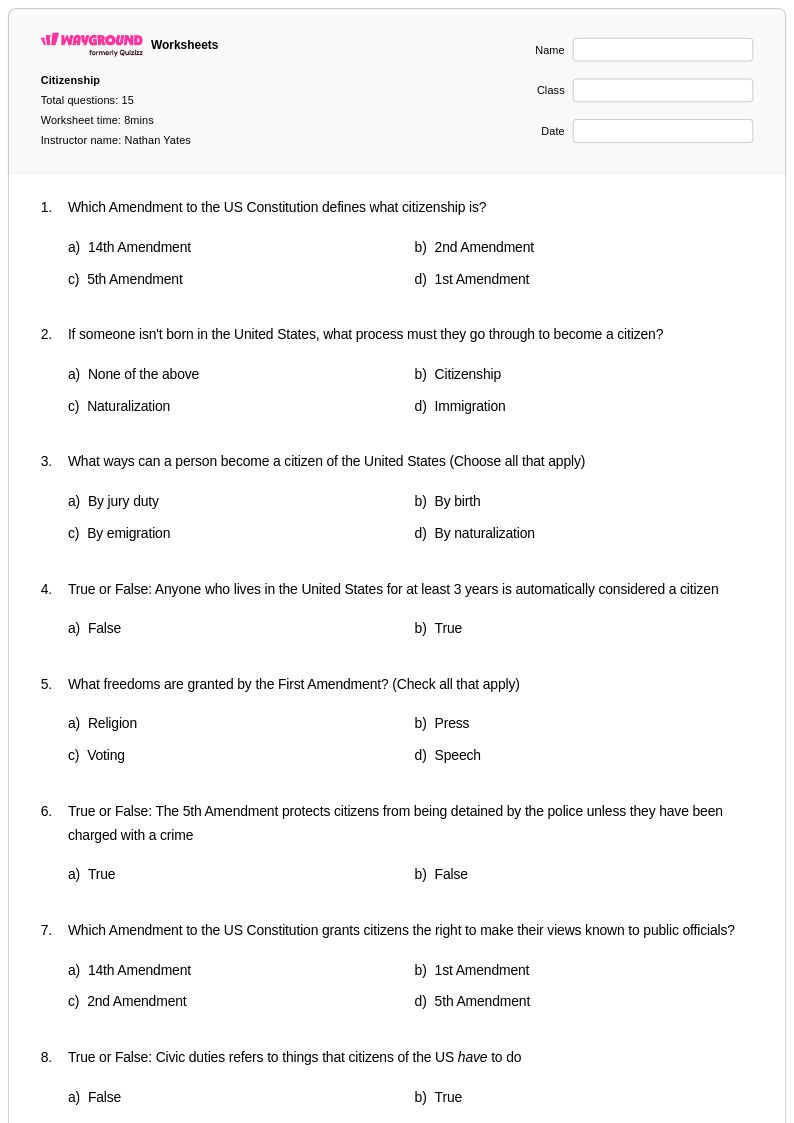
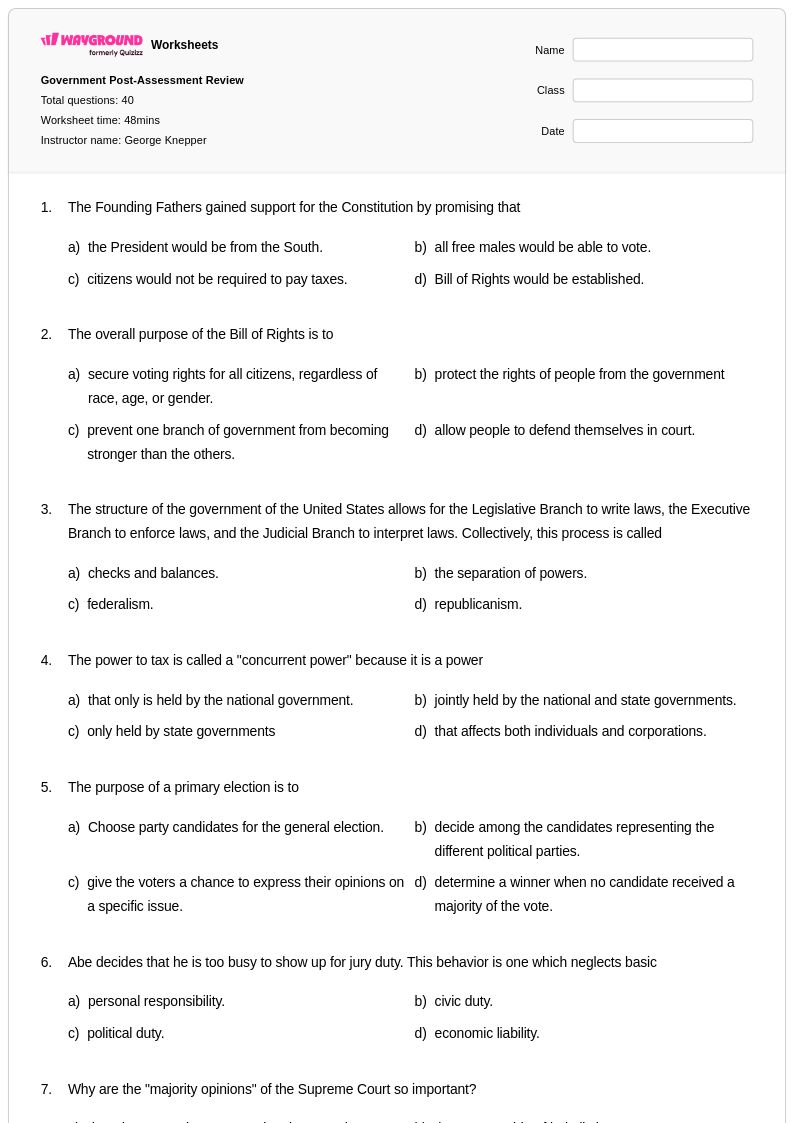
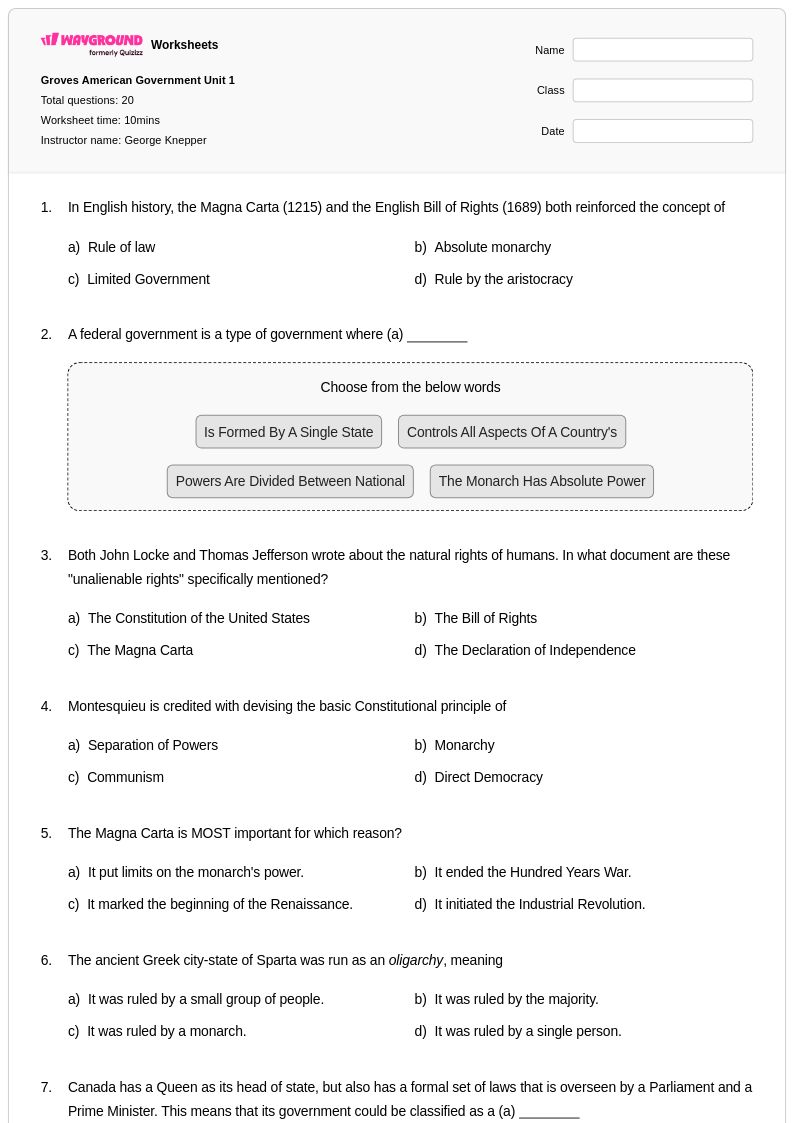
Citizens United worksheets available through Wayground (formerly Quizizz) provide Class 10 students with comprehensive resources to analyze one of the most significant Supreme Court cases in modern American political history. These expertly crafted materials guide students through the complexities of campaign finance law, corporate political speech, and the intersection of First Amendment rights with electoral processes. The worksheets strengthen critical thinking skills by having students examine the case's origins, legal arguments, majority and dissenting opinions, and long-term implications for American democracy. Each resource includes detailed answer keys and practice problems that help students understand how Citizens United v. FEC transformed political advertising, Super PACs, and corporate influence in elections. Available as free printables and downloadable pdfs, these materials make complex constitutional law accessible to high school students while building their analytical skills in civics and government.
Wayground (formerly Quizizz) supports educators with an extensive collection of teacher-created Citizens United resources, drawing from millions of high-quality materials aligned with civics and government standards. The platform's robust search and filtering capabilities allow teachers to quickly locate worksheets that match their specific instructional needs, whether for introducing campaign finance concepts, analyzing constitutional interpretation, or exploring contemporary political issues. Differentiation tools enable educators to modify content complexity and provide multiple versions for diverse learners, while flexible customization options allow teachers to adapt materials for their unique classroom contexts. These resources are available in both printable and digital formats, including easily accessible pdfs, making them ideal for lesson planning, targeted remediation for students struggling with constitutional concepts, enrichment activities for advanced learners, and ongoing skill practice in legal analysis and civic reasoning.
FAQs
How do I teach the Citizens United case to high school students?
Teaching Citizens United effectively requires grounding students in the First Amendment's free speech protections before introducing the 2010 Supreme Court ruling. Start by having students examine the core question the Court faced: whether political spending by corporations and other organizations constitutes protected speech under the First Amendment. From there, use primary source excerpts from the majority and dissenting opinions to help students evaluate competing constitutional arguments and connect the ruling to broader debates about money in politics and democratic representation.
What exercises help students practice analyzing the Citizens United ruling?
Effective practice exercises for Citizens United include document analysis tasks where students interpret excerpts from the Court's majority opinion, dissenting opinions, and the original Federal Election Commission regulations at issue. Case comparison activities that ask students to connect Citizens United to earlier precedents like Buckley v. Valeo reinforce how constitutional law evolves over time. Perspective-taking exercises that require students to evaluate arguments from both supporters and critics of the ruling build the critical thinking skills central to civics education.
What misconceptions do students commonly have about the Citizens United decision?
A common misconception is that Citizens United allows corporations to donate directly to political candidates, when in fact the ruling specifically concerns independent expenditures and outside spending, not direct campaign contributions. Students also frequently conflate the ruling with a blanket removal of all campaign finance restrictions, when many regulations on direct contributions remain in place. Clarifying what the Court actually held versus what changed as a practical consequence in the political landscape helps students build an accurate and nuanced understanding of the case.
How does Citizens United connect to current events I can use in the classroom?
Citizens United has direct connections to contemporary political developments that make it highly teachable through current events. Teachers can use data on Super PAC spending in recent federal elections to show students the measurable impact of the ruling on campaign finance. Connecting the case to ongoing debates about campaign finance reform, dark money in politics, and proposed constitutional amendments gives students a clear line from the 2010 ruling to present-day civic discourse, reinforcing why constitutional decisions have long-term societal implications.
How do I use Citizens United worksheets from Wayground in my classroom?
Citizens United worksheets on Wayground are available as printable PDFs for traditional classroom use and in digital formats for technology-integrated or remote learning environments, including the option to host them as a quiz directly on Wayground. Each worksheet includes a complete answer key, so teachers can use them for guided instruction, independent practice, formative assessment, or remediation of constitutional concepts. The digital format also supports student-level accommodations such as extended time, read-aloud, and reduced answer choices, making it straightforward to differentiate for students with varying learning needs.
How do I differentiate Citizens United instruction for students at different ability levels?
For students who need additional support, scaffolding techniques such as pre-teaching key vocabulary (e.g., independent expenditure, political speech, judicial review) and providing annotated excerpts from the Court's opinion can reduce cognitive load before tackling the full case. Advanced students benefit from extended analysis tasks, such as evaluating the long-term effects of the ruling on electoral outcomes or comparing the U.S. approach to campaign finance with that of other democracies. On Wayground, teachers can apply individual accommodations including reduced answer choices, read-aloud support, and extended time directly to specific students without disrupting the rest of the class.