
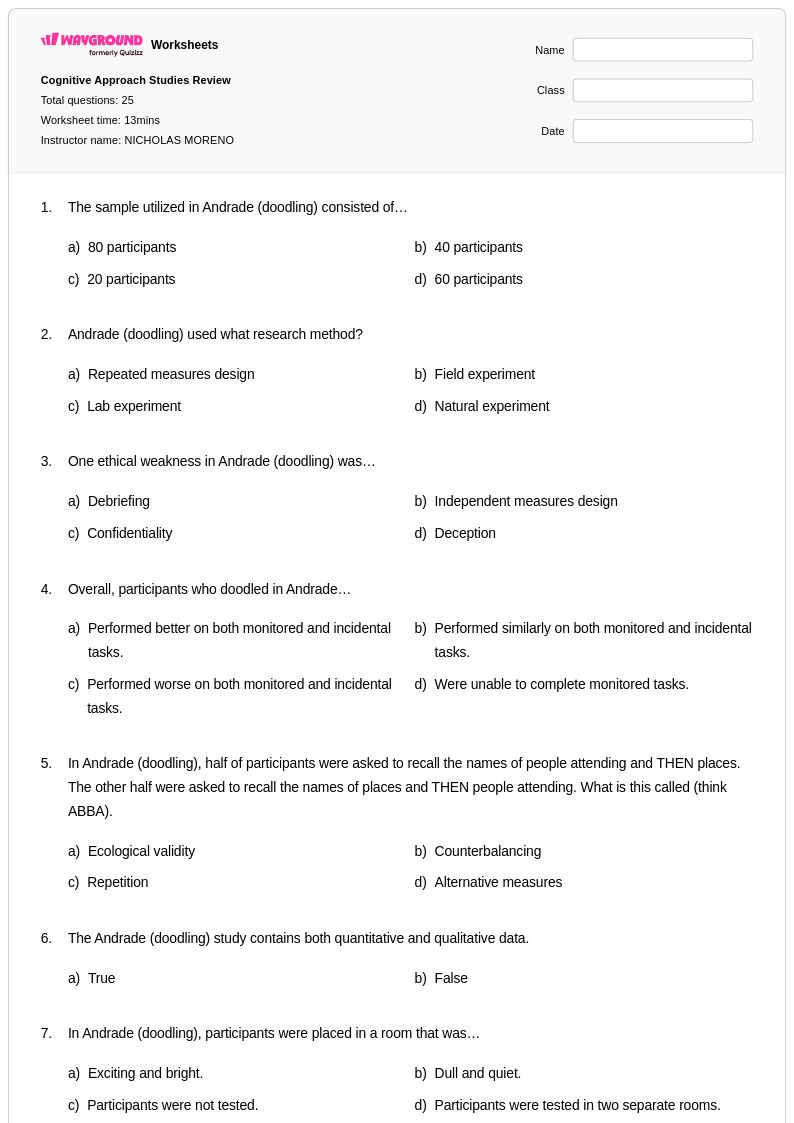
25 Hỏi
11th - Uni
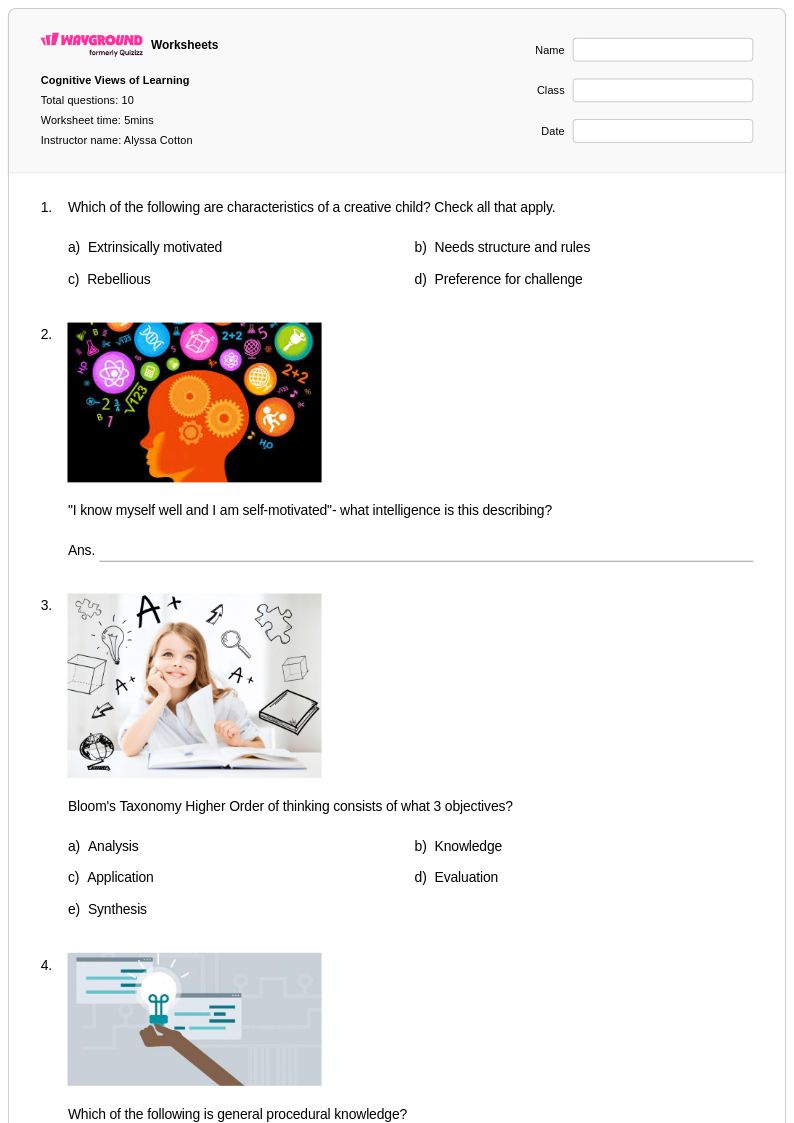
10 Hỏi
7th - 12th
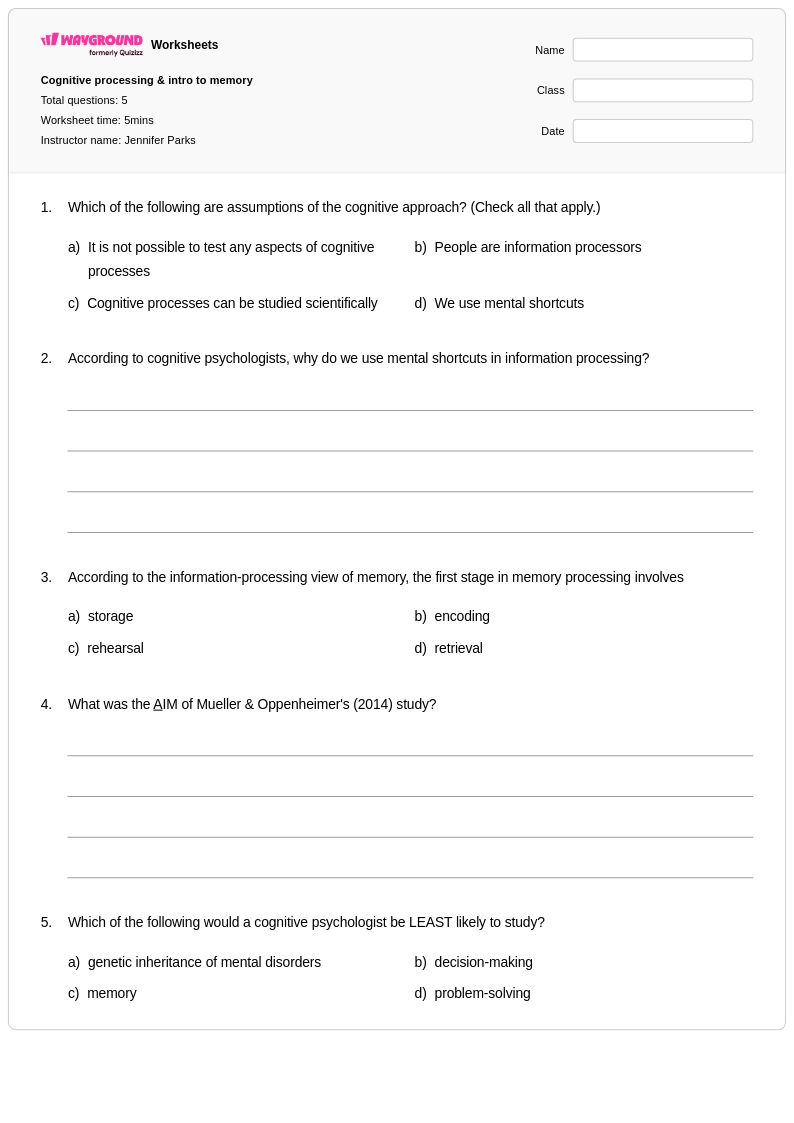
5 Hỏi
11th - 12th
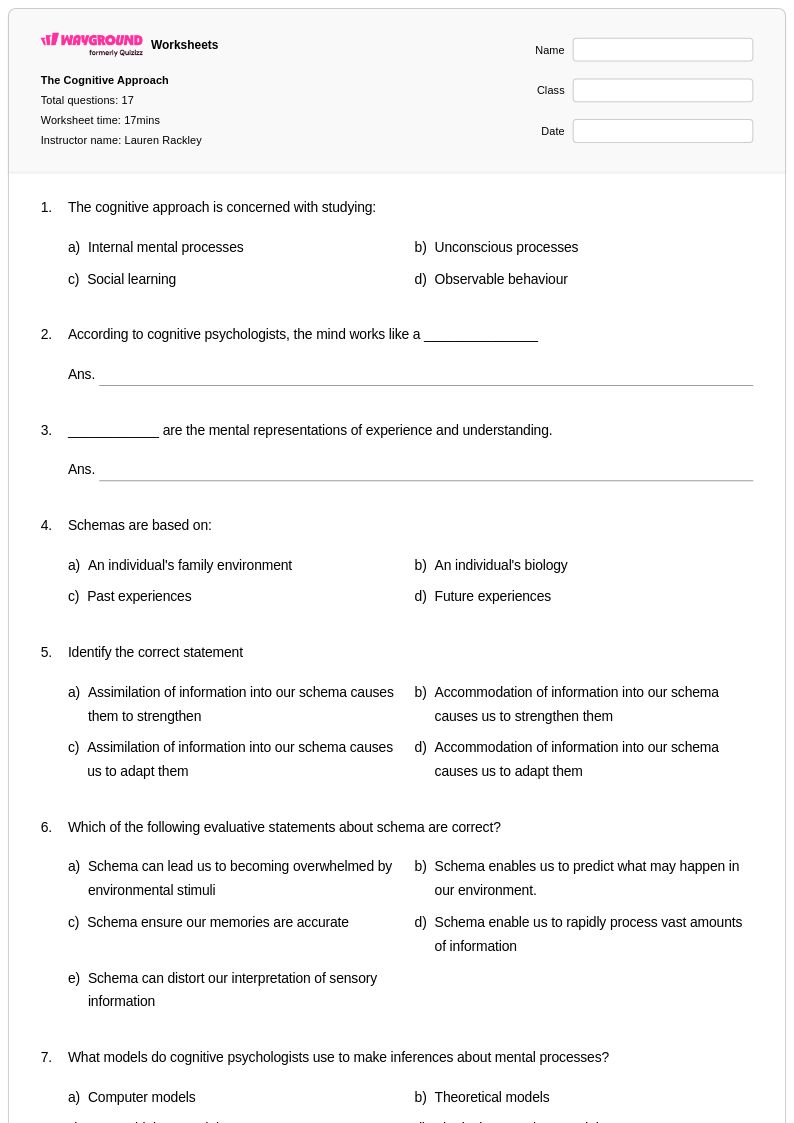
17 Hỏi
11th - 12th
25 Hỏi
11th
38 Hỏi
11th
12 Hỏi
11th - 12th
64 Hỏi
9th - 12th
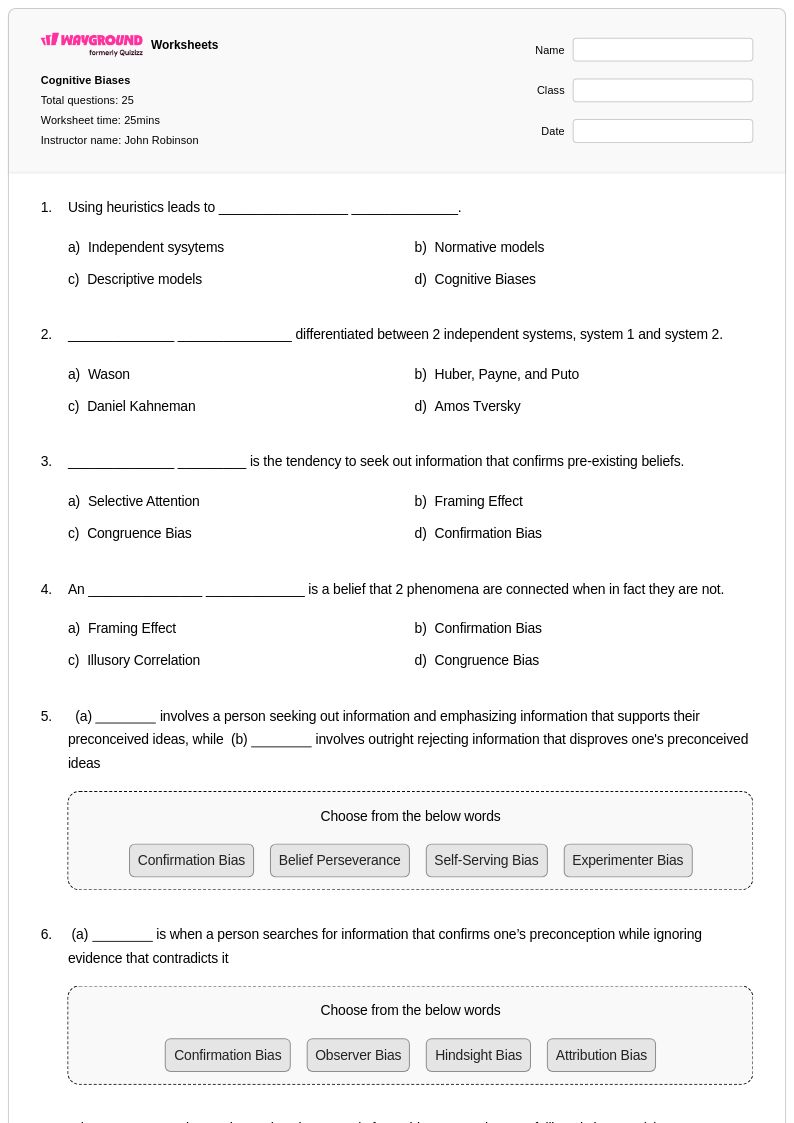
25 Hỏi
11th - Uni
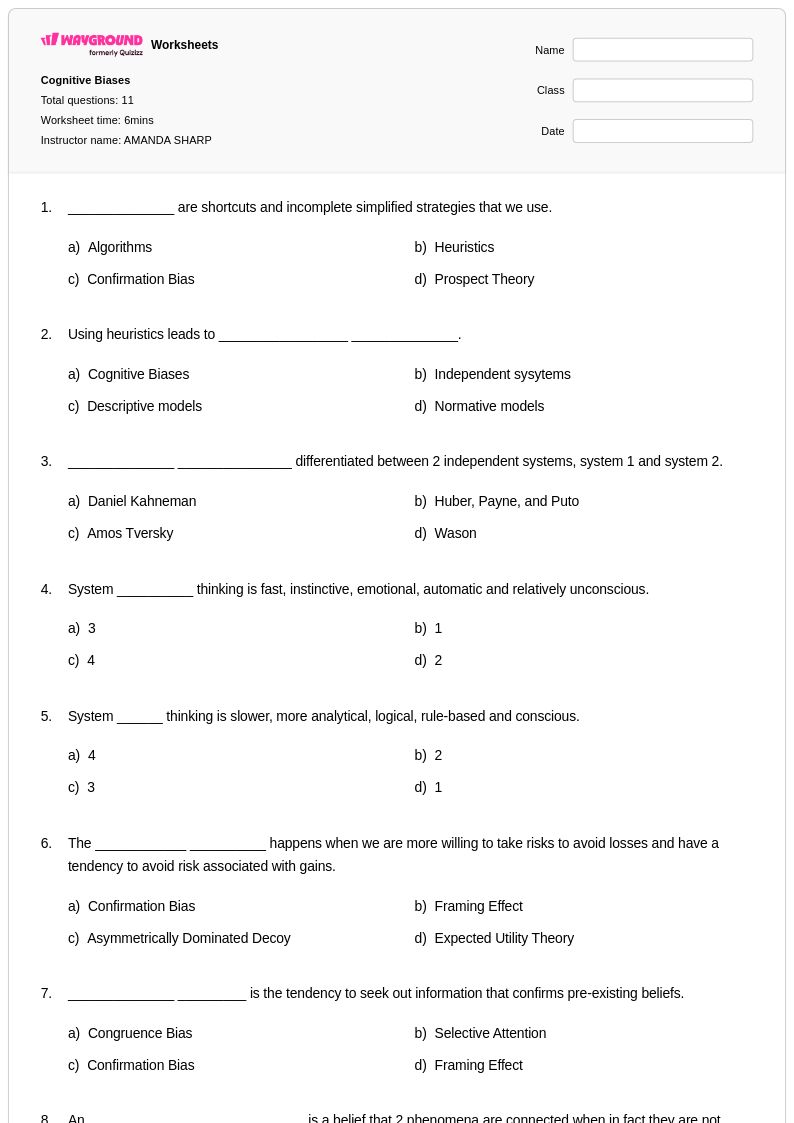
11 Hỏi
11th - 12th
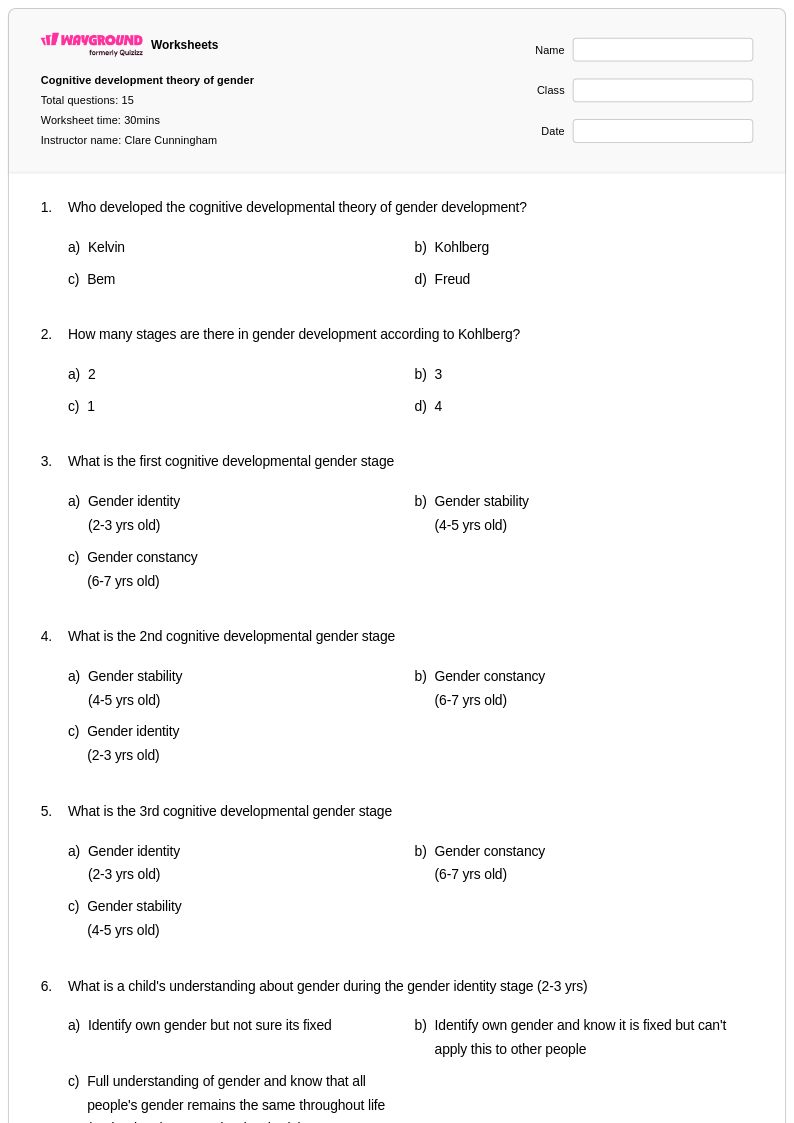
15 Hỏi
11th - Uni
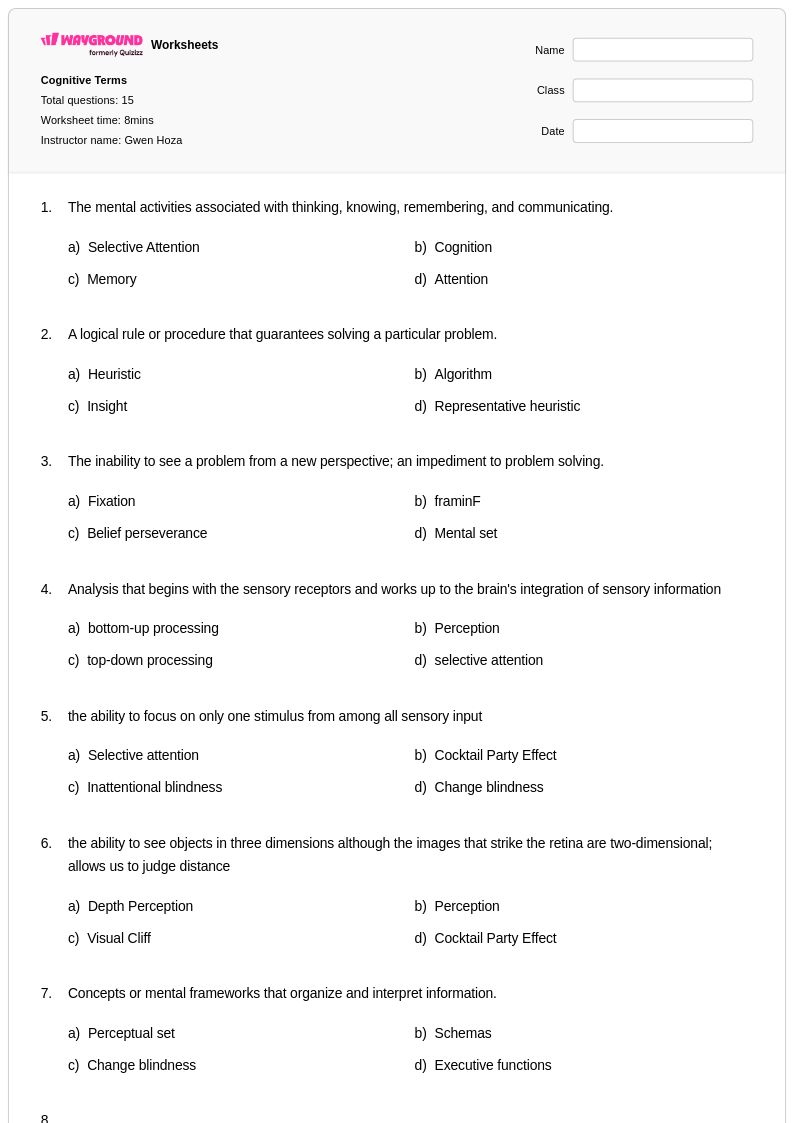
15 Hỏi
11th
15 Hỏi
11th
28 Hỏi
11th - Uni
10 Hỏi
11th
10 Hỏi
11th - 12th
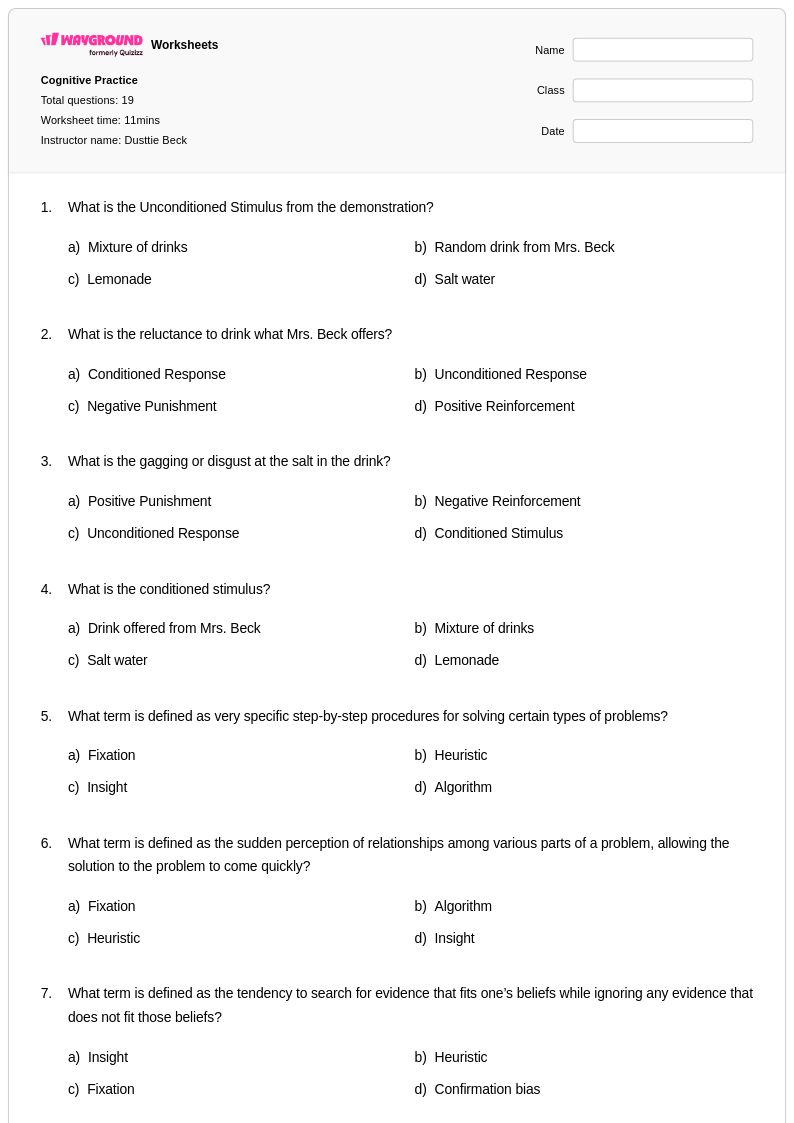
19 Hỏi
11th
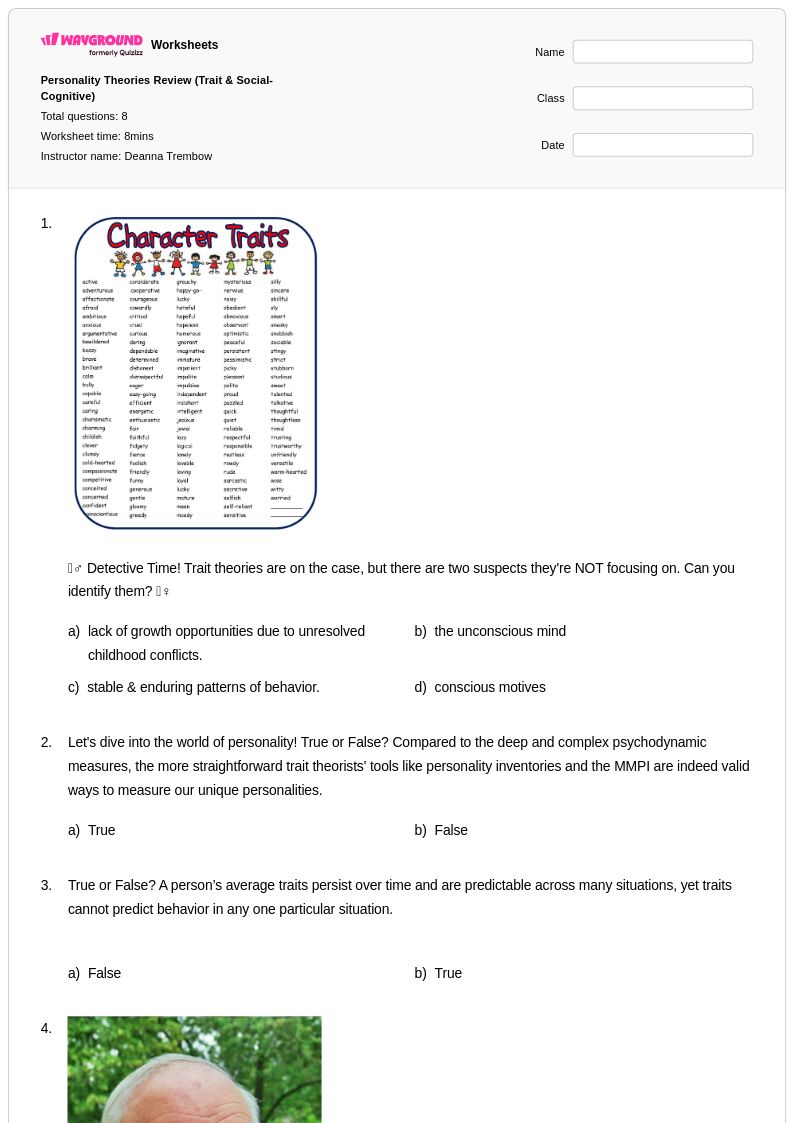
8 Hỏi
11th
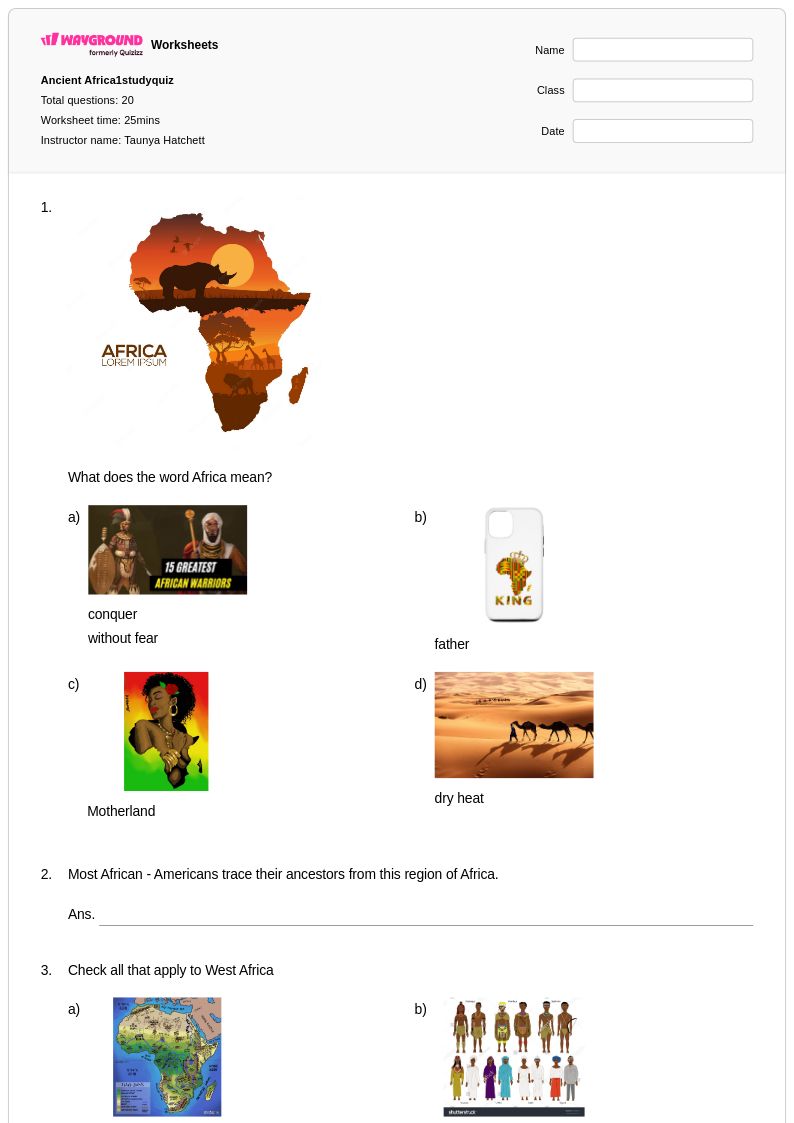
20 Hỏi
9th - 12th
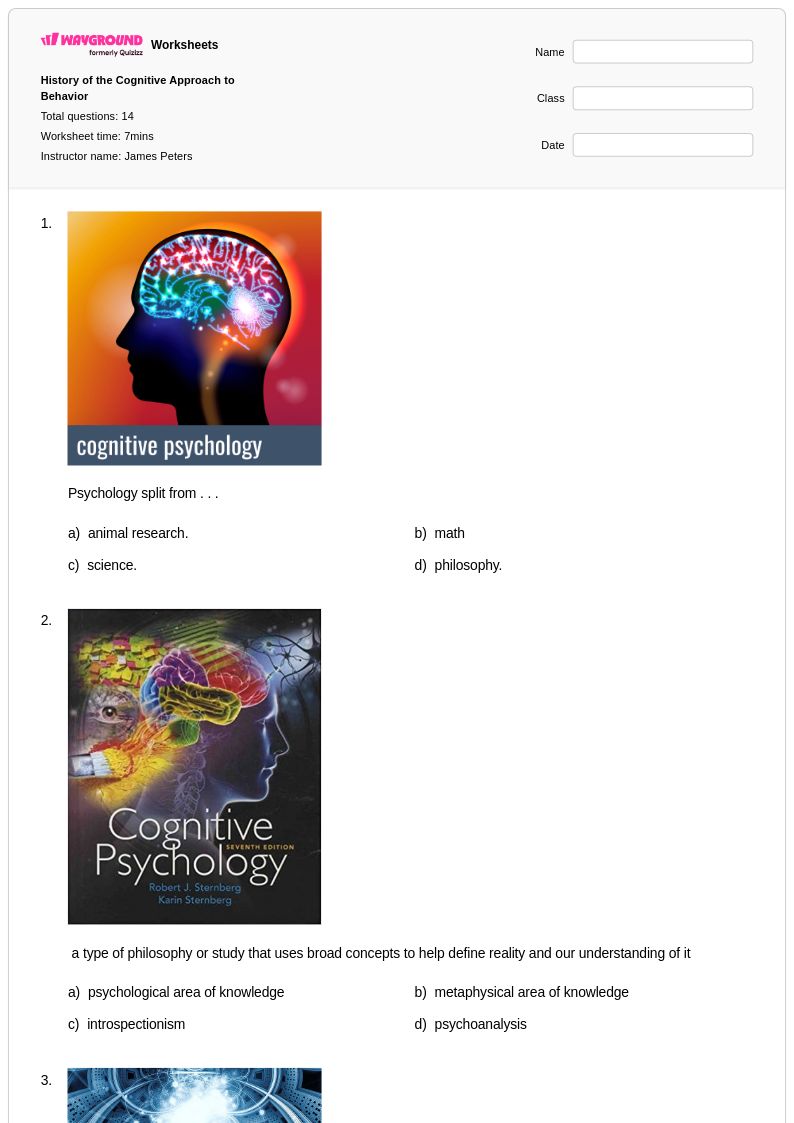
14 Hỏi
11th - 12th
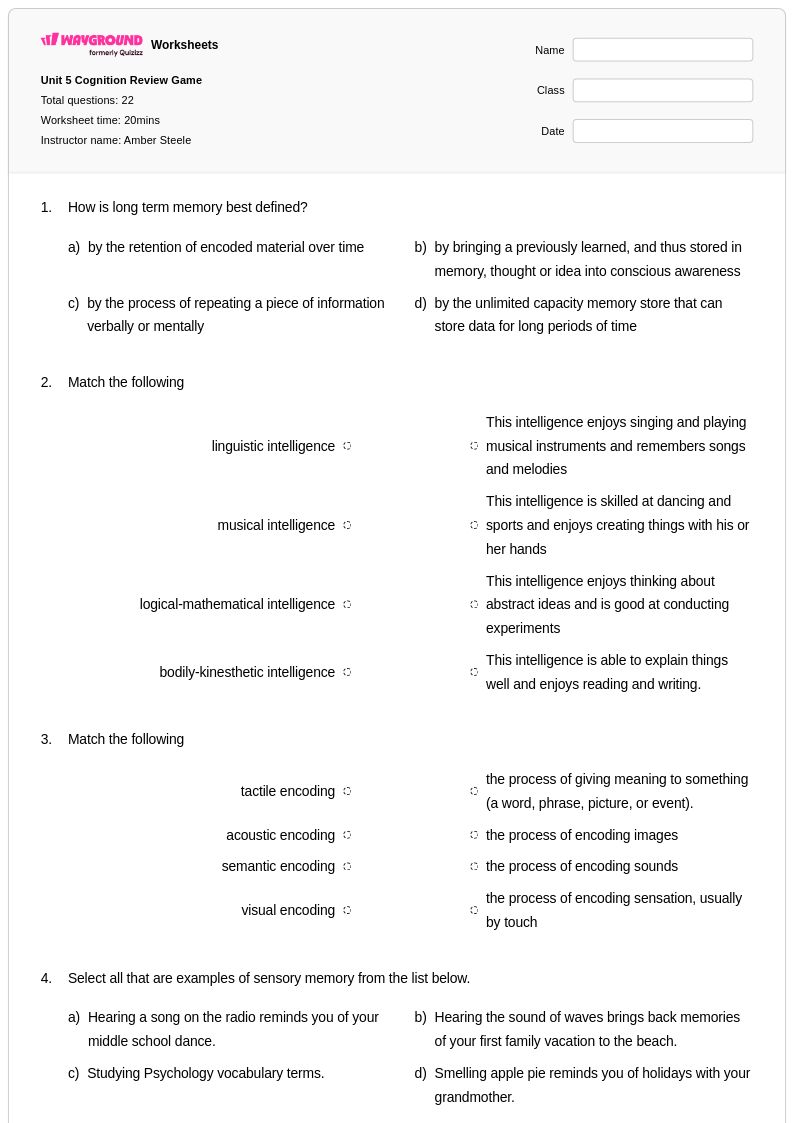
22 Hỏi
10th - 12th
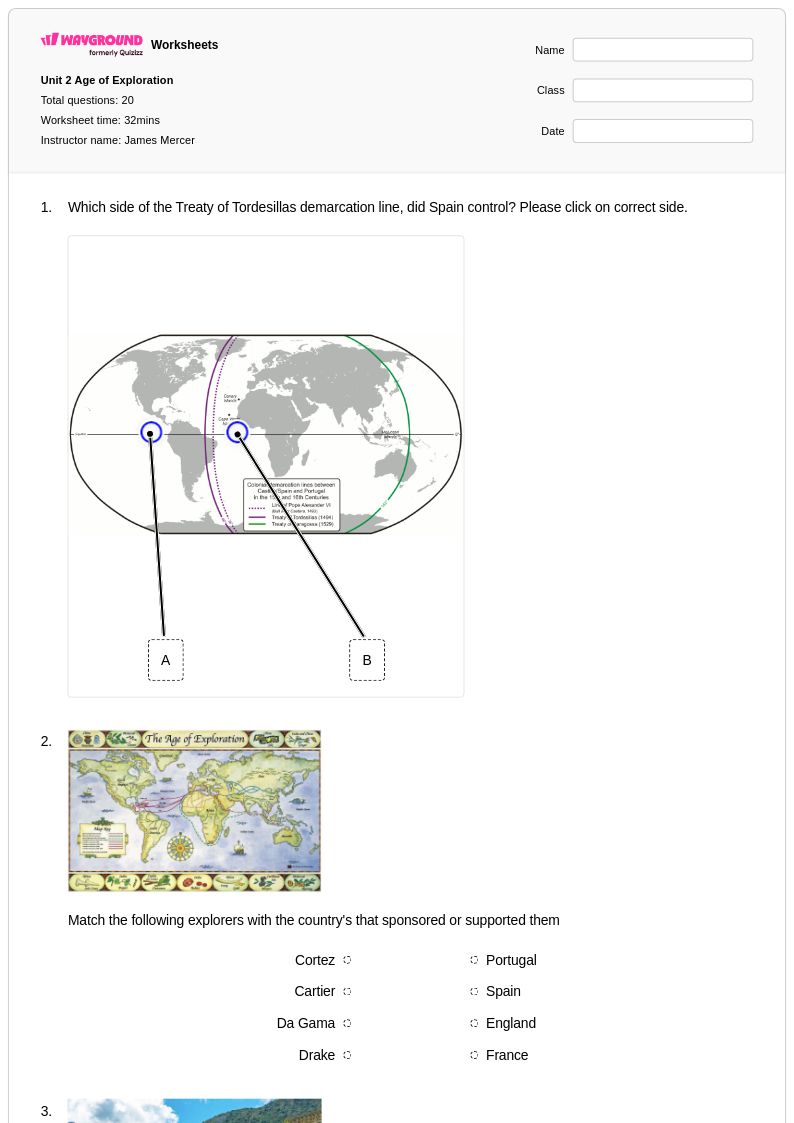
20 Hỏi
9th - 12th
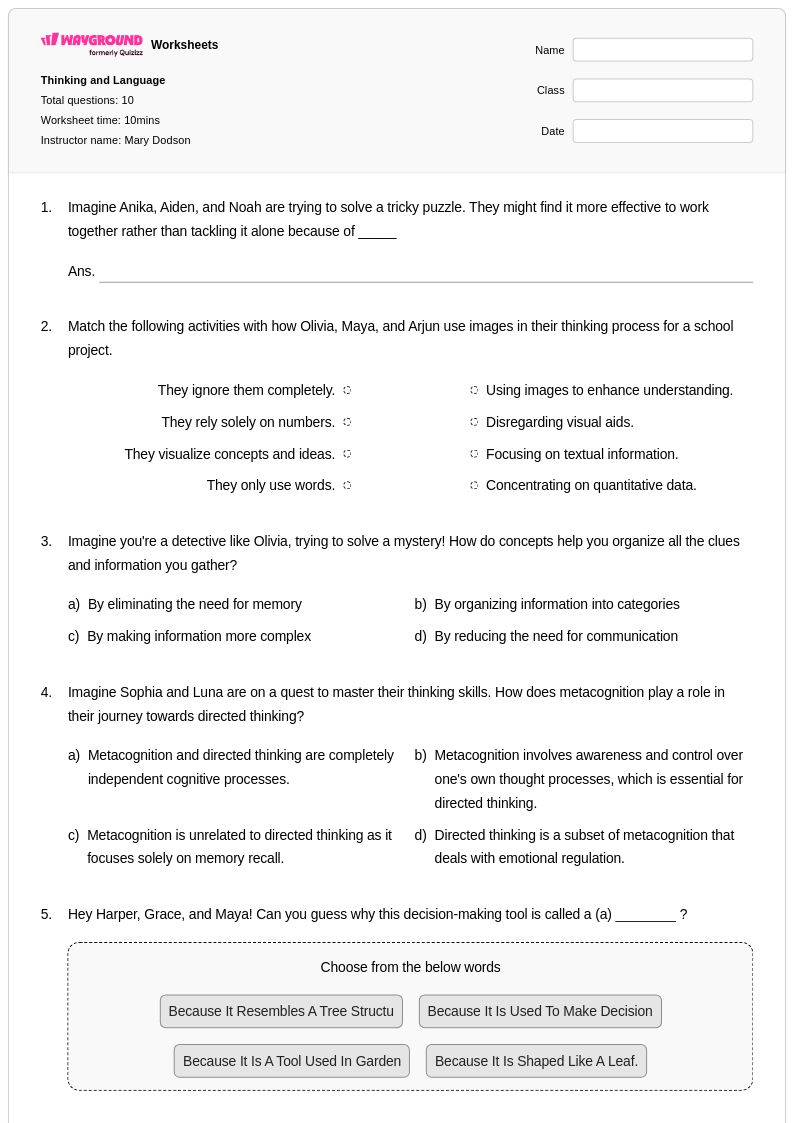
10 Hỏi
9th - 12th
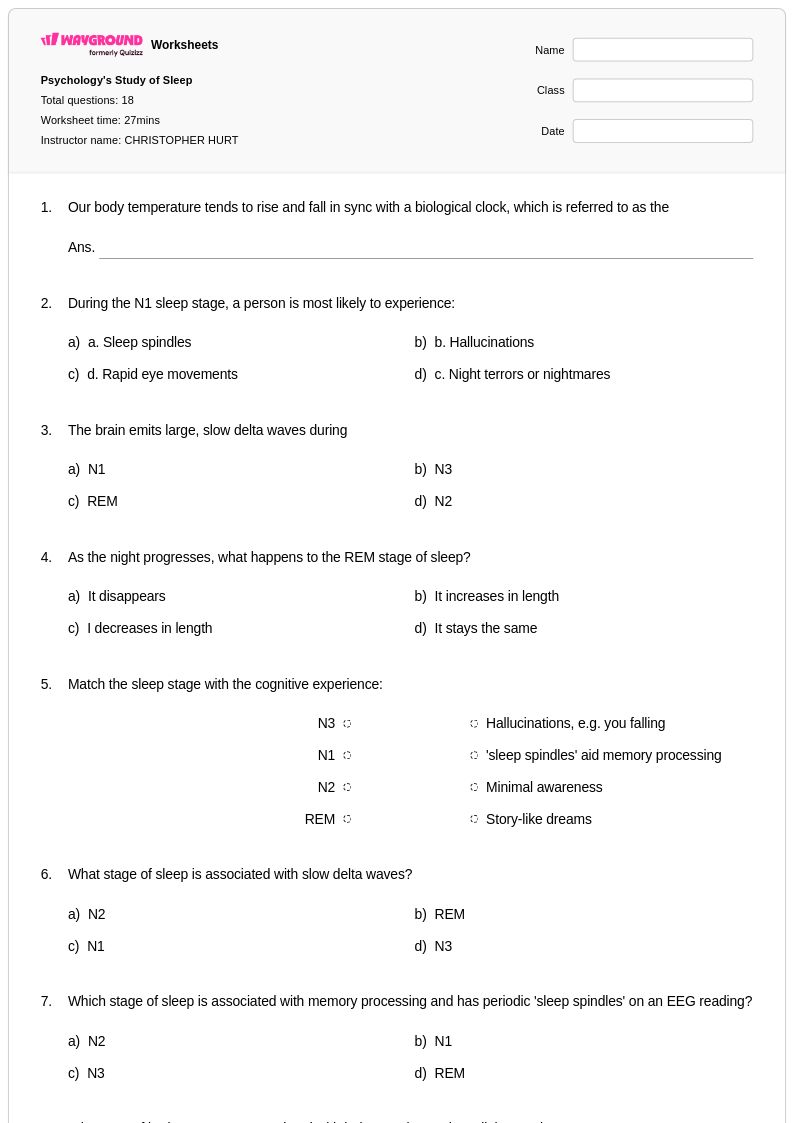
18 Hỏi
11th
Khám phá Cognitive Triangle Bảng tính theo cấp độ
Khám phá các bảng tính chủ đề khác cho class 11
Explore printable Cognitive Triangle worksheets for Class 11
Cognitive Triangle worksheets for Class 11 social studies provide students with essential tools to understand the interconnected relationship between thoughts, feelings, and behaviors in human psychology and social interactions. These comprehensive resources guide students through analyzing real-world scenarios where they can identify how cognitive patterns influence emotional responses and subsequent actions, developing critical thinking skills essential for understanding human behavior in social contexts. The worksheets feature structured practice problems that challenge students to map out cognitive triangles using case studies, personal reflections, and hypothetical situations, with detailed answer keys that help students verify their understanding of these psychological concepts. Available as free printables in pdf format, these resources strengthen students' ability to recognize cognitive distortions, understand emotional regulation, and analyze behavioral patterns that impact social relationships and decision-making processes.
Wayground, formerly Quizizz, supports educators teaching Class 11 social studies with an extensive collection of millions of teacher-created Cognitive Triangle worksheets that can be easily searched and filtered to match specific curriculum needs and learning objectives. The platform's robust differentiation tools allow teachers to customize worksheets for varying skill levels within their classrooms, ensuring that both struggling learners and advanced students can engage meaningfully with cognitive behavioral concepts. These resources are available in both printable pdf formats for traditional classroom use and digital formats for interactive learning experiences, giving teachers the flexibility to adapt their instruction based on available technology and student preferences. The comprehensive worksheet collections support teachers in planning sequential lessons on psychological concepts, providing targeted remediation for students who need additional practice identifying thought-feeling-behavior connections, and offering enrichment opportunities for students ready to explore more complex applications of cognitive triangle principles in social and personal contexts.
FAQs
How do I teach the cognitive triangle to students?
What exercises help students practice the cognitive triangle?
What mistakes do students commonly make when learning the cognitive triangle?
How does the cognitive triangle connect to social-emotional learning (SEL)?
How can I use Wayground's cognitive triangle worksheets in my classroom?
How do I differentiate cognitive triangle instruction for students at different skill levels?