Free Printable Thought Stopping Worksheets for Class 11
Free Class 11 thought stopping worksheets and printables help students develop essential cognitive behavioral techniques to manage negative thinking patterns, featuring practice problems and answer keys for effective social-emotional learning.
Explore printable Thought Stopping worksheets for Class 11
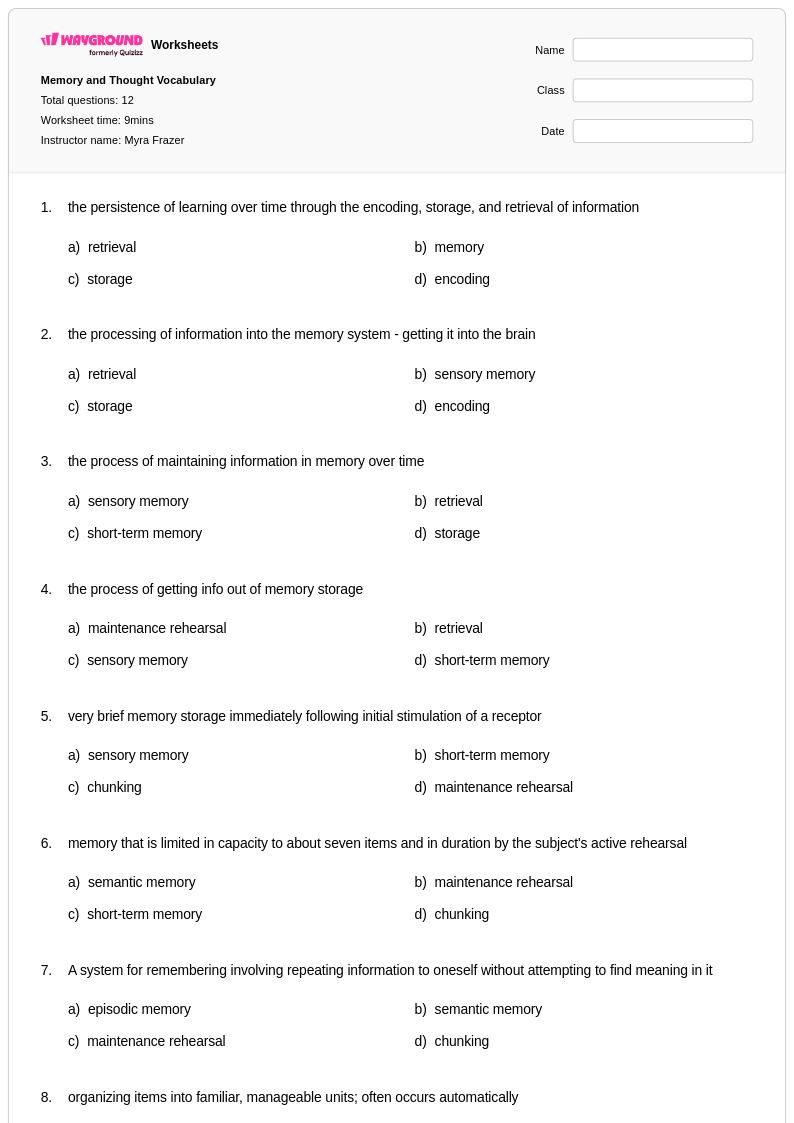
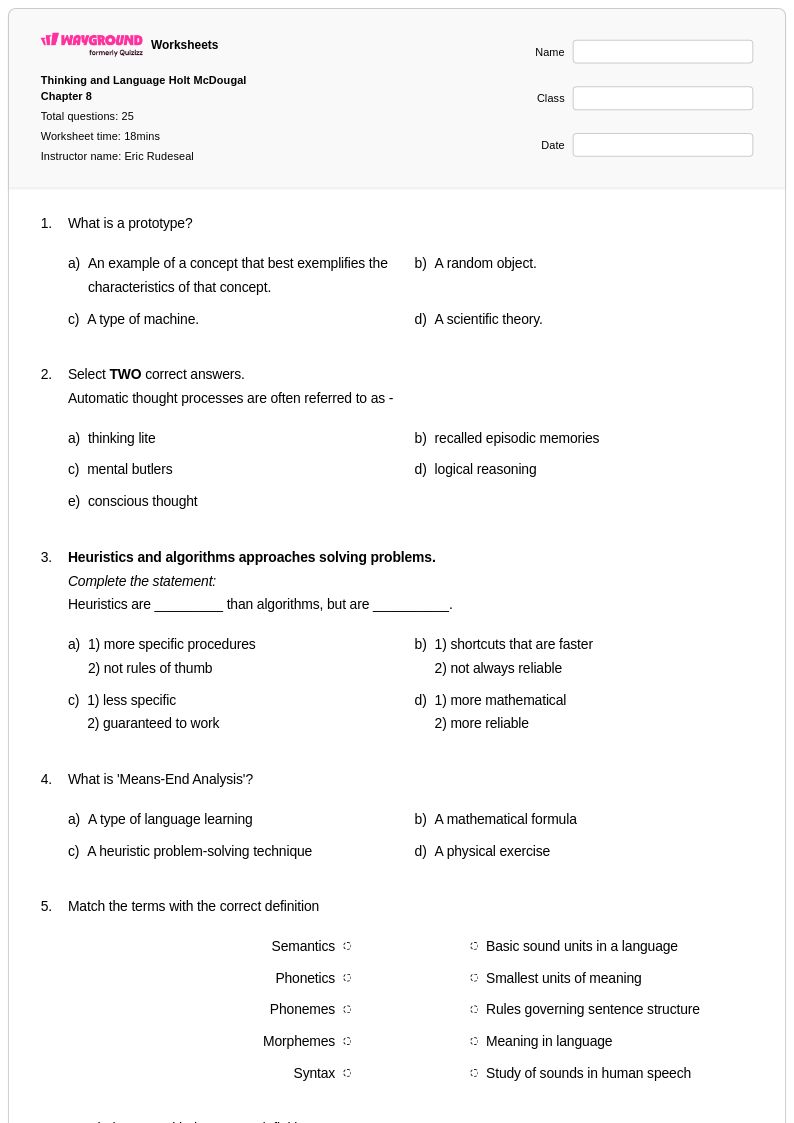
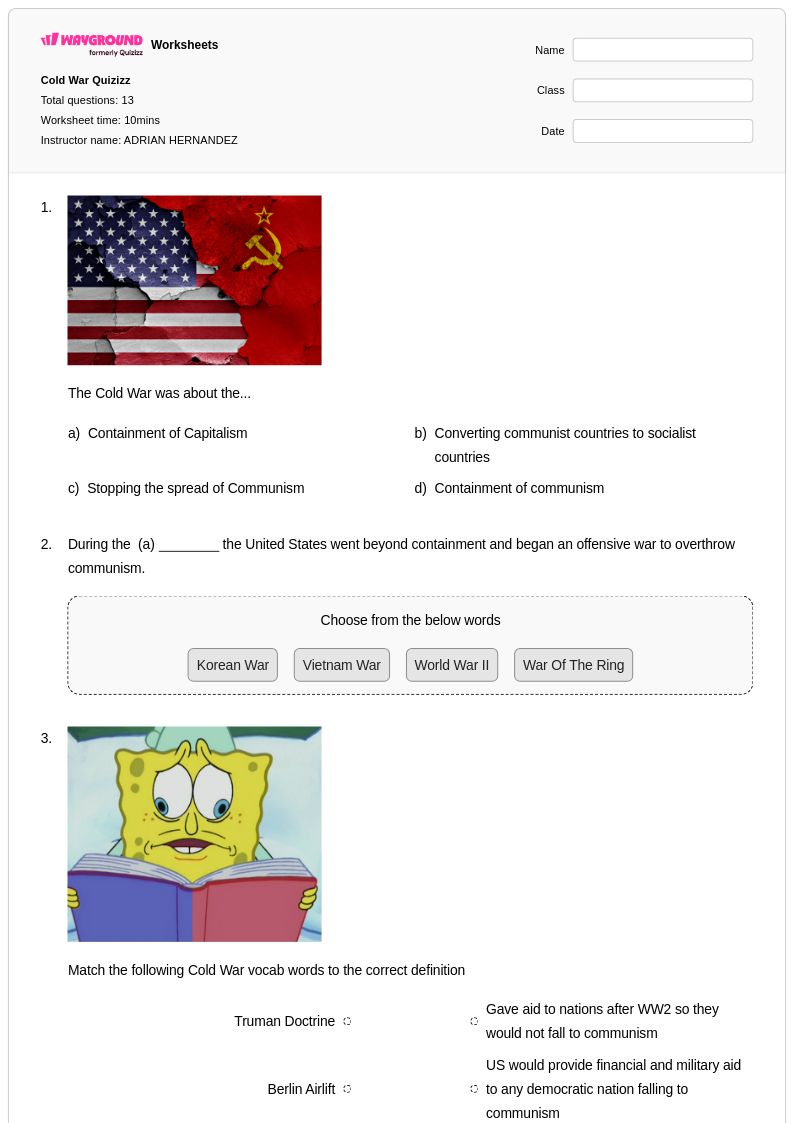
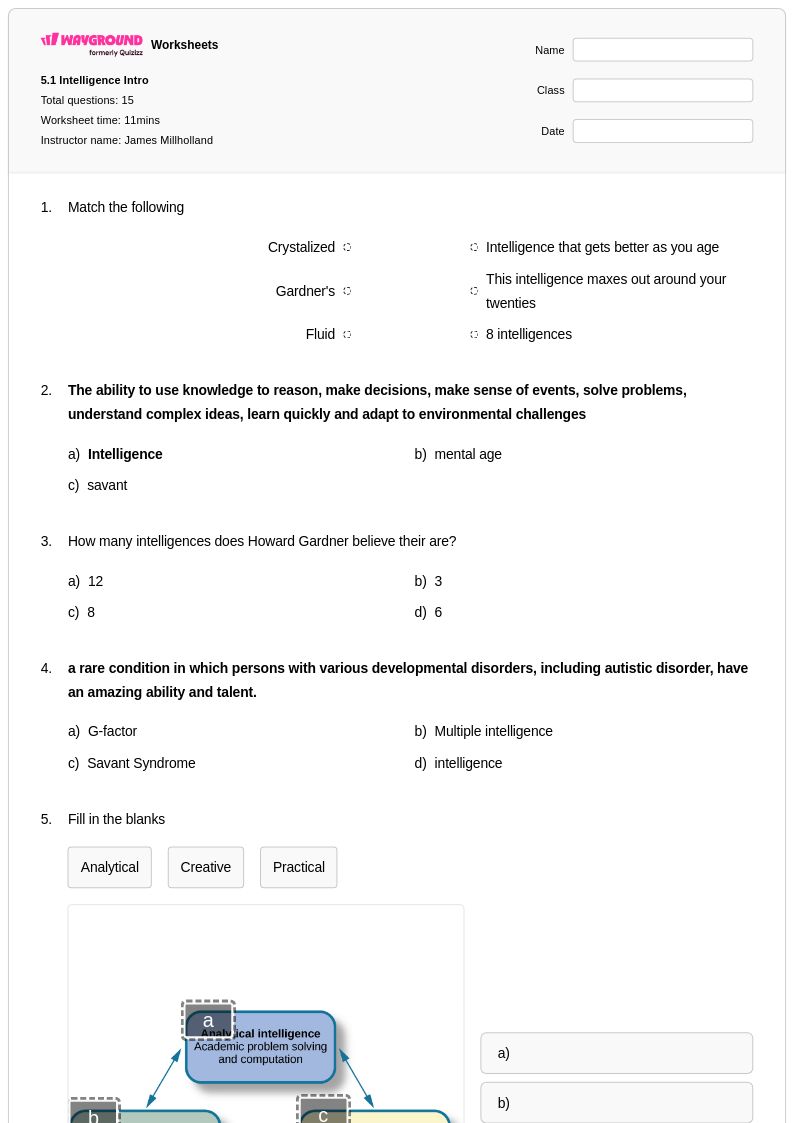
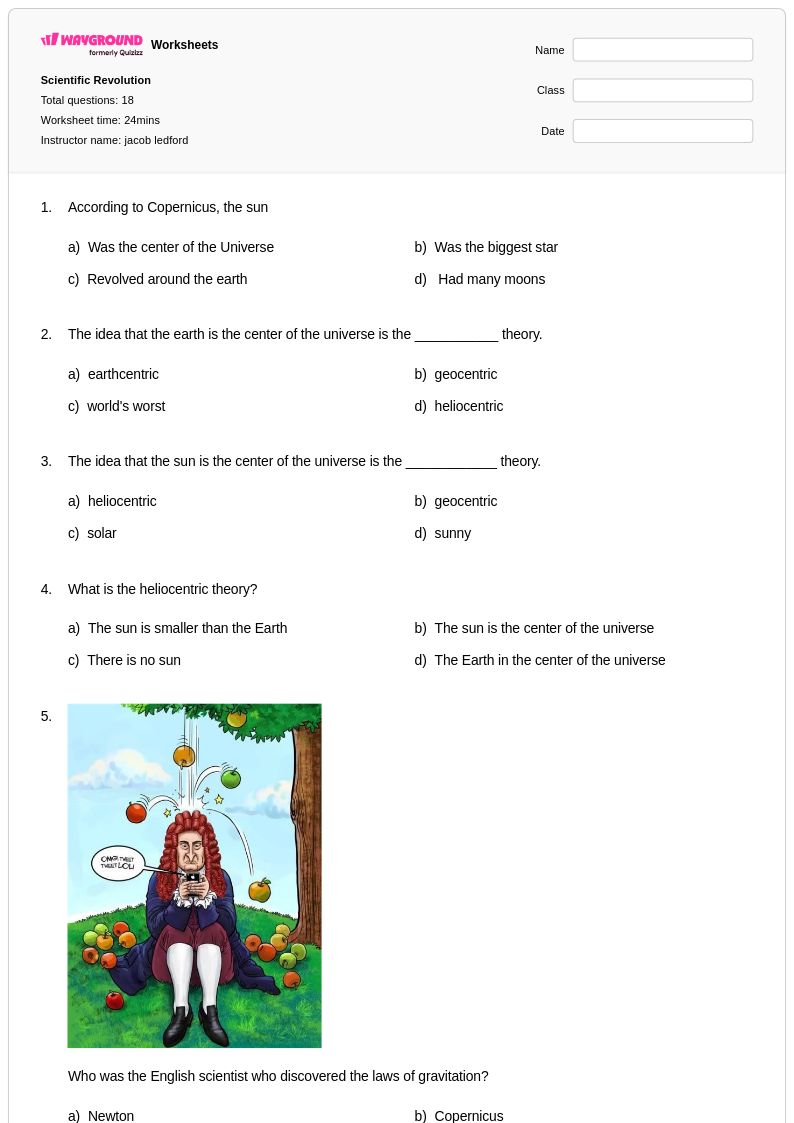
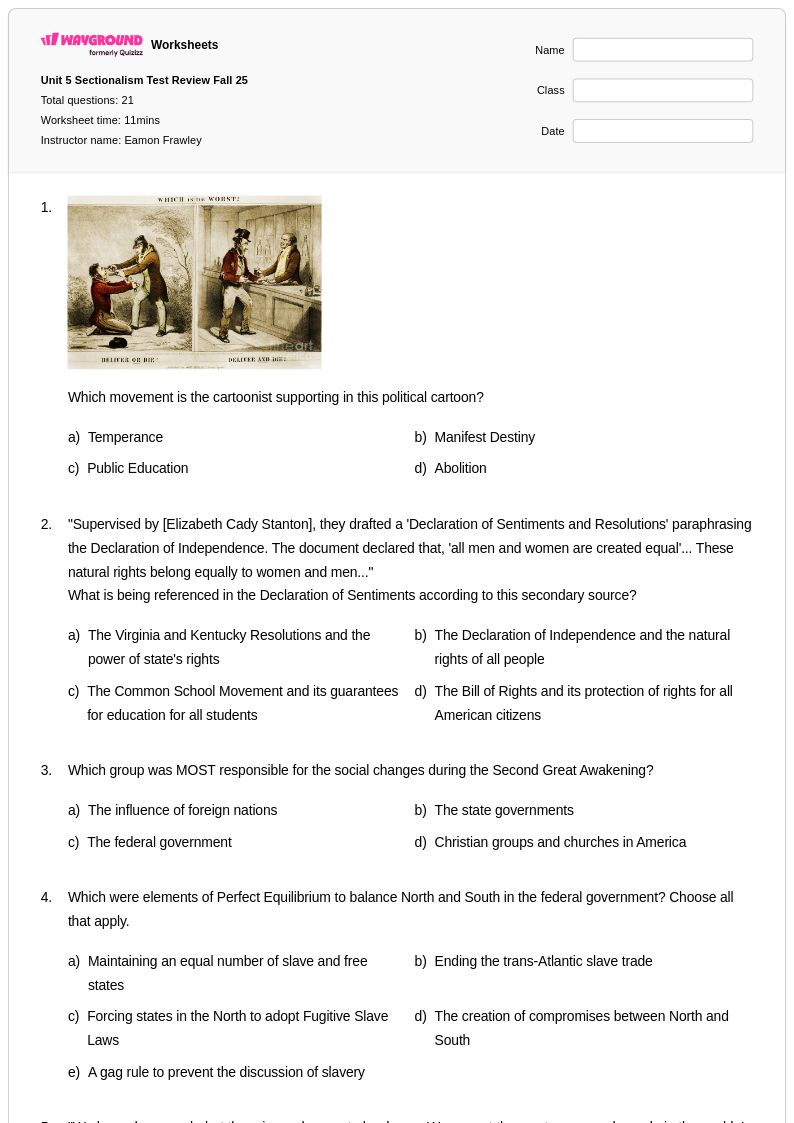
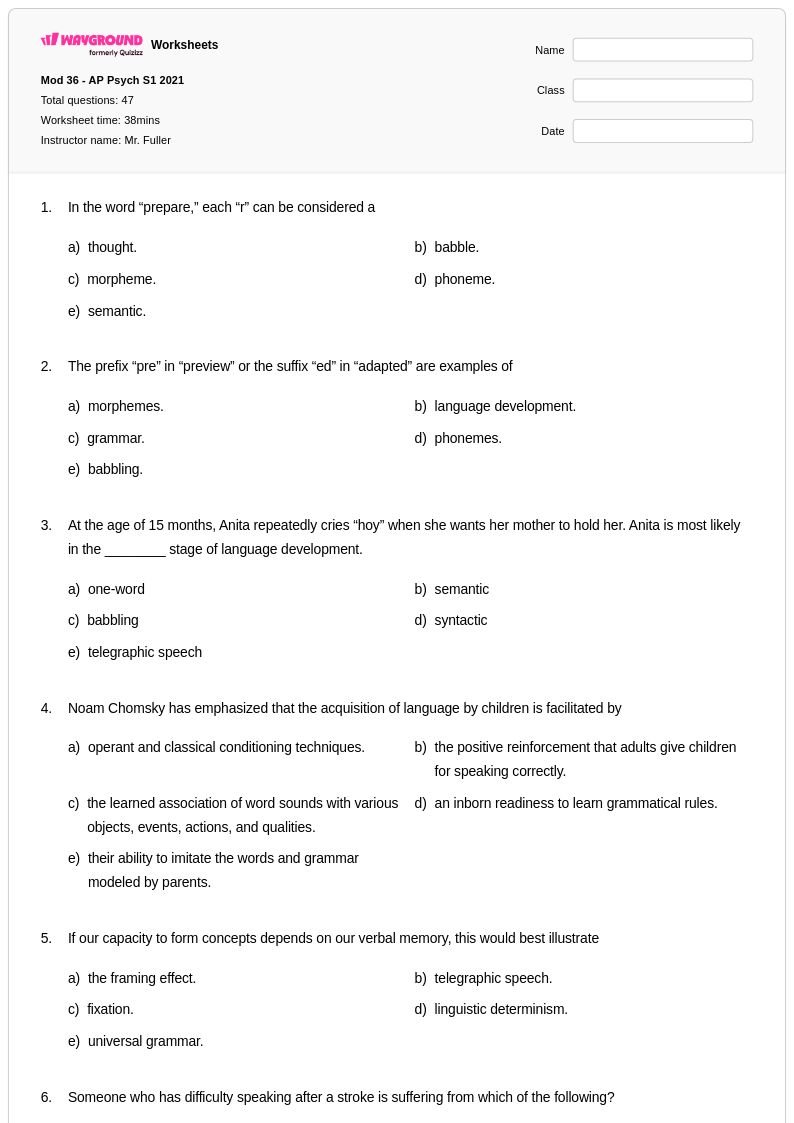
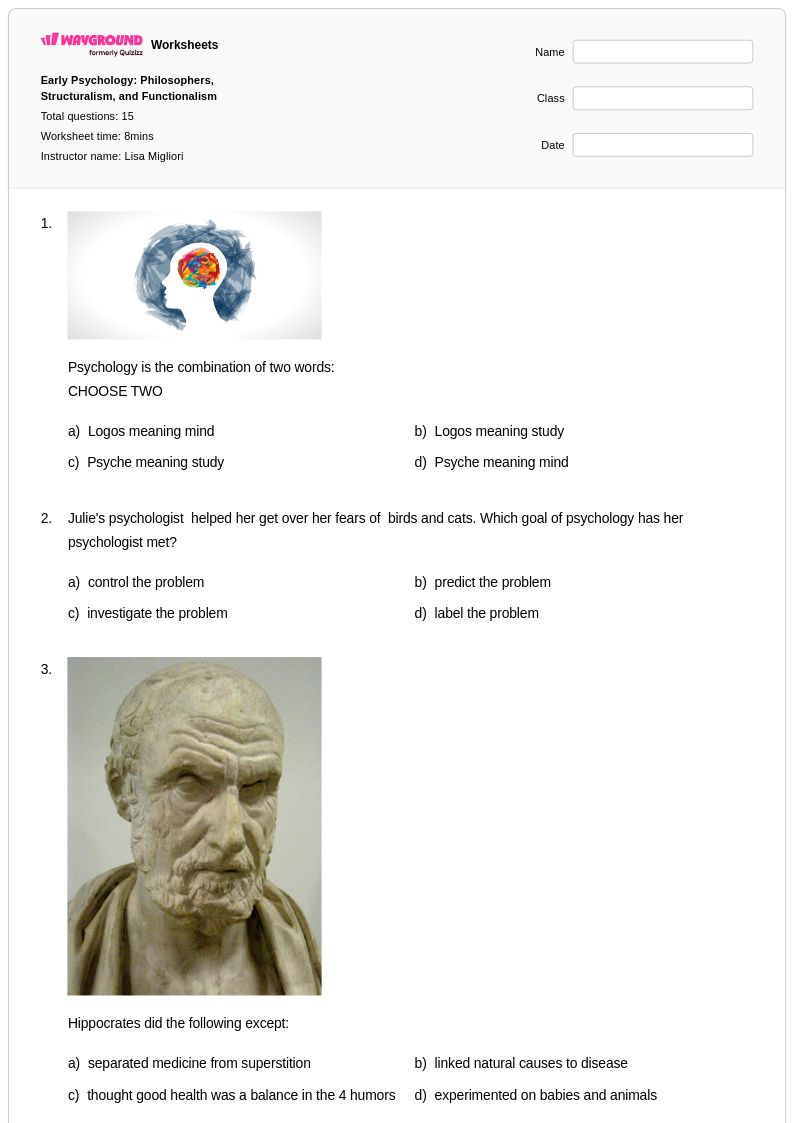
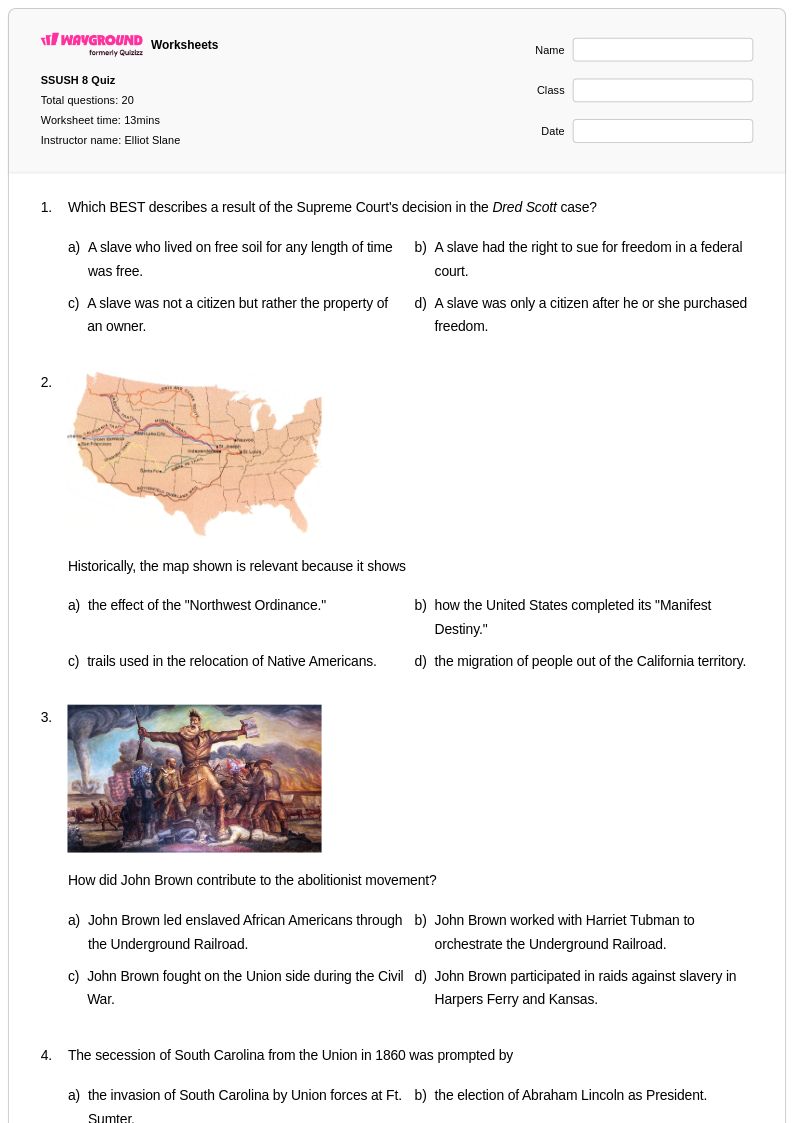
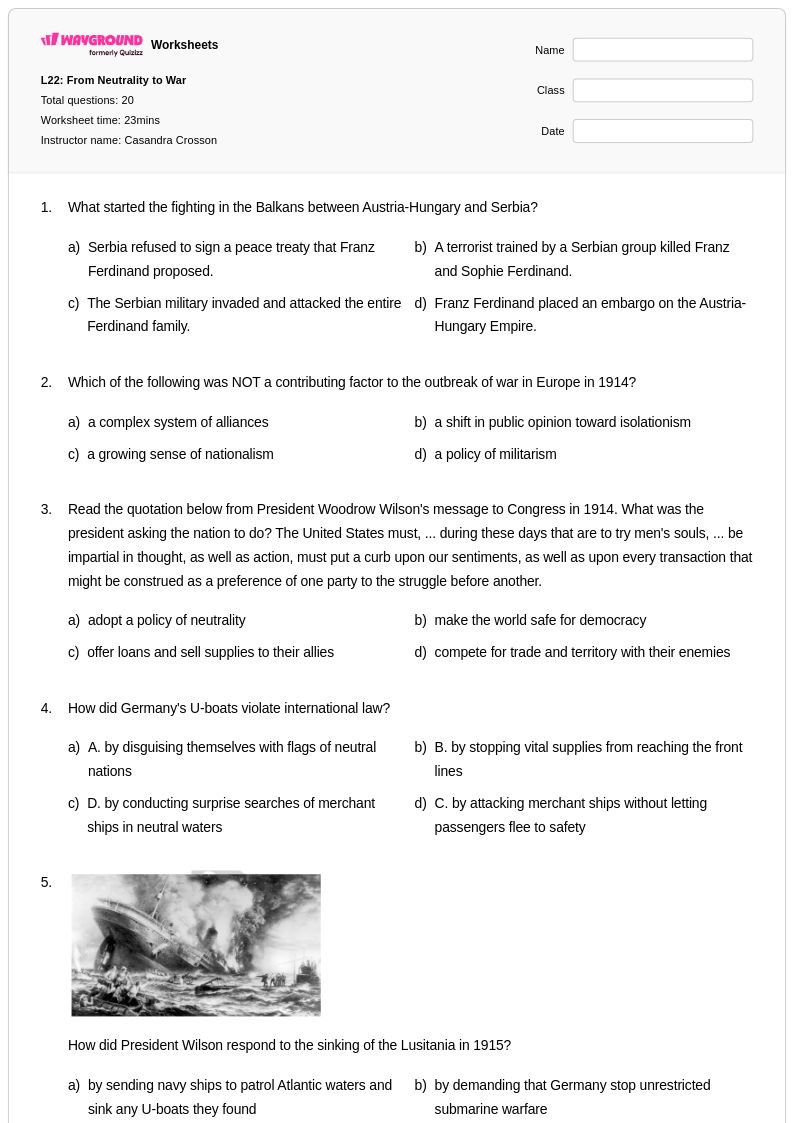
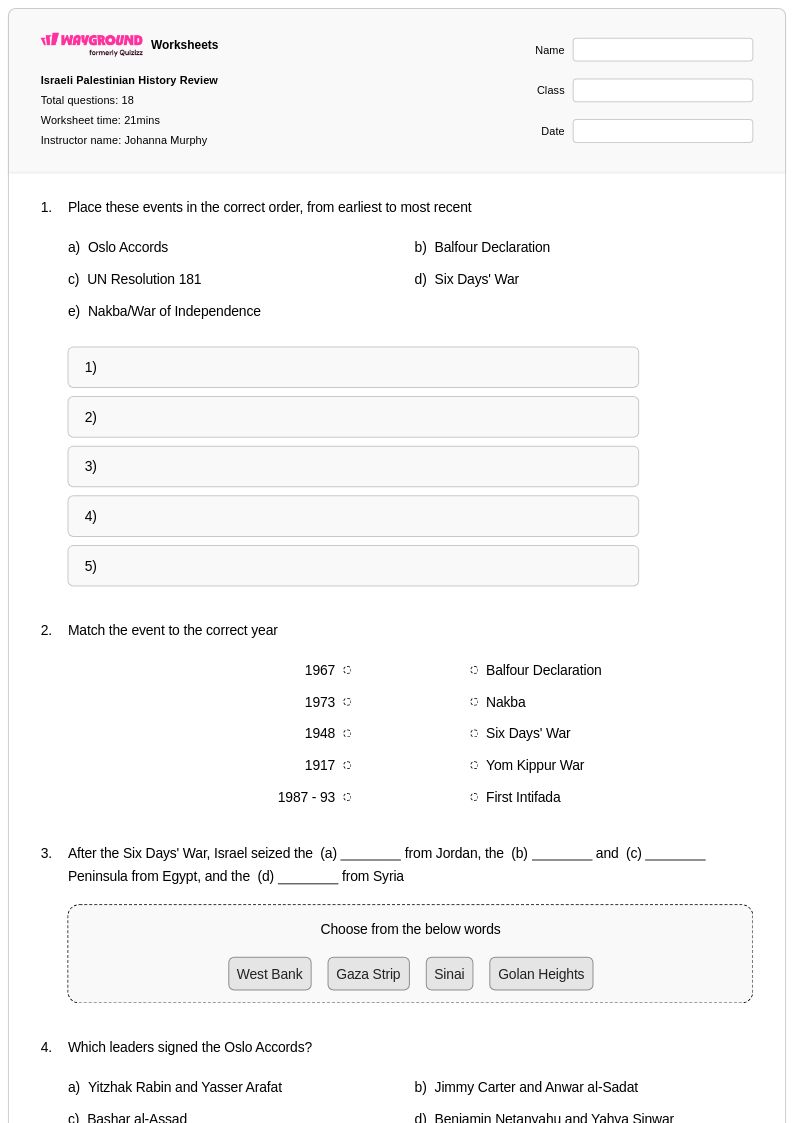
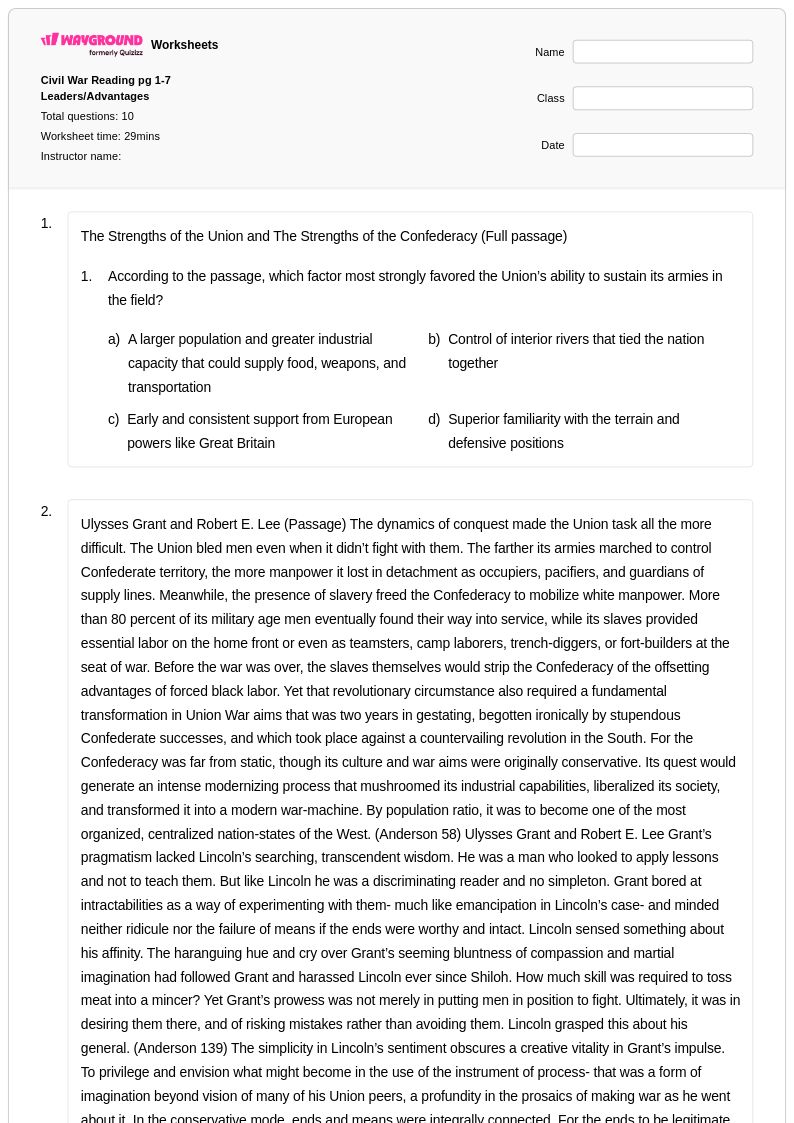
Thought stopping worksheets for Class 11 social studies through Wayground (formerly Quizizz) provide students with structured practice in developing crucial cognitive behavioral techniques that enhance emotional regulation and interpersonal effectiveness. These comprehensive resources focus on teaching adolescents how to identify negative thought patterns, implement interruption strategies, and replace harmful mental narratives with constructive alternatives. The worksheets include detailed practice problems that guide students through real-world scenarios where thought stopping techniques prove essential, from managing test anxiety to navigating peer conflicts. Each printable resource comes with a complete answer key, allowing students to self-assess their understanding of when and how to apply these mental health strategies effectively. The free pdf materials progress systematically through the fundamentals of cognitive awareness, teaching students to recognize automatic thoughts, practice interruption techniques, and develop personalized coping mechanisms that support healthy social interaction.
Wayground's extensive collection of teacher-created thought stopping resources supports educators with millions of expertly designed materials that align with social-emotional learning standards and Class 11 developmental expectations. The platform's advanced search and filtering capabilities enable teachers to quickly locate worksheets that match specific learning objectives, whether focusing on anxiety management, conflict resolution, or general emotional regulation skills. These differentiation tools allow instructors to customize content for diverse learning needs, providing both remediation support for students struggling with emotional awareness and enrichment activities for those ready to explore advanced cognitive behavioral concepts. Available in both printable pdf format and interactive digital versions, these resources facilitate flexible lesson planning while supporting targeted skill practice that helps students develop the mental tools necessary for academic success and healthy relationships throughout their junior year and beyond.
FAQs
How do I teach thought stopping techniques to students?
Thought stopping is best introduced through direct instruction on the connection between intrusive thoughts and emotional responses, followed by guided practice with real-world scenarios. Start by helping students identify their personal triggers and unhelpful thought patterns before introducing interruption strategies such as visualization, positive self-talk, and mindfulness. Gradually release responsibility so students can apply these techniques independently when faced with anxiety, worry, or self-defeating thoughts.
What exercises help students practice thought stopping?
Effective practice exercises walk students through structured cognitive behavioral steps: identifying a triggering situation, recognizing the intrusive thought, applying an interruption strategy, and replacing the thought with a constructive alternative. Scenario-based worksheets are particularly useful because they ground abstract techniques in relatable contexts, allowing students to rehearse the process before they need it in real life. Repeated practice with varied scenarios builds the cognitive flexibility students need to apply thought stopping across different emotional situations.
What common mistakes do students make when learning thought stopping?
A frequent misconception is that thought stopping means permanently eliminating a negative thought, when in reality the goal is to interrupt the thought cycle and redirect mental focus. Students often struggle to identify their triggers accurately, labeling the emotion rather than the specific thought pattern that precedes it. Another common error is skipping the replacement step, which means they interrupt the negative thought but leave a mental vacuum rather than filling it with positive self-talk or a constructive redirect.
How can I differentiate thought stopping instruction for students with different needs?
For students who struggle with reading-heavy materials, Wayground's Read Aloud feature can audio-read questions and scenarios so the focus stays on the social-emotional skill rather than decoding. Students who experience cognitive overload can benefit from the Reduced Answer Choices setting, which narrows the number of options displayed and lowers the decision-making burden during practice. Extended time accommodations can also be applied individually, giving anxious or processing-delayed students the space they need to reflect on each scenario without time pressure.
How do I use Wayground's thought stopping worksheets in my classroom?
Wayground's thought stopping worksheets are available as printable PDFs for traditional classroom use and in digital formats for technology-integrated learning environments, making them flexible across instructional settings. Digital versions can be hosted as a quiz directly on Wayground, enabling teachers to track student responses and assess understanding in real time. Each worksheet includes a complete answer key, so educators can provide targeted feedback on students' grasp of interruption strategies and emotional regulation steps.
How does thought stopping connect to broader social-emotional learning goals?
Thought stopping instruction directly supports several core SEL competencies, including self-awareness, emotional regulation, and cognitive flexibility. When students learn to recognize and interrupt unhelpful thought cycles, they build the foundational mental habits that underpin responsible decision-making and stress management. This makes thought stopping a practical entry point into broader social-emotional curricula rather than a standalone skill.