
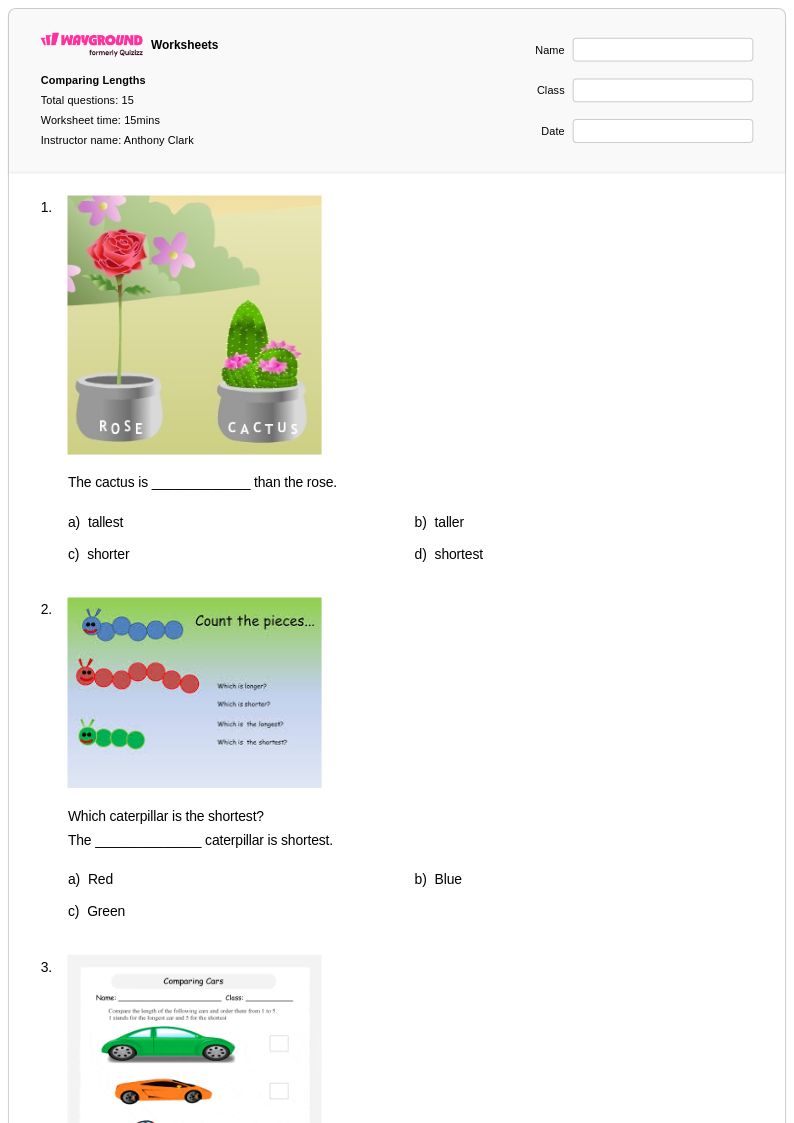
15 Q
1st - Uni
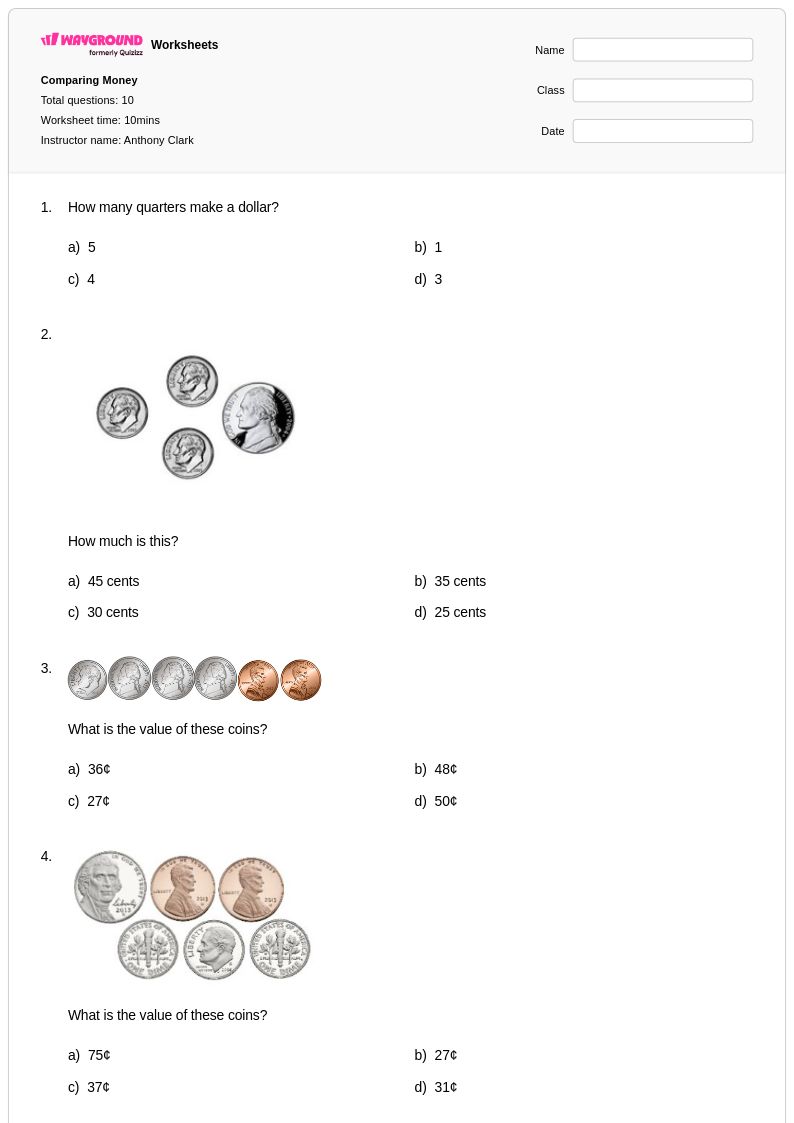
10 Q
2nd - Uni
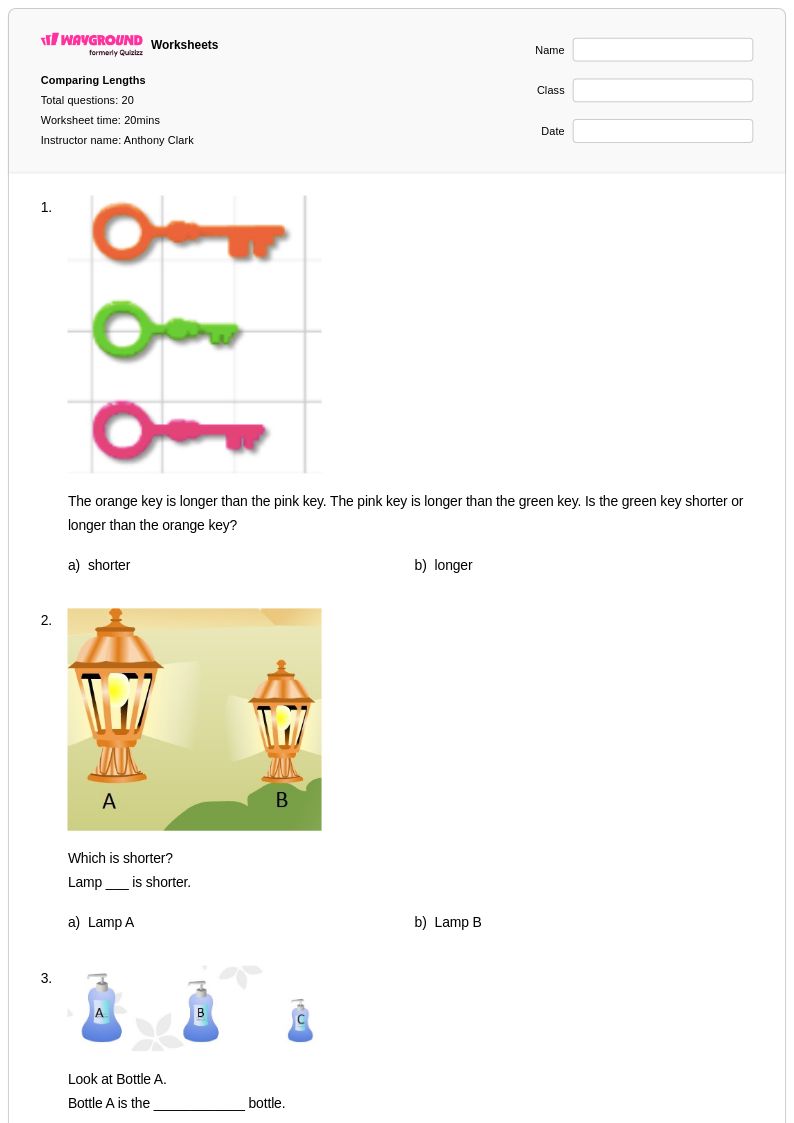
20 Q
1st - Uni
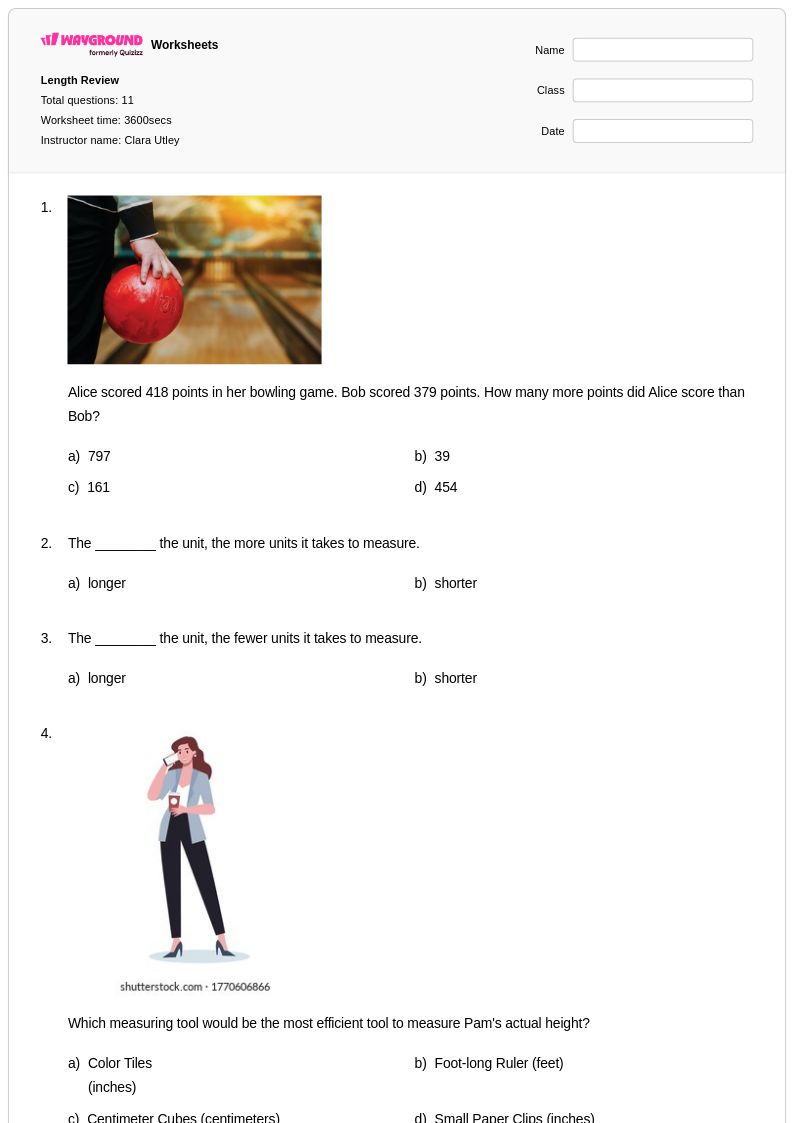
11 Q
2nd
8 Q
2nd
20 Q
1st - Uni
15 Q
1st - 3rd
10 Q
2nd
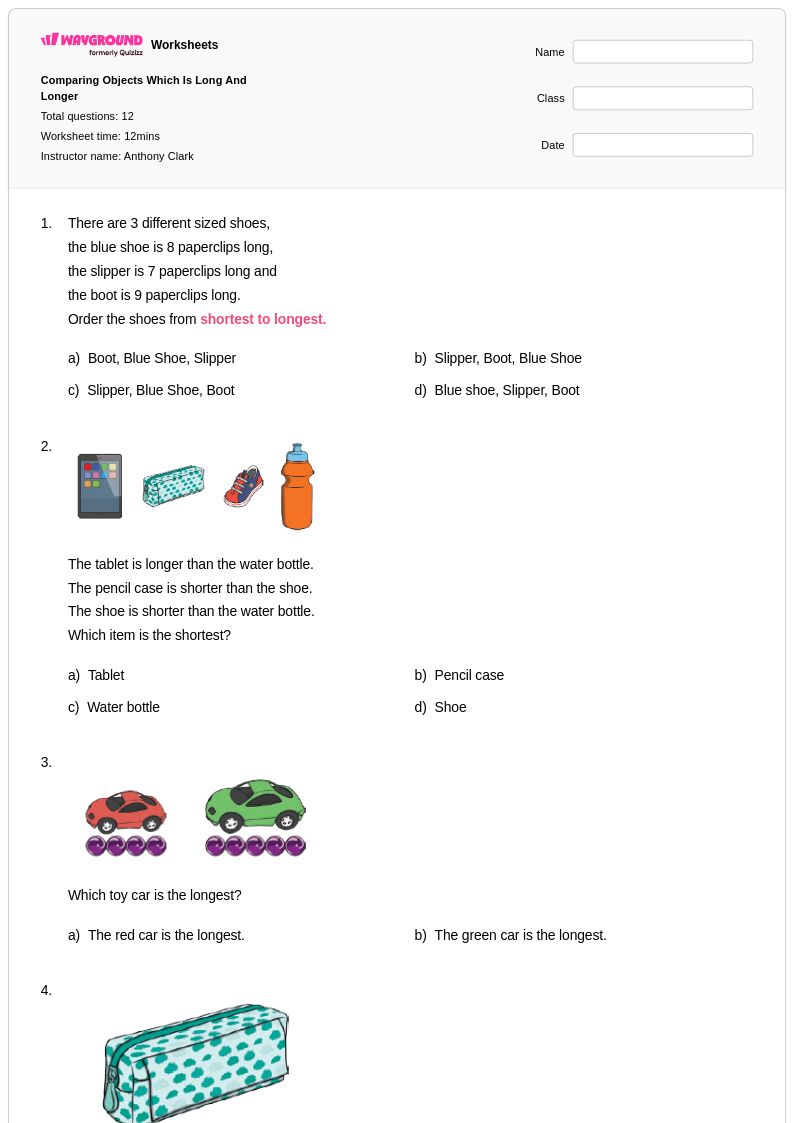
12 Q
1st - Uni
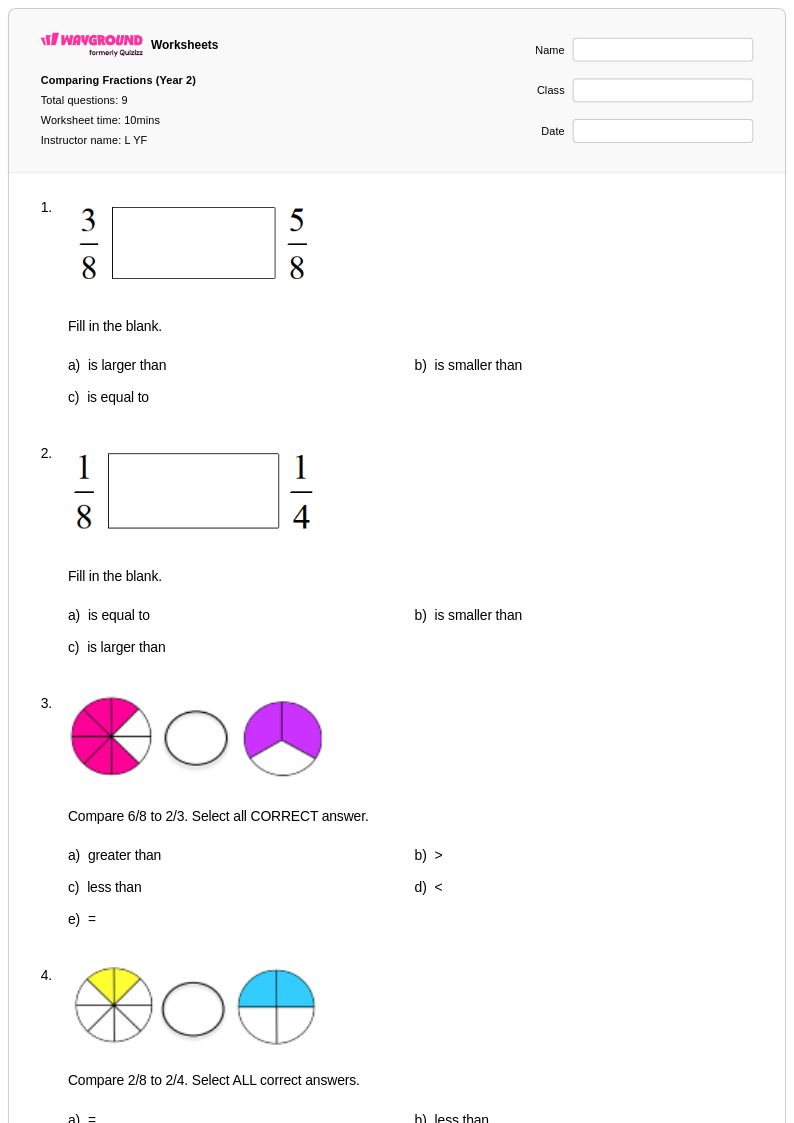
9 Q
2nd
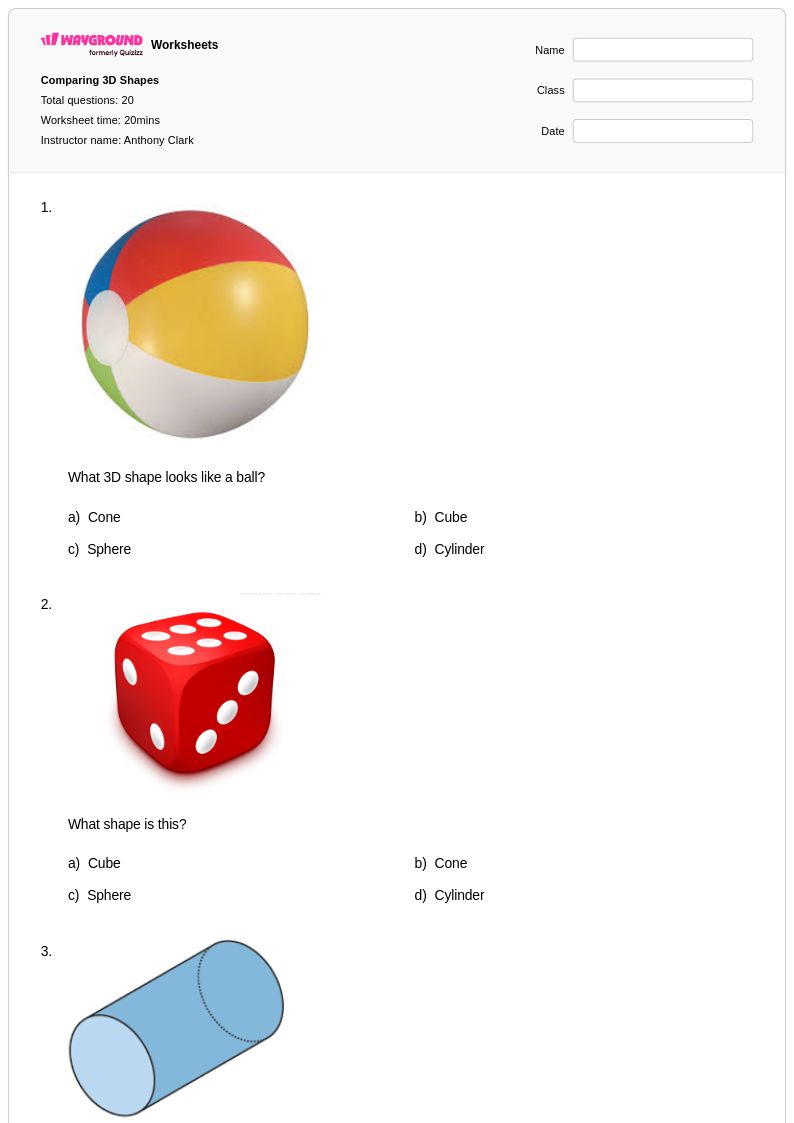
20 Q
1st - Uni
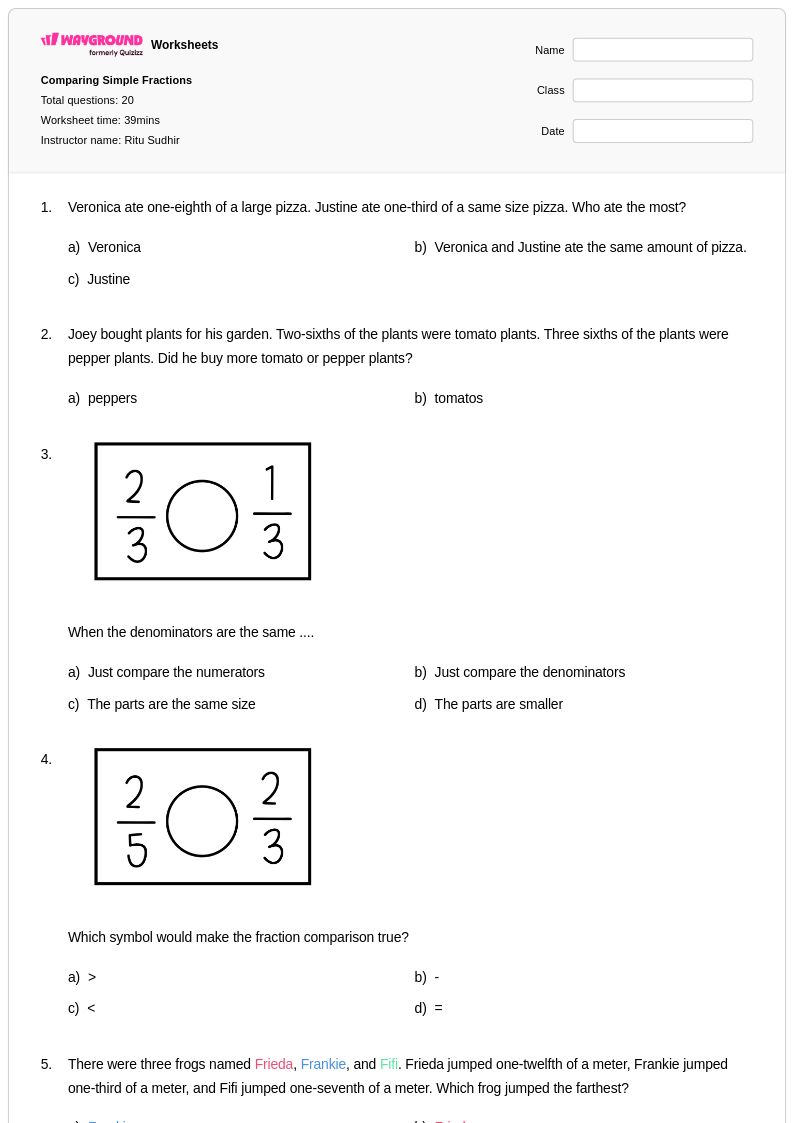
20 Q
2nd - 5th
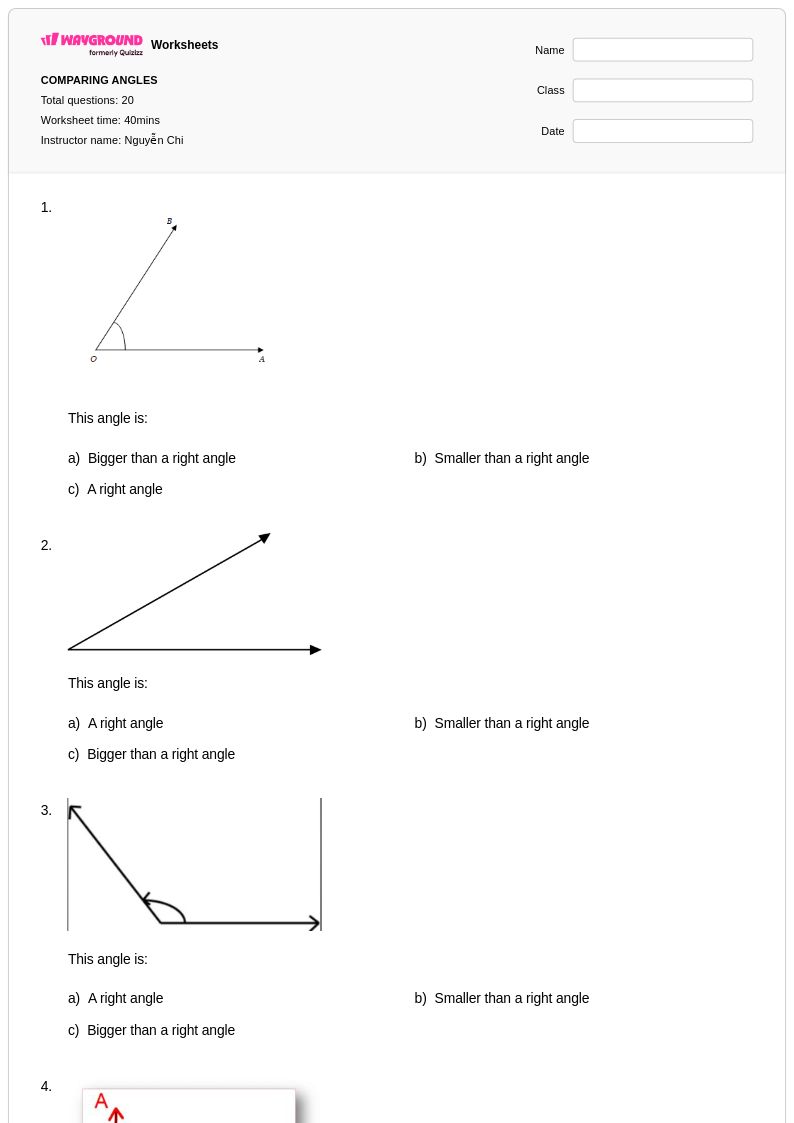
20 Q
1st - 3rd
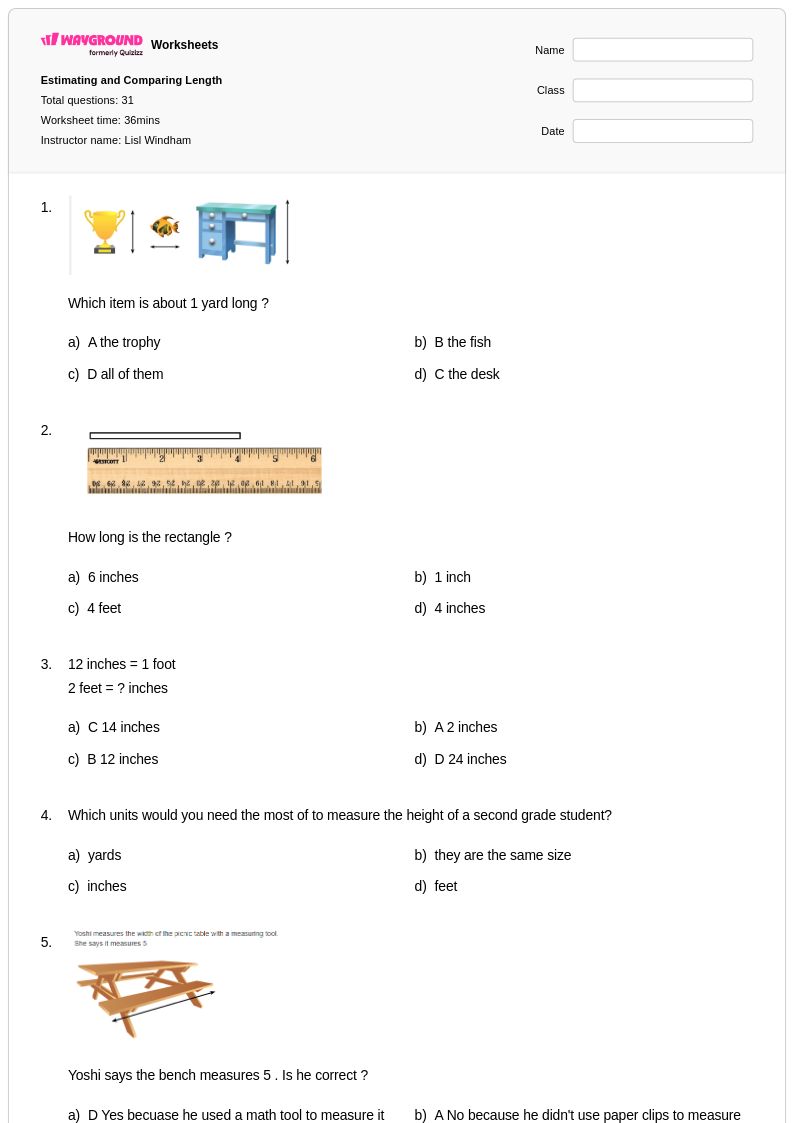
31 Q
2nd
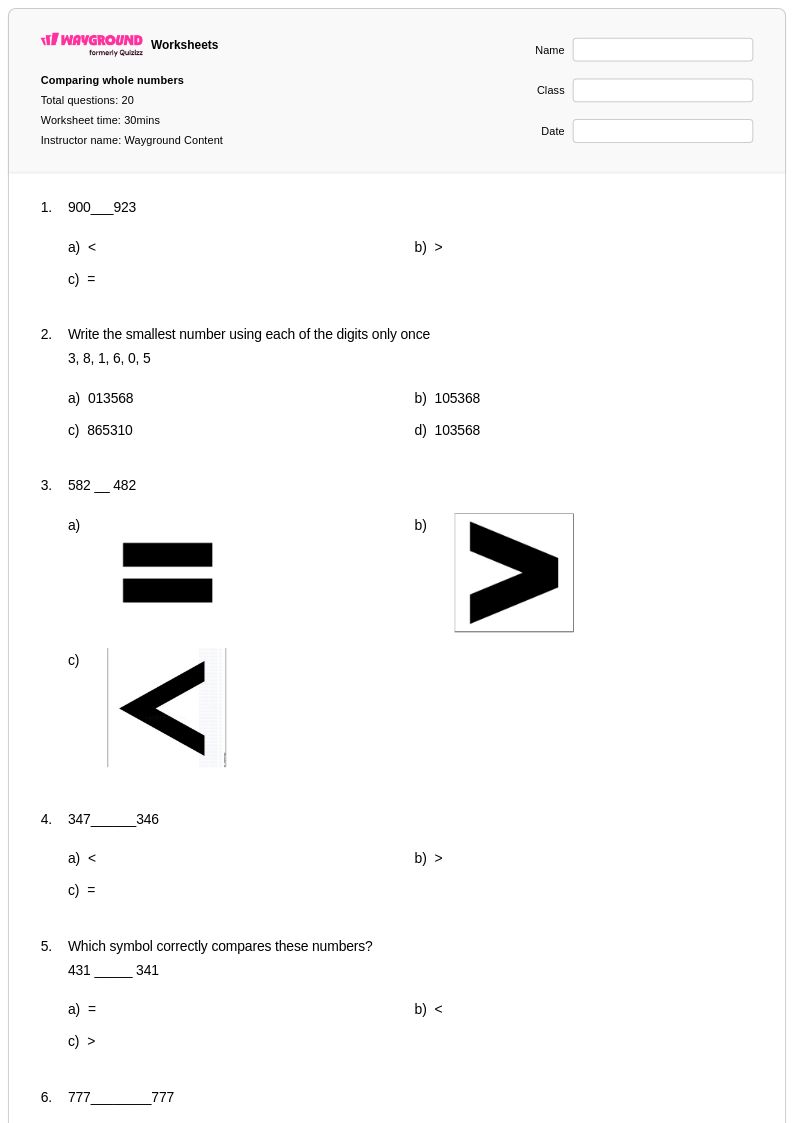
20 Q
2nd
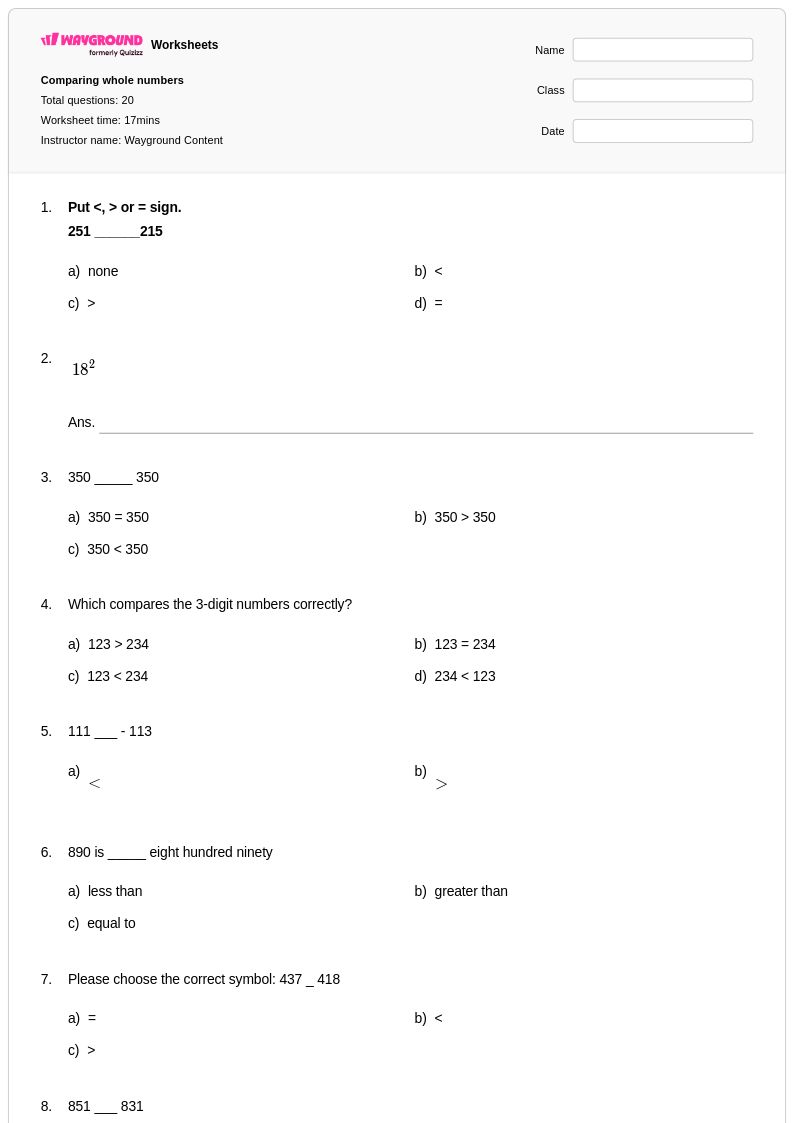
20 Q
2nd
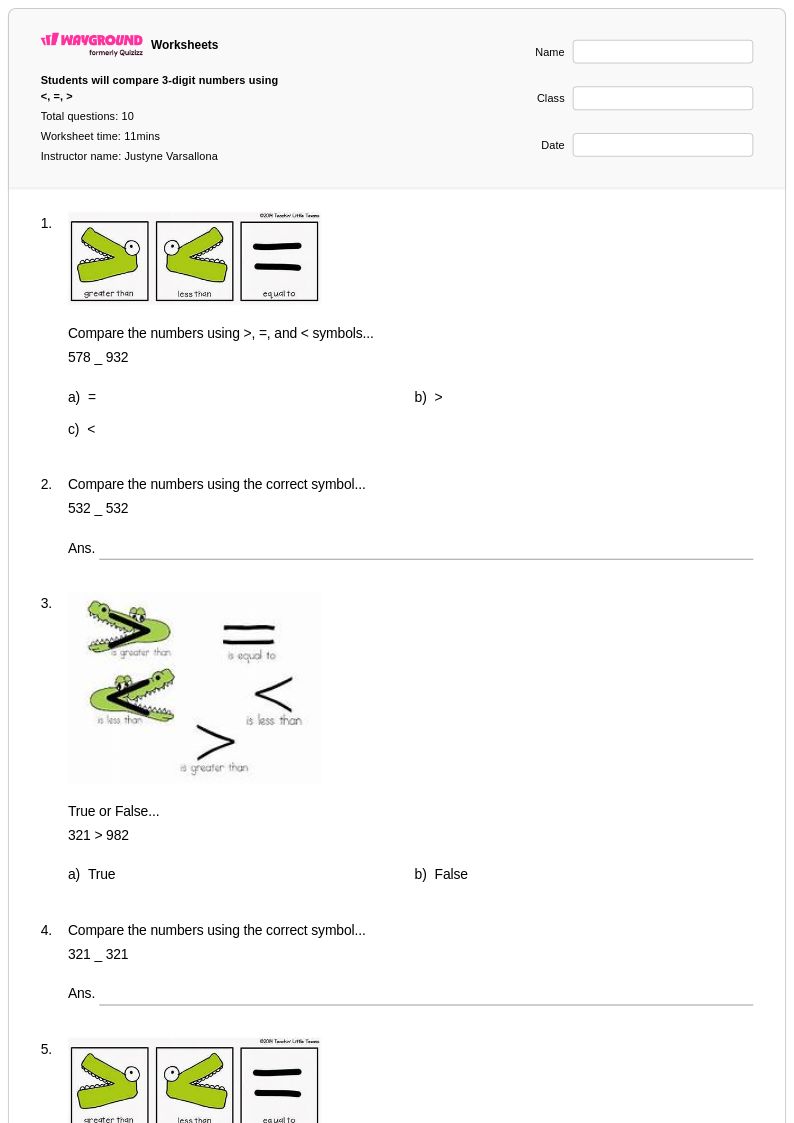
10 Q
2nd
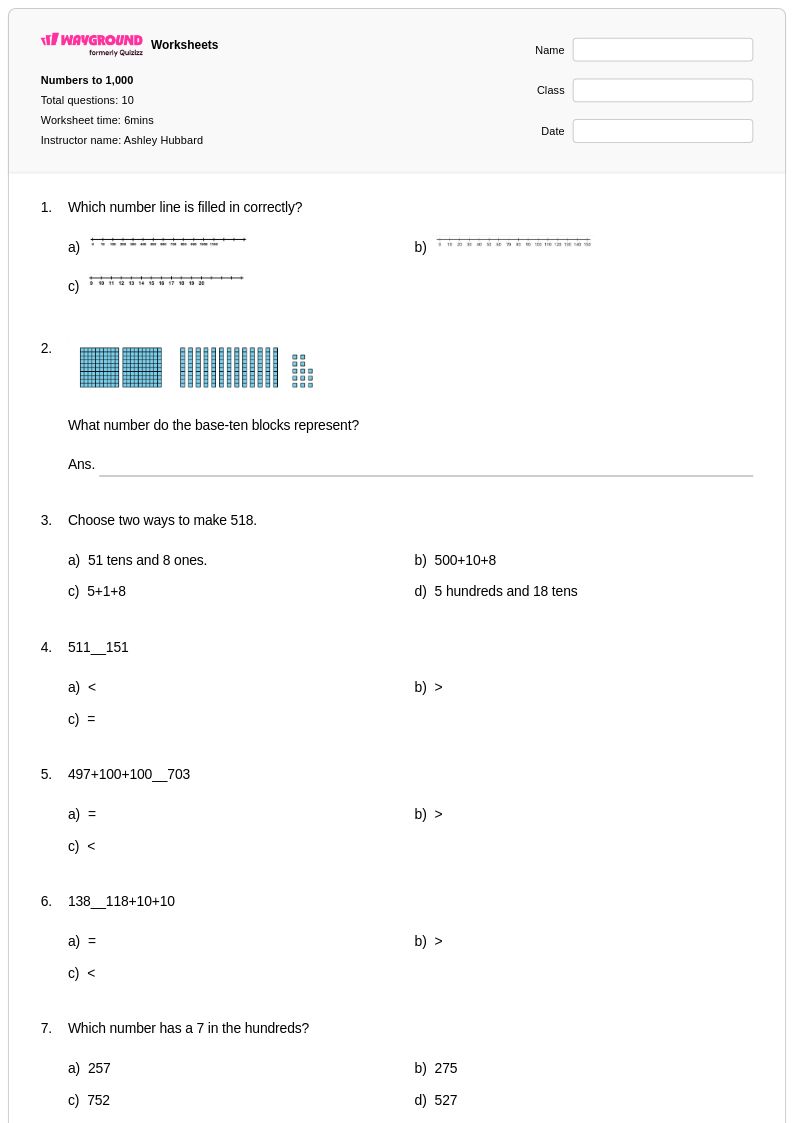
10 Q
2nd
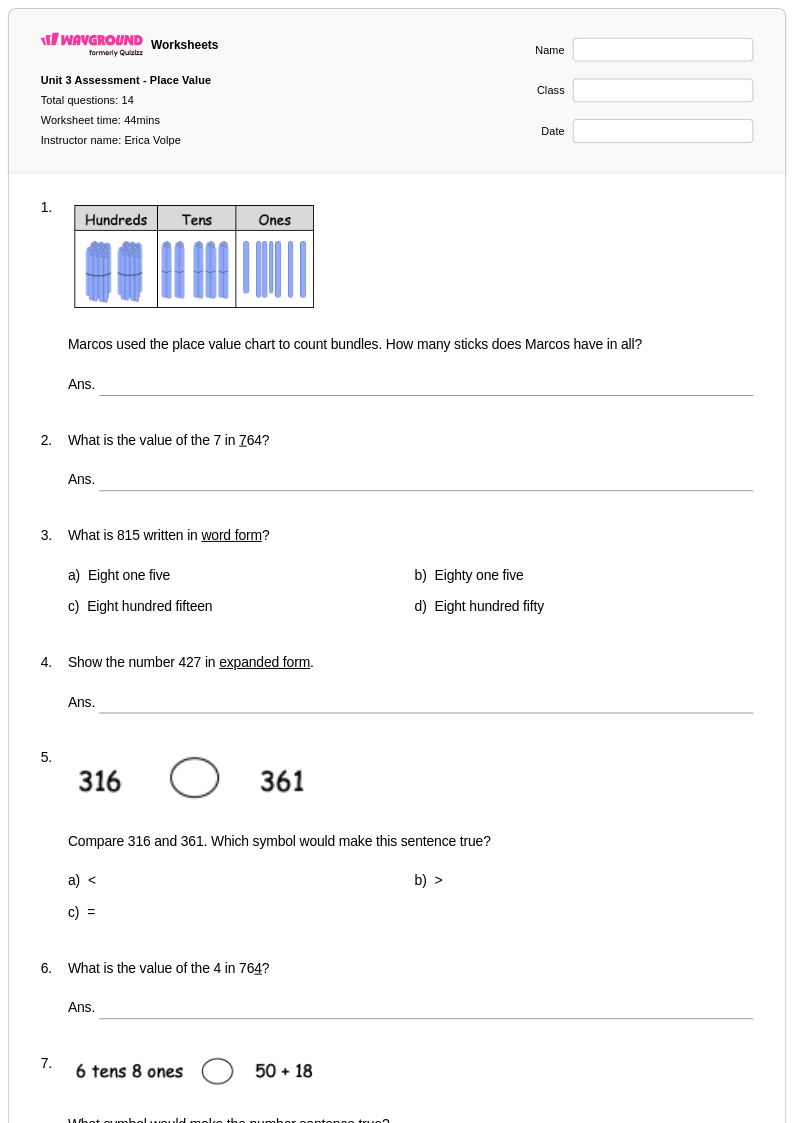
14 Q
2nd
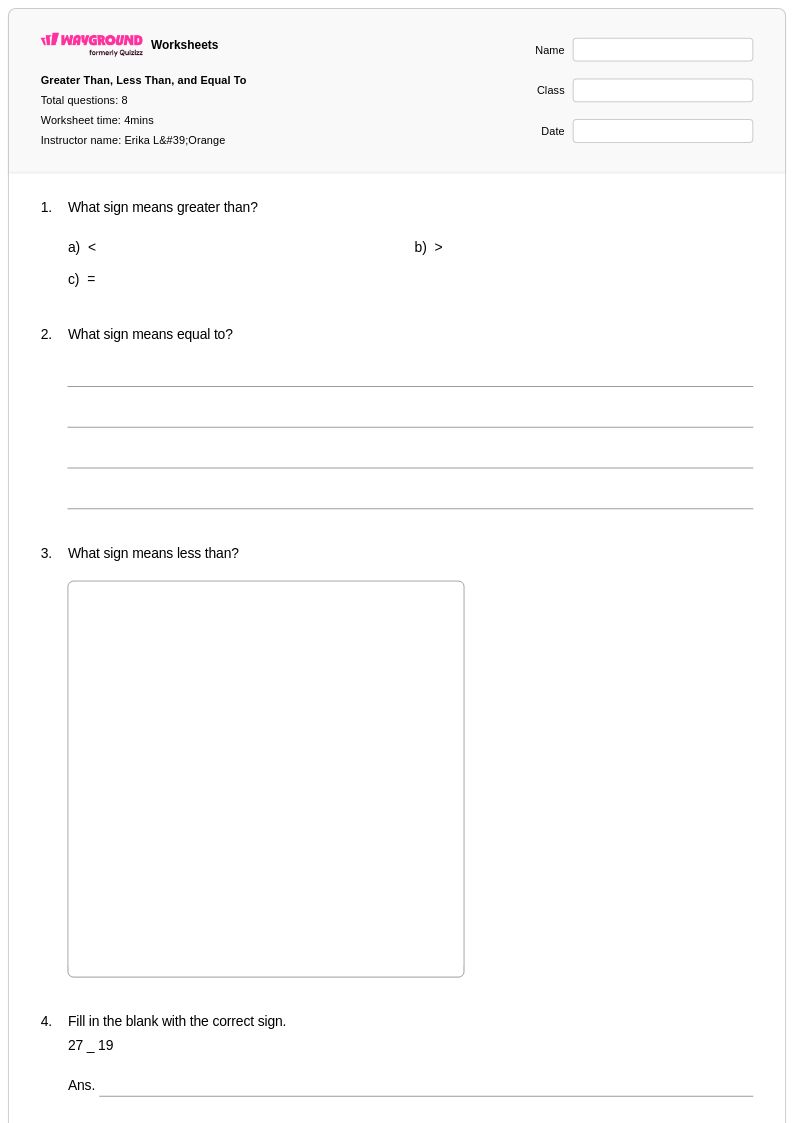
8 Q
1st - 3rd
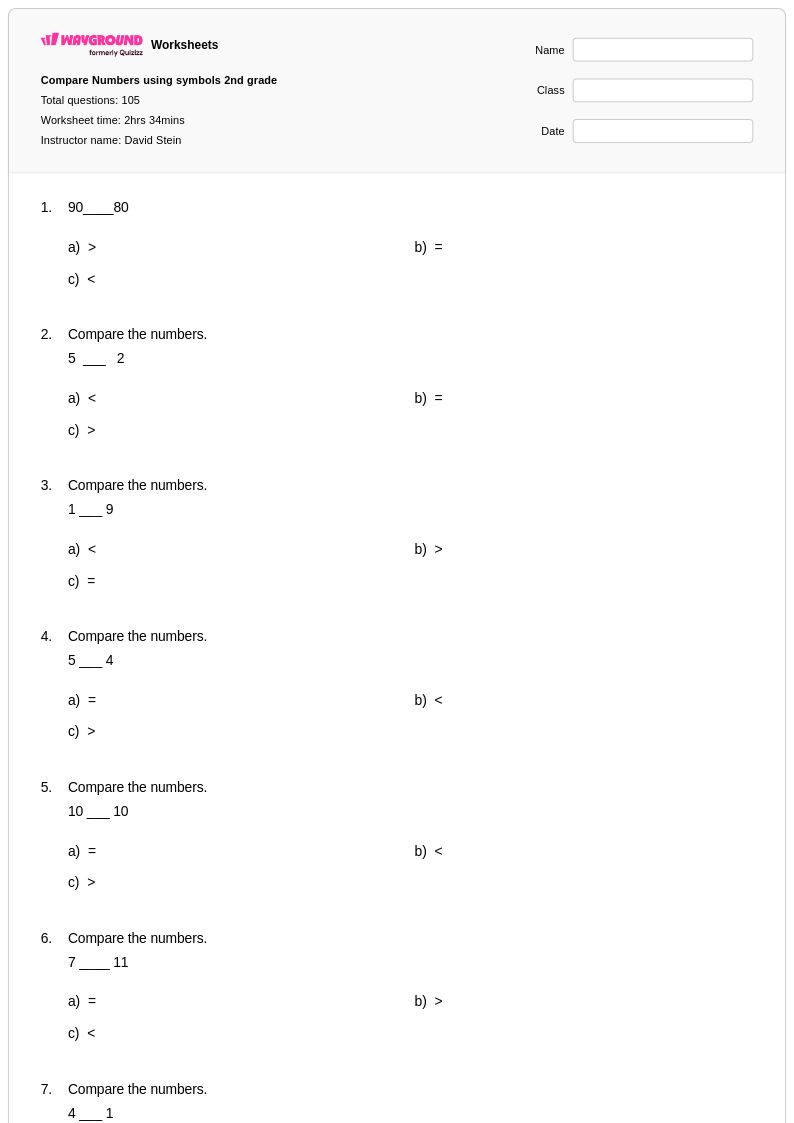
105 Q
2nd
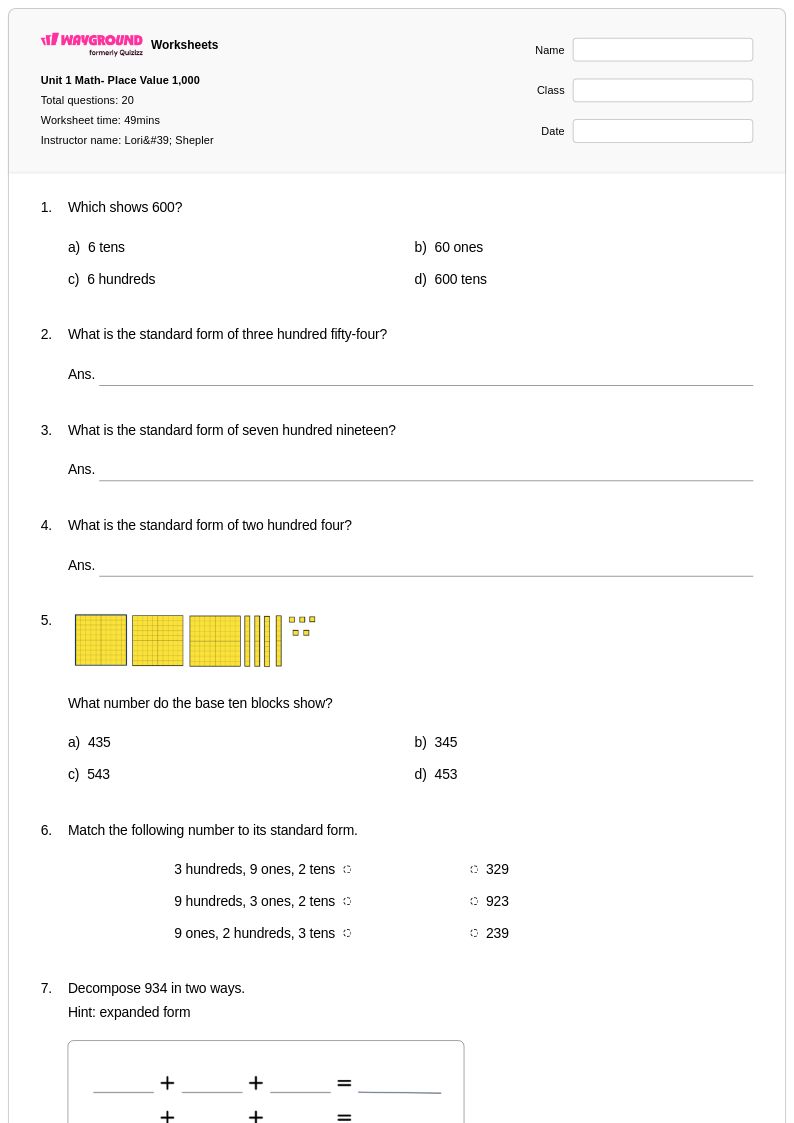
20 Q
2nd
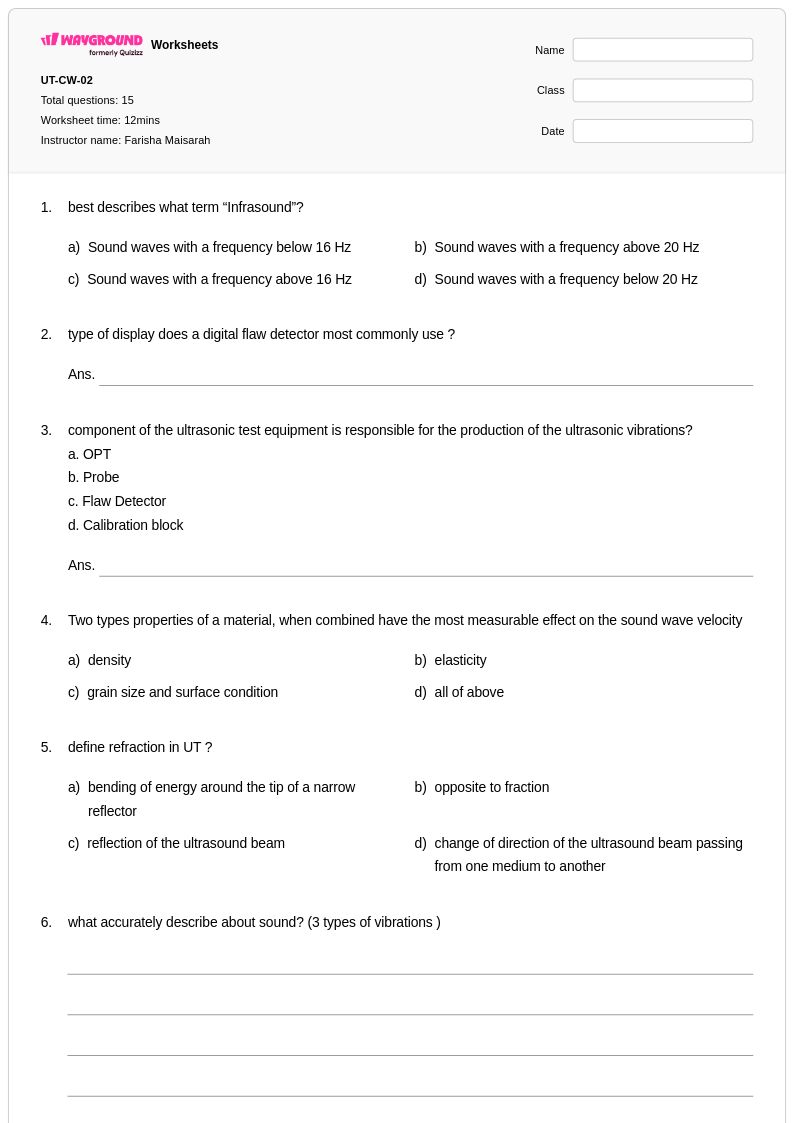
15 Q
2nd
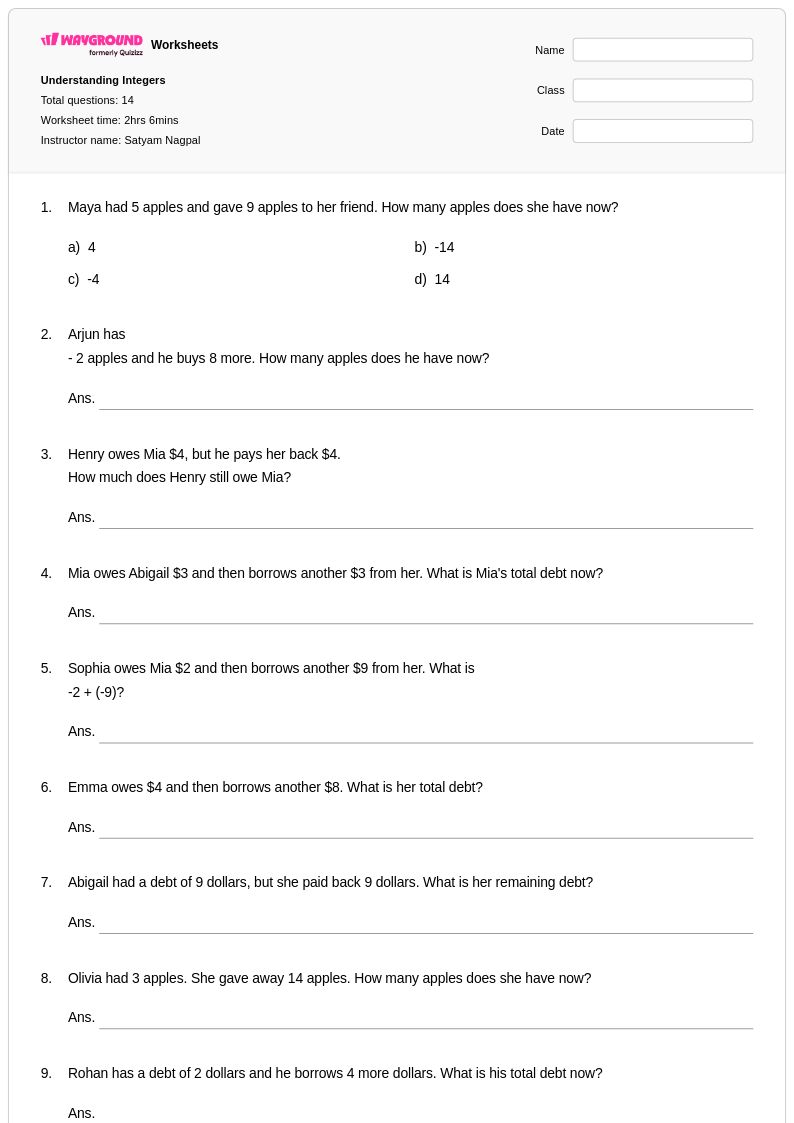
19 Q
2nd
Explore Other Subject Worksheets for class 2
Explore printable Comparing Size worksheets for Class 2
Comparing size worksheets for Class 2 students available through Wayground (formerly Quizizz) provide essential foundational practice in developing spatial reasoning and measurement concepts. These carefully designed worksheets help young learners distinguish between objects of different dimensions, teaching them to identify which items are bigger, smaller, taller, shorter, longer, or wider through engaging visual exercises and hands-on practice problems. Students strengthen critical mathematical thinking skills as they compare everyday objects, geometric shapes, and illustrated items using both direct comparison methods and relative size concepts. Each worksheet includes a comprehensive answer key to support accurate assessment, and these free printables offer educators reliable resources for building measurement literacy in second-grade mathematics curricula.
Wayground (formerly Quizizz) empowers teachers with an extensive collection of millions of teacher-created comparing size worksheets specifically tailored for Class 2 instruction. The platform's robust search and filtering capabilities enable educators to quickly locate materials that align with specific learning standards and match their students' diverse skill levels. Teachers can seamlessly customize these differentiation tools to address individual learning needs, whether providing remediation for struggling students or enrichment activities for advanced learners. Available in both printable pdf format and interactive digital versions, these comparing size resources streamline lesson planning while offering flexible implementation options for classroom instruction, homework assignments, and targeted skill practice sessions that reinforce essential measurement comparison concepts.
FAQs
How do I teach comparing size in second grade?
What exercises help second graders practice comparing size?
What mistakes do second graders make when comparing size?
How can I use Grade 2 comparing size worksheets?
How does comparing size fit into the Common Core Grade 2 math progression?
How can I differentiate comparing size worksheets for second graders?
Is comparing size appropriate for Grade 2 math?