Free Printable Cost of Goods Sold Worksheets for Class 11
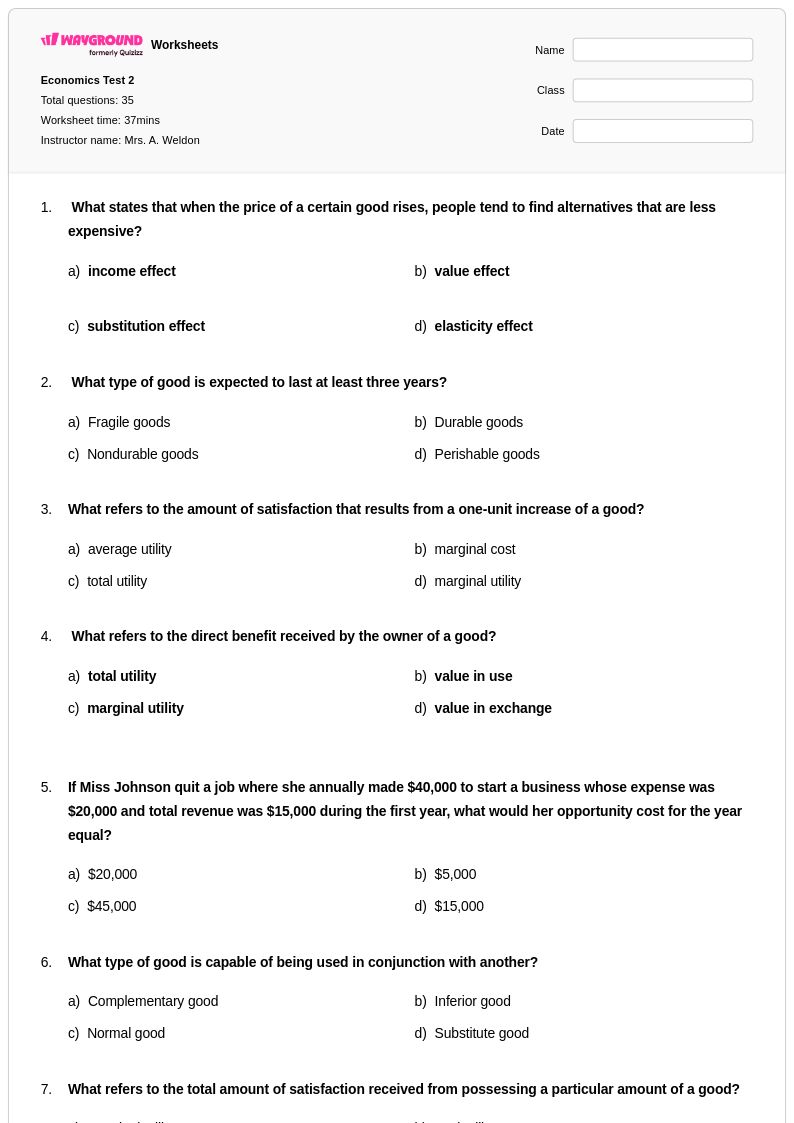
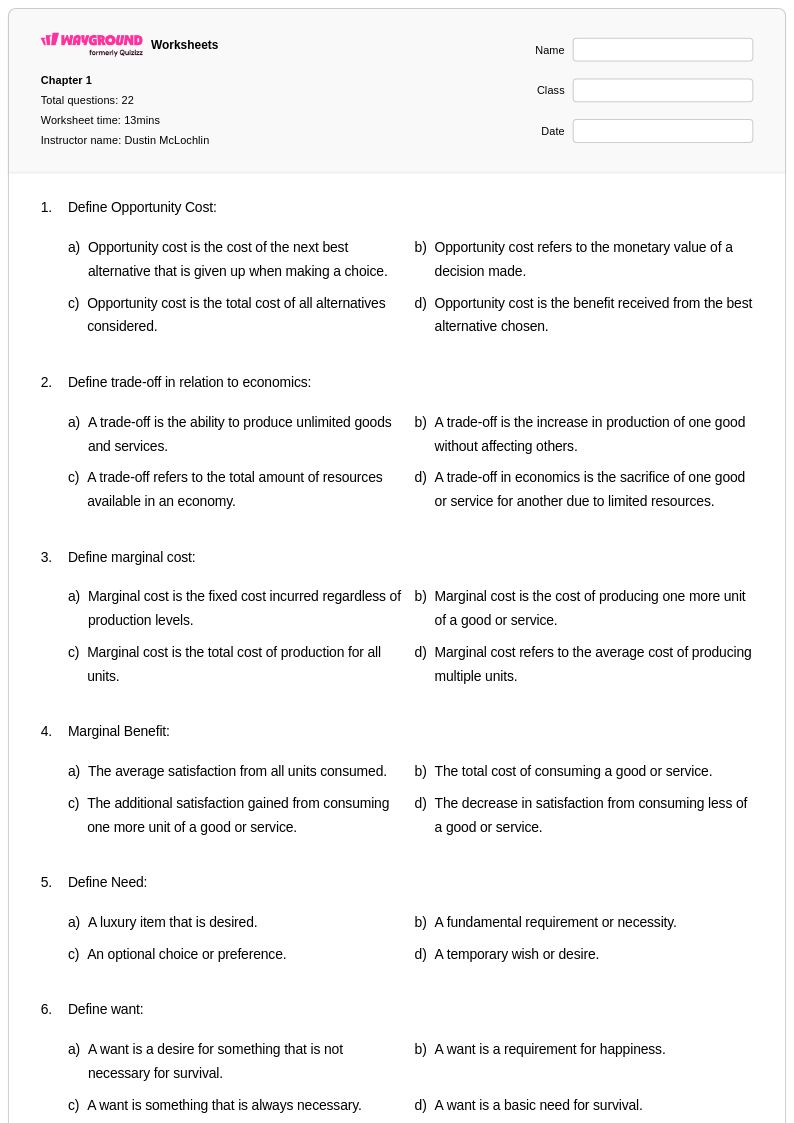
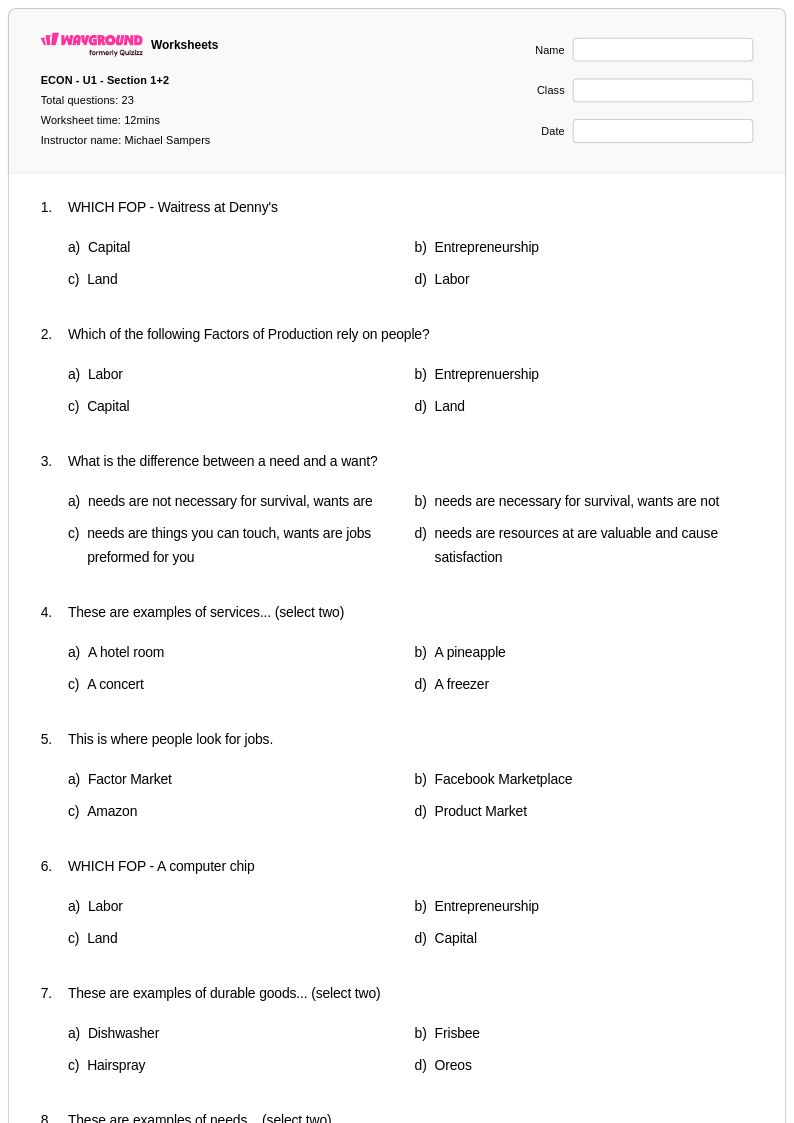
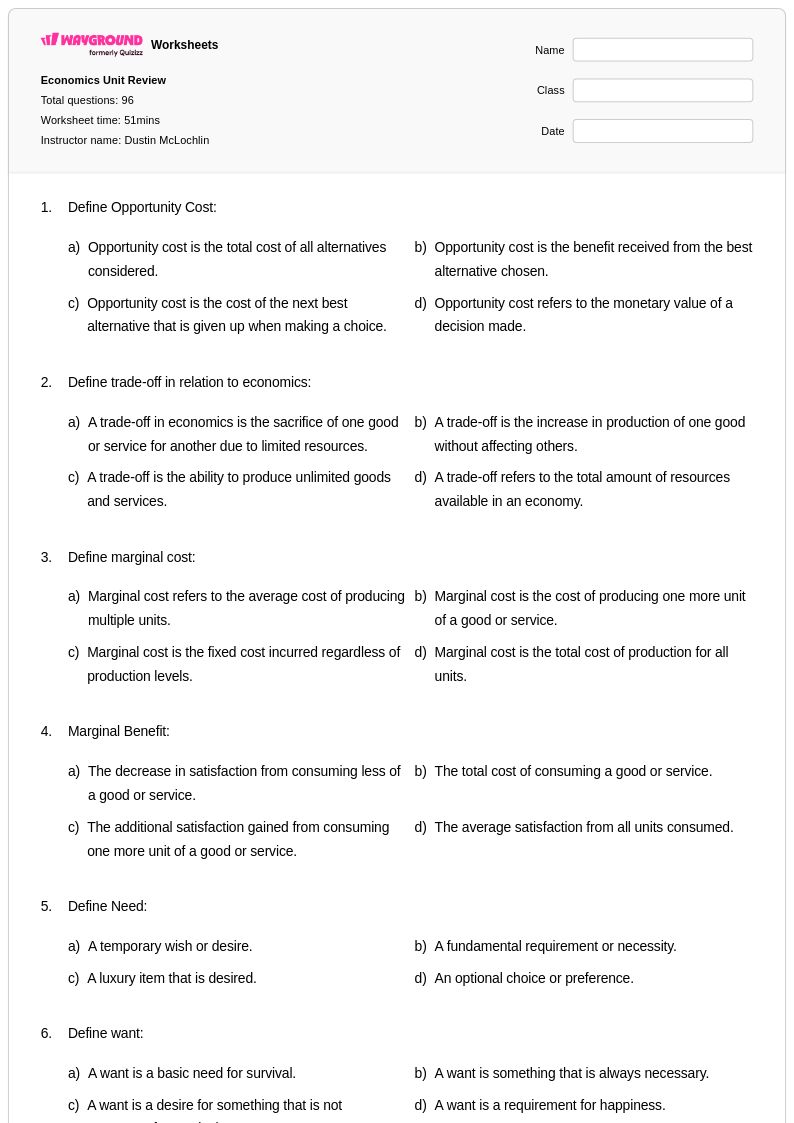
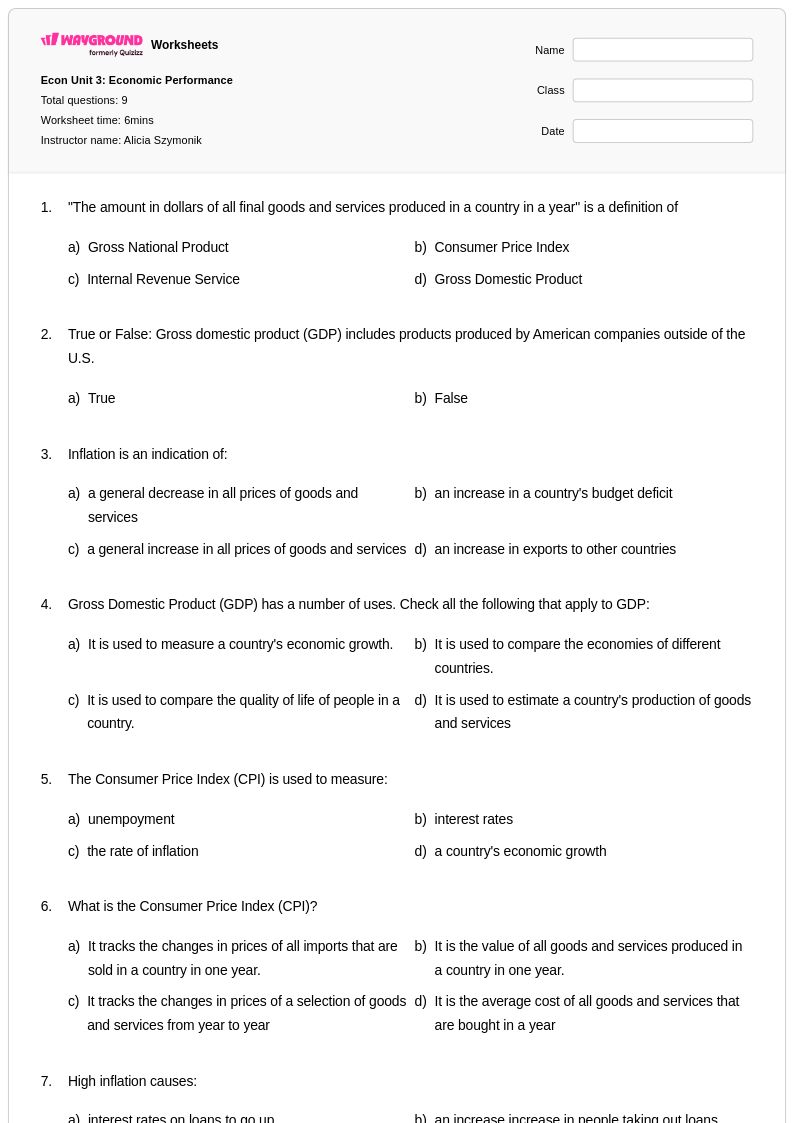
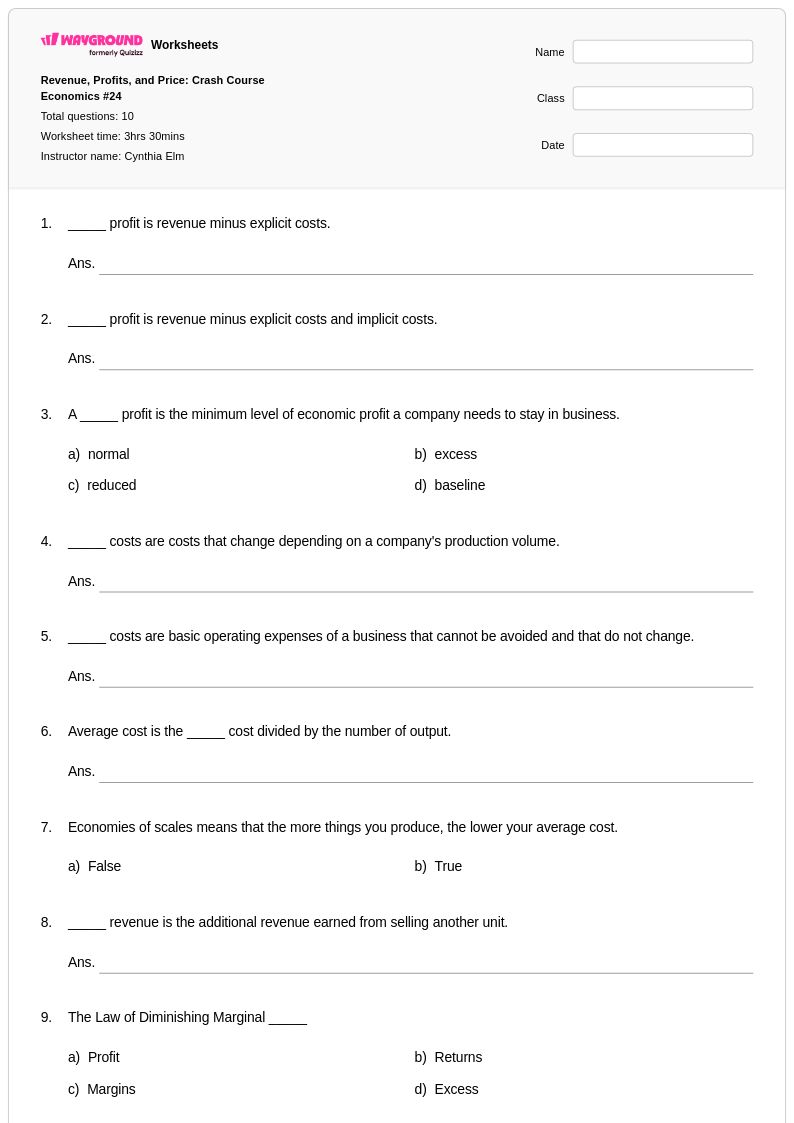
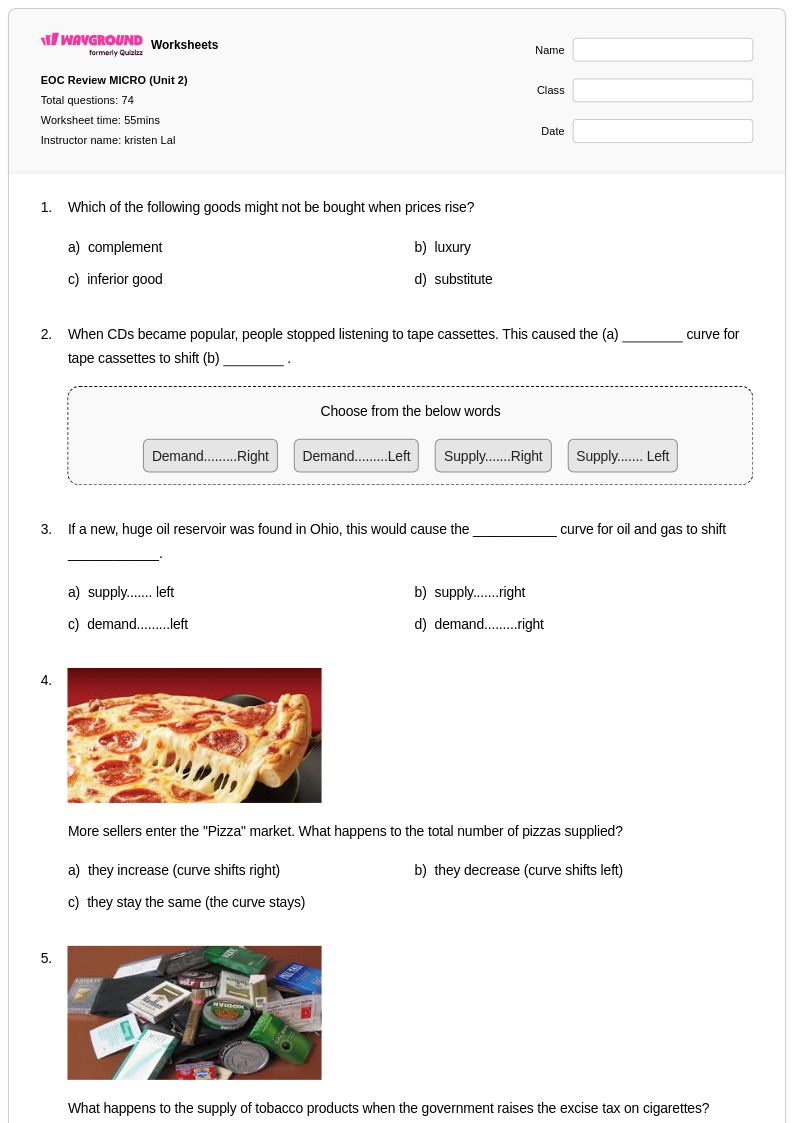
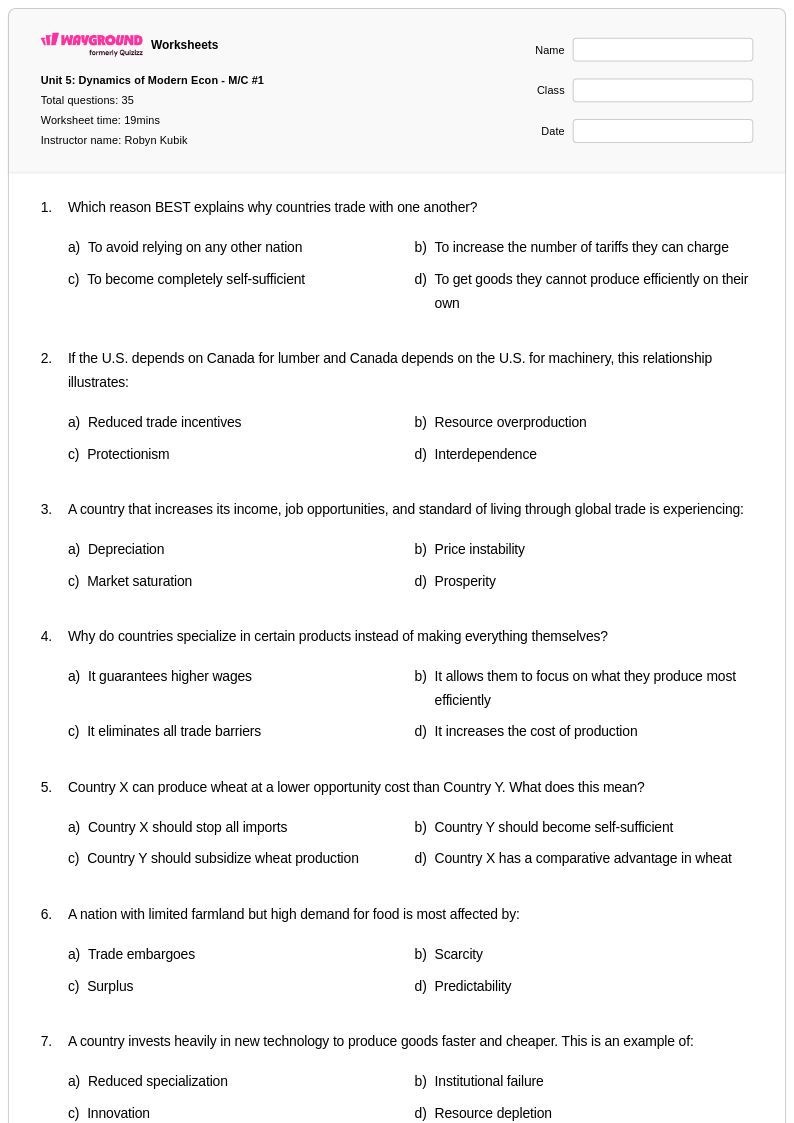
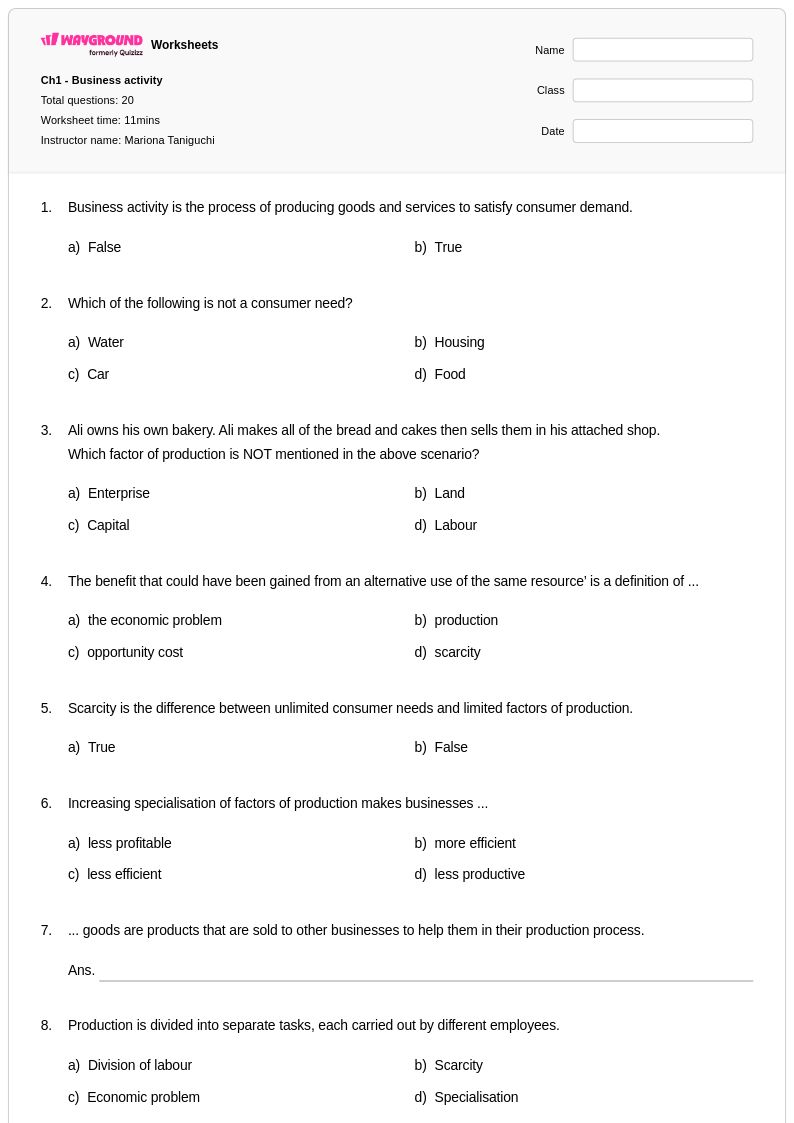
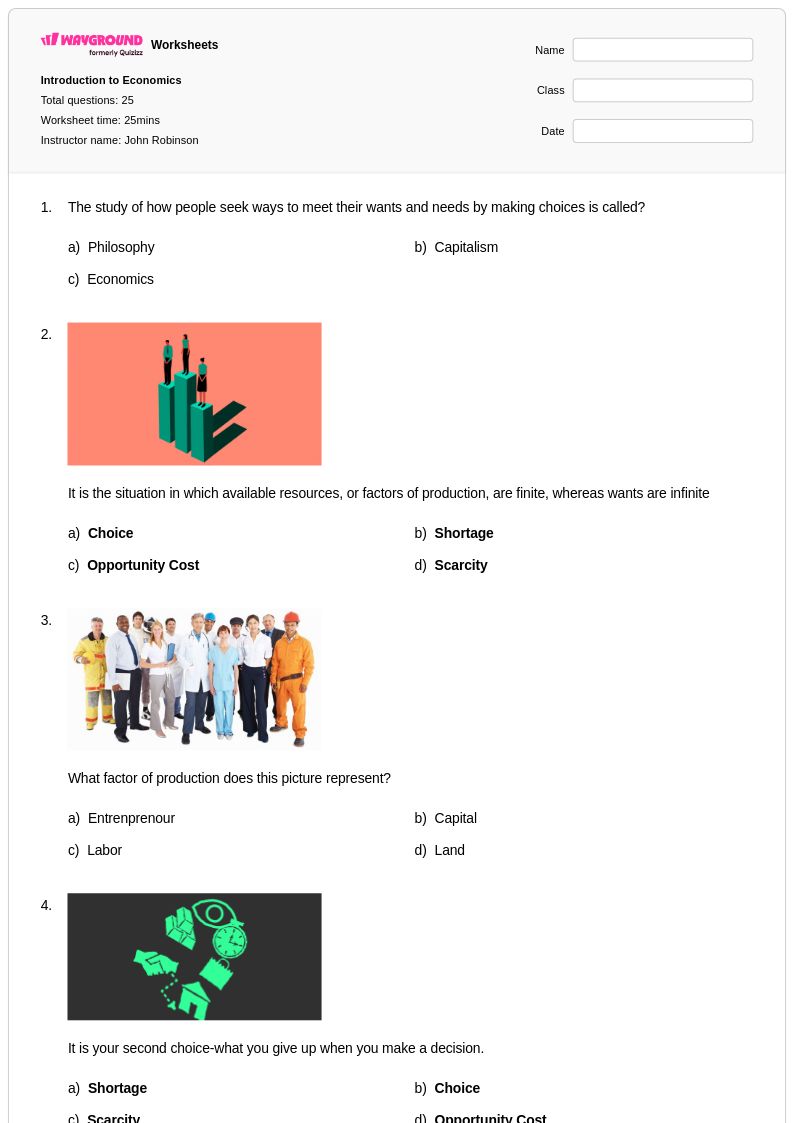
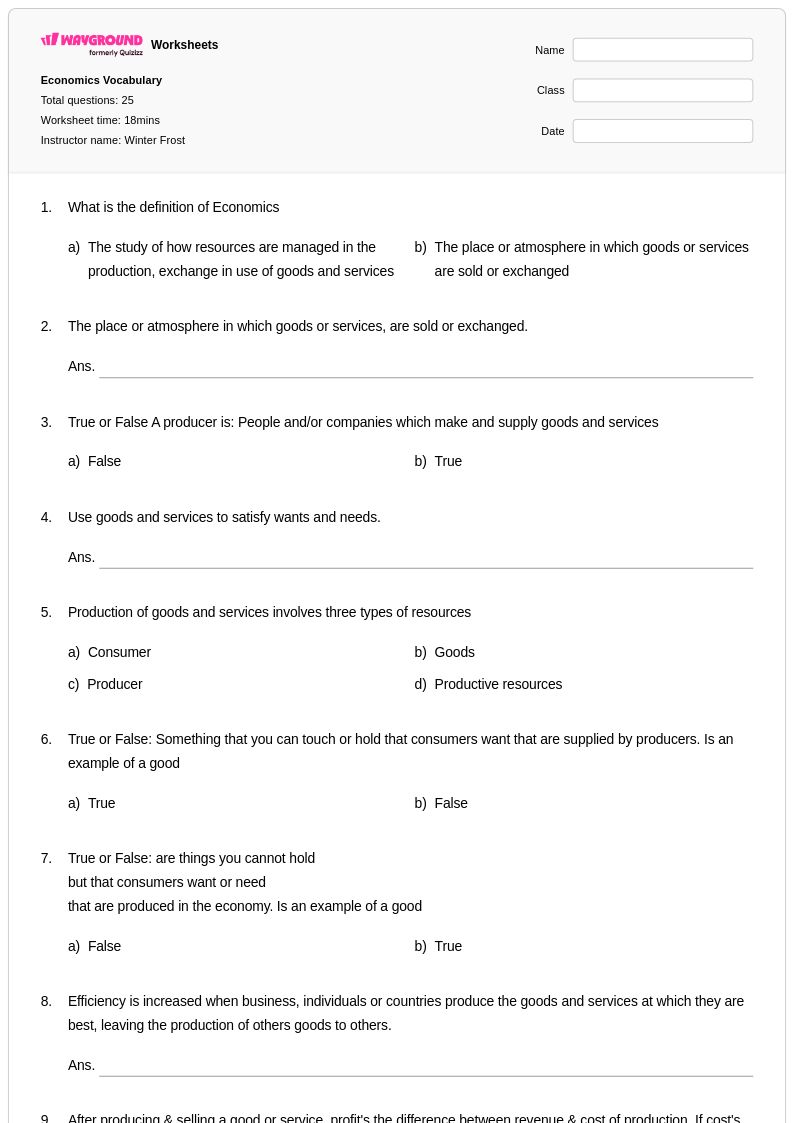
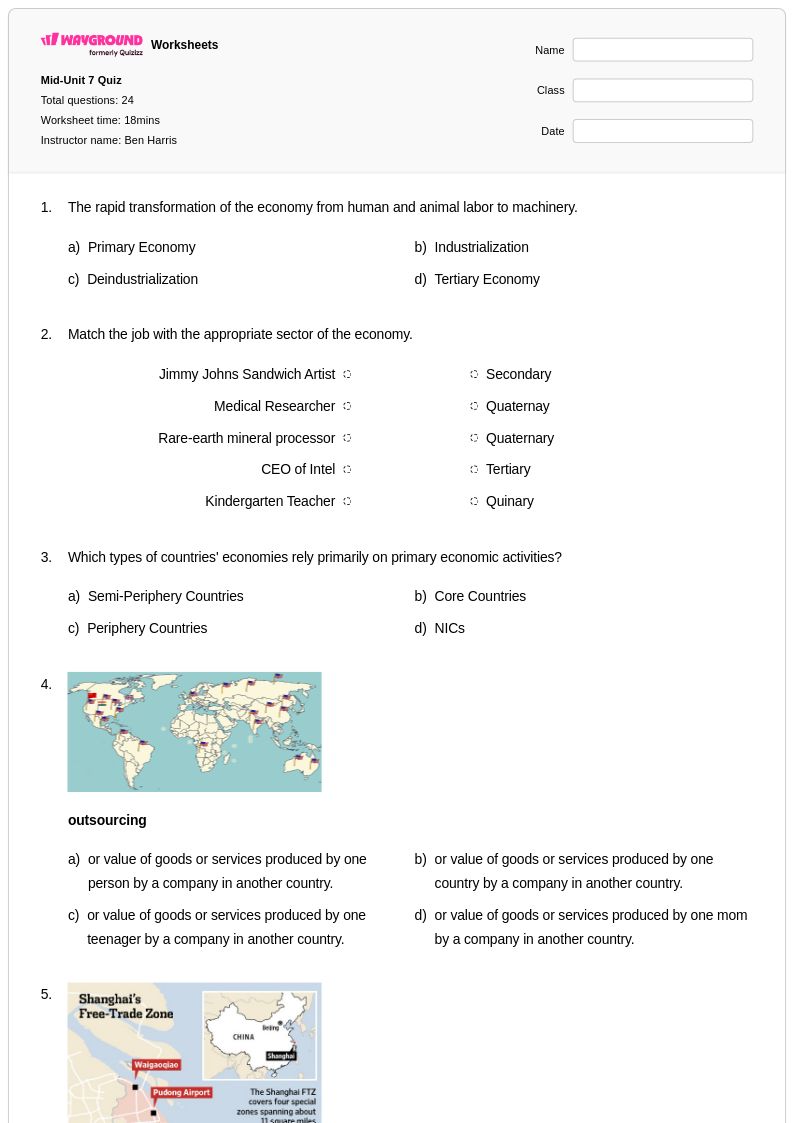
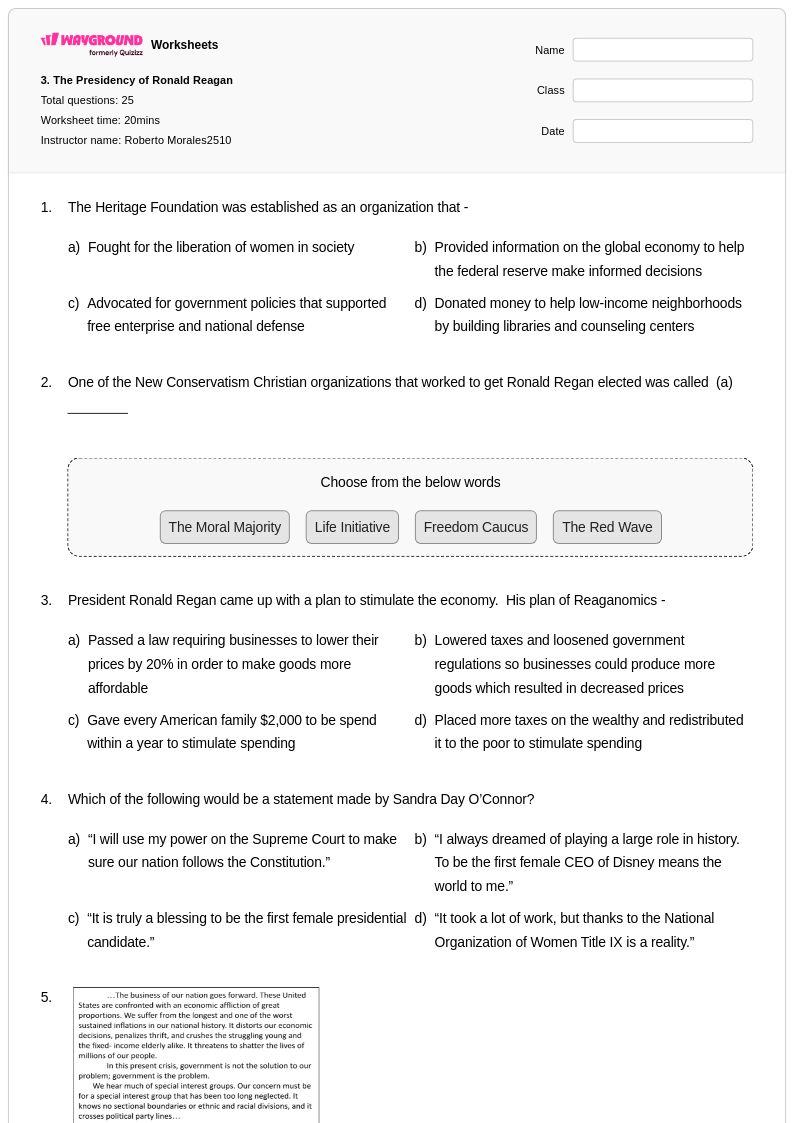
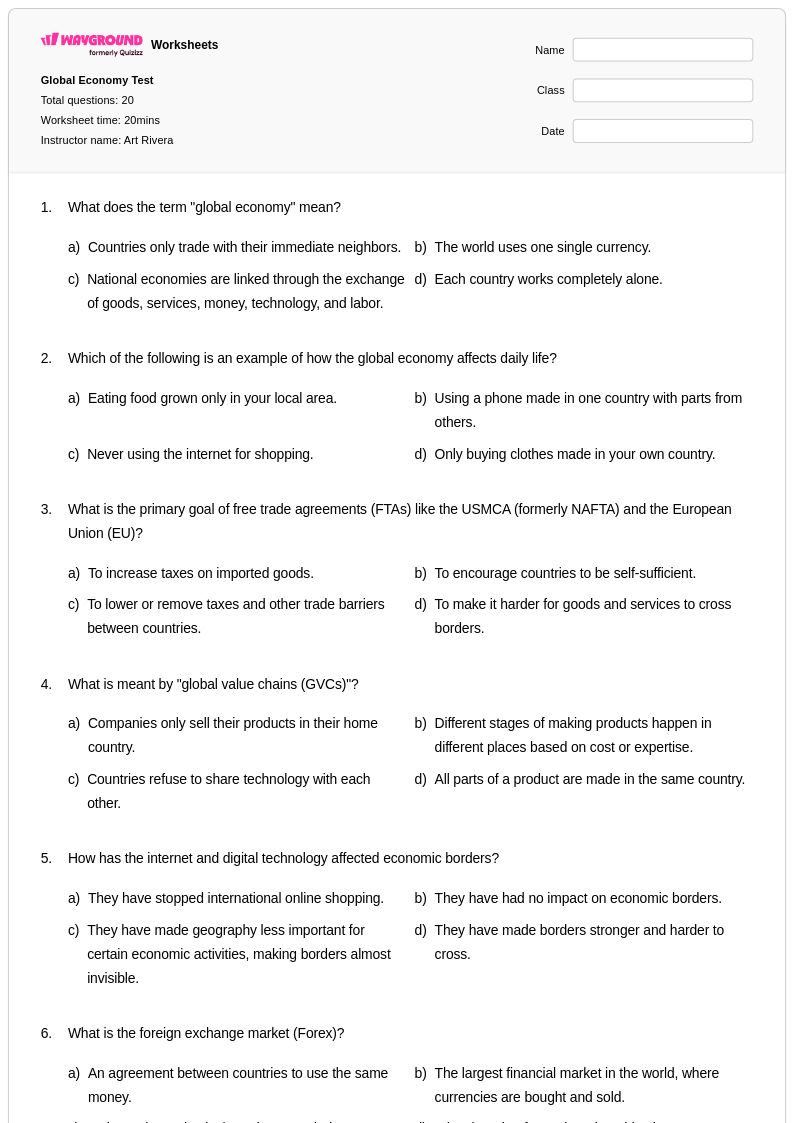
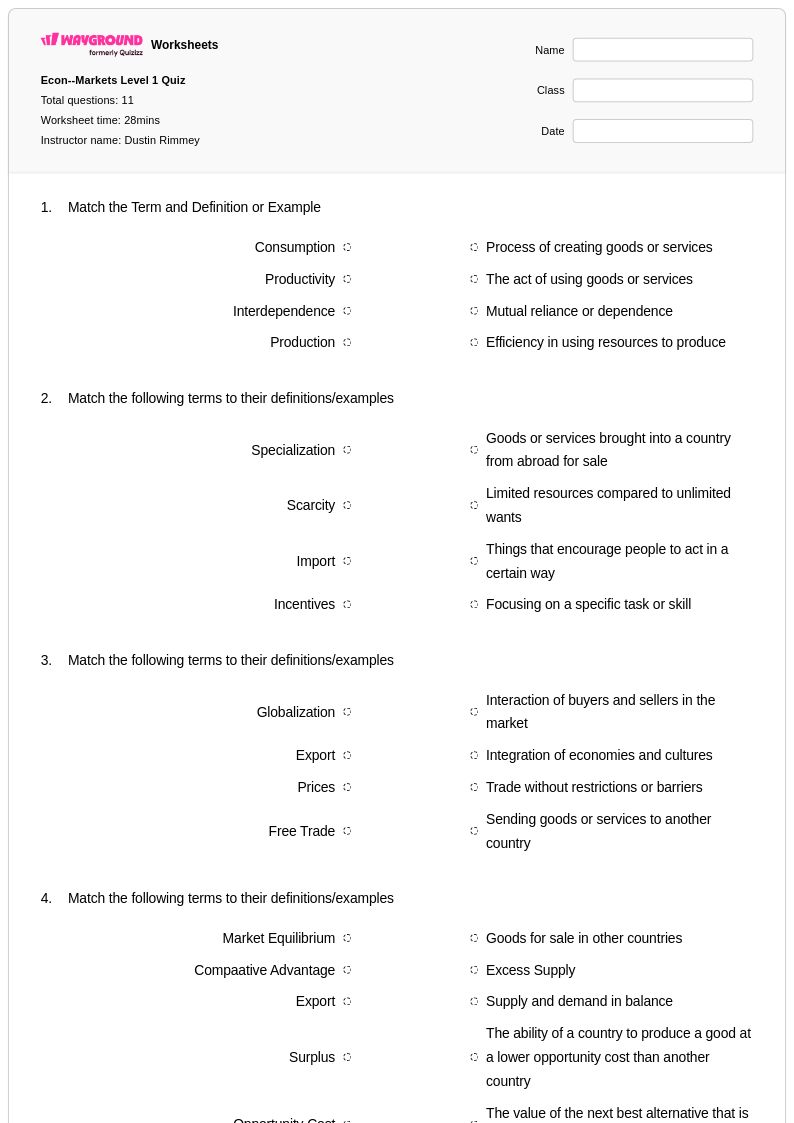
Explore free Class 11 Cost of Goods Sold worksheets and printables from Wayground that help students master calculating inventory costs, understanding business expenses, and analyzing profit margins through engaging practice problems with detailed answer keys.
Explore printable Cost of Goods Sold worksheets for Class 11
Cost of goods sold worksheets for Class 11 students available through Wayground provide comprehensive practice in understanding one of the most fundamental concepts in business accounting and economics. These carefully designed educational resources help students master the calculation and analysis of COGS, including direct materials, direct labor, and manufacturing overhead costs that directly relate to production. Students develop critical analytical skills as they work through practice problems that demonstrate how cost of goods sold impacts gross profit margins, inventory valuation, and overall business profitability. The worksheets include detailed answer keys that allow for immediate feedback and self-assessment, while the free printable format ensures accessibility for all learning environments. These pdf resources strengthen students' ability to interpret financial statements, understand supply chain economics, and analyze the relationship between production costs and pricing strategies in various business scenarios.
Wayground's extensive collection of cost of goods sold worksheets draws from millions of teacher-created resources that have been refined through classroom application and student feedback. The platform's robust search and filtering capabilities enable educators to quickly locate materials that align with specific curriculum standards and match their students' diverse learning needs. Teachers can easily customize these worksheets to provide appropriate differentiation, whether students require additional scaffolding for foundational concepts or enrichment activities that explore advanced applications in real-world business contexts. The flexibility of both printable and digital formats allows seamless integration into any instructional setting, supporting everything from targeted remediation sessions to comprehensive unit assessments. This wealth of adaptable resources empowers educators to provide consistent, high-quality practice opportunities that reinforce essential economic literacy skills while accommodating varied learning styles and academic readiness levels.
FAQs
How do I teach Cost of Goods Sold to accounting students?
Start by grounding students in the COGS formula: Beginning Inventory + Purchases - Ending Inventory = COGS. From there, introduce the three main inventory valuation methods — FIFO, LIFO, and weighted average cost — using consistent numerical examples so students can directly compare how each method affects the COGS figure. Once students are comfortable with the calculation, connect it to the income statement so they can see how COGS flows into gross profit and ultimately net income. Real-world business scenarios, such as a retail store managing seasonal inventory, make the concept more concrete and easier to retain.
What exercises help students practice calculating Cost of Goods Sold?
The most effective practice exercises ask students to calculate COGS using all three inventory methods — FIFO, LIFO, and weighted average cost — on the same dataset, then compare the resulting gross profit figures. This side-by-side format forces students to understand that inventory method selection is a financial decision, not just an arithmetic one. Exercises that incorporate partial financial statements, requiring students to place COGS correctly within an income statement, reinforce how the calculation connects to broader business profitability analysis.
What mistakes do students commonly make when calculating Cost of Goods Sold?
The most frequent error is confusing the order of inventory layers in FIFO versus LIFO — students often apply the oldest cost to LIFO or the newest cost to FIFO, which inverts the method entirely. A second common mistake is omitting one of the three components of COGS (materials, labor, or manufacturing overhead), particularly in manufacturing contexts where students default to treating only raw materials as a cost. Students also frequently miscalculate ending inventory and then carry that error directly into the COGS formula without recognizing the relationship between the two figures.
How does Cost of Goods Sold affect gross profit?
Gross profit is calculated as Net Sales minus Cost of Goods Sold, which means any change in COGS directly and proportionally affects gross profit. When COGS is higher — as typically results from using LIFO during periods of rising prices — gross profit decreases, reducing taxable income. Conversely, FIFO tends to produce lower COGS and higher gross profit in inflationary environments, which improves reported profitability but also increases tax liability. This is why inventory method selection is a meaningful strategic decision in financial reporting.
How can I use Cost of Goods Sold worksheets in my classroom?
Cost of Goods Sold worksheets on Wayground are available as printable PDFs for traditional classroom use and in digital formats for technology-integrated environments, including the option to host them as a quiz directly on the Wayground platform. Printed versions work well for guided practice during direct instruction or as independent homework assignments, while the digital format allows for immediate feedback during class. Answer keys are included with all worksheets, making them practical for self-paced review or substitute lesson plans.
How do I differentiate Cost of Goods Sold instruction for students at different skill levels?
For students who are still building foundational skills, begin with single-method COGS problems using small, clean numbers before introducing comparative inventory method exercises. Advanced students can be challenged with multi-period inventory problems, scenarios involving purchase returns or freight costs, or tasks that require them to analyze how different COGS outcomes affect business decision-making. On Wayground, teachers can apply accommodations such as reduced answer choices for students who need additional support, and extended time or read-aloud features for students with accessibility needs — all configurable per student without affecting the rest of the class.