Free Printable Division As Repeated Subtraction Worksheets for Class 1
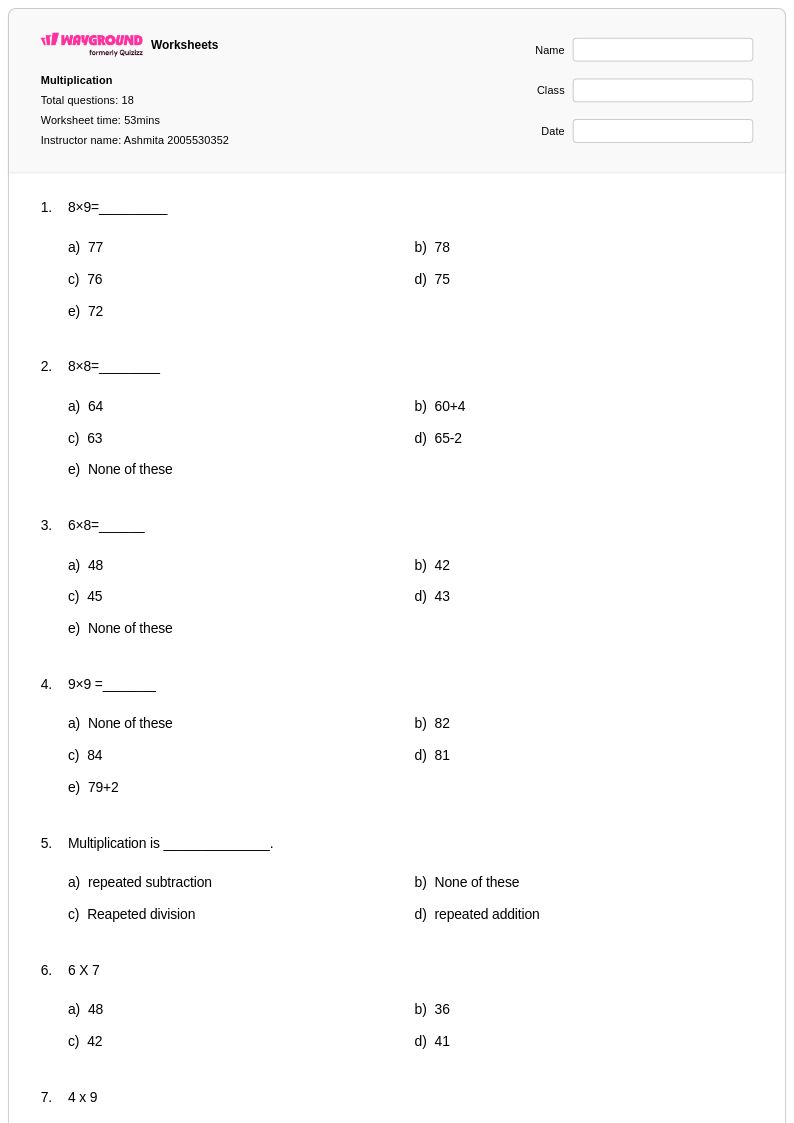
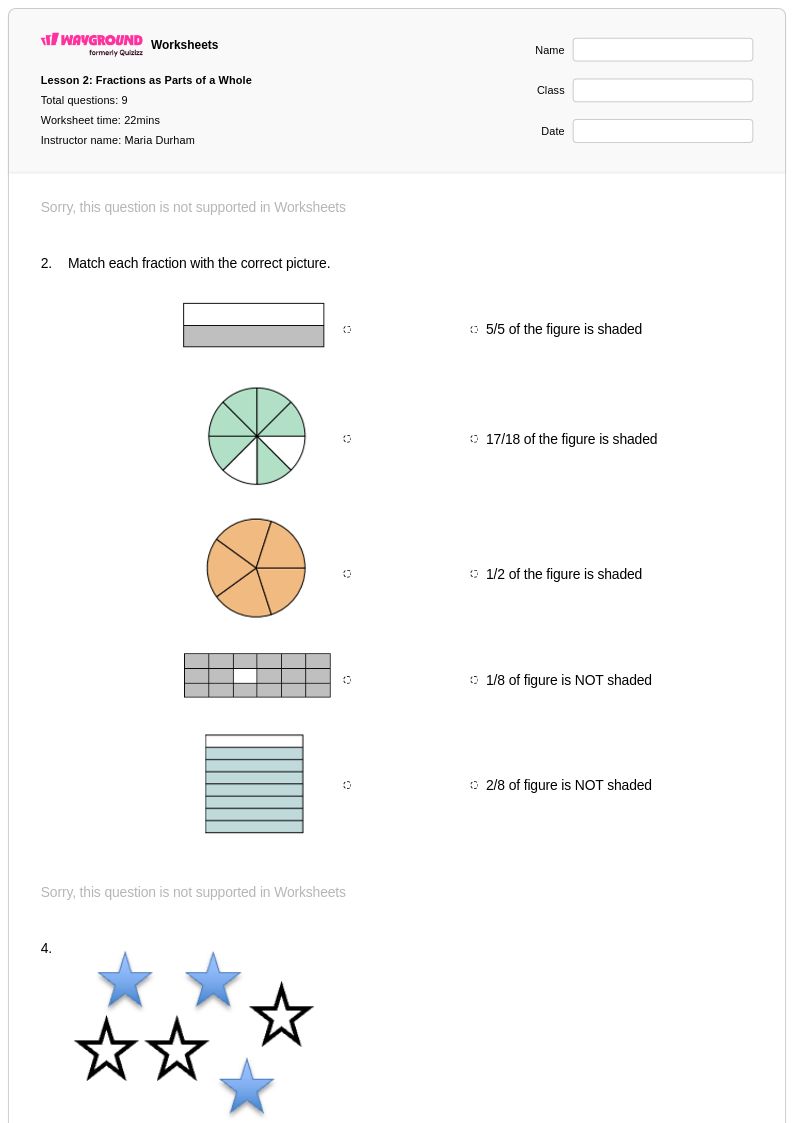
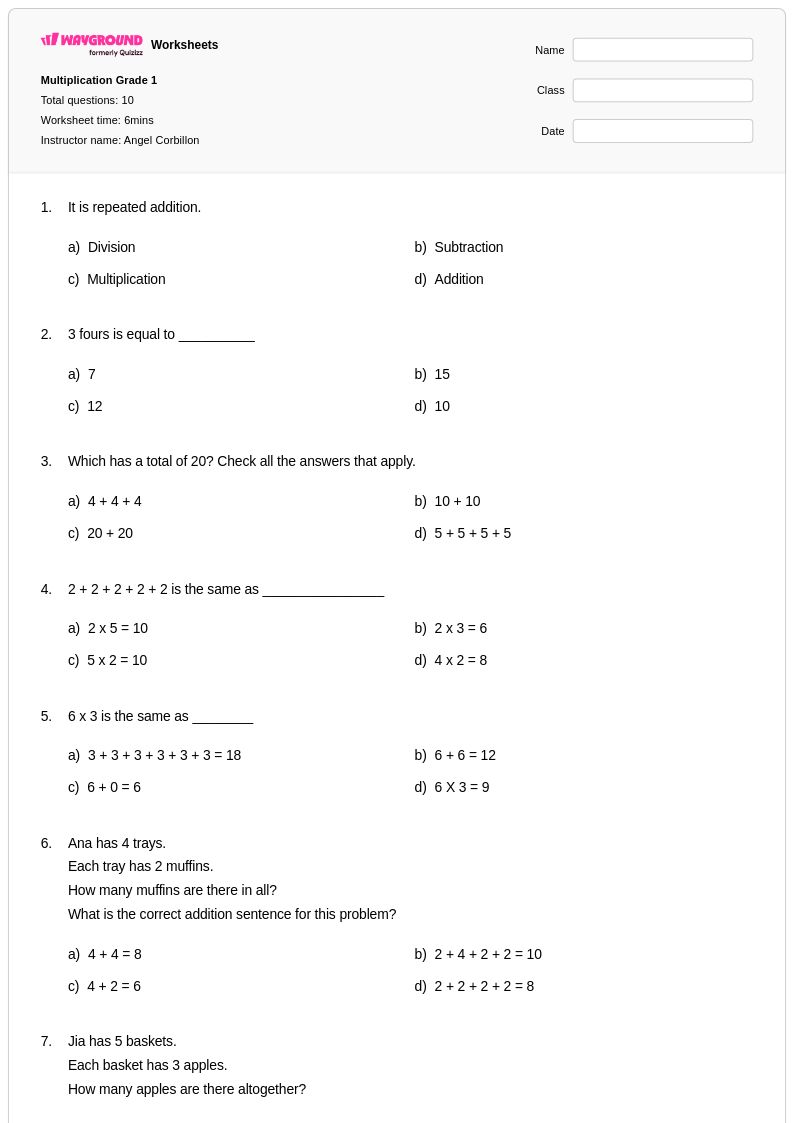
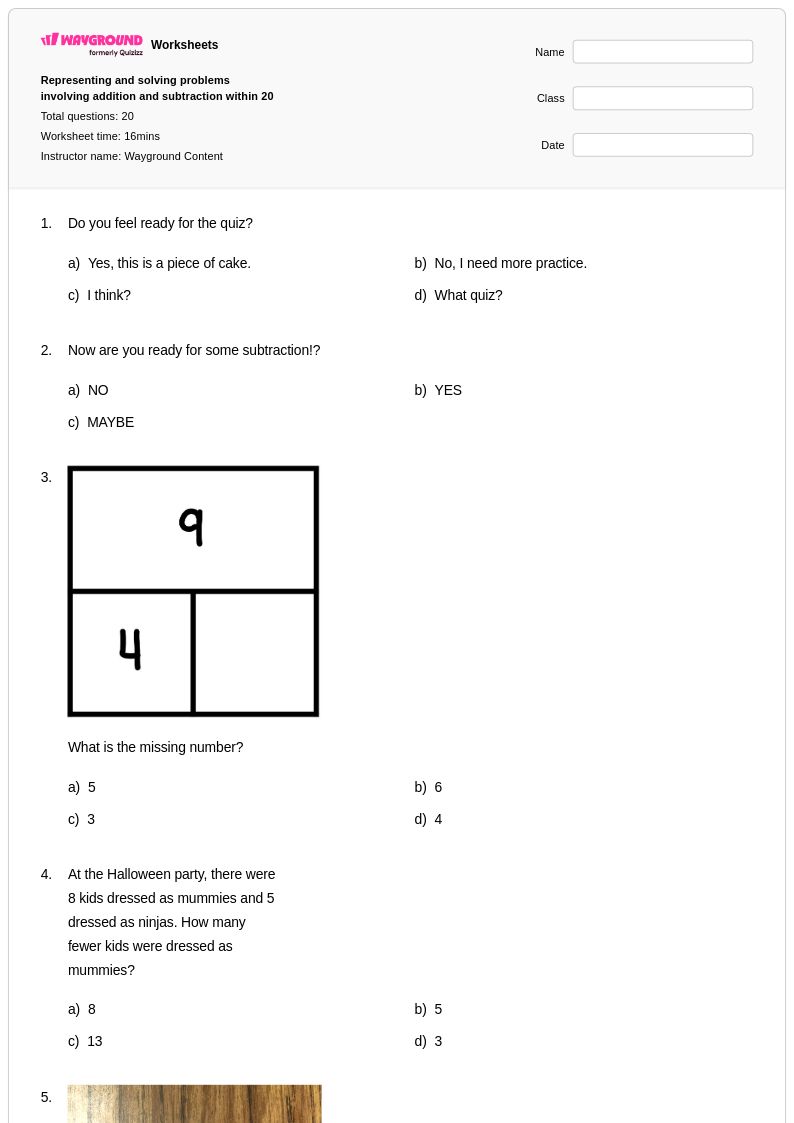
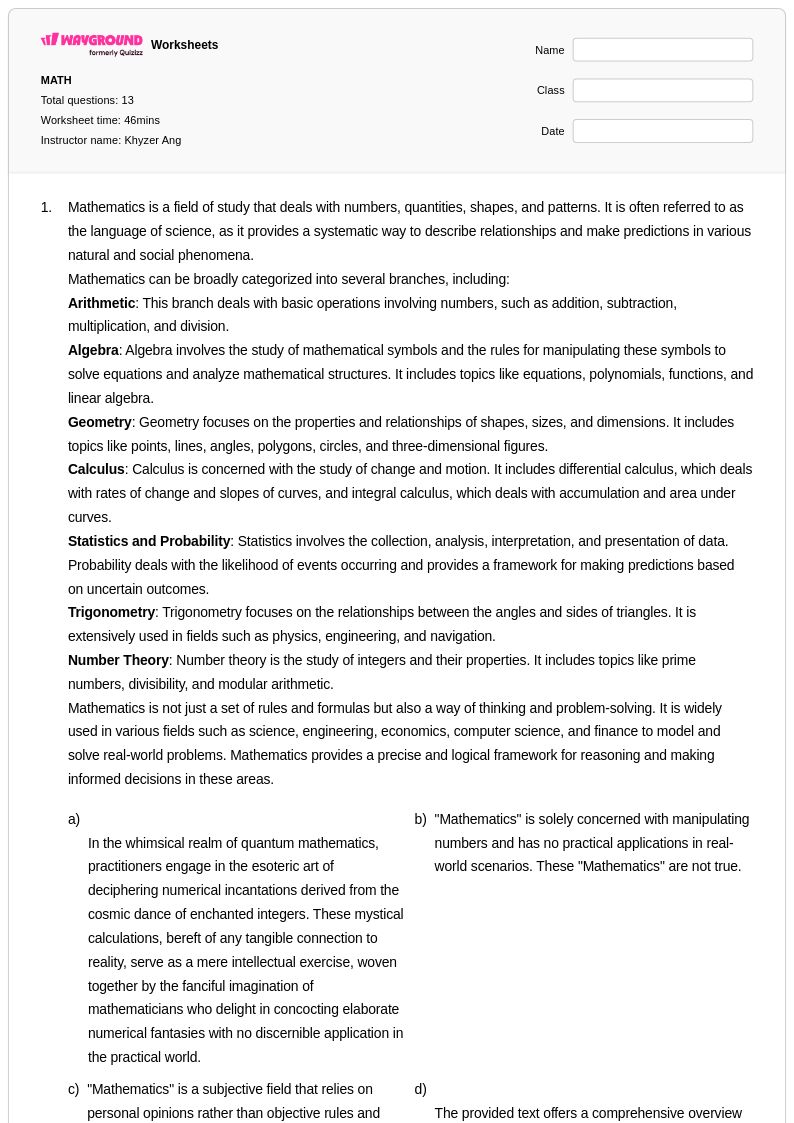
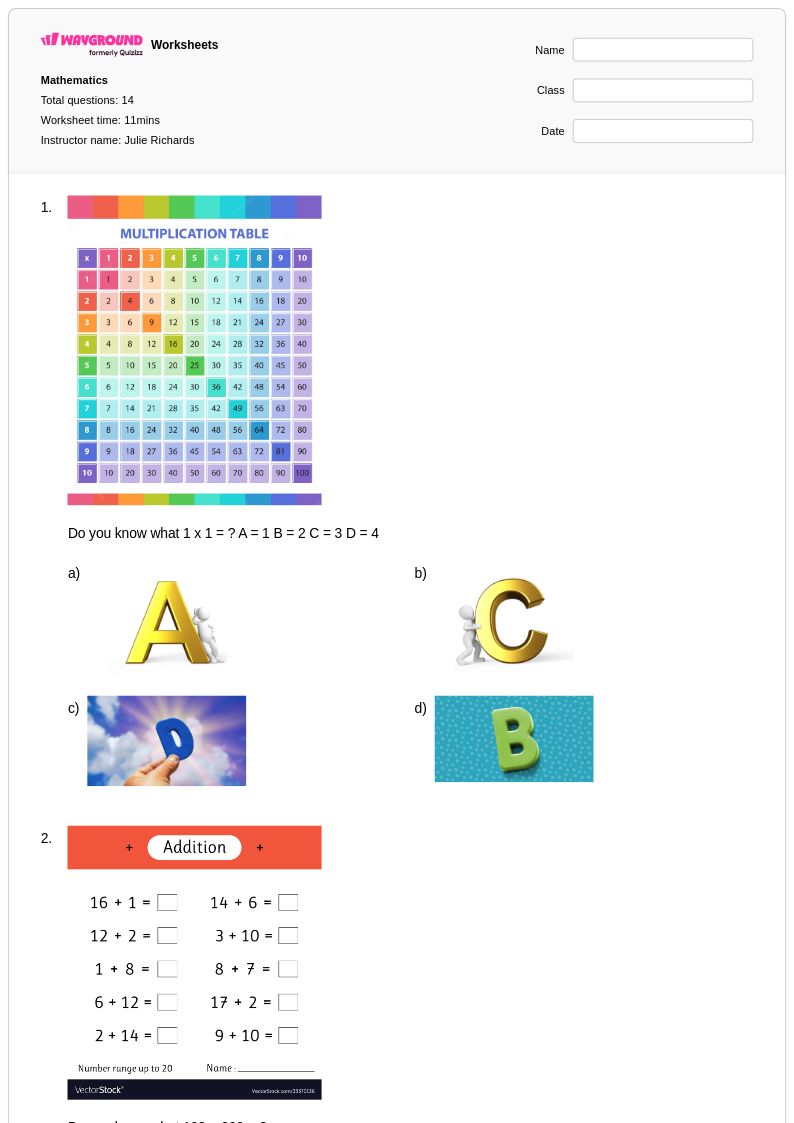
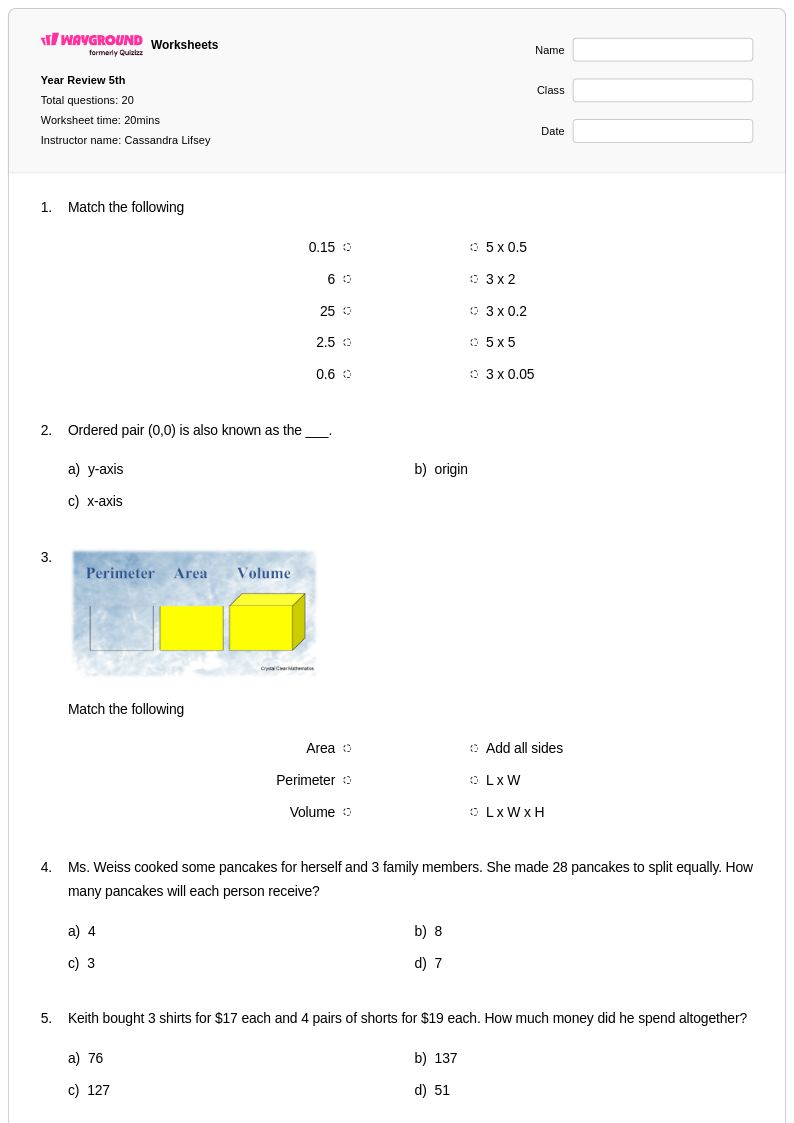
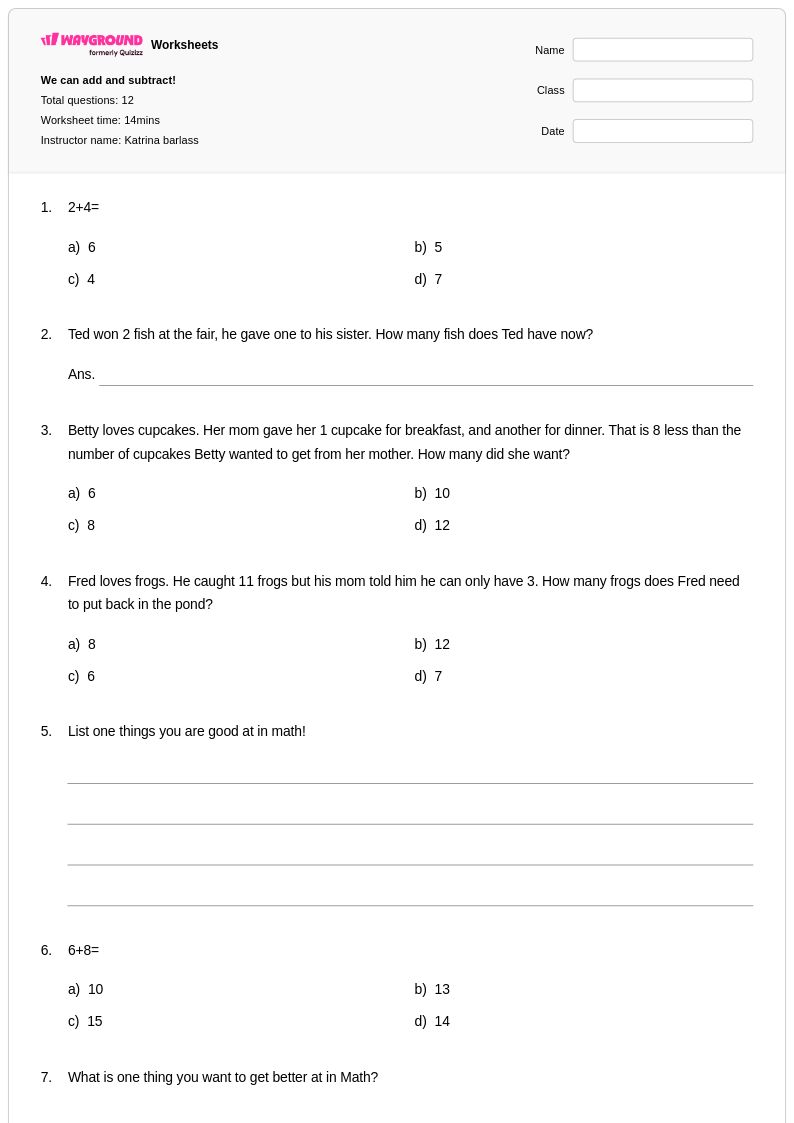
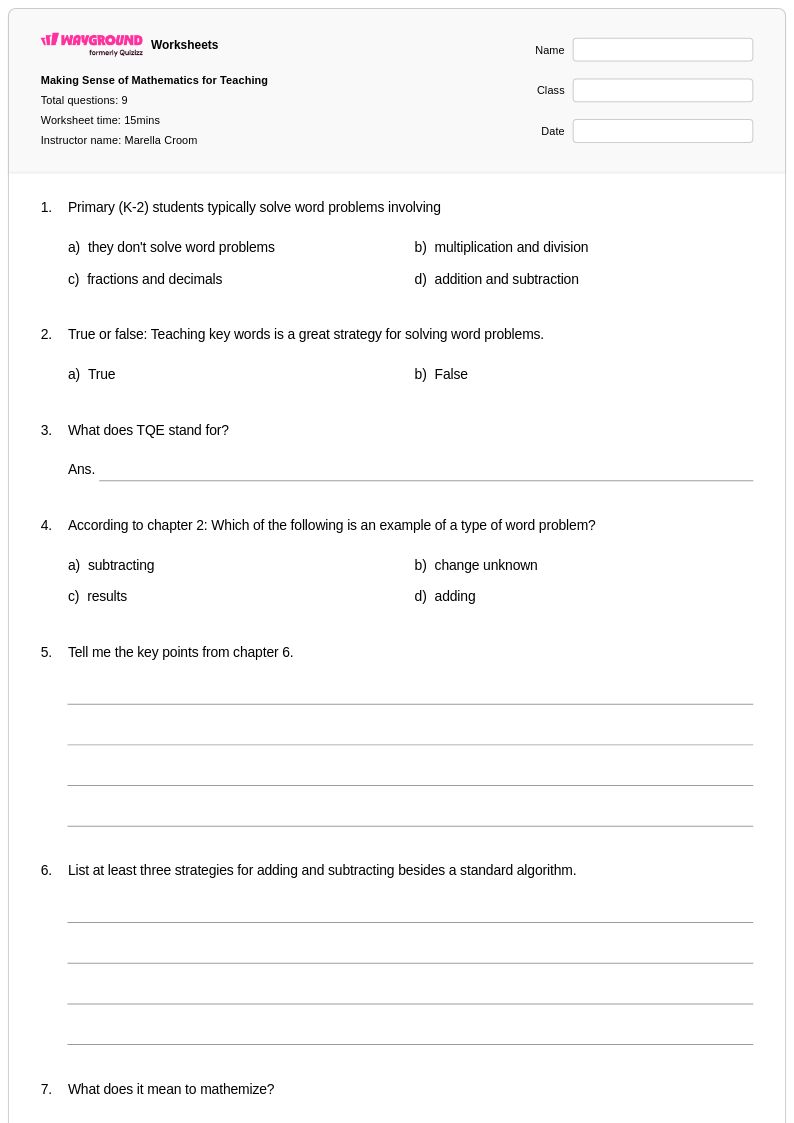
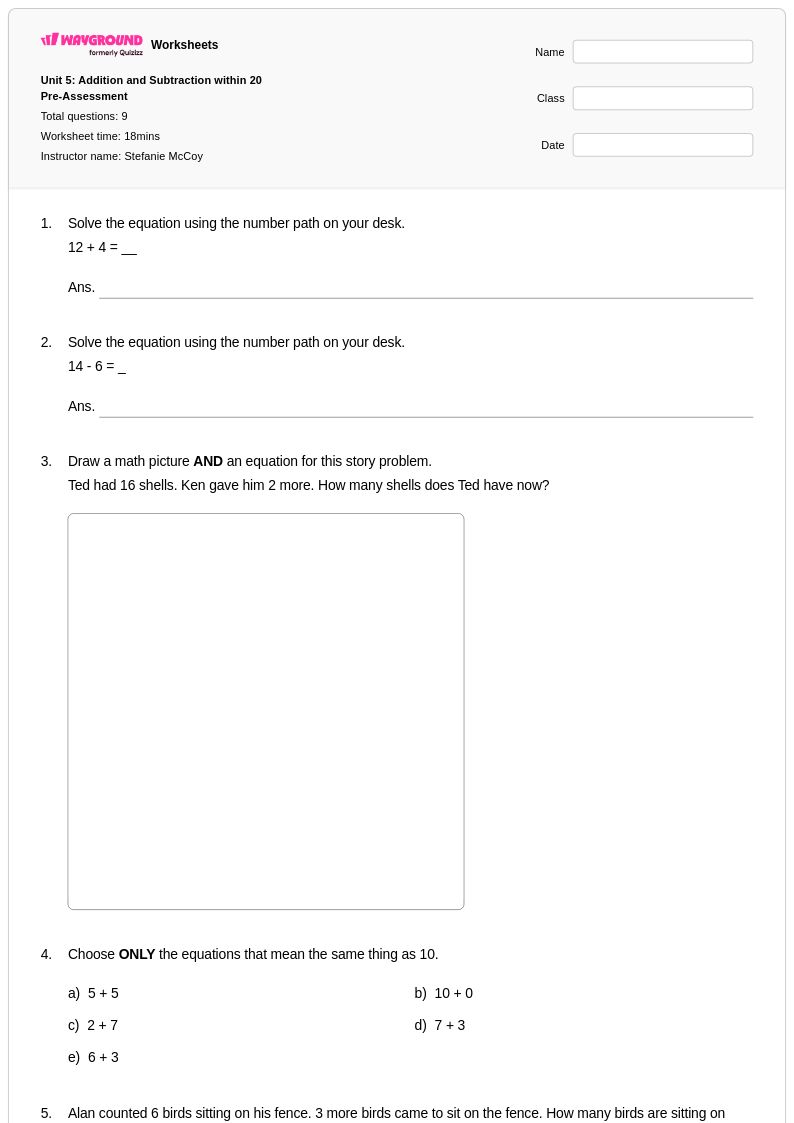
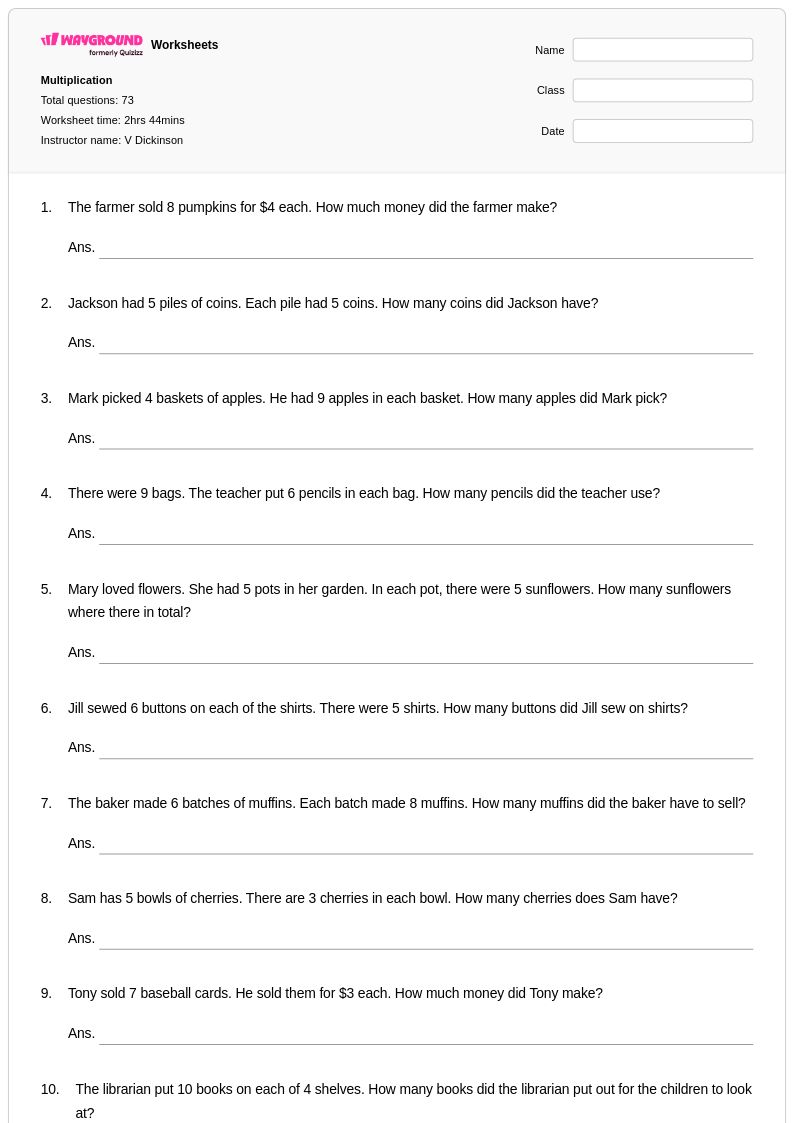
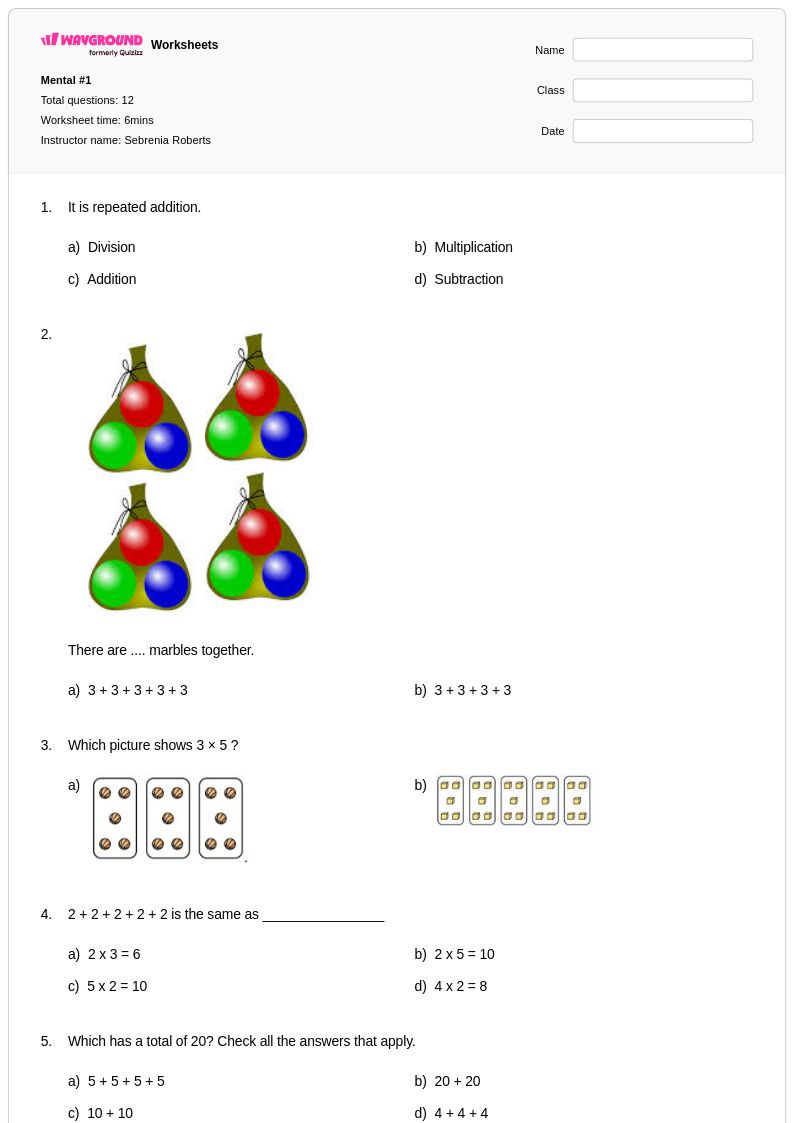
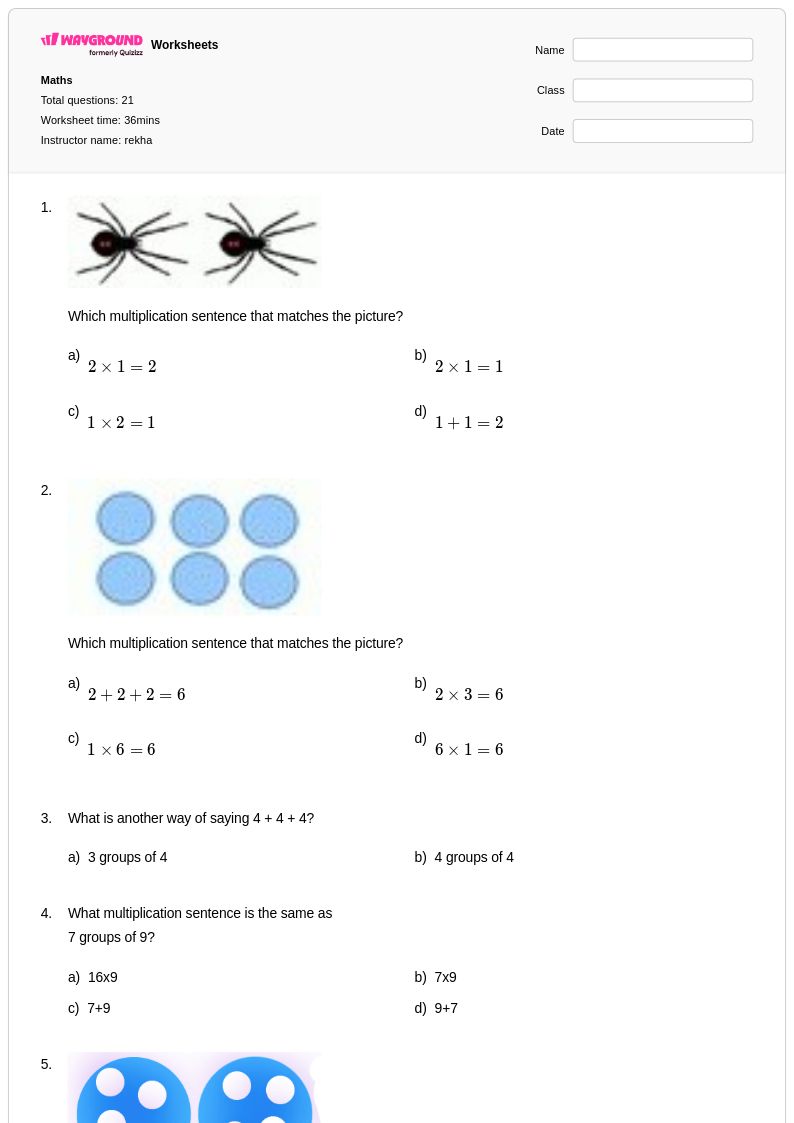
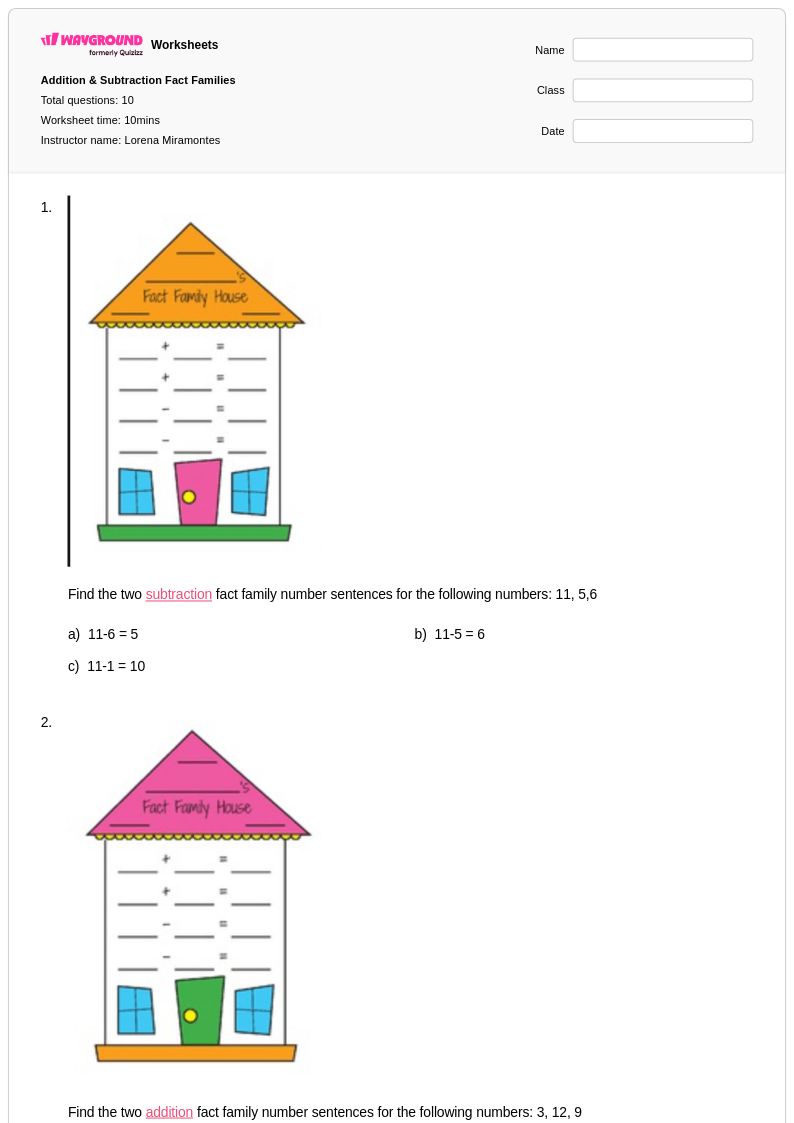
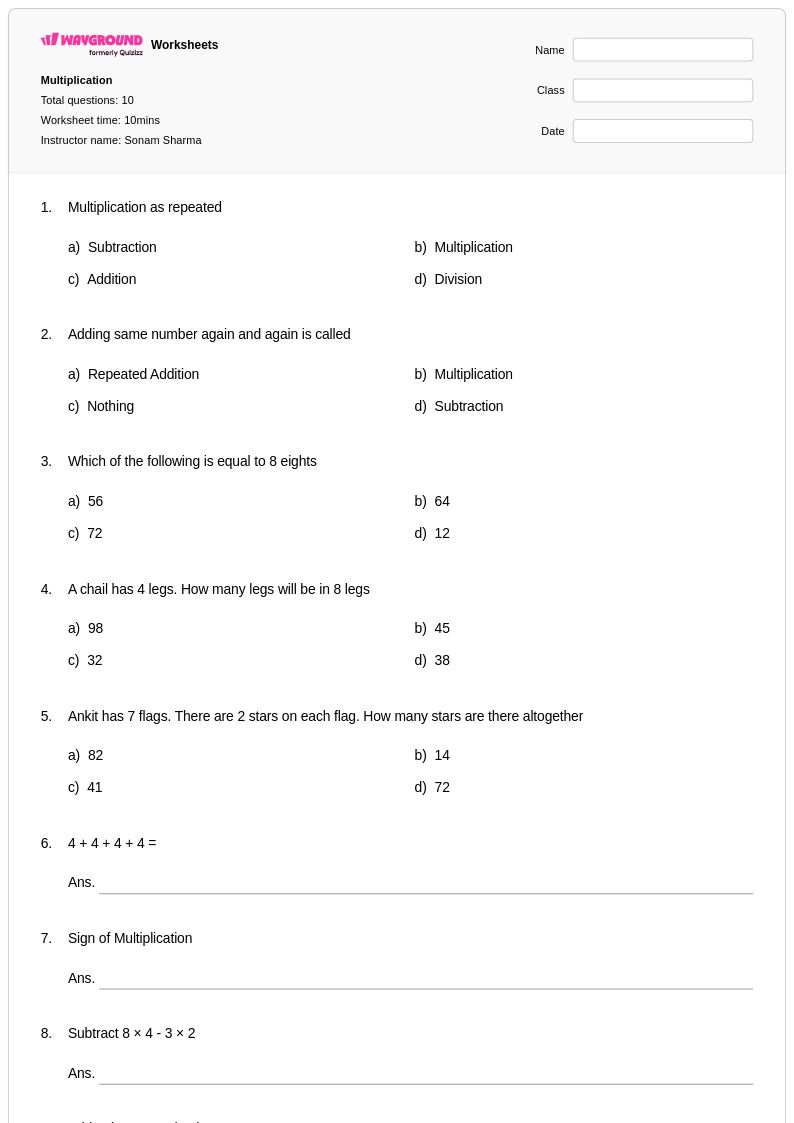
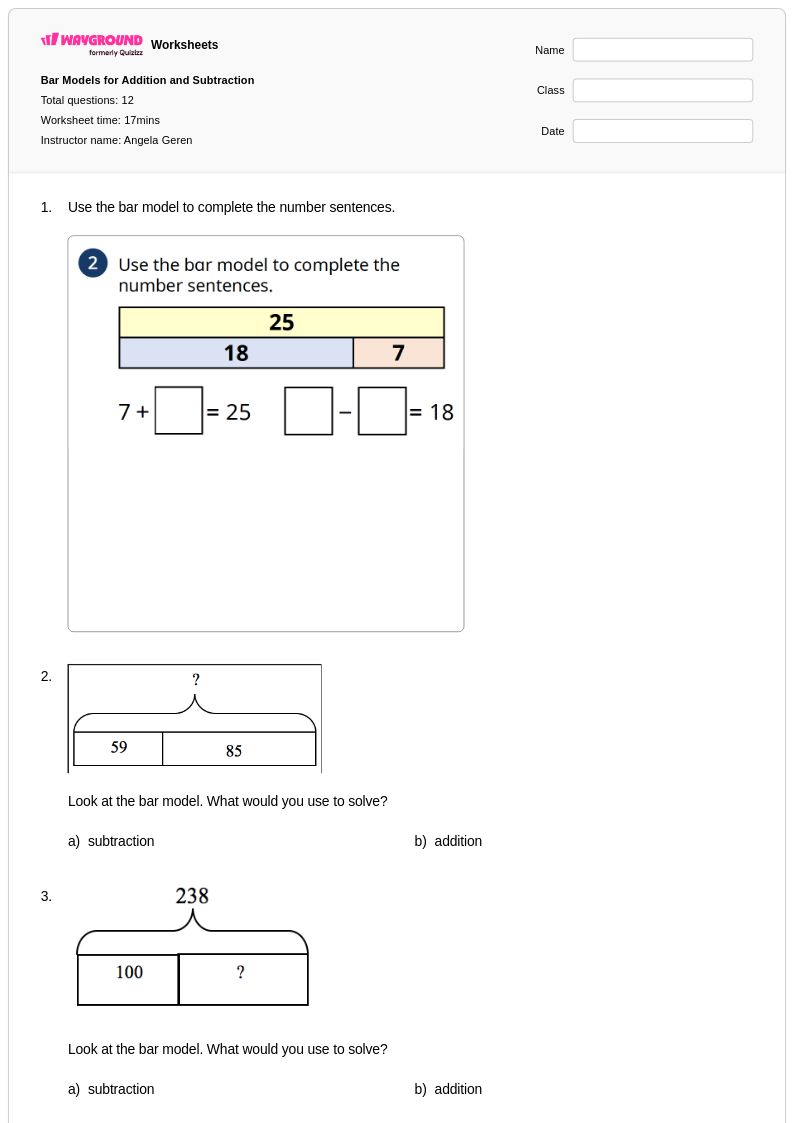
Class 1 division as repeated subtraction worksheets from Wayground offer free printables and practice problems that help young students understand division concepts through hands-on subtraction methods, complete with answer keys.
Explore printable Division As Repeated Subtraction worksheets for Class 1
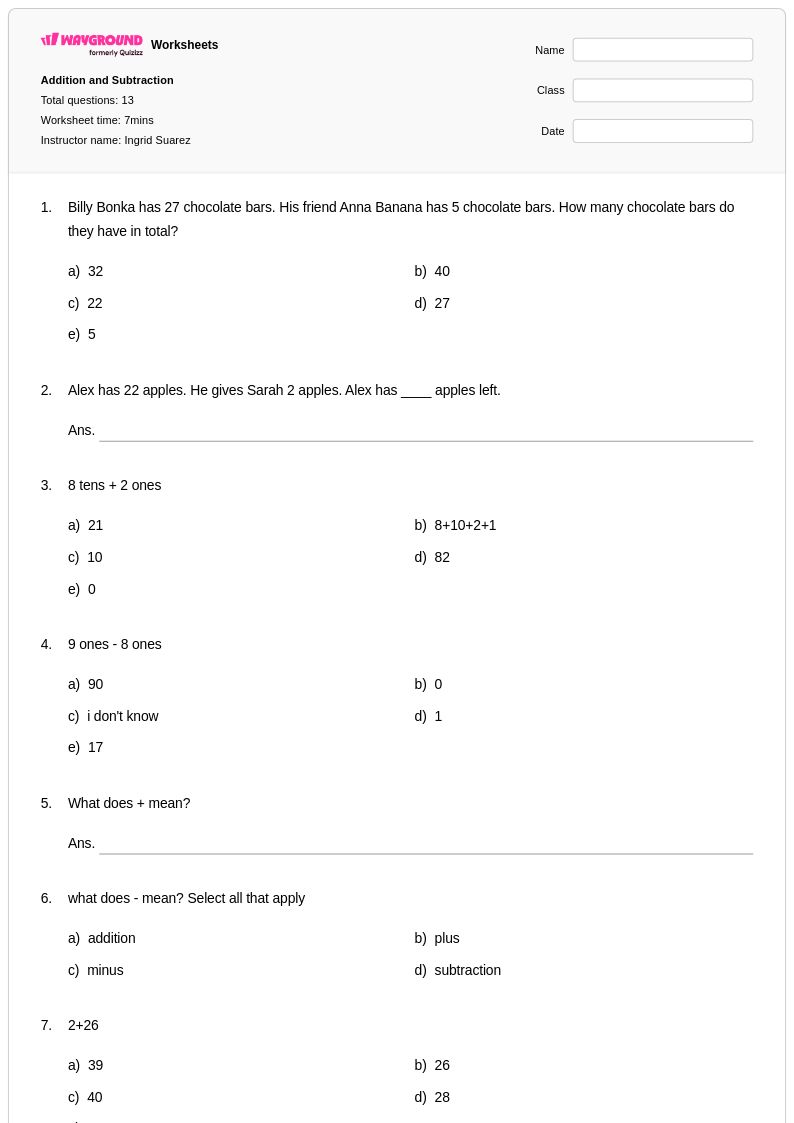
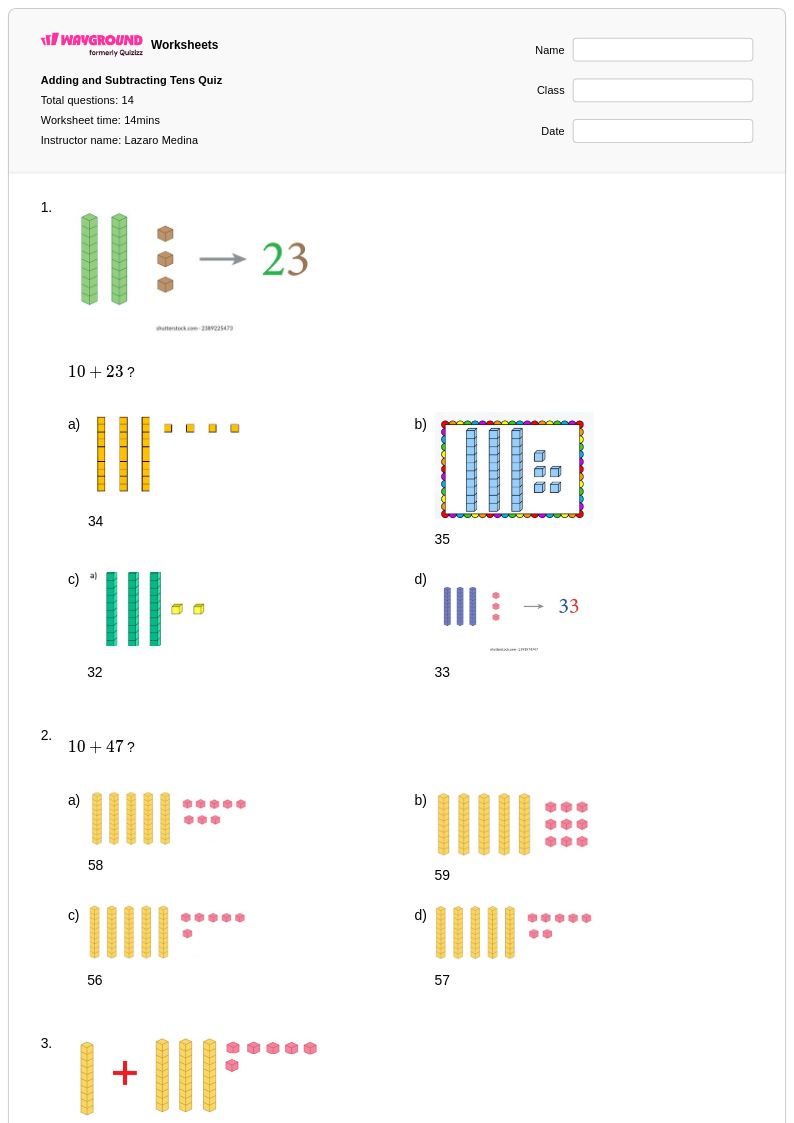
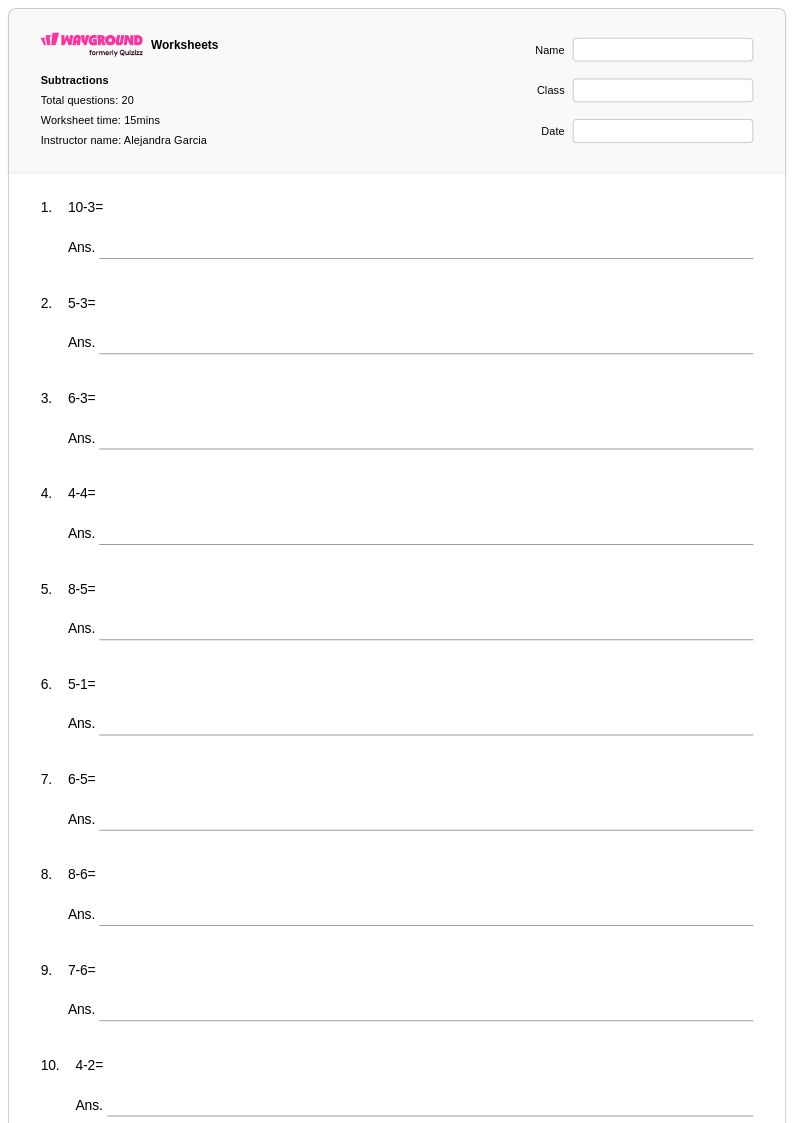
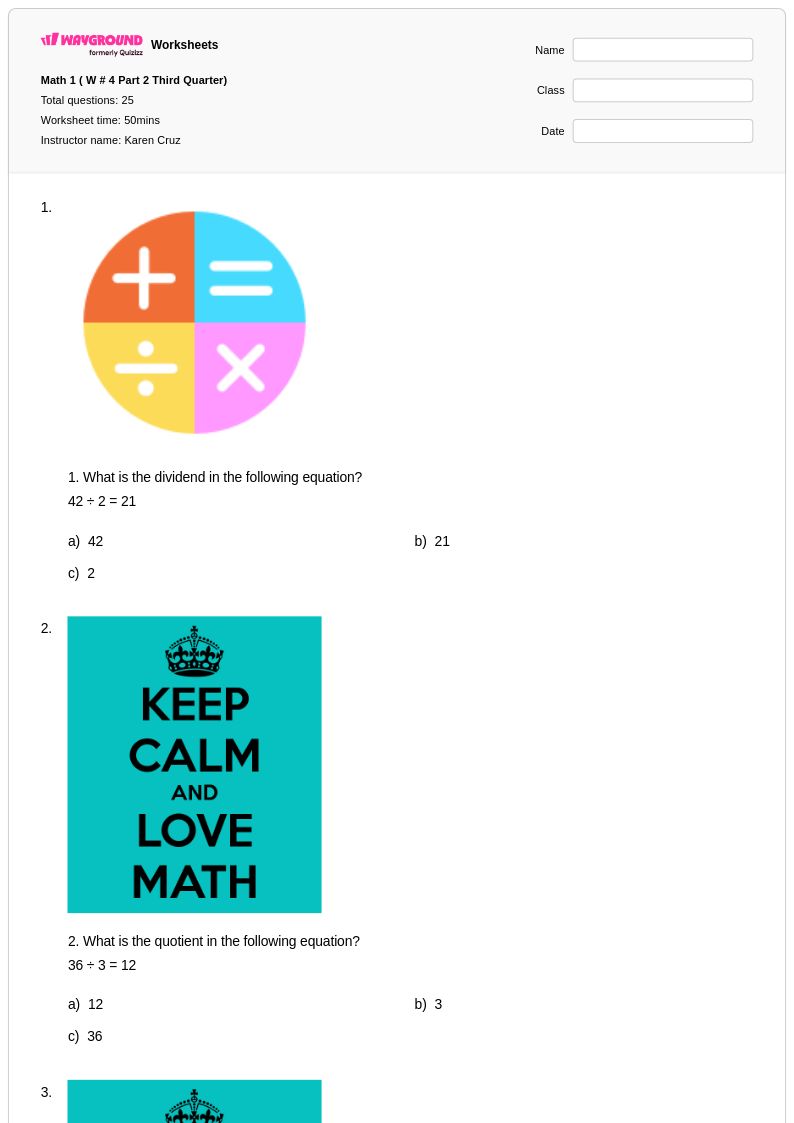
Division as repeated subtraction worksheets for Class 1 provide foundational mathematical understanding by introducing young learners to the concept that division involves taking away equal groups multiple times until nothing remains. These carefully designed practice problems help students visualize division through concrete subtraction steps, such as understanding that 12 ÷ 3 equals 4 because you can subtract 3 from 12 four times before reaching zero. Wayground's collection of printable worksheets strengthens essential number sense skills while building conceptual bridges between subtraction and division operations. Each free pdf worksheet includes structured exercises that progress from simple visual representations to more abstract numerical problems, complete with answer keys that support independent learning and self-assessment.
Wayground, formerly Quizizz, empowers educators with millions of teacher-created resources specifically designed for division as repeated subtraction instruction in Class 1 classrooms. The platform's robust search and filtering capabilities enable teachers to quickly locate worksheets that align with specific learning standards and differentiate instruction based on individual student needs. These flexible materials are available in both printable and digital formats, allowing seamless integration into lesson planning whether for whole-class instruction, small group remediation, or enrichment activities. Teachers can customize existing worksheets or combine multiple resources to create comprehensive practice sets that target specific skill gaps, while the extensive collection ensures continuous access to fresh content that supports systematic skill development and mathematical fluency building.
FAQs
How do I teach division as repeated subtraction in Grade 1?
Grade 1 students are ready to move from purely physical manipulation to semi-concrete representations. Start with a number line: pose a problem like 12 ÷ 3, draw a line from 12 to 0, and have students hop back by 3 each time, counting the hops. Four hops means the answer is 4. This bridges the gap between acting it out with objects and eventually writing a subtraction sequence on paper.
What exercises help Grade 1 students practice division as repeated subtraction?
Three formats build the concept progressively: picture problems where students cross out equal groups, number-line problems where they count backward jumps, and simple written sequences where they record each subtraction step (12 − 3 = 9, 9 − 3 = 6, and so on). Starting every session with the picture format and ending with the written sequence keeps the progression visible within a single practice set.
What errors do Grade 1 students commonly make with repeated subtraction?
The most frequent error is stopping too early — students subtract the divisor once or twice and report that as the answer. They're not tracking how many subtractions they've done, just whether the number got smaller. Having them tally each subtraction step in a separate column, rather than doing it in their head, almost always fixes this.
How do I use these Grade 1 division worksheets in my classroom?
These worksheets are available as printable PDFs with a complete answer key included, so they're easy to drop into a math center or send home for practice. You can also host them as a digital quiz on Wayground for a paperless session — same problems, immediate feedback. For paper submissions, the Wayground for Teachers app lets you scan student work and grade it directly from your phone.
How does division as repeated subtraction fit into the Grade 1 math curriculum?
Common Core doesn't formally introduce division in Grade 1, but the conceptual groundwork belongs here. First graders are expected to understand and apply properties of addition and subtraction, and repeated subtraction is a direct extension of that work. Students who can fluently subtract within 20 and recognize equal groups are building exactly the number sense that Grade 3's formal division expectations depend on — specifically, the understanding that dividing means splitting a total into equal-sized groups a countable number of times.
How can I support struggling Grade 1 students with division as repeated subtraction?
Keep the dividends small (12 or under) so the number of subtraction steps stays manageable. On Wayground, you can assign extended time to students who need it and enable reduced answer choices to lower the decision load on multiple-choice problems. Adjusting font size and spacing in the worksheet settings also helps students who are still developing visual tracking — a less crowded page makes it easier to follow each subtraction step in sequence.