Free Printable Emotional Pattern Recognition Worksheets for Class 7
Class 7 emotional pattern recognition worksheets help students develop crucial social skills through engaging printables and practice problems that teach identifying and understanding emotional cues, complete with answer keys and free PDF resources.
Explore printable Emotional Pattern Recognition worksheets for Class 7
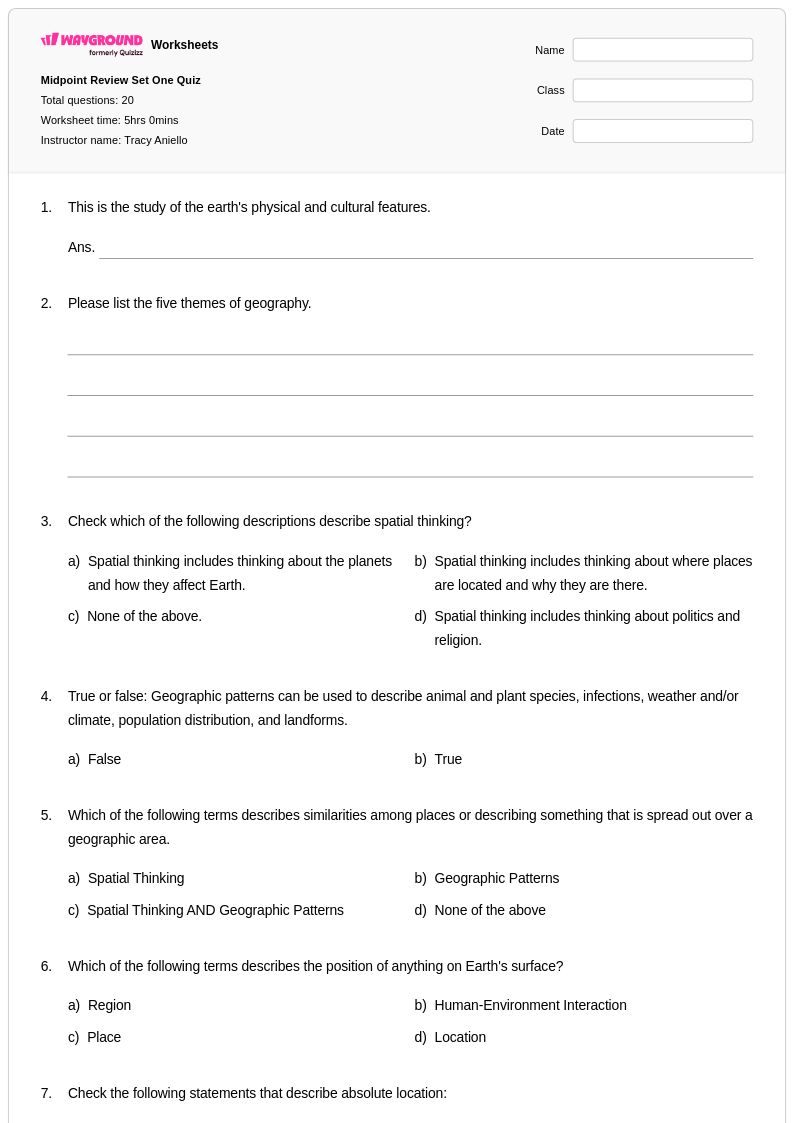
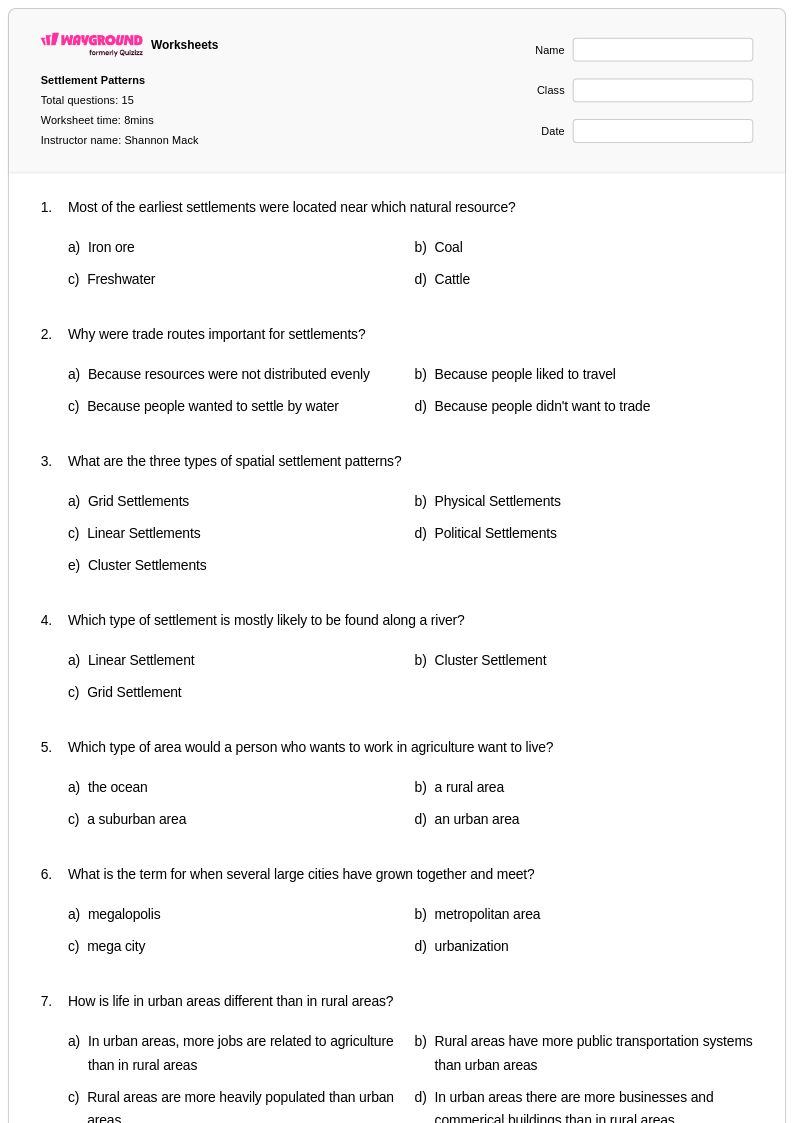
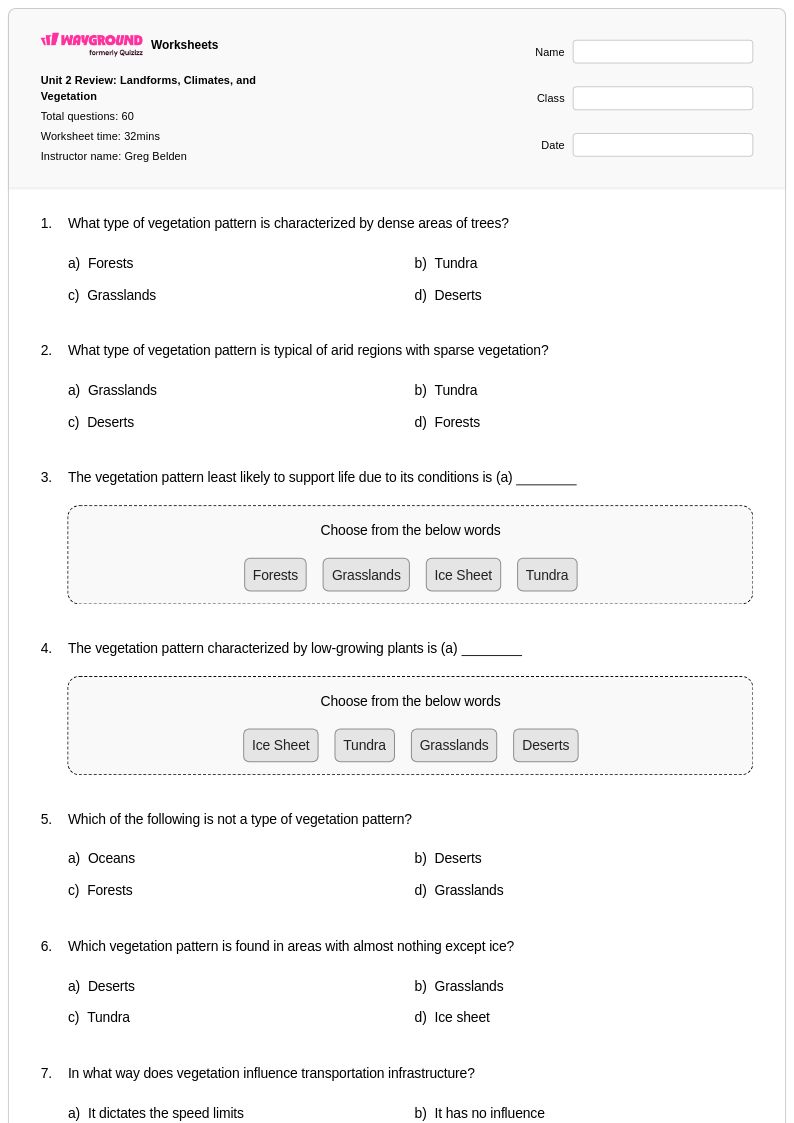
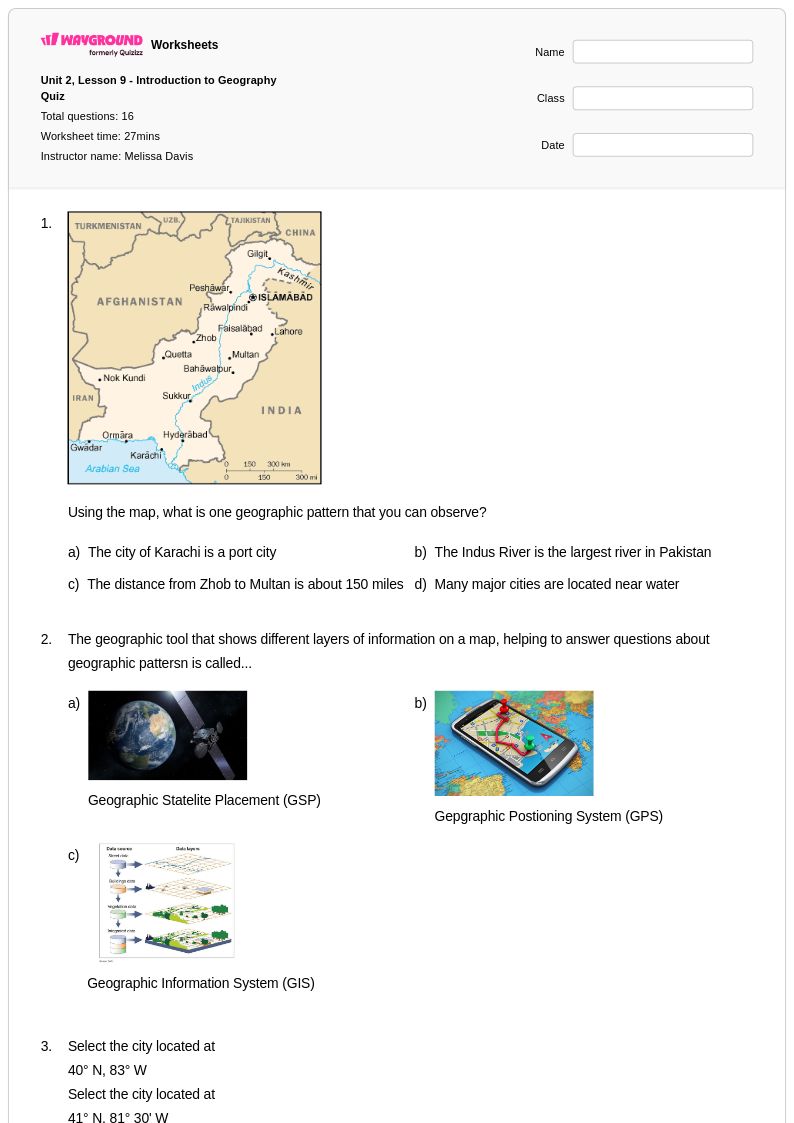
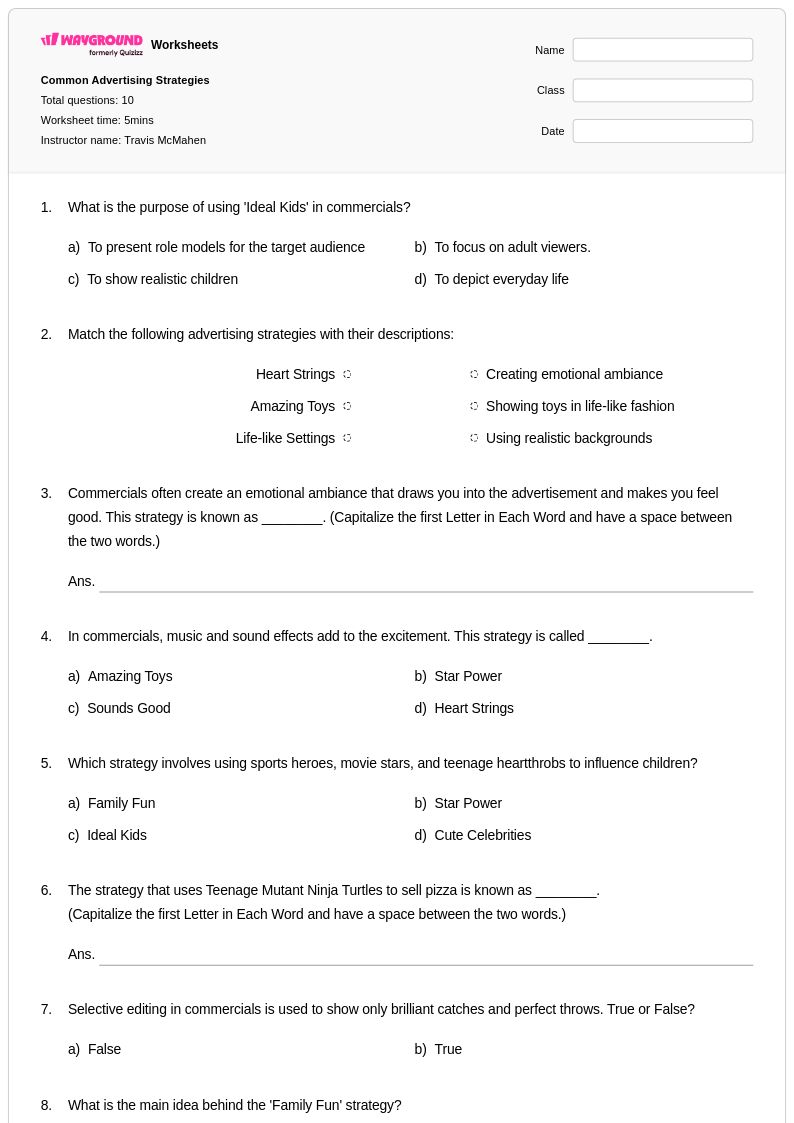
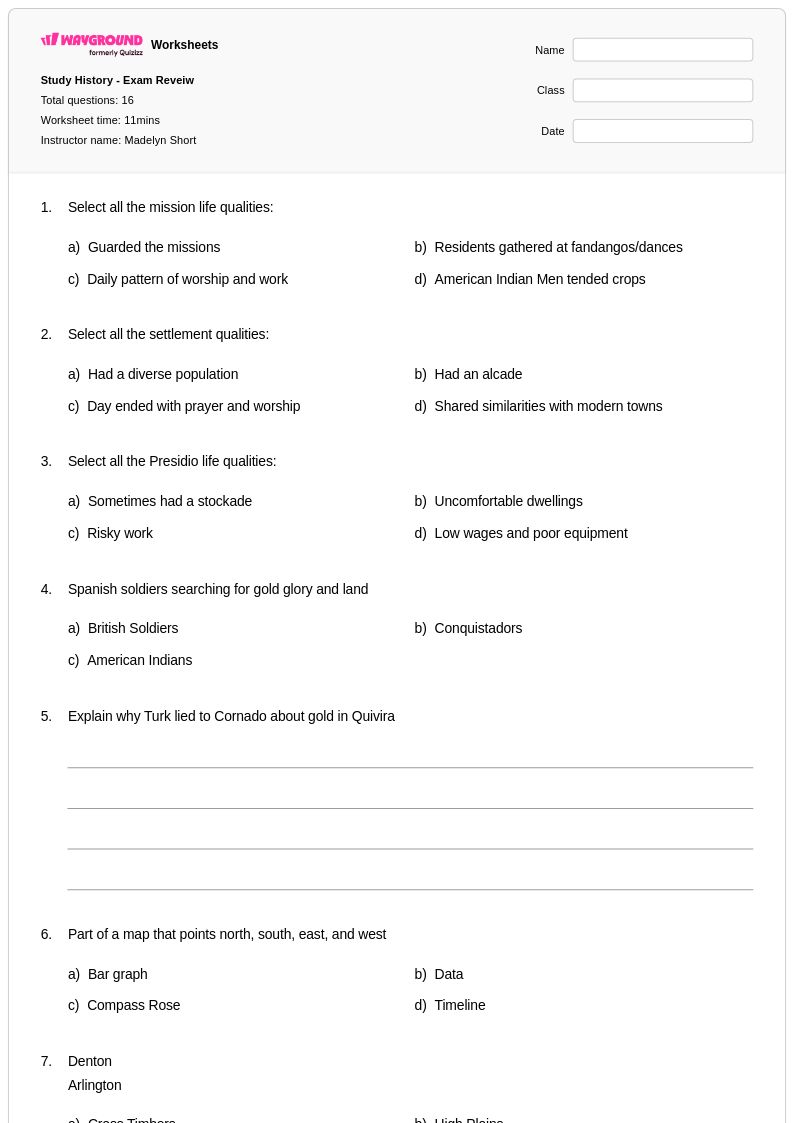
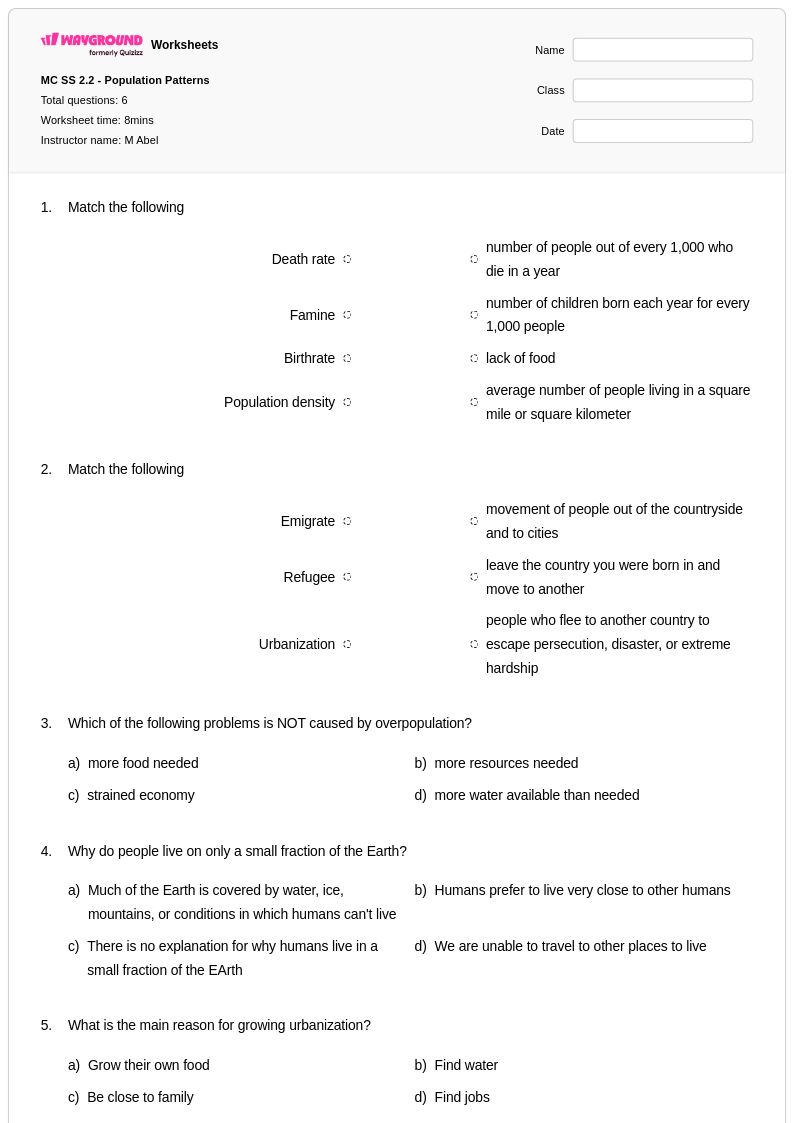
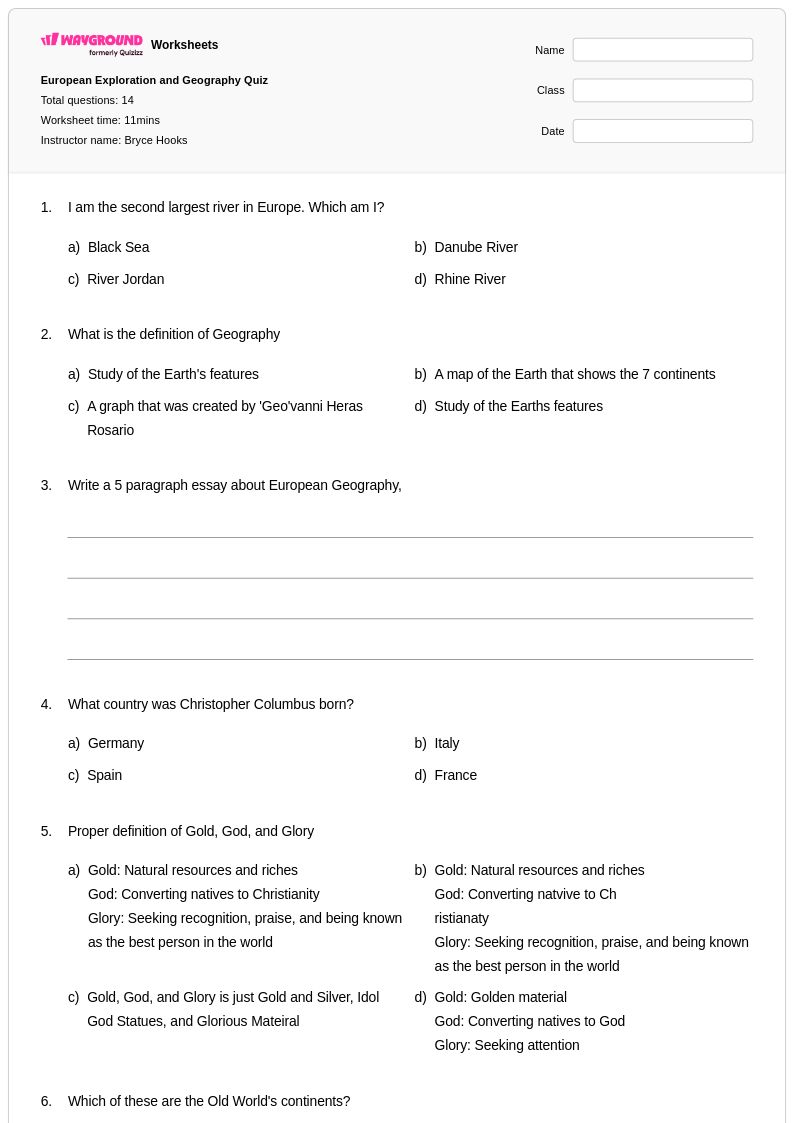
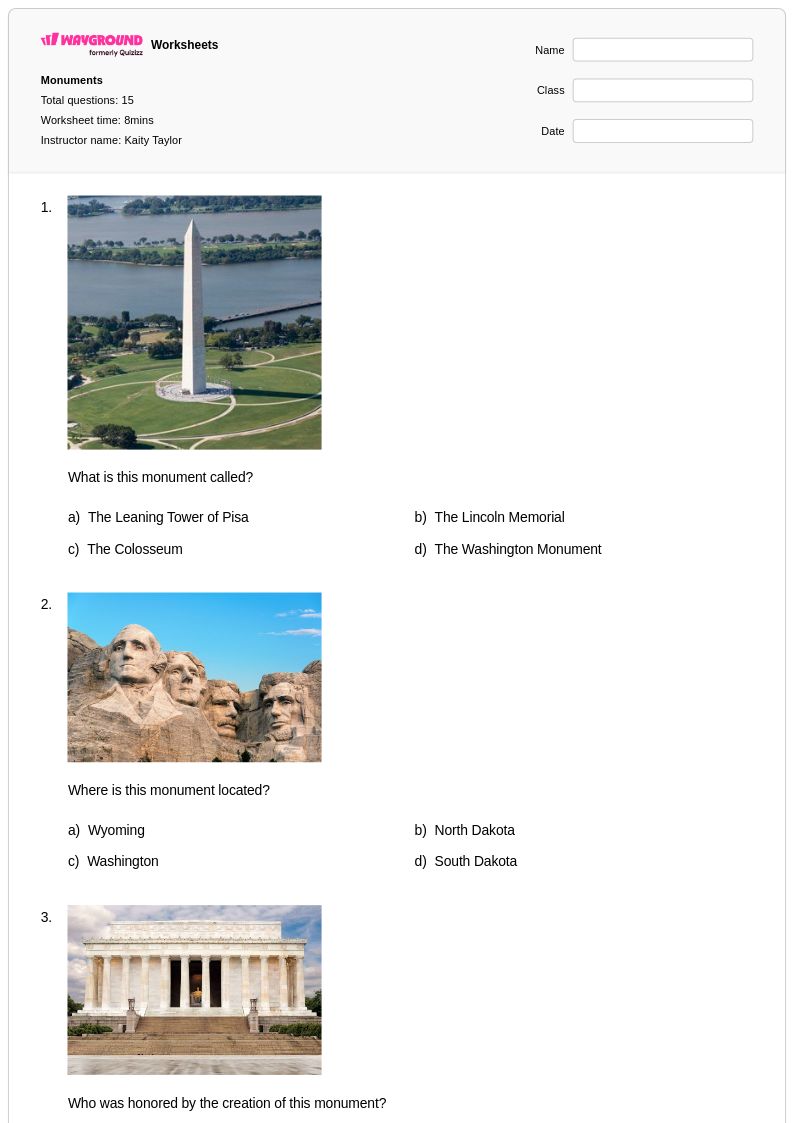
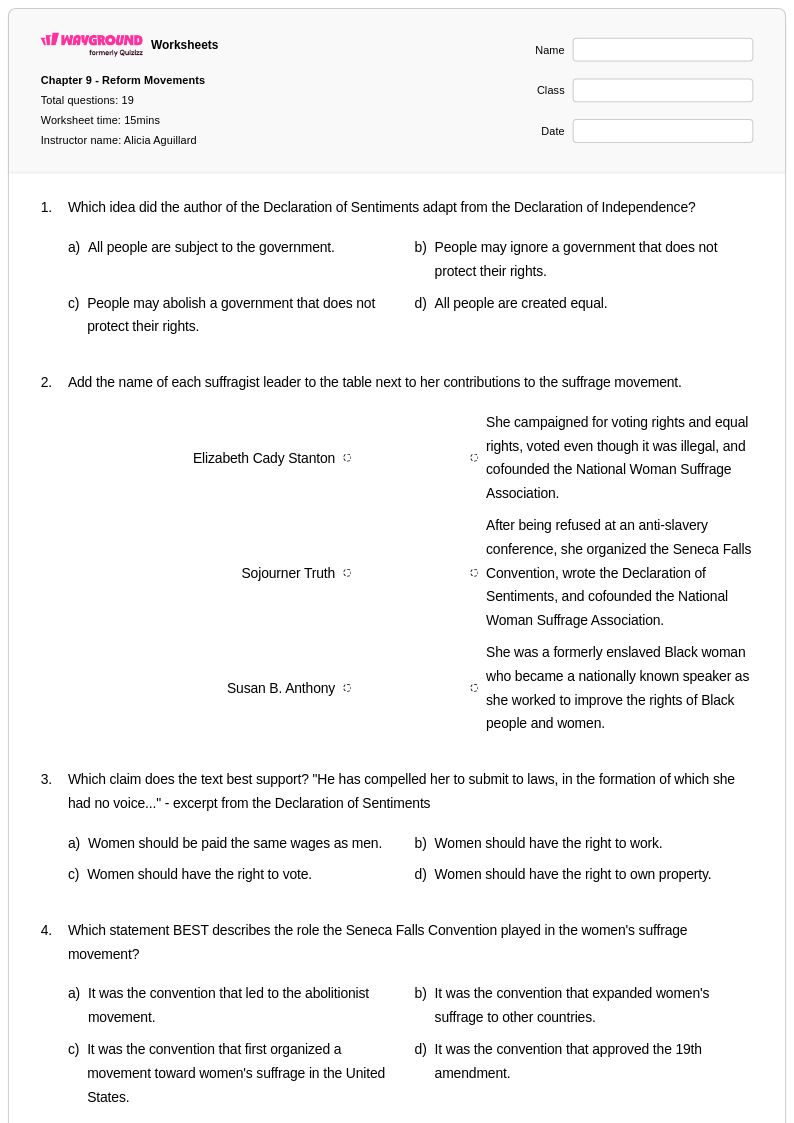
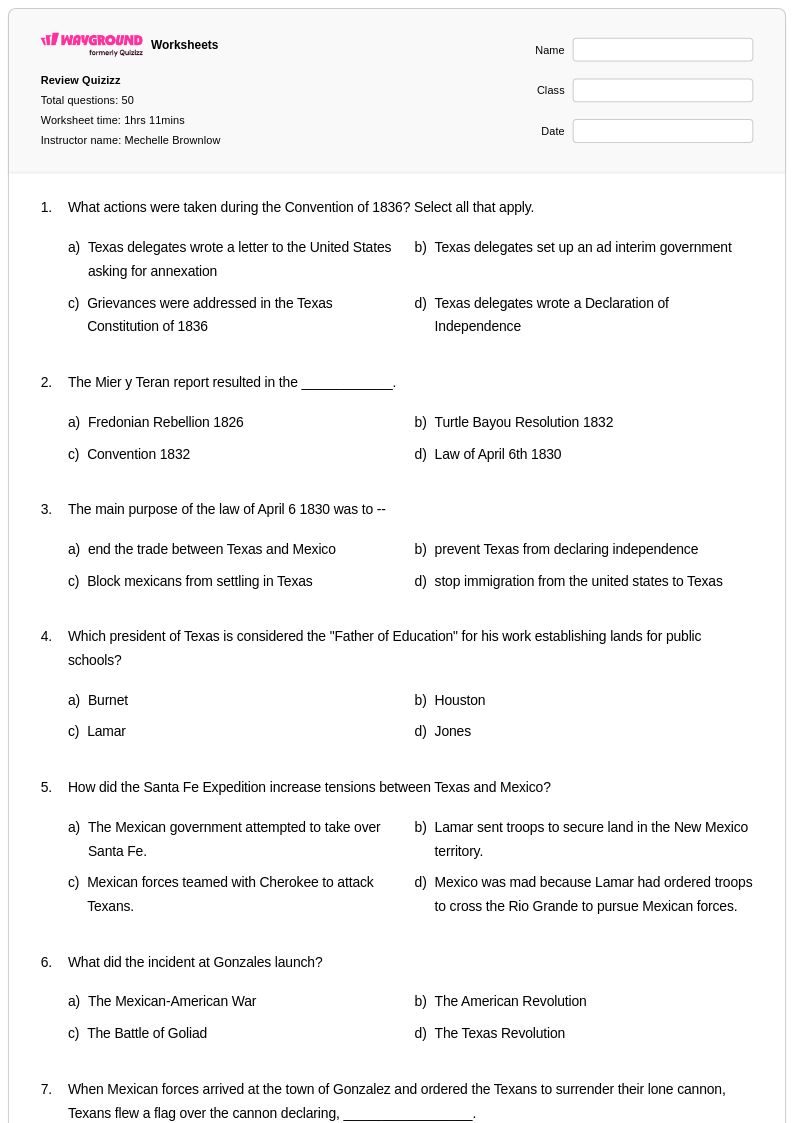
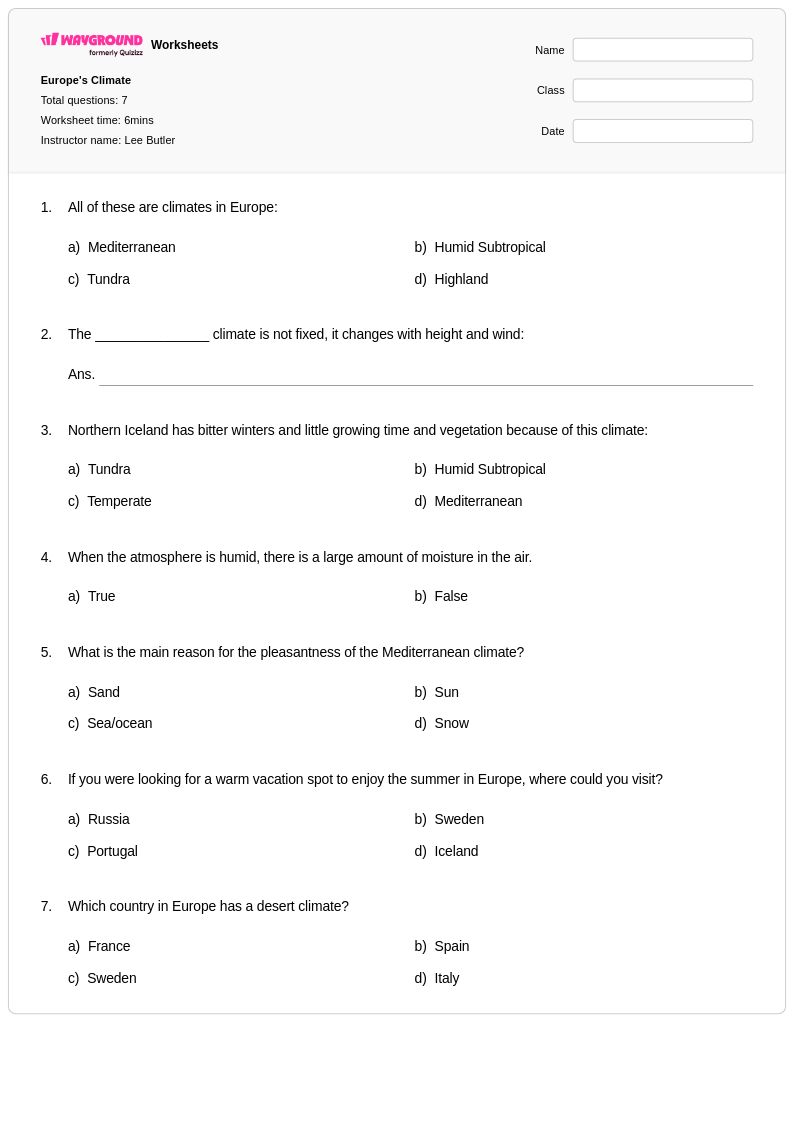
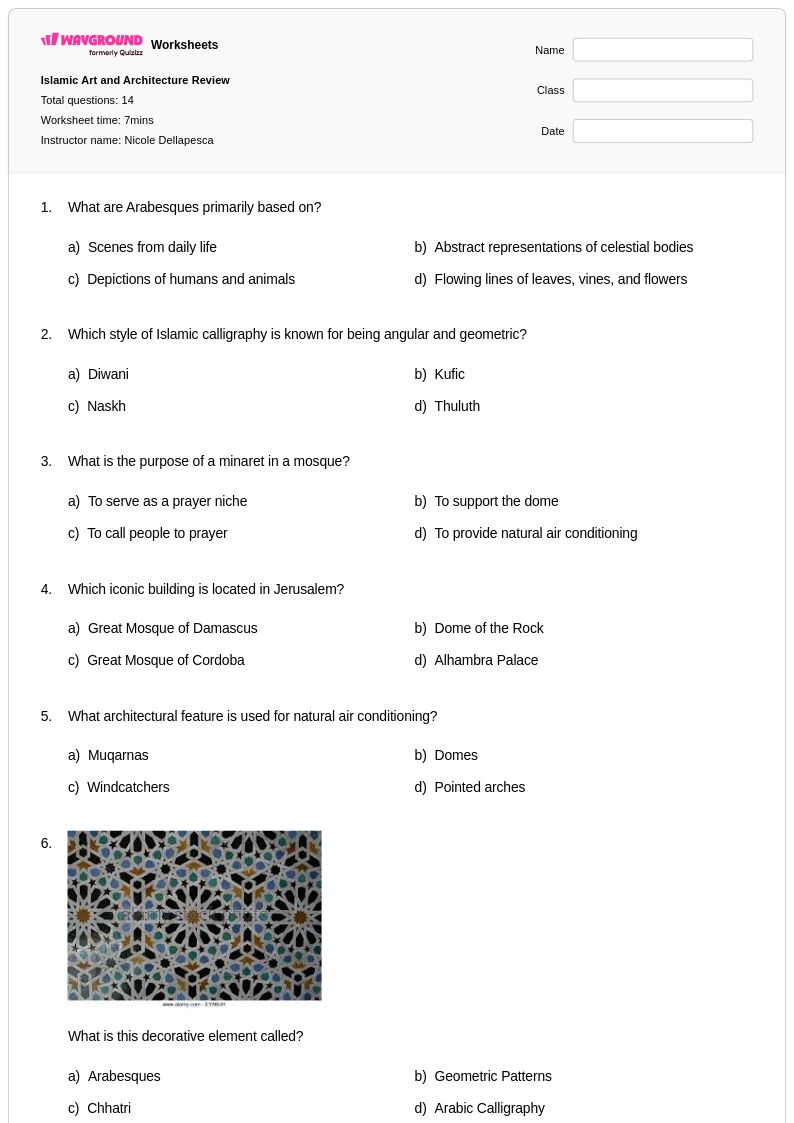
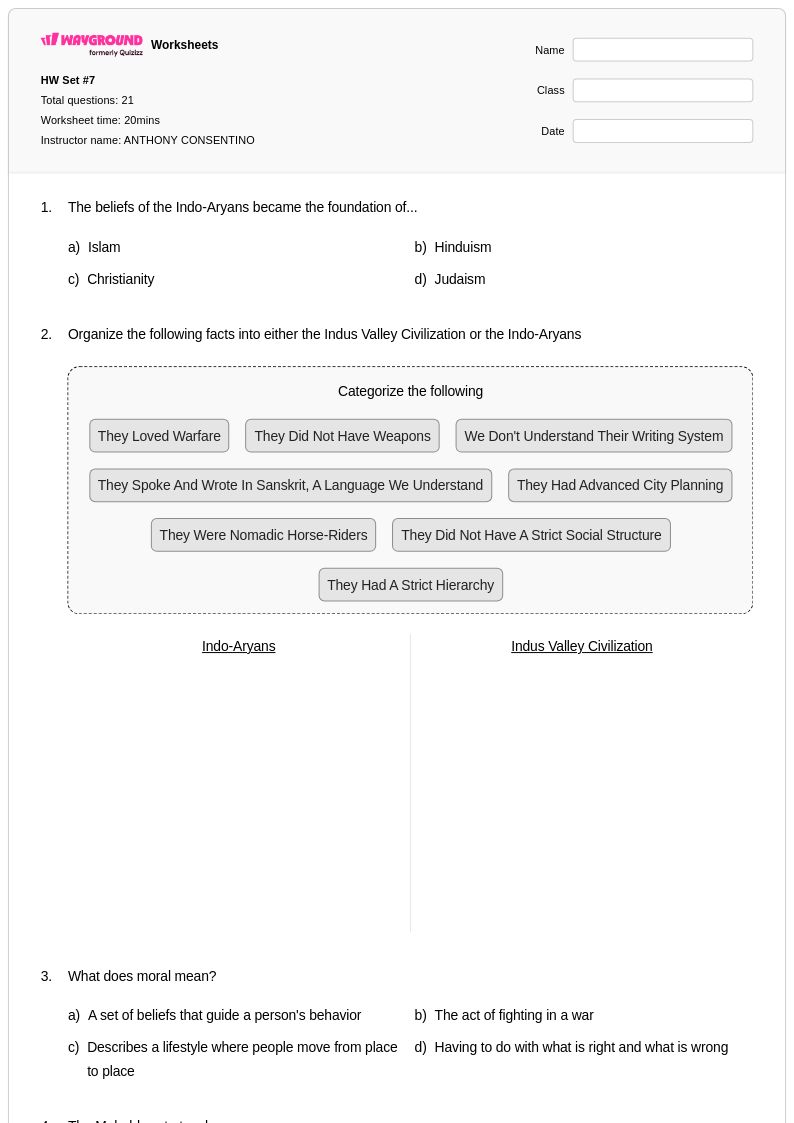
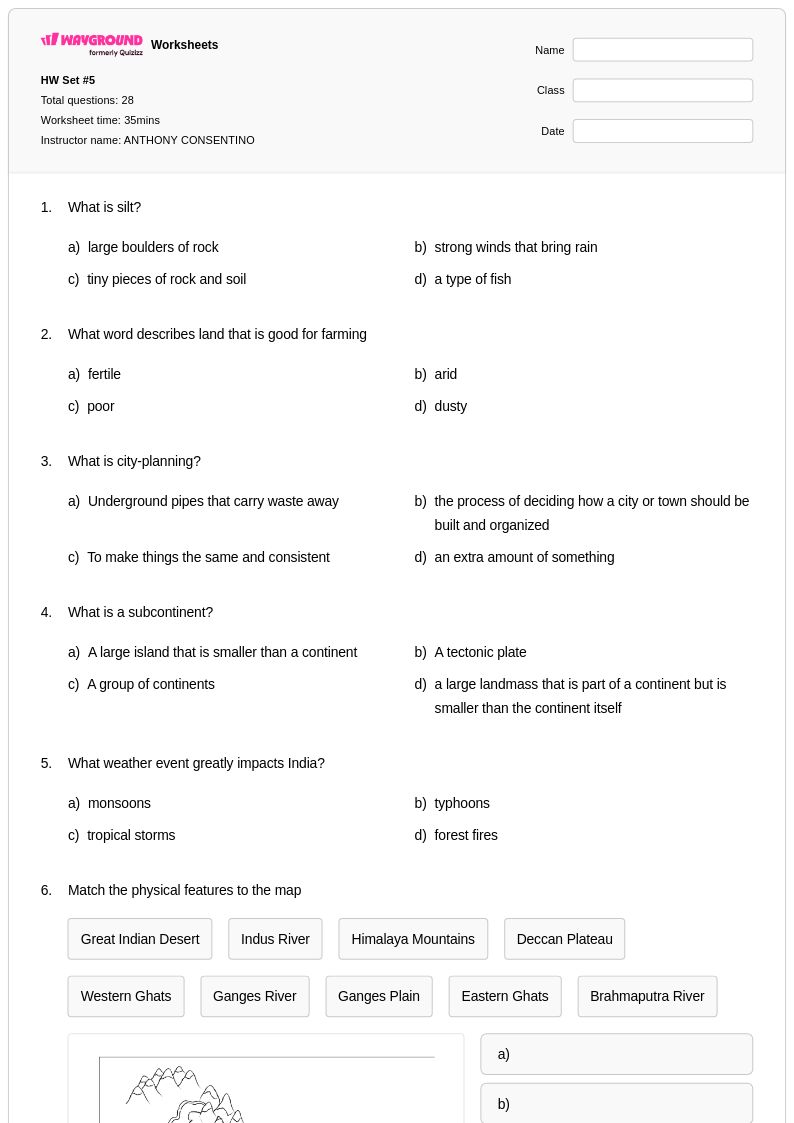
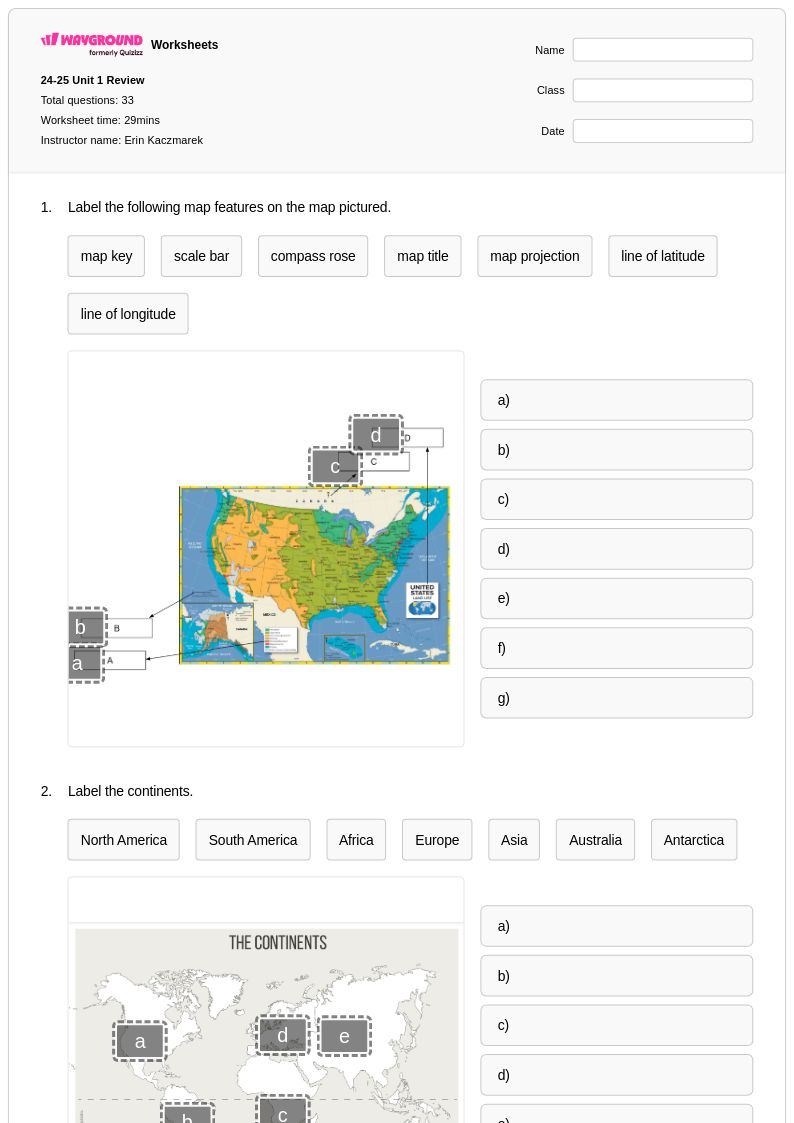
Emotional pattern recognition worksheets for Class 7 students available through Wayground (formerly Quizizz) provide comprehensive practice in identifying and understanding emotional cues, behavioral patterns, and social dynamics. These carefully designed resources help seventh graders develop critical social awareness skills by analyzing facial expressions, body language, tone of voice, and contextual situations that reveal underlying emotions. Students engage with practice problems that challenge them to recognize emotional triggers, predict behavioral responses, and understand the connection between feelings and actions in various social scenarios. The free printables include detailed answer keys that allow for self-assessment and immediate feedback, while pdf formats ensure easy distribution and consistent formatting across different learning environments.
Wayground (formerly Quizizz) supports educators with an extensive collection of teacher-created emotional pattern recognition resources, drawing from millions of worksheets specifically designed for middle school social studies instruction. The platform's robust search and filtering capabilities enable teachers to locate materials that align with specific learning objectives and state standards for social-emotional learning. Differentiation tools allow instructors to modify worksheet complexity and content to meet diverse student needs, while flexible customization options support both remediation for struggling learners and enrichment activities for advanced students. Available in both printable and digital formats including downloadable pdfs, these resources streamline lesson planning and provide consistent skill practice opportunities that help students master the sophisticated emotional intelligence competencies essential for Class 7 social development.
FAQs
How do I teach emotional pattern recognition in the classroom?
Effective instruction in emotional pattern recognition begins with explicit teaching of emotional vocabulary and the physical cues associated with different feelings, such as facial expressions, posture, and tone of voice. Teachers should present real-world scenarios and visual examples that show emotions in context, then guide students to identify the behavioral and nonverbal signals present. Gradual release works well here: model the analysis process, practice together as a class, and then have students work through independent scenarios to build confidence and skill.
What activities help students practice recognizing emotional patterns?
Practice activities that work well for emotional pattern recognition include visual recognition exercises using images of facial expressions, scenario-based tasks where students identify emotions from descriptions of body language and behavior, and reflective prompts that ask students to connect emotions to outcomes. Worksheets that present diverse social contexts are especially effective because they help students generalize their recognition skills beyond a single setting, building the flexible pattern-spotting ability that real social interactions require.
What misconceptions do students commonly have about reading emotional cues?
A common misconception is that emotions always present the same way across all people and cultures, leading students to misread cues that deviate from familiar expressions. Students also frequently over-rely on facial expressions alone, missing the fuller picture communicated through posture, gestures, and behavioral context. Another error pattern is conflating the cause of an emotion with the emotion itself, which can interfere with accurate identification when scenarios involve complex or layered social situations.
How do emotional pattern recognition skills connect to empathy and social relationships?
Accurately reading emotional cues is a foundational skill for empathy because students must first identify what someone else is feeling before they can respond appropriately. When students develop the ability to recognize emotional states in others through facial expressions, body language, and behavioral indicators, they are better equipped to navigate conflict, offer support, and build trust in social relationships. This is why emotional pattern recognition is a core component of social-emotional learning frameworks across grade levels.
How can I use Wayground's emotional pattern recognition worksheets in my classroom?
Wayground's emotional pattern recognition worksheets are available as free printable PDFs, making them easy to distribute for in-class activities, homework, or targeted remediation sessions. They are also available in digital formats, allowing teachers to assign them in technology-integrated environments or host them as an interactive quiz directly on the Wayground platform. Each worksheet includes a detailed answer key, supporting both independent student practice and guided whole-class instruction.
How can I support students who struggle with identifying social and emotional cues?
For students who find emotional pattern recognition particularly challenging, pairing visual recognition exercises with explicit verbal explanations of what each cue signals can reduce cognitive load and build a clearer mental model. On Wayground, teachers can apply individual accommodations such as Read Aloud, which provides audio support for students who benefit from hearing scenario descriptions, and reduced answer choices to simplify decision-making for students who feel overwhelmed by multiple options. These settings can be assigned to specific students without affecting the experience of the rest of the class.