Free Printable Great Transformations Worksheets for Class 11
Explore Class 11 Great Transformations worksheets and printables that help students analyze pivotal historical changes through engaging practice problems, free PDF resources, and comprehensive answer keys.
Explore printable Great Transformations worksheets for Class 11
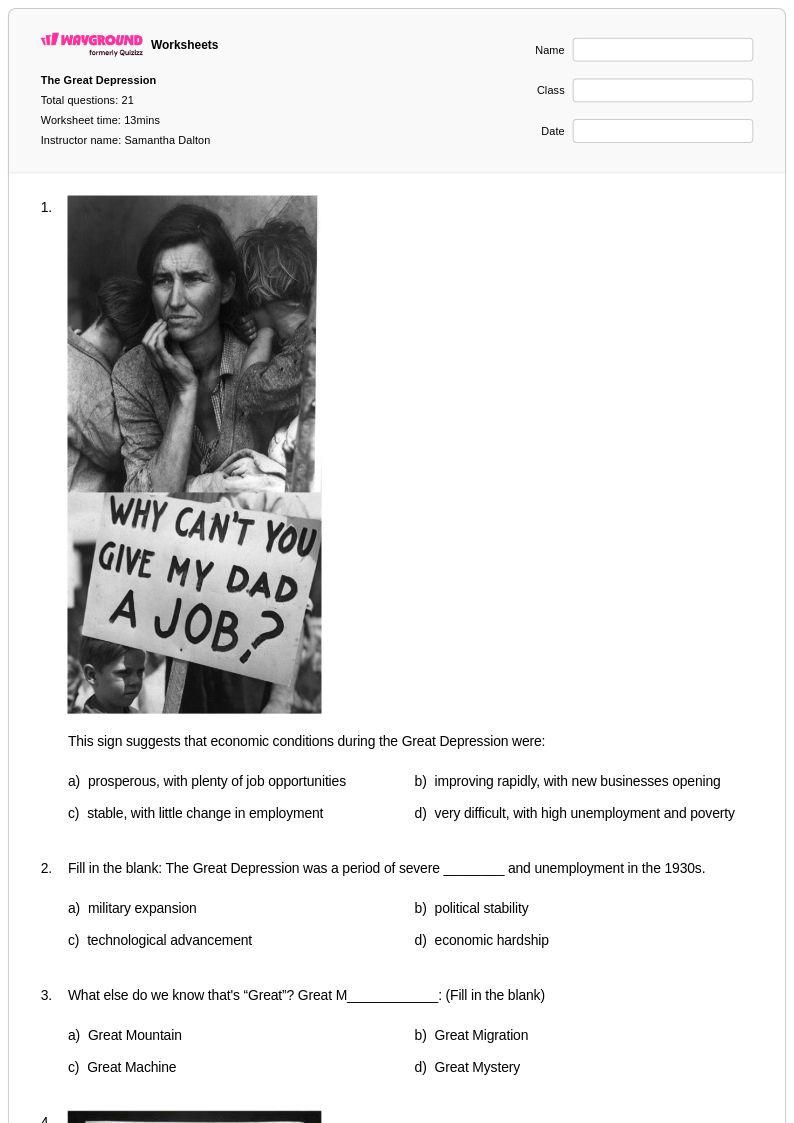
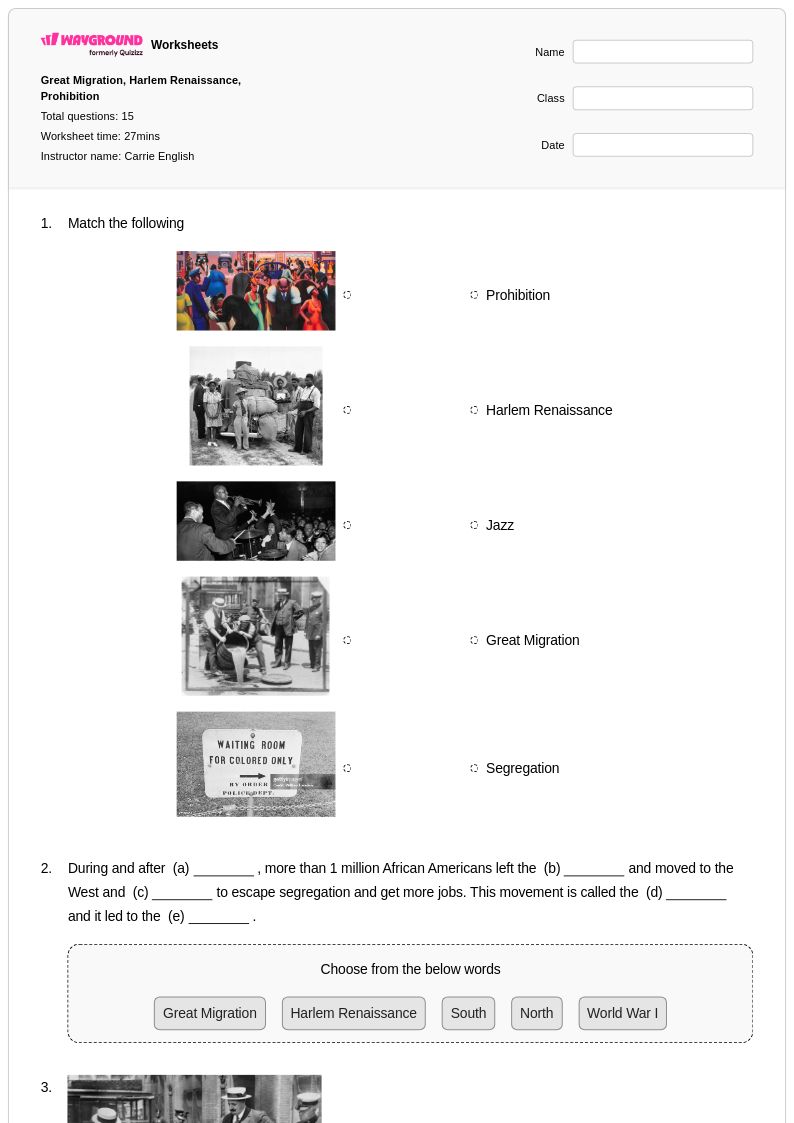
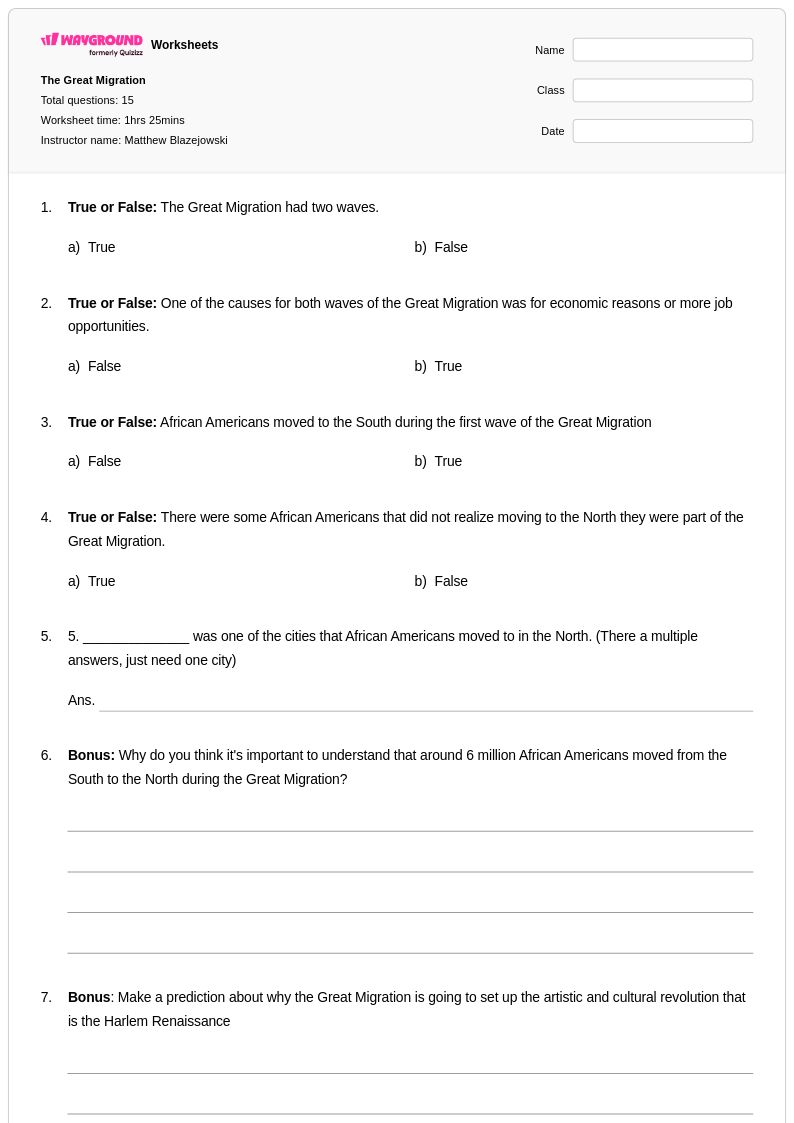
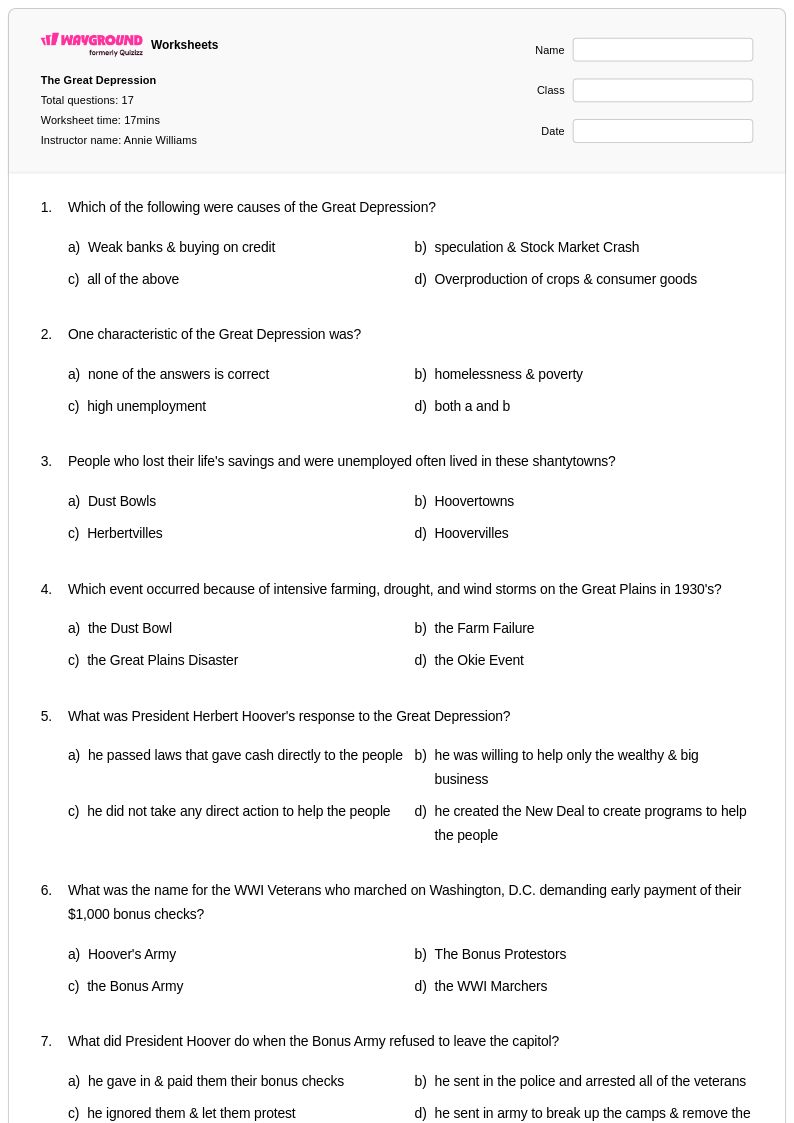
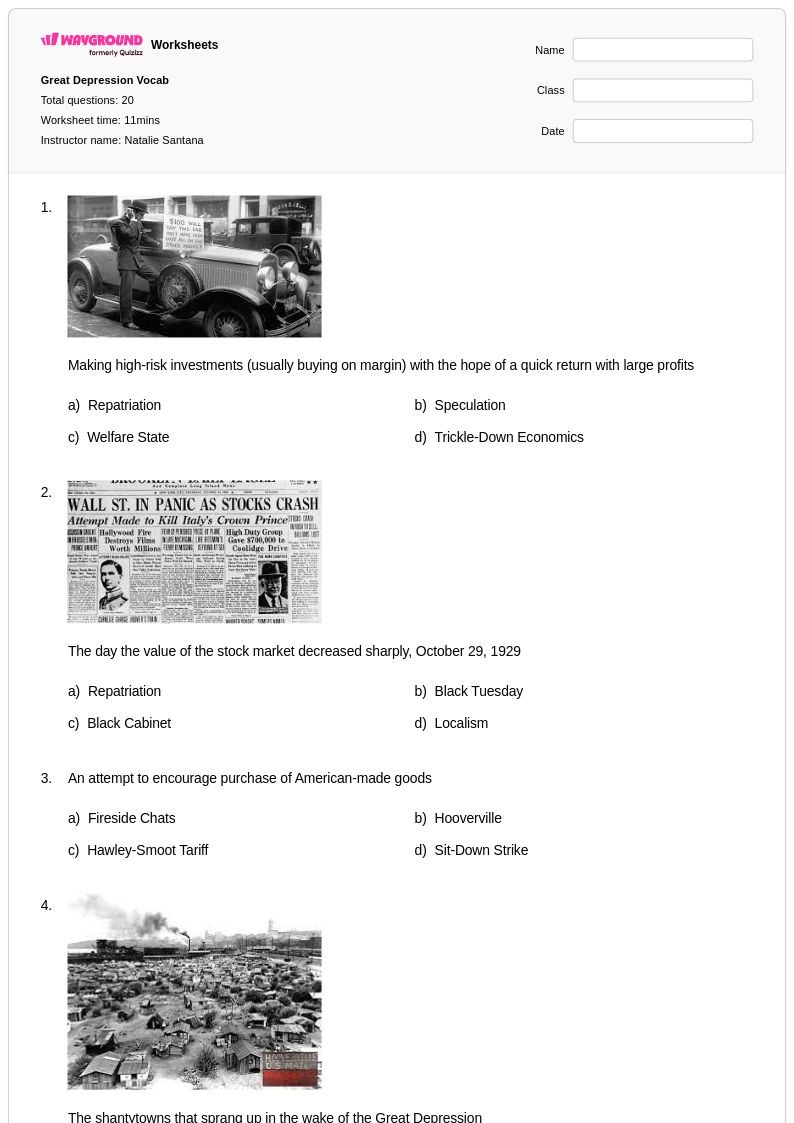
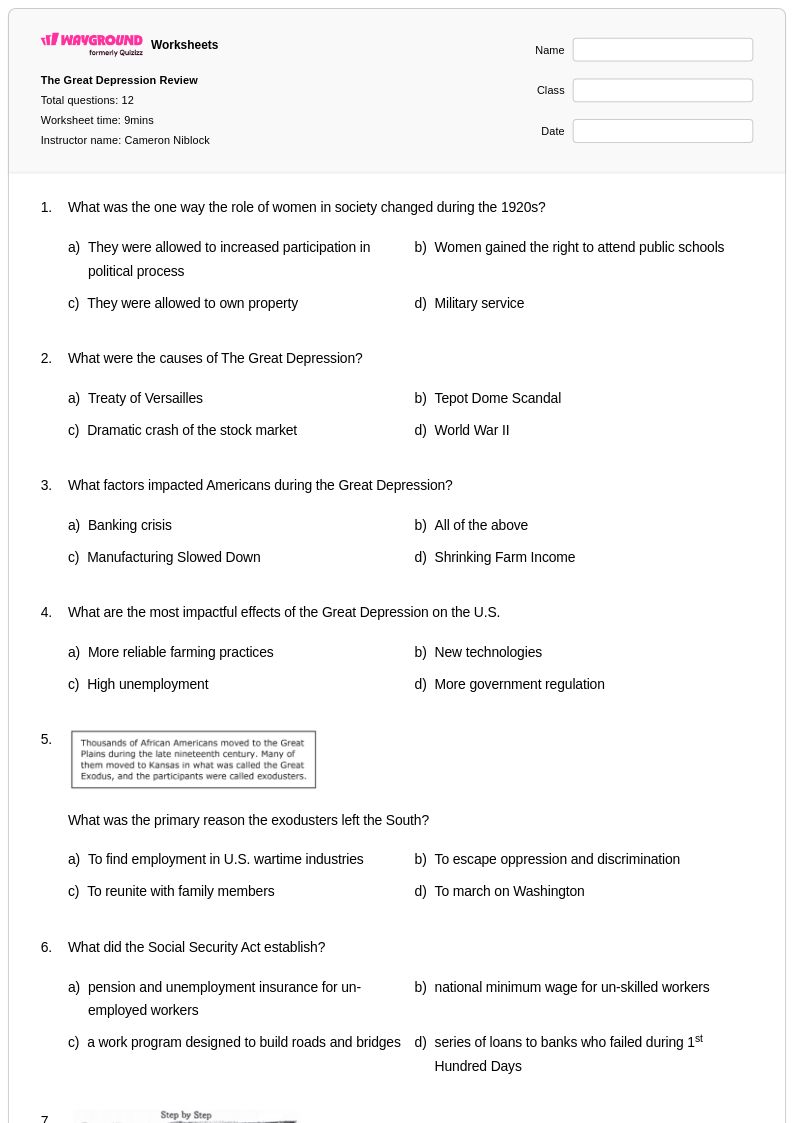
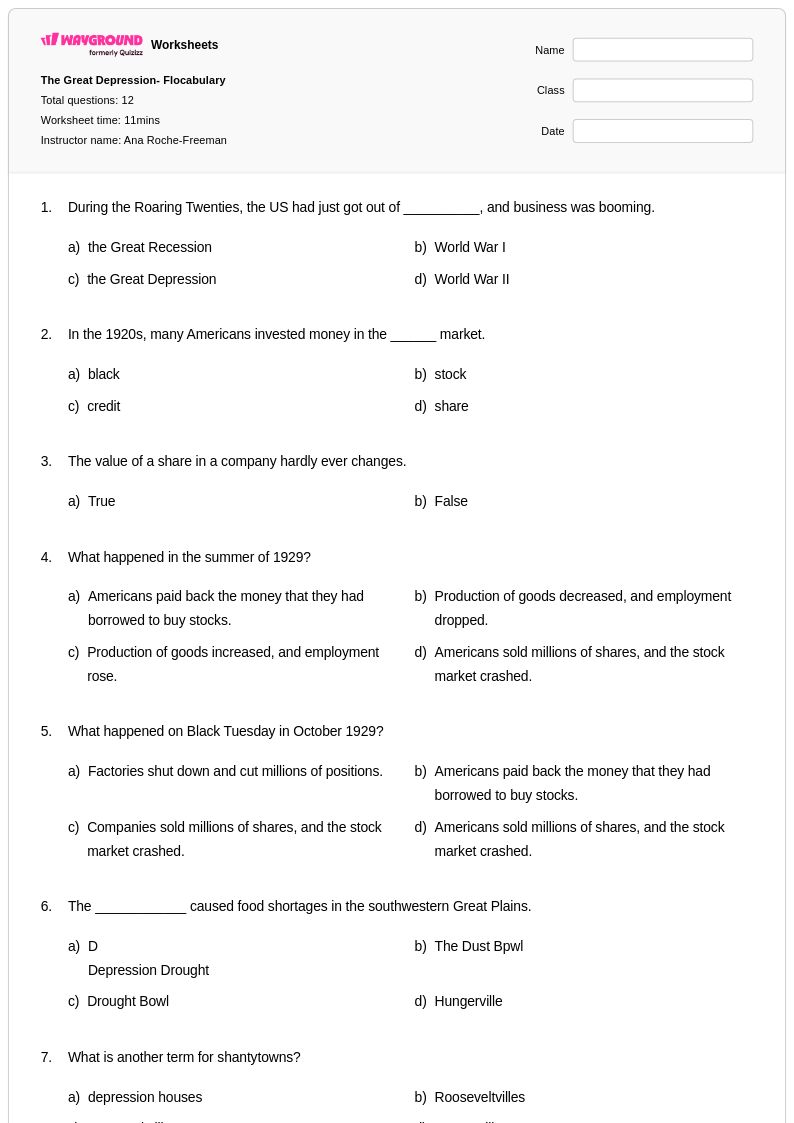
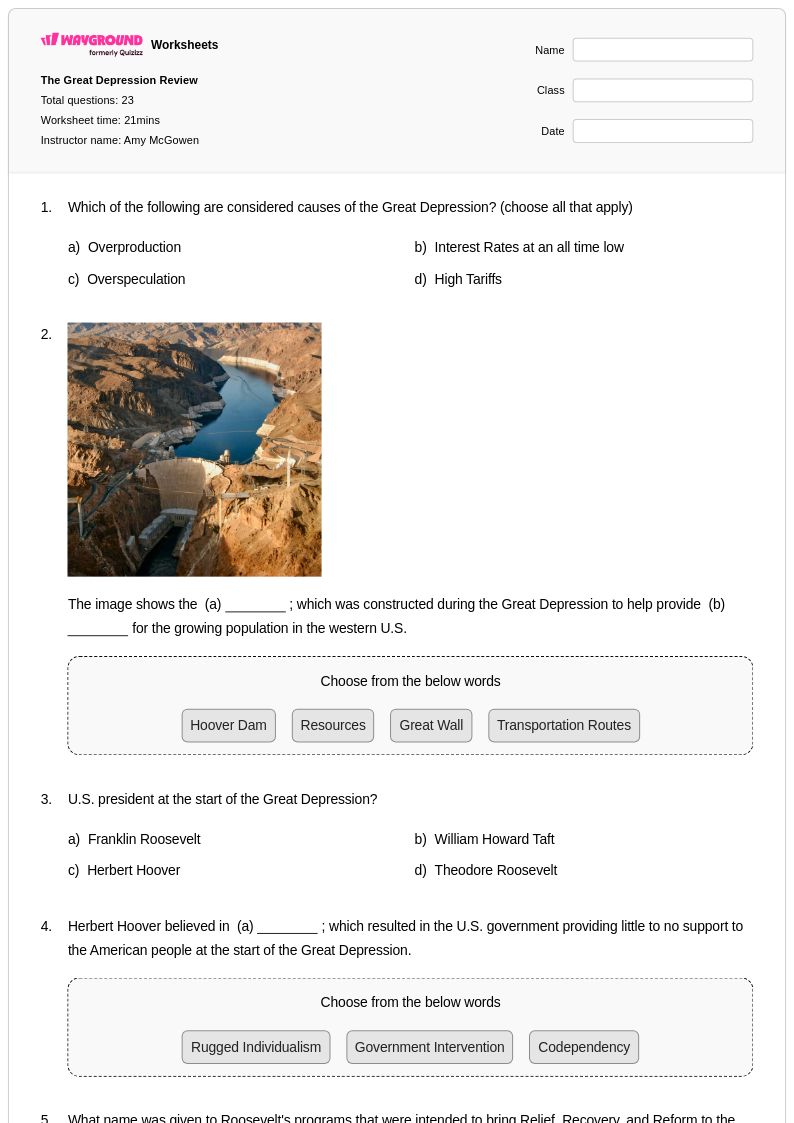
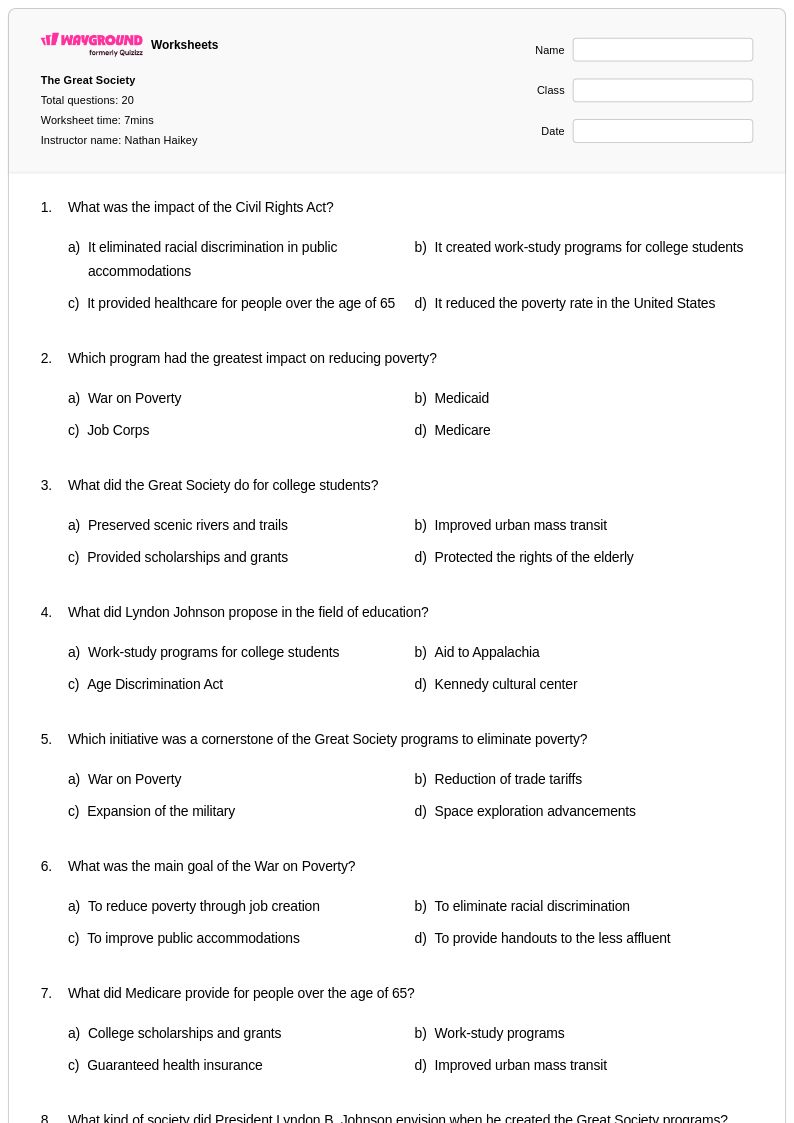
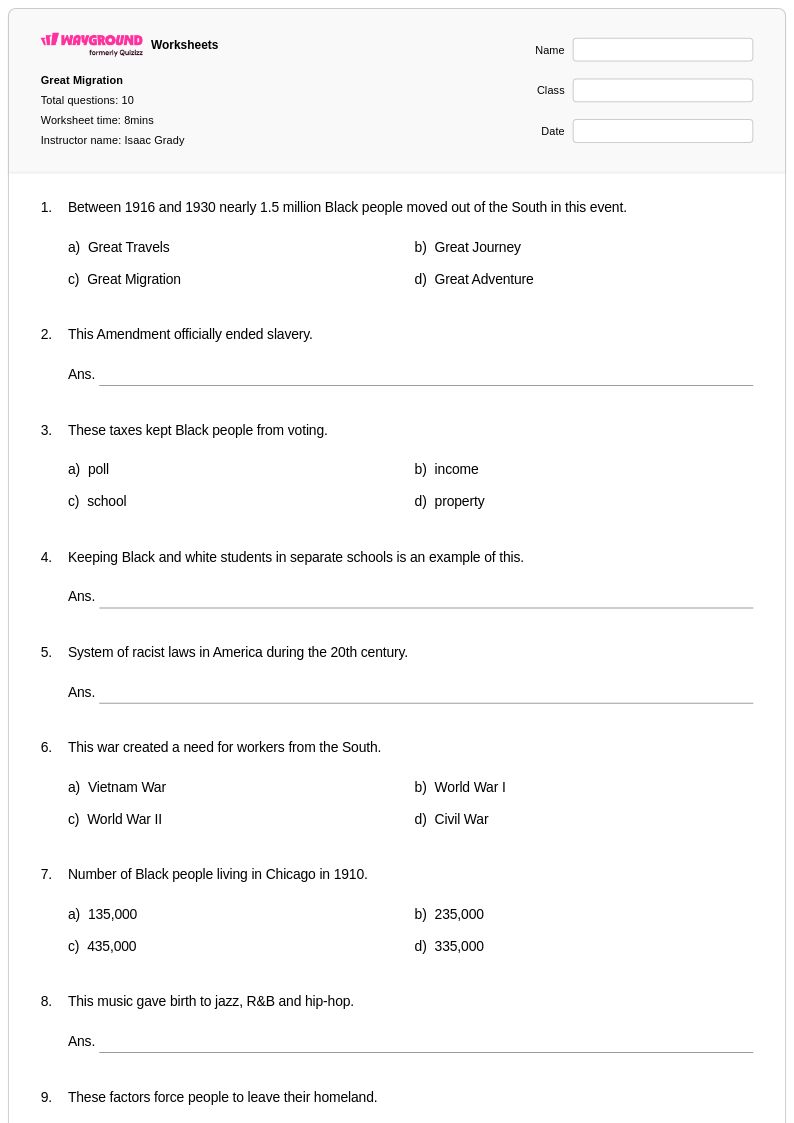
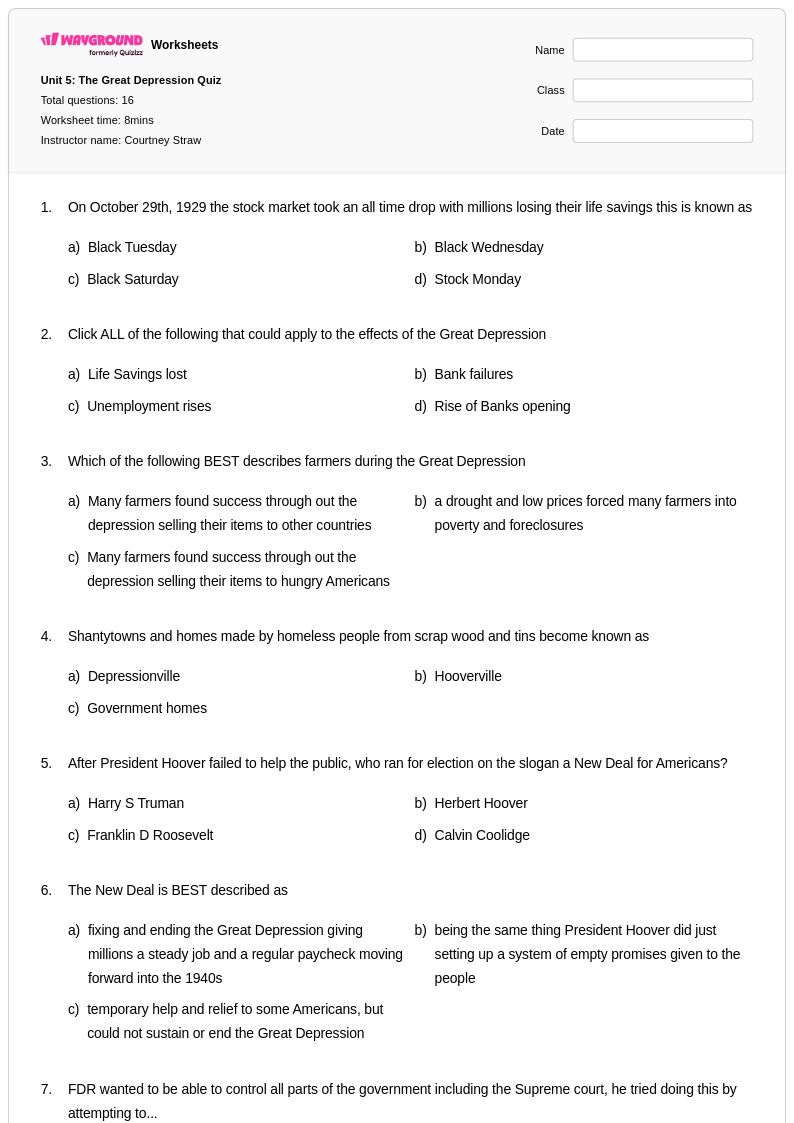
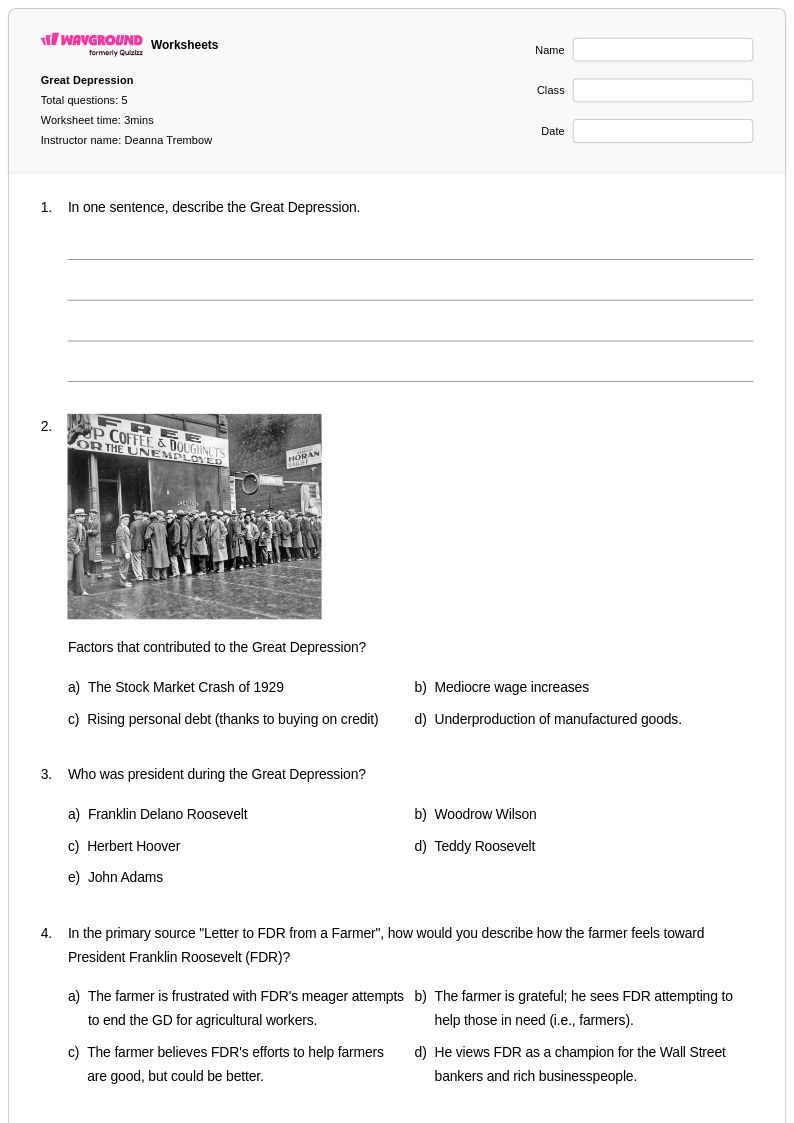
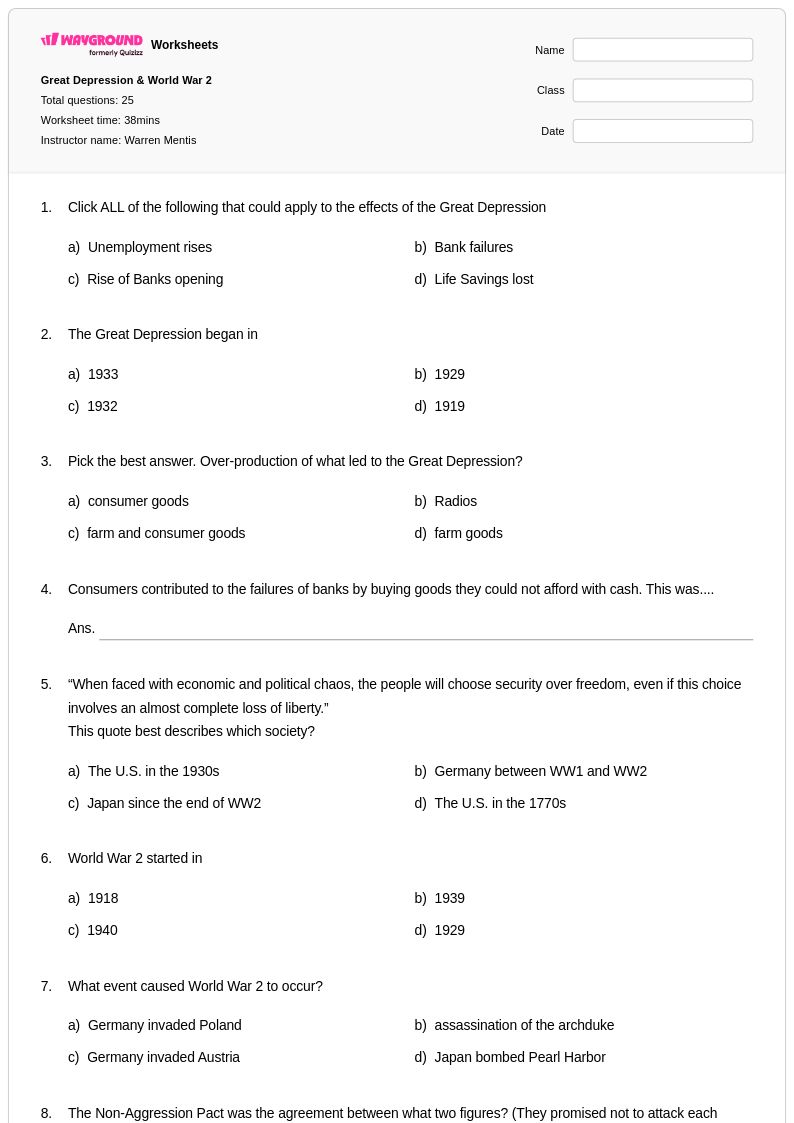
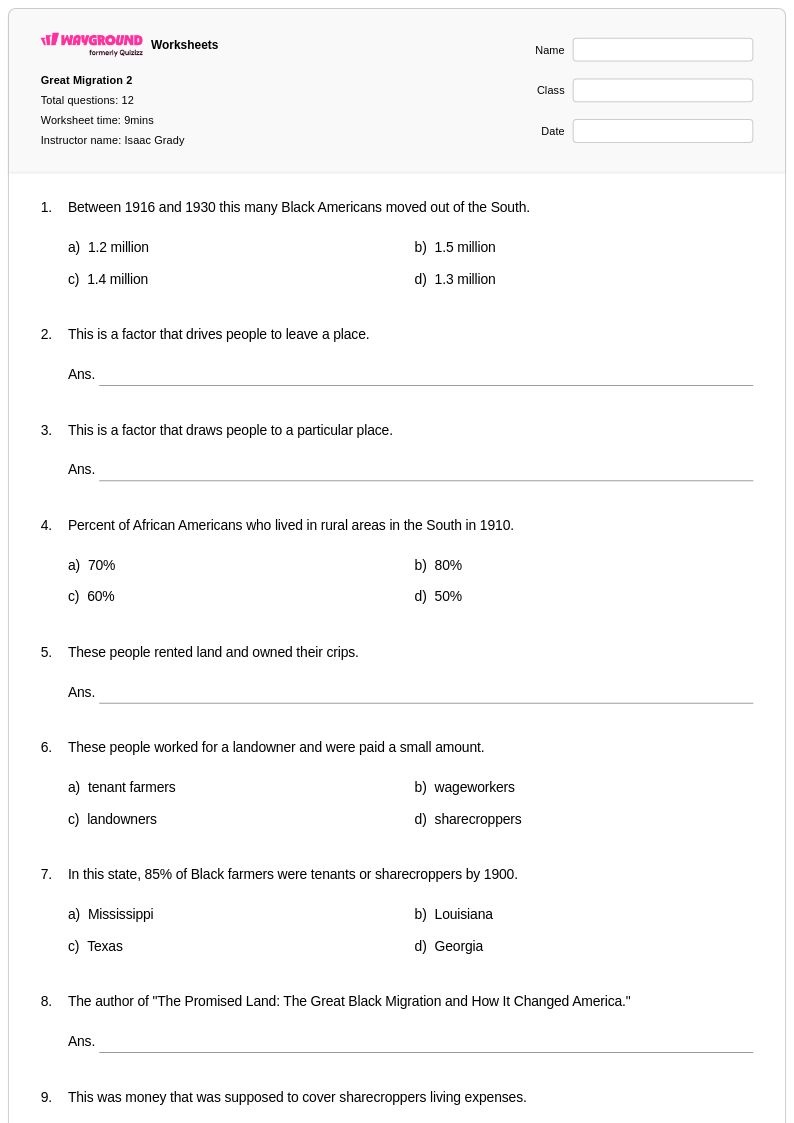
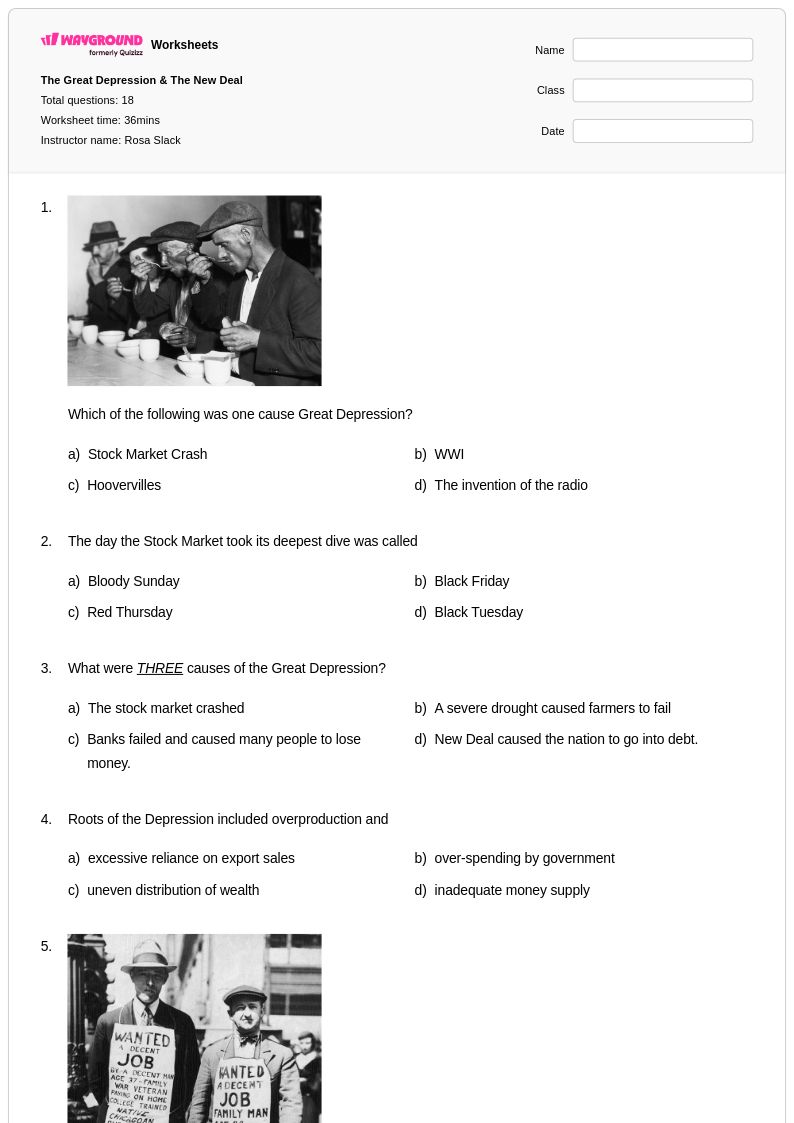
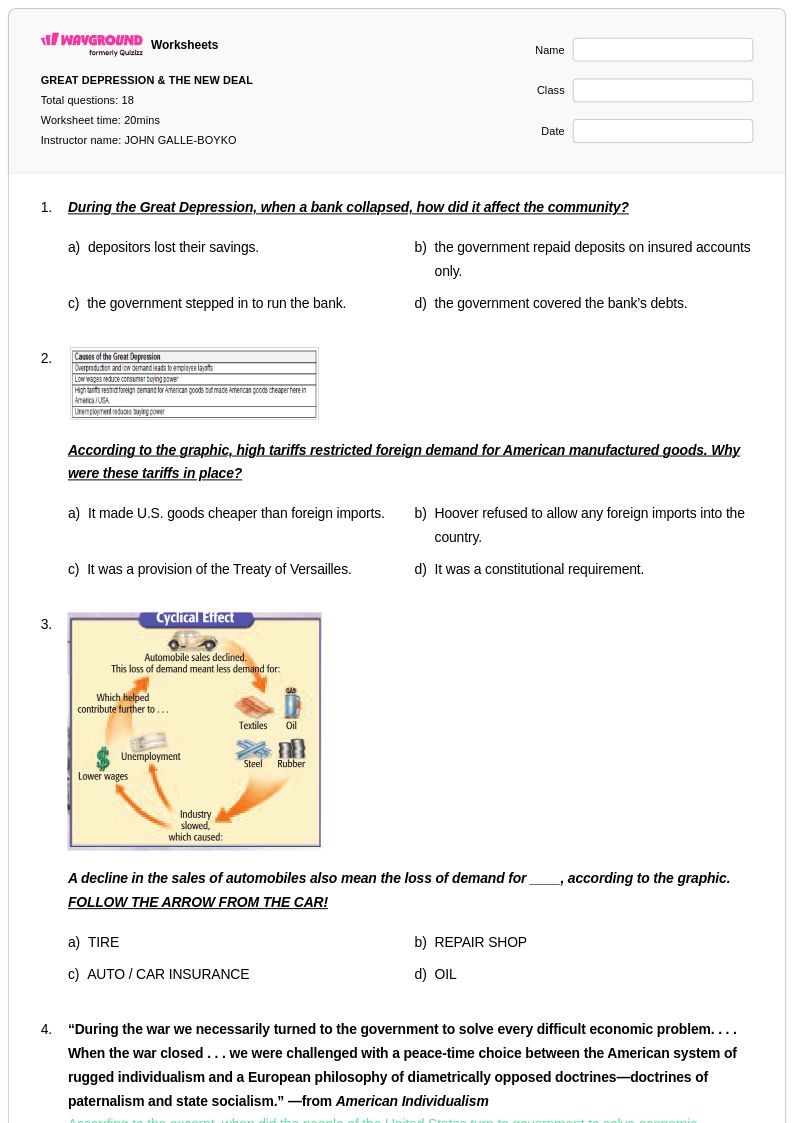
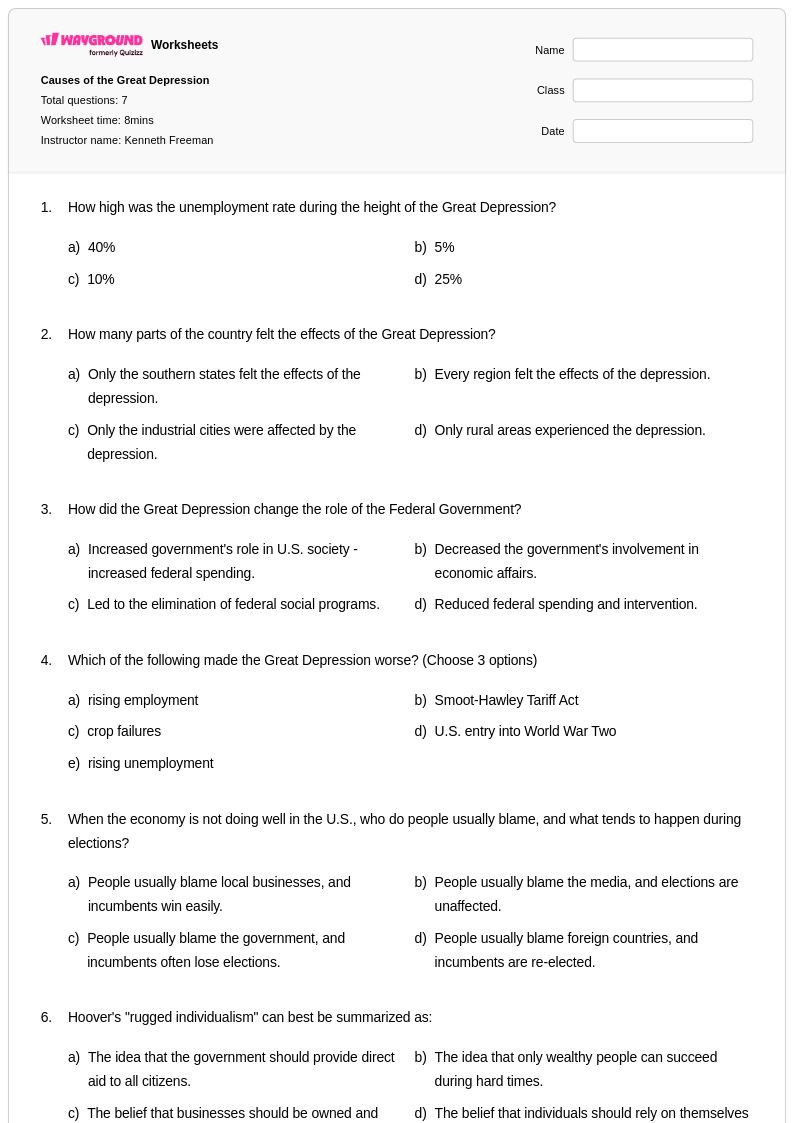
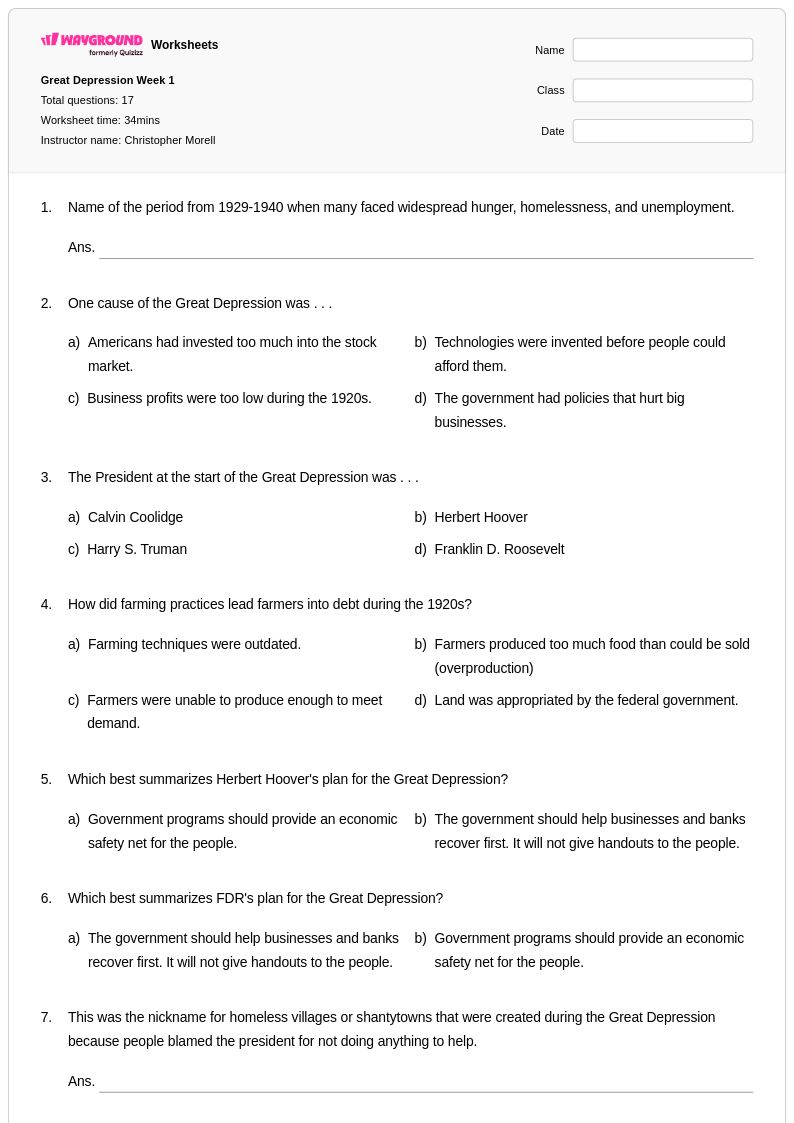
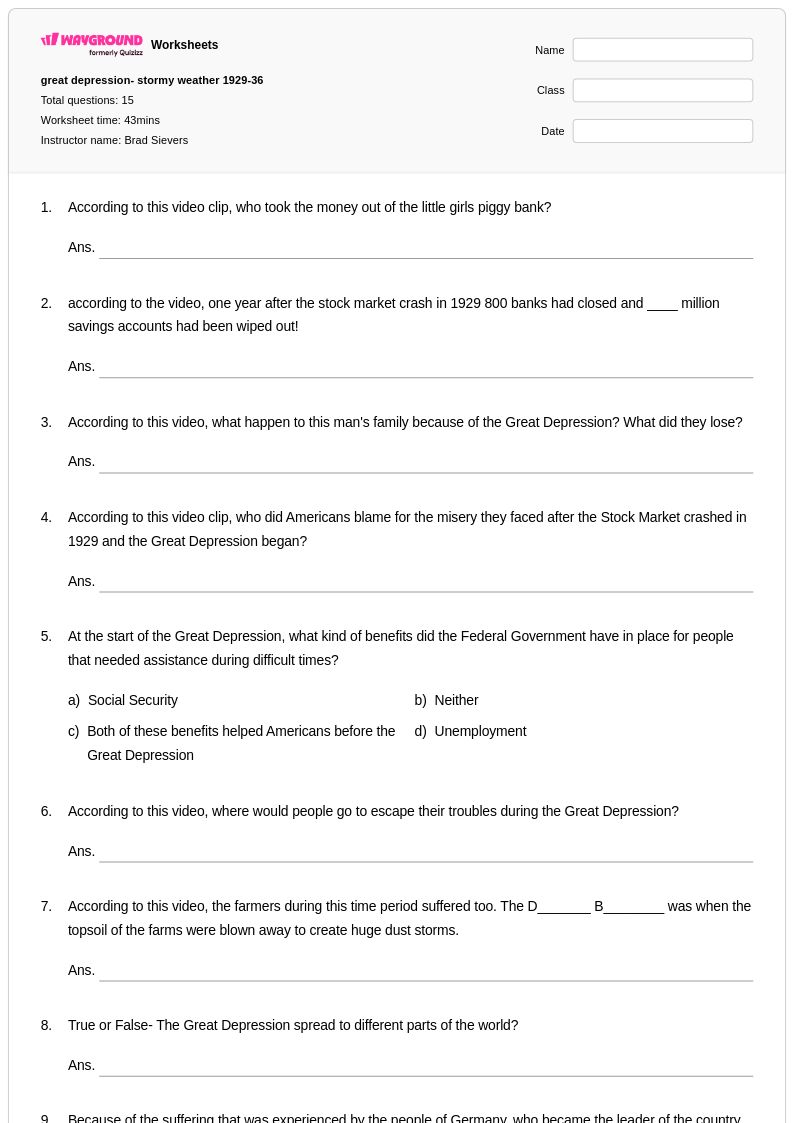
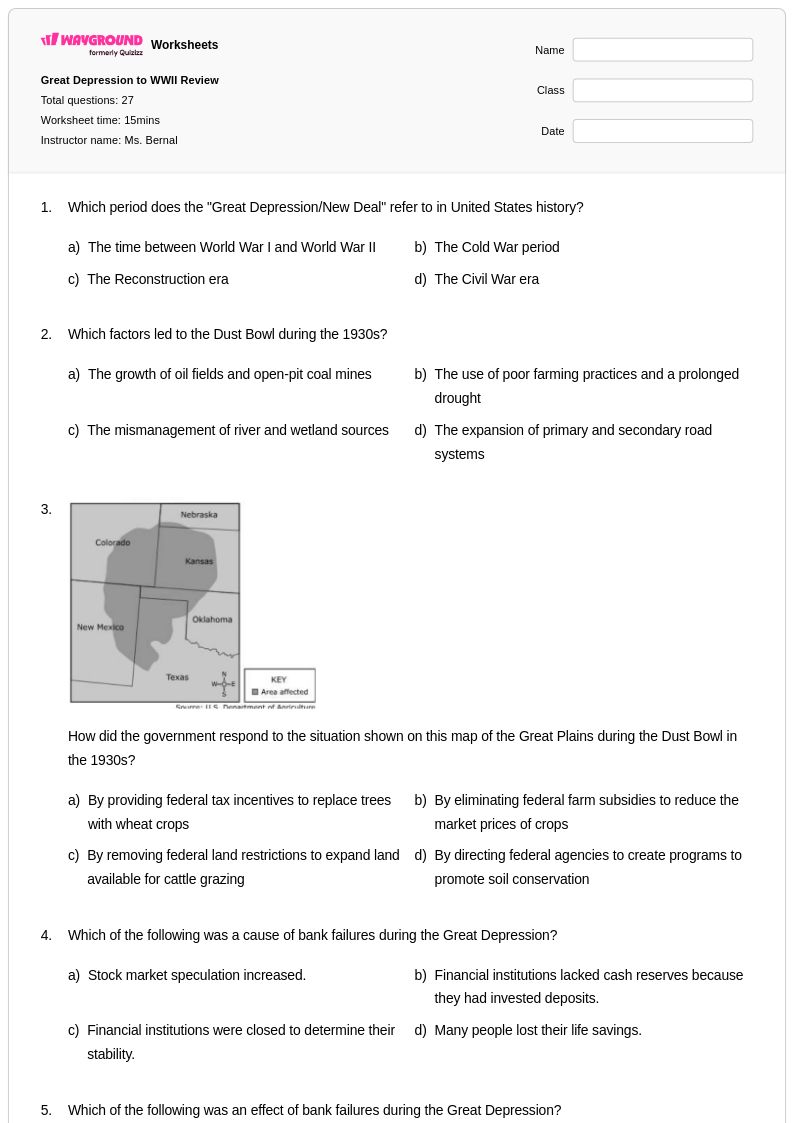
Great Transformations worksheets for Class 11 students available through Wayground (formerly Quizizz) provide comprehensive coverage of the pivotal periods that reshaped human civilization throughout world history. These expertly designed educational resources focus on major transformative epochs including the Agricultural Revolution, Industrial Revolution, political revolutions, and cultural renaissance periods that fundamentally altered societies across different continents and time periods. The worksheets strengthen critical thinking skills by engaging students in analyzing cause-and-effect relationships, comparing transformation patterns across civilizations, and evaluating the long-term impact of technological, social, and political changes. Students work through practice problems that require them to synthesize information from primary and secondary sources, construct historical arguments, and demonstrate understanding of how these great transformations continue to influence contemporary global systems. Each worksheet includes detailed answer keys that support both independent study and classroom instruction, with free printables available in convenient pdf format for seamless integration into existing curriculum frameworks.
Wayground (formerly Quizizz) empowers educators with an extensive collection of millions of teacher-created resources specifically designed for Class 11 Great Transformations units, featuring robust search and filtering capabilities that allow instructors to quickly locate materials aligned with specific historical periods, geographic regions, or skill objectives. The platform's comprehensive standards alignment ensures that worksheets meet rigorous academic expectations while supporting diverse learning needs through built-in differentiation tools that accommodate various reading levels and learning styles. Teachers can customize existing worksheets or create new ones using flexible editing features, then distribute materials in both printable and digital formats including downloadable pdf versions for hybrid learning environments. These versatile resources prove invaluable for lesson planning, targeted remediation for students struggling with complex historical concepts, enrichment activities for advanced learners, and regular skill practice that reinforces understanding of how transformative historical processes shaped the interconnected world students inhabit today.
FAQs
How do I teach Great Transformations in world history?
Teaching Great Transformations means helping students identify the forces that caused major turning points in human civilization, such as the Agricultural Revolution, the rise and fall of classical empires, industrialization, and the formation of modern nation-states. Effective instruction builds on cause-and-effect frameworks, asking students to explain not just what changed but why it changed and who was affected. Pairing primary source analysis with comparative studies across different societies helps students see patterns rather than isolated events, which builds the historical thinking skills they need for deeper engagement with world history.
What exercises help students practice historical analysis for Great Transformations?
Practice exercises for Great Transformations should target chronological reasoning, cause-and-effect analysis, and the ability to compare how different societies responded to the same transformative forces, such as the spread of world religions or technological innovation. Worksheets that ask students to analyze primary sources, sequence events across civilizations, and synthesize information from multiple perspectives are especially effective. These exercises build the interpretive skills students need to move beyond memorization and engage meaningfully with complex historical processes.
What common mistakes do students make when studying major historical transformations?
One of the most frequent errors is treating transformations as sudden events rather than gradual processes driven by interconnected political, cultural, and technological forces. Students also tend to isolate civilizations rather than examining how transformations spread across regions and influenced one another, for example treating the Renaissance or industrialization as purely European phenomena. Guiding students to ask 'what conditions made this change possible?' and 'who resisted or was excluded from this transformation?' helps correct both of these misconceptions.
How do I use Wayground's Great Transformations worksheets in my classroom?
Wayground's Great Transformations worksheets are available as printable PDFs for traditional classroom use and in digital formats for technology-integrated learning environments, including the option to host them as a quiz directly on Wayground. Teachers can use these materials for initial instruction, targeted remediation, or enrichment activities depending on where students are in the unit. All worksheets include complete answer keys, which makes them practical for independent practice, homework, or formative assessment without additional preparation on the teacher's part.
How can I differentiate Great Transformations worksheets for students with different learning needs?
When assigning Great Transformations worksheets digitally on Wayground, teachers can apply student-level accommodations including Read Aloud for students who benefit from audio support, reduced answer choices to lower cognitive load for selected students, and extended time settings configurable per individual. These accommodations can be assigned to specific students without notifying the rest of the class, so differentiation happens seamlessly within the same assignment. This is especially useful for complex historical content where vocabulary and multi-step reasoning can be barriers for diverse learners.
How do I align Great Transformations worksheets to curriculum standards?
Wayground's search and filtering tools allow teachers to locate Great Transformations worksheets aligned to specific curriculum standards, so materials can be matched to the exact learning objectives in a given unit rather than used generically. Because the topic spans multiple eras including classical empires, the Enlightenment, and industrialization, filtering by standard or subtopic helps teachers select resources appropriate for the specific transformation their class is currently studying. This prevents over-broad assignments and keeps practice tightly connected to instructional goals.