Free Printable Great White Shark Worksheets for Class 1
Discover free Class 1 Great White Shark biology worksheets and printables that help young students learn about these amazing ocean predators through engaging practice problems and activities with answer keys.
Explore printable Great White Shark worksheets for Class 1
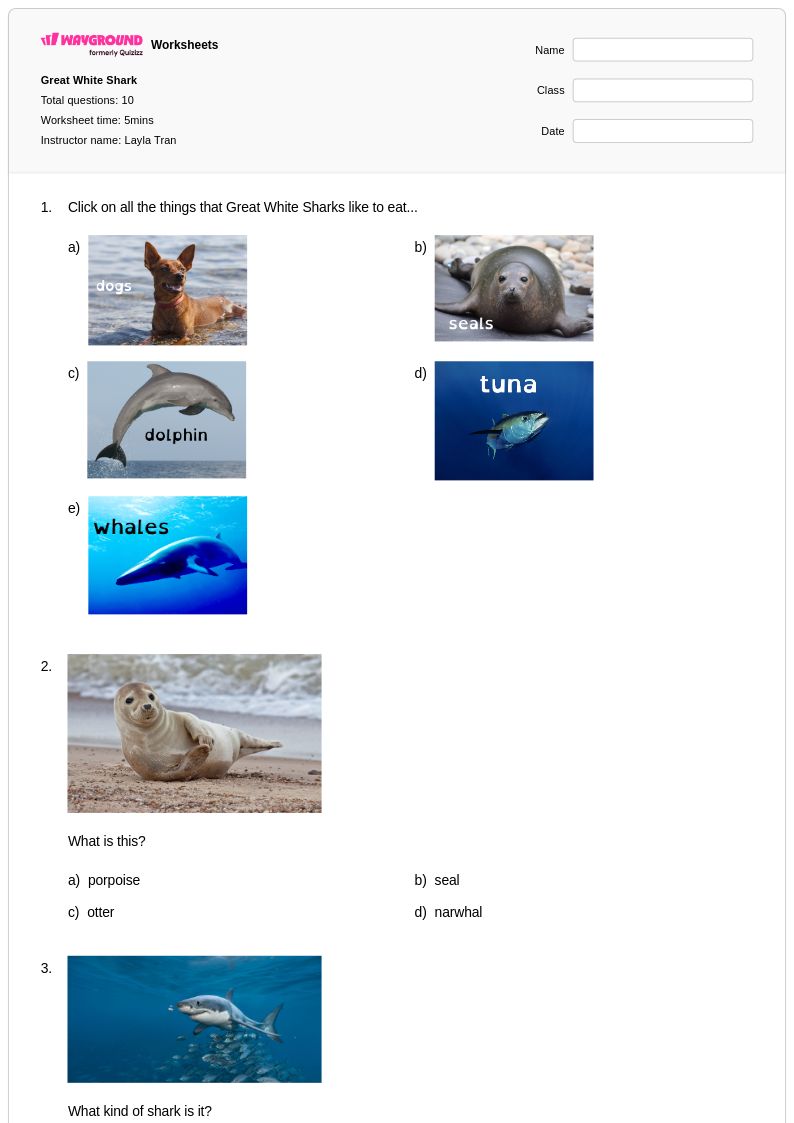
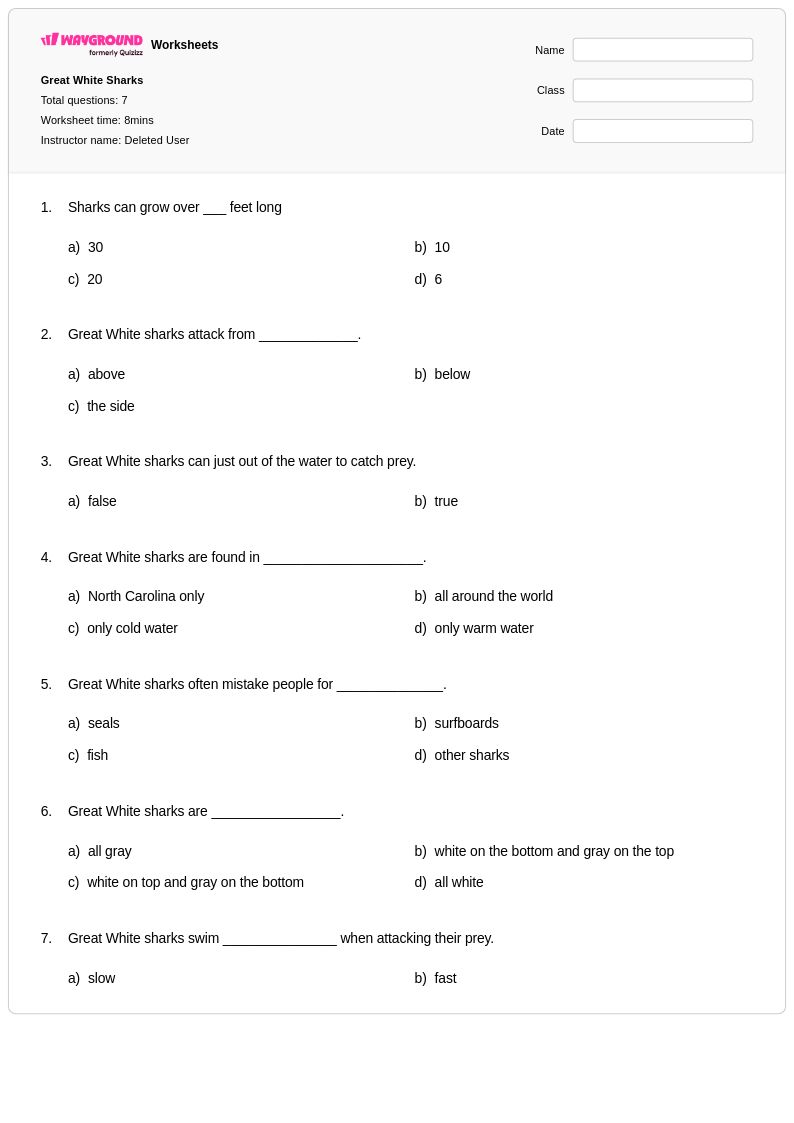
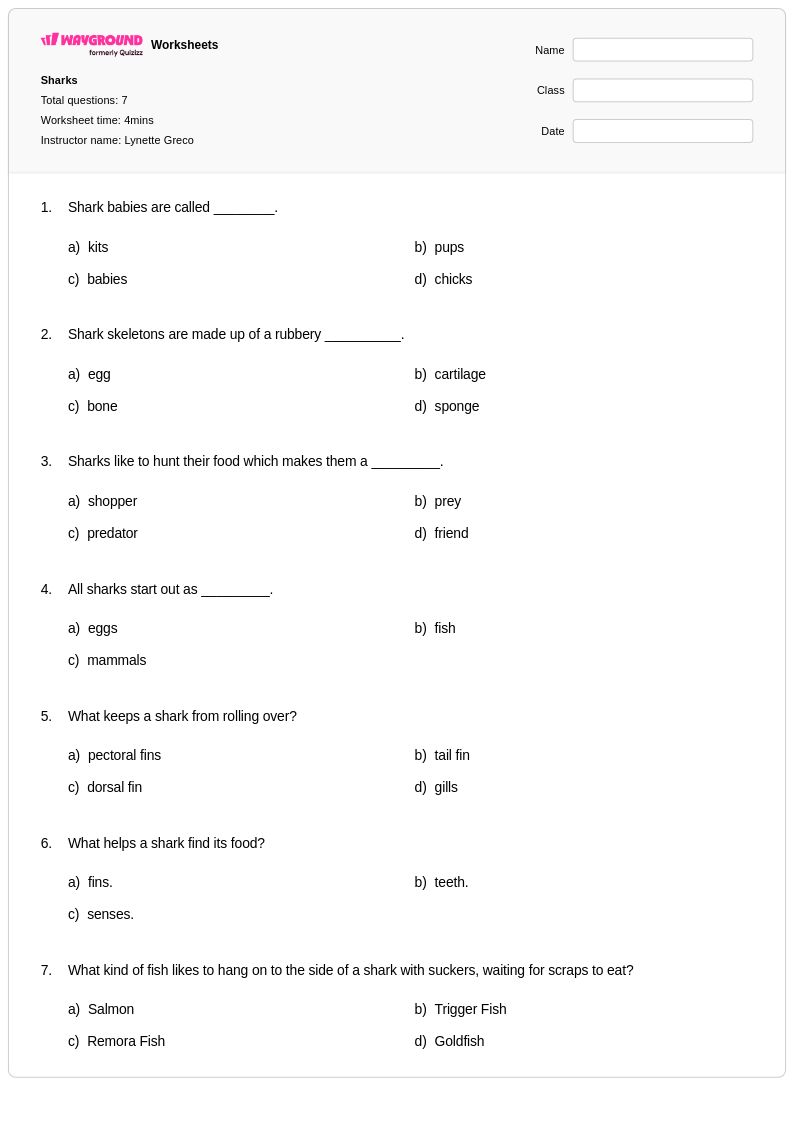
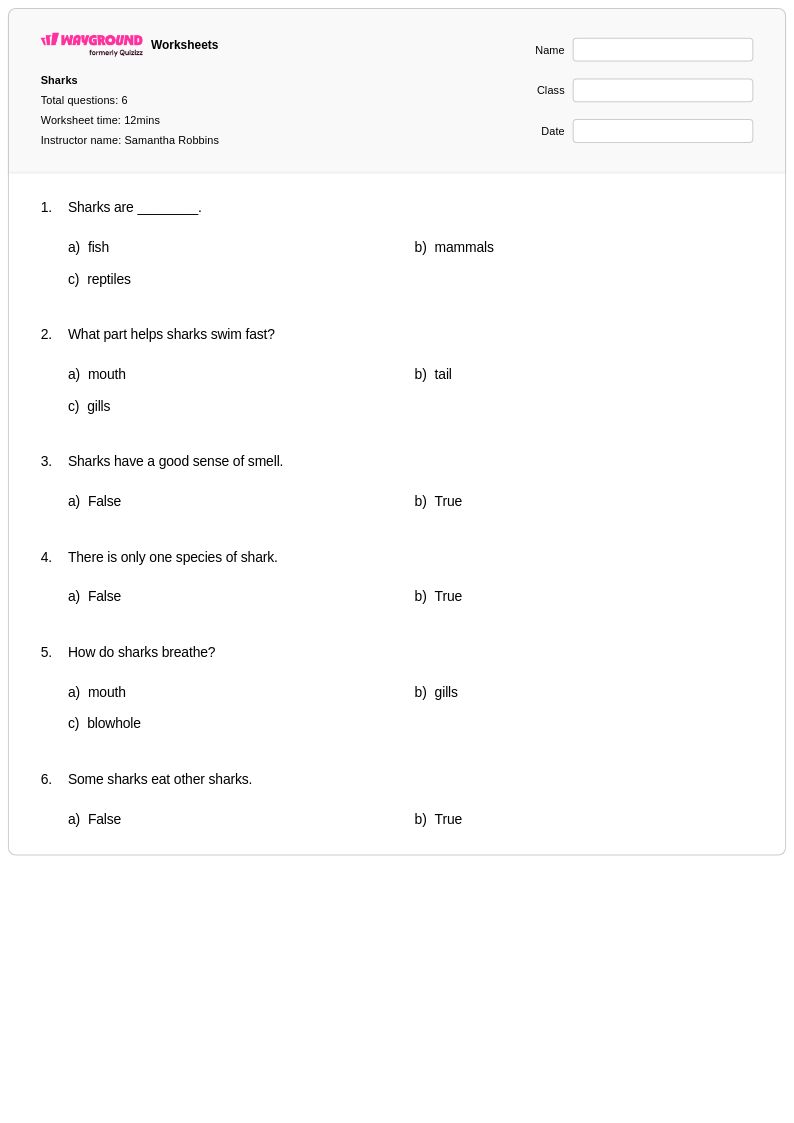
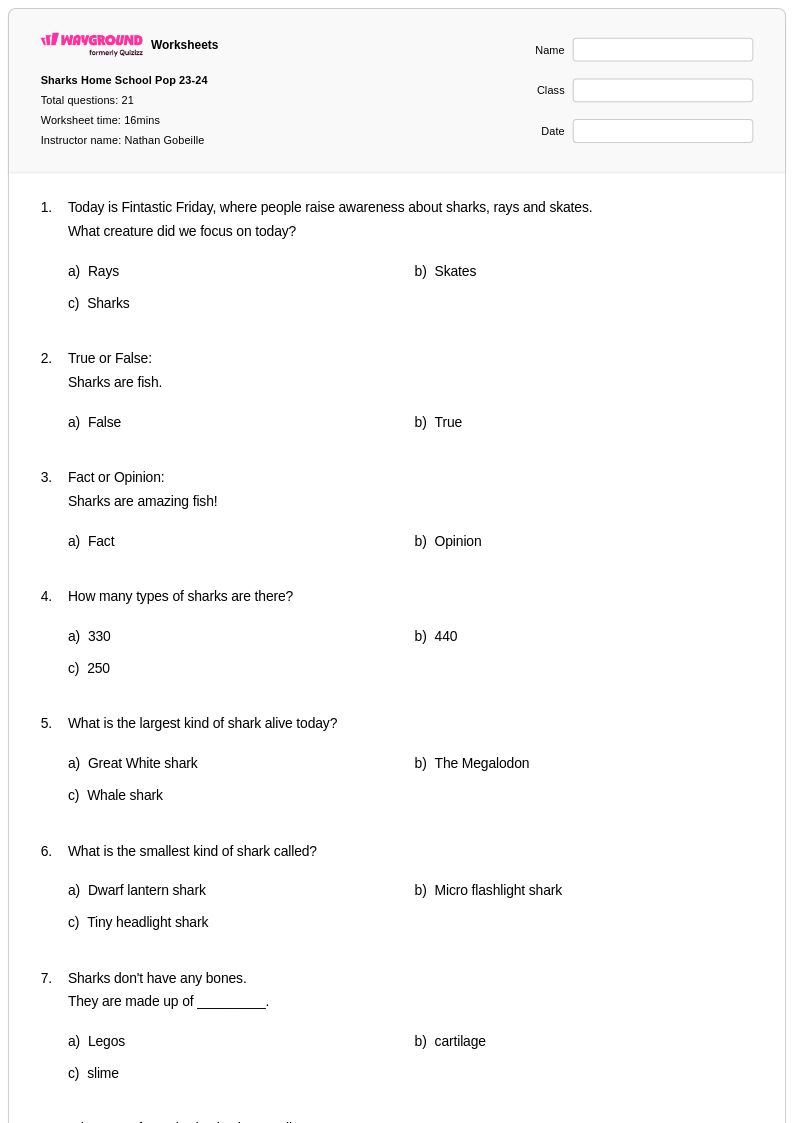
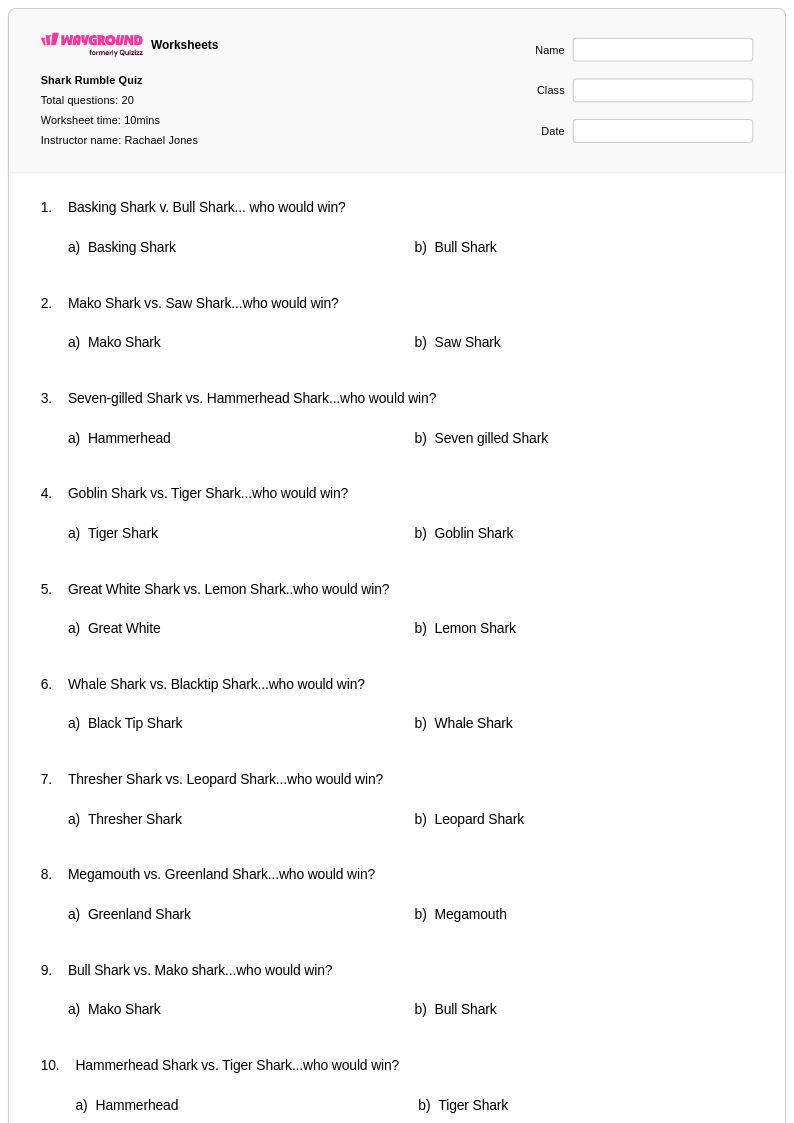
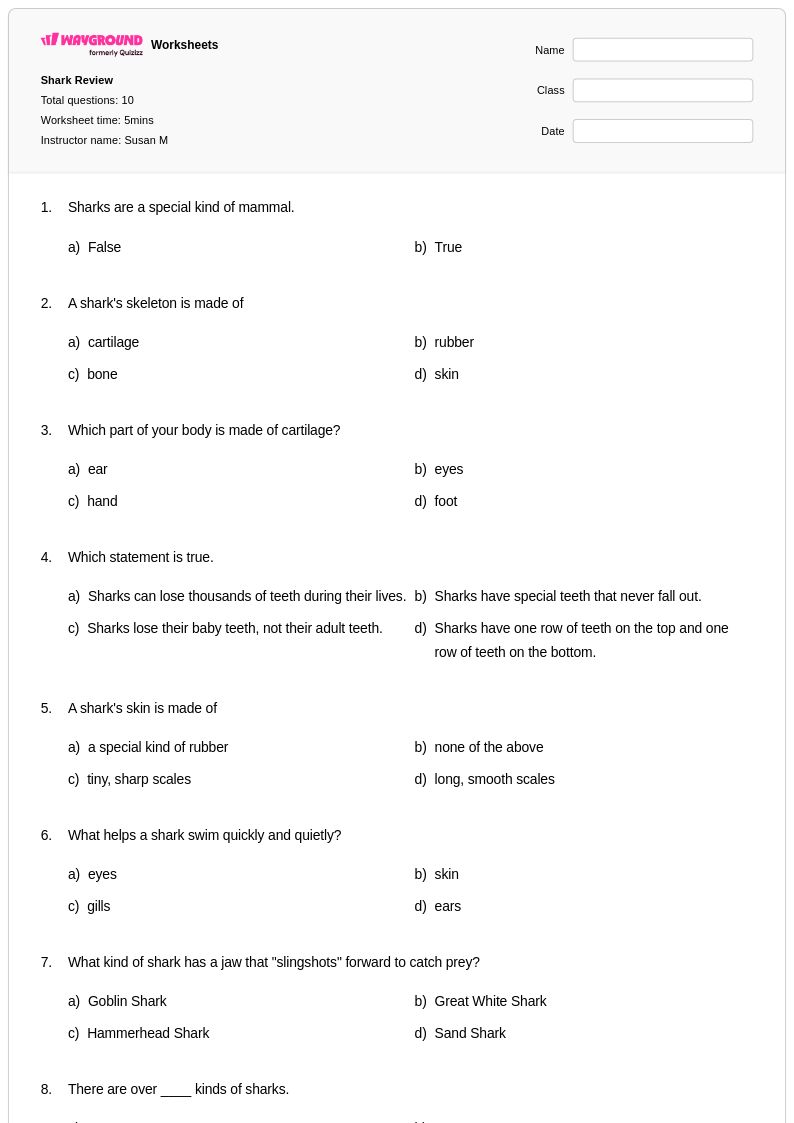
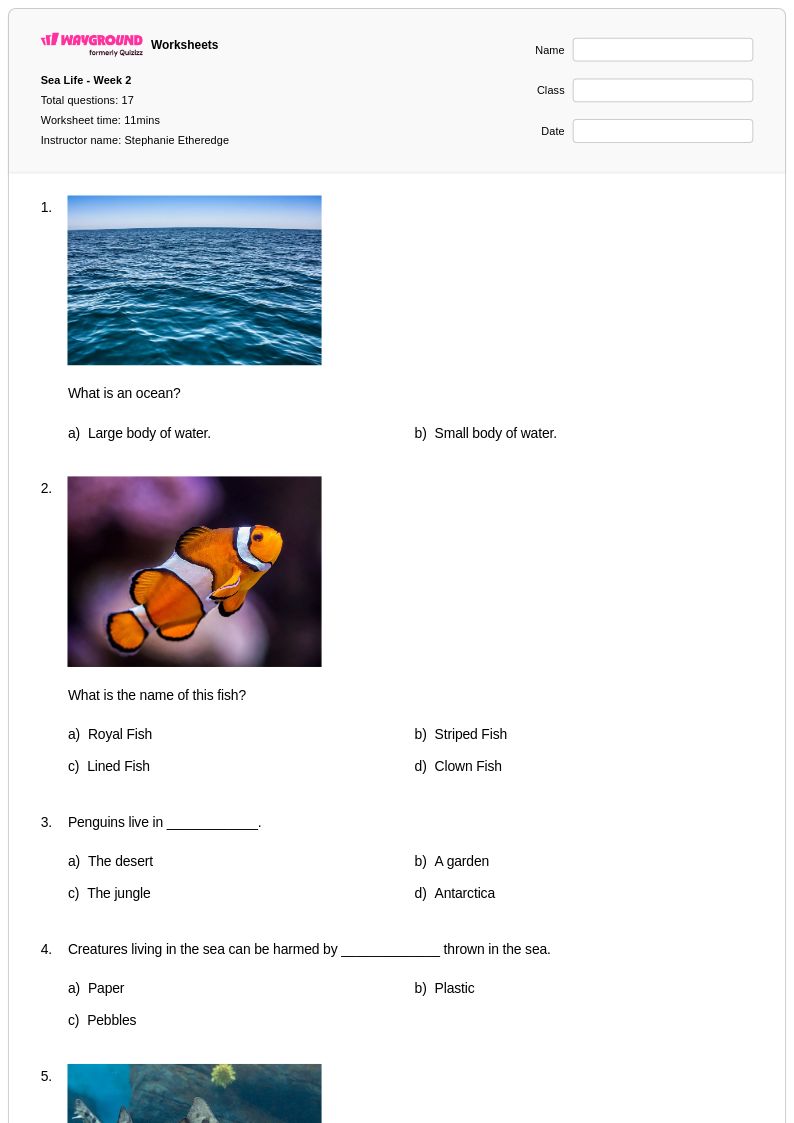
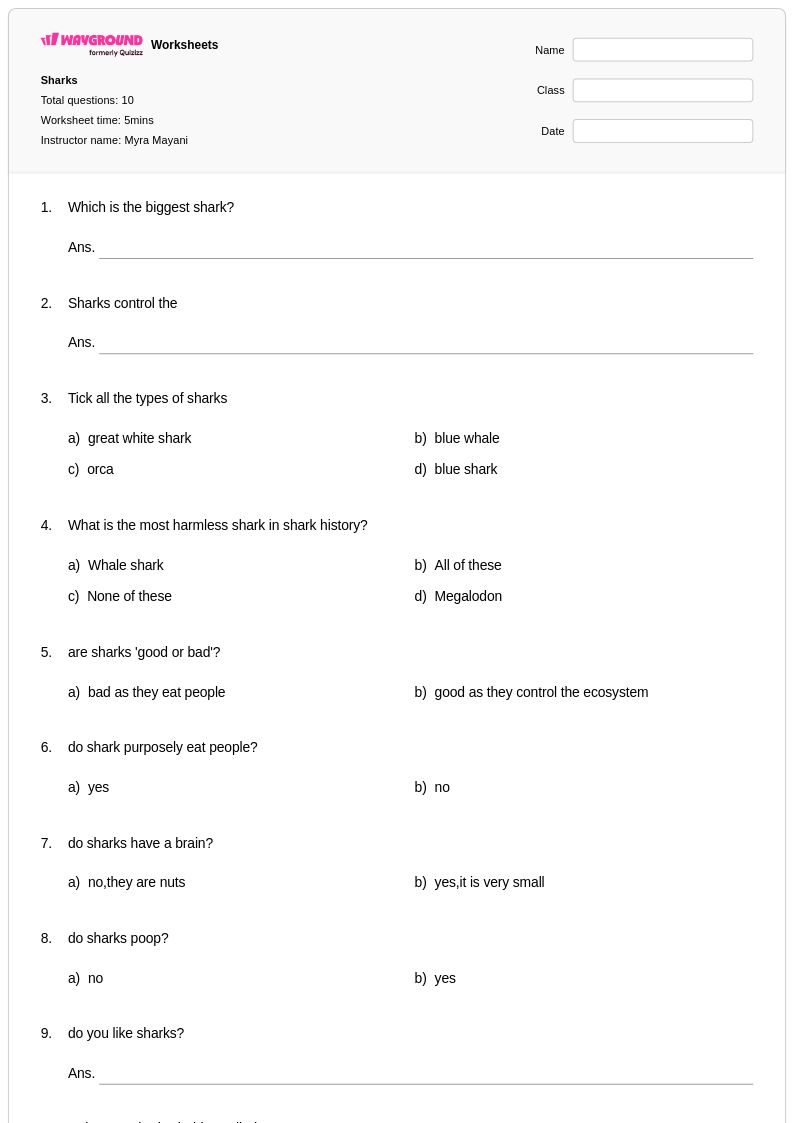
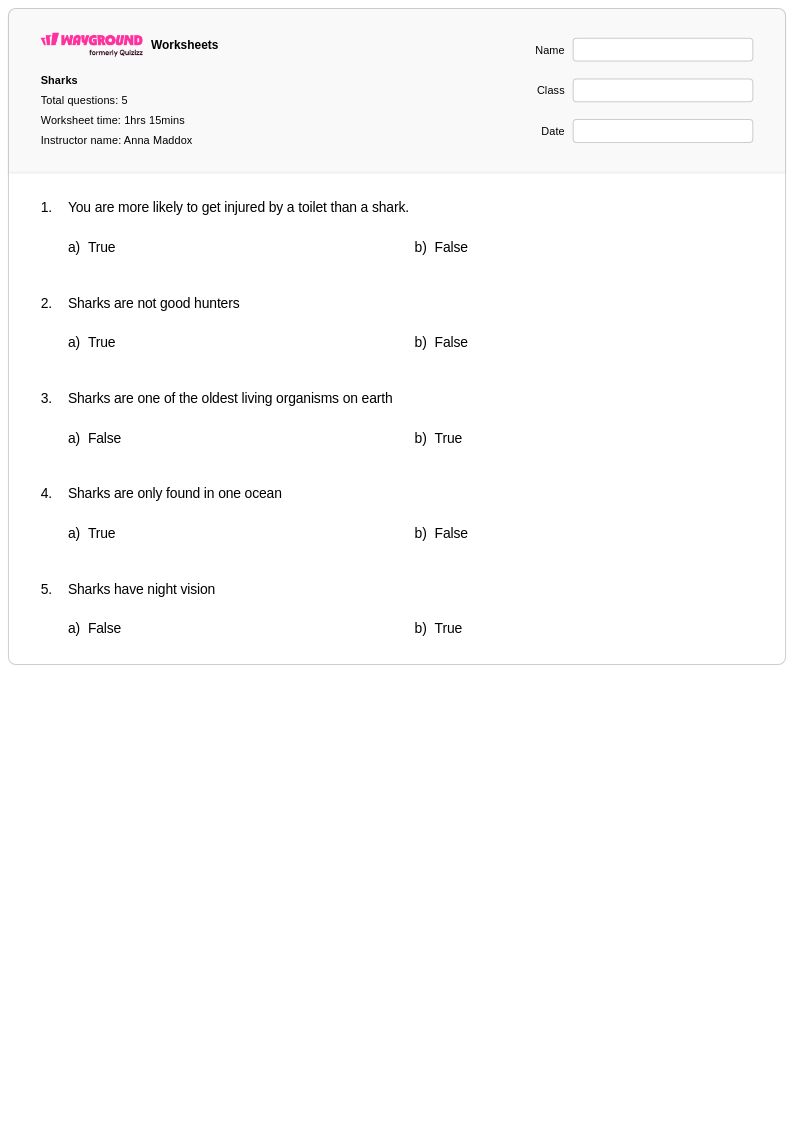
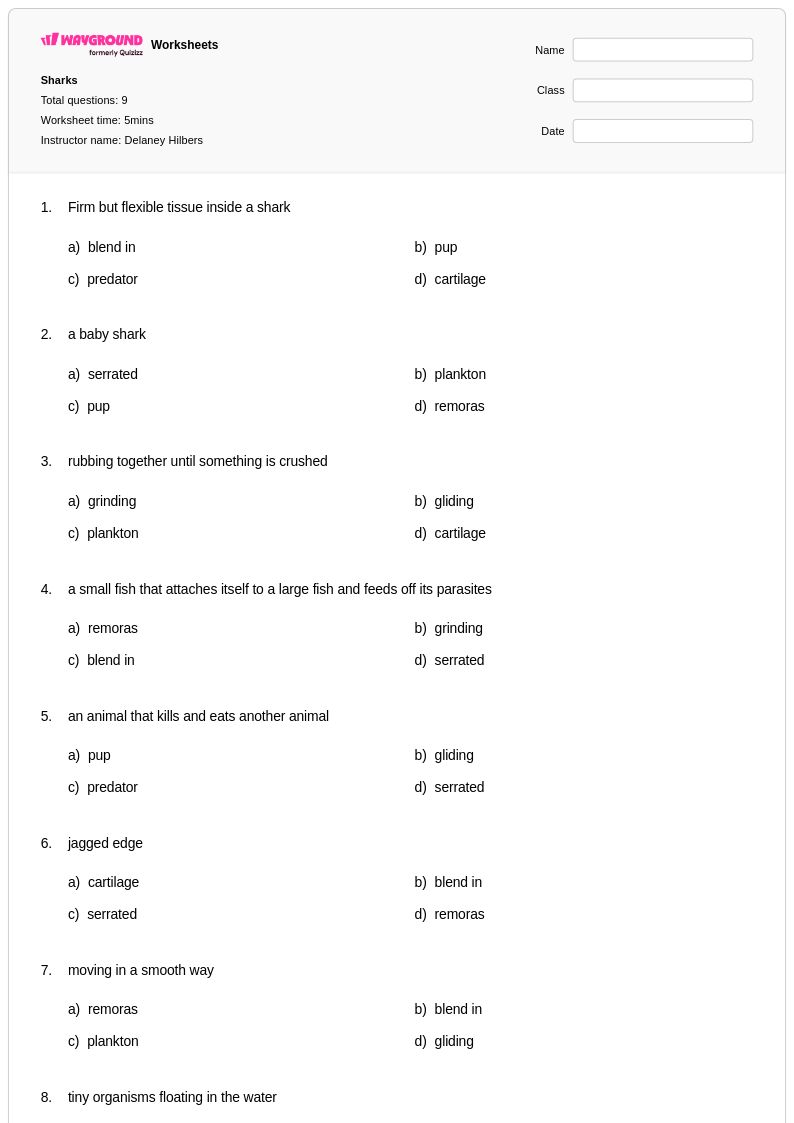
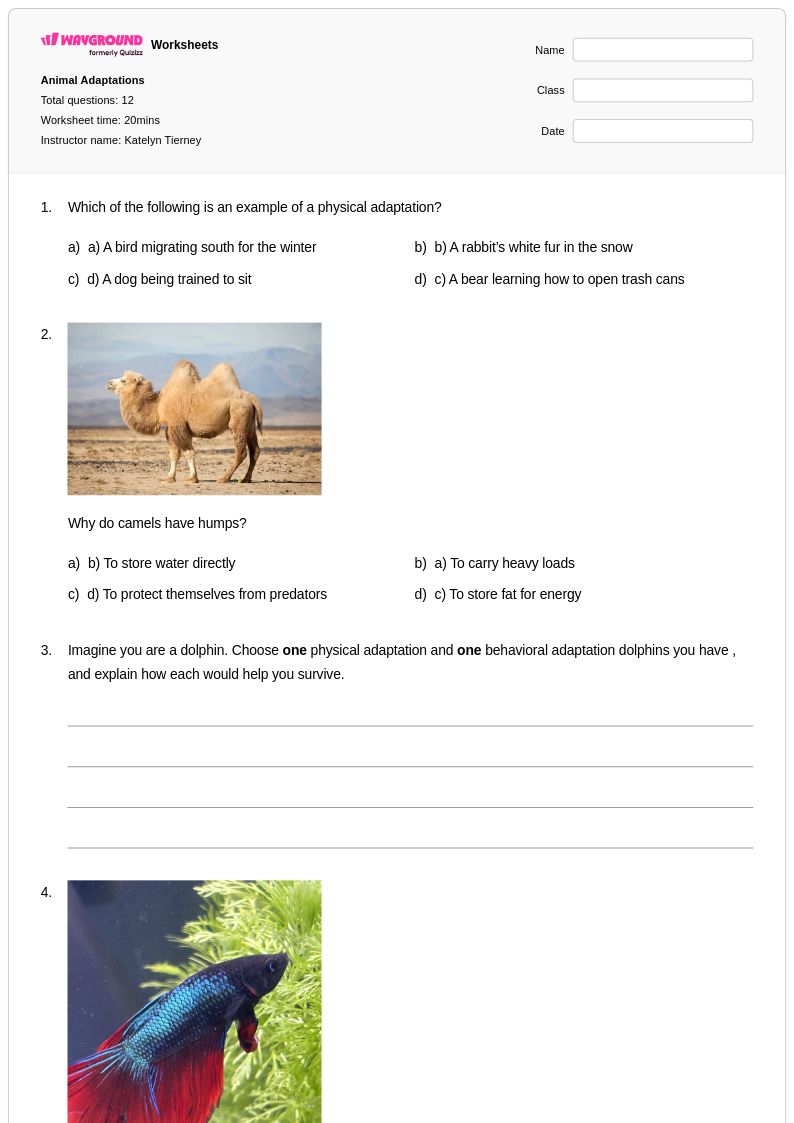
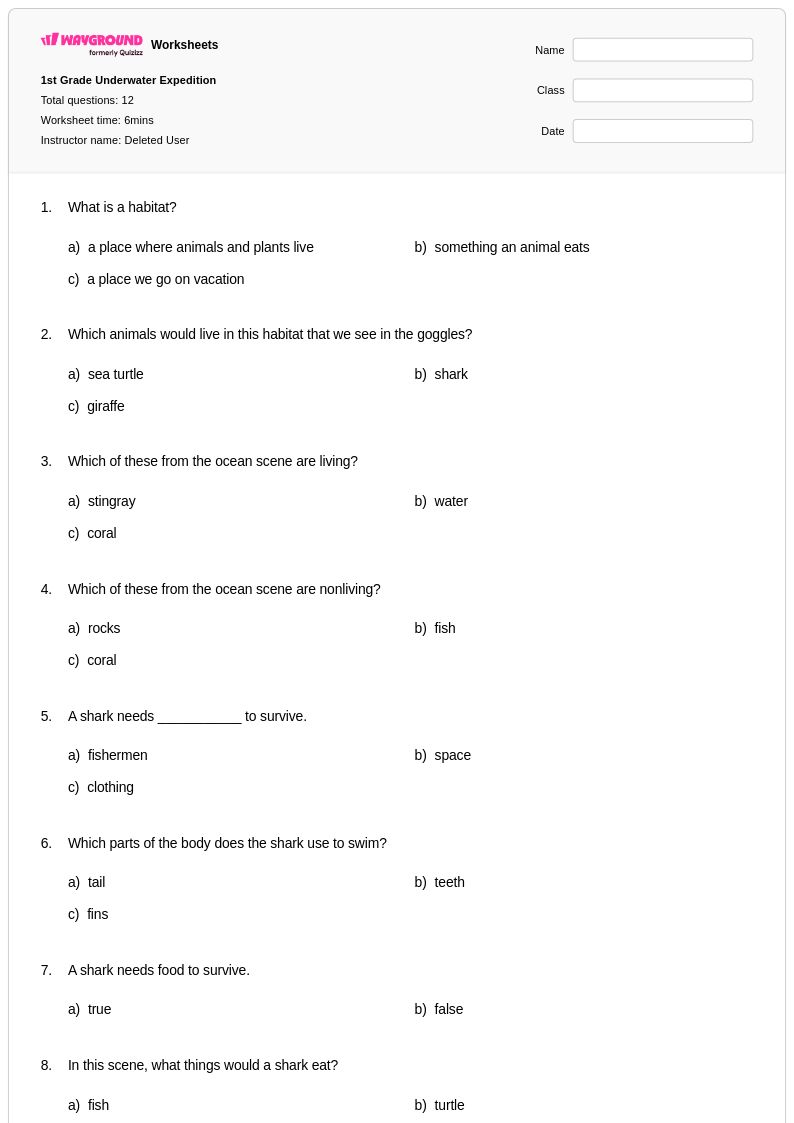
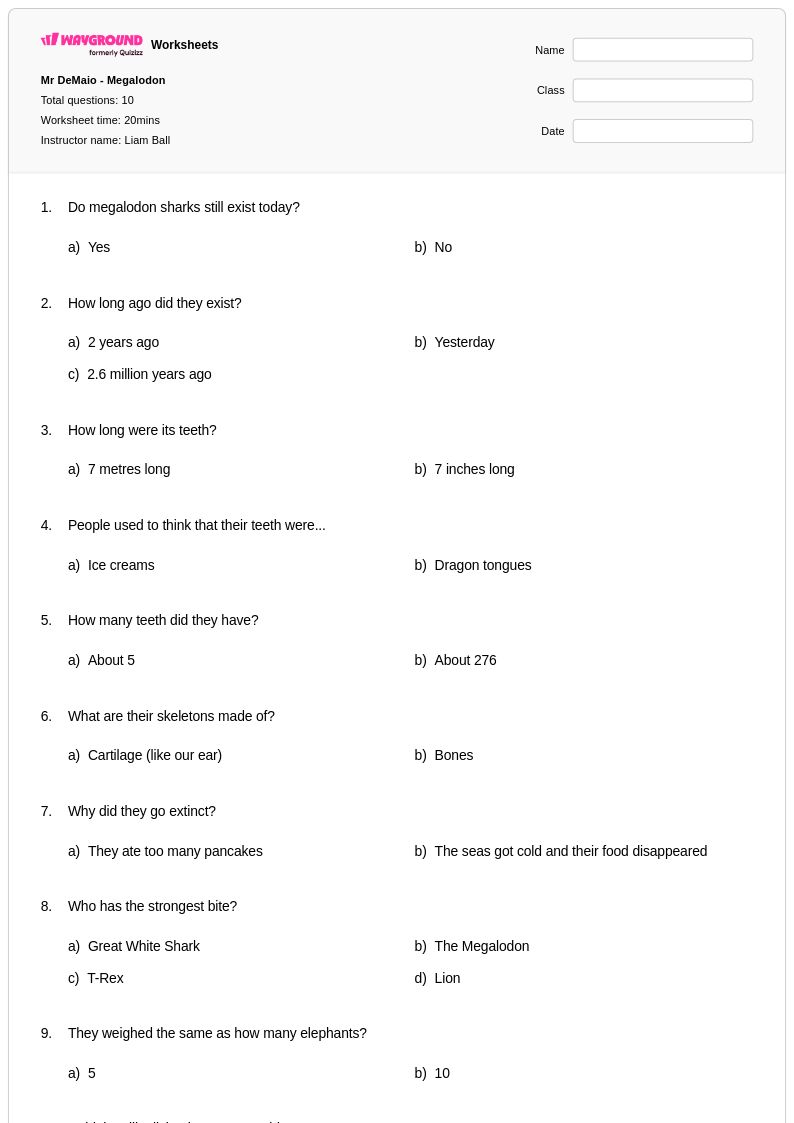
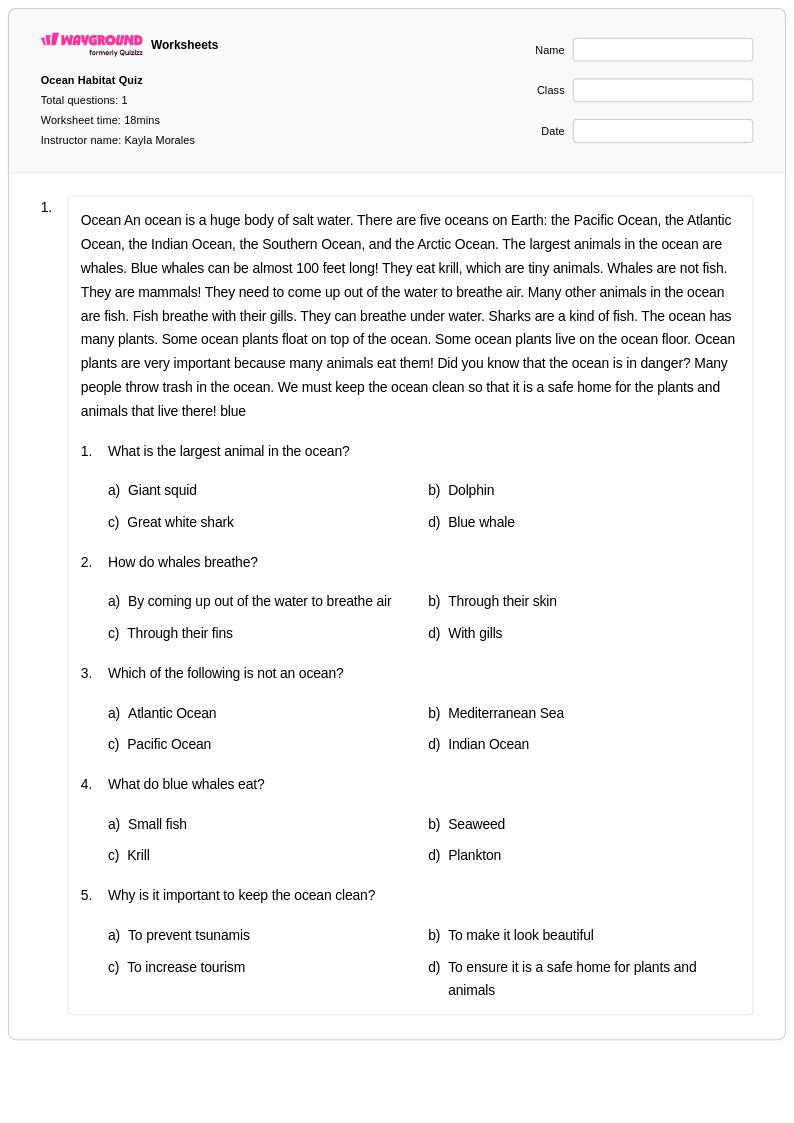
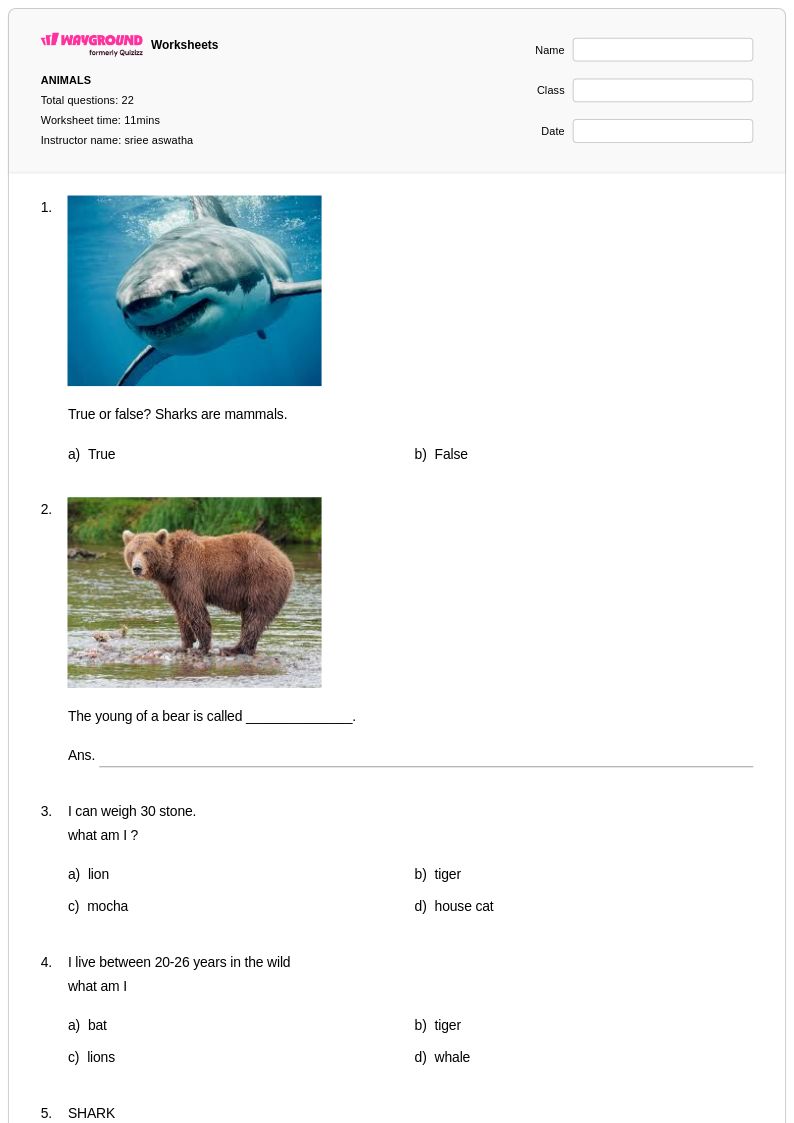
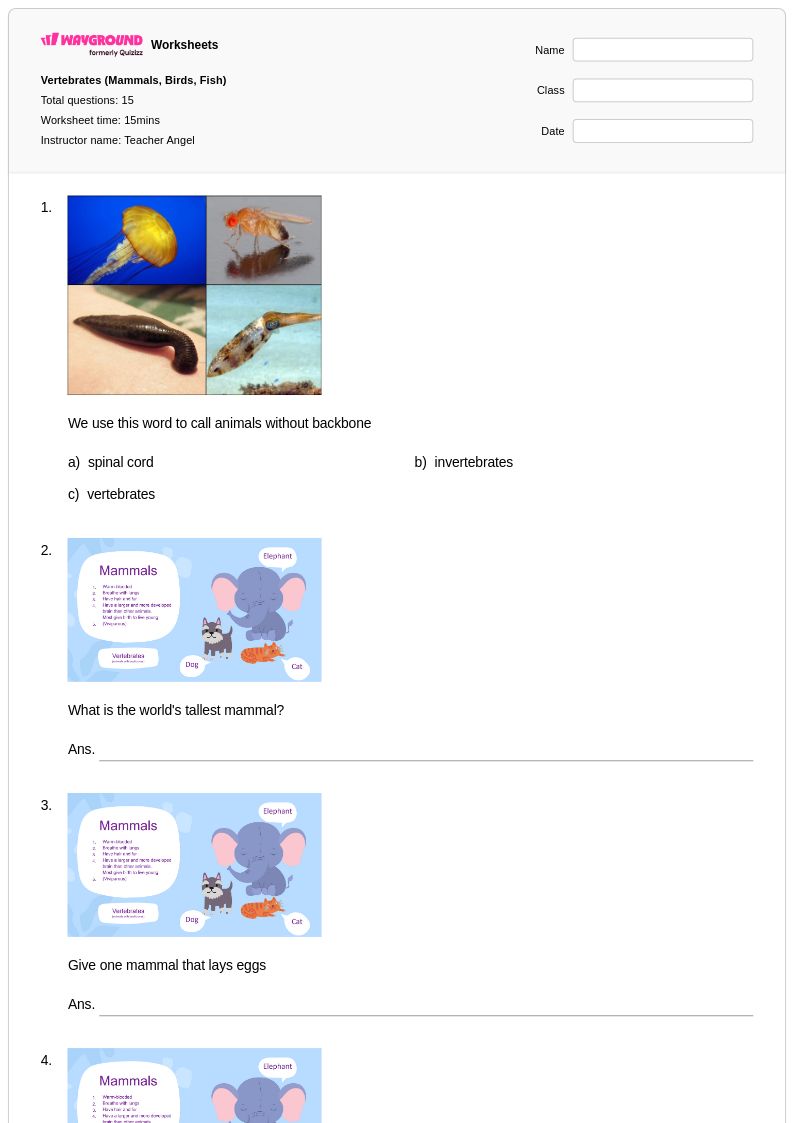
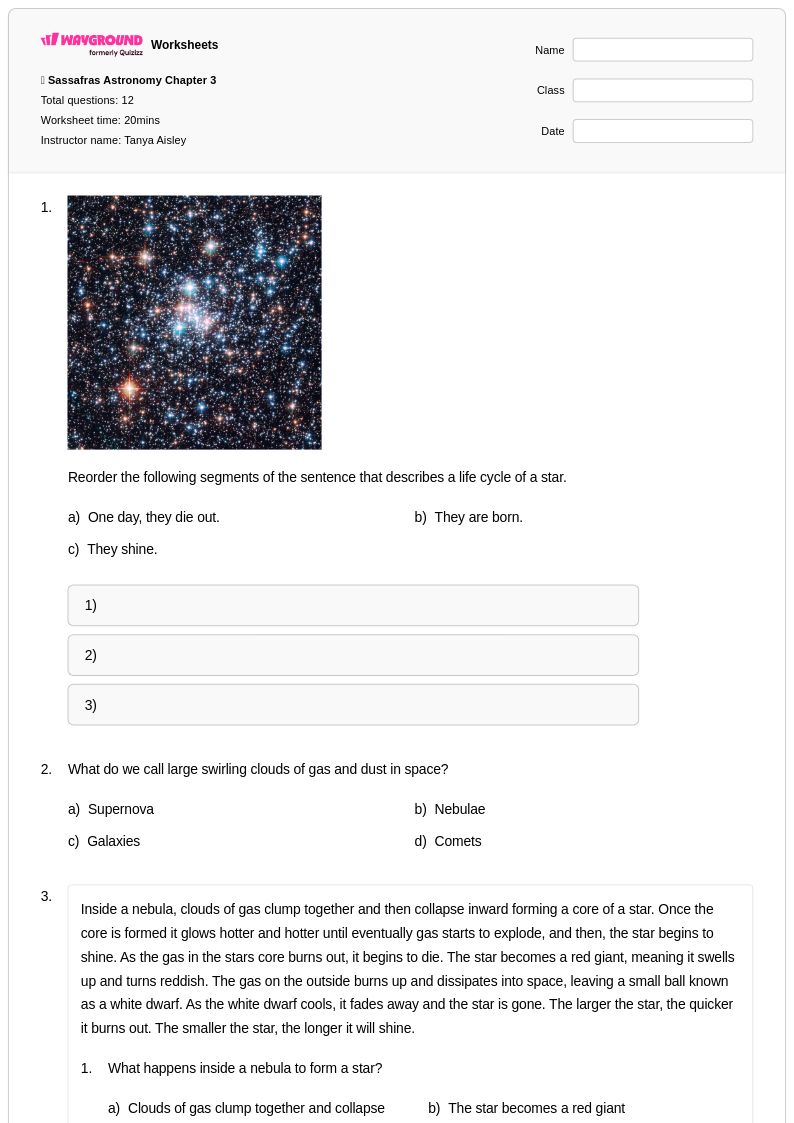
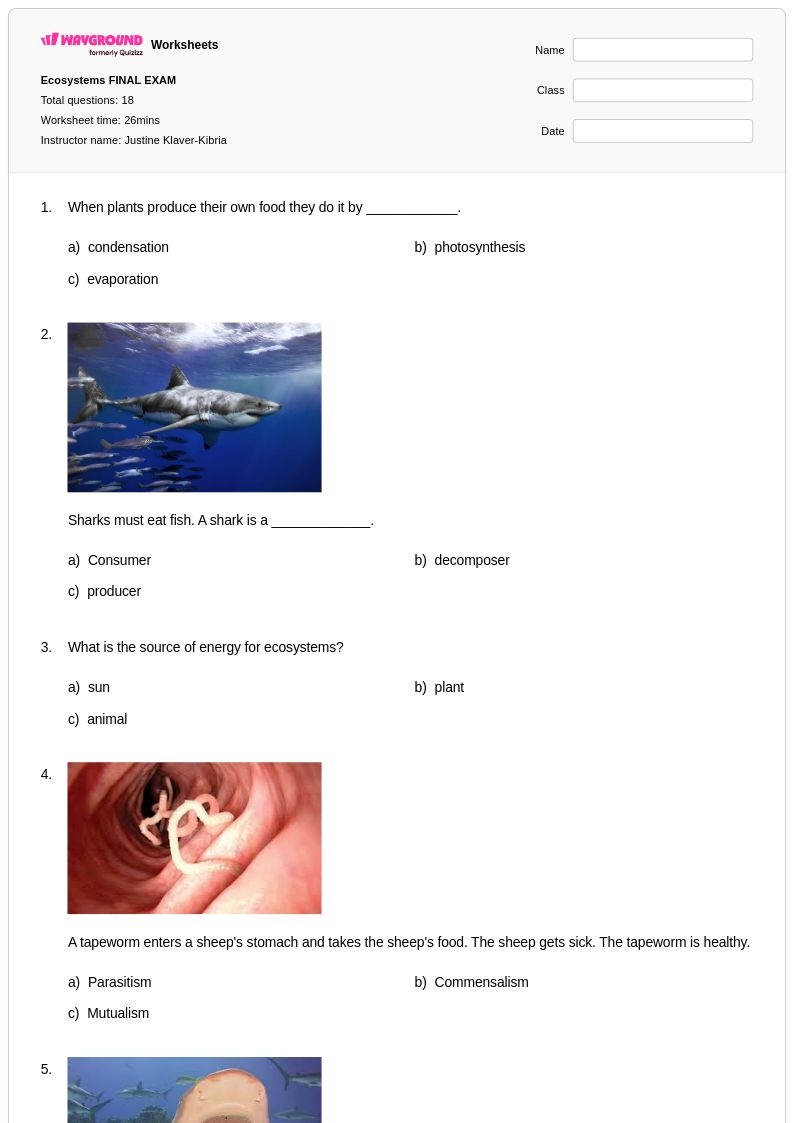
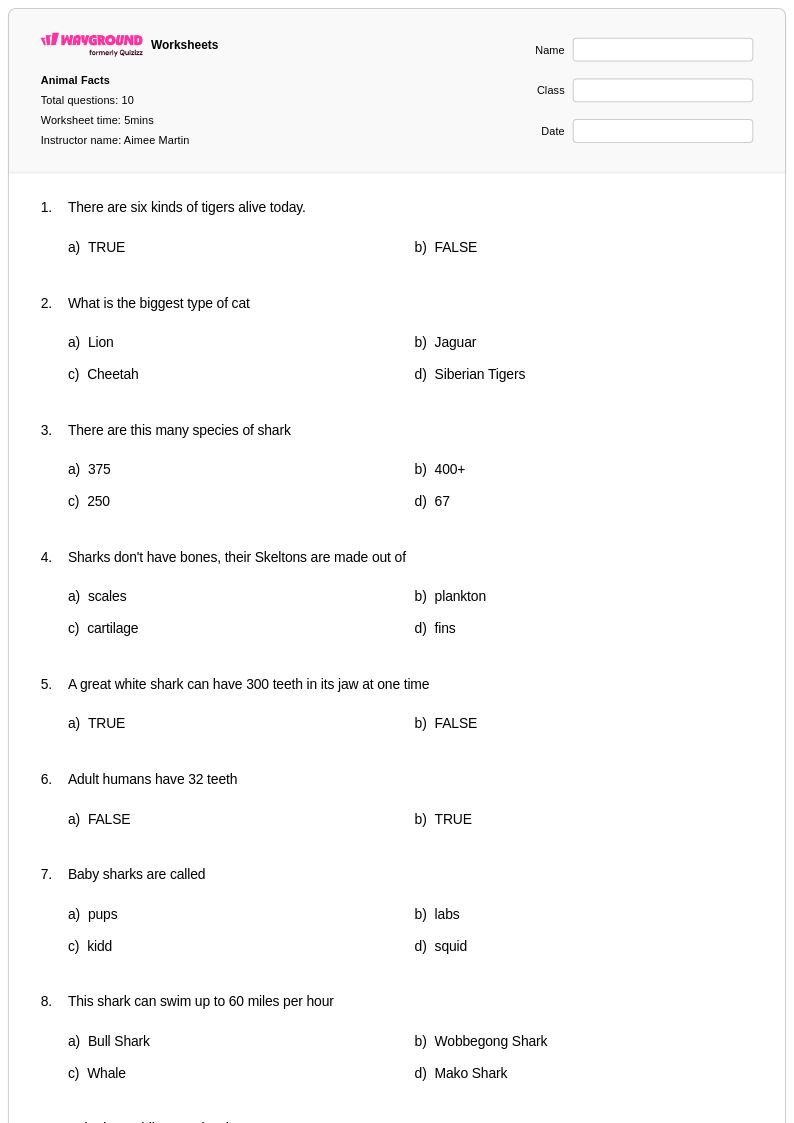
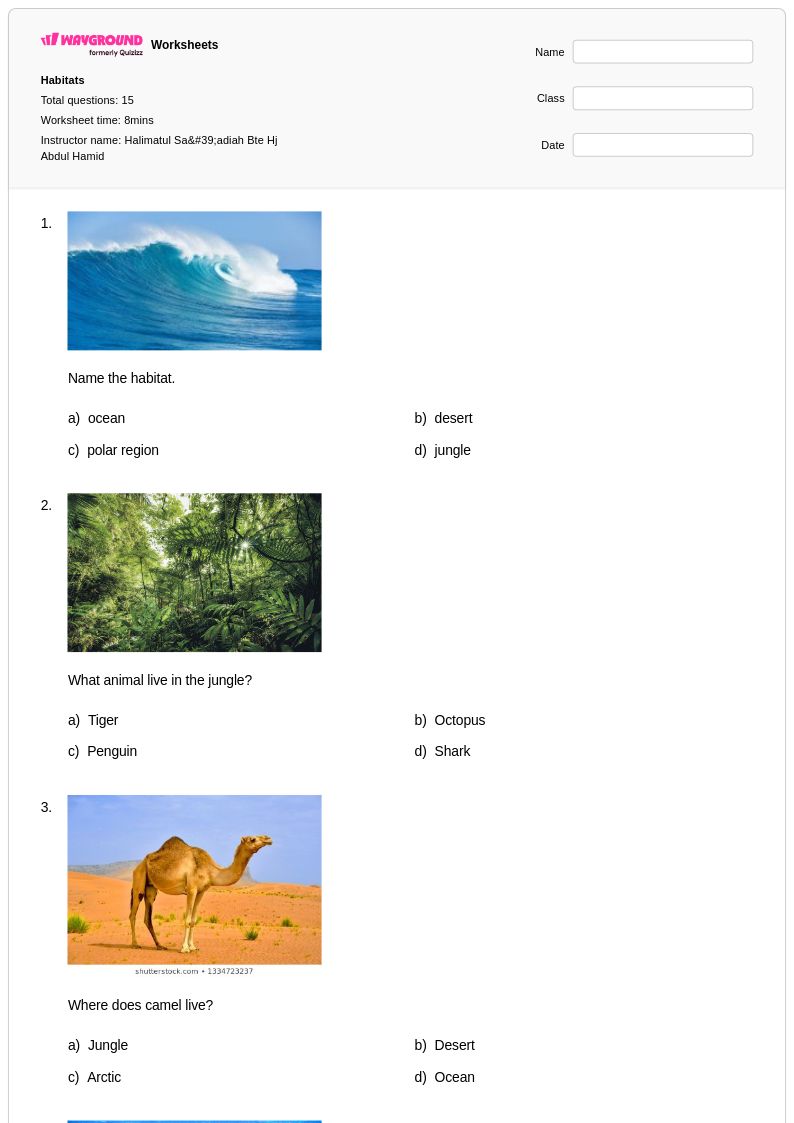
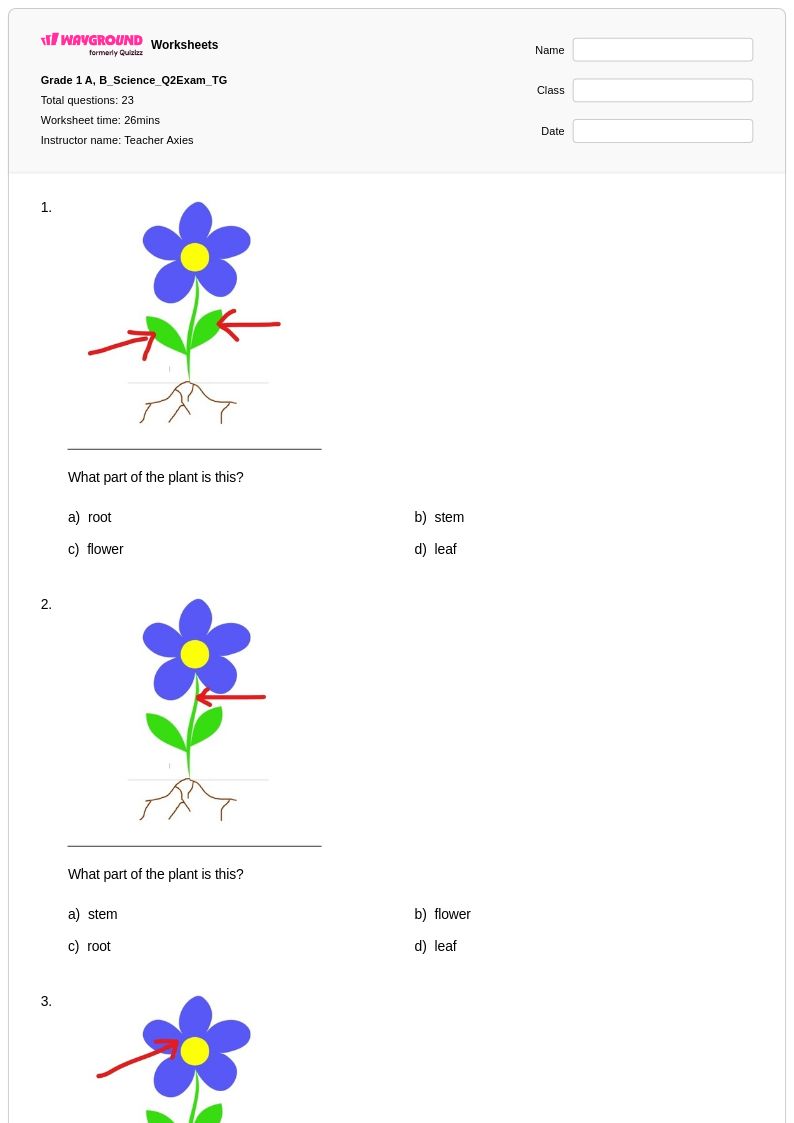
Great White Shark worksheets for Class 1 students available through Wayground (formerly Quizizz) introduce young learners to one of the ocean's most fascinating apex predators through age-appropriate activities and engaging educational content. These carefully designed worksheets help first-grade students develop foundational science observation skills, basic reading comprehension, and vocabulary building while exploring the physical characteristics, habitat, and behaviors of great white sharks. The collection includes colorful identification activities, simple fact-based questions, and interactive elements that make learning about marine biology accessible to early elementary students. Teachers can access comprehensive materials that include detailed answer keys for efficient grading, free printable pdf formats for easy classroom distribution, and practice problems that reinforce key concepts about shark anatomy, ocean ecosystems, and animal adaptations.
Wayground (formerly Quizizz) empowers educators with an extensive library of millions of teacher-created resources specifically designed to support Class 1 biology instruction focused on great white sharks and marine life studies. The platform's robust search and filtering capabilities allow teachers to quickly locate worksheets that align with specific learning standards and curriculum requirements, while built-in differentiation tools enable customization for diverse learning needs and abilities within the classroom. These versatile materials are available in both printable and digital pdf formats, providing flexibility for various teaching environments and learning preferences. Teachers can seamlessly integrate these resources into lesson planning for initial skill introduction, targeted remediation for struggling students, enrichment activities for advanced learners, and ongoing practice to reinforce understanding of marine biology concepts and scientific observation techniques.
FAQs
How do I teach great white sharks in a science class?
Teaching great white sharks is most effective when anchored in real biological concepts: anatomy, sensory adaptations, hunting behavior, migration, and ecological role as apex predators. Start with shark body systems and adaptations, then expand into predator-prey relationships and marine ecosystem dynamics. Connecting conservation status and human impact gives students a meaningful real-world context that deepens engagement with the science.
What activities help students learn about great white shark adaptations?
Data analysis exercises, anatomy labeling tasks, and research-based inquiry activities are all effective for exploring great white shark adaptations. Having students compare sensory organs — such as the lateral line, ampullae of Lorenzini, and olfactory system — helps them connect structure to function. Practice problems that ask students to interpret hunting strategy data or migration pattern maps build scientific reasoning skills alongside content knowledge.
What misconceptions do students commonly have about great white sharks?
The most common misconception is that great white sharks are indiscriminate, aggressive predators that actively hunt humans. In reality, most shark-human encounters are investigatory bites, not predatory attacks. Students also frequently misunderstand the shark's ecological role, underestimating how critically apex predators regulate prey populations and maintain marine ecosystem balance. Addressing these misconceptions directly with data and behavioral research is essential for scientific accuracy.
How can I use great white shark worksheets to assess student understanding?
Great white shark worksheets work well as formative assessments when they require students to analyze adaptations, explain predator-prey relationships, or interpret conservation data rather than simply recall facts. Look for whether students can connect biological traits to ecological function — for example, explaining why great whites are apex predators rather than just stating that they are. Answer keys included with these worksheets make scoring straightforward and allow teachers to quickly identify gaps in understanding.
How do I use Wayground's great white shark worksheets in my classroom?
Wayground's great white shark worksheets are available as printable PDFs for traditional classroom use and in digital formats for technology-integrated or hybrid learning environments. Teachers can also host worksheets as an interactive quiz directly on Wayground, giving students an engaging online experience while automatically collecting responses. Differentiation tools allow teachers to customize materials for different skill levels, and built-in accommodation settings — such as read aloud, extended time, and reduced answer choices — can be applied to individual students as needed.
How do great white sharks fit into a marine biology or ecosystems unit?
Great white sharks are ideal anchor organisms for units on marine ecosystems, food webs, and biodiversity because their role as apex predators has cascading effects throughout ocean environments. Removing or reducing apex predator populations — a concept called trophic cascade — can destabilize entire ecosystems, making great whites a compelling case study for teaching ecological interdependence. Their biology also supports lessons on animal adaptations, sensory systems, and migratory behavior within broader life science standards.