Free Printable How Books Work Worksheets for Class 1
Explore Class 1 How Books Work printables and free worksheets that help students master essential reading skills through engaging practice problems and comprehensive answer keys available as downloadable PDFs.
Explore printable How Books Work worksheets for Class 1
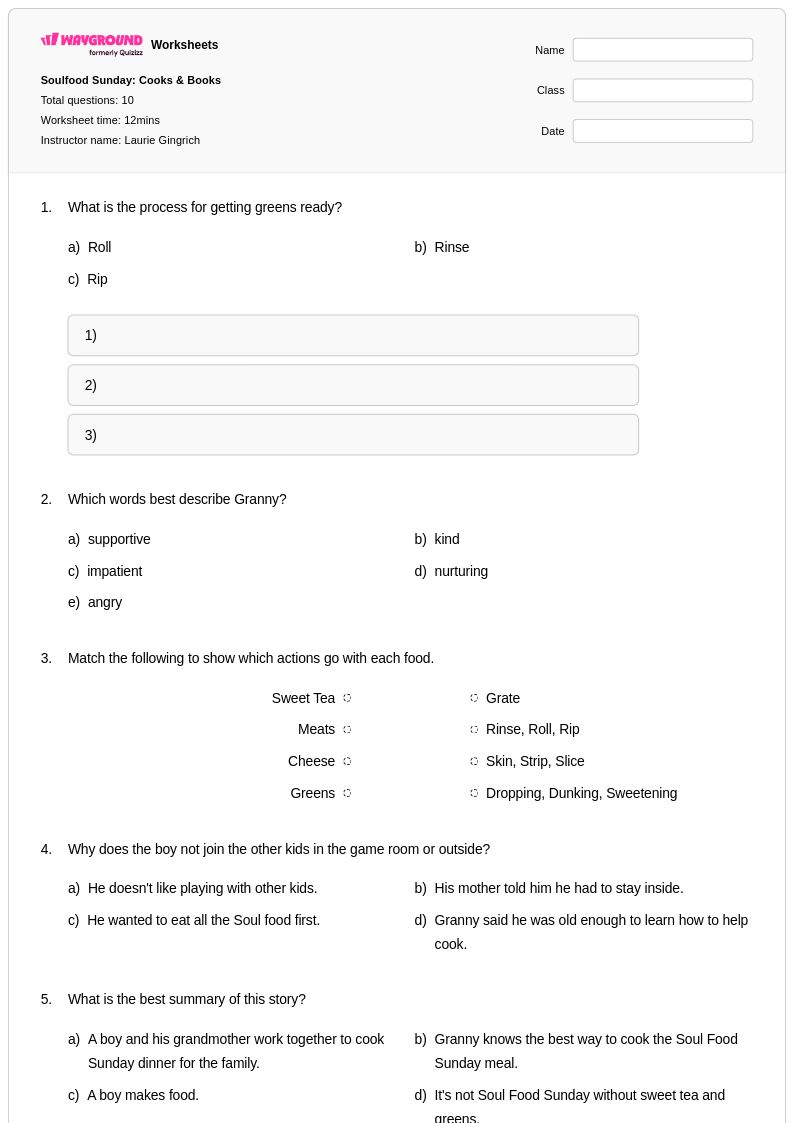
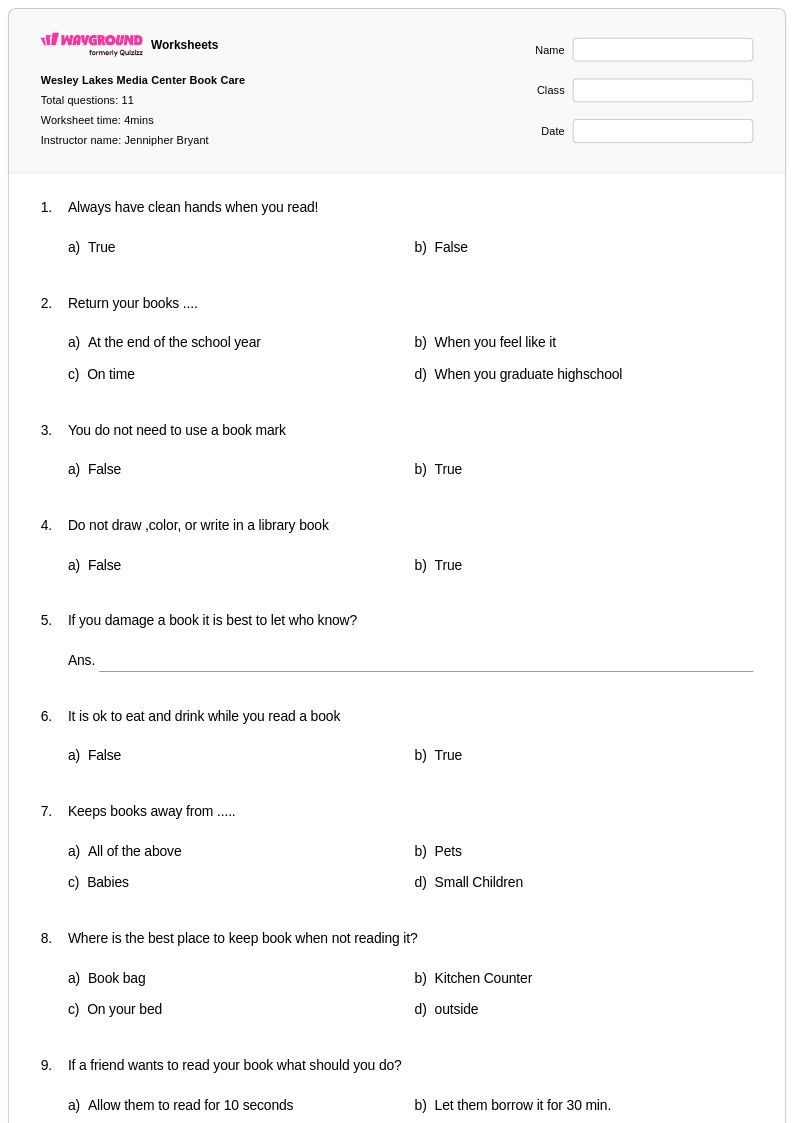
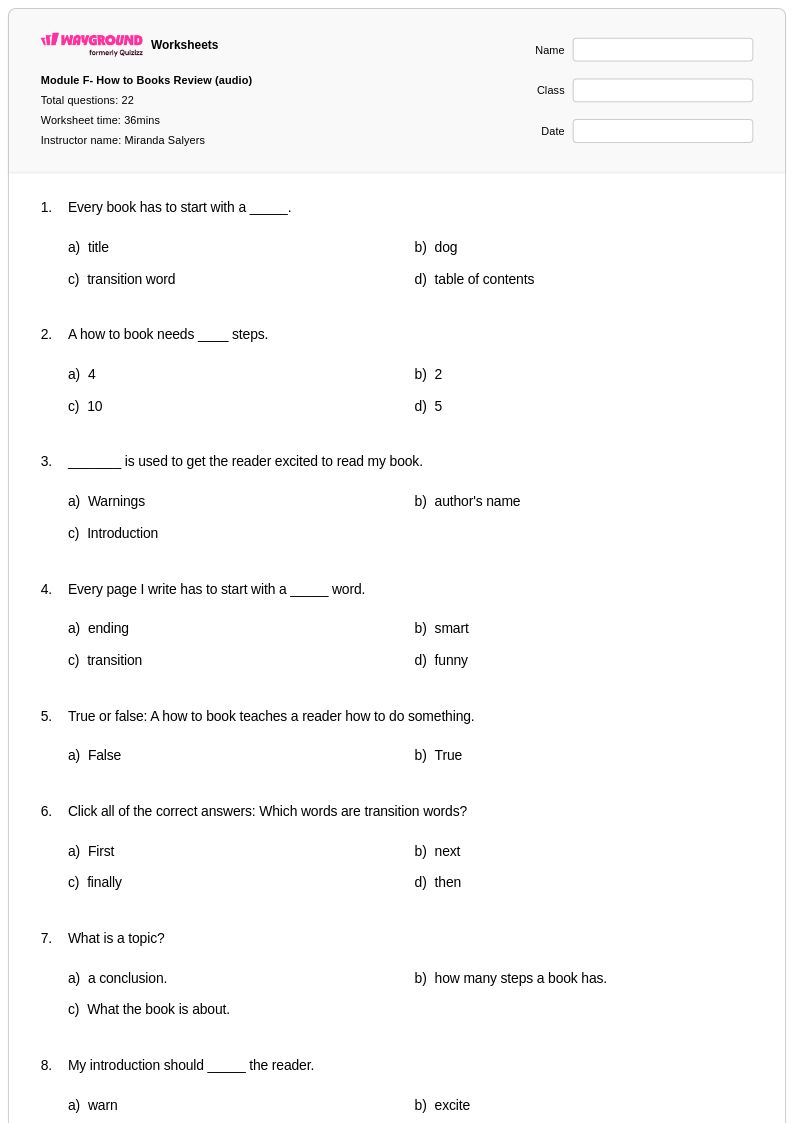
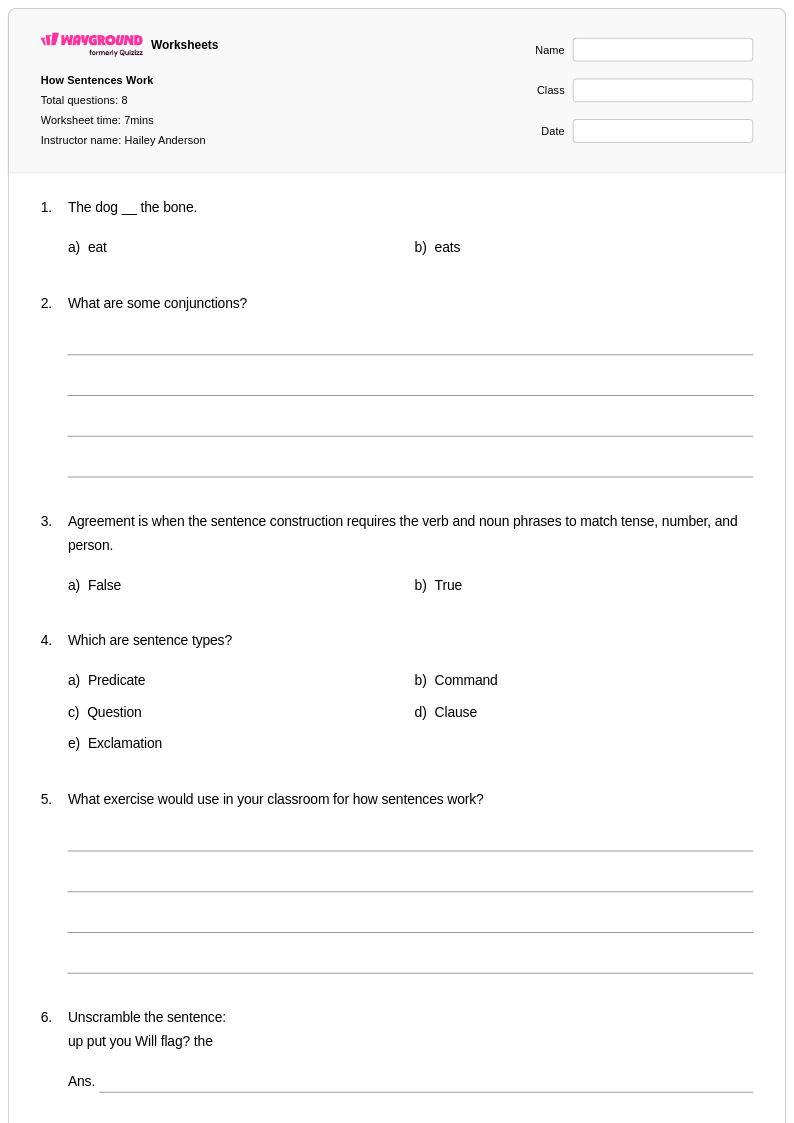
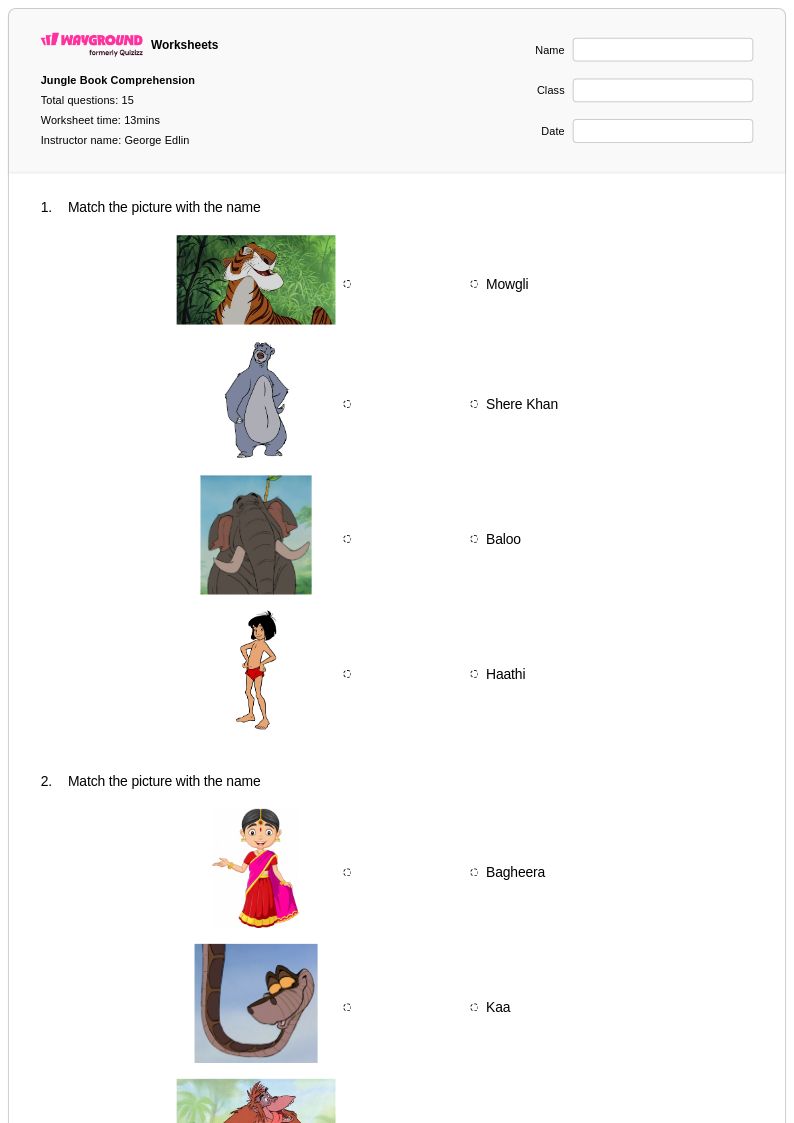
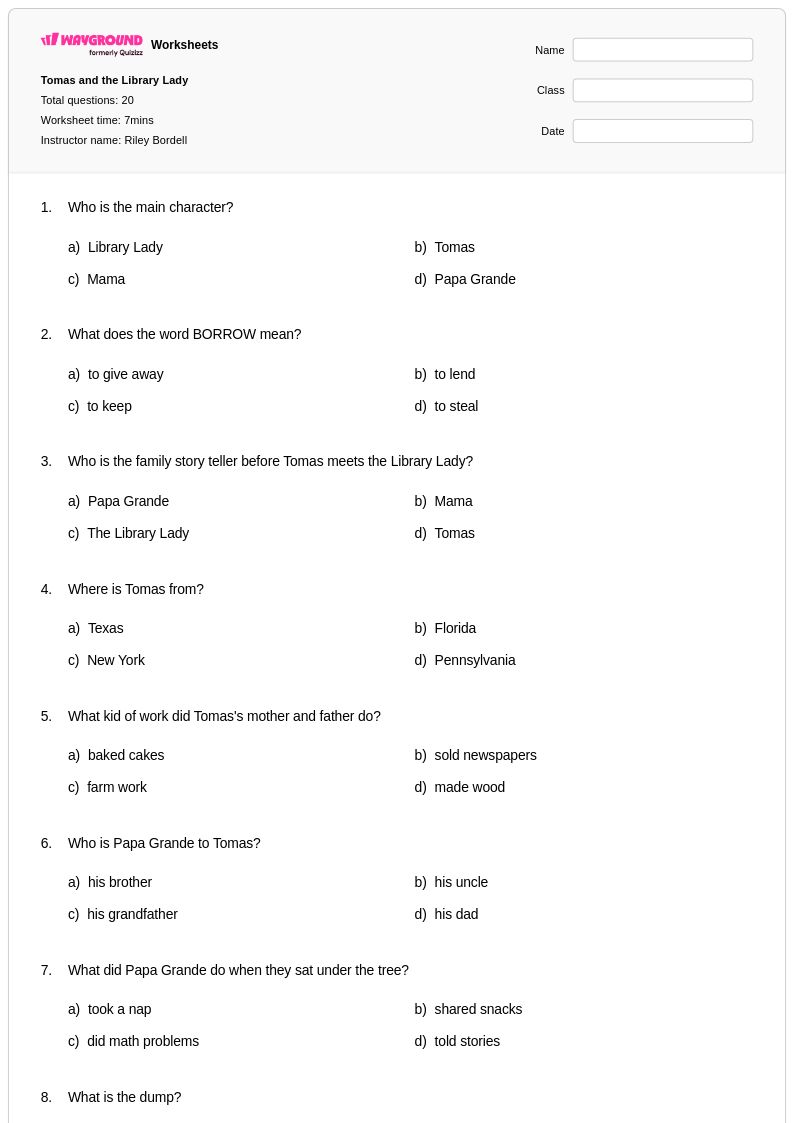
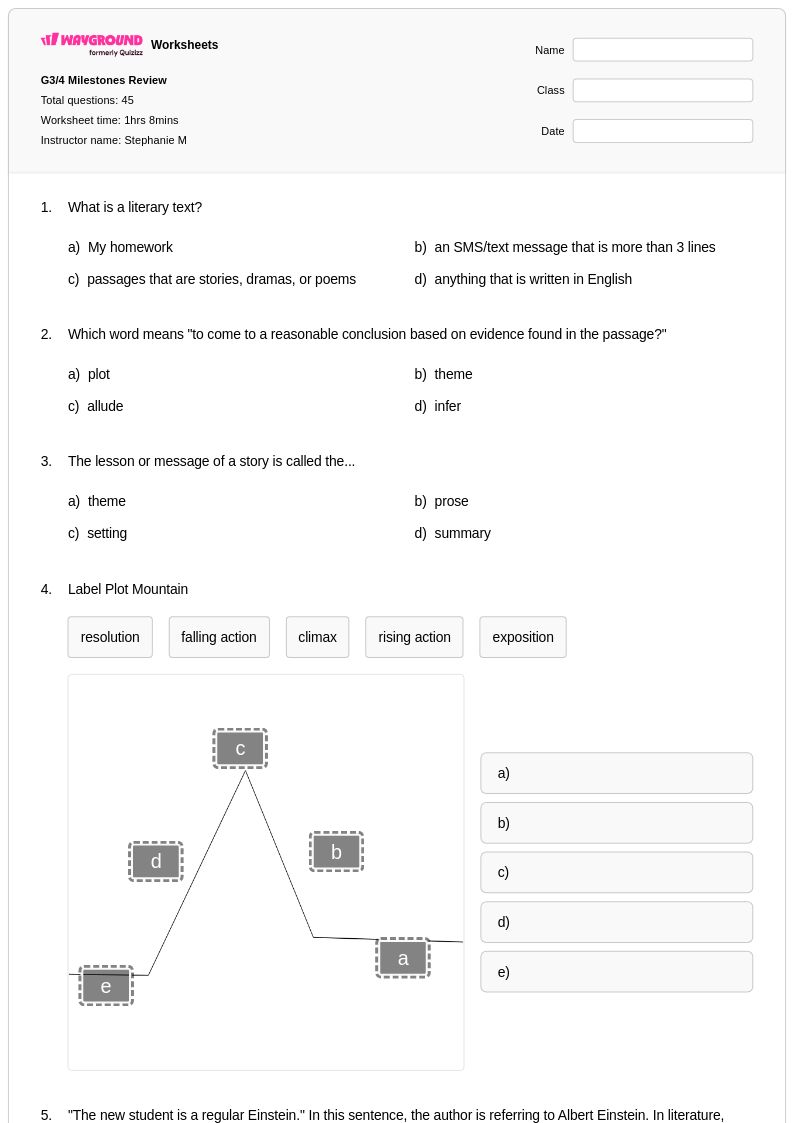
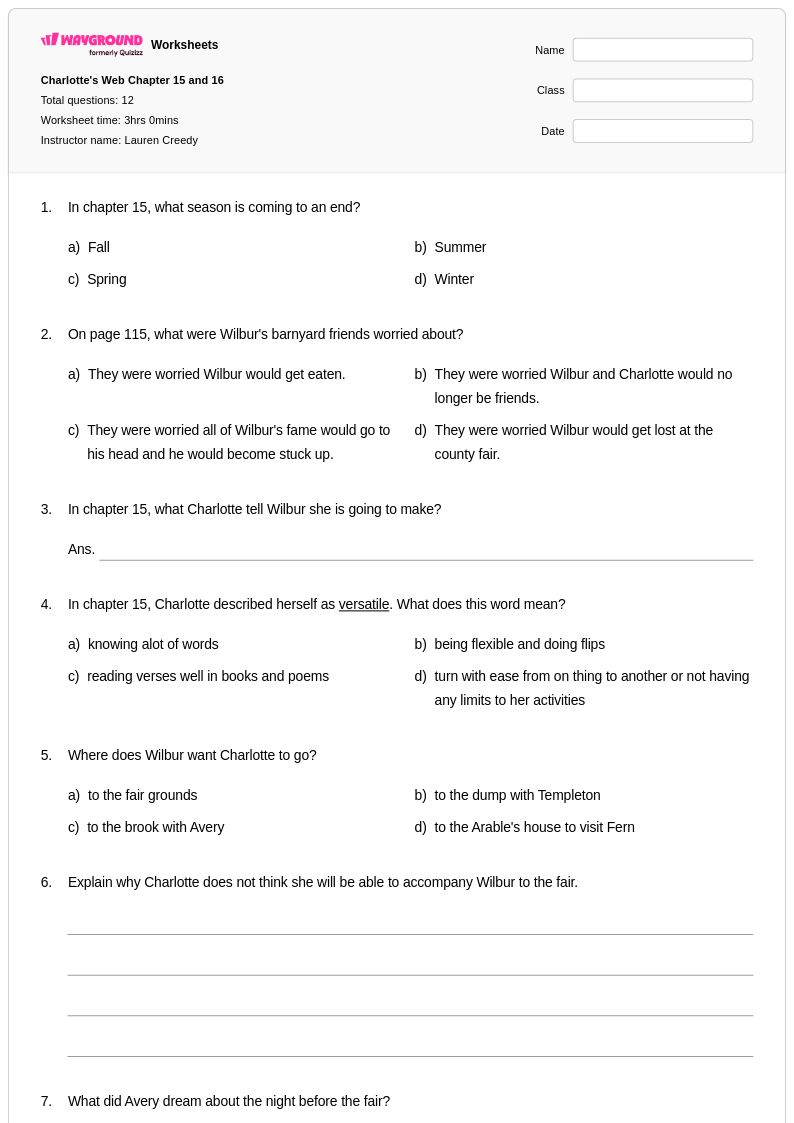
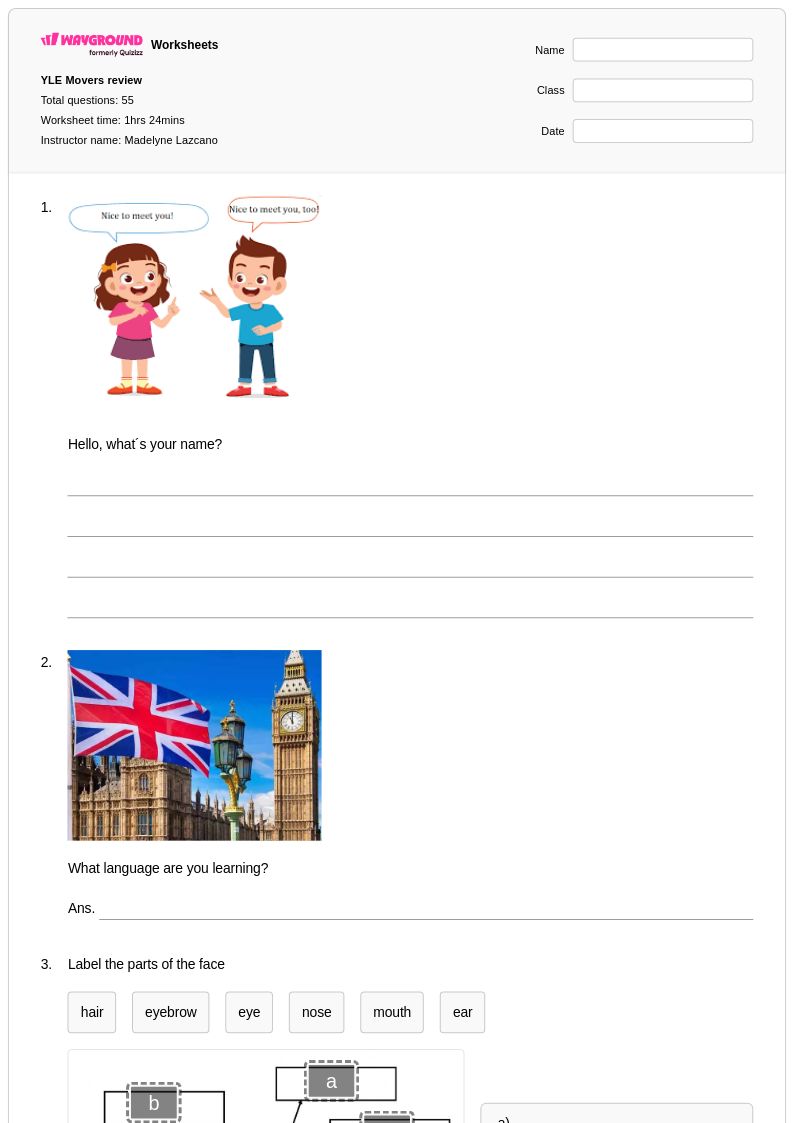
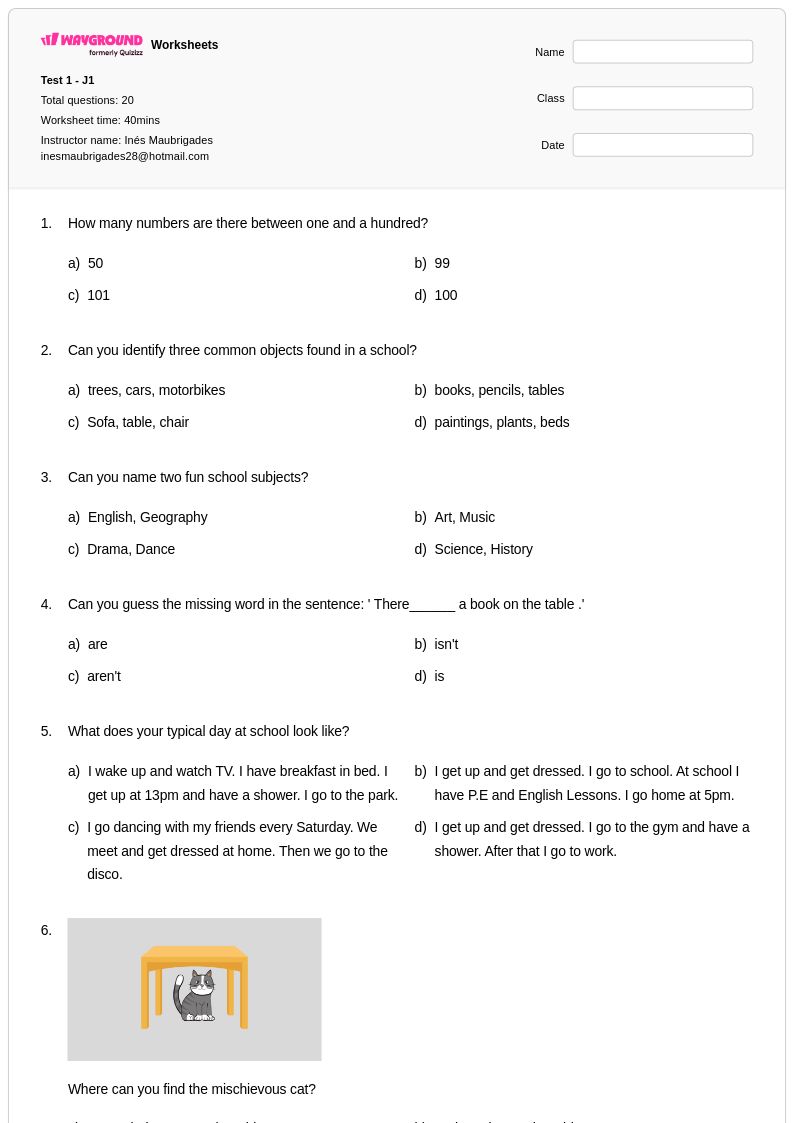
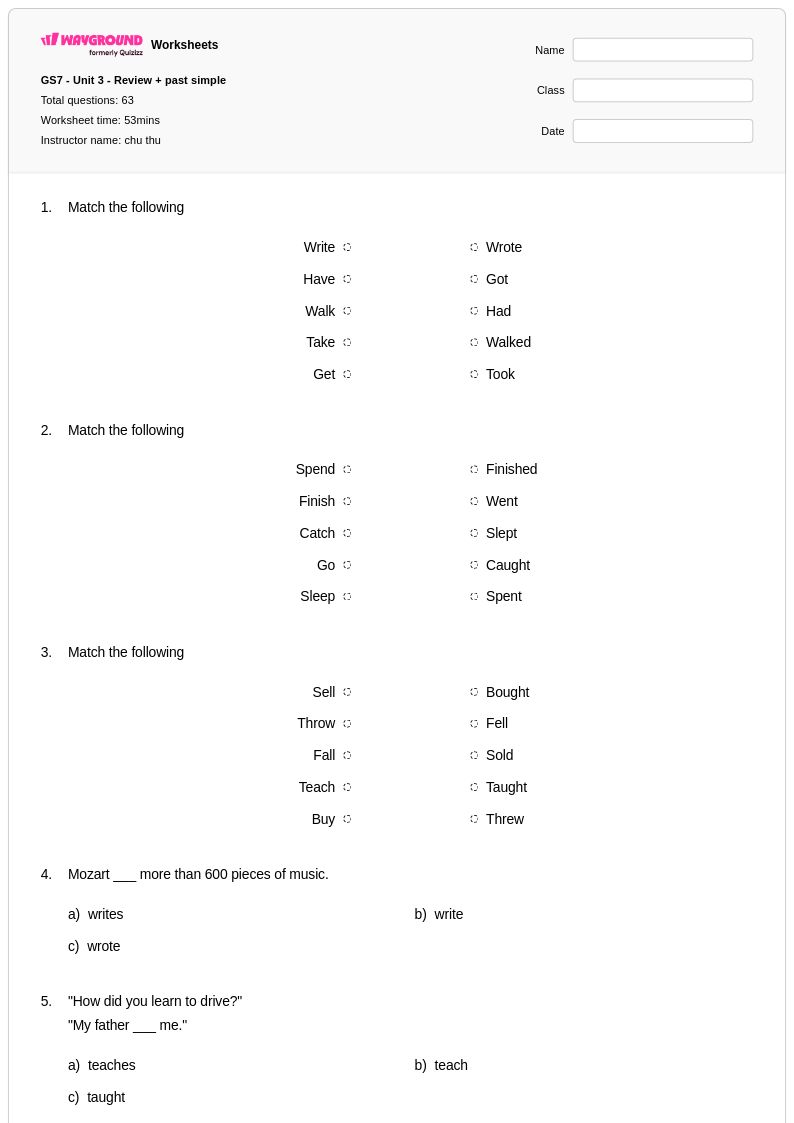
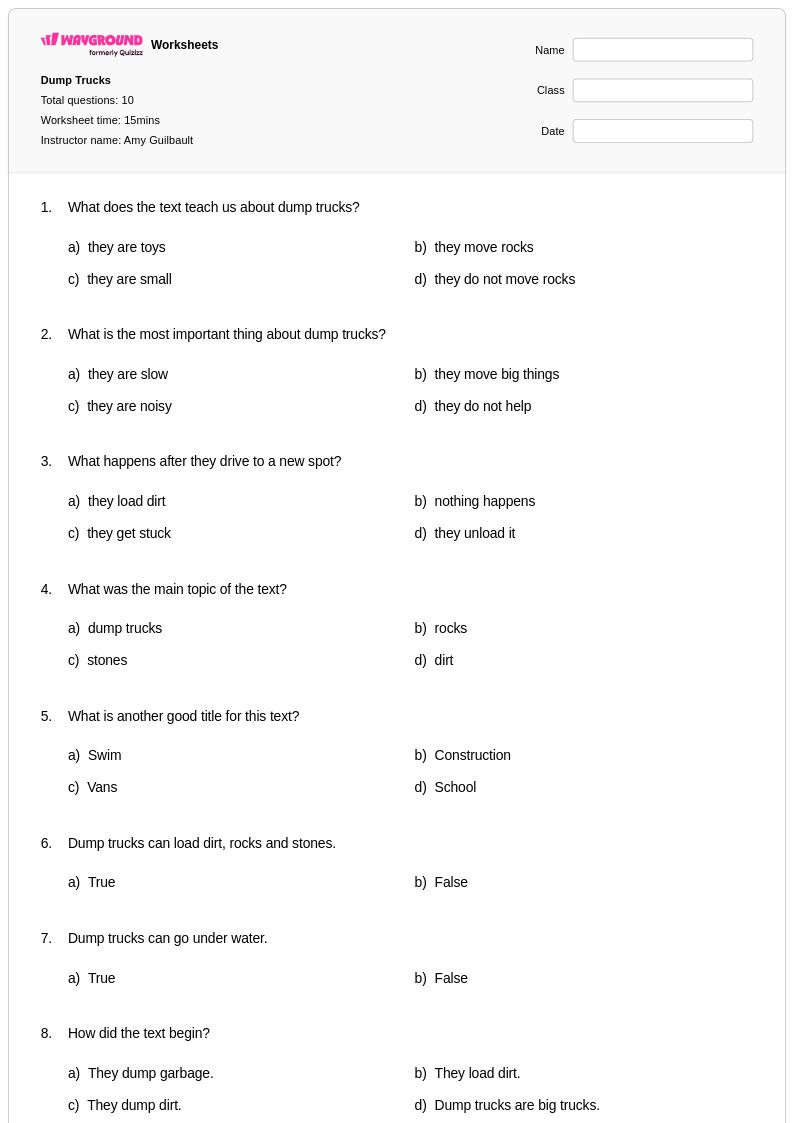
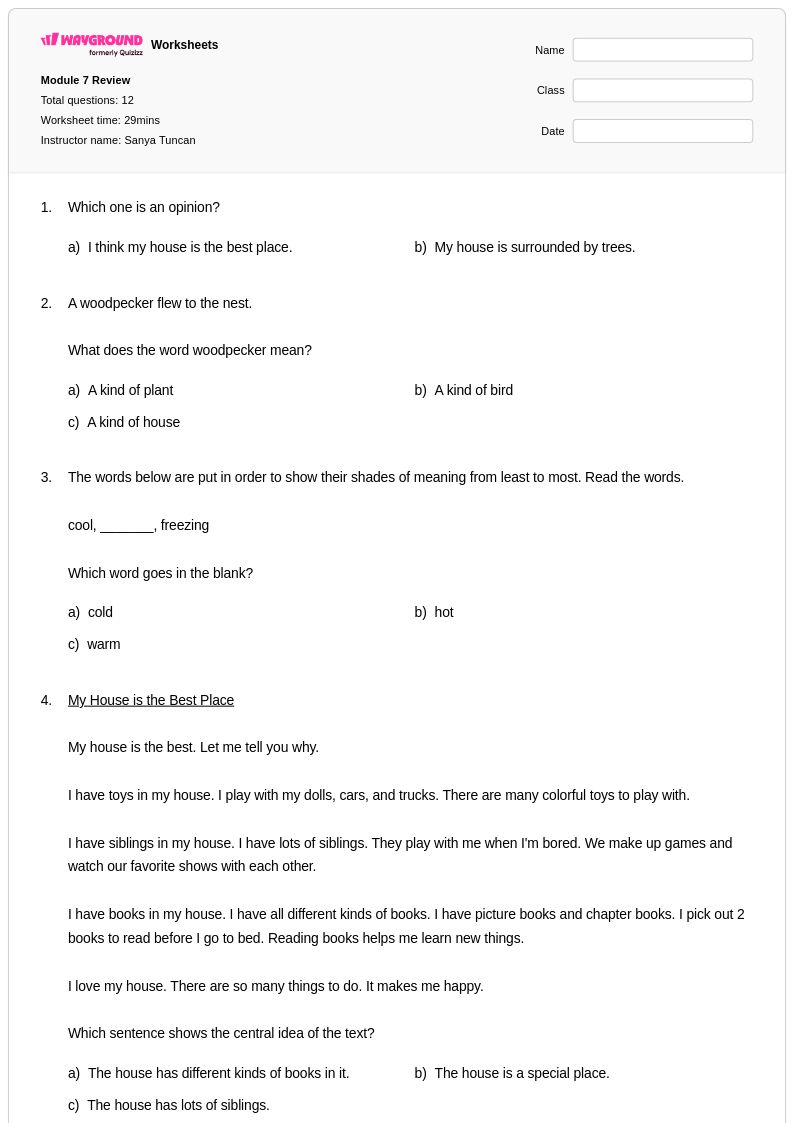
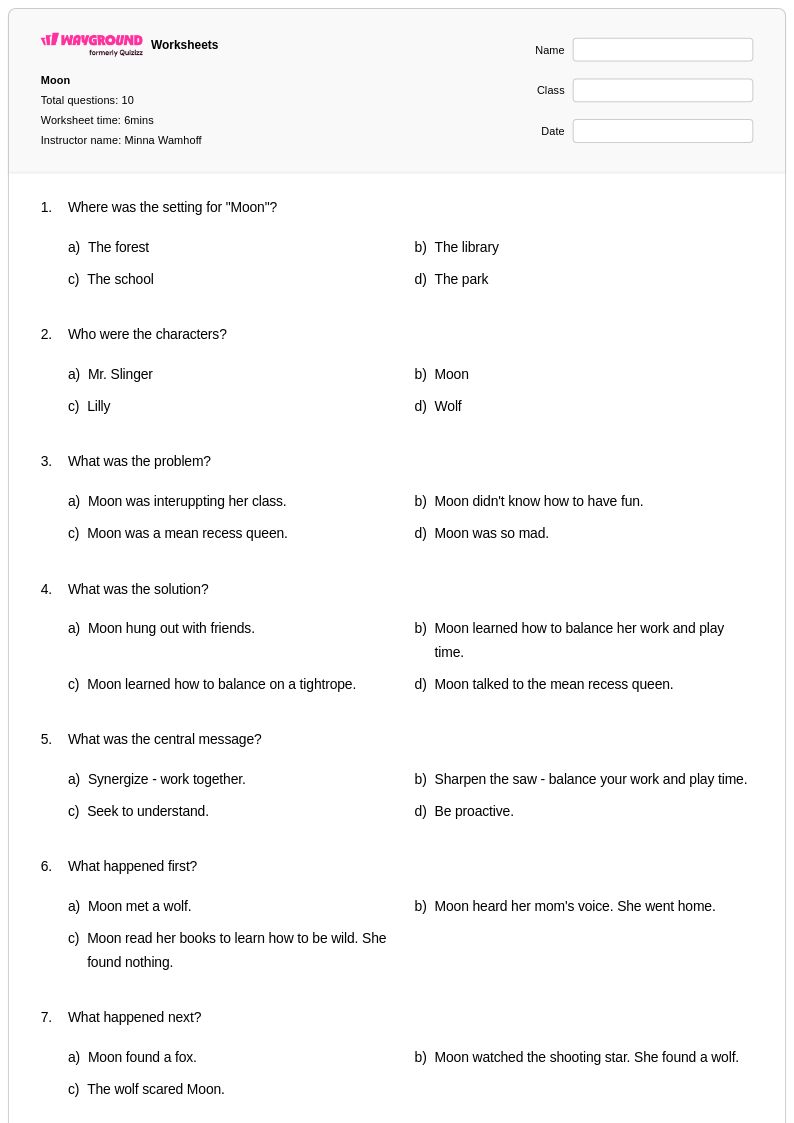
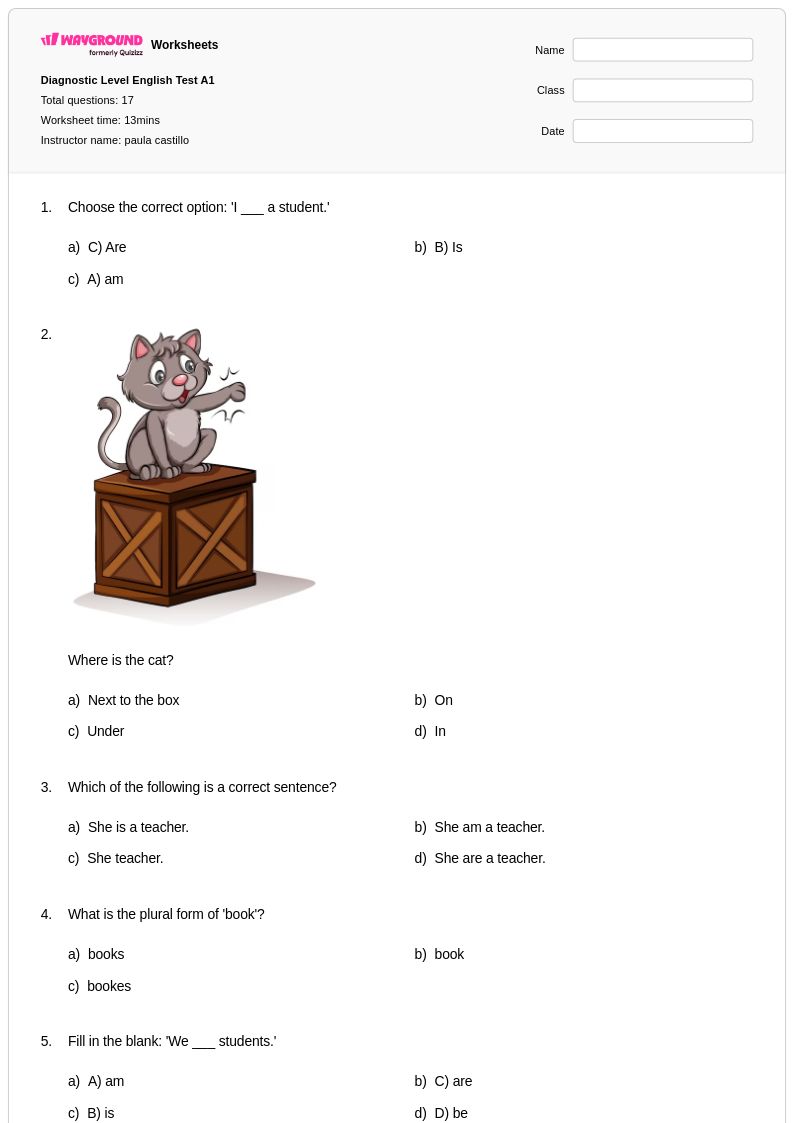
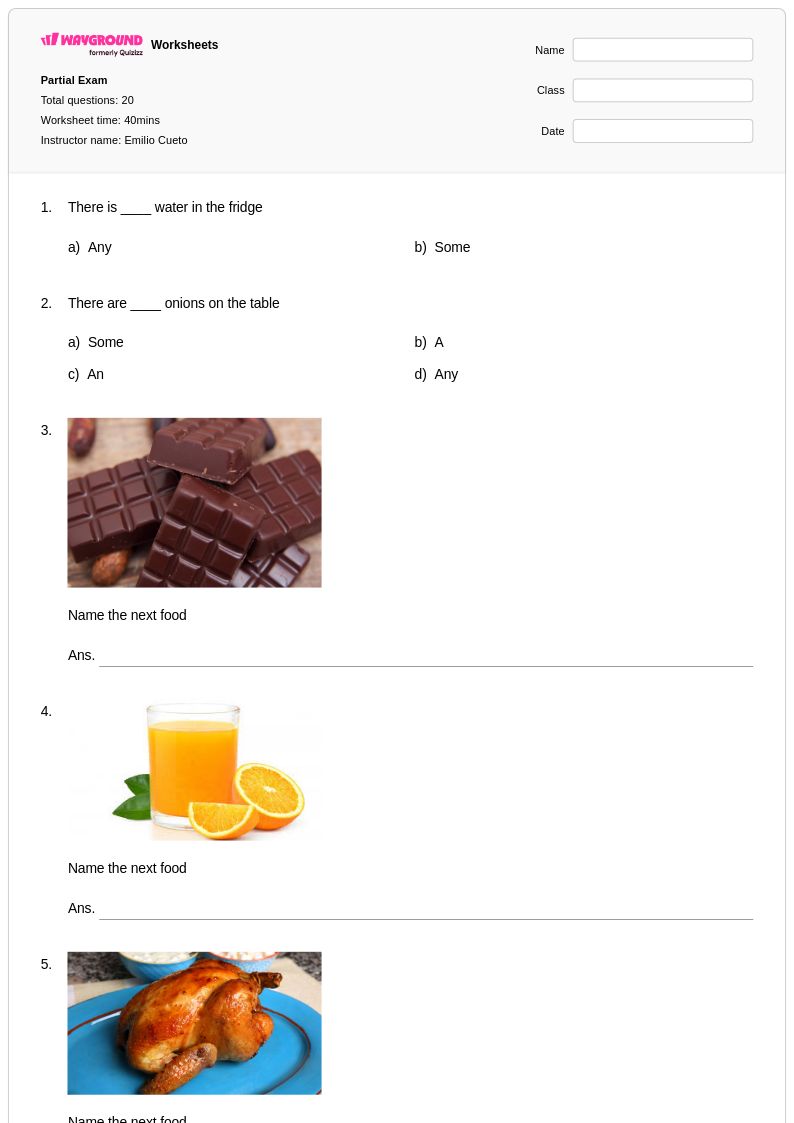
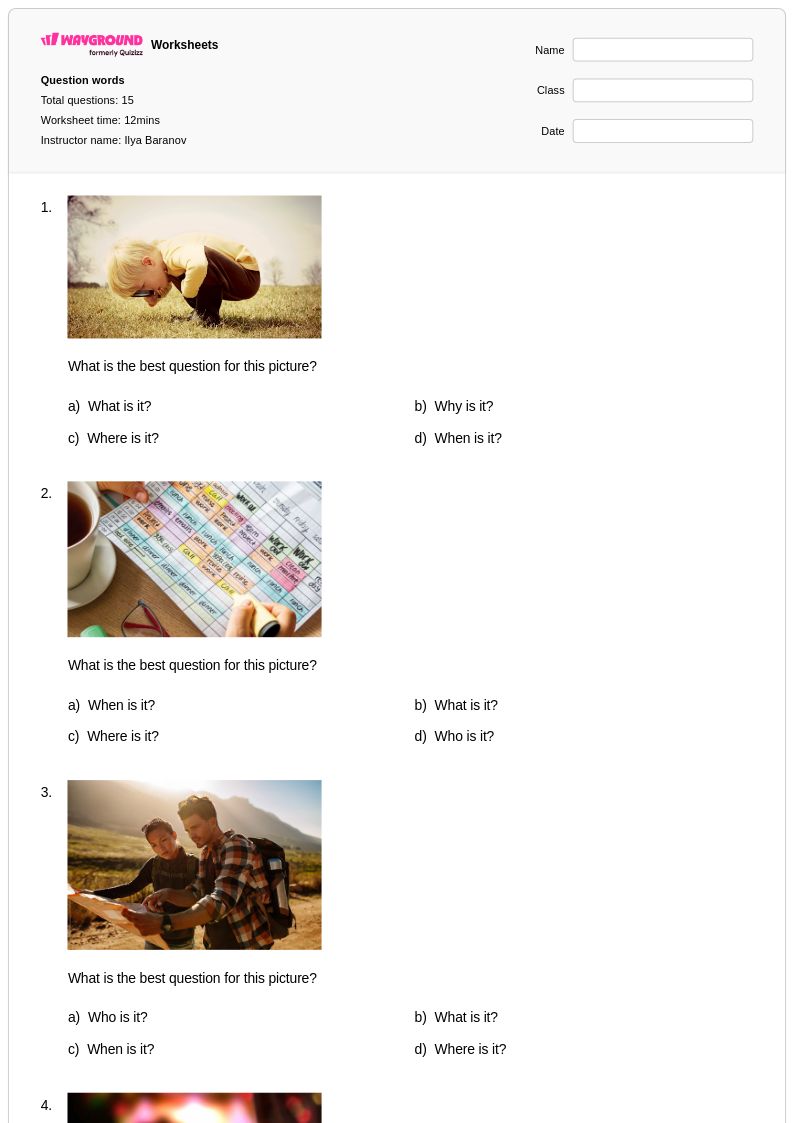
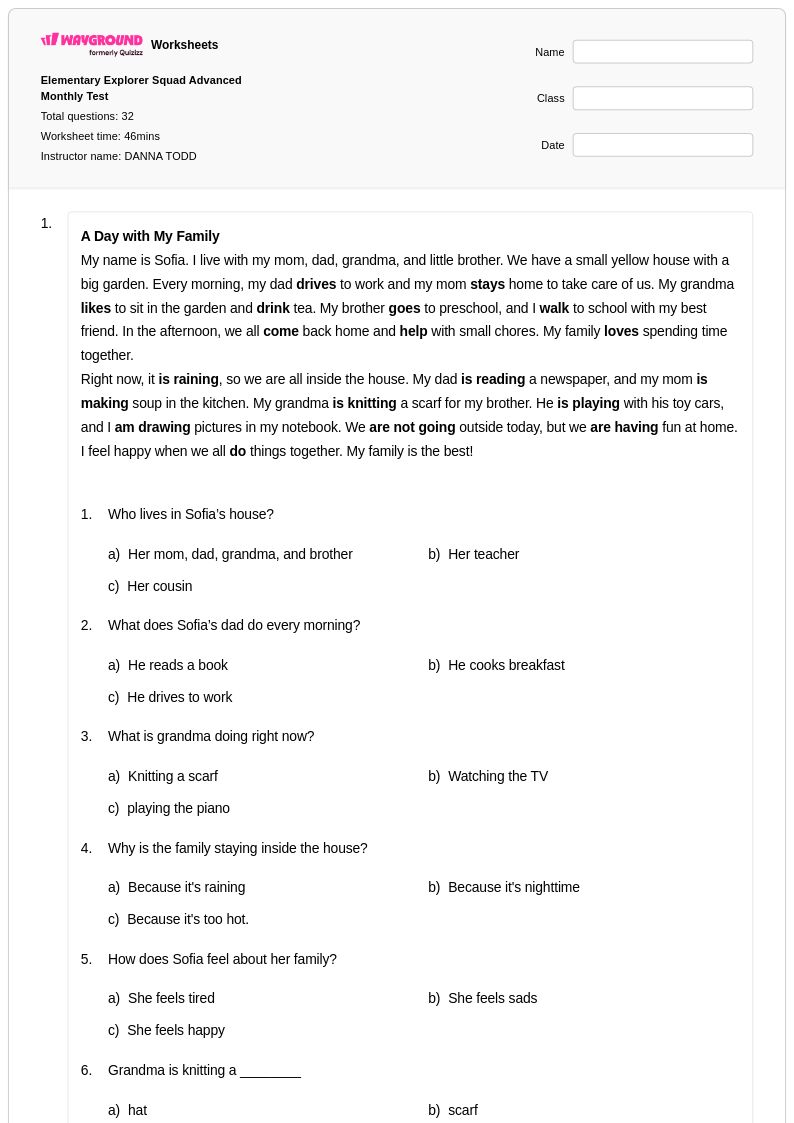
How Books Work worksheets for Class 1 students available through Wayground (formerly Quizizz) provide essential foundational instruction in print concepts that young learners need to become successful readers. These comprehensive printables focus on teaching first graders the fundamental mechanics of how books function, including understanding that text flows from left to right, recognizing the front and back covers, identifying the title page, and comprehending that pages turn in sequence. Each worksheet includes carefully designed practice problems that reinforce critical pre-reading skills such as distinguishing between pictures and words, understanding the concept of letters forming words, and recognizing that print carries meaning. Teachers can access complete answer keys in pdf format, making assessment and instruction planning more efficient while ensuring students develop strong print awareness through structured, free practice activities.
Wayground (formerly Quizizz) supports educators with an extensive collection of teacher-created resources specifically designed for Class 1 How Books Work instruction, featuring millions of worksheets that can be easily located through robust search and filtering capabilities. These materials align with early literacy standards and offer differentiation tools that allow teachers to customize content for diverse learning needs, whether students require additional practice with basic print concepts or are ready for more advanced book handling skills. The platform provides flexible access to both printable and digital formats, including downloadable pdf versions that facilitate seamless integration into classroom instruction, homework assignments, or intervention programs. This comprehensive approach enables teachers to effectively plan lessons, provide targeted remediation for struggling readers, offer enrichment opportunities for advanced students, and ensure consistent skill practice that builds the print concept foundation essential for reading development.
FAQs
How do I teach young students how books work?
Teaching how books work begins with direct, hands-on instruction using physical books. Guide students through identifying the front and back covers, the spine, the title page, and the author's name before ever opening to the first page. From there, model correct book orientation, demonstrate how to turn pages in sequence, and explicitly show that English text runs left to right and top to bottom. Repeated shared reading experiences where you think aloud about these conventions help students internalize print awareness as a natural part of reading.
What exercises help students practice print awareness and book handling skills?
Structured worksheet activities are effective for reinforcing how books work because they require students to apply and label concepts independently rather than just observe them. Useful exercise types include matching book parts to their names, sequencing page-turning steps, circling the correct direction of text flow, and identifying front versus back covers in illustrated examples. These practice problems consolidate what students learn during whole-group instruction and give teachers a clear record of where individual students need additional support.
What mistakes do students commonly make when learning how books work?
One of the most common errors is holding a book upside down or opening it from the back, which signals the student has not yet internalized correct book orientation. Students also frequently struggle to distinguish between the author and the illustrator, and many initially assume that pictures, not words, carry the primary meaning of a text. Another common misconception is that reading direction is optional rather than fixed, so explicitly and repeatedly modeling left-to-right, top-to-bottom directionality is essential in early literacy instruction.
How do I use How Books Work worksheets in my classroom?
How Books Work worksheets on Wayground are available as printable PDFs for traditional classroom use and in digital formats for technology-integrated learning environments, and teachers can also host them as a quiz directly on Wayground. Use the printable version during small-group literacy rotations or as a follow-up to a read-aloud lesson, and use the digital format for independent practice on devices or for remote learners. Each worksheet includes an answer key, making it straightforward to provide quick feedback or use the activity for formative assessment.
How can I support students with different learning needs when teaching book handling concepts?
For students who need additional support, Wayground's digital format includes accommodation options such as read aloud, which allows questions and content to be read to students who are not yet independent decoders. Teachers can also enable reduced answer choices for students who are easily overwhelmed, or adjust font size and display themes using reading mode for accessibility. These accommodations can be assigned to individual students without disrupting the experience of the rest of the class, making differentiation manageable during early literacy instruction.
At what age or grade level should students learn how books work?
Concepts of print and book handling are typically introduced in pre-kindergarten and kindergarten, making this content most relevant for students aged four through six. However, students who enter first grade without these foundational skills may need targeted remediation before print awareness instruction can be considered complete. Early and explicit instruction in how books work is a prerequisite for phonics and fluency development, so identifying gaps early is critical to preventing reading difficulties later.