
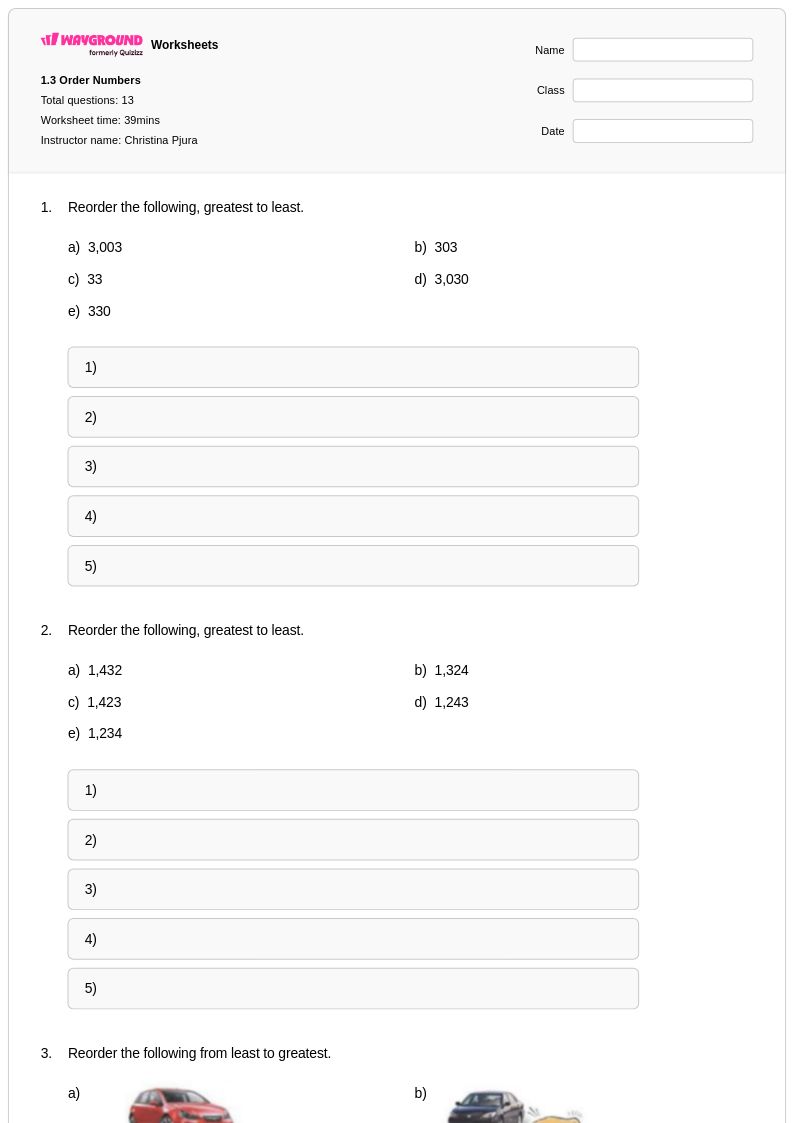
13Q
3rd
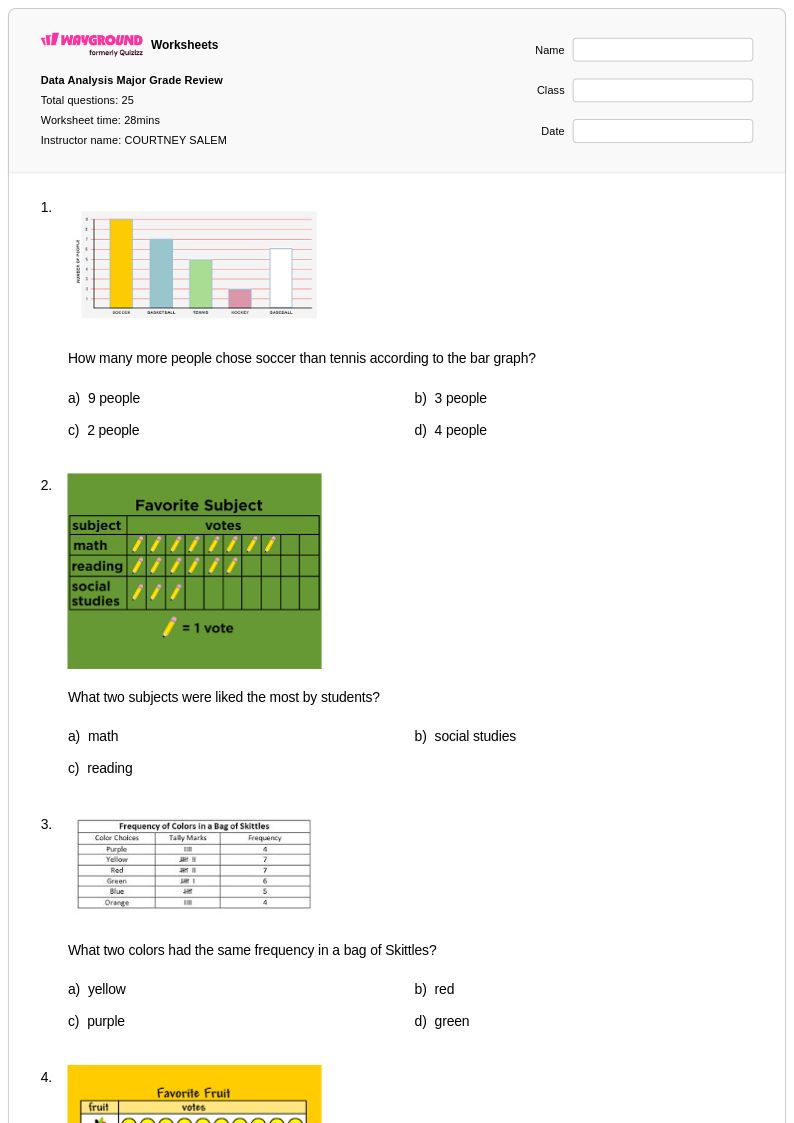
25Q
3rd
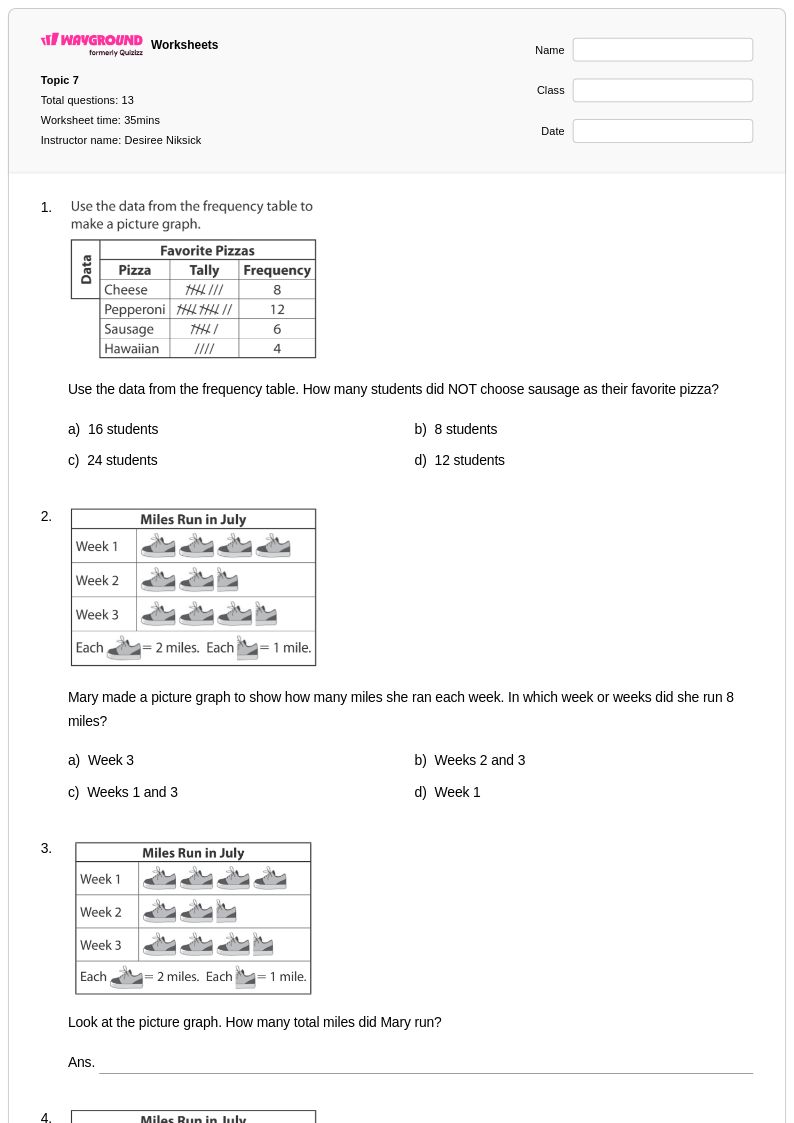
13Q
3rd
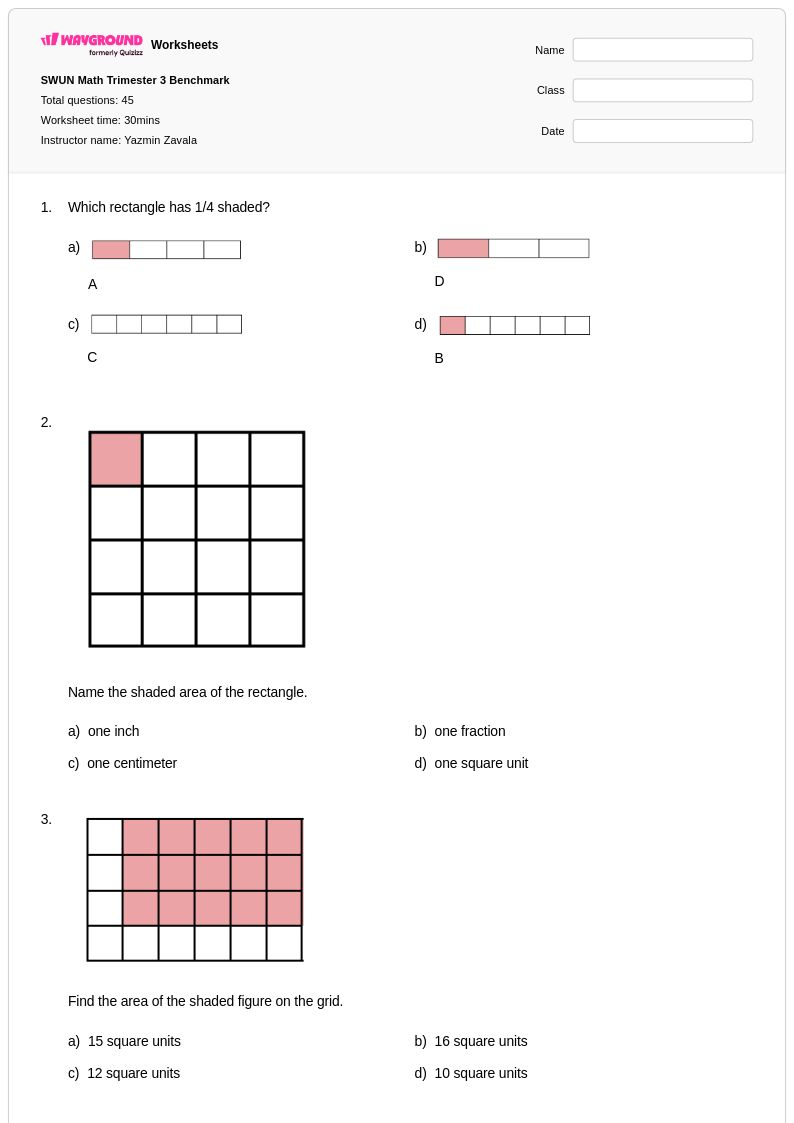
45Q
3rd
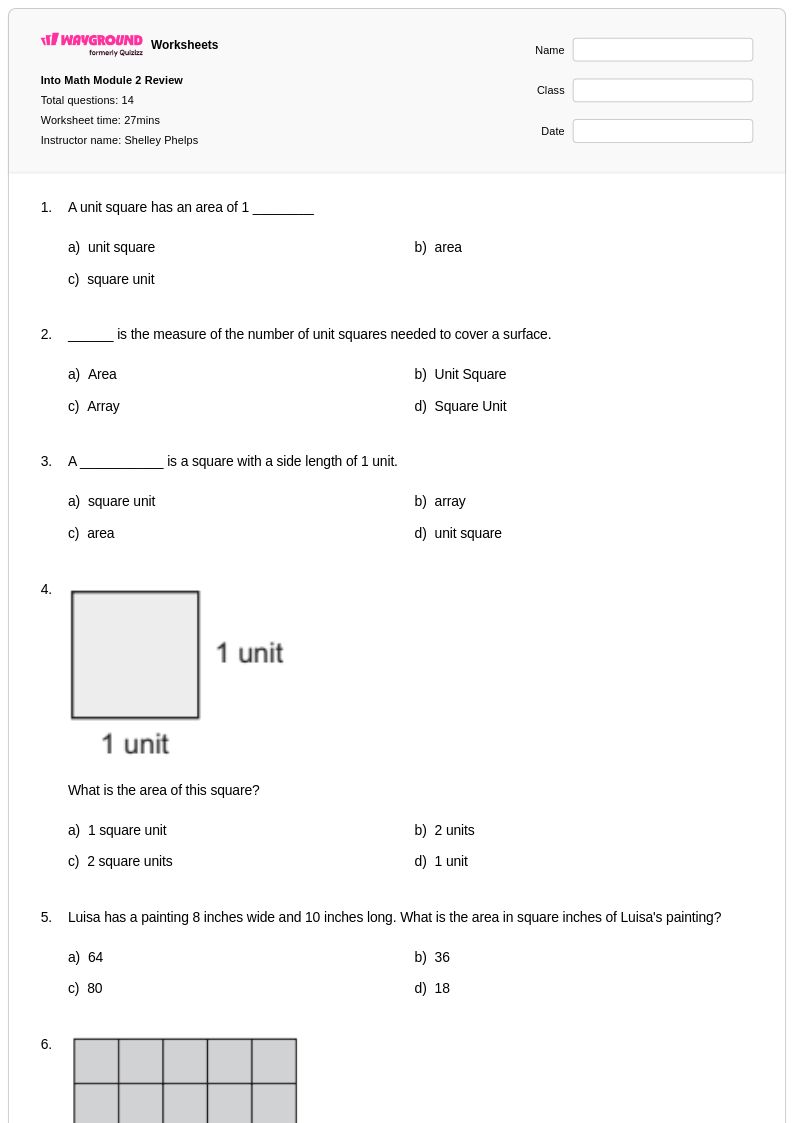
14Q
3rd
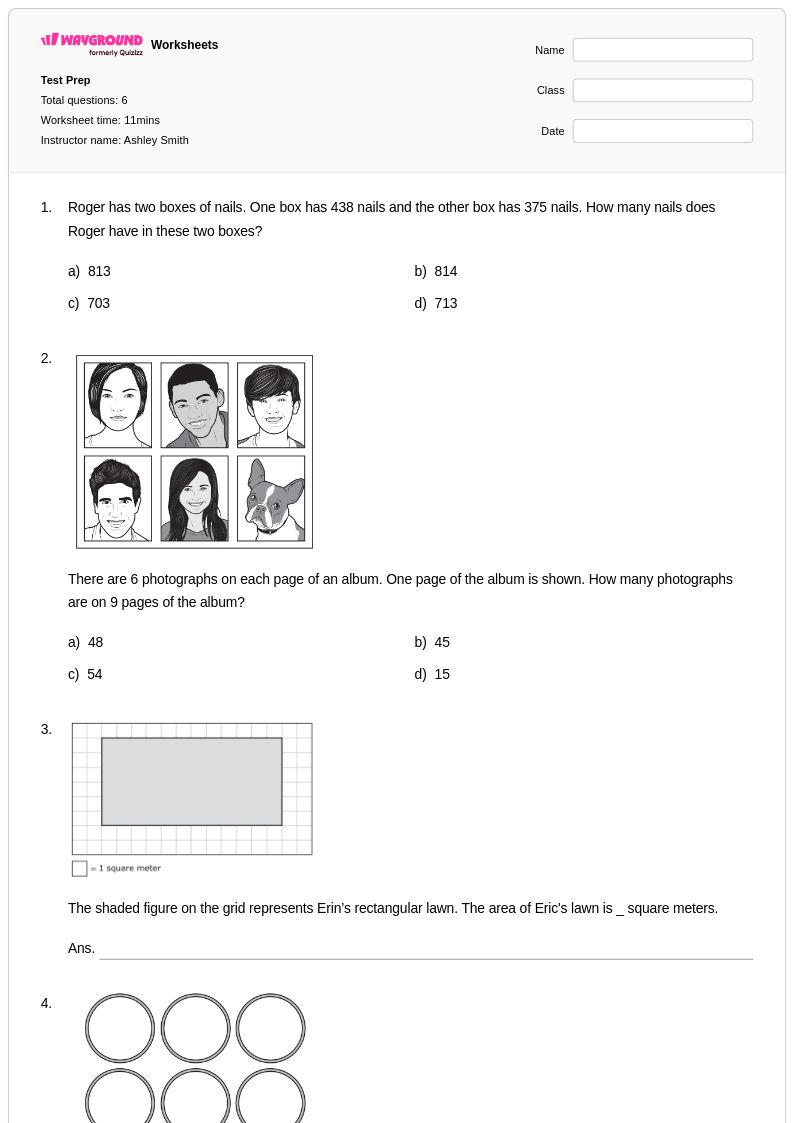
6Q
3rd
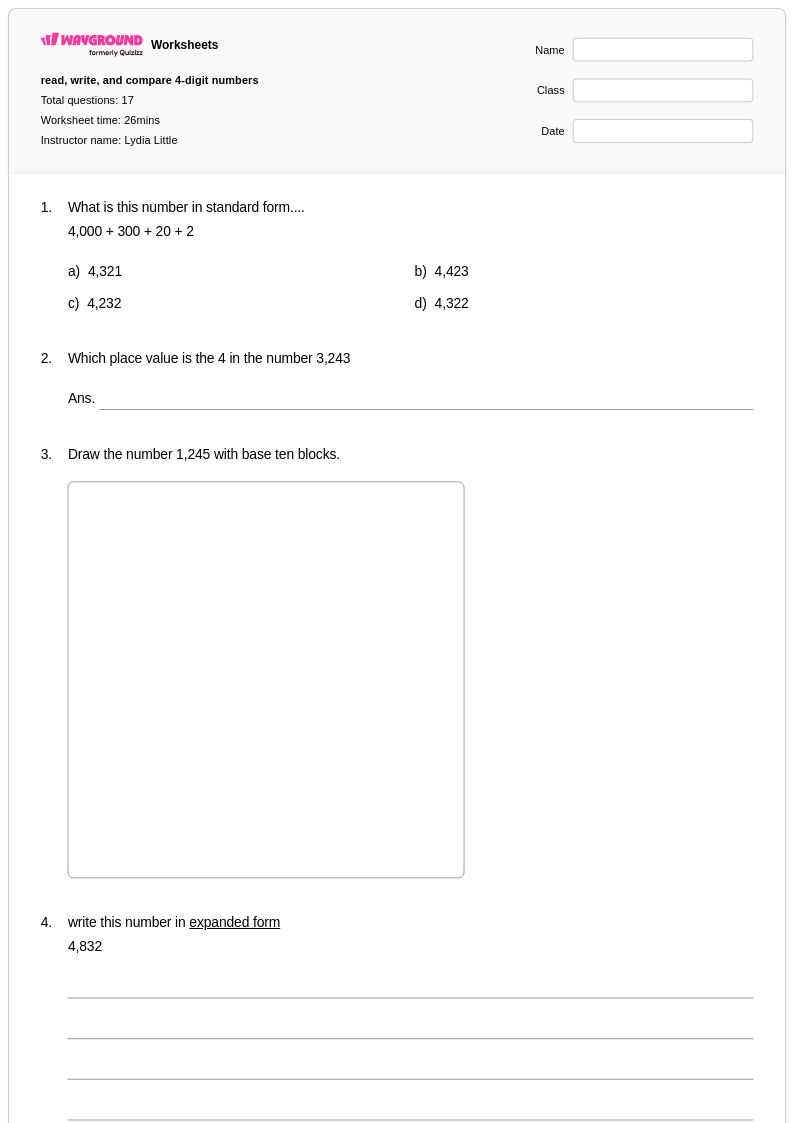
17Q
3rd
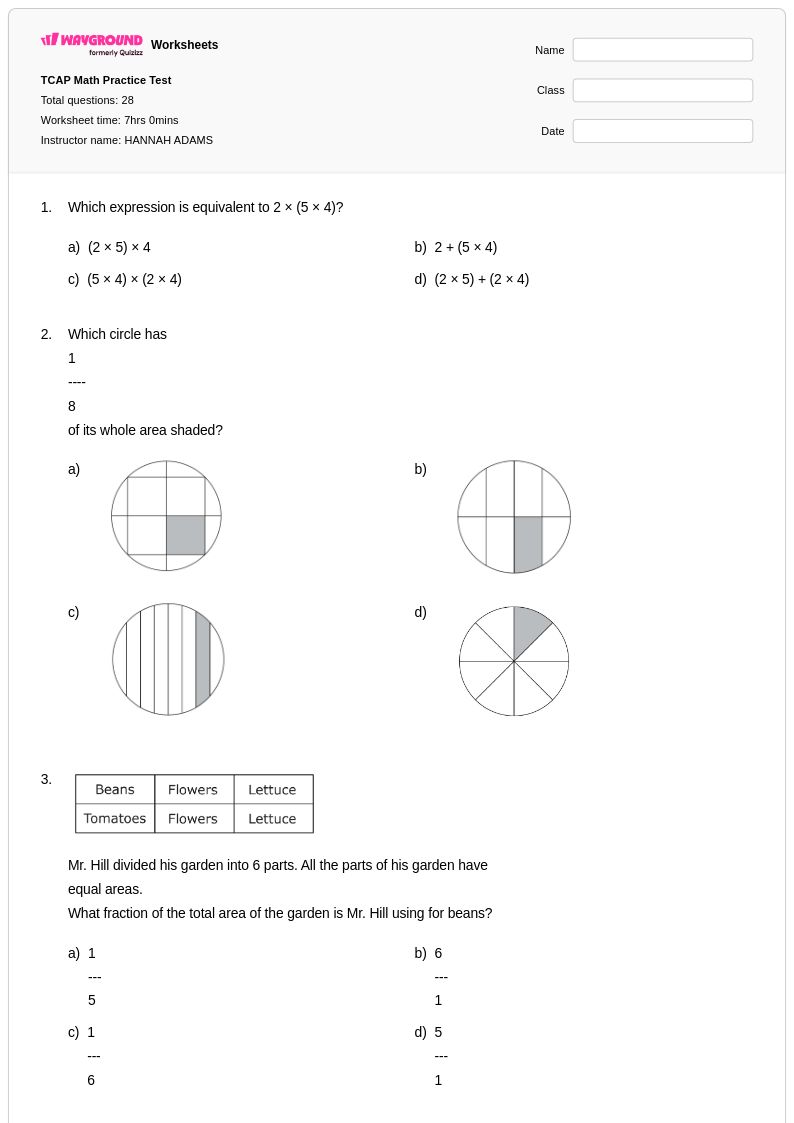
28Q
3rd
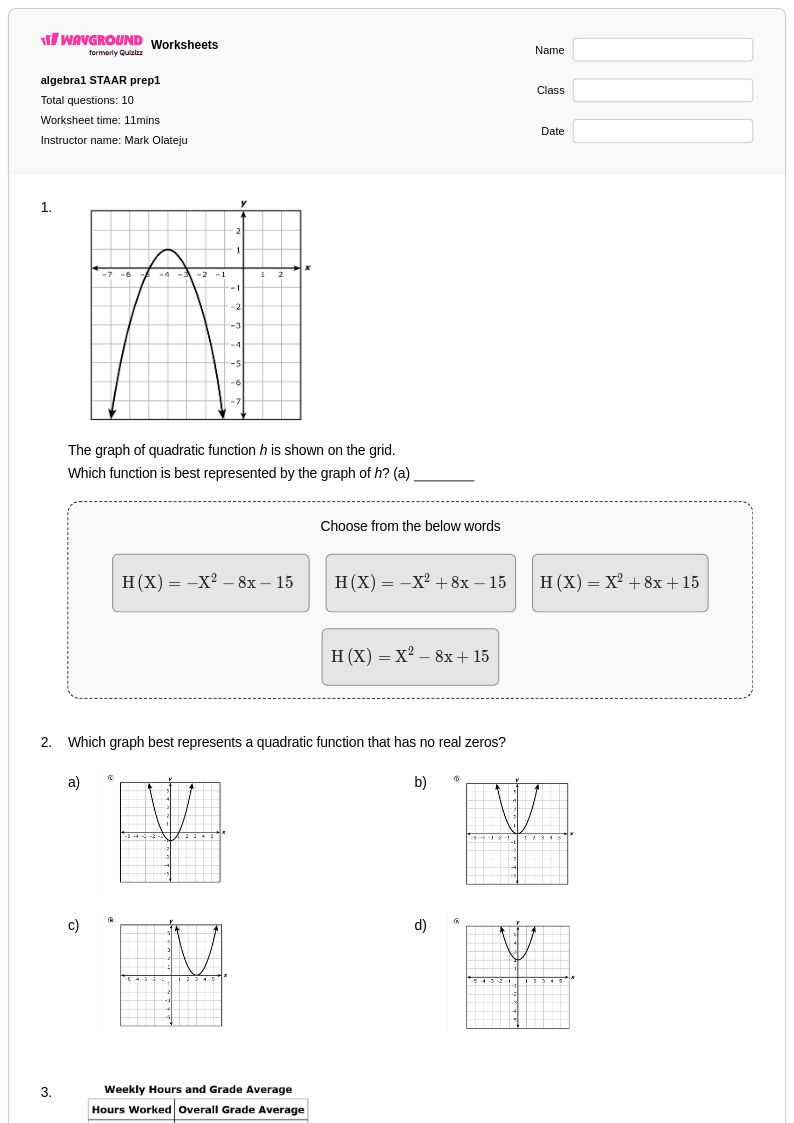
10Q
1st - 5th
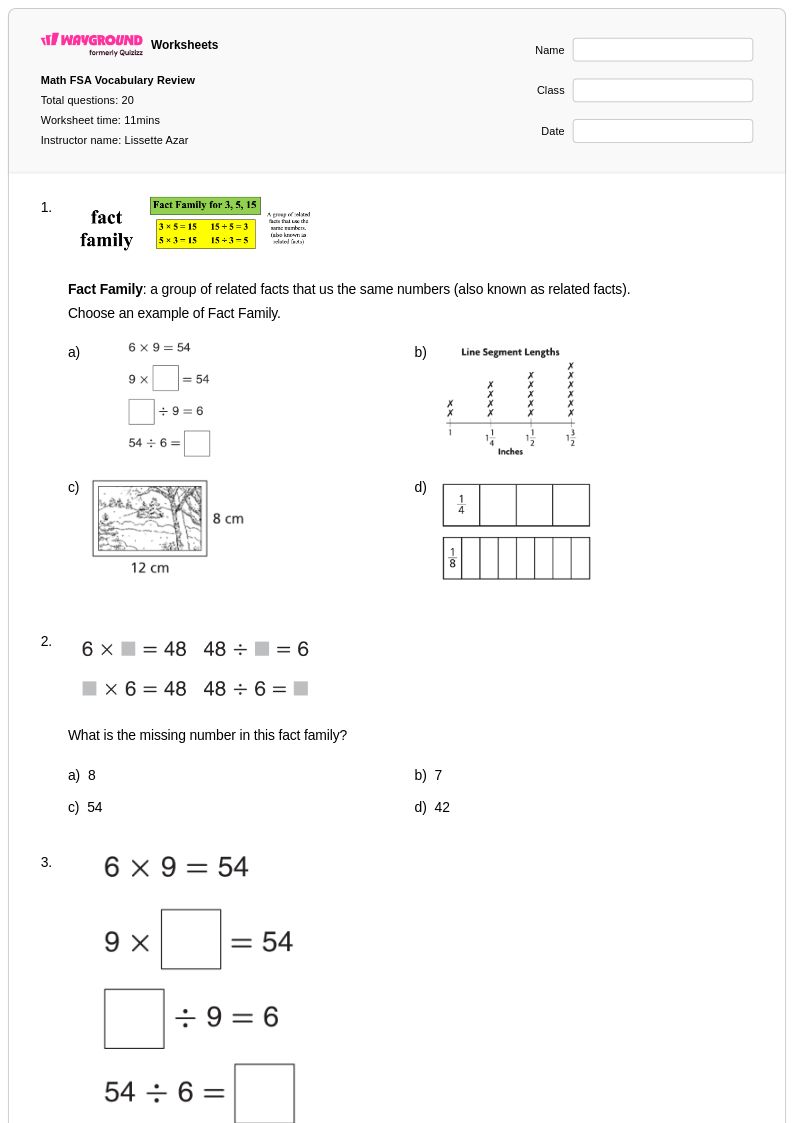
20Q
3rd
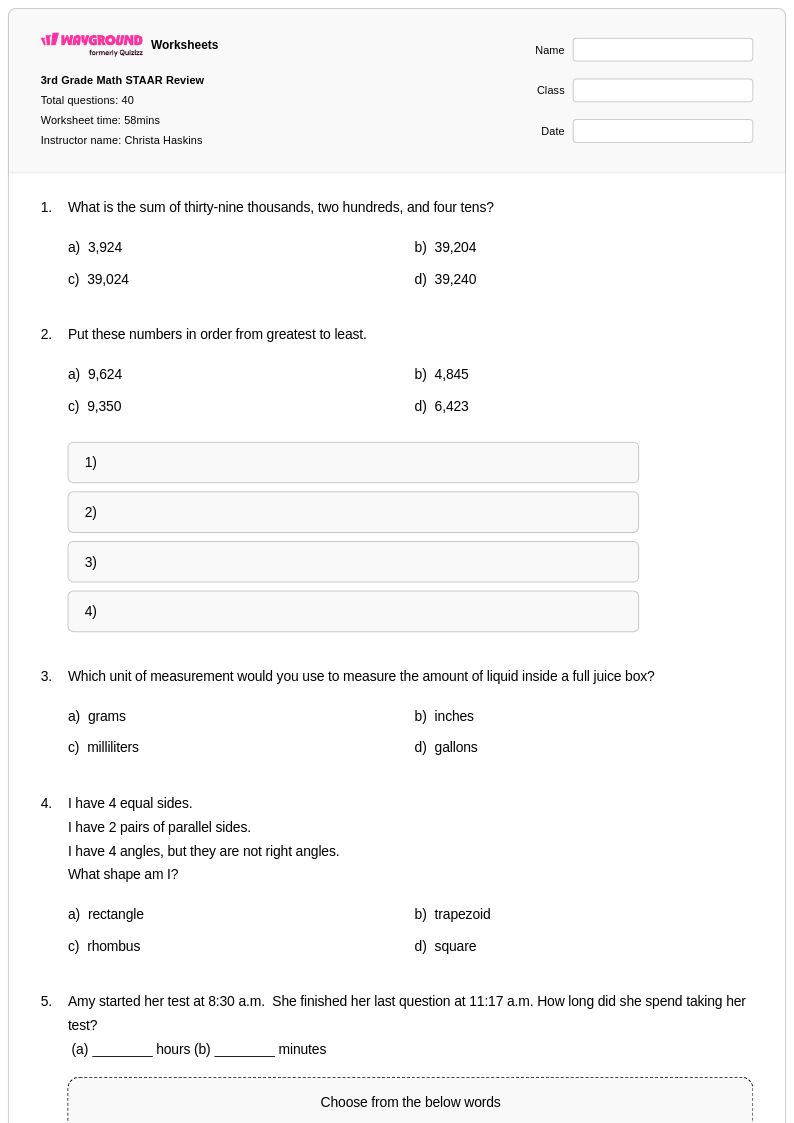
40Q
3rd
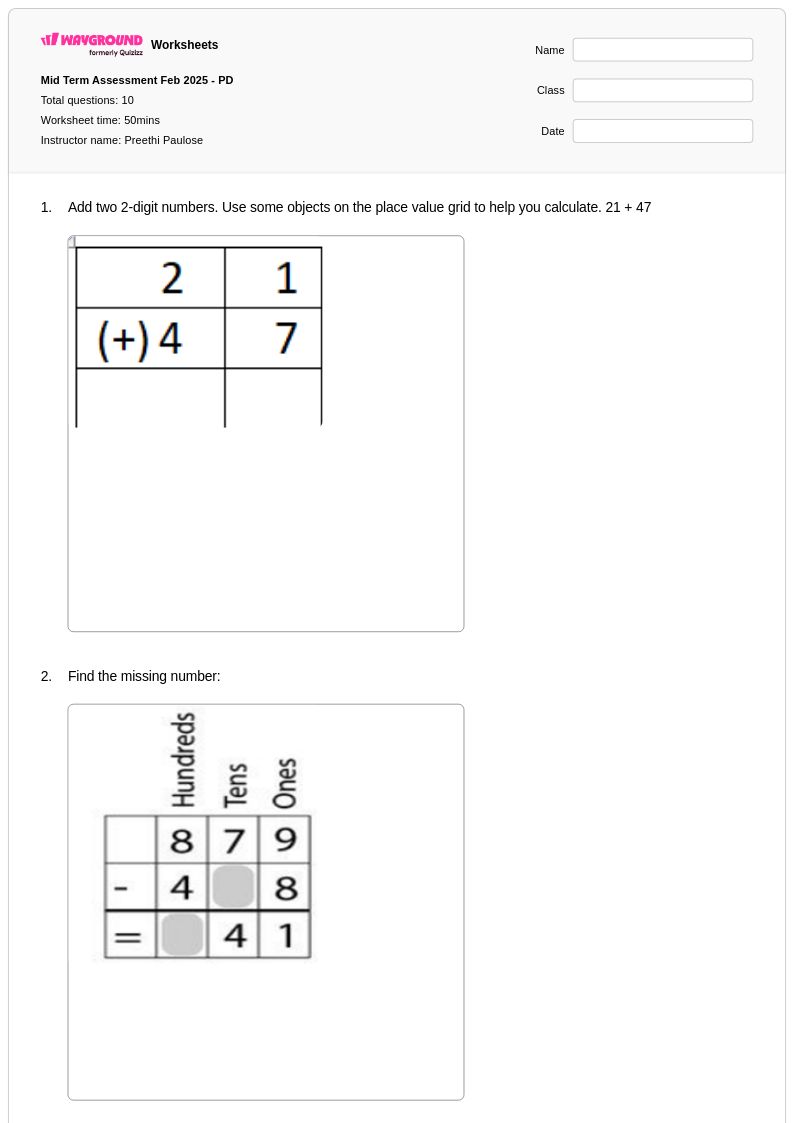
10Q
3rd - Uni
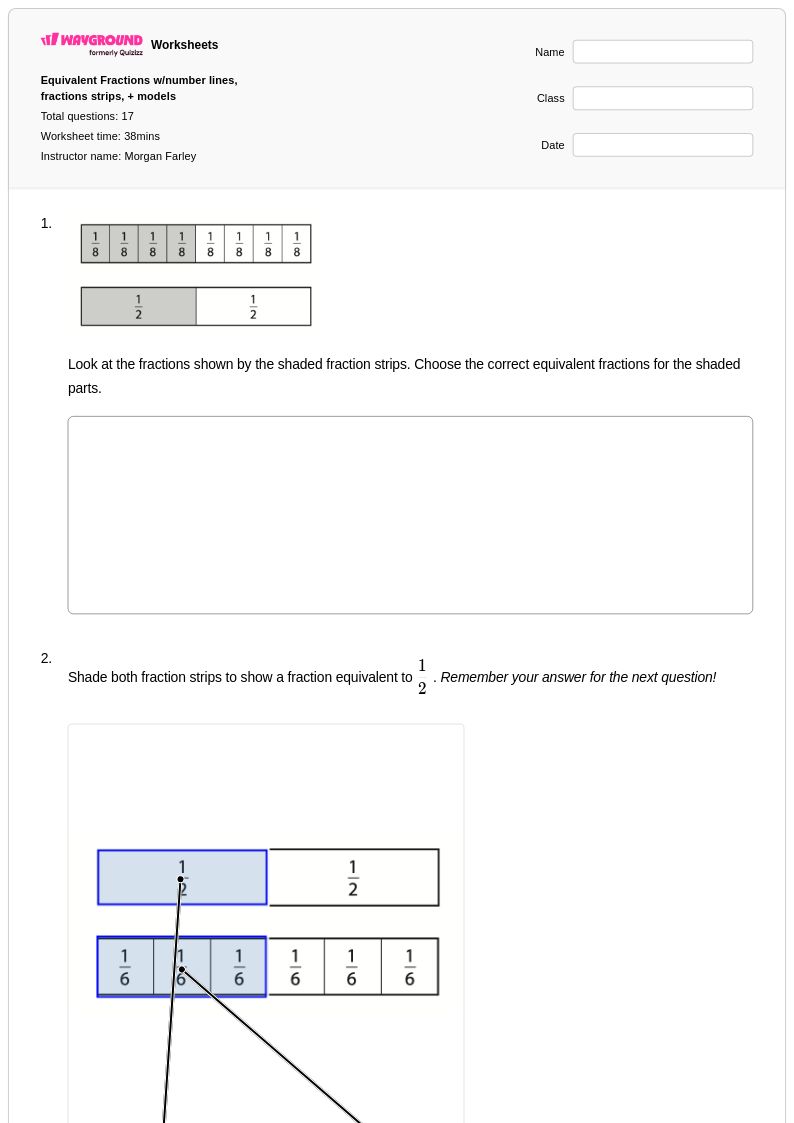
17Q
3rd
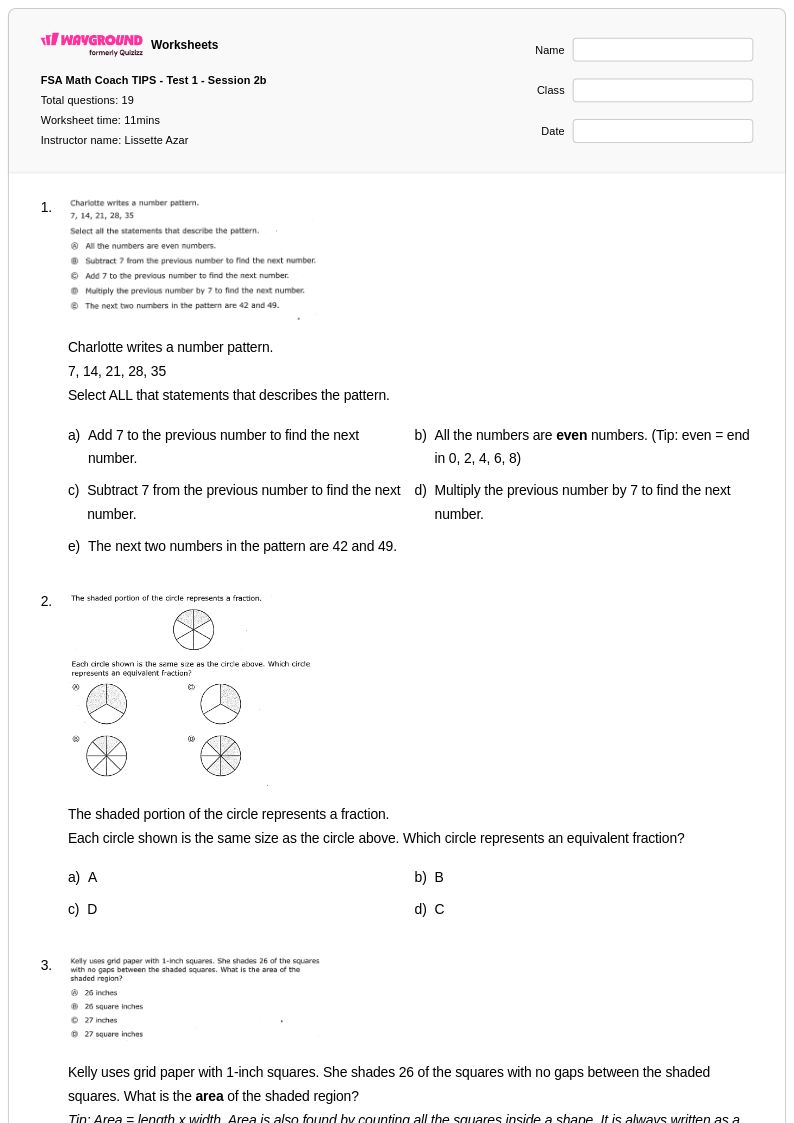
19Q
3rd
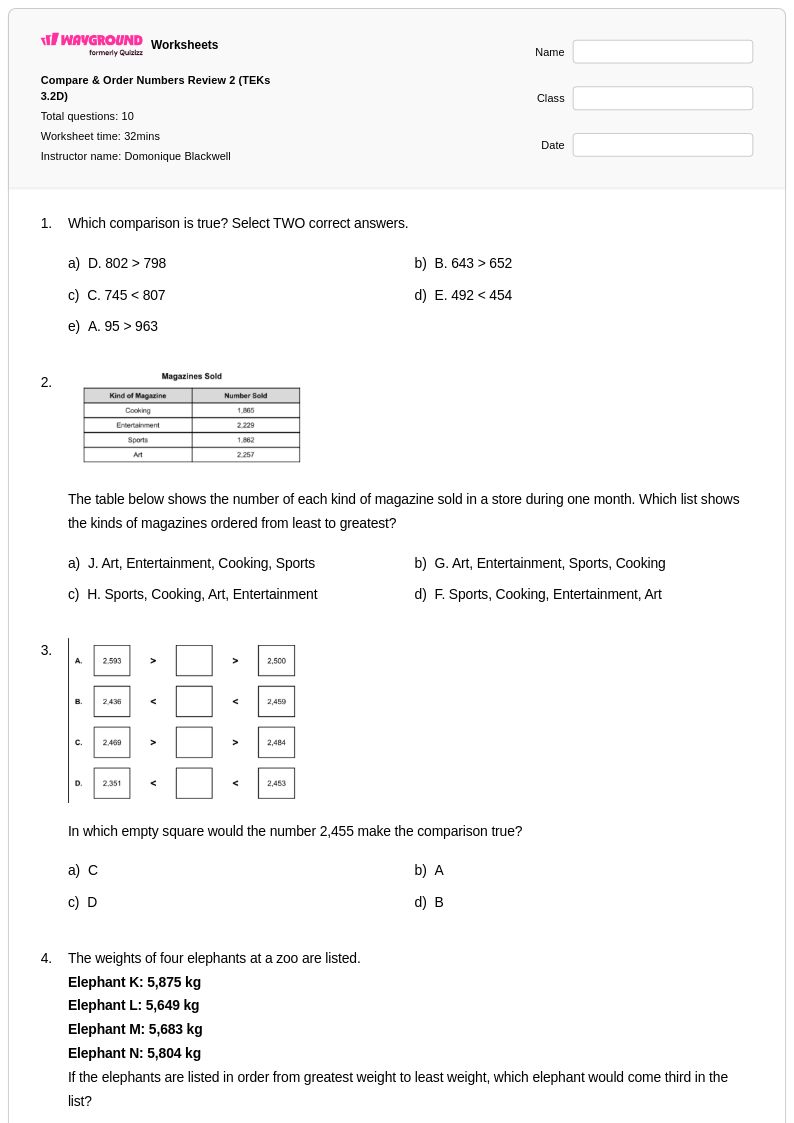
10Q
3rd
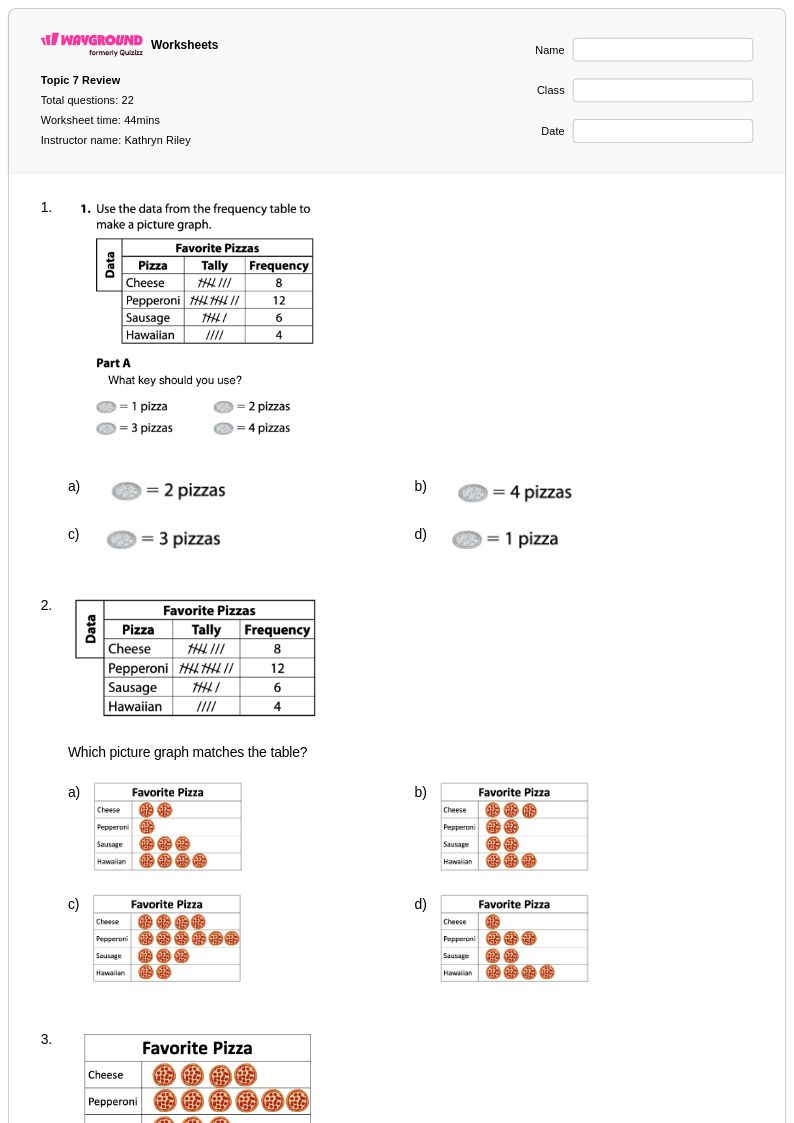
22Q
3rd
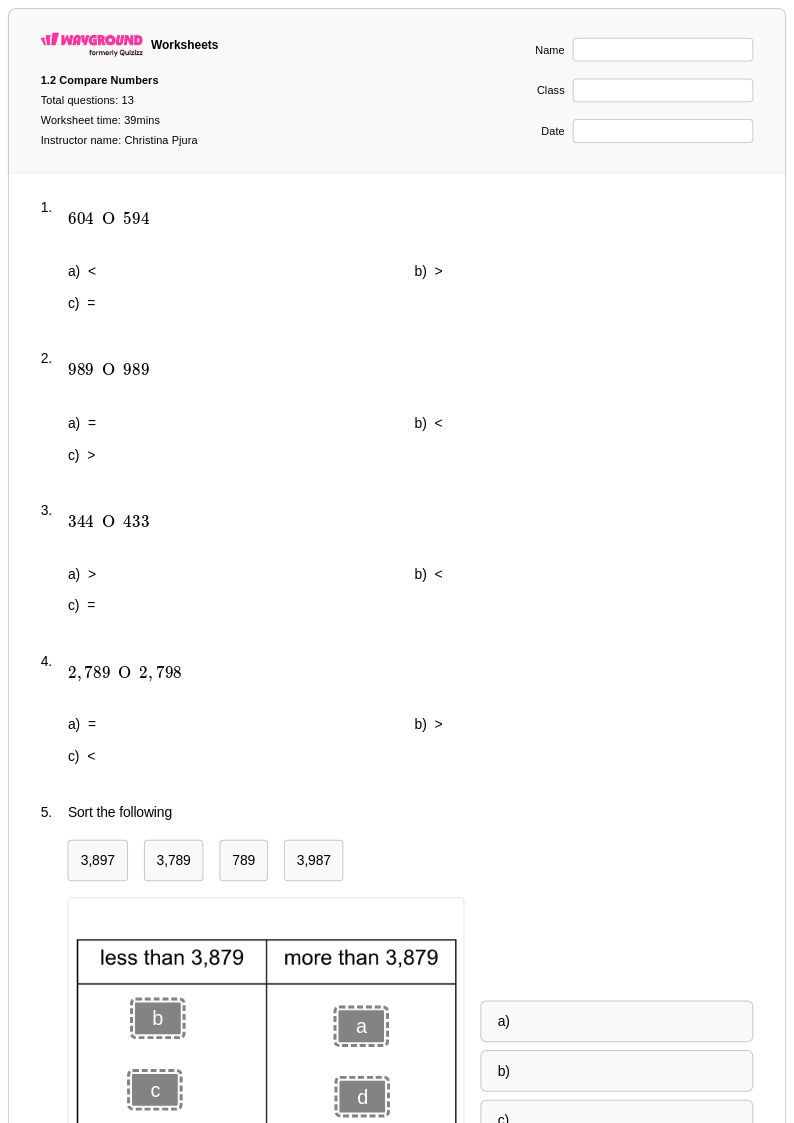
13Q
3rd
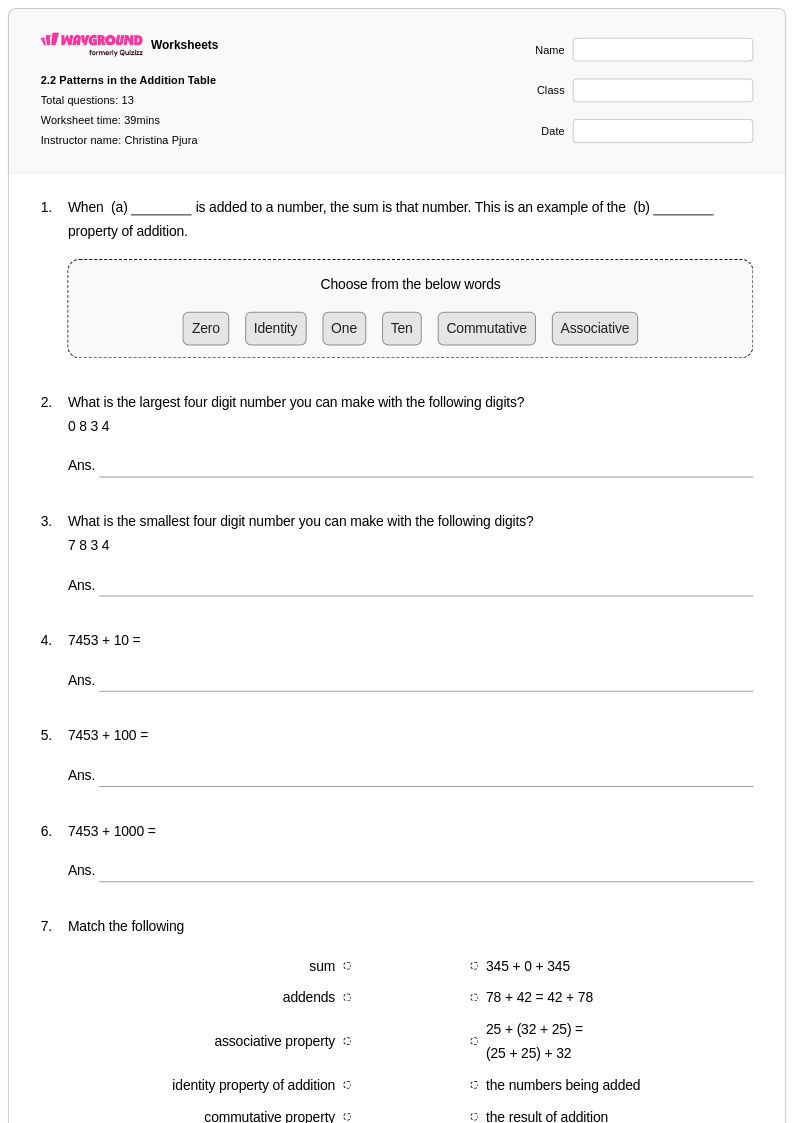
13Q
3rd
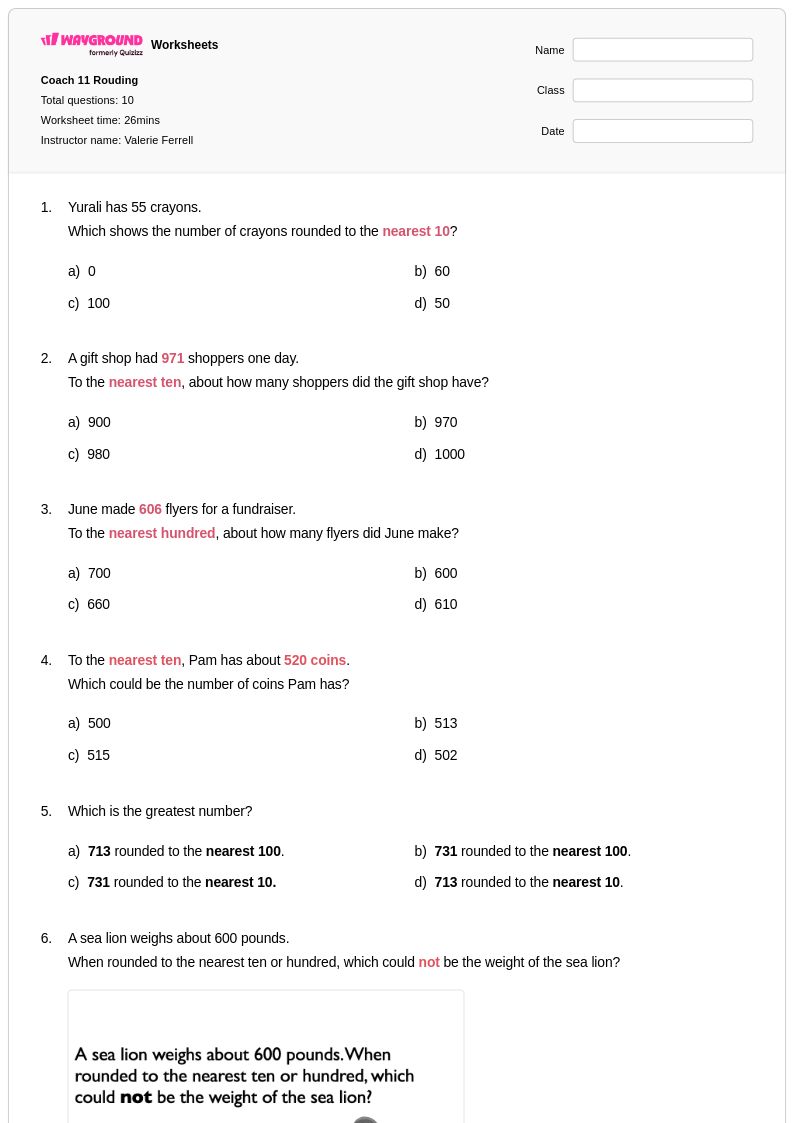
10Q
3rd
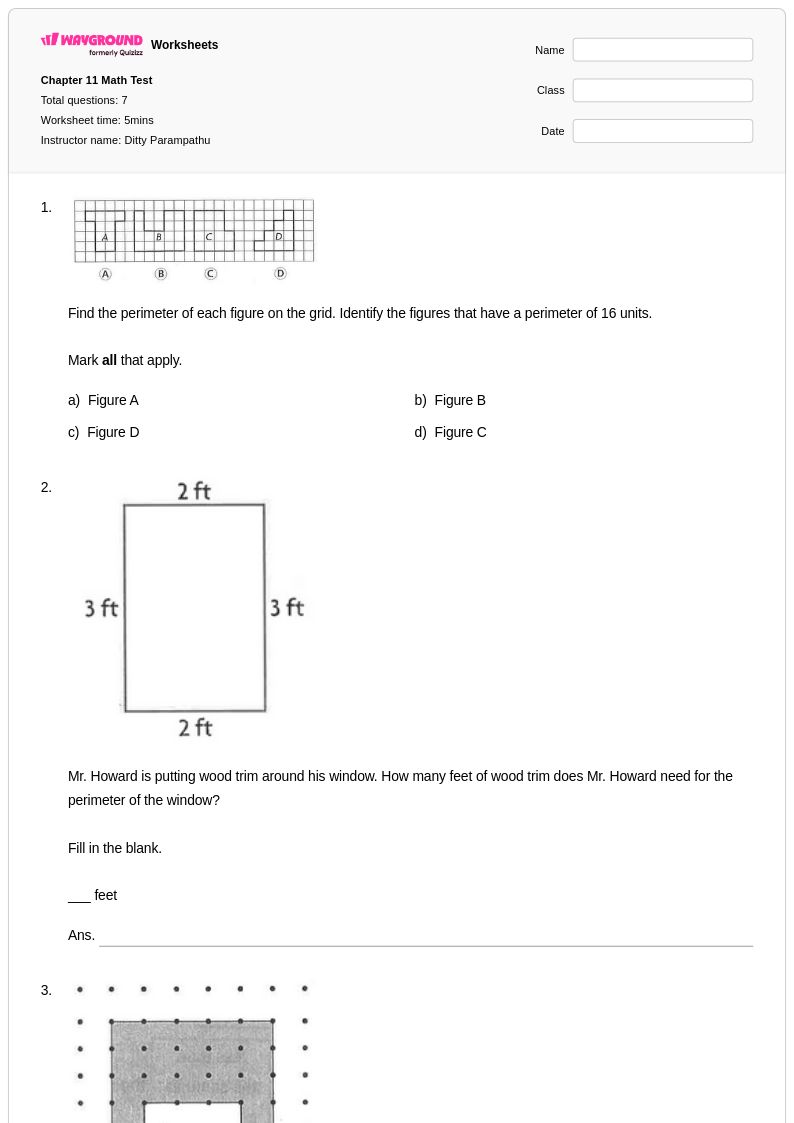
7Q
3rd
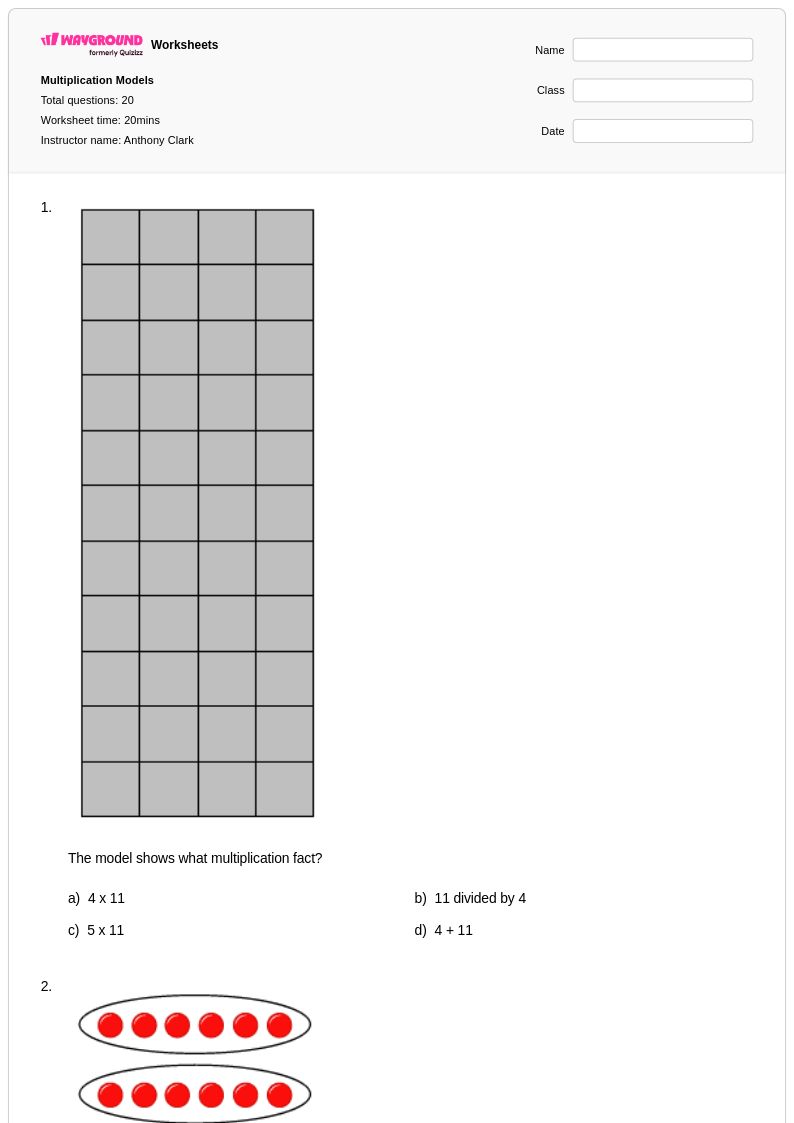
20Q
3rd - Uni
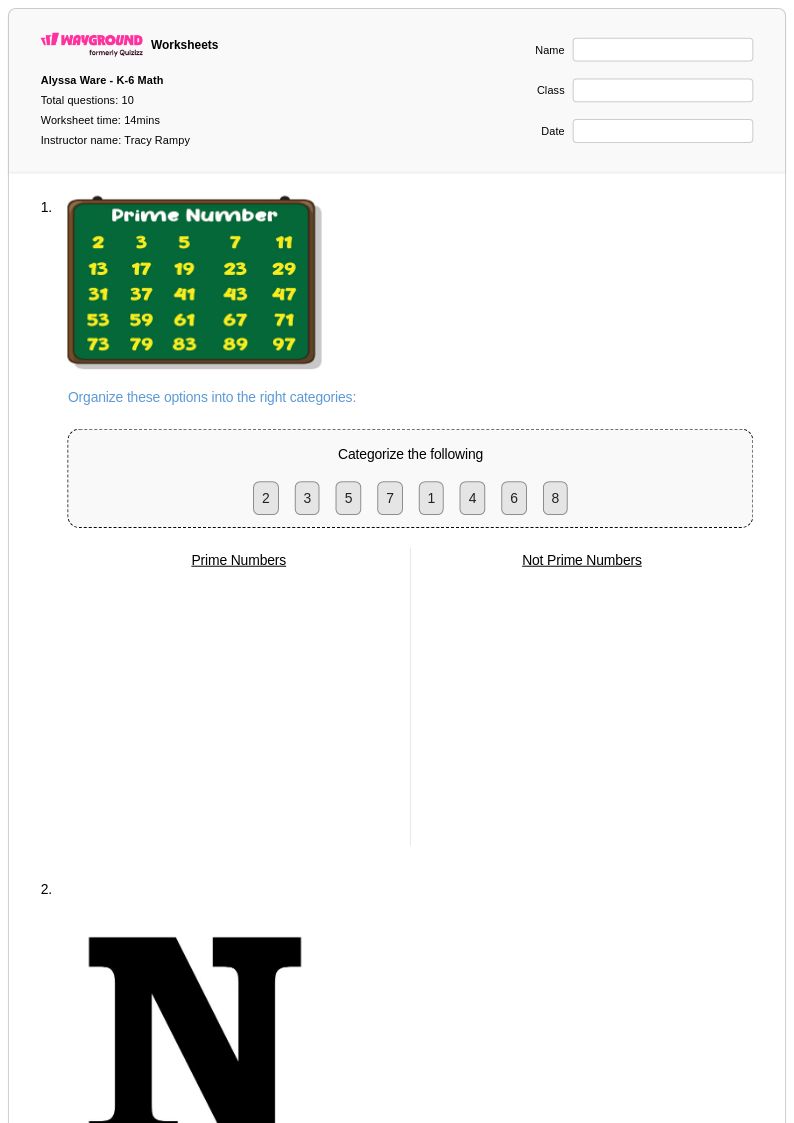
10Q
1st - 5th
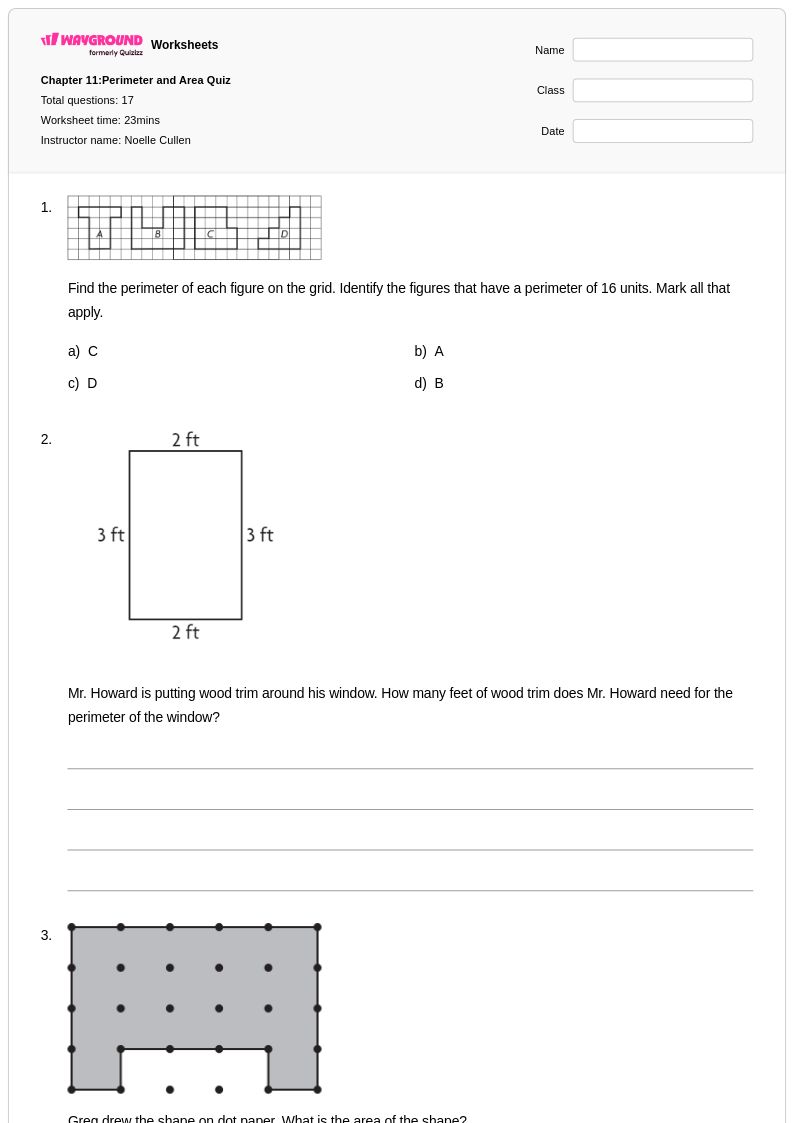
17Q
3rd
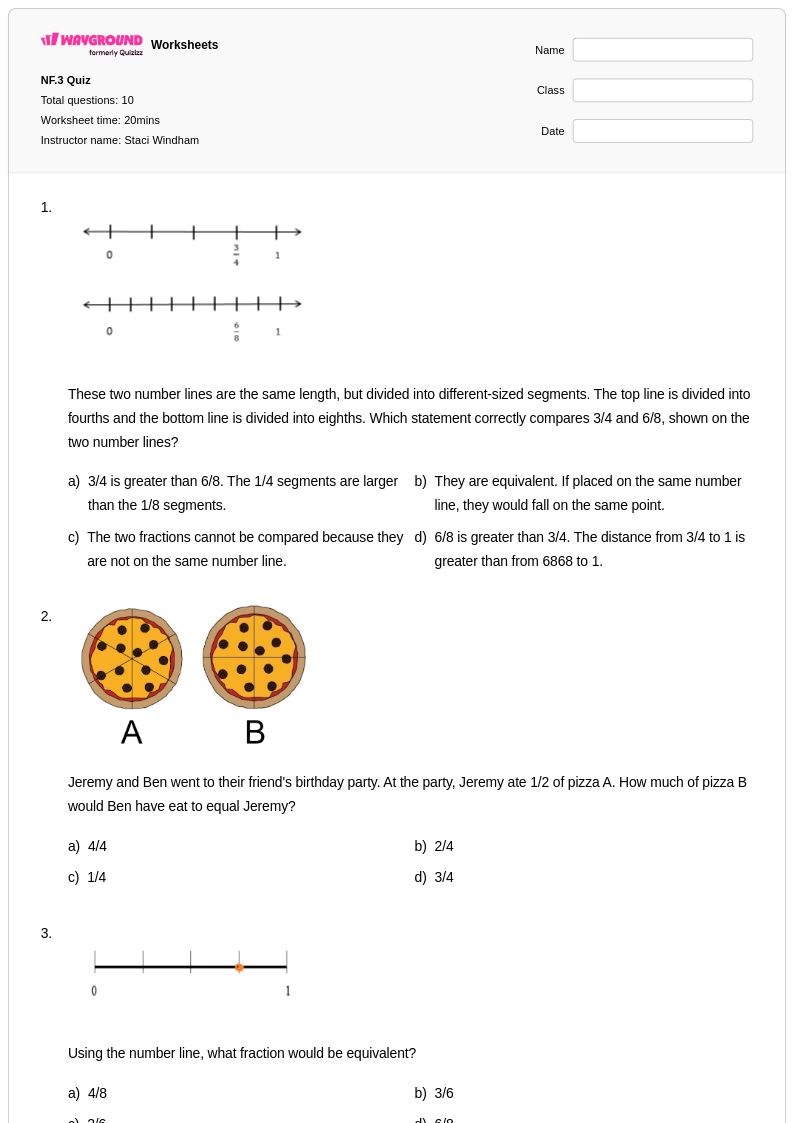
10Q
3rd
Explore otras hojas de trabajo de materias para class 3
Explore printable Number Grid worksheets for Class 3
Number grid worksheets for Class 3 provide essential practice for developing fundamental number sense skills through structured visual learning. These comprehensive printables help students recognize number patterns, understand place value relationships, and build fluency with counting sequences up to 1000. Wayground's collection of number grid resources strengthens critical mathematical foundations by engaging students in activities that involve filling in missing numbers, identifying patterns in rows and columns, and exploring skip counting sequences. Each worksheet comes with a complete answer key and is available as a free pdf download, making it simple for educators to incorporate these practice problems into daily instruction or independent work time.
Wayground, formerly Quizizz, empowers teachers with access to millions of educator-created number grid worksheets specifically designed for Class 3 mathematics instruction. The platform's advanced search and filtering capabilities allow teachers to quickly locate materials that align with specific learning standards and student needs. These differentiation tools enable educators to customize worksheets for various skill levels, supporting both remediation for struggling learners and enrichment opportunities for advanced students. Available in both printable pdf format and interactive digital versions, these number grid resources facilitate flexible lesson planning while providing consistent skill practice that builds confidence in early number concepts and mathematical reasoning.
FAQs
How are number grids used in 3rd grade math?
How can I use a multiplication chart to teach multiplication properties?
What are some 3rd grade multiplication chart activities?
What common misconceptions can a multiplication chart help address?
How can I use these 3rd grade number grid worksheets?
How do these worksheets align with 3rd grade Common Core standards?
How can I differentiate this topic for students at different levels?