
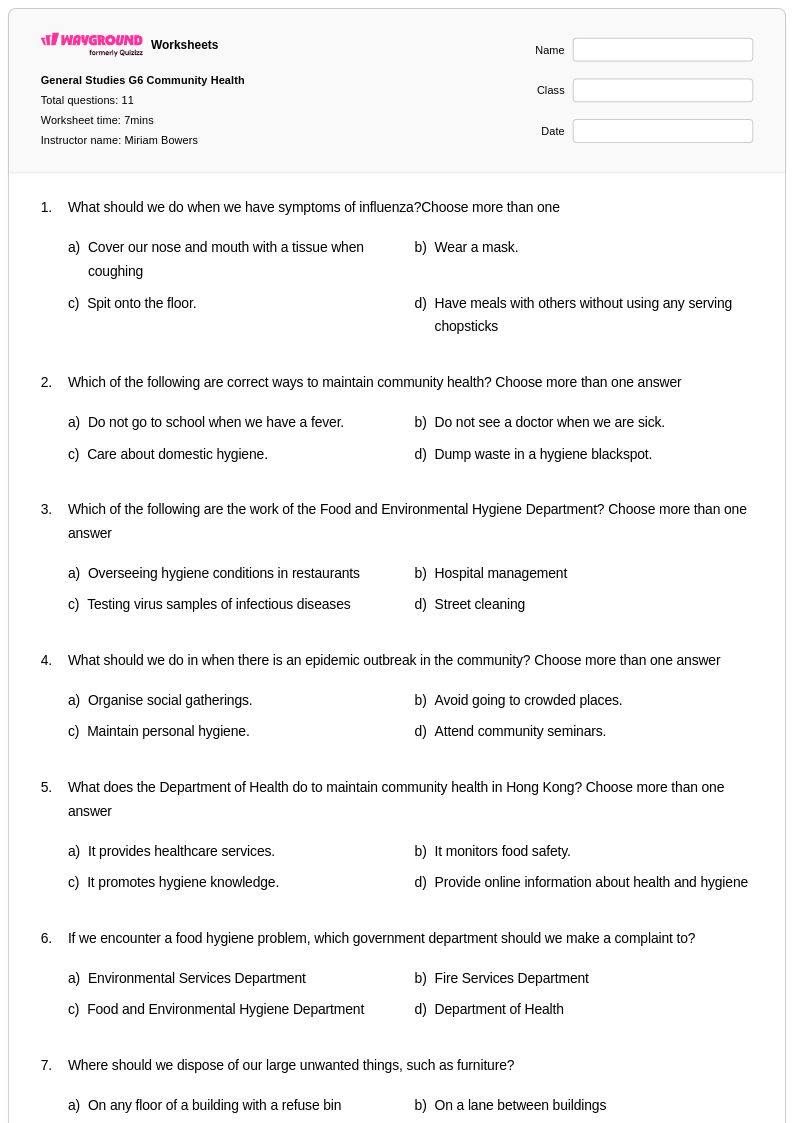
11 Q
6th
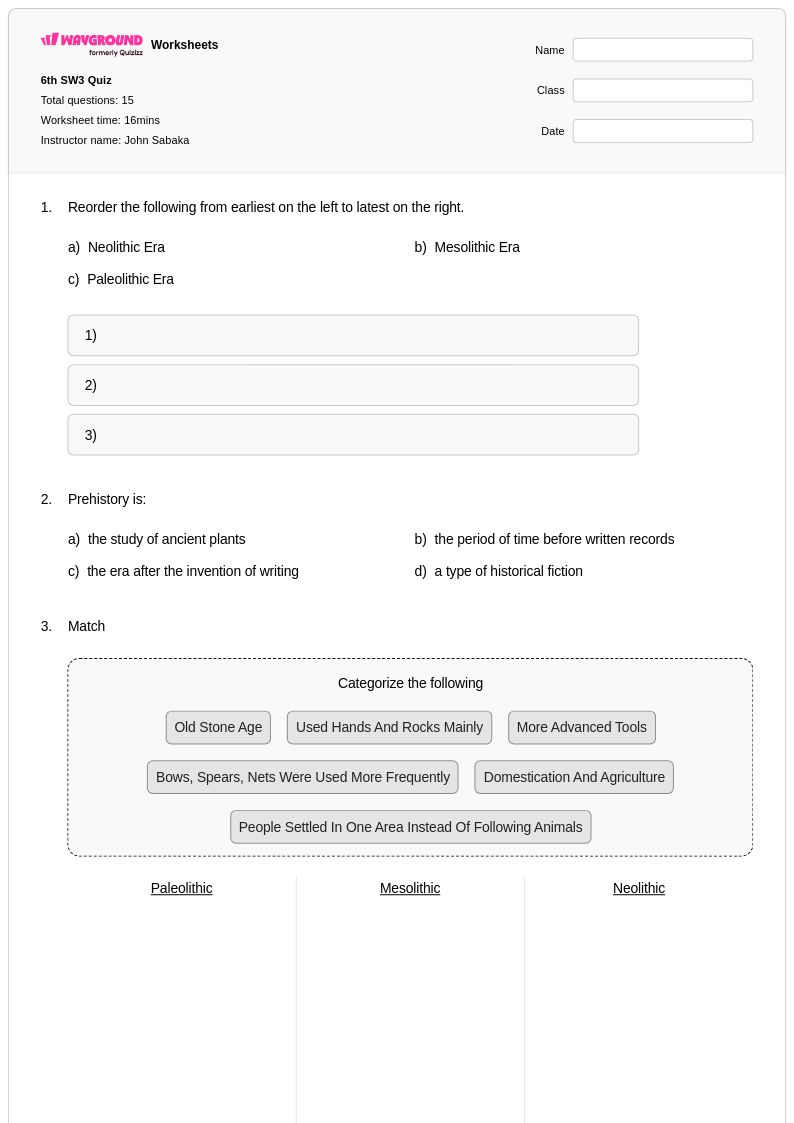
15 Q
6th - Uni
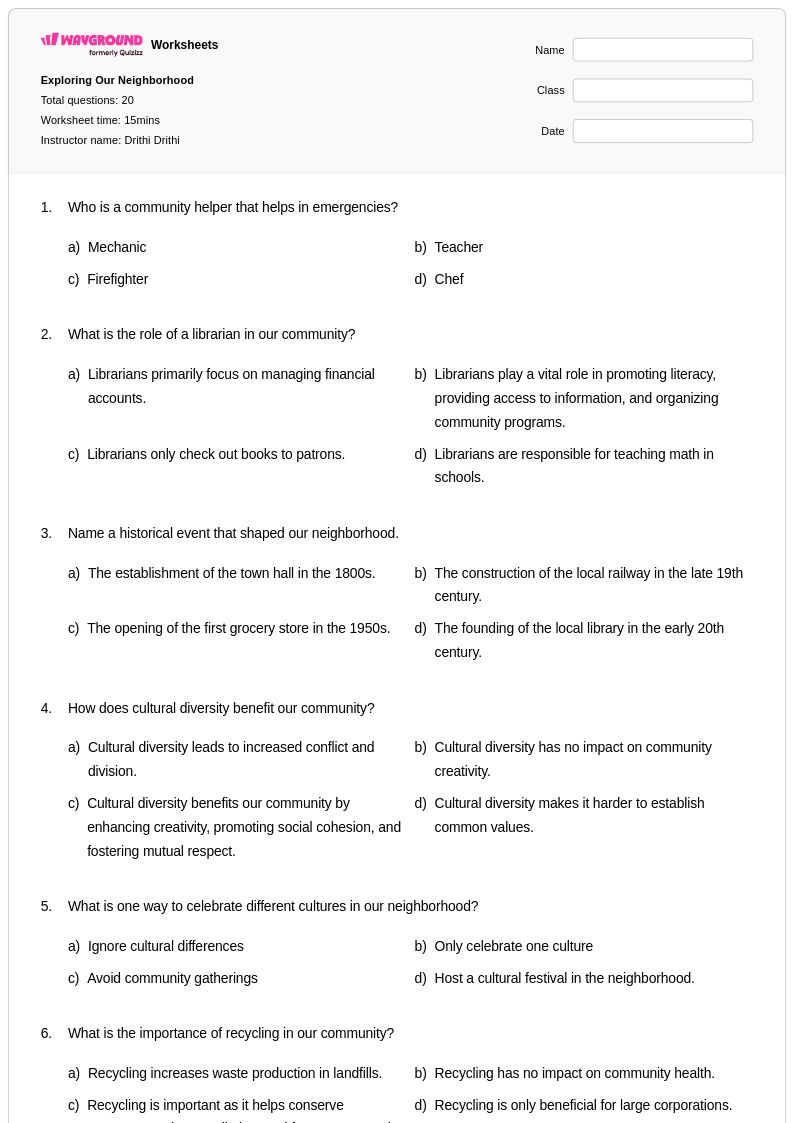
20 Q
6th - Uni
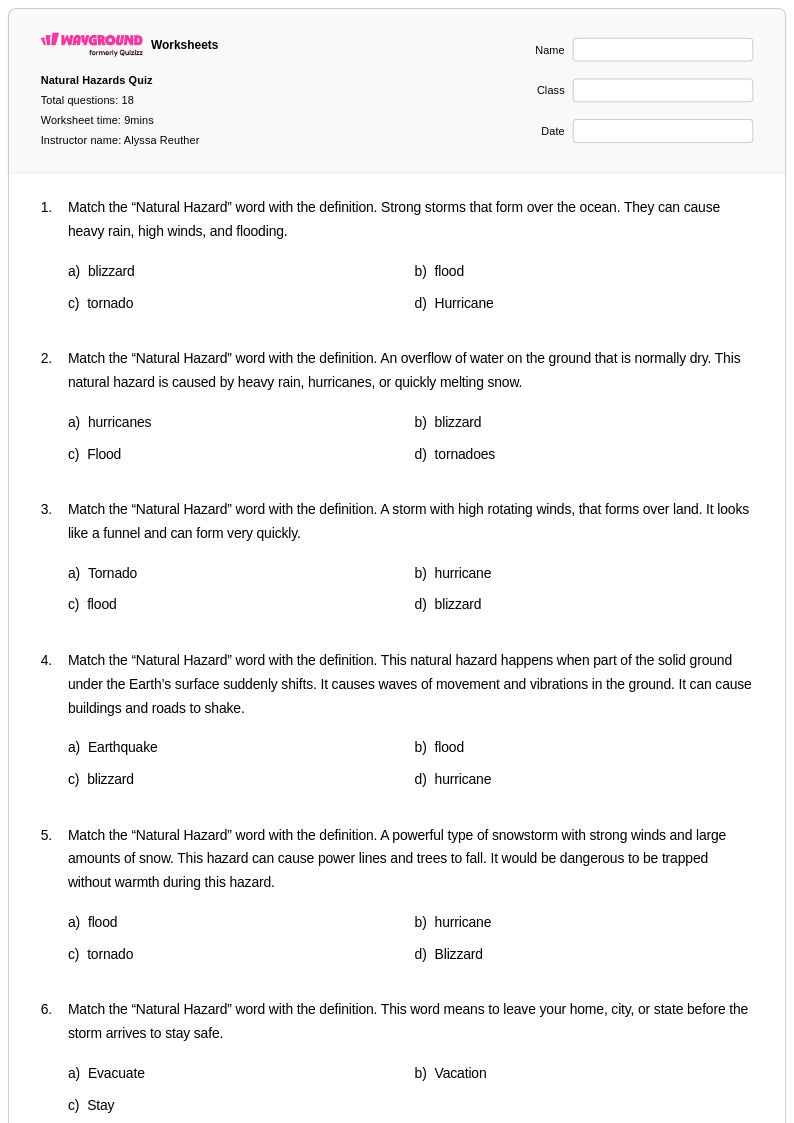
18 Q
2nd - Uni
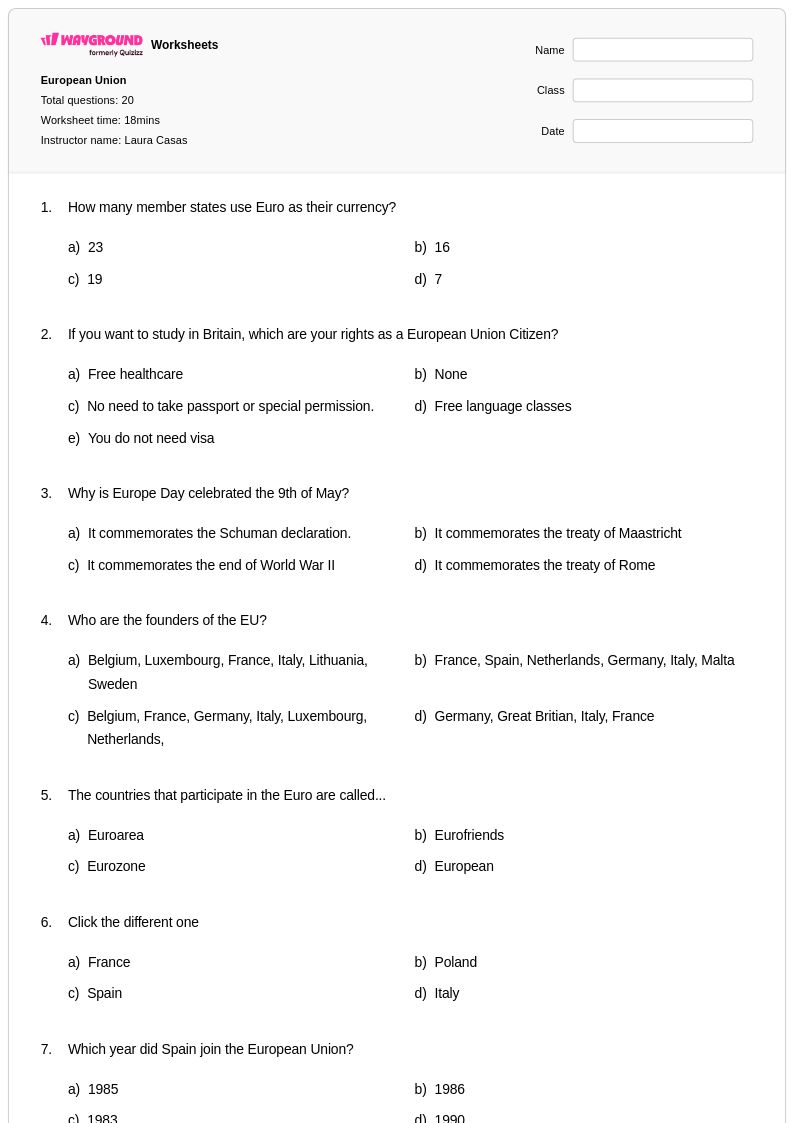
20 Q
6th
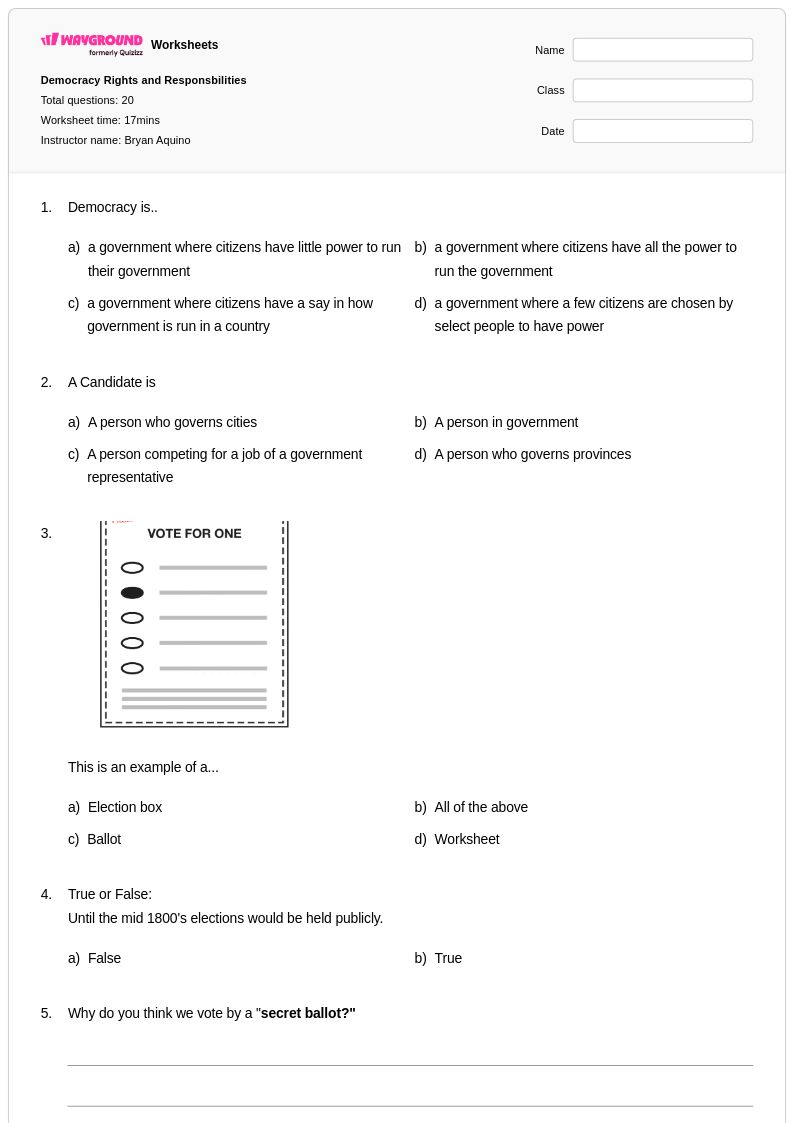
20 Q
6th
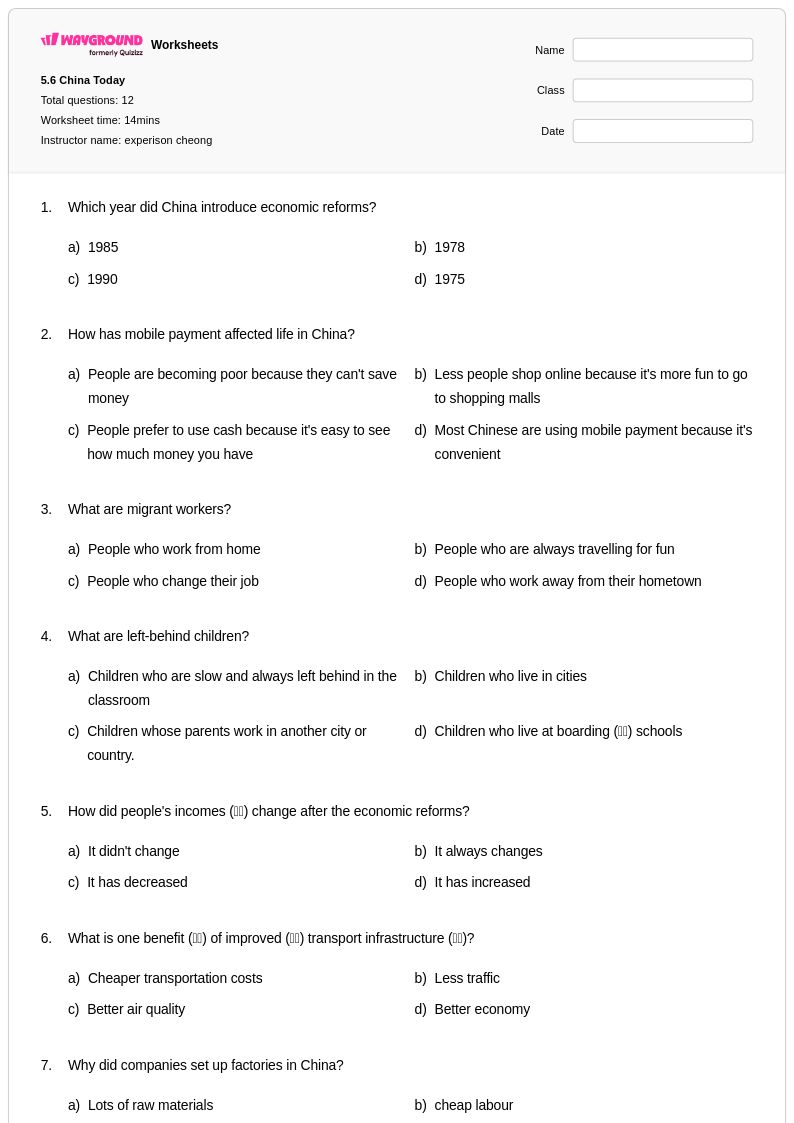
14 Q
5th - Uni
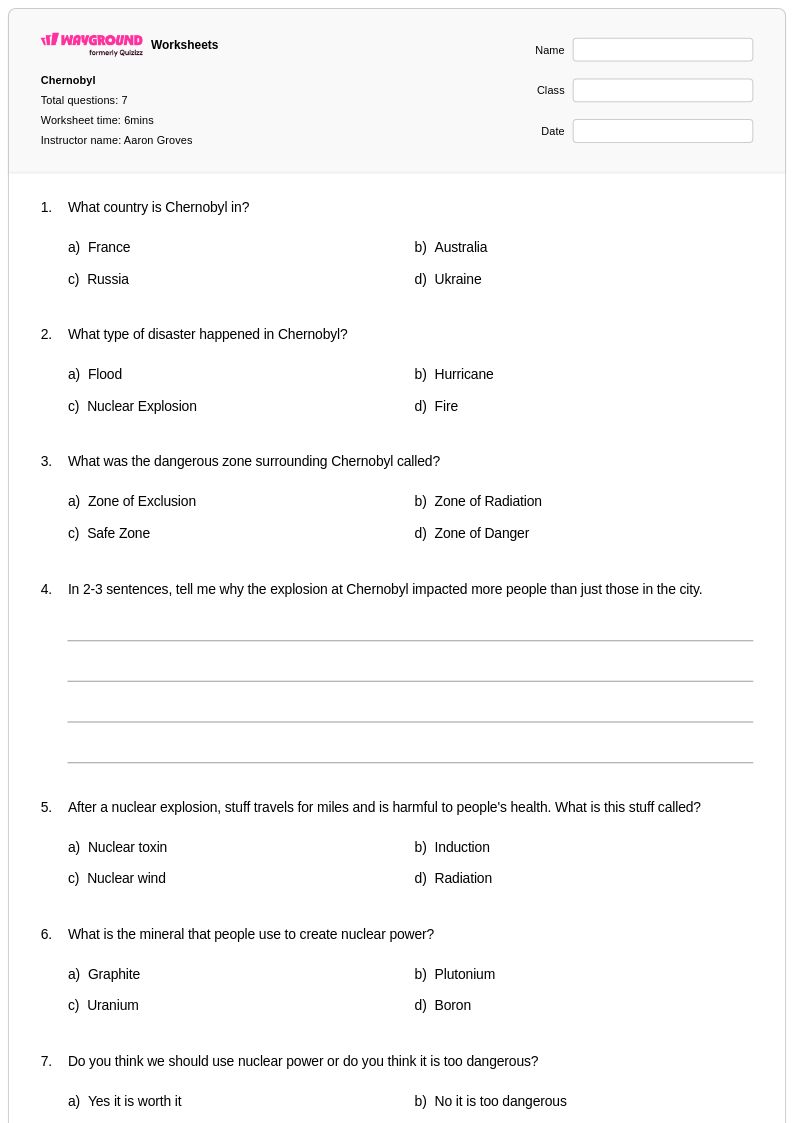
7 Q
6th
17 Q
6th
20 Q
5th - 8th
22 Q
6th
28 Q
6th
23 Q
6th - 8th
10 Q
6th - 8th
12 Q
6th
8 Q
6th
15 Q
6th - 8th
25 Q
4th - 8th
10 Q
6th - Uni
19 Q
6th - 8th
14 Q
5th - 8th
23 Q
6th
21 Q
6th
Explore Online Safety Worksheets by Grades
Explore Other Subject Worksheets for class 6
Explore printable Online Safety worksheets for Class 6
Online safety worksheets for Class 6 students available through Wayground (formerly Quizizz) provide comprehensive instruction on navigating the digital world responsibly and securely. These carefully designed educational materials strengthen critical thinking skills around internet usage, teaching students to identify potential online threats, understand privacy settings, recognize cyberbullying scenarios, and develop appropriate digital communication strategies. The worksheets incorporate real-world scenarios and age-appropriate examples that help sixth graders understand concepts like password security, social media awareness, and recognizing suspicious online behavior. Each resource includes detailed answer keys to support accurate assessment, and the free printables offer flexible practice problems that can be used for both classroom instruction and independent study, ensuring students develop essential digital literacy skills that will serve them throughout their academic careers and beyond.
Wayground (formerly Quizizz) empowers educators with an extensive collection of millions of teacher-created online safety resources specifically tailored for Class 6 social studies curricula. The platform's robust search and filtering capabilities allow teachers to quickly locate worksheets that align with specific learning standards and match their students' developmental needs, while built-in differentiation tools enable customization for diverse learning styles and abilities. These resources are available in both printable PDF formats for traditional classroom use and digital formats for technology-integrated instruction, providing maximum flexibility for lesson planning and implementation. Teachers can efficiently utilize these materials for targeted skill practice, remediation support for struggling learners, enrichment activities for advanced students, and comprehensive assessment preparation, making it easier to address individual student needs while maintaining engaging, relevant instruction about critical online safety concepts.
FAQs
How do I teach online safety to students in a meaningful way?
What topics should an online safety worksheet cover?
What exercises help students practice online safety skills?
What mistakes do students commonly make when learning about online safety?
How can I differentiate online safety instruction for students at different skill levels?
How do I use Wayground's online safety worksheets in my classroom?