
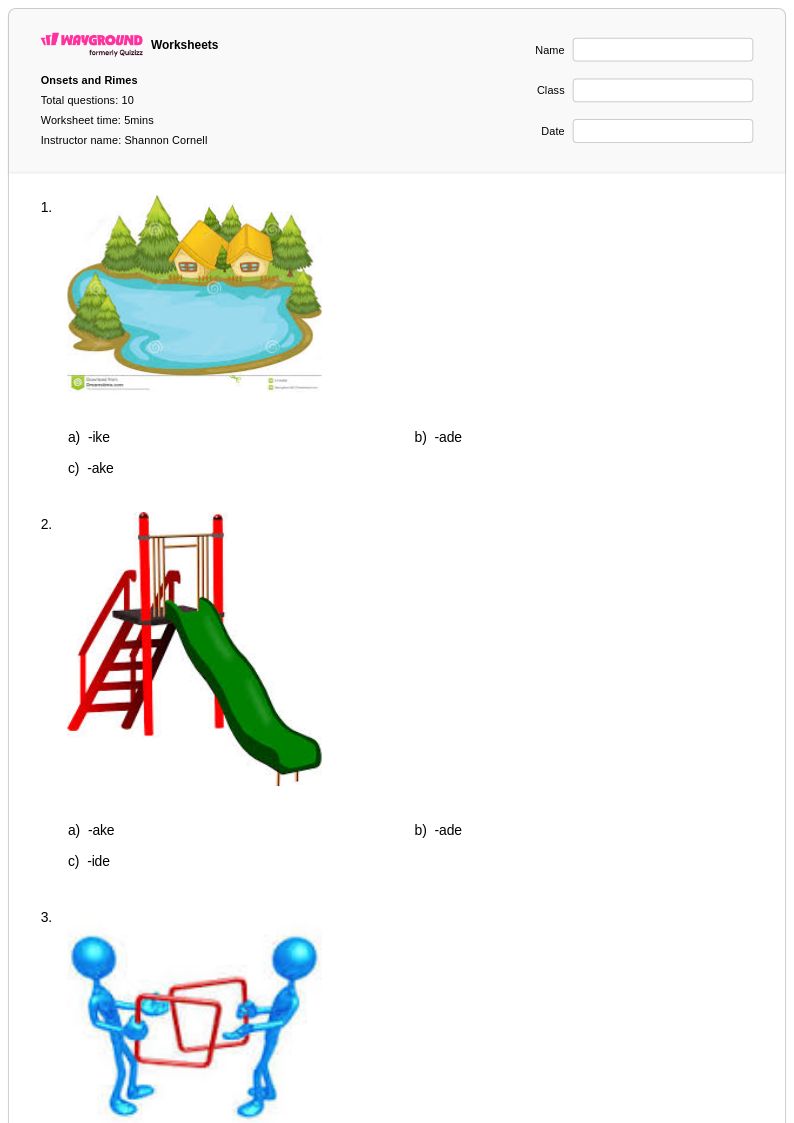
10 Q
KG - 1st
19 Q
1st - 2nd
6 Q
1st
11 Q
KG - 1st
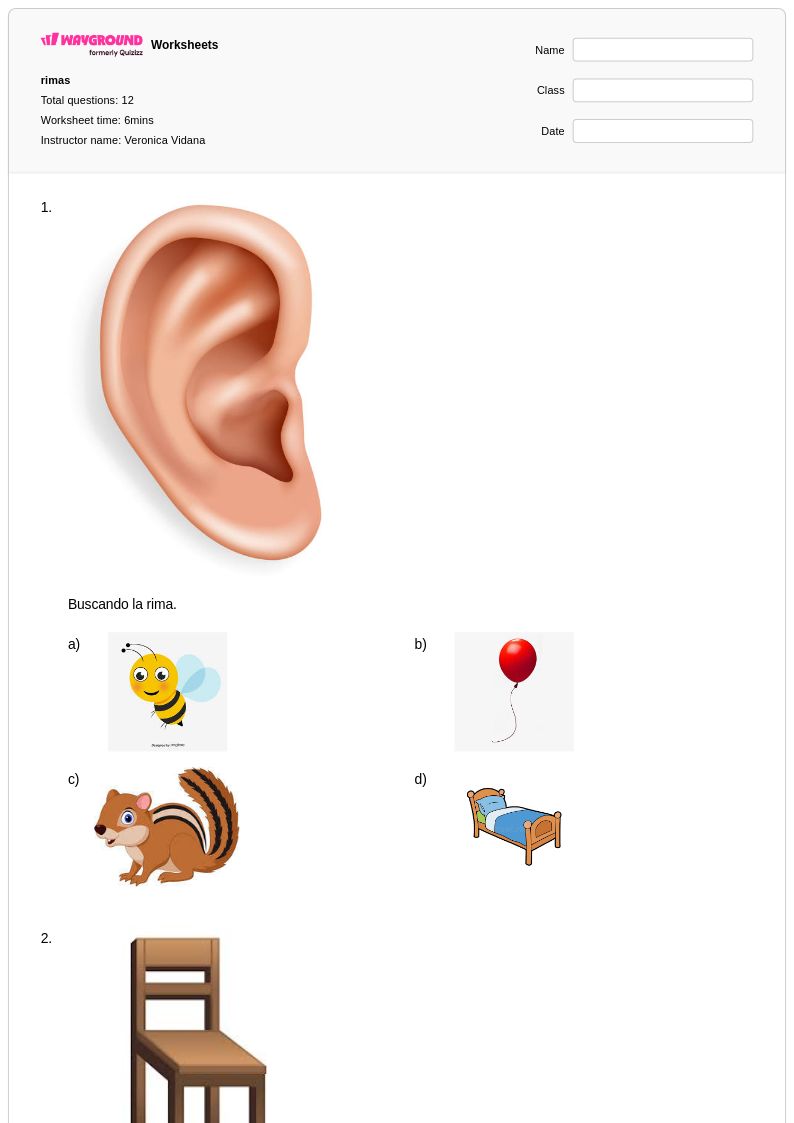
12 Q
KG - 1st
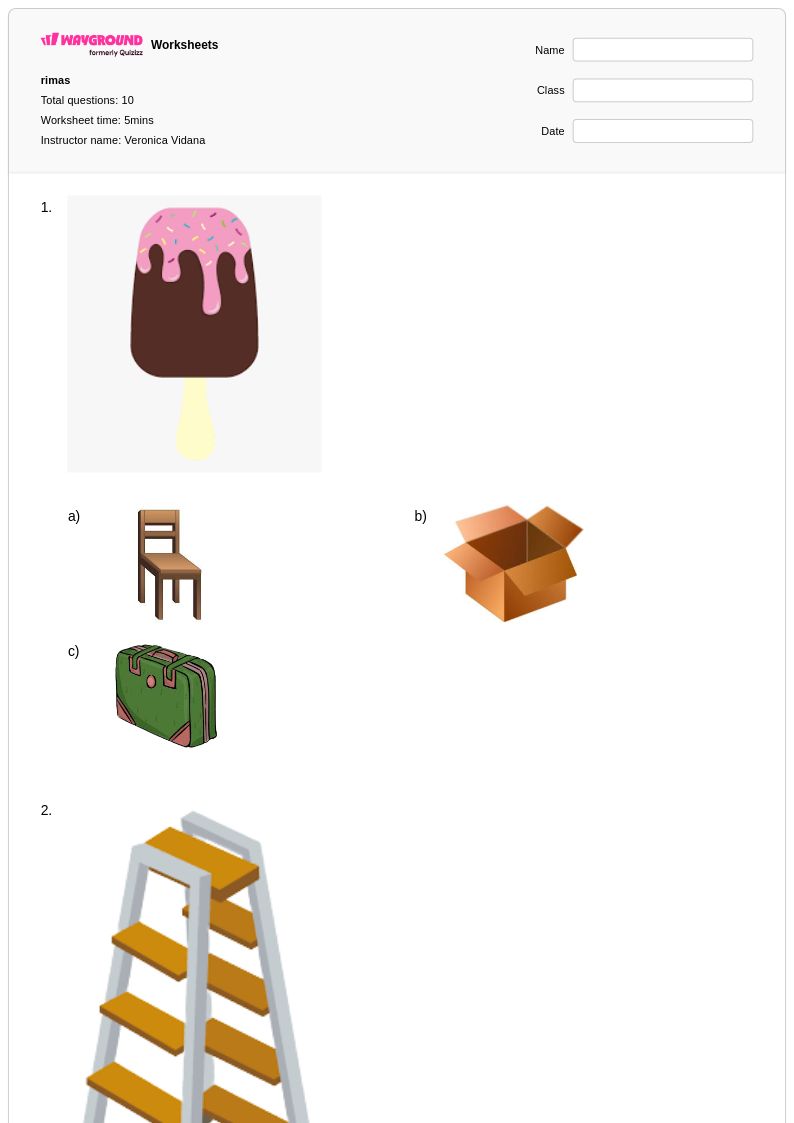
10 Q
KG - 1st
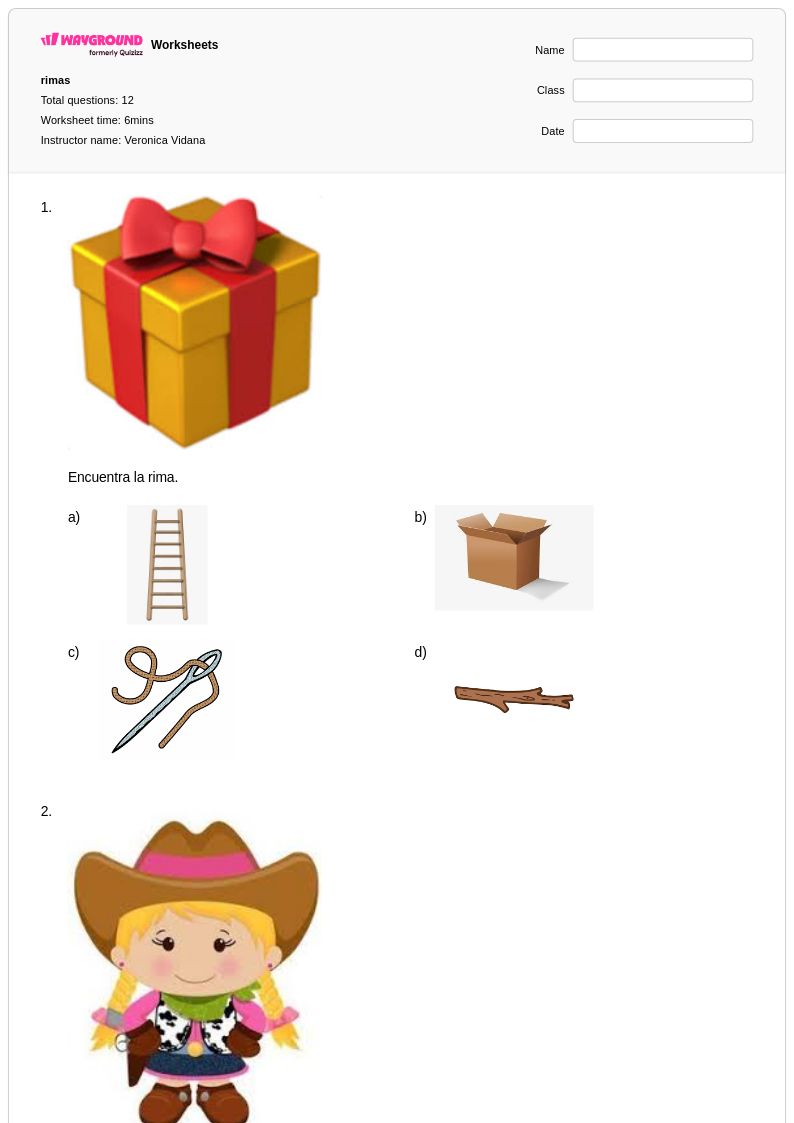
12 Q
KG - 1st
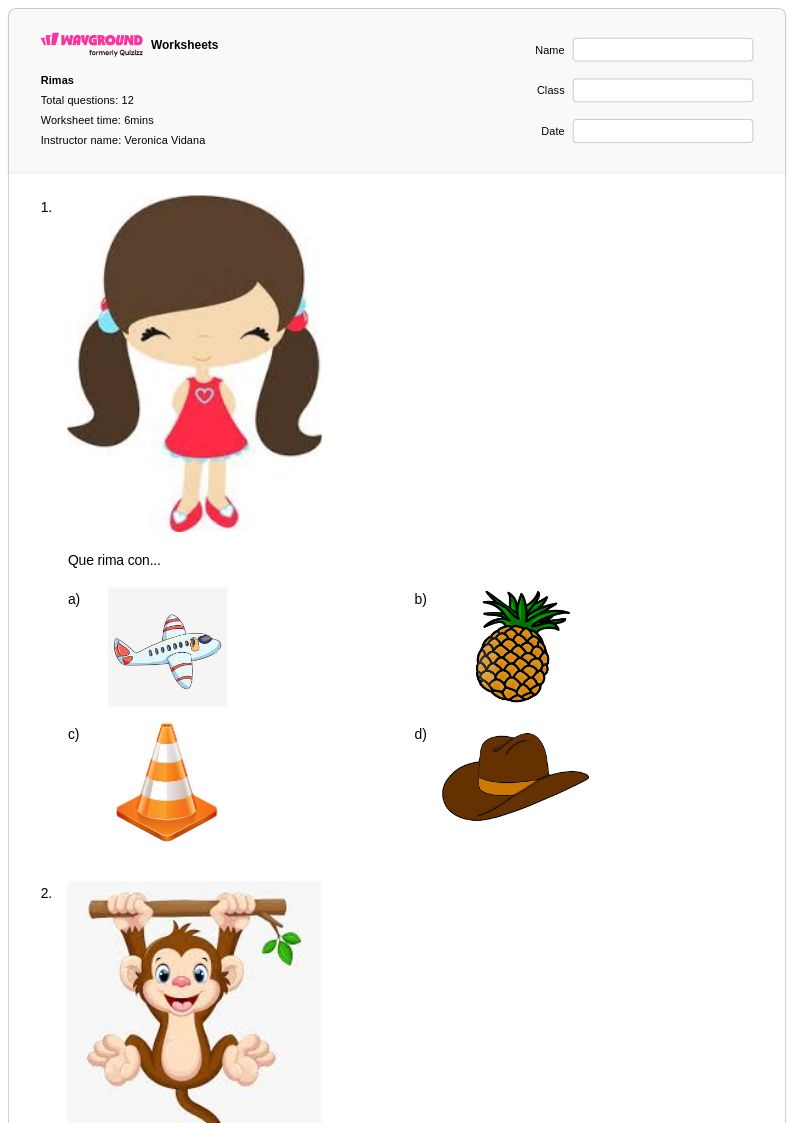
12 Q
KG - 1st
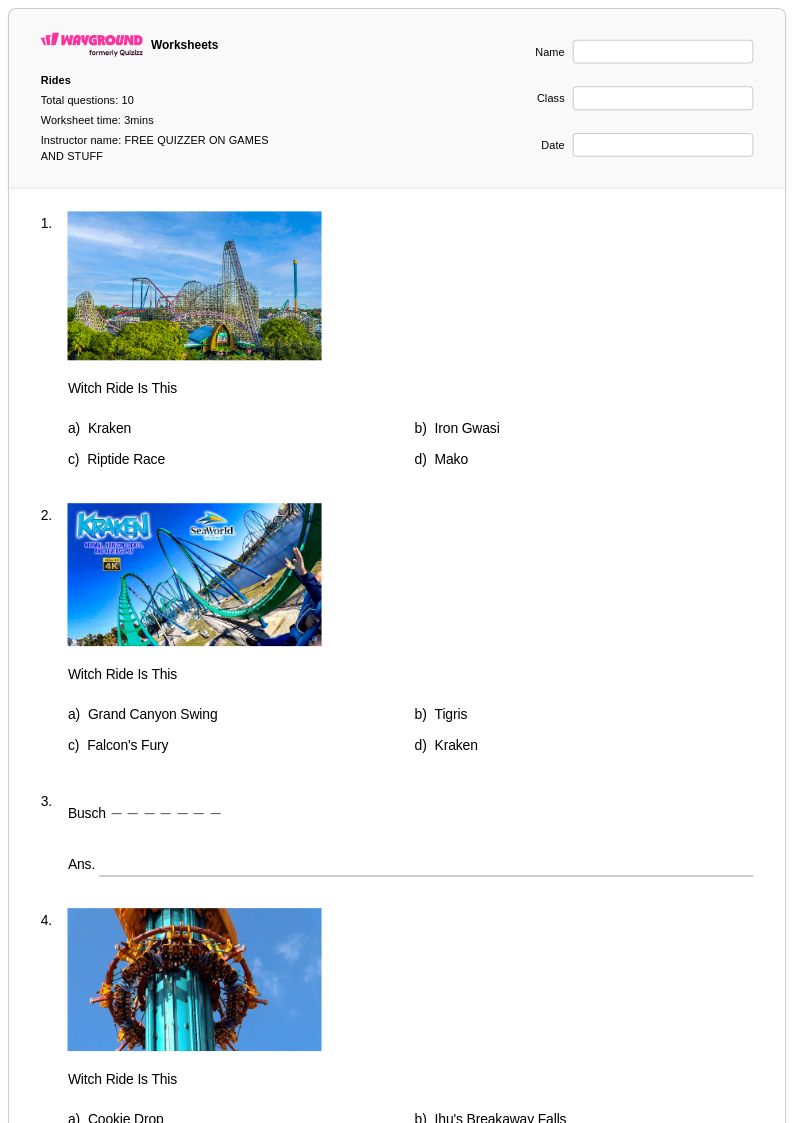
10 Q
1st - PD
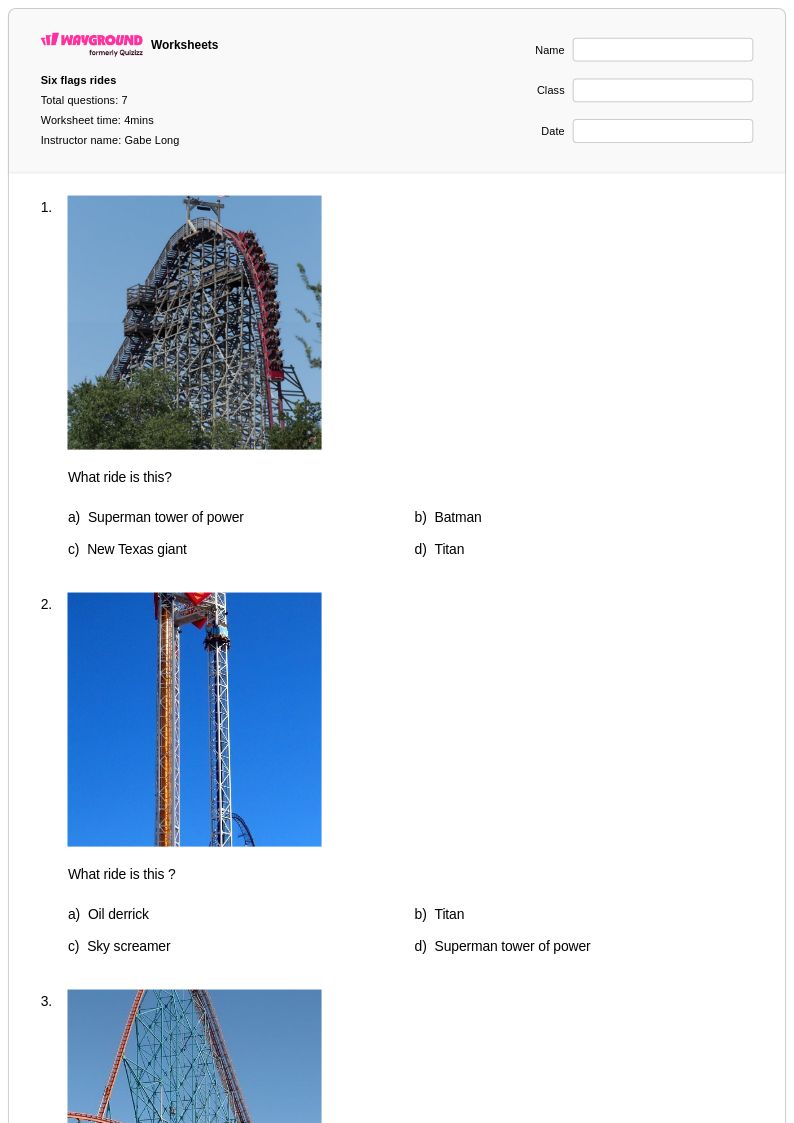
7 Q
1st - PD
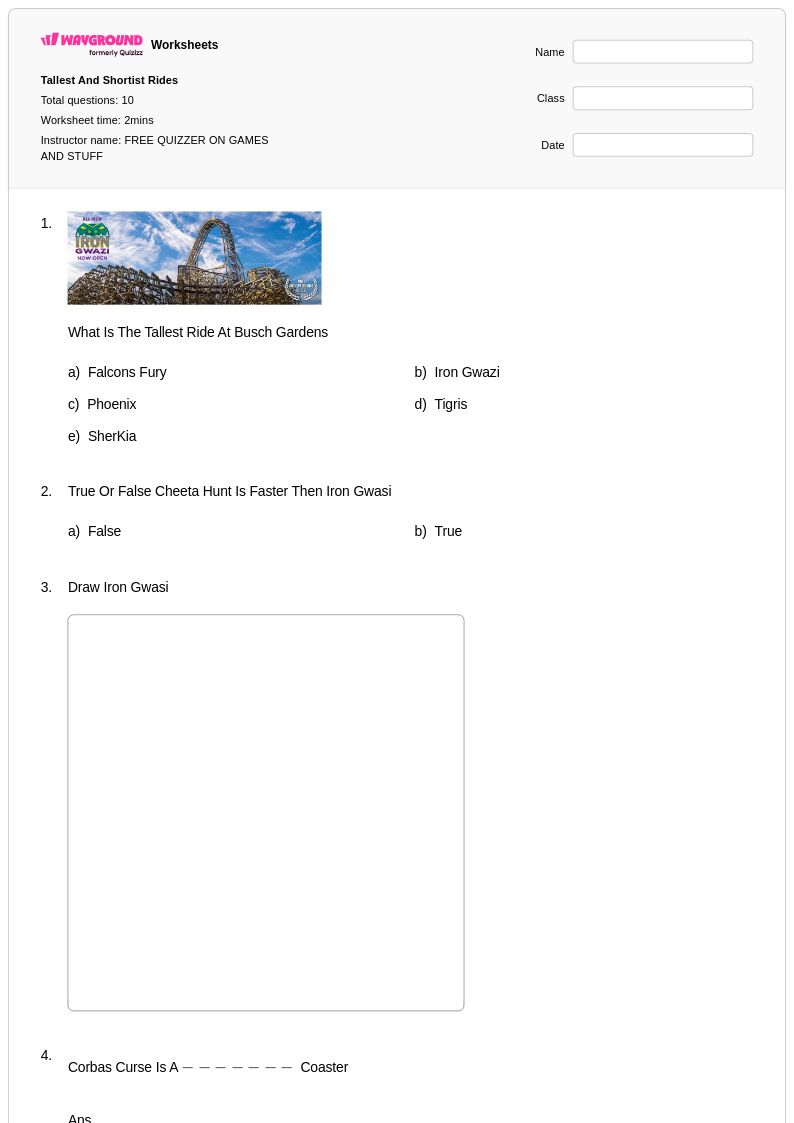
10 Q
1st - PD
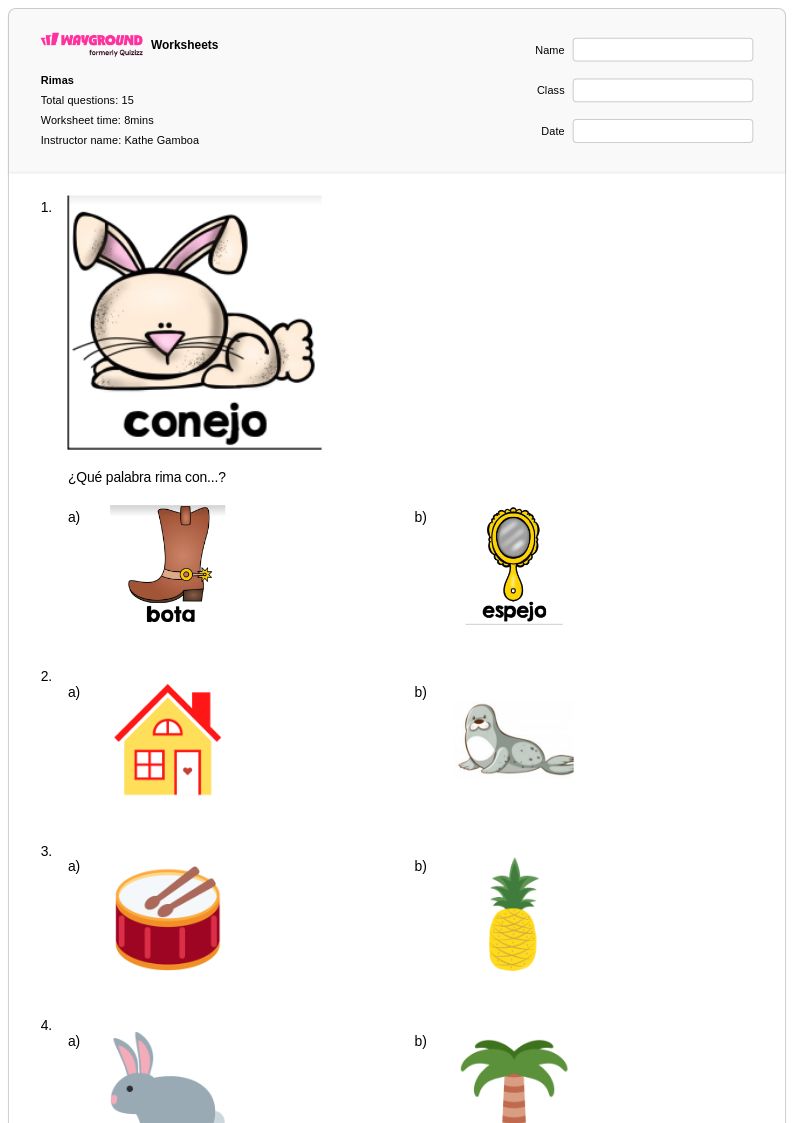
15 Q
1st
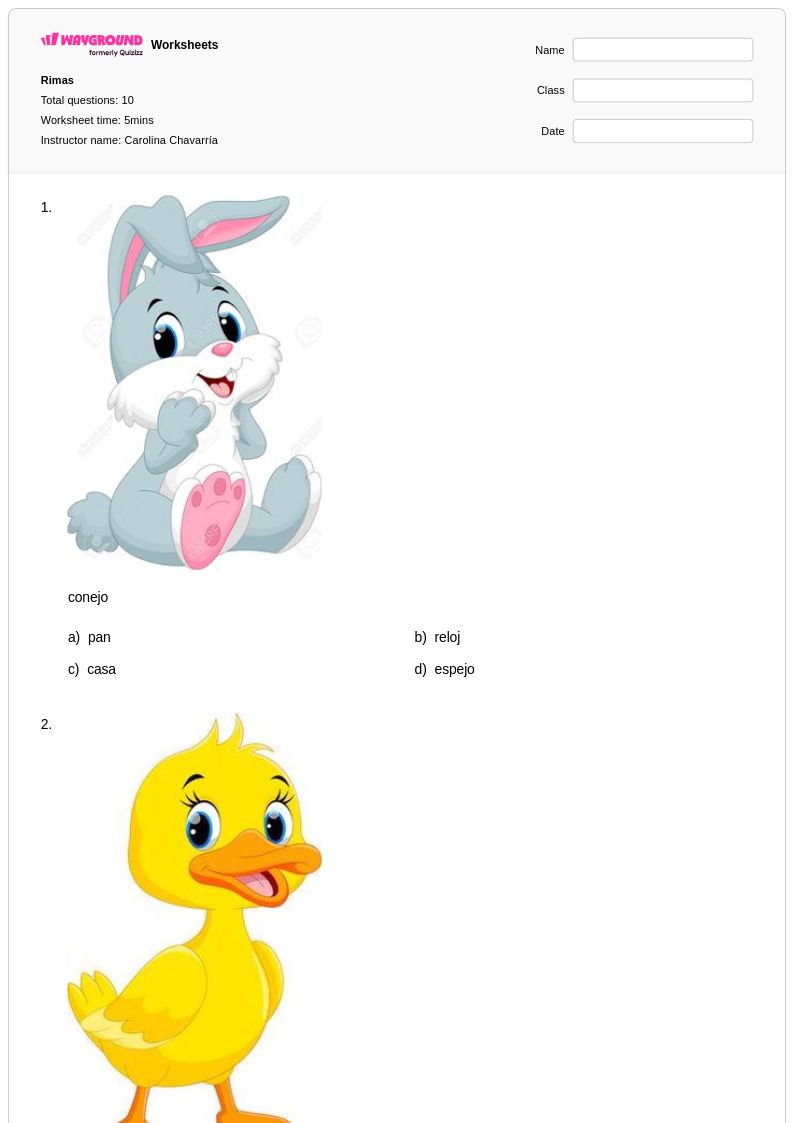
10 Q
1st
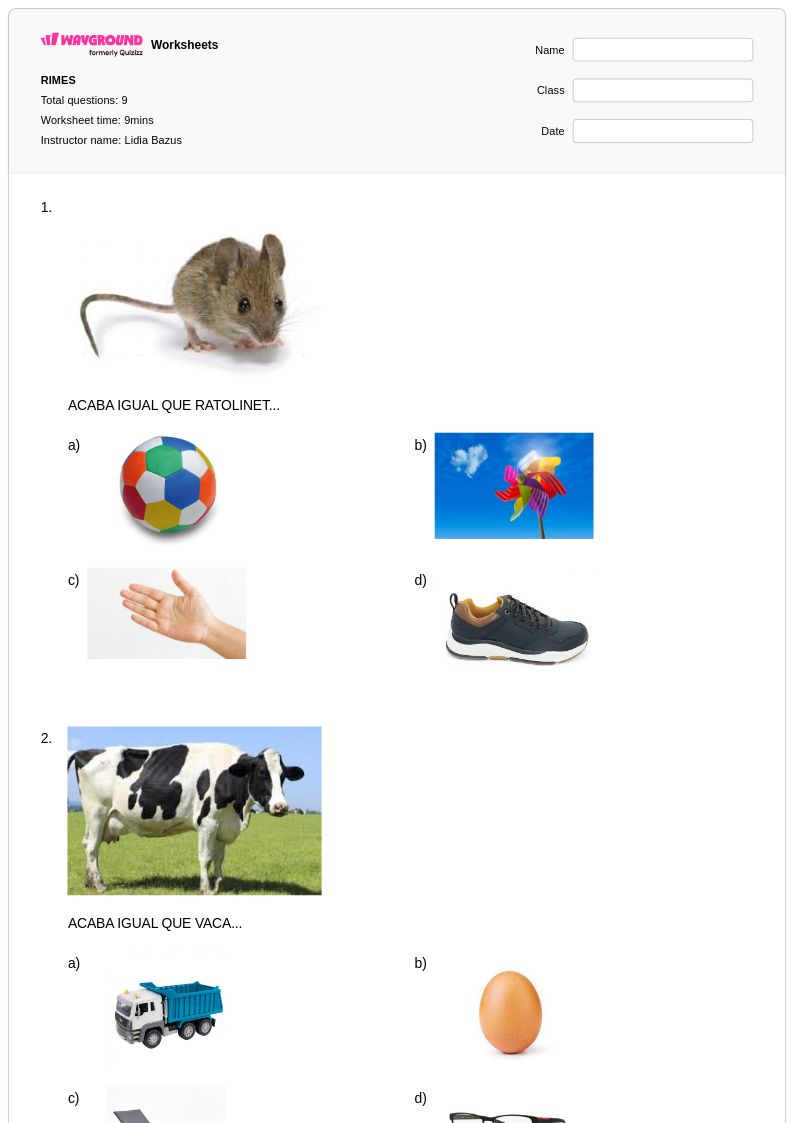
9 Q
1st
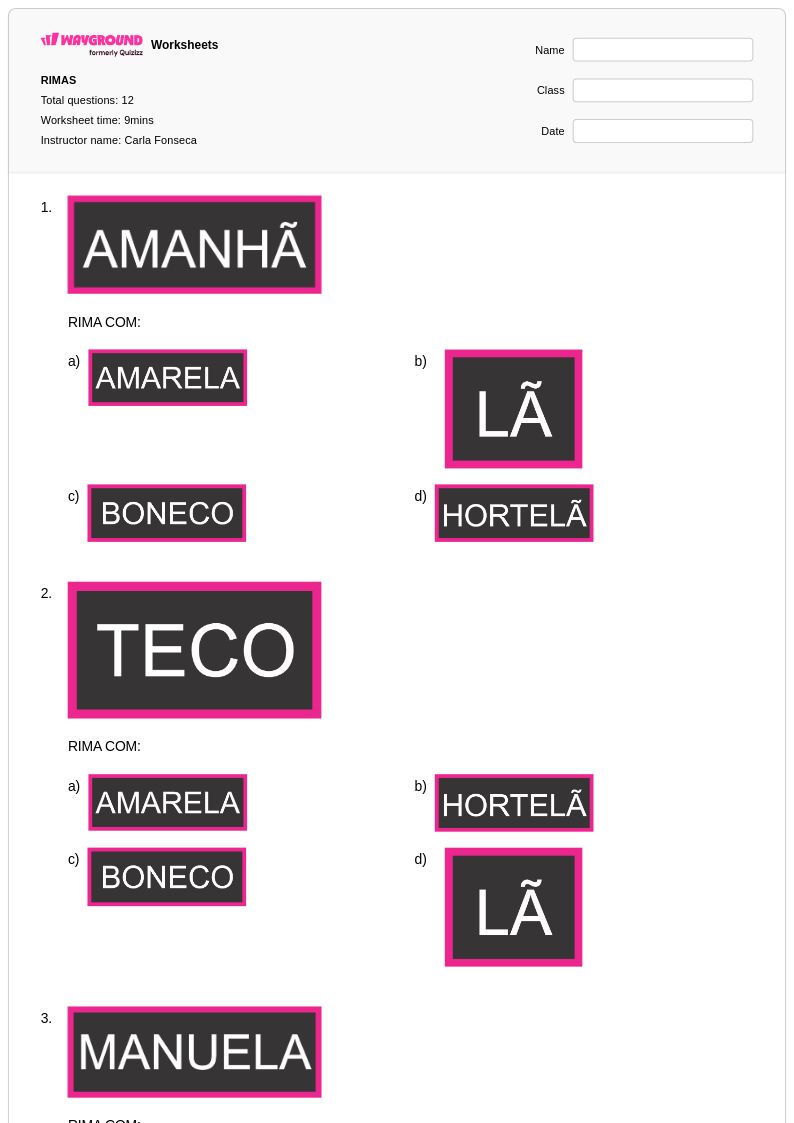
12 Q
1st
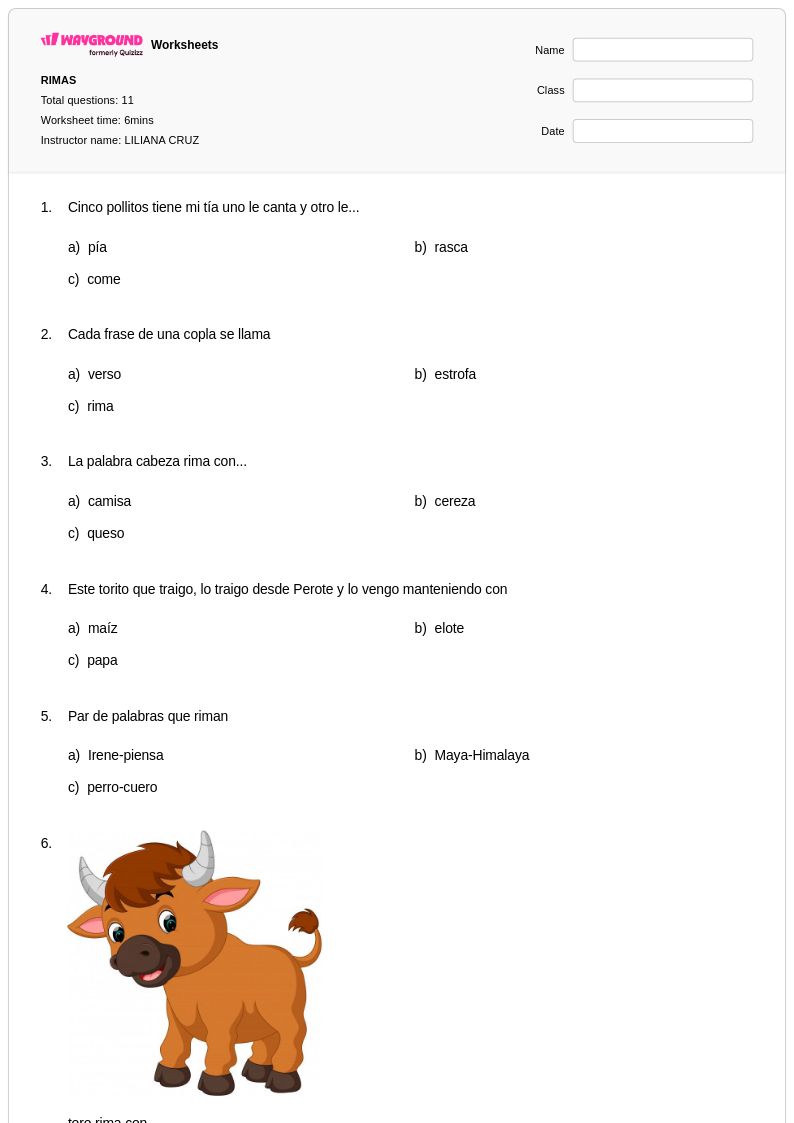
11 Q
1st - 2nd
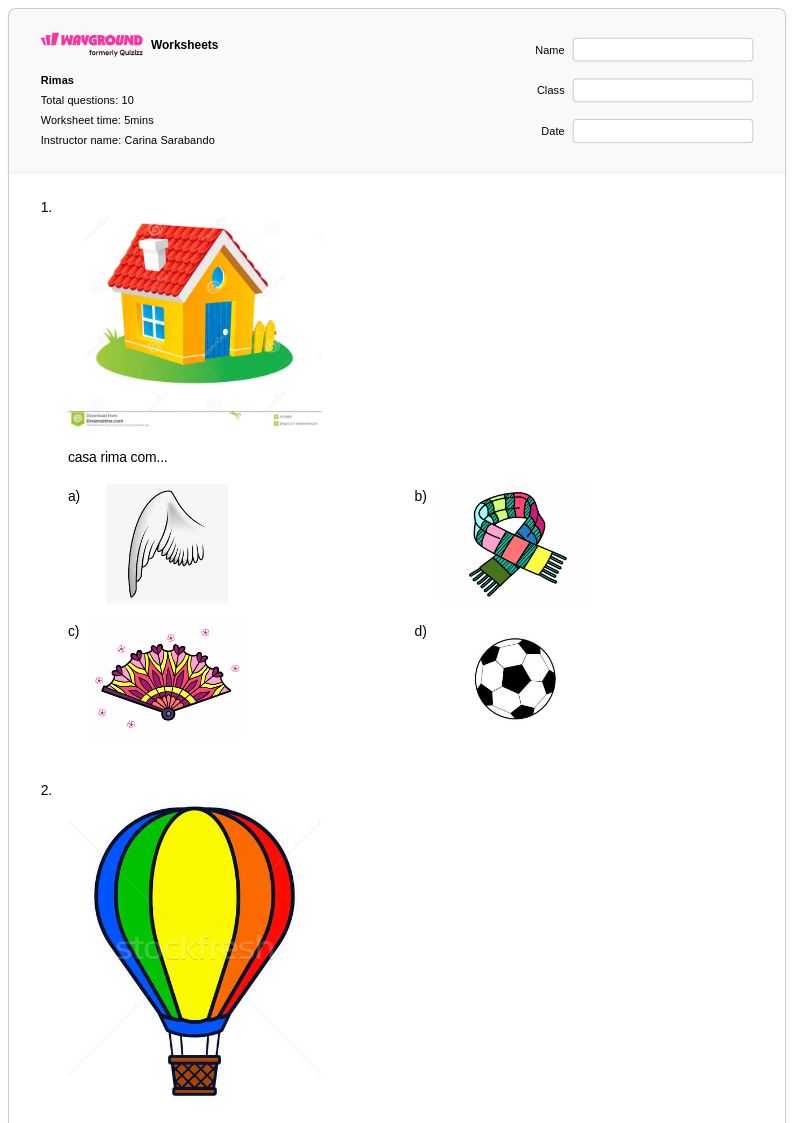
10 Q
1st - 2nd
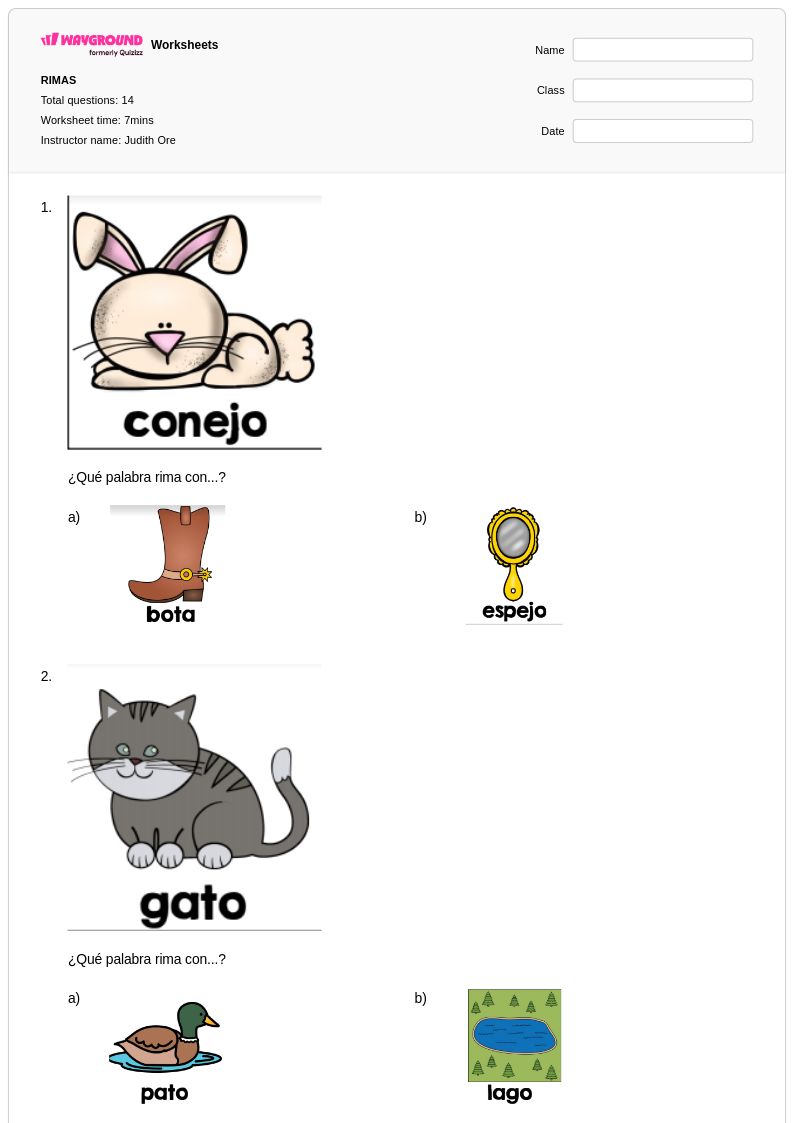
14 Q
1st
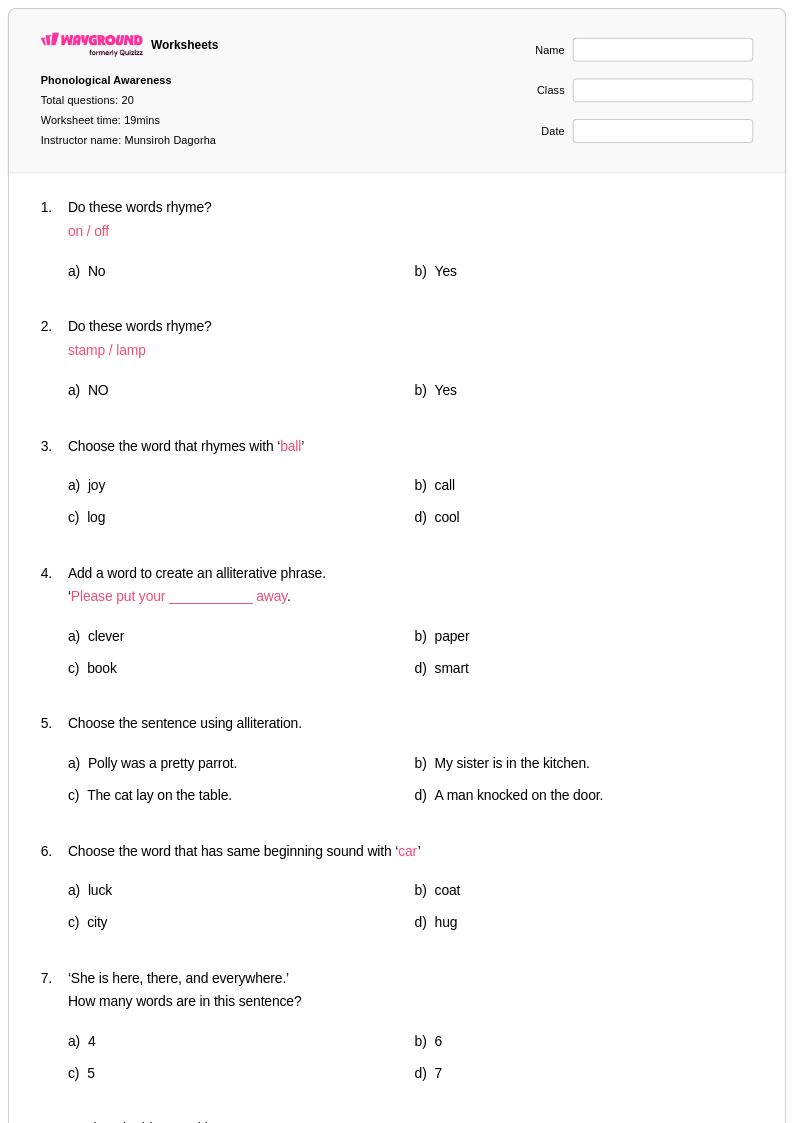
20 Q
1st - Uni
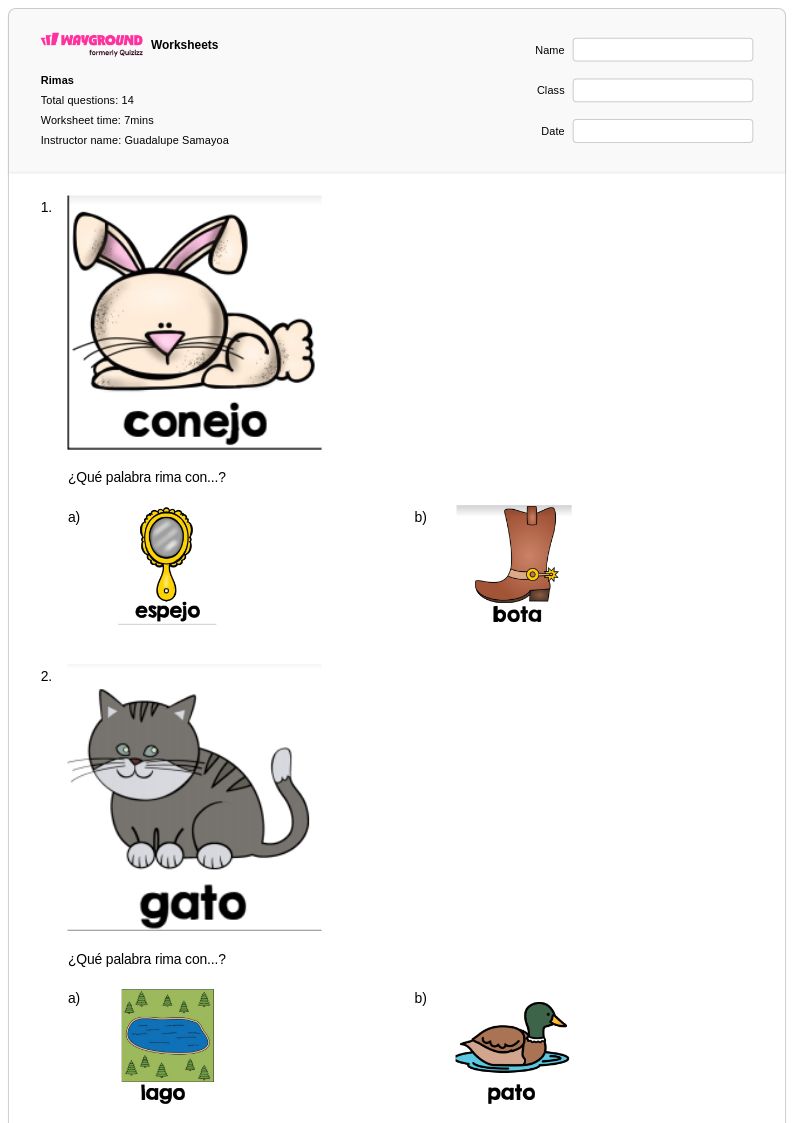
14 Q
1st
11 Q
1st - 2nd
13 Q
1st
10 Q
1st
10 Q
KG - 1st
Explore Other Subject Worksheets for class 1
Explore printable Onsets and Rimes worksheets for Class 1
Onsets and rimes worksheets for Class 1 students through Wayground (formerly Quizizz) provide essential foundation-building practice for early reading development. These comprehensive worksheets focus on helping young learners identify and manipulate the two key components of syllables: the onset (the initial consonant or consonant cluster) and the rime (the vowel and any following consonants). Students engage with carefully structured practice problems that strengthen their phonological awareness, word recognition skills, and decoding abilities through activities like matching onsets to rimes, building new words by combining different onsets with familiar rimes, and identifying rhyming patterns. Each printable worksheet includes a complete answer key, making it simple for educators to assess student progress and provide targeted feedback. These free resources support the critical transition from letter recognition to word reading by teaching students to recognize common word families and spelling patterns.
Wayground (formerly Quizizz) empowers teachers with millions of educator-created onset and rime worksheets that streamline lesson planning and differentiated instruction. The platform's robust search and filtering capabilities allow teachers to quickly locate materials aligned with specific learning standards and student needs, whether for whole-class instruction, small group remediation, or individual enrichment activities. Teachers can easily customize worksheets to match their students' skill levels, modify difficulty, and adapt content for diverse learning styles. Available in both printable PDF format and interactive digital versions, these resources provide flexibility for classroom use, homework assignments, and independent practice. The extensive collection supports systematic phonics instruction by offering varied practice opportunities that help students master the onset-rime concept at their own pace, ultimately building the foundational skills necessary for fluent reading and spelling success.
FAQs
How do I teach onsets and rimes to early readers?
What activities help students practice onsets and rimes?
What common mistakes do students make when learning onsets and rimes?
How does onset and rime instruction support phonemic awareness?
How can I use Wayground's onsets and rimes worksheets in my classroom?
How do I differentiate onset and rime instruction for struggling readers?