
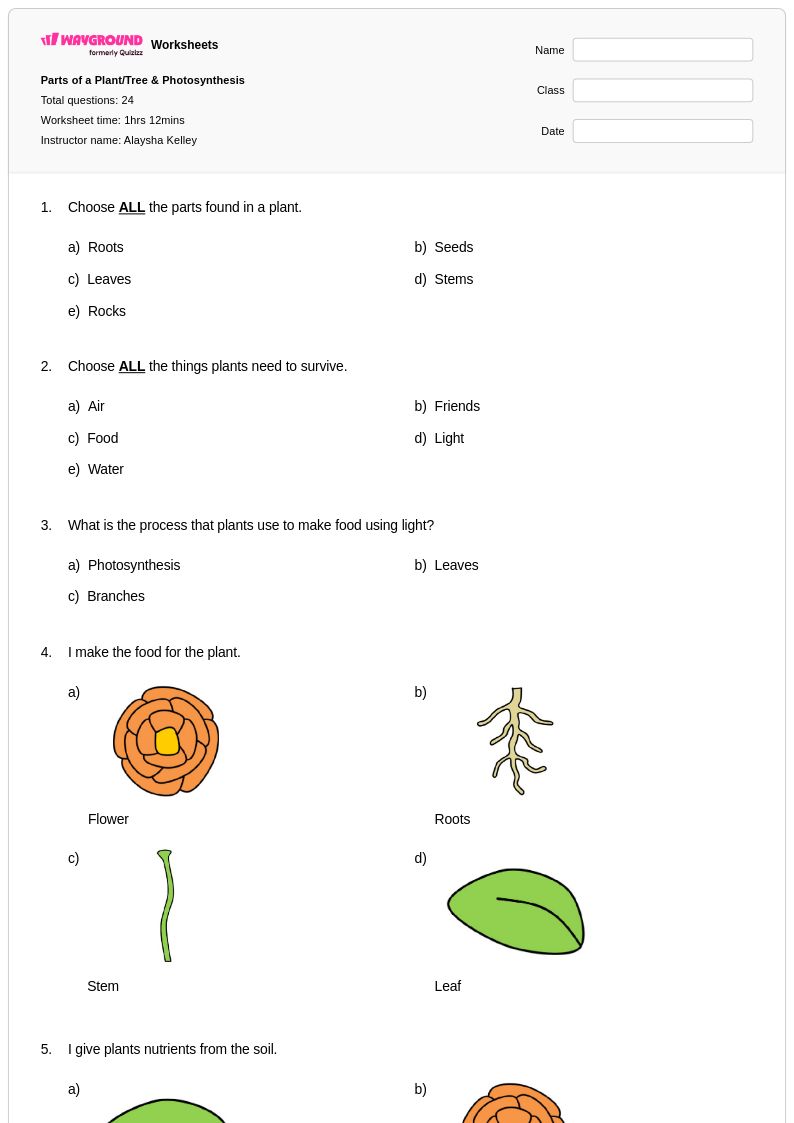
25 Q
1st - 5th
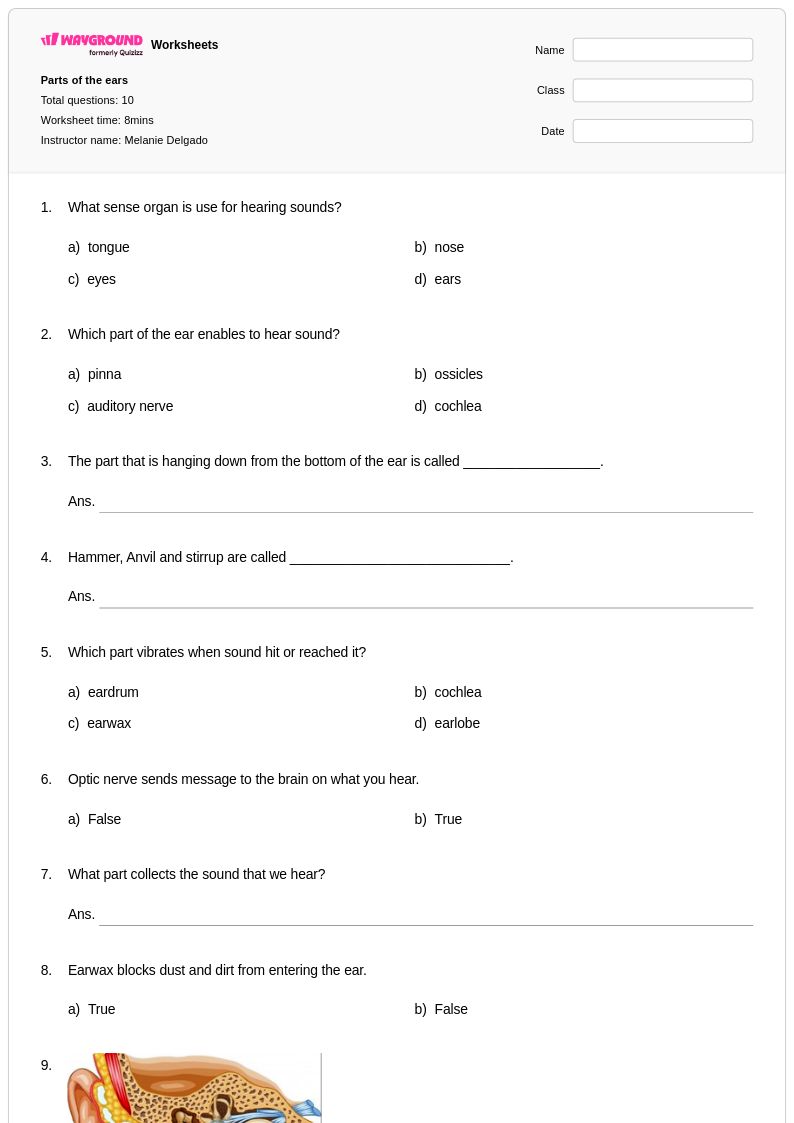
10 Q
2nd
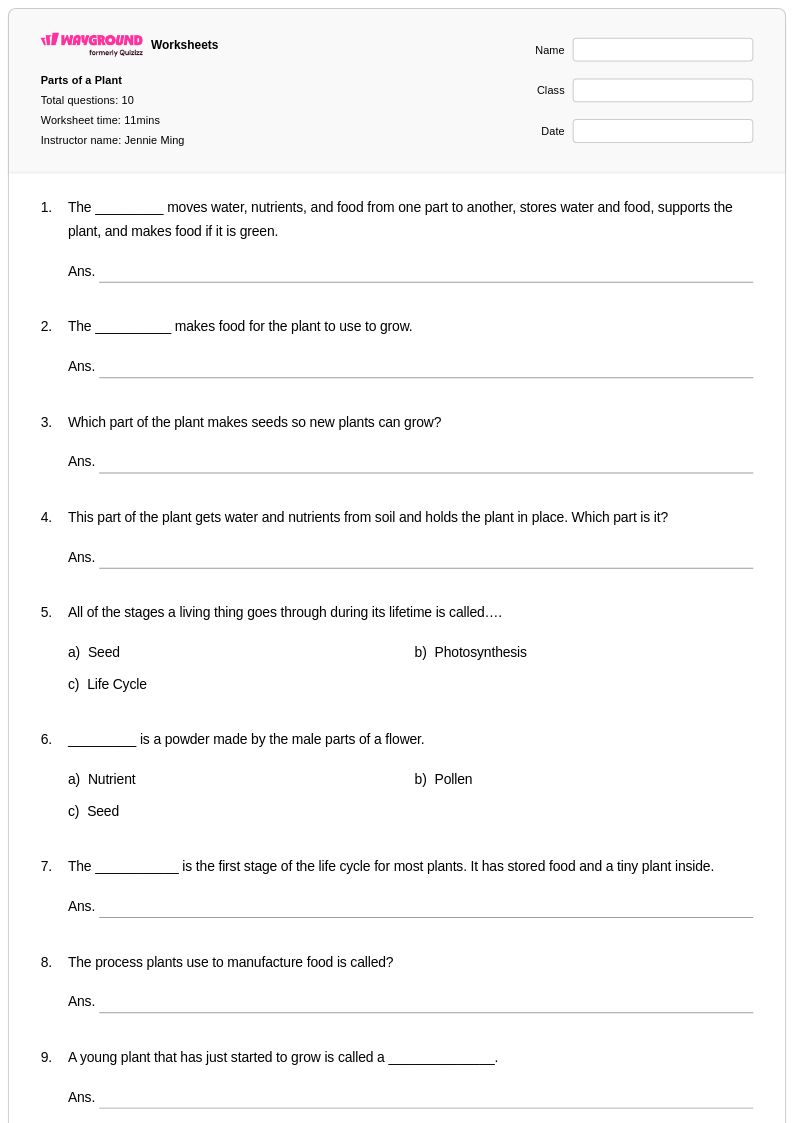
10 Q
1st - 8th
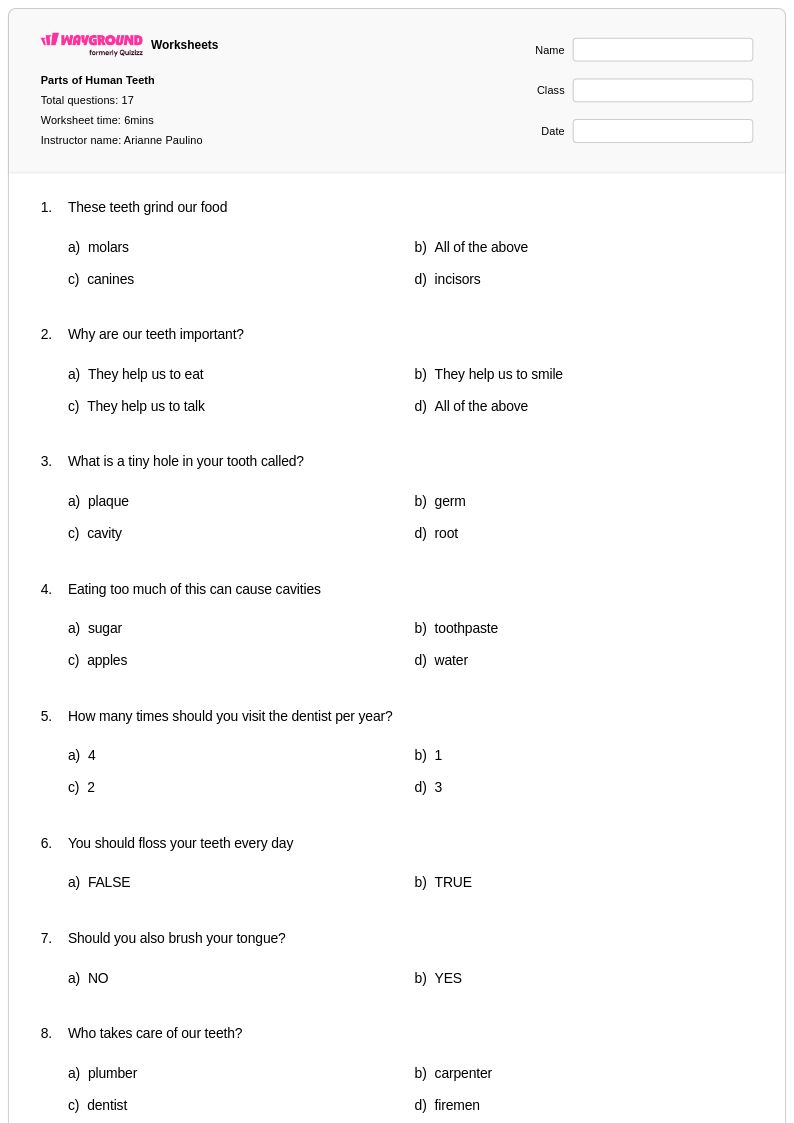
17 Q
2nd
18 Q
1st - 5th
20 Q
1st - 5th
17 Q
2nd
10 Q
2nd
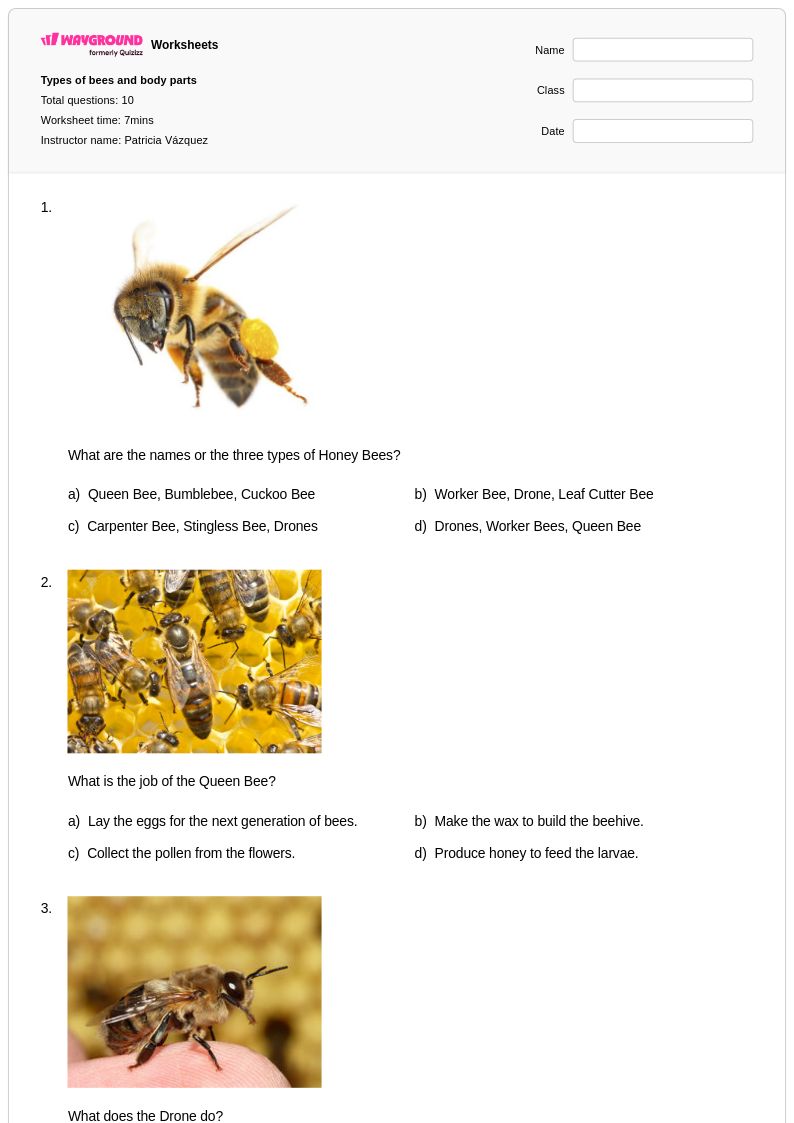
10 Q
2nd
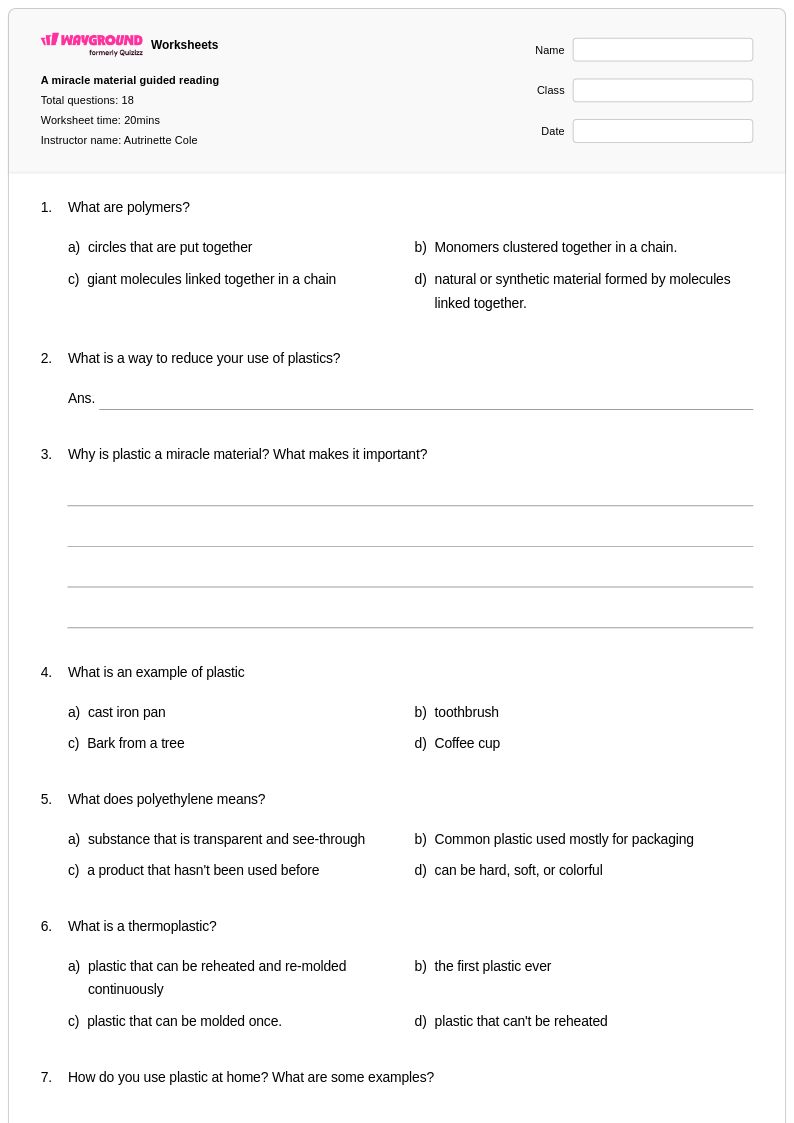
18 Q
2nd
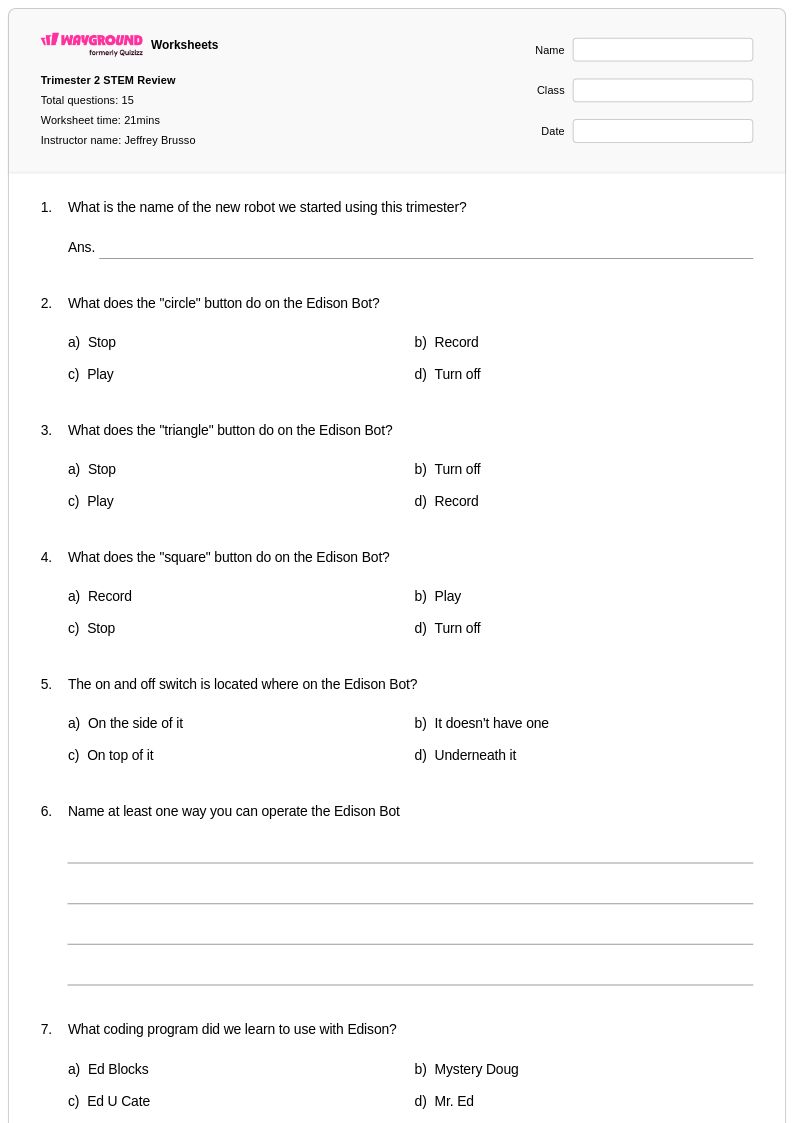
15 Q
1st - 5th
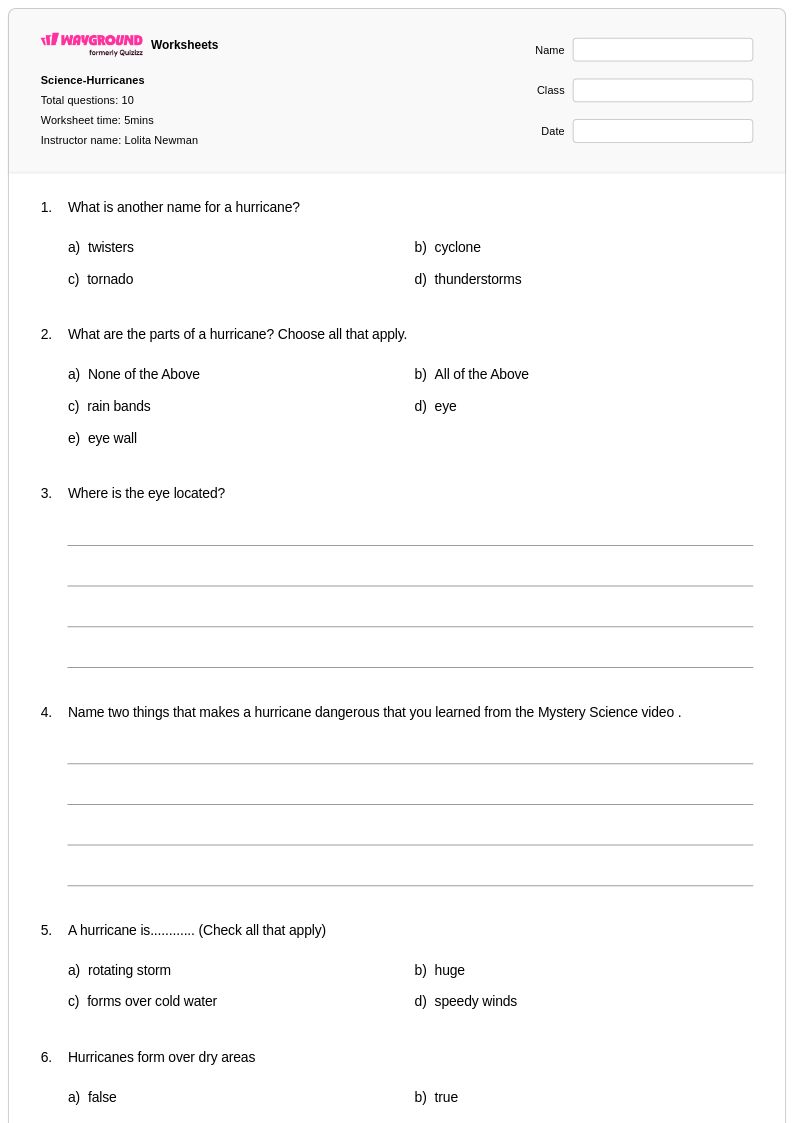
10 Q
2nd
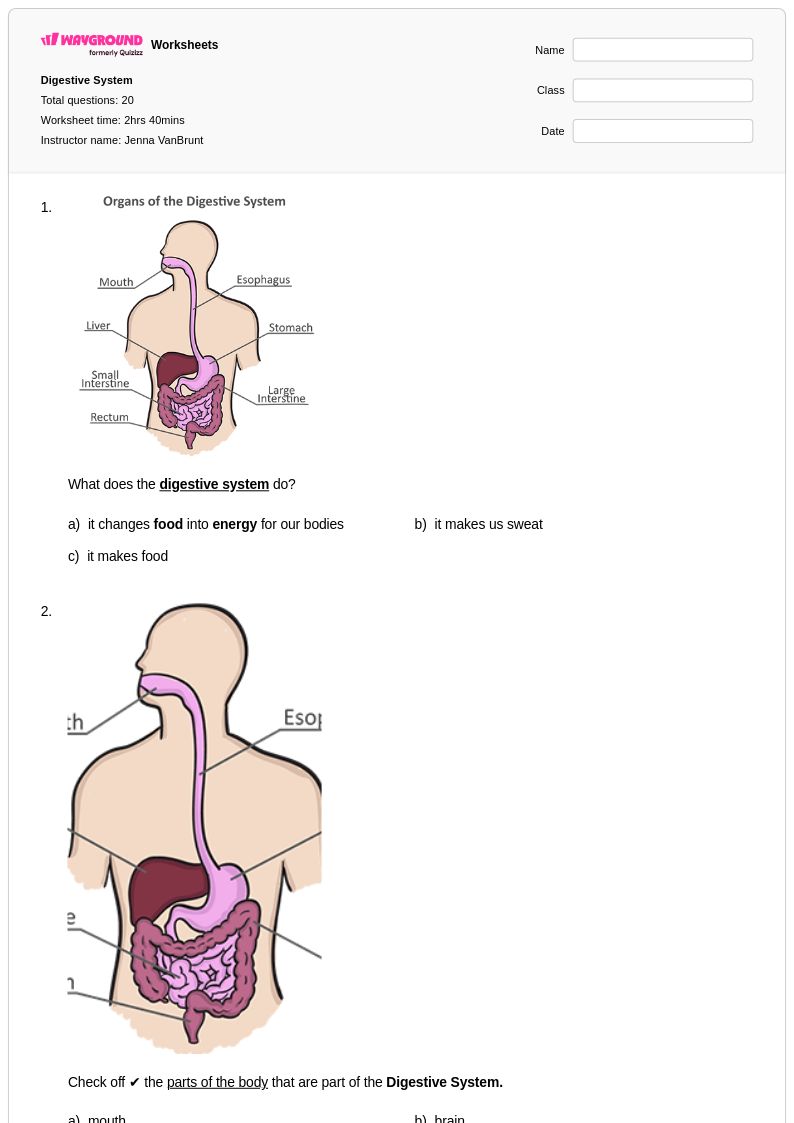
20 Q
2nd - 3rd
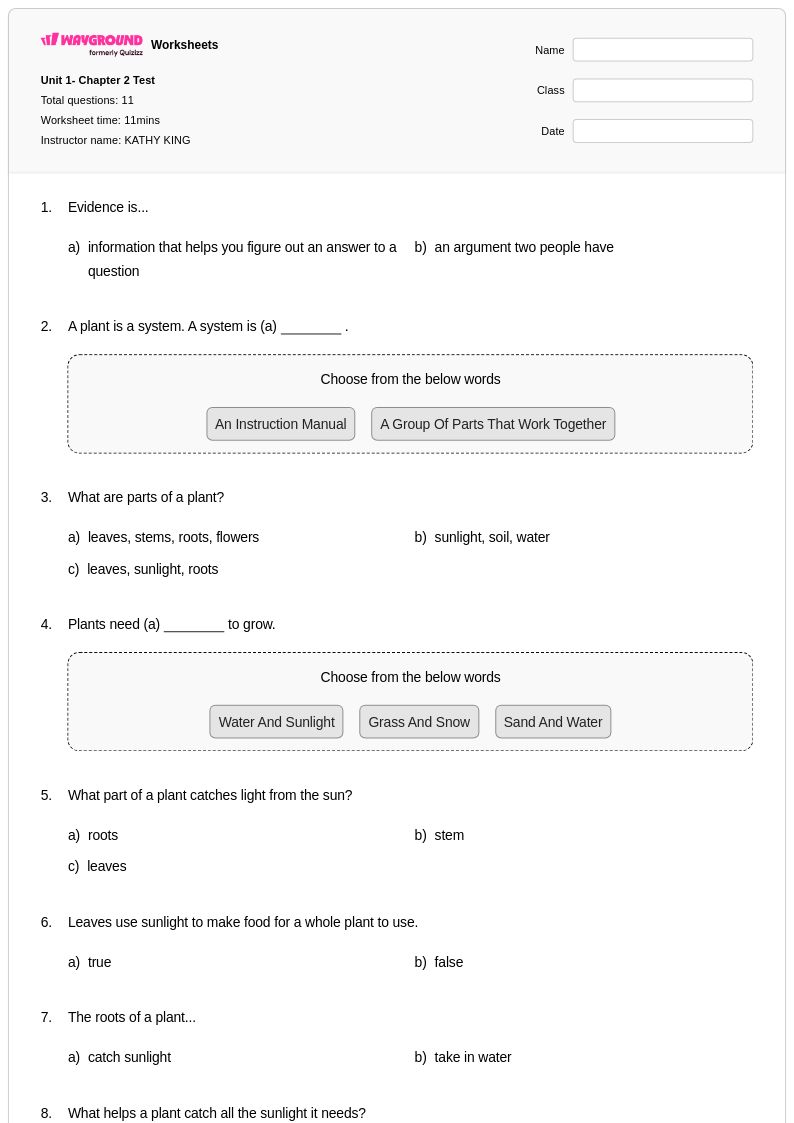
11 Q
2nd - Uni
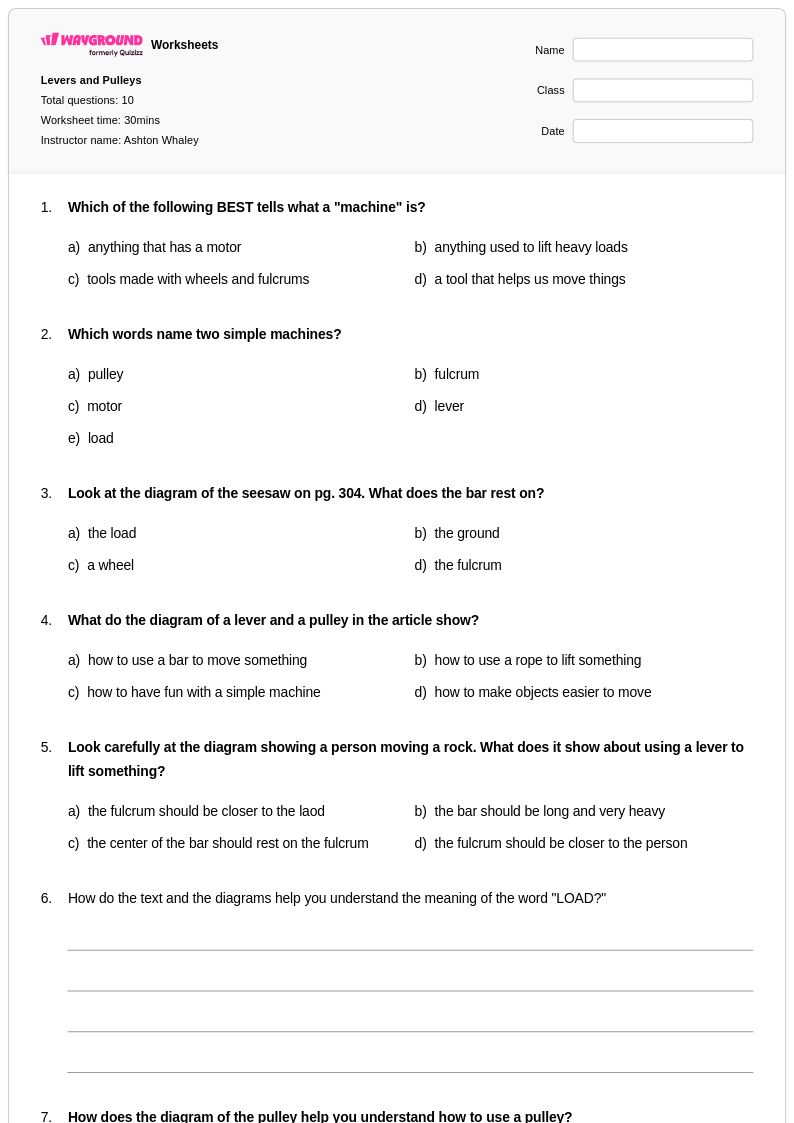
10 Q
2nd
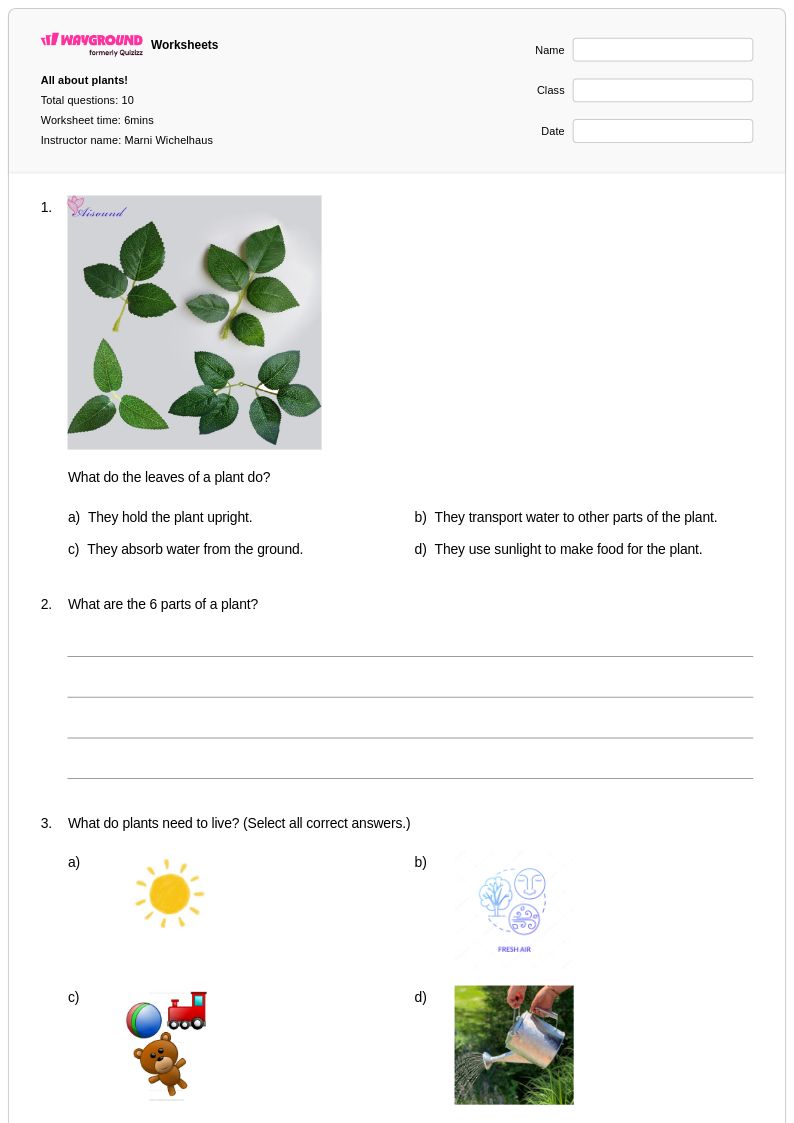
10 Q
2nd - 3rd
19 Q
1st - 3rd
20 Q
2nd - 3rd
12 Q
2nd
10 Q
2nd
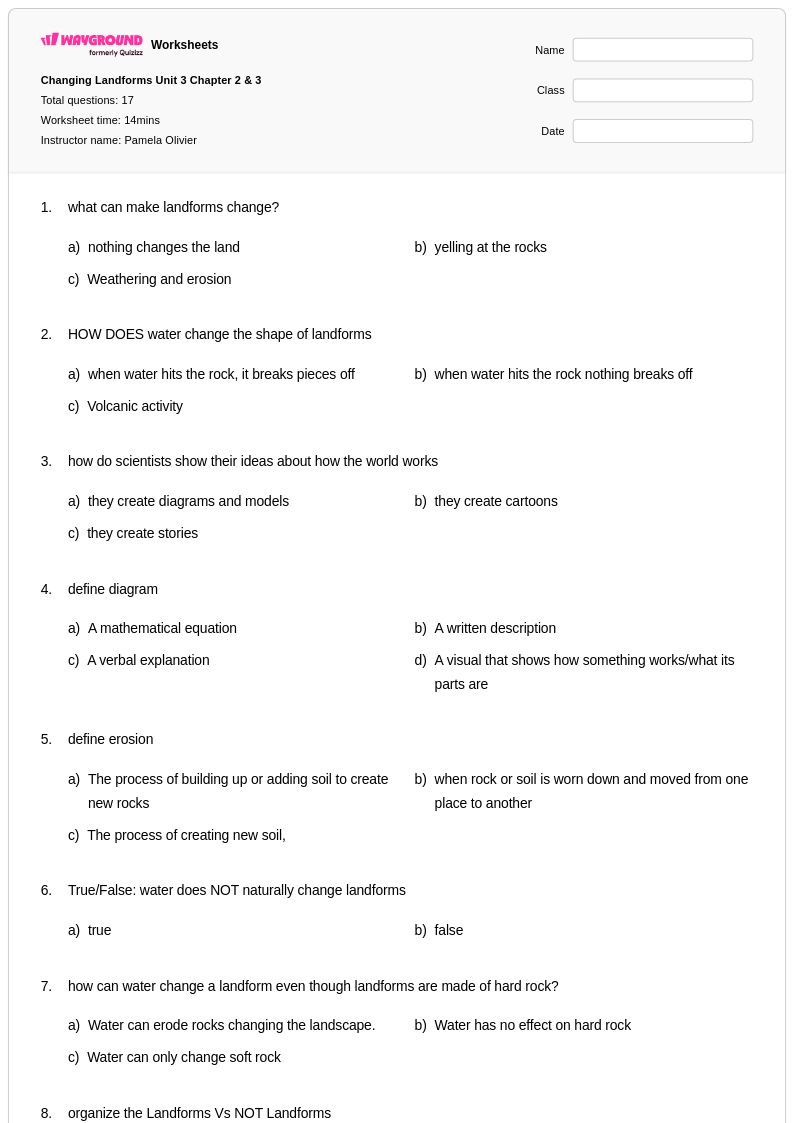
17 Q
2nd
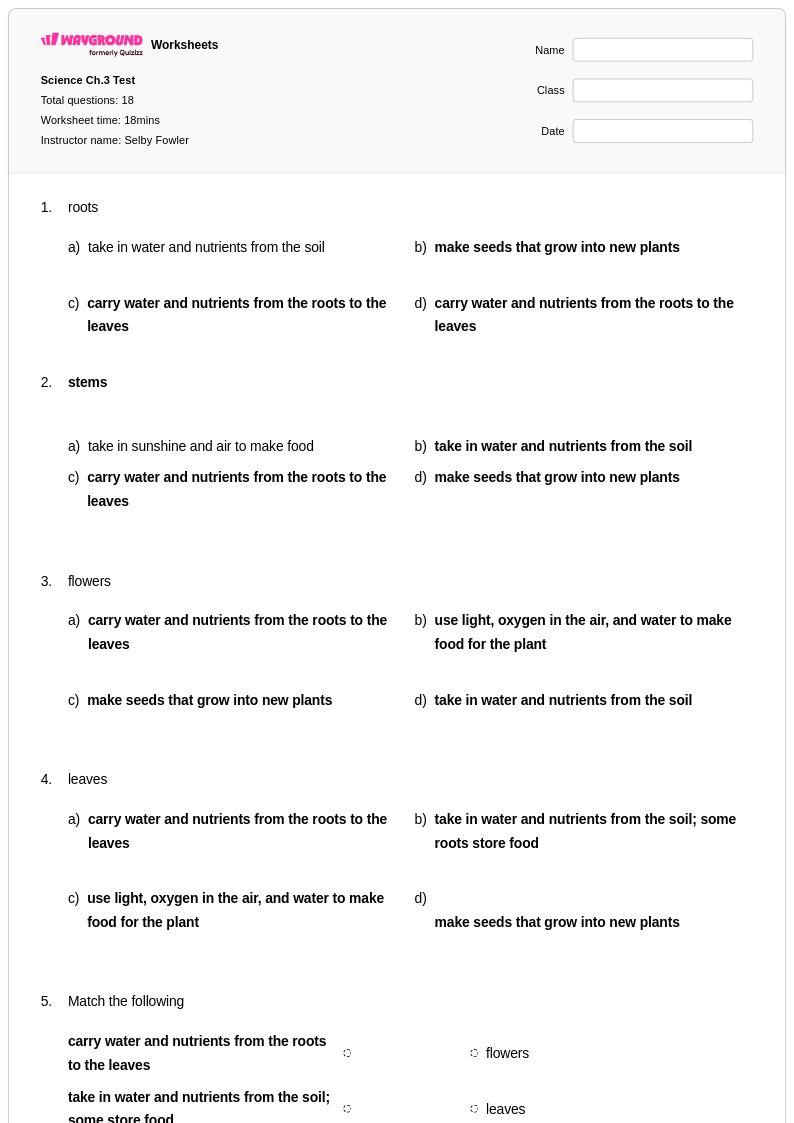
18 Q
2nd
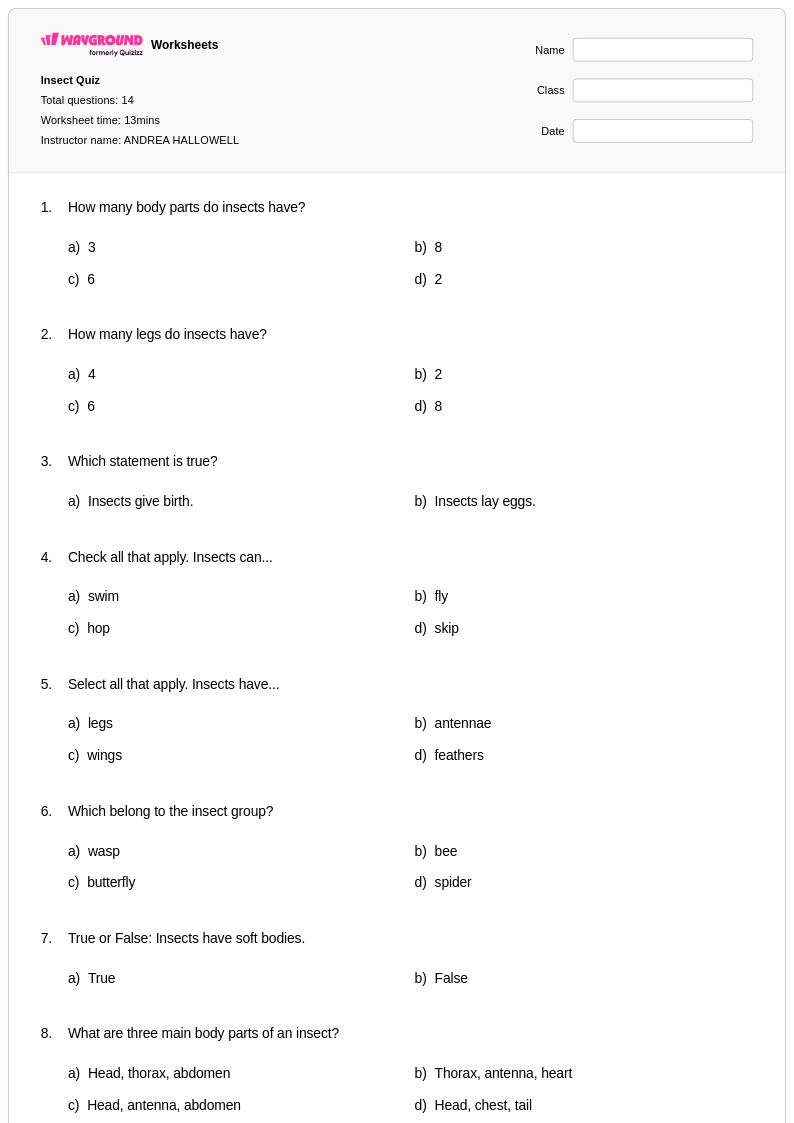
14 Q
2nd
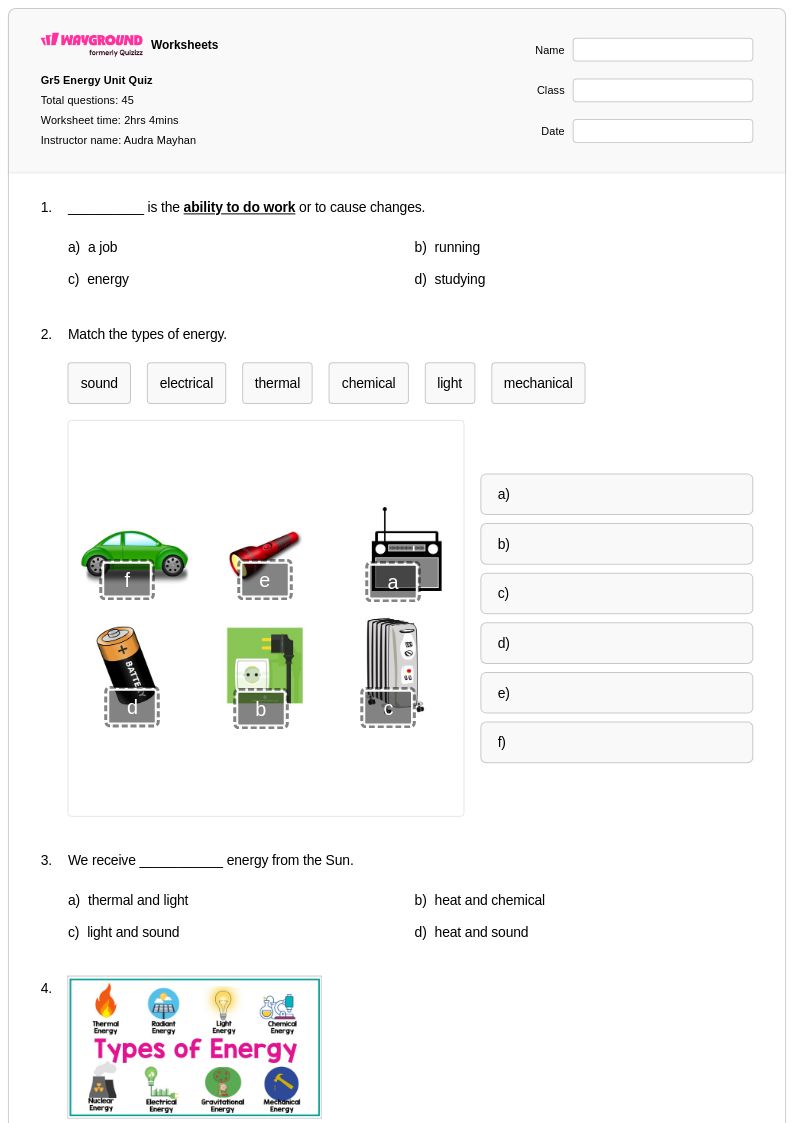
45 Q
1st - 5th
Explore Other Subject Worksheets for class 2
Explore printable Parts and Use worksheets for Class 2
Class 2 students develop foundational scientific knowledge through Parts and Use biology worksheets available through Wayground (formerly Quizizz), which focus on helping young learners identify and understand the basic structures and functions of living organisms. These educational resources strengthen essential observation and classification skills by guiding students through activities that explore how different parts of plants, animals, and the human body serve specific purposes in supporting life processes. The comprehensive worksheet collection includes practice problems that encourage students to match body parts with their functions, label diagrams of common plants and animals, and analyze how structures help organisms meet their basic needs. Teachers can access these materials as free printables in pdf format, complete with detailed answer keys that support accurate assessment and provide clear explanations for student understanding.
Wayground (formerly Quizizz) empowers educators with an extensive library of millions of teacher-created resources specifically designed to support Class 2 Parts and Use instruction across diverse learning environments. The platform's robust search and filtering capabilities allow teachers to quickly locate worksheets that align with state science standards while offering differentiation tools that accommodate various skill levels within the classroom. These customizable materials are available in both printable and digital formats, including downloadable pdf versions that facilitate seamless integration into lesson planning and homework assignments. Whether used for initial skill introduction, targeted remediation, or enrichment activities, these worksheets provide the flexibility teachers need to address individual student needs while building strong foundational knowledge about how living things use their parts to survive and thrive in their environments.
FAQs
How do I teach students to connect biological structures to their functions?
What kinds of exercises help students practice identifying parts and their functions in biology?
What mistakes do students commonly make when learning about biological parts and their functions?
How can I differentiate parts and use worksheets for students with different learning needs?
How do I use Parts and Use worksheets from Wayground in my classroom?