Free Printable Plants, Animals, and the Earth worksheets
Explore Wayground's free printable worksheets and practice problems covering plants, animals, and the Earth, designed to help students master essential life science concepts through engaging PDF resources with answer keys.
Explore printable Plants, Animals, and the Earth worksheets
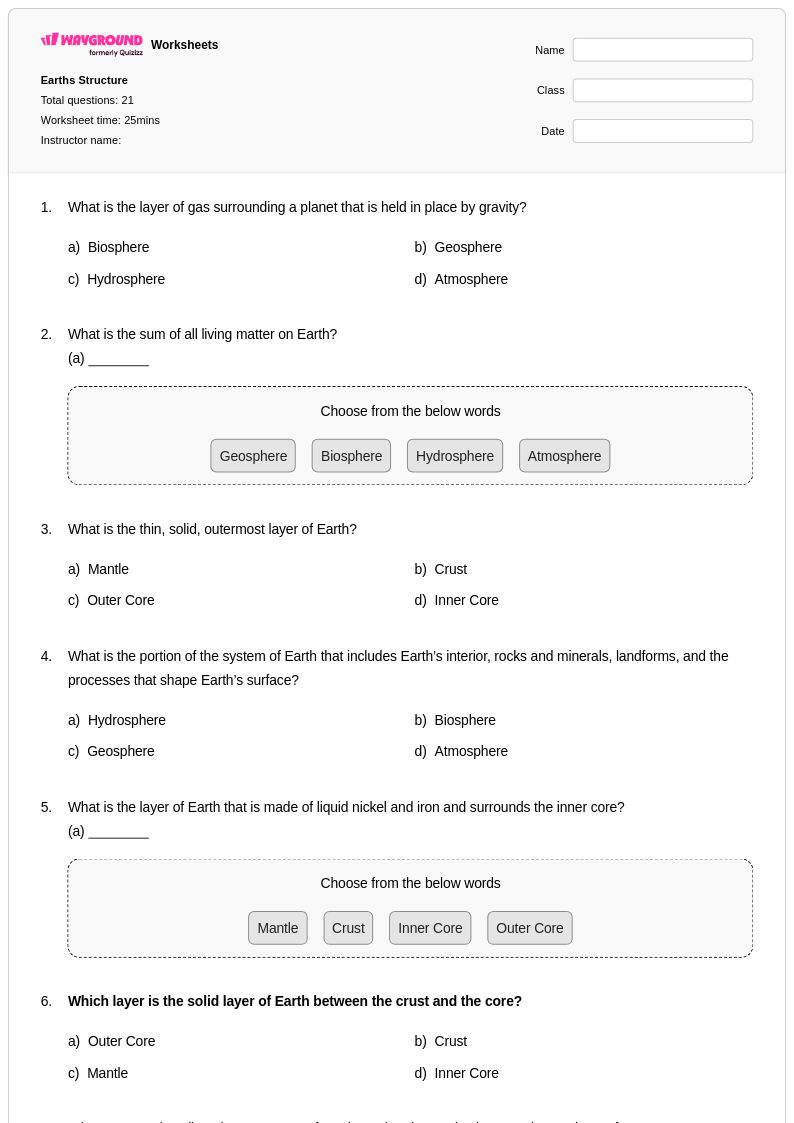
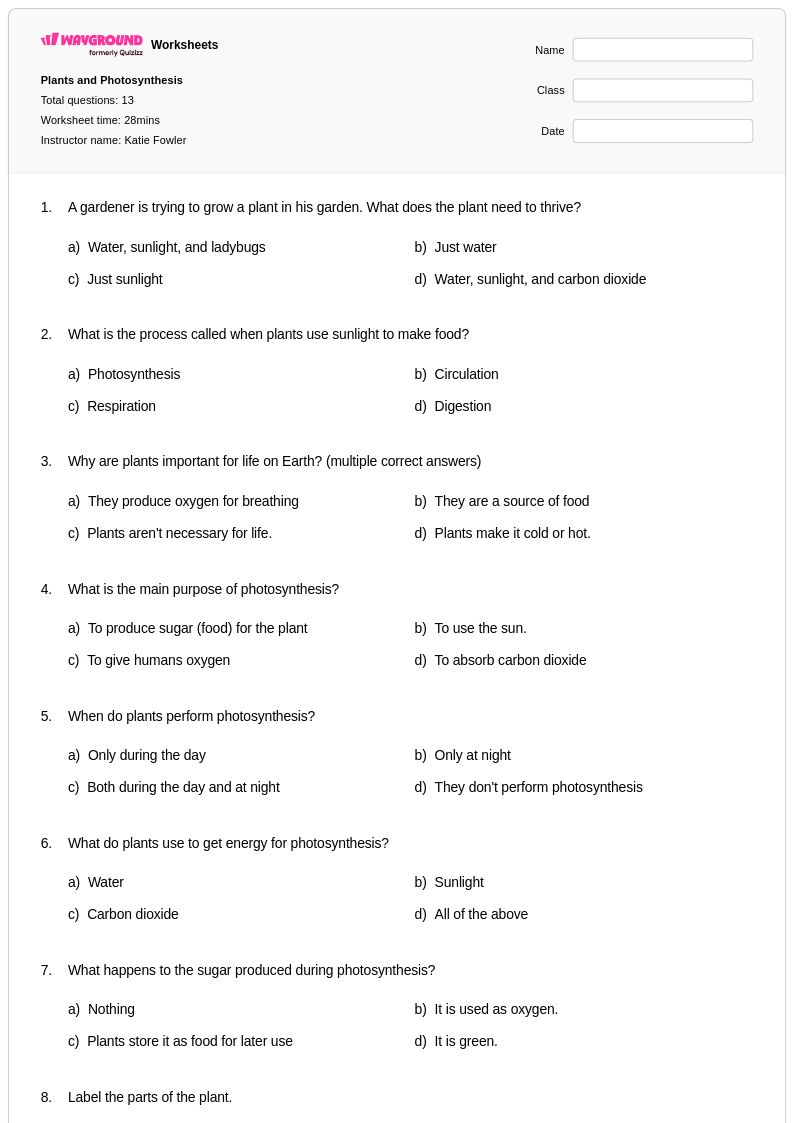
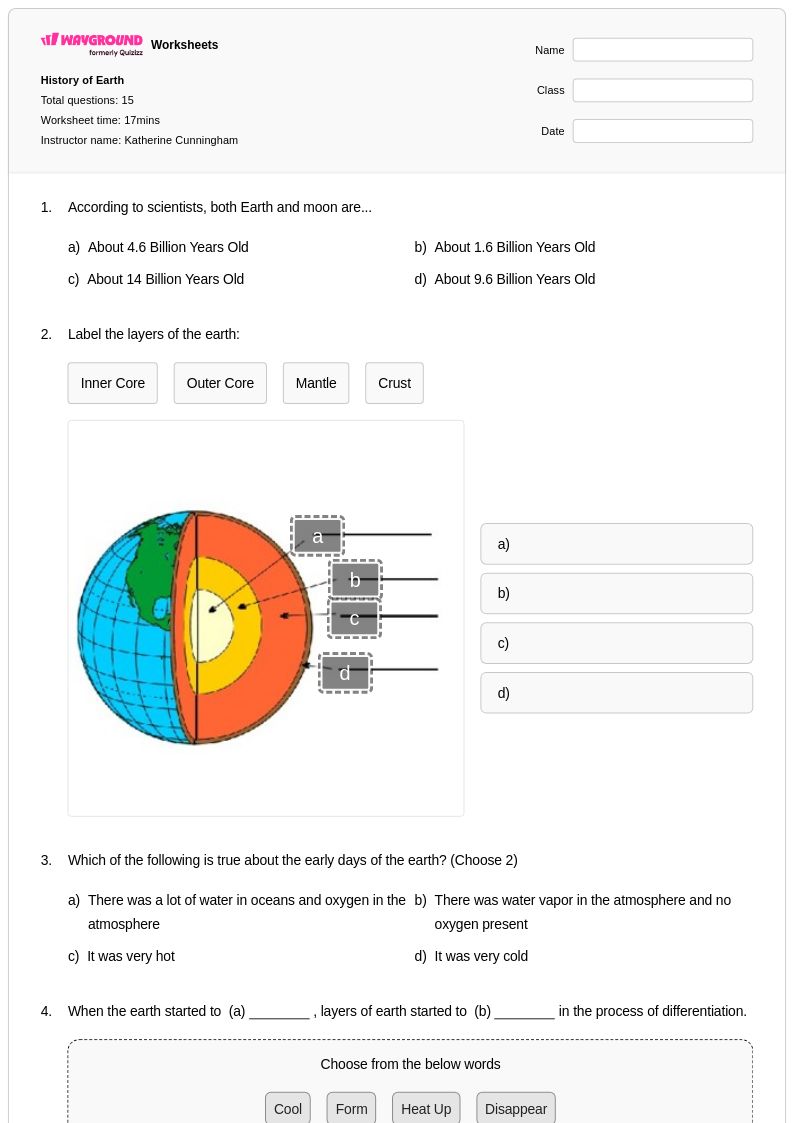
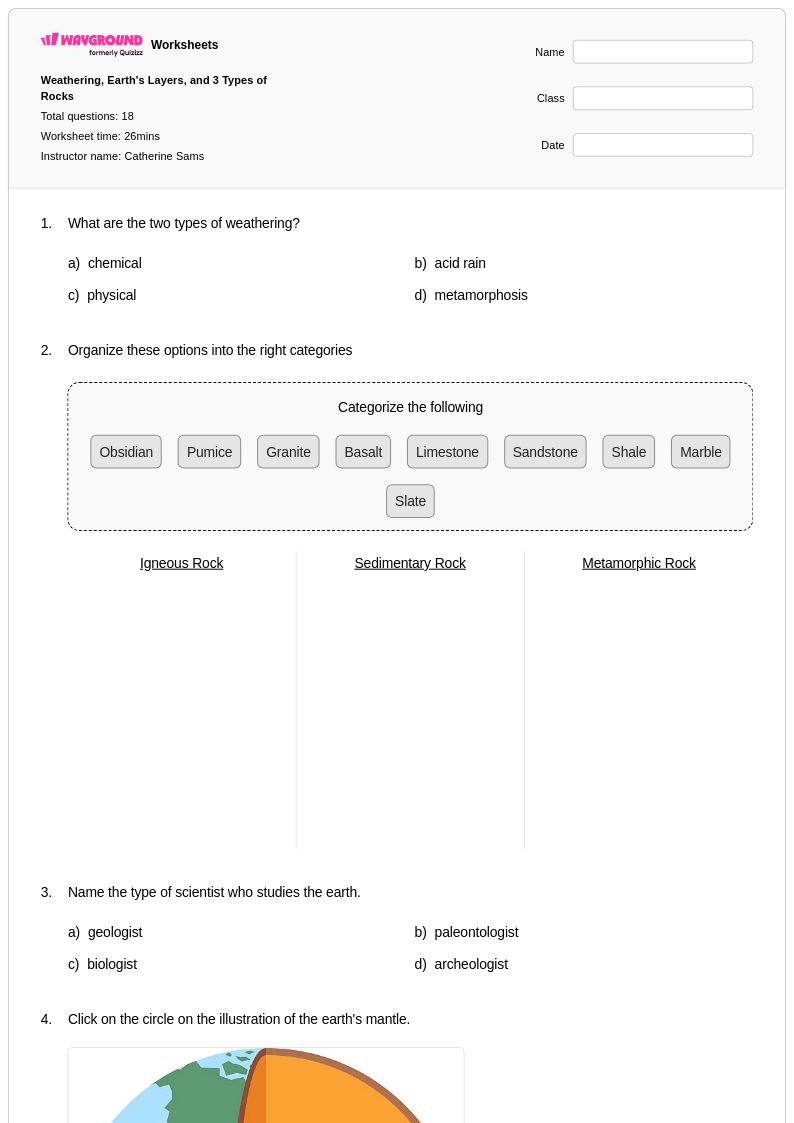
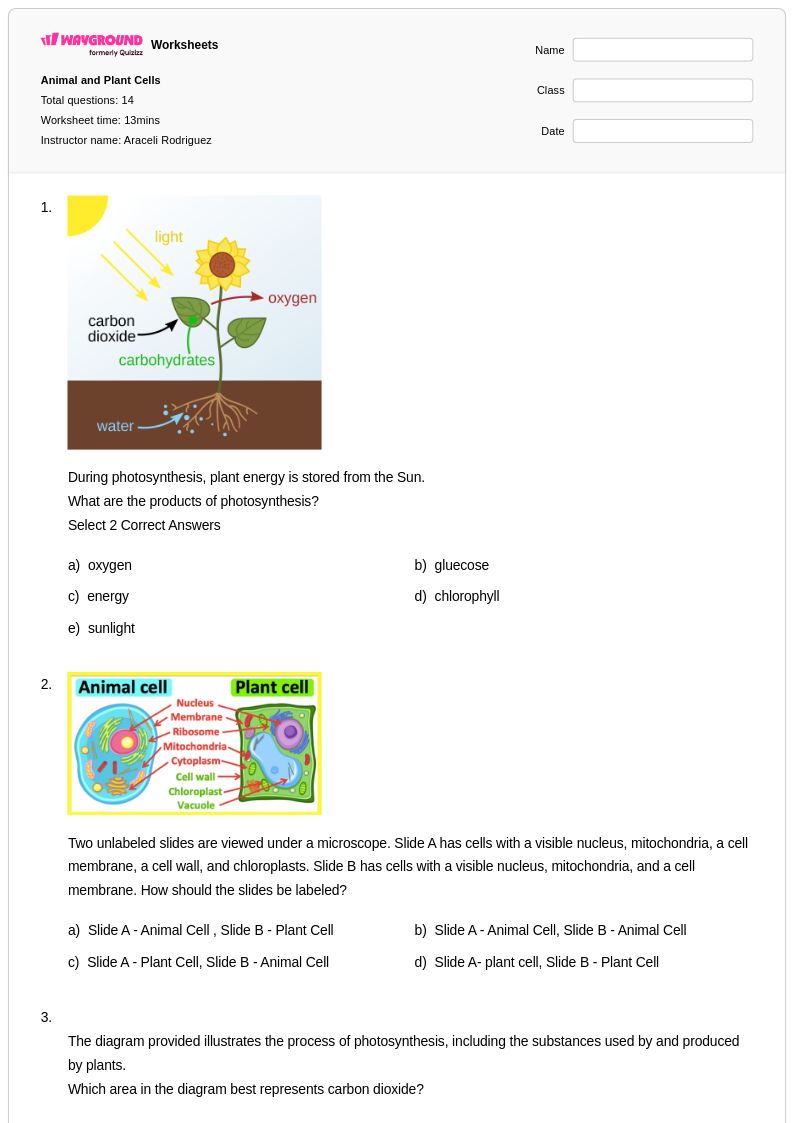
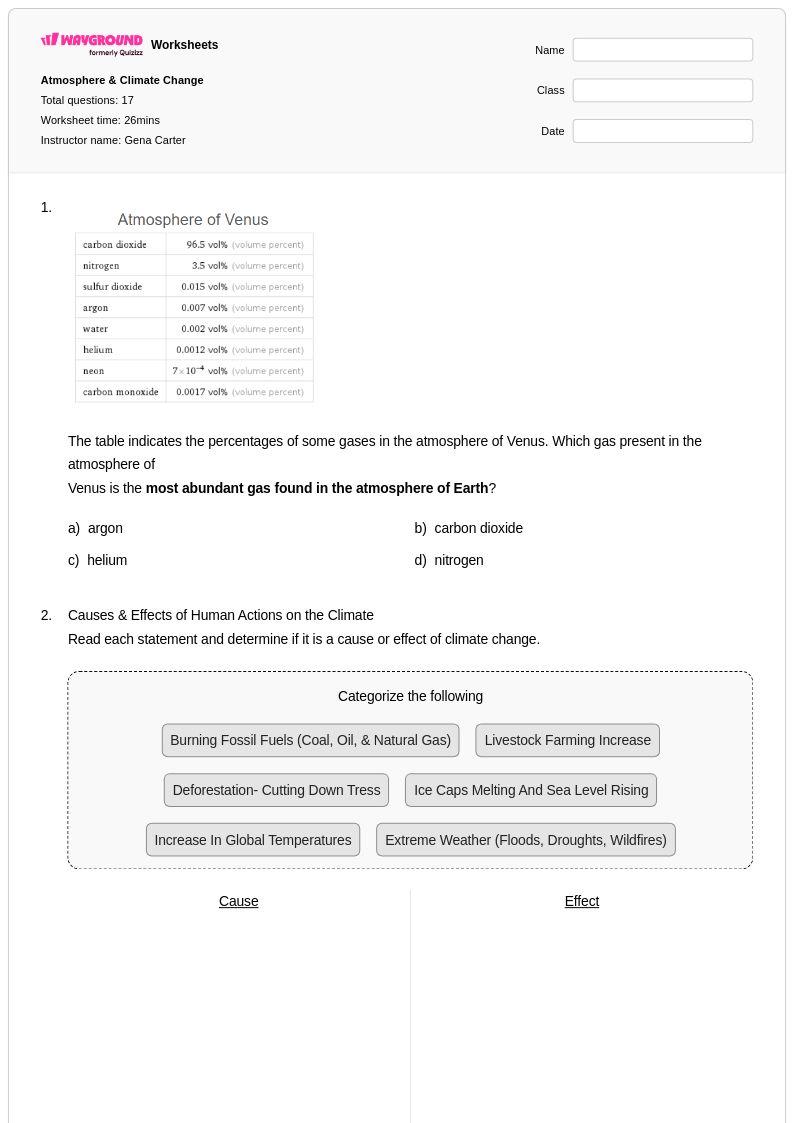
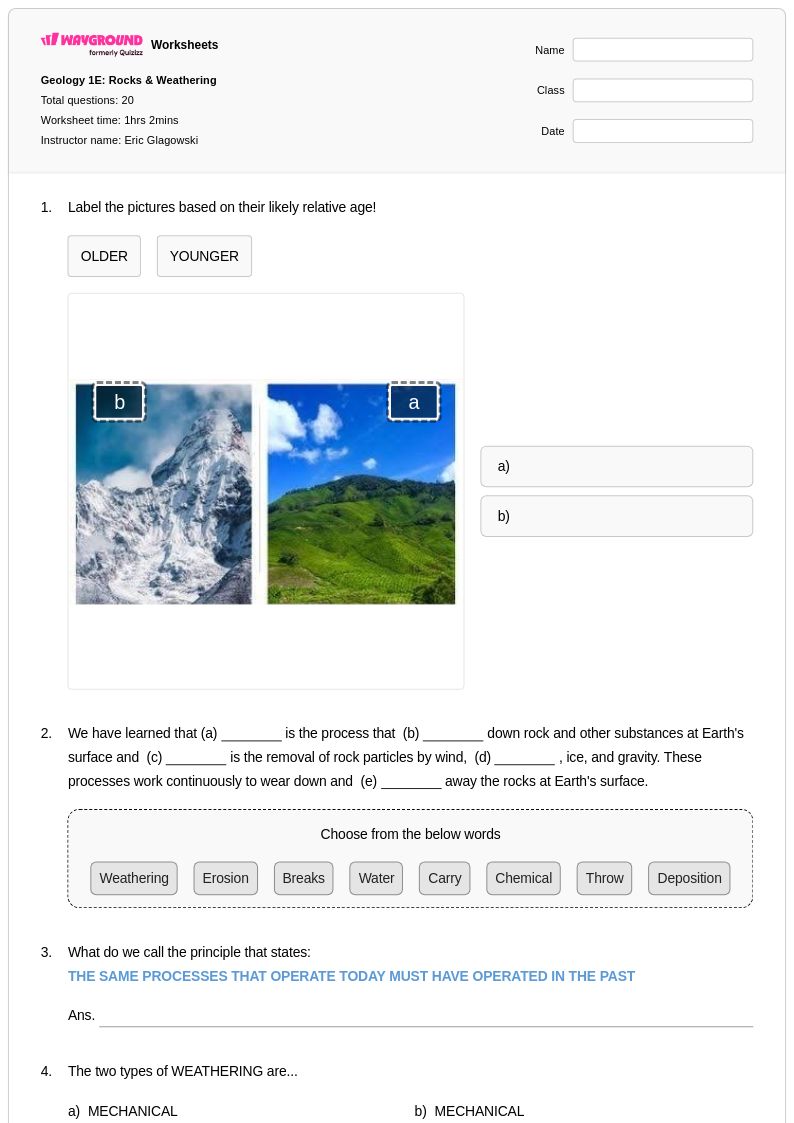
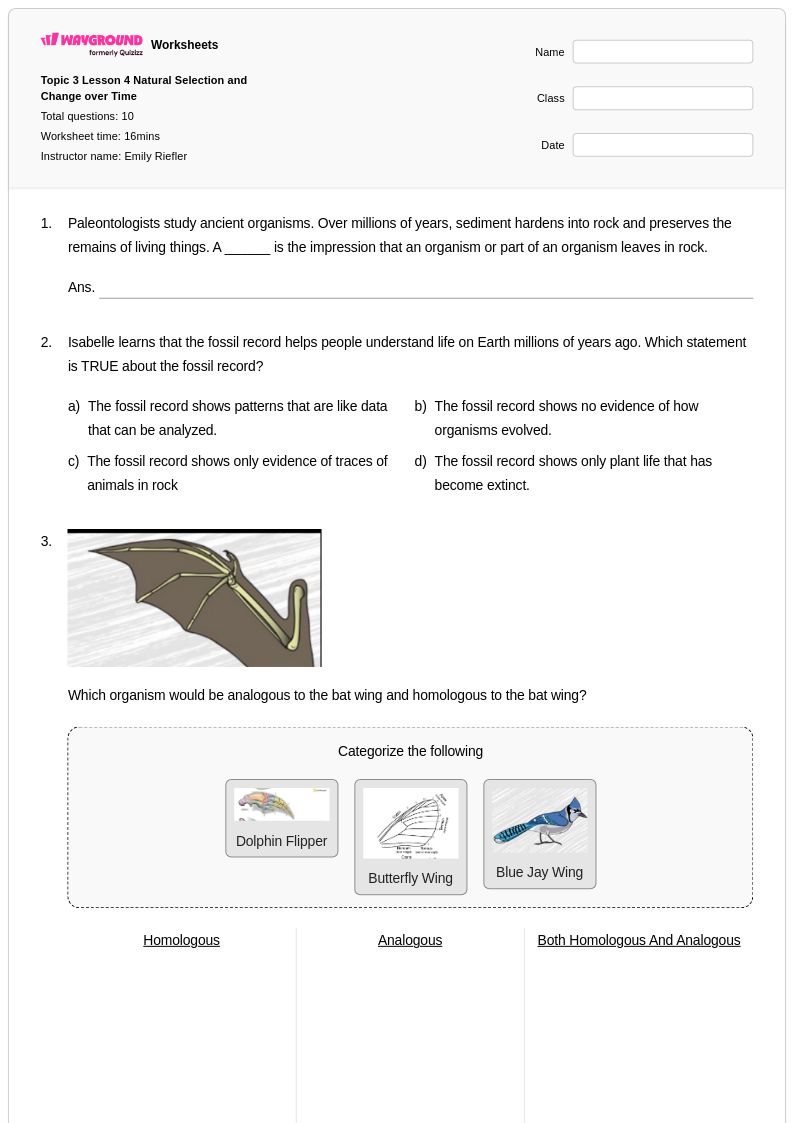
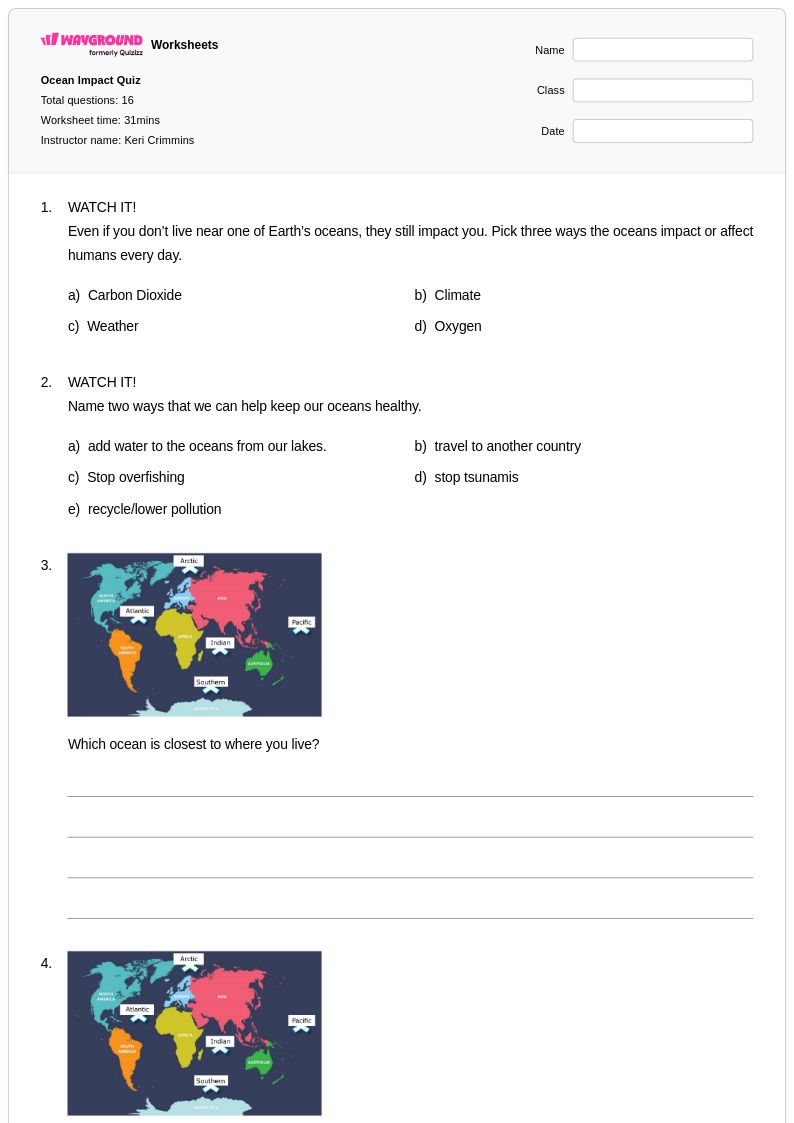
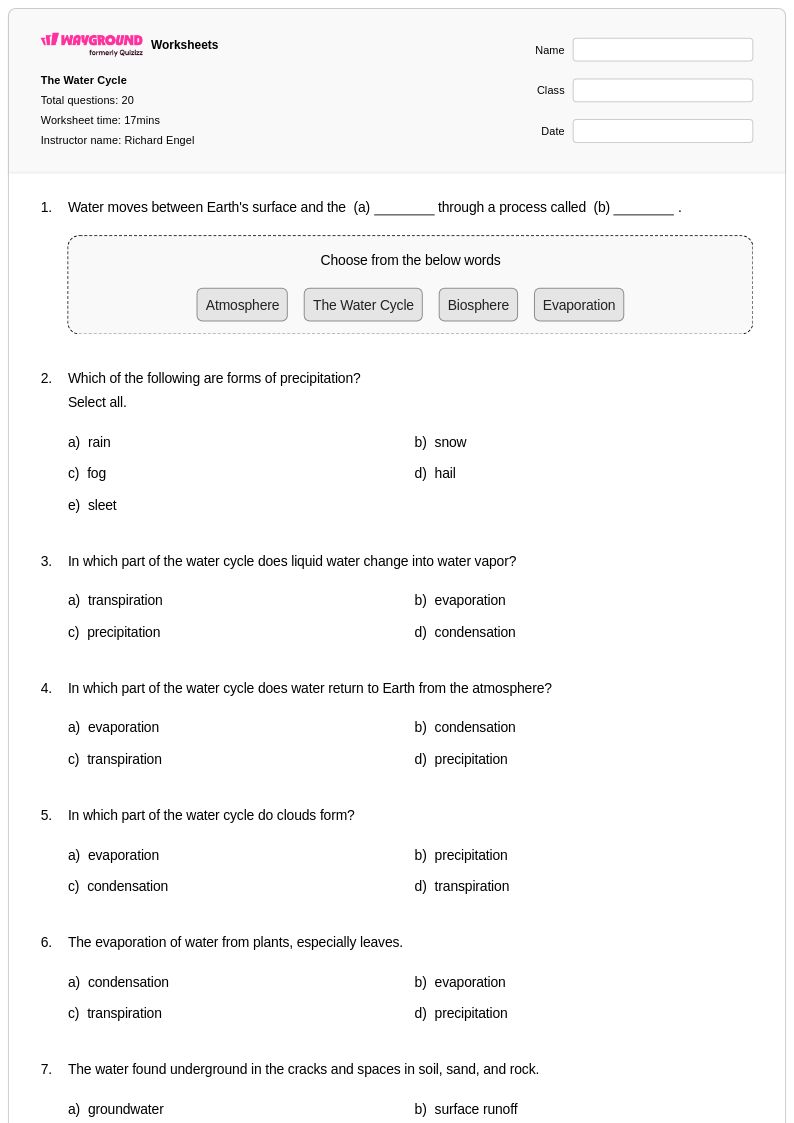
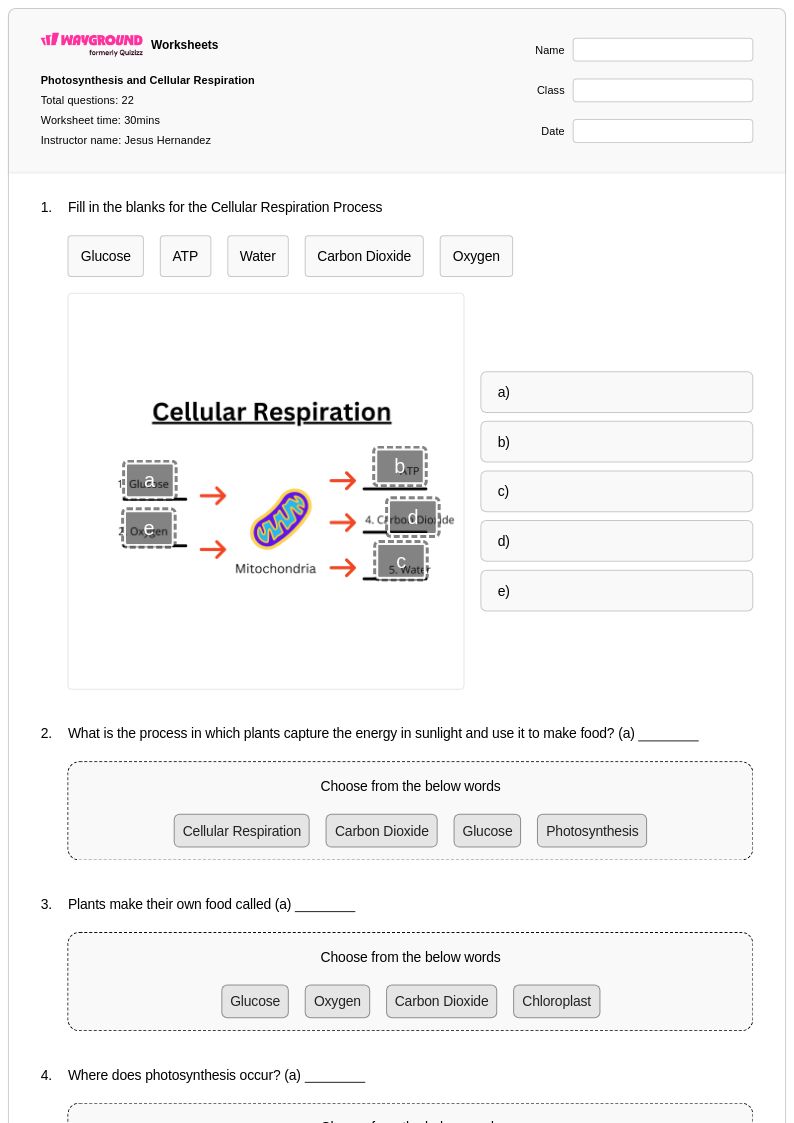
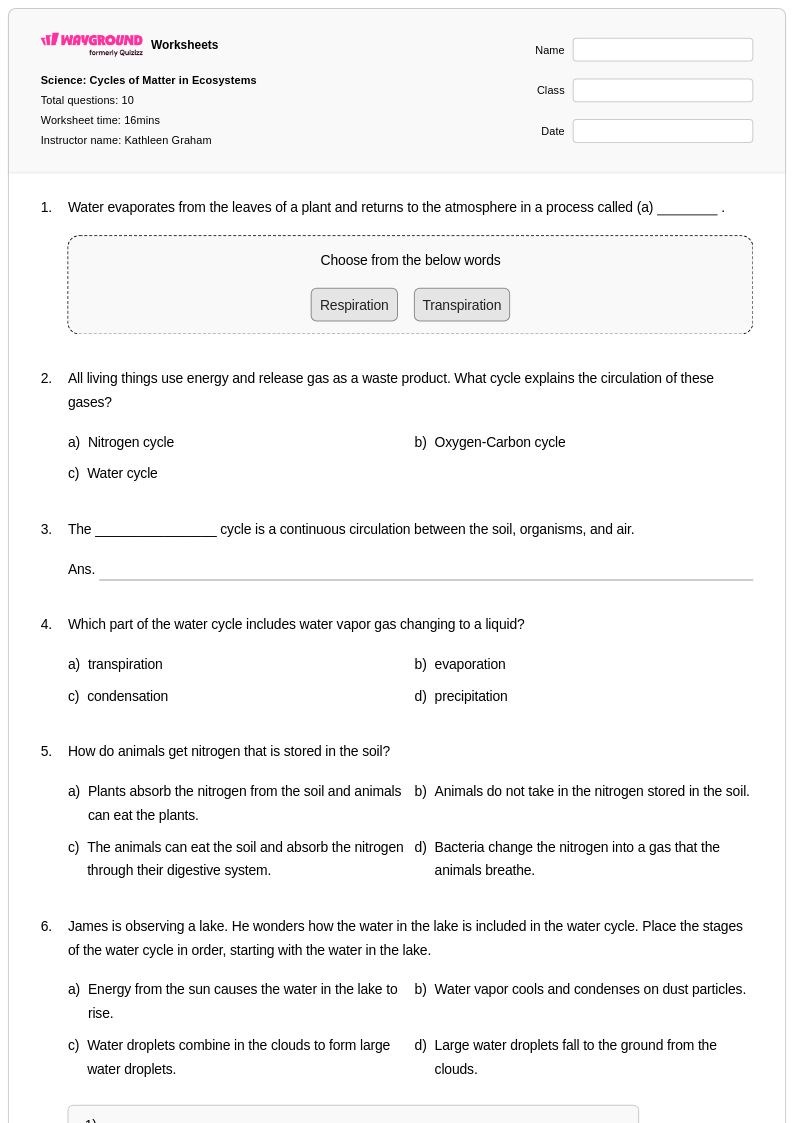
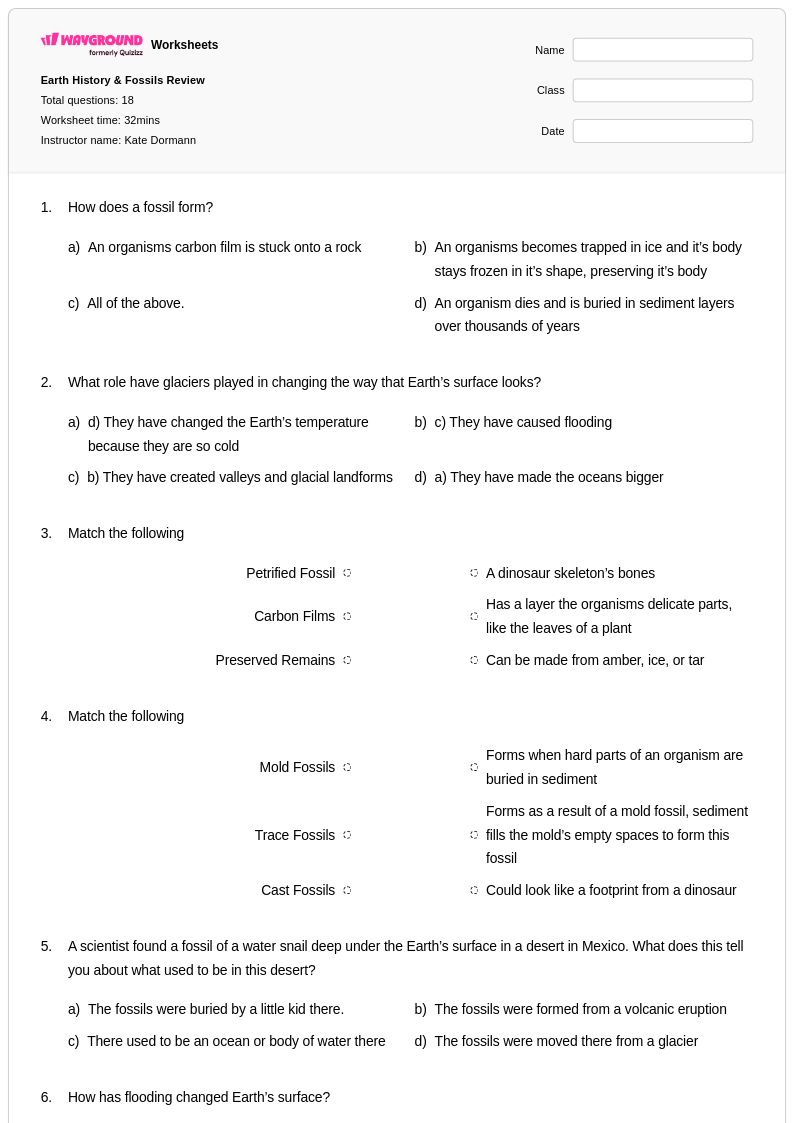
Plants, animals, and the Earth worksheets available through Wayground (formerly Quizizz) provide comprehensive educational resources that explore the fundamental interconnections within our natural world. These expertly designed materials strengthen students' understanding of botanical structures and functions, animal adaptations and behaviors, and Earth's diverse ecosystems while developing critical scientific observation and analysis skills. The collection encompasses a wide range of practice problems that challenge learners to identify plant parts, classify animal characteristics, examine food webs, and investigate environmental relationships. Each worksheet includes a detailed answer key to support effective learning assessment, and these free printables are available in convenient PDF format for seamless classroom integration and independent study.
Wayground (formerly Quizizz) empowers educators with millions of teacher-created resources specifically focused on plants, animals, and Earth science concepts, featuring robust search and filtering capabilities that allow instructors to quickly locate materials aligned with specific learning standards and objectives. The platform's sophisticated differentiation tools enable teachers to customize worksheets for diverse learning needs, while flexible formatting options provide both printable and digital versions including downloadable PDFs for varied instructional approaches. These comprehensive features streamline lesson planning by offering ready-to-use materials for skill practice, targeted remediation for struggling learners, and enrichment opportunities for advanced students, ensuring that educators can effectively address the full spectrum of student needs while maintaining rigorous academic standards in life science education.
FAQs
How do I teach plants, animals, and the Earth as connected systems rather than separate topics?
Frame instruction around ecological relationships rather than isolated facts. Start with food webs to show how plants, animals, and Earth's systems depend on one another, then zoom into specific concepts like plant structures, animal adaptations, and ecosystem dynamics. Using case studies — such as how deforestation affects both animal habitats and soil health — helps students see the natural world as an interconnected system rather than a list of biology facts.
What kinds of practice activities help students understand plant parts and their functions?
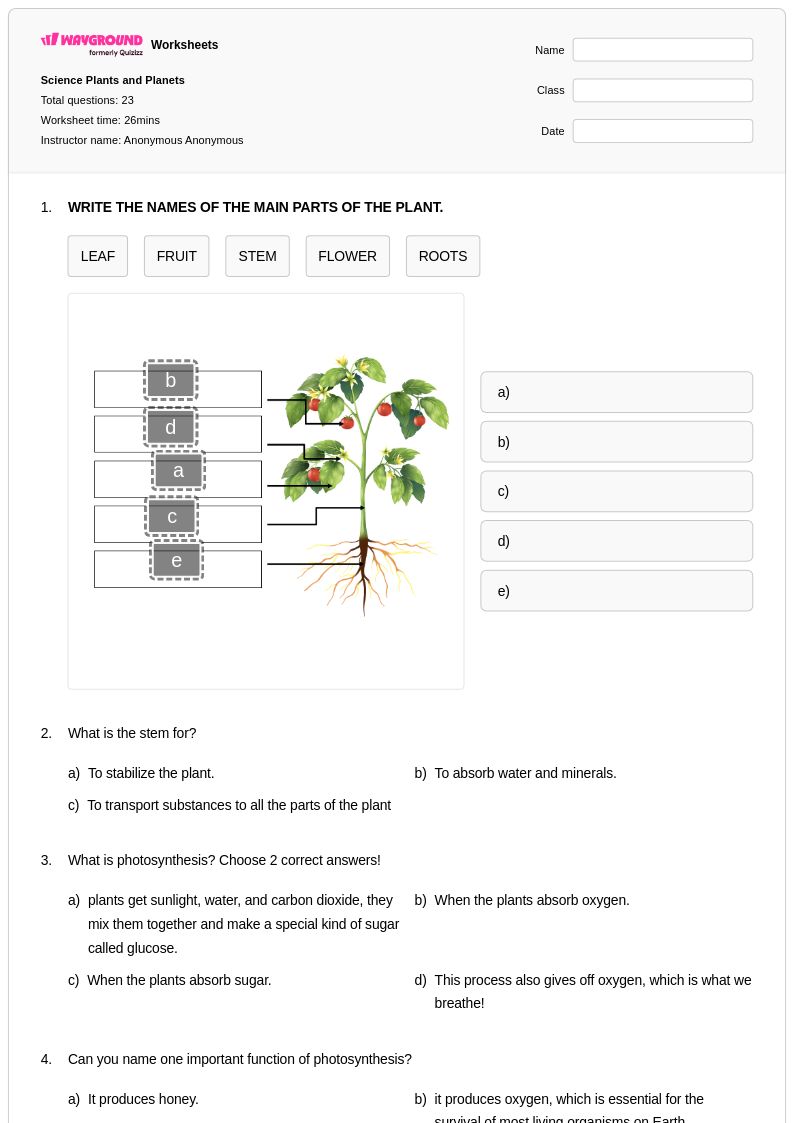
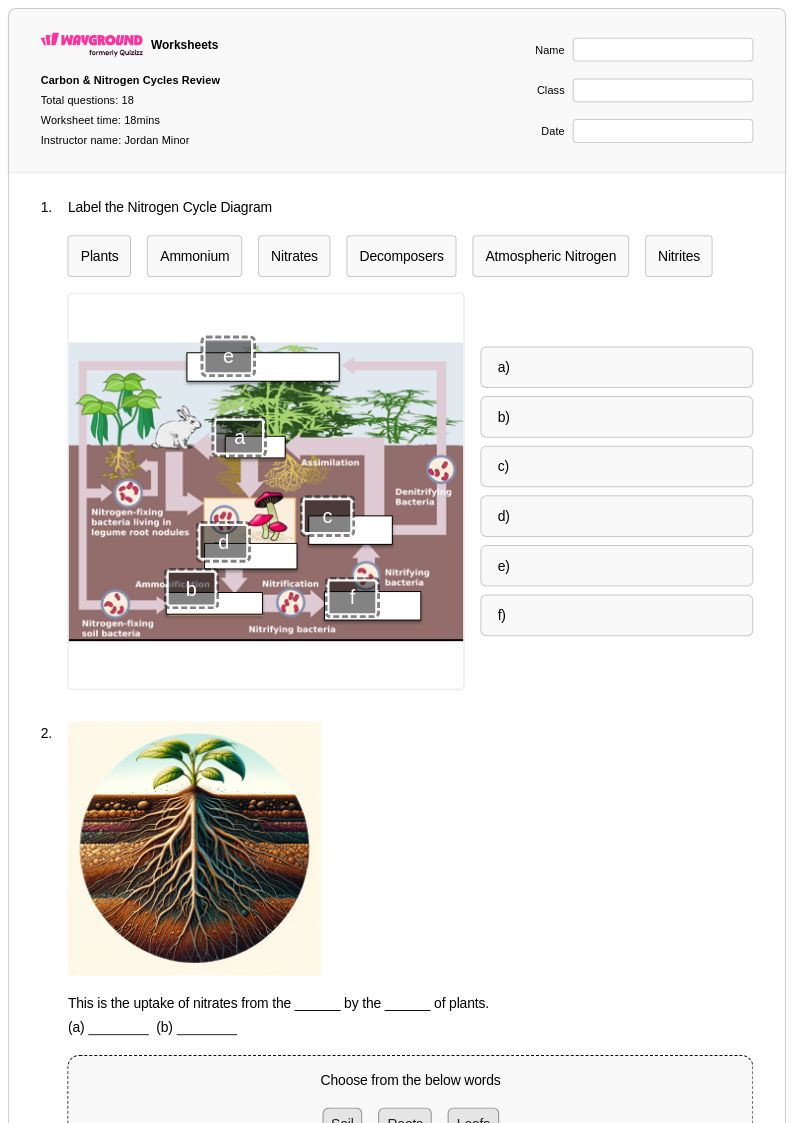
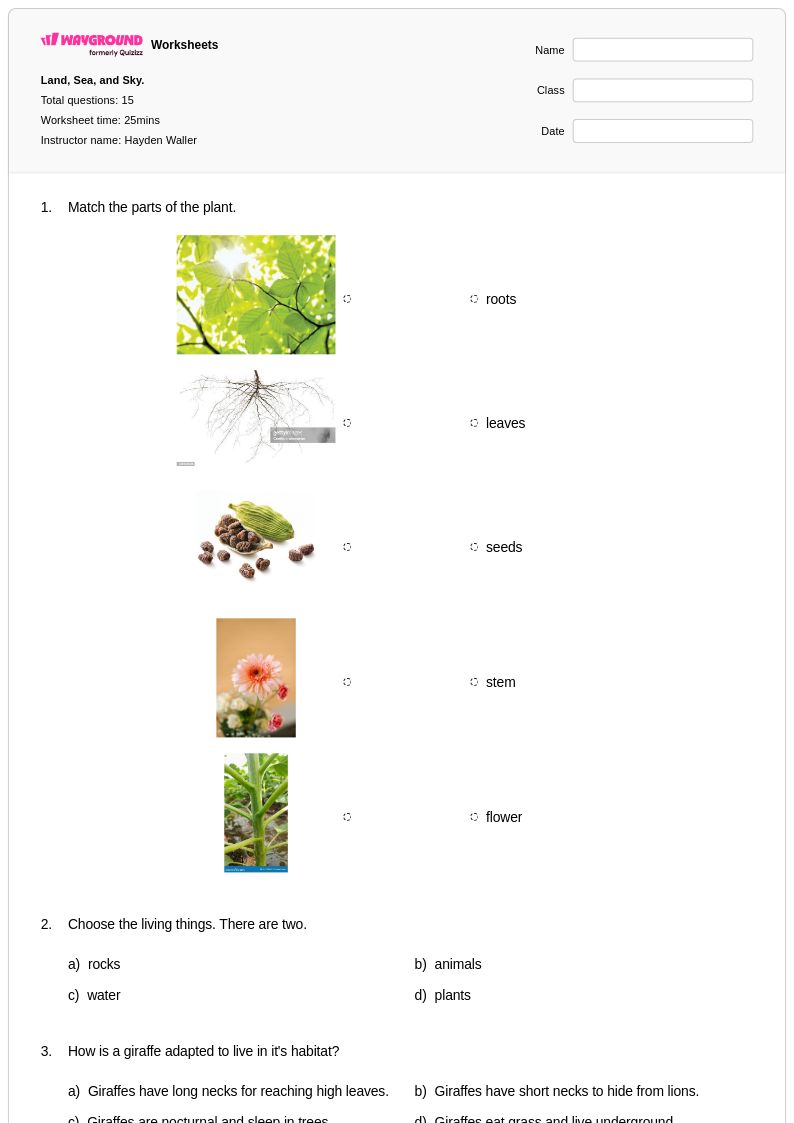
Labeling diagrams of roots, stems, leaves, and flowers is one of the most effective exercises for building plant anatomy vocabulary. Pairing diagram work with function-matching tasks — where students connect each plant part to its role in photosynthesis, water transport, or reproduction — reinforces both identification and conceptual understanding. Worksheets that include real-world application questions, such as why a cactus has shallow wide roots, push students beyond memorization.
What common mistakes do students make when learning about animal adaptations?
A frequent misconception is that animals consciously choose to adapt — students often describe adaptations as decisions an animal makes rather than traits that evolved over generations. Another common error is confusing behavioral adaptations (like migration) with structural ones (like a duck's waterproof feathers). Targeted practice problems that ask students to classify and explain adaptations help correct these errors before they become entrenched.
How do I help students understand food webs and energy flow without oversimplifying?
Begin with simple food chains before introducing food webs so students grasp directionality of energy flow first. Then show how removing one organism affects multiple others to illustrate interdependence. A common oversimplification is treating predator-prey relationships as the only connections; guide students to also consider decomposers and producers, which are often underrepresented in early instruction.
How can I use Wayground's plants, animals, and the Earth worksheets in my classroom?
Wayground's worksheets on plants, animals, and the Earth are available as printable PDFs for traditional classroom use and in digital formats for technology-integrated environments, making them flexible for both in-person and remote instruction. Teachers can also host worksheets as a live or assigned quiz directly on Wayground, which enables real-time engagement and automatic grading. Each worksheet includes a complete answer key, so teachers can use them for guided practice, homework, or formative assessment without additional prep.
How do I support struggling learners when teaching life science concepts like ecosystems and plant biology?
Breaking content into smaller chunks — focusing on one ecosystem component at a time — reduces cognitive overload for students who struggle with abstract ecological relationships. On Wayground, teachers can apply accommodations such as read aloud support, reduced answer choices, and extended time on a per-student basis, allowing differentiated delivery without singling students out. Pairing visual resources like labeled diagrams with structured practice problems also strengthens comprehension for learners who need additional scaffolding.