
23 Q
4th
11 Q
4th
20 Q
1st - 2nd
16 Q
1st
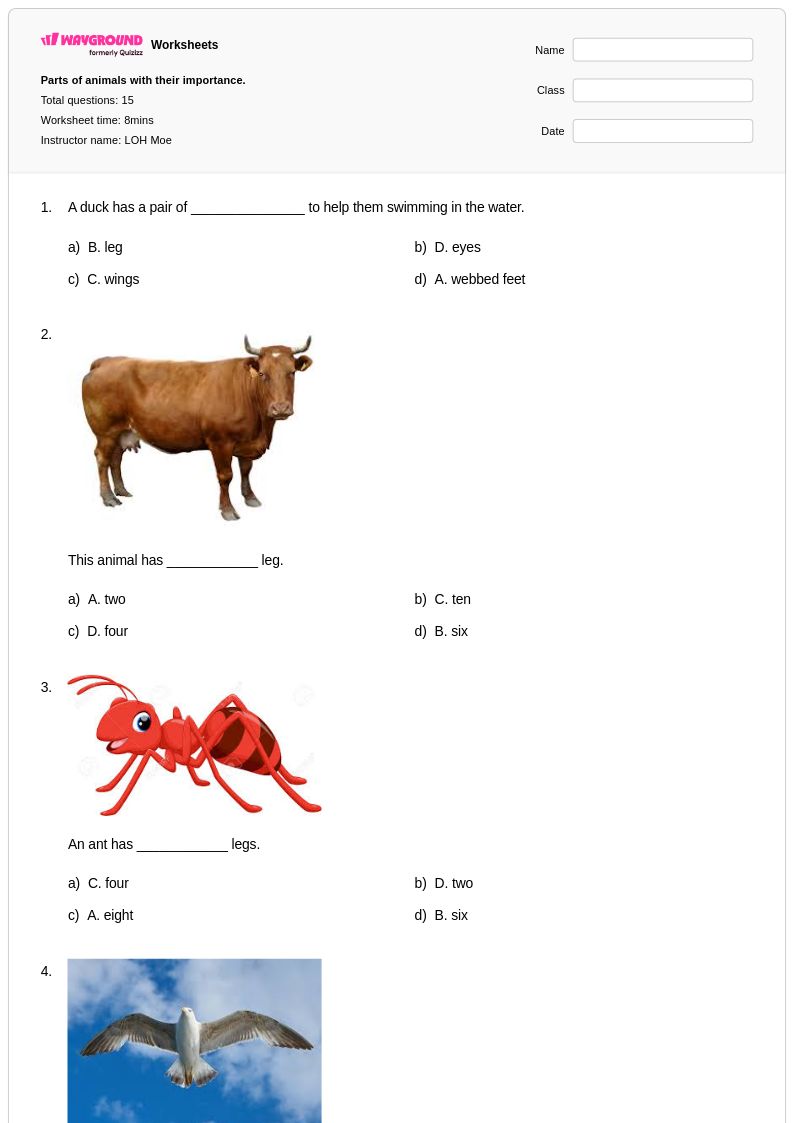
15 Q
1st
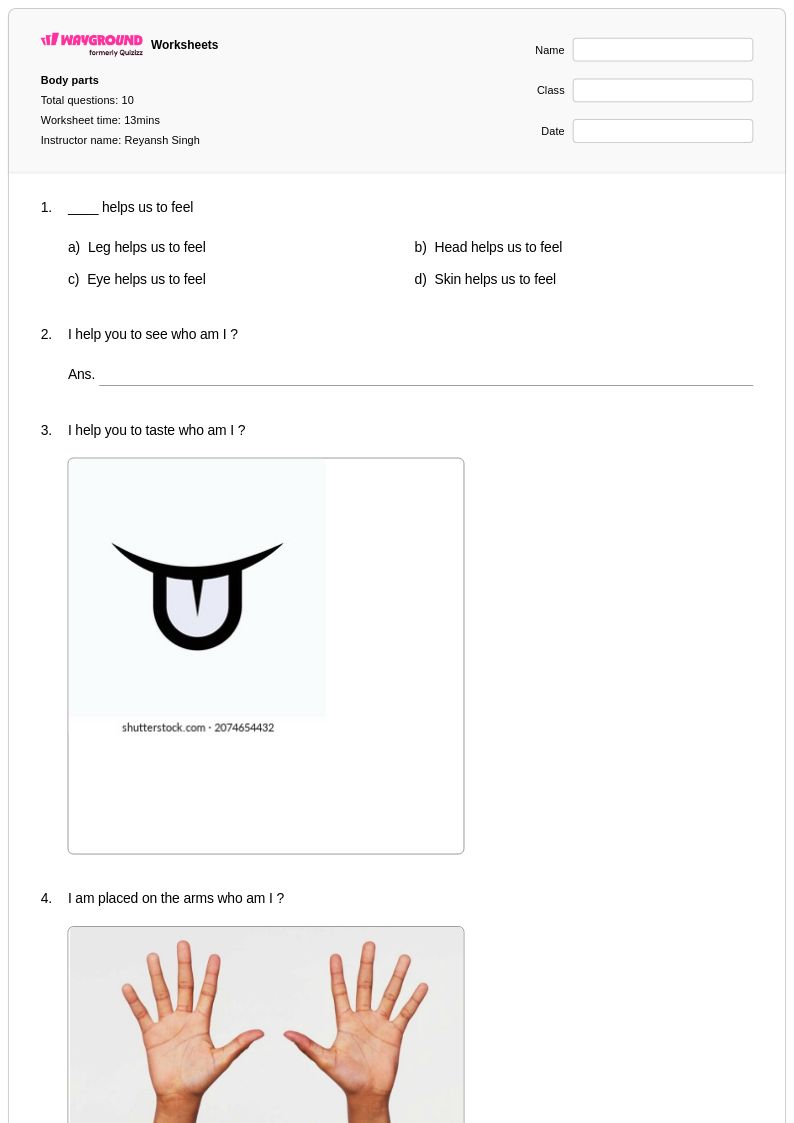
10 Q
2nd
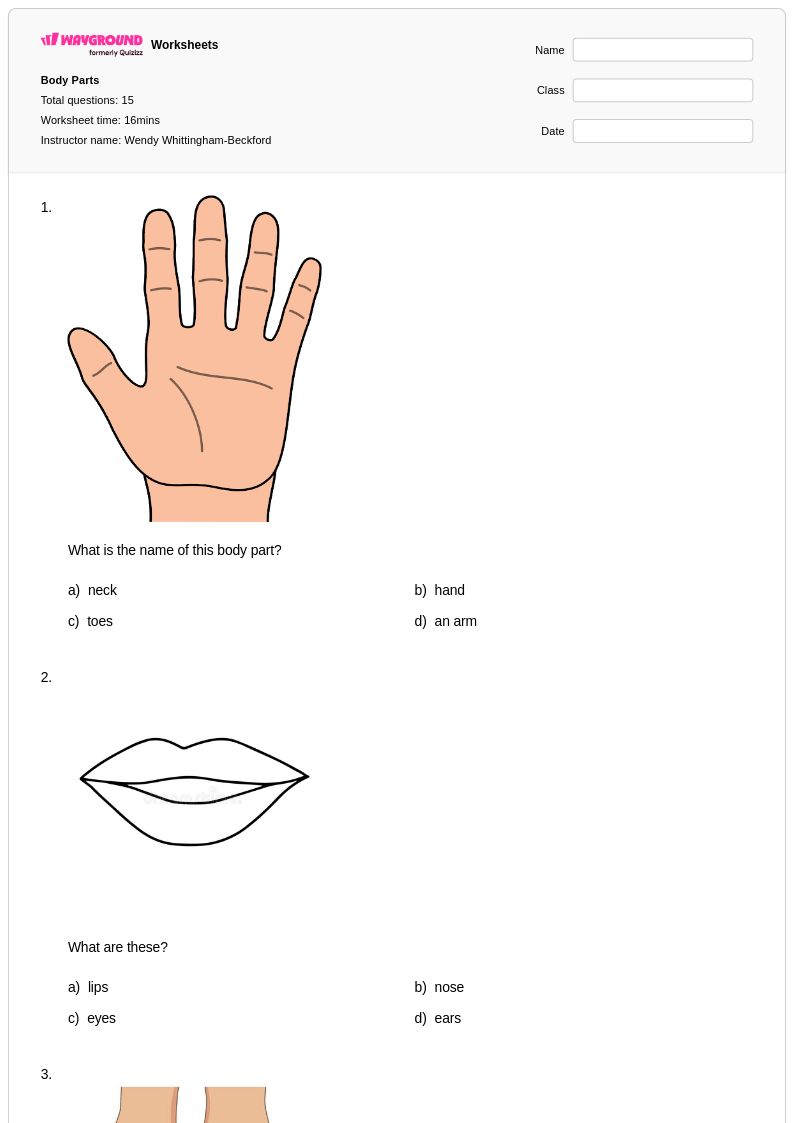
15 Q
1st
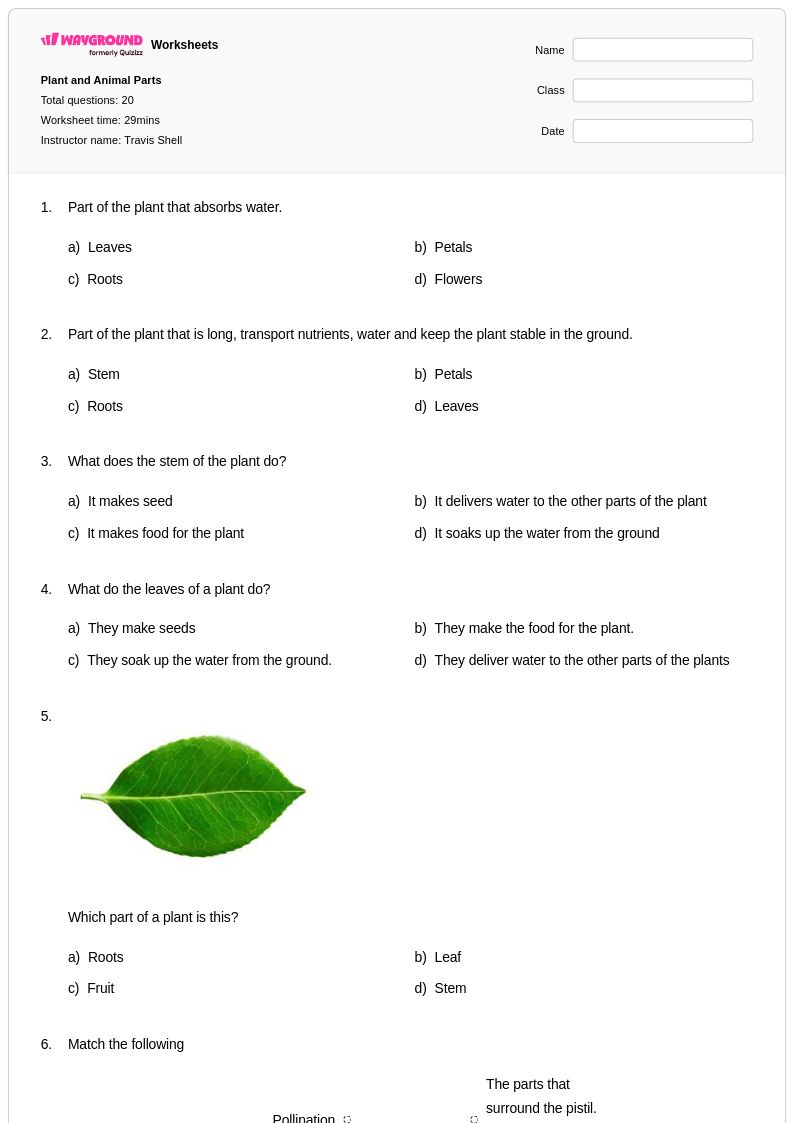
20 Q
4th
11 Q
9th - 12th
26 Q
9th - 12th
15 Q
2nd
7 Q
1st
10 Q
1st
10 Q
3rd
15 Q
7th
10 Q
3rd

53 Q
9th - 12th
10 Q
3rd
10 Q
3rd
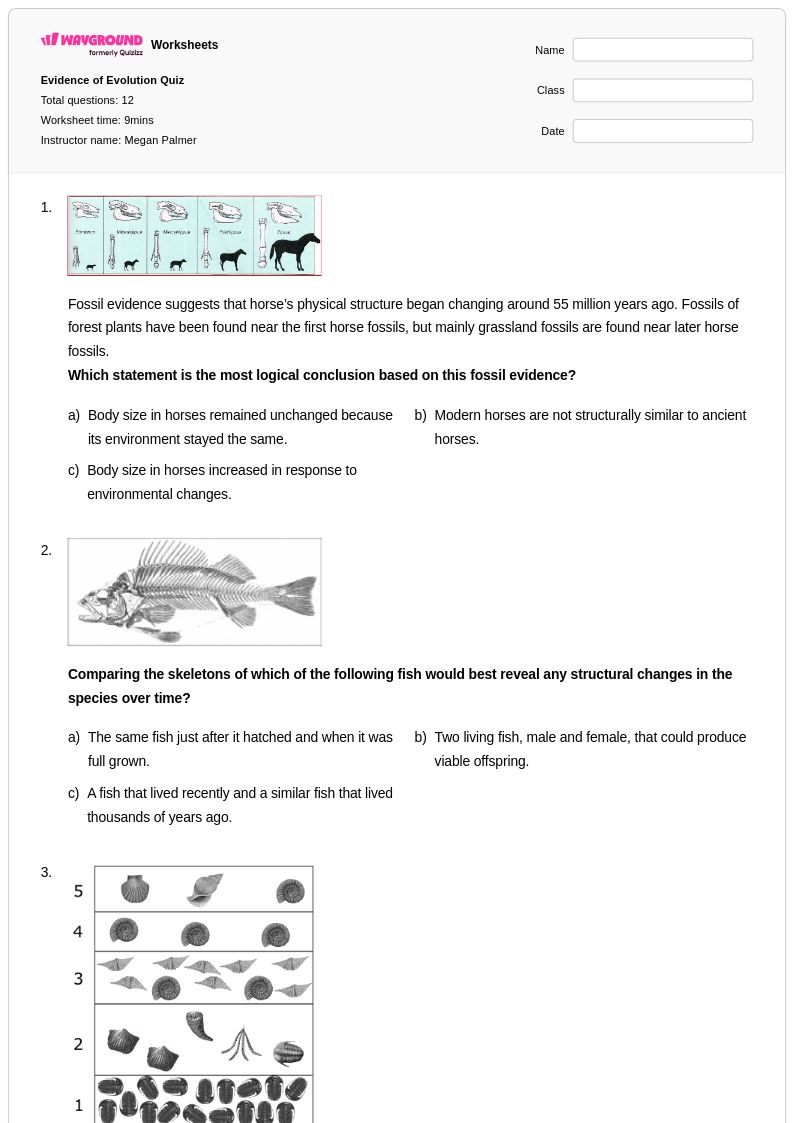
12 Q
8th

14 Q
4th
24 Q
8th
10 Q
3rd
Explore Worksheets by Subjects
Explore printable Horse Body Parts worksheets
Horse body parts worksheets through Wayground (formerly Quizizz) provide comprehensive life science resources that help students develop essential anatomical knowledge and scientific observation skills. These educational materials guide learners through detailed exploration of equine anatomy, from external features like mane, tail, hooves, and withers to internal systems including the digestive tract, respiratory system, and skeletal structure. The worksheets strengthen critical thinking abilities as students identify, label, and compare different anatomical components while building foundational vocabulary essential for veterinary science and animal biology studies. Each resource includes comprehensive answer keys and is available as free printables, making it easy for educators to incorporate hands-on practice problems that reinforce learning through visual identification exercises, anatomical diagrams, and comparative analysis activities.
Wayground (formerly Quizizz) empowers teachers with an extensive collection of millions of teacher-created horse anatomy resources that streamline lesson planning and enhance student engagement across diverse learning environments. The platform's robust search and filtering capabilities allow educators to quickly locate materials aligned with specific life science standards while accessing differentiation tools that accommodate various skill levels and learning styles. Teachers can easily customize worksheets to focus on particular anatomical systems, modify difficulty levels for remediation or enrichment purposes, and choose between printable pdf formats for traditional classroom use or digital versions for interactive learning experiences. This flexibility supports comprehensive skill practice opportunities, enabling educators to address individual student needs while maintaining curriculum alignment and providing consistent, high-quality anatomical education that builds students' understanding of animal biology and scientific terminology.
FAQs
How do I teach horse body parts to students?
What exercises help students practice identifying horse body parts?
What mistakes do students commonly make when learning equine anatomy?
How can I differentiate horse body parts instruction for different skill levels?
How do I use Wayground's horse body parts worksheets in my classroom?