
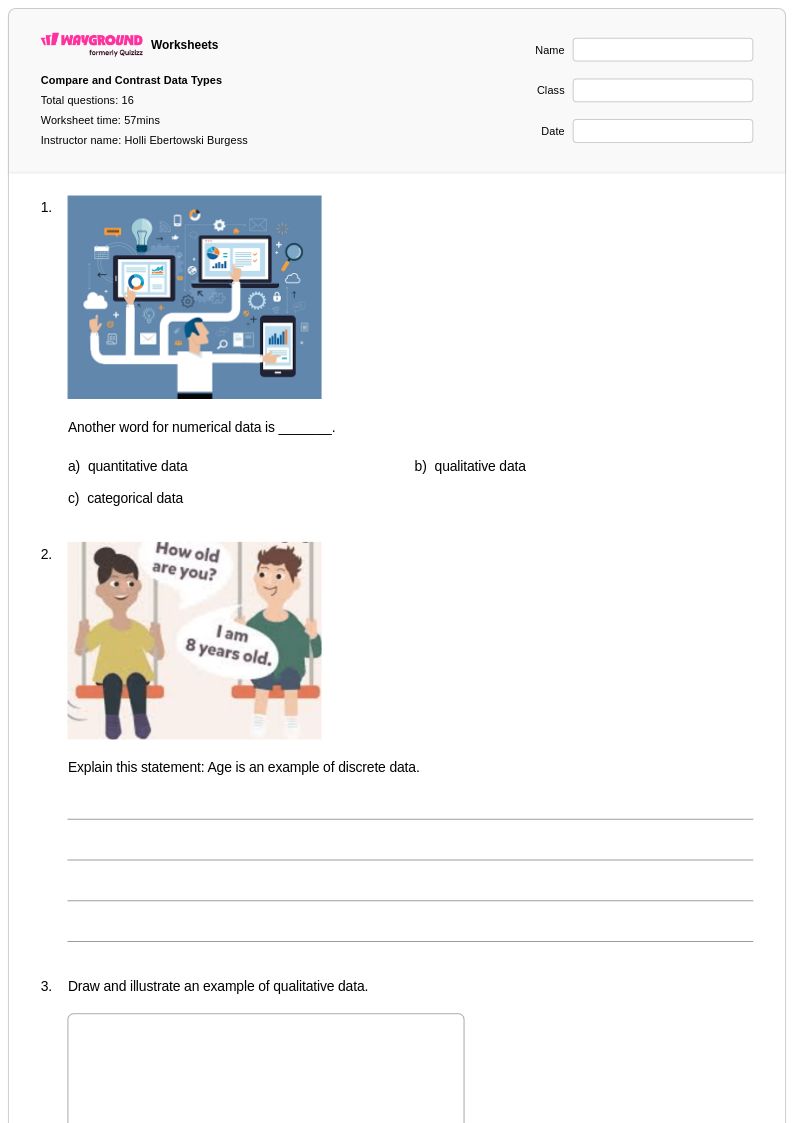
16 Q
3rd - 5th
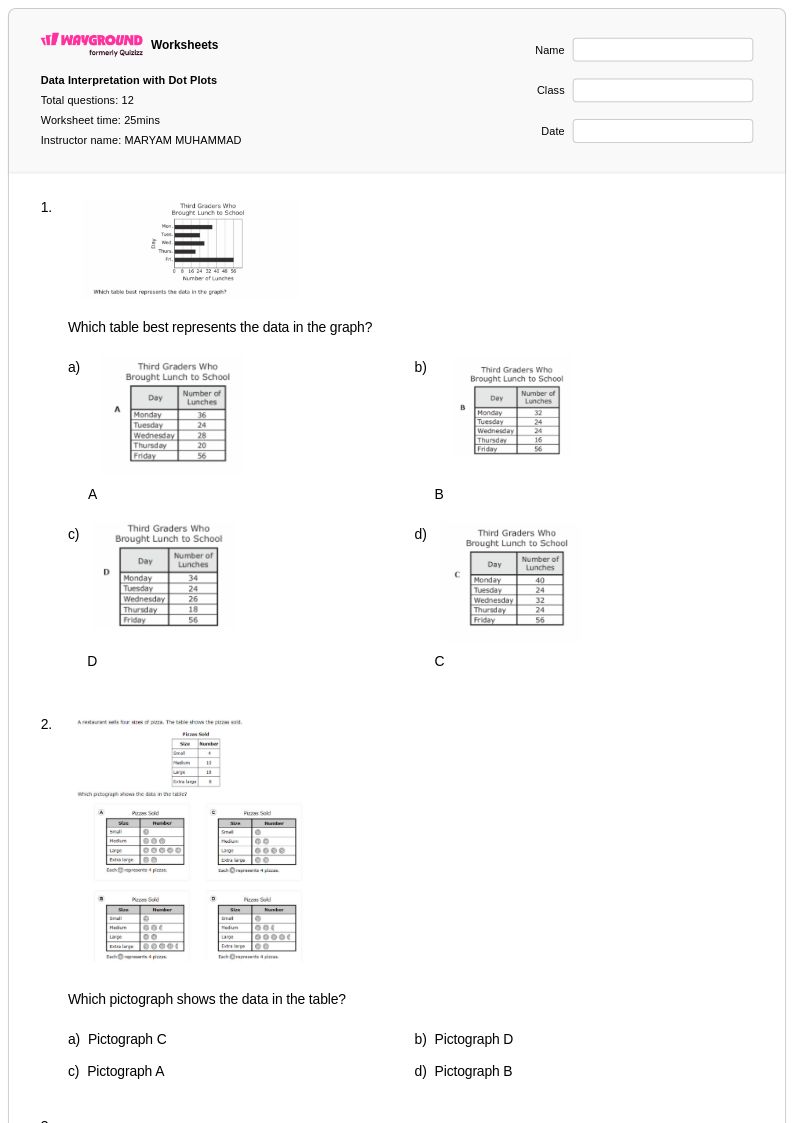
12 Q
3rd
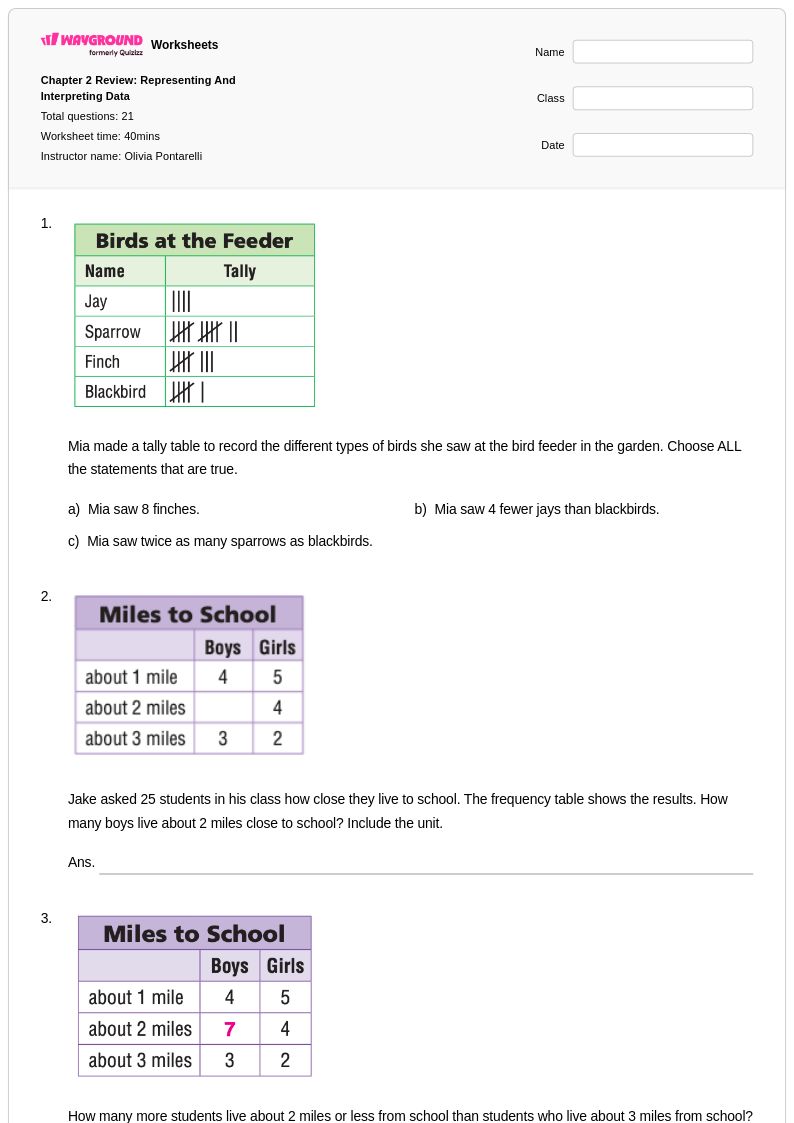
21 Q
3rd
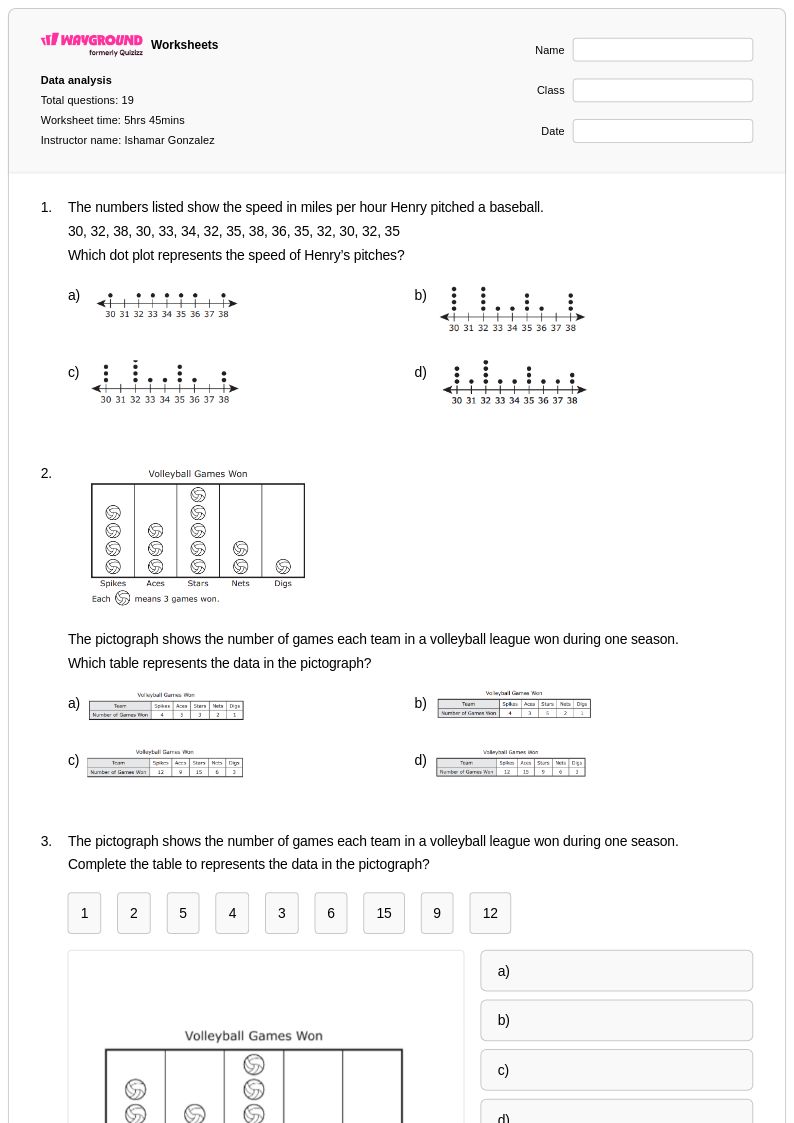
19 Q
3rd
20 Q
3rd - 4th
15 Q
3rd - 4th
15 Q
1st - 5th
10 Q
3rd - 6th
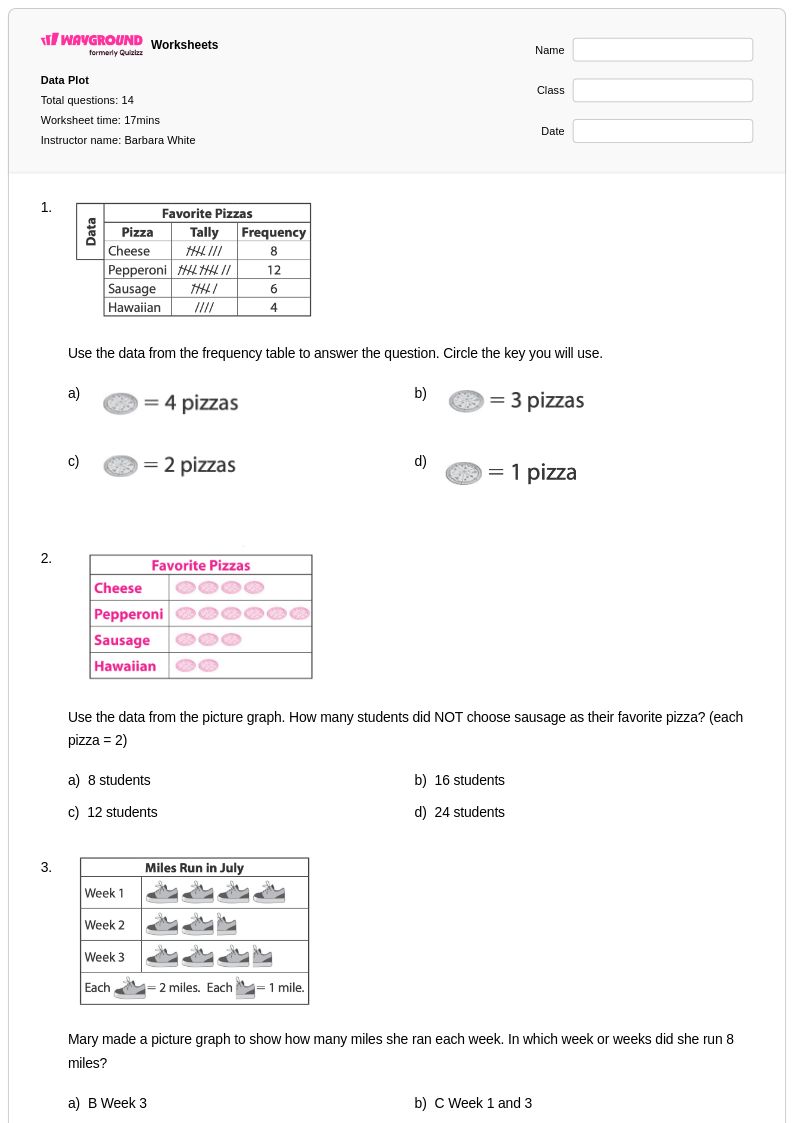
14 Q
3rd
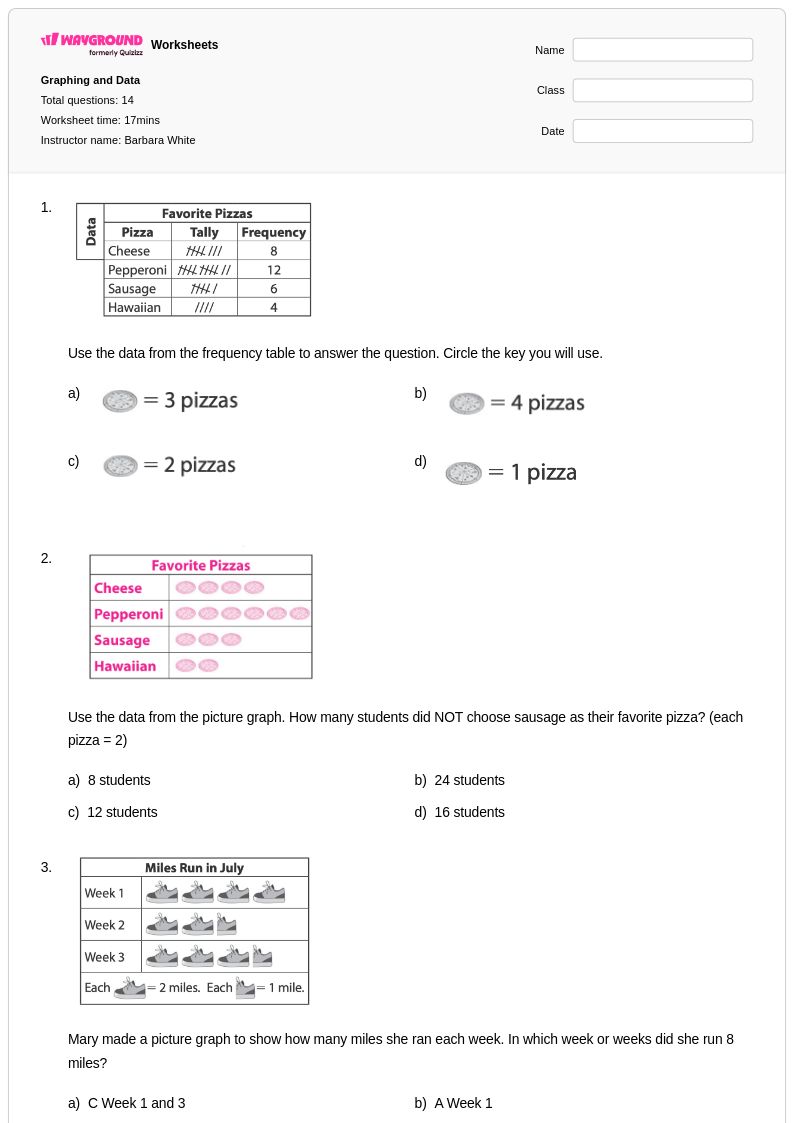
14 Q
3rd
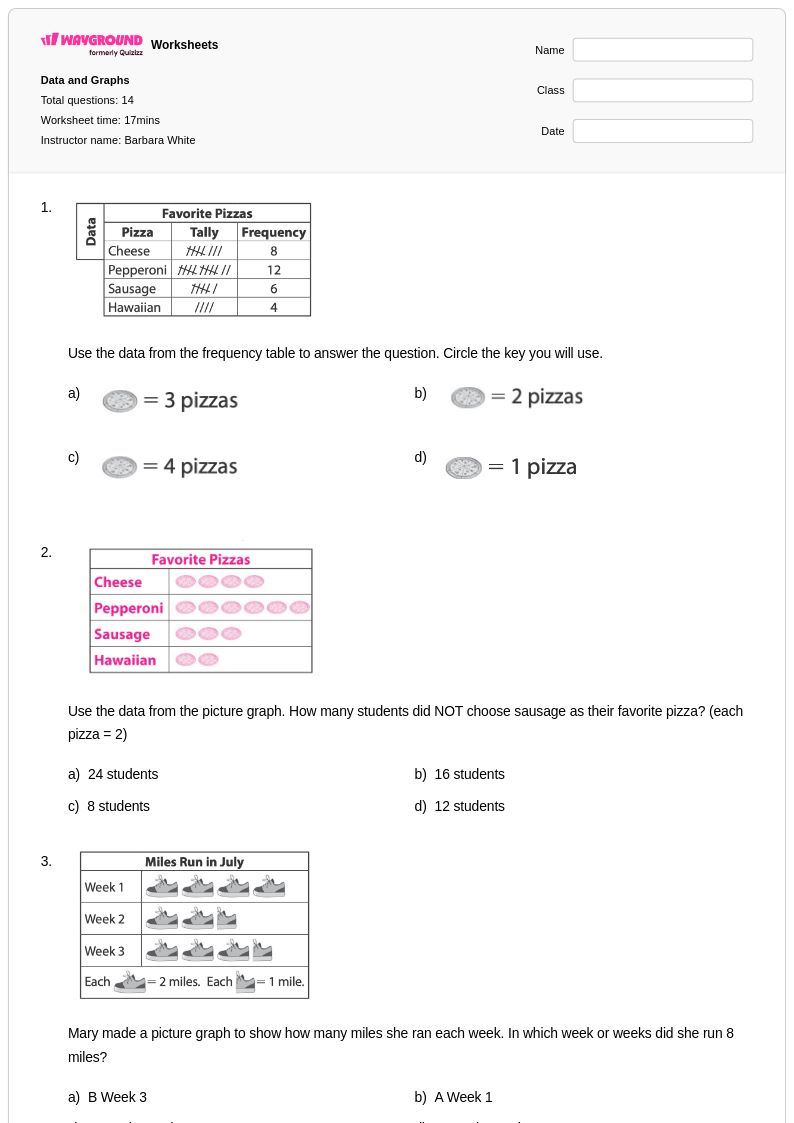
14 Q
3rd
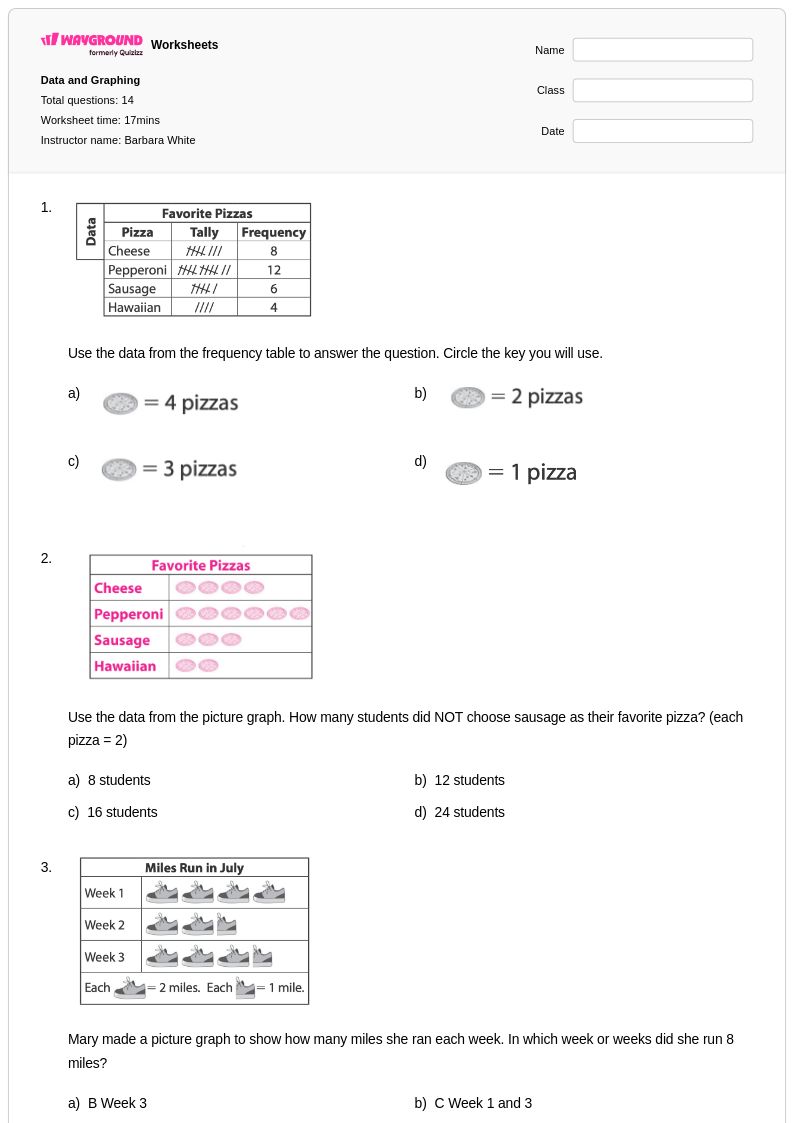
14 Q
3rd
10 Q
3rd
12 Q
3rd
16 Q
3rd

20 Q
3rd
15 Q
3rd
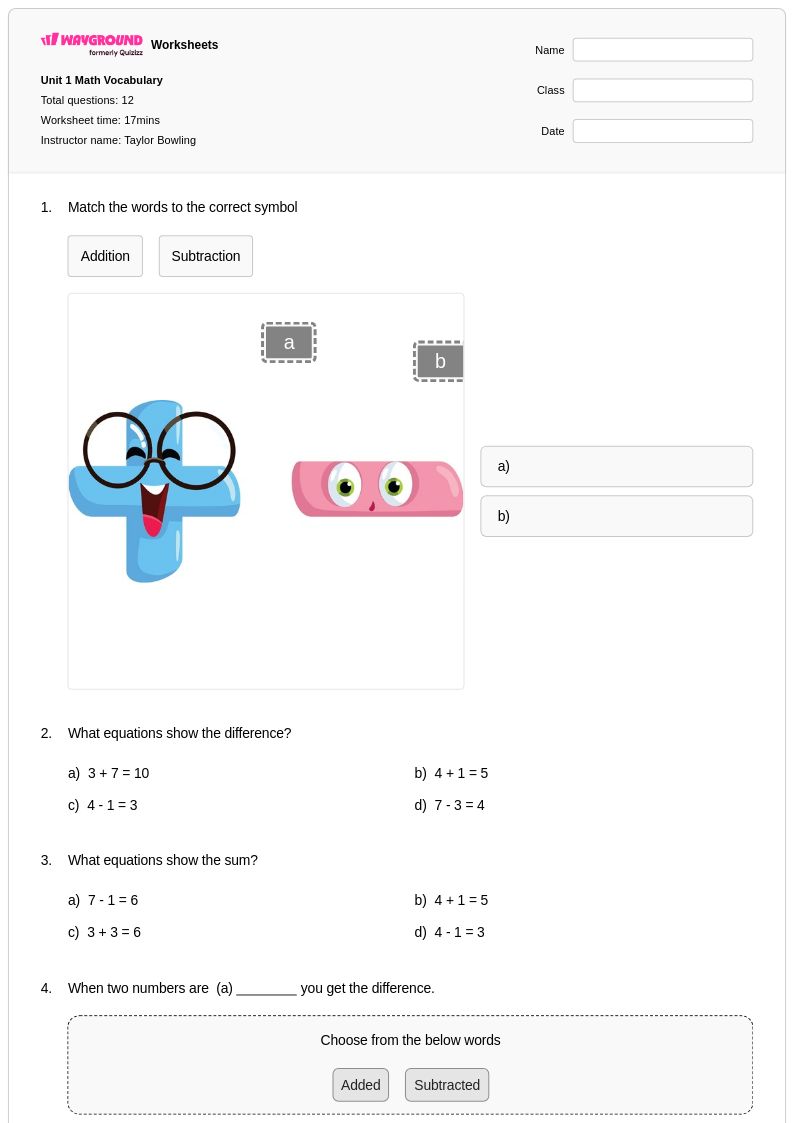
12 Q
1st - Uni
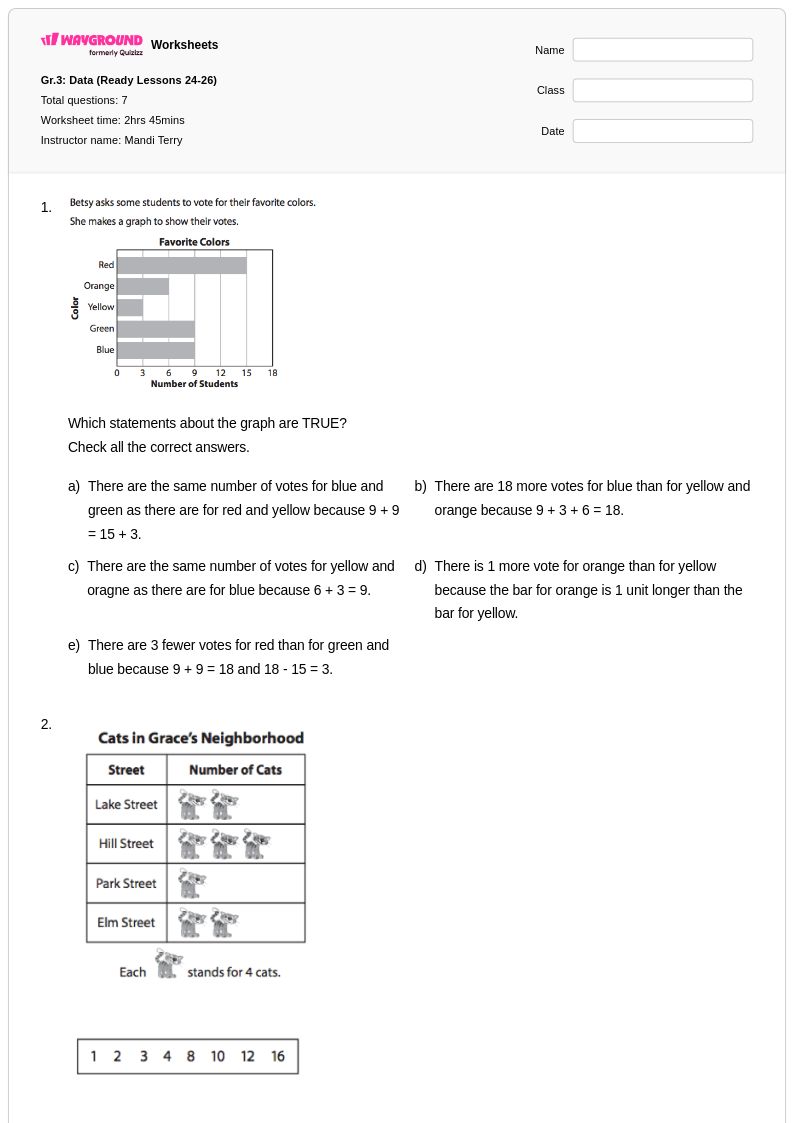
7 Q
3rd
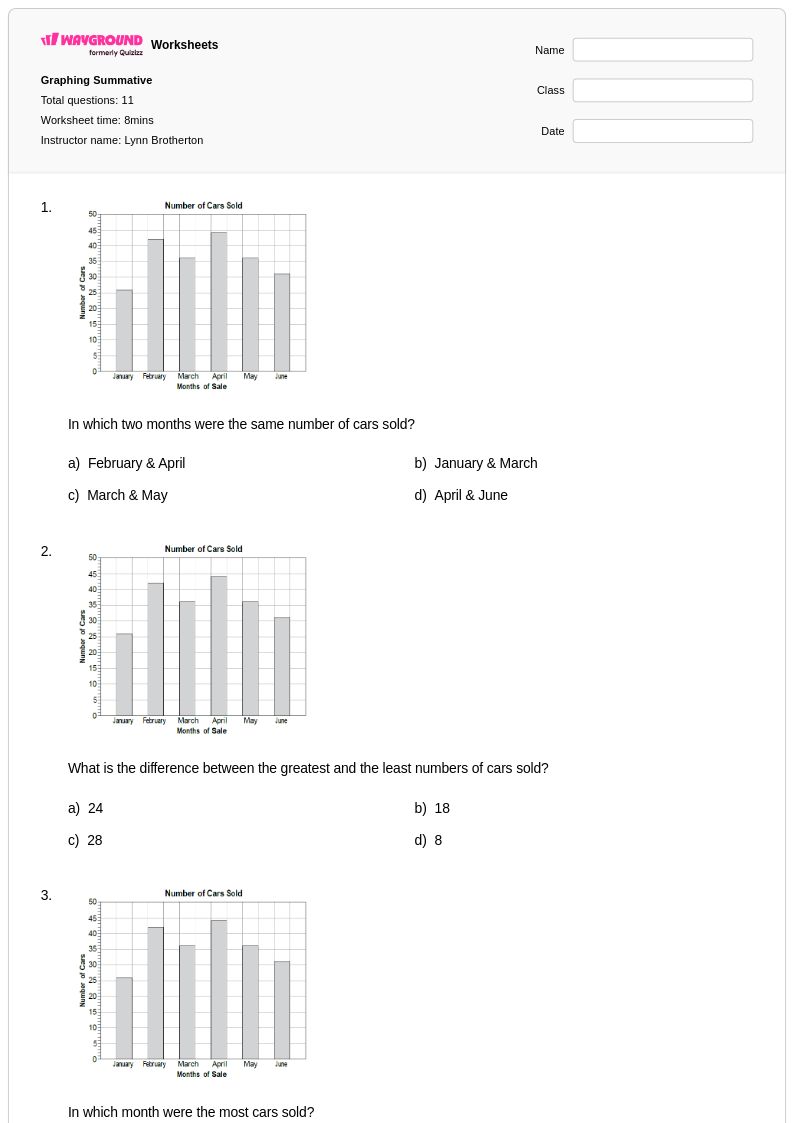
11 Q
3rd
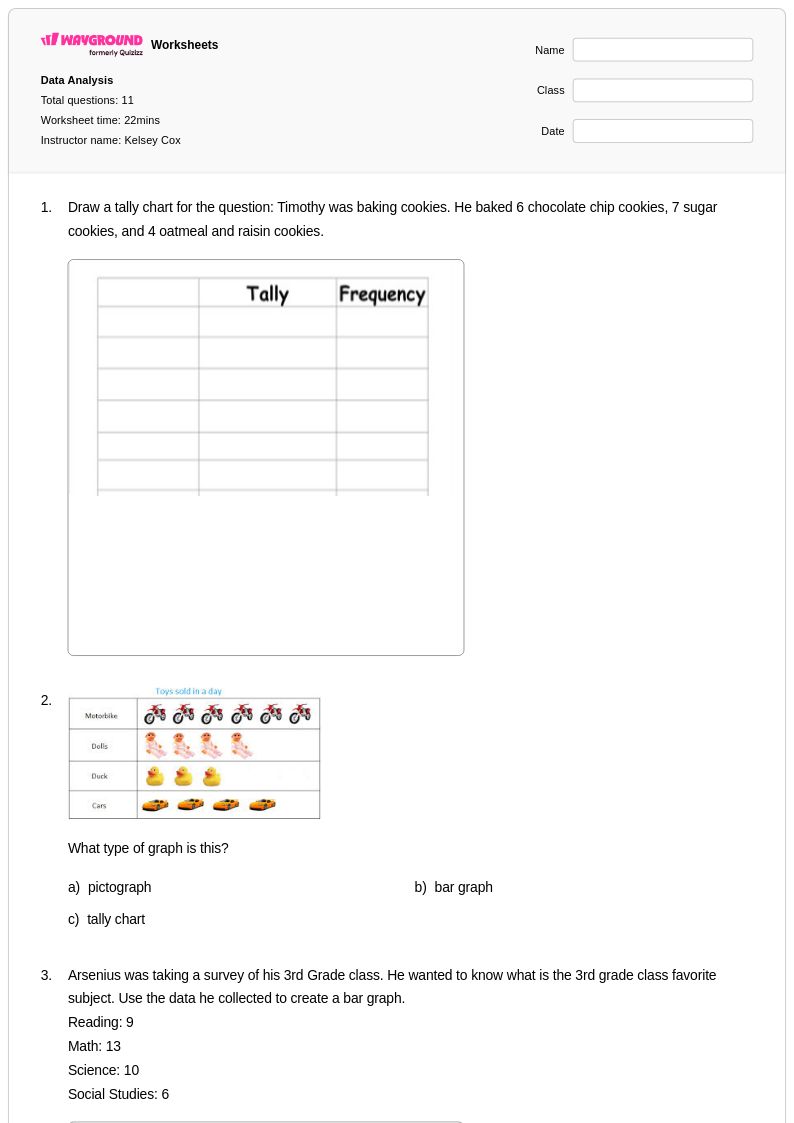
11 Q
3rd
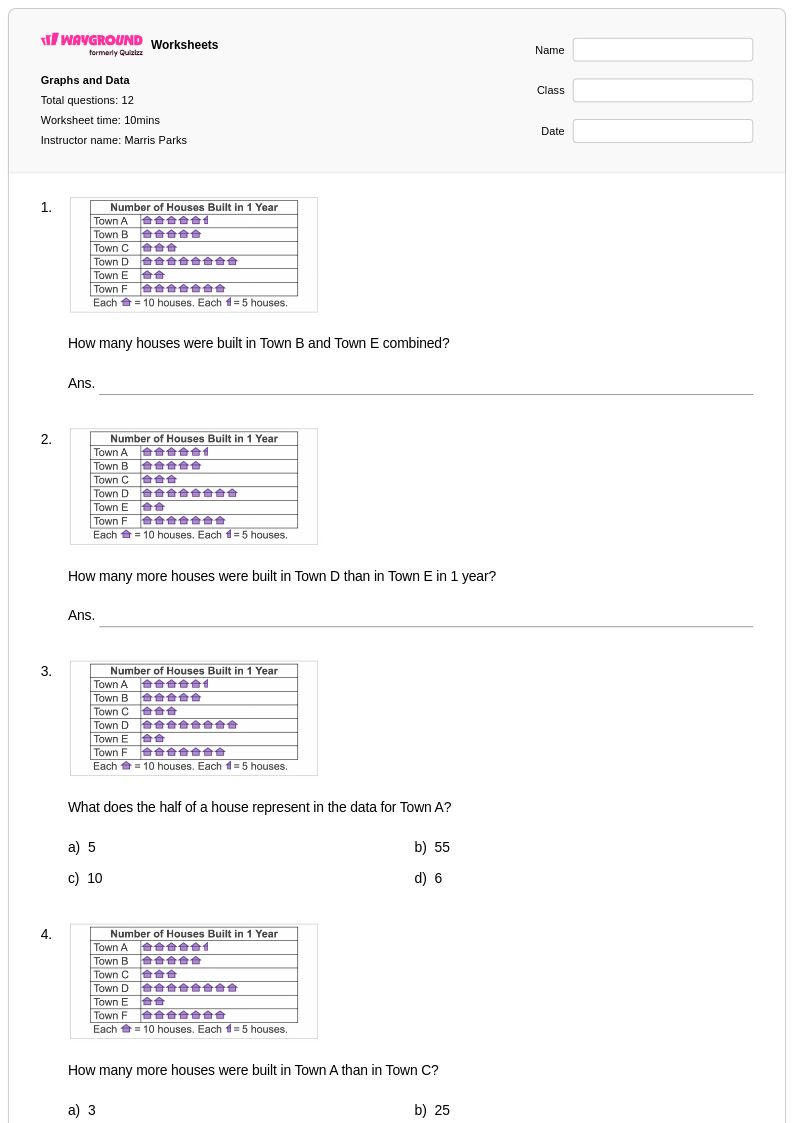
12 Q
3rd
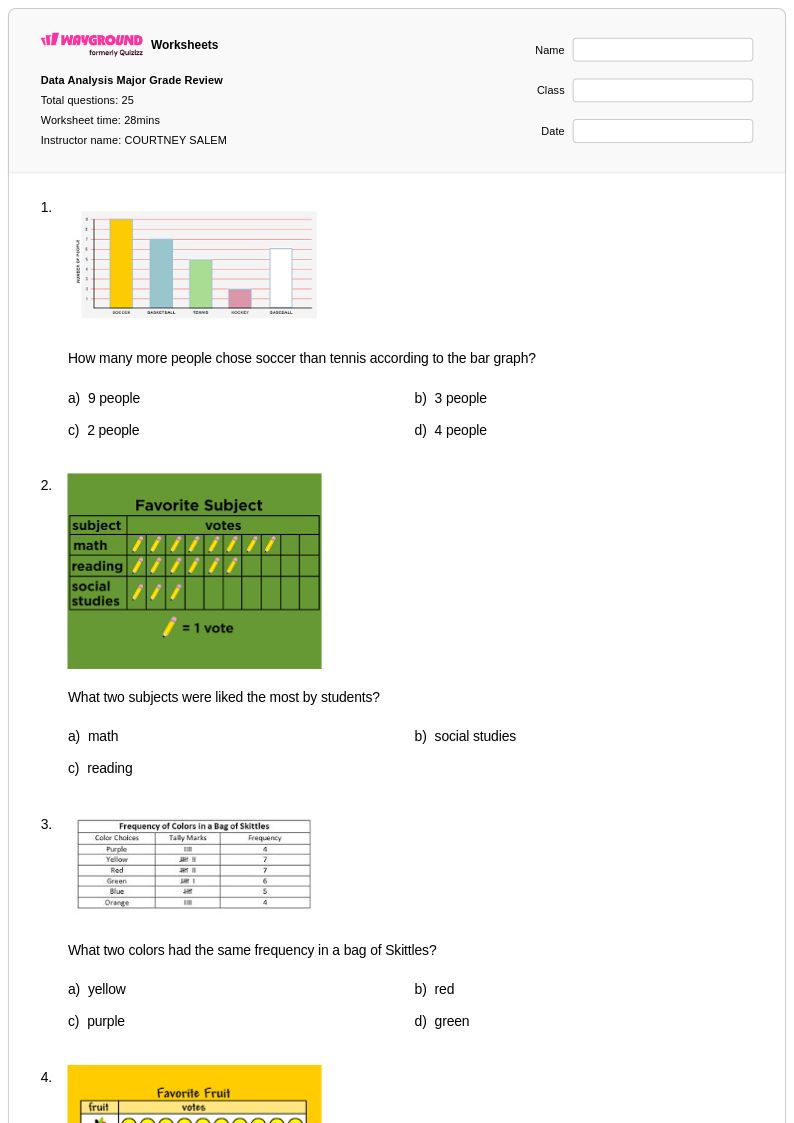
25 Q
3rd
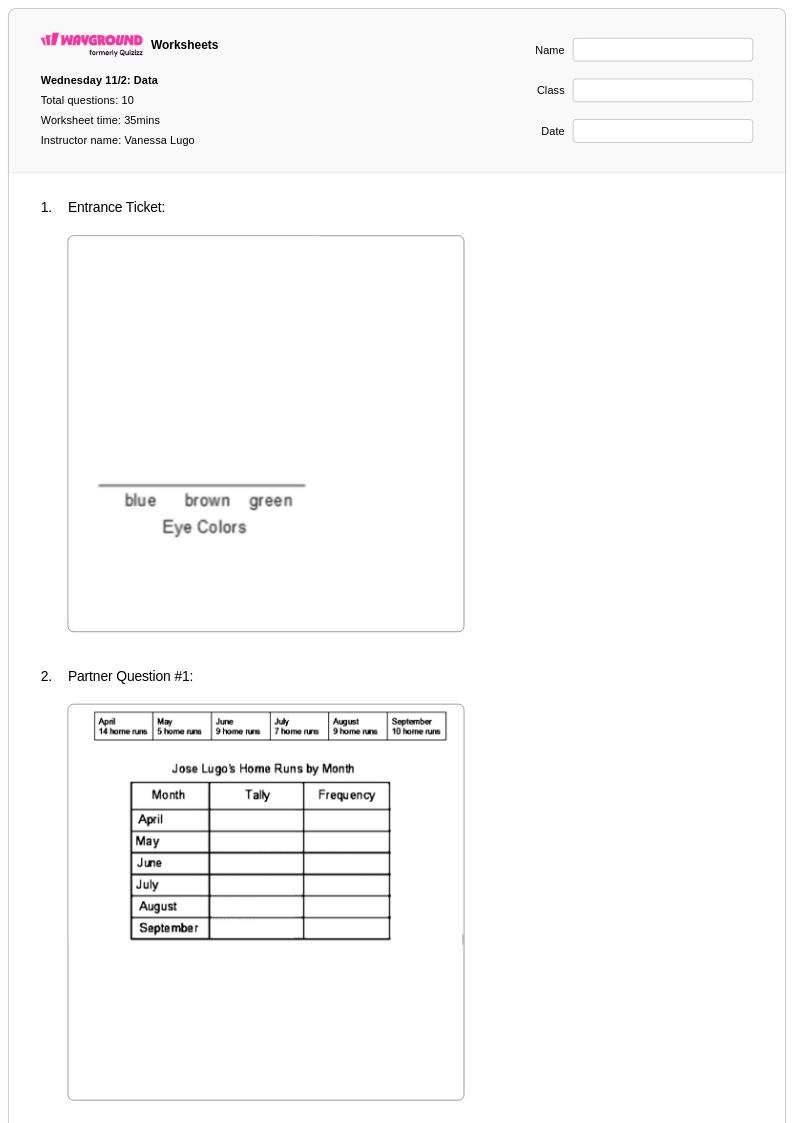
10 Q
3rd
Explore Qualitative Vs Quantitative Data Worksheets by Grades
Explore Other Subject Worksheets for class 3
Explore printable Qualitative Vs Quantitative Data worksheets for Class 3
Qualitative versus quantitative data worksheets for Class 3 students available through Wayground (formerly Quizizz) provide essential foundational practice in distinguishing between different types of data collection and analysis. These comprehensive worksheets guide young learners through identifying qualitative data that describes characteristics and qualities, such as favorite colors or types of pets, versus quantitative data that involves measurable numbers, like heights or ages. Each worksheet strengthens critical thinking skills by presenting real-world scenarios where students must categorize information appropriately, building their mathematical reasoning abilities through engaging practice problems. The collection includes detailed answer keys and free printable resources in convenient pdf formats, allowing educators to seamlessly integrate data literacy concepts into their mathematics curriculum while providing students with hands-on experience in data classification fundamentals.
Wayground (formerly Quizizz) empowers educators with millions of teacher-created resources specifically designed to support Class 3 data and graphing instruction, featuring robust search and filtering capabilities that help teachers locate precisely the right qualitative versus quantitative data materials for their classroom needs. The platform's standards-aligned worksheet collections offer exceptional differentiation tools, enabling teachers to customize content difficulty levels and select from both printable pdf versions and interactive digital formats to accommodate diverse learning preferences and technological capabilities. These flexible resources prove invaluable for lesson planning, targeted skill remediation, and enrichment activities, as teachers can easily modify worksheets to address individual student needs while maintaining consistent focus on the critical mathematical concept of distinguishing between descriptive and numerical data types that form the cornerstone of elementary statistical understanding.
FAQs
Why do 3rd graders learn about qualitative and quantitative data?
What's a good way to introduce this concept to 3rd graders?
What kind of practice is best for 3rd graders?
What's a common point of confusion for this age group?
How do I use this 3rd-grade worksheet?