
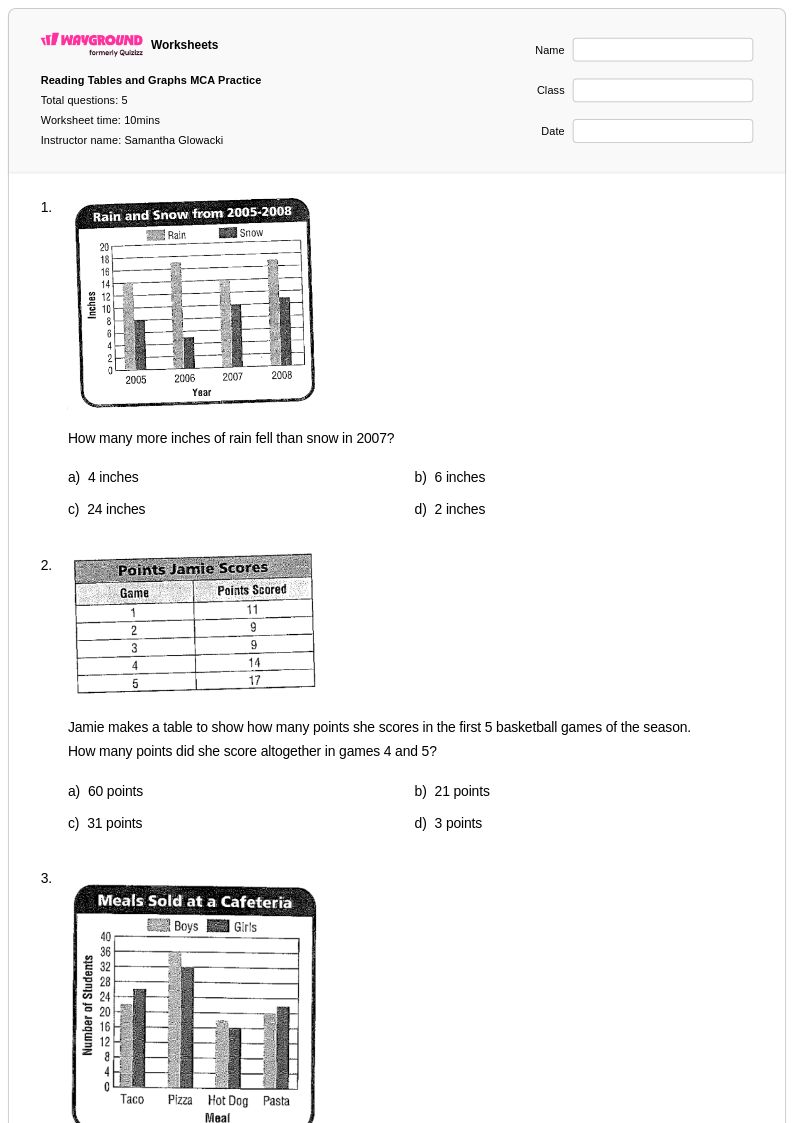
5 Q
5th
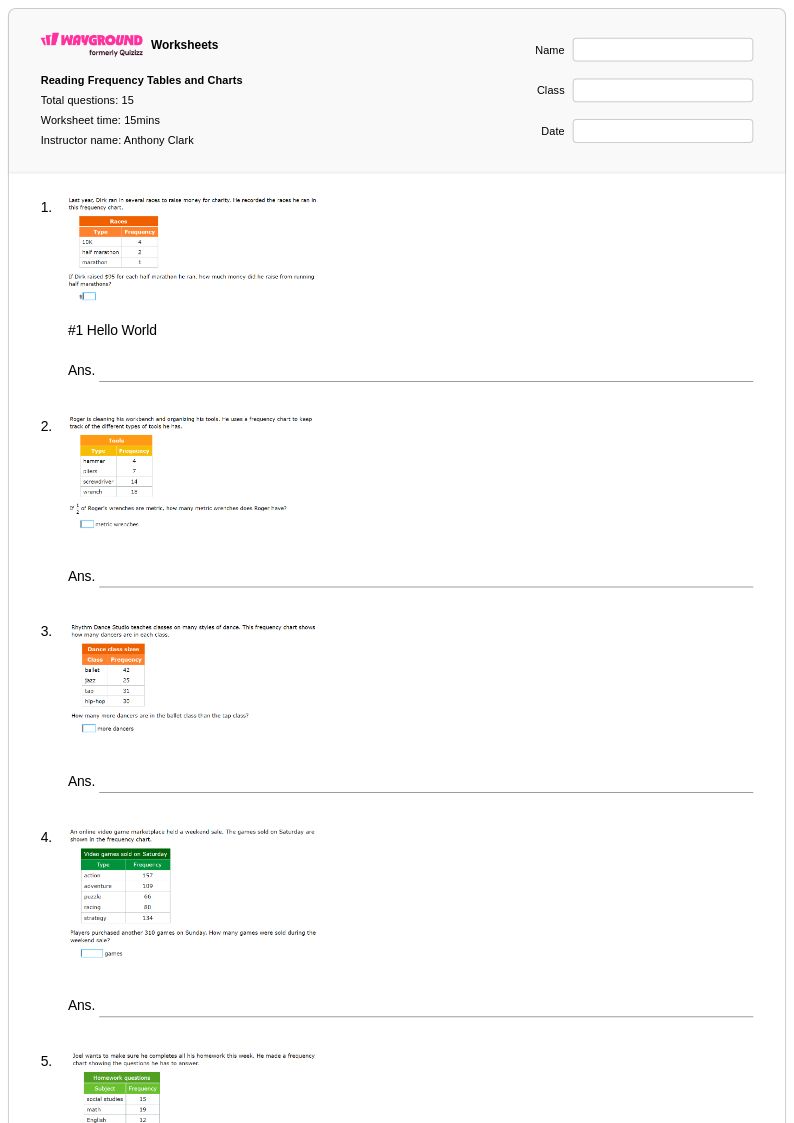
15 Q
5th - Uni
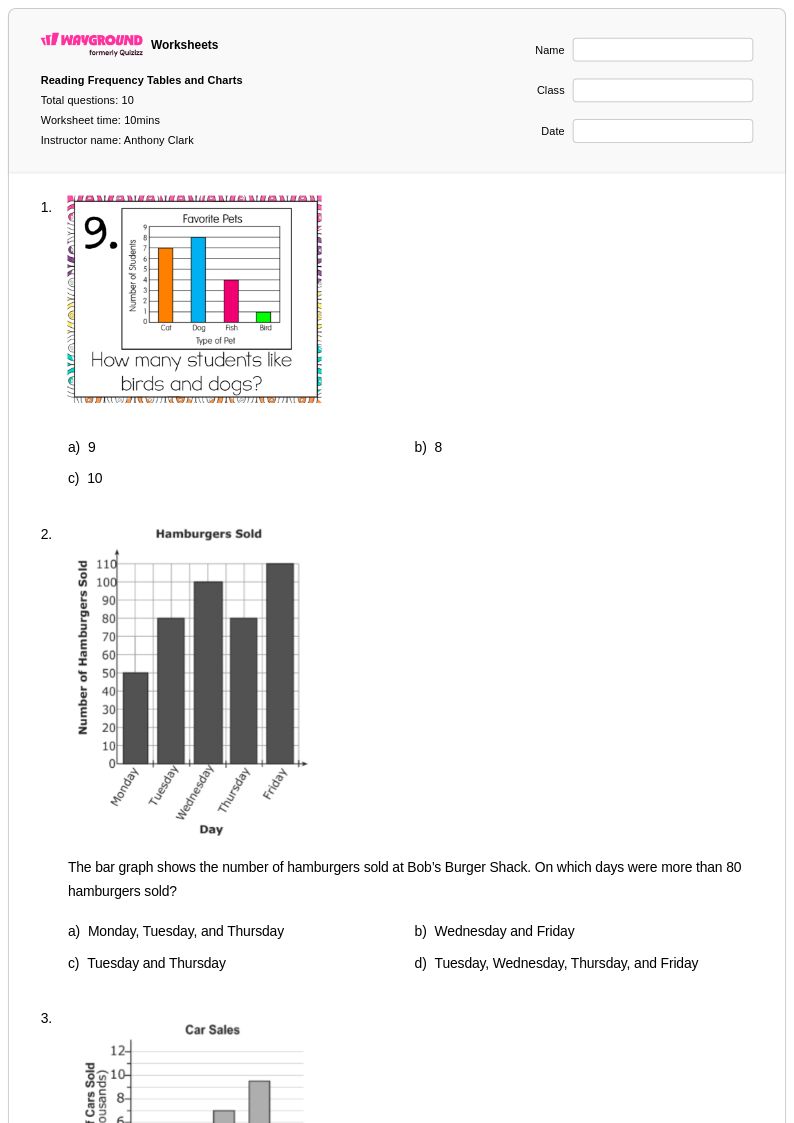
10 Q
5th - Uni
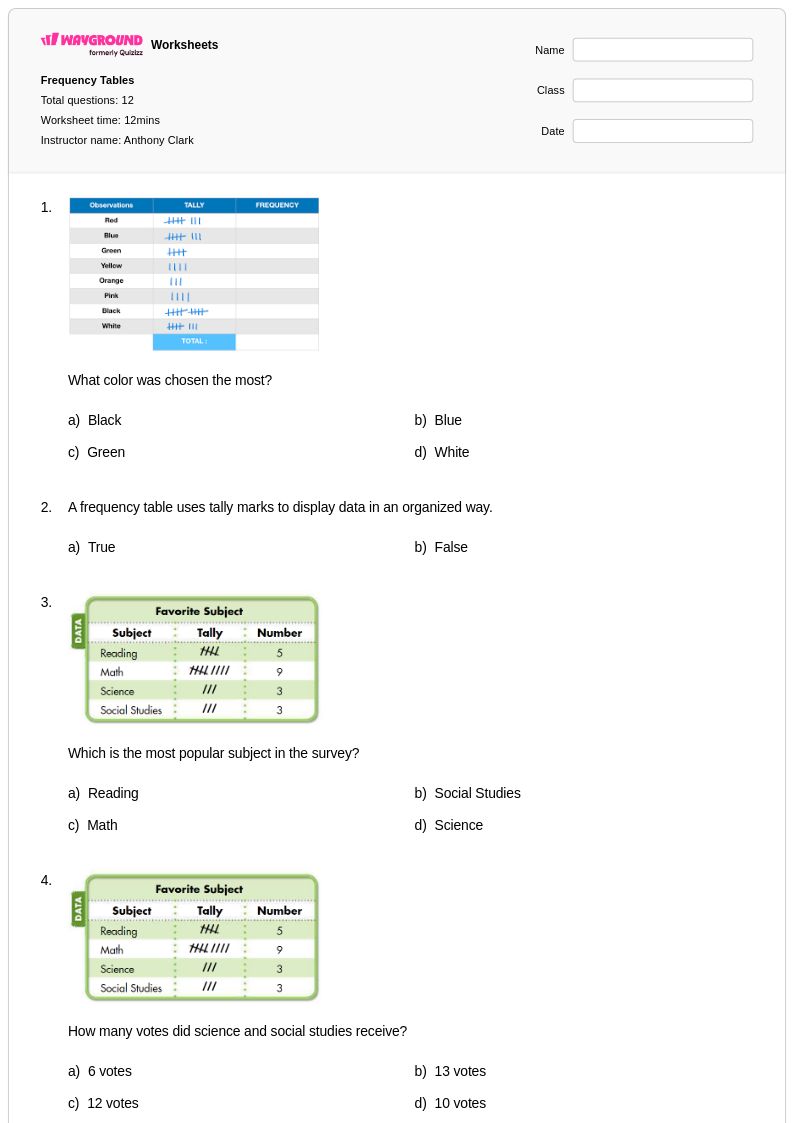
12 Q
4th - Uni
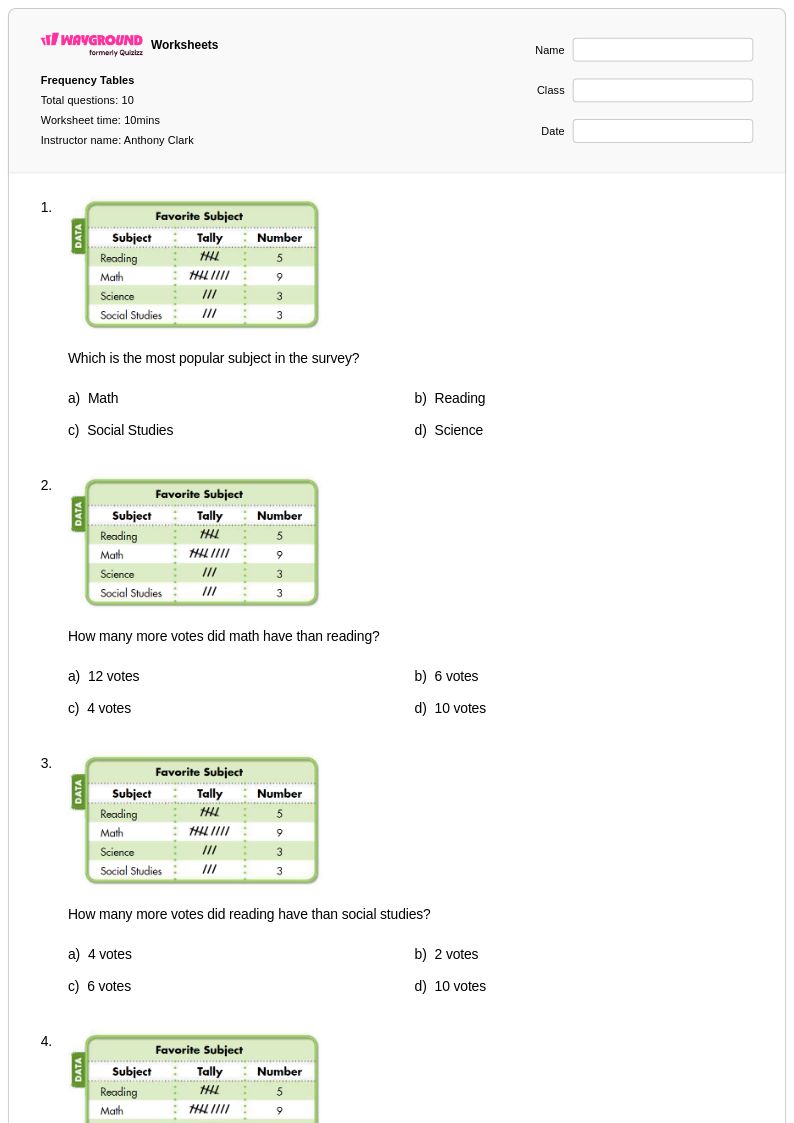
10 Q
5th - Uni
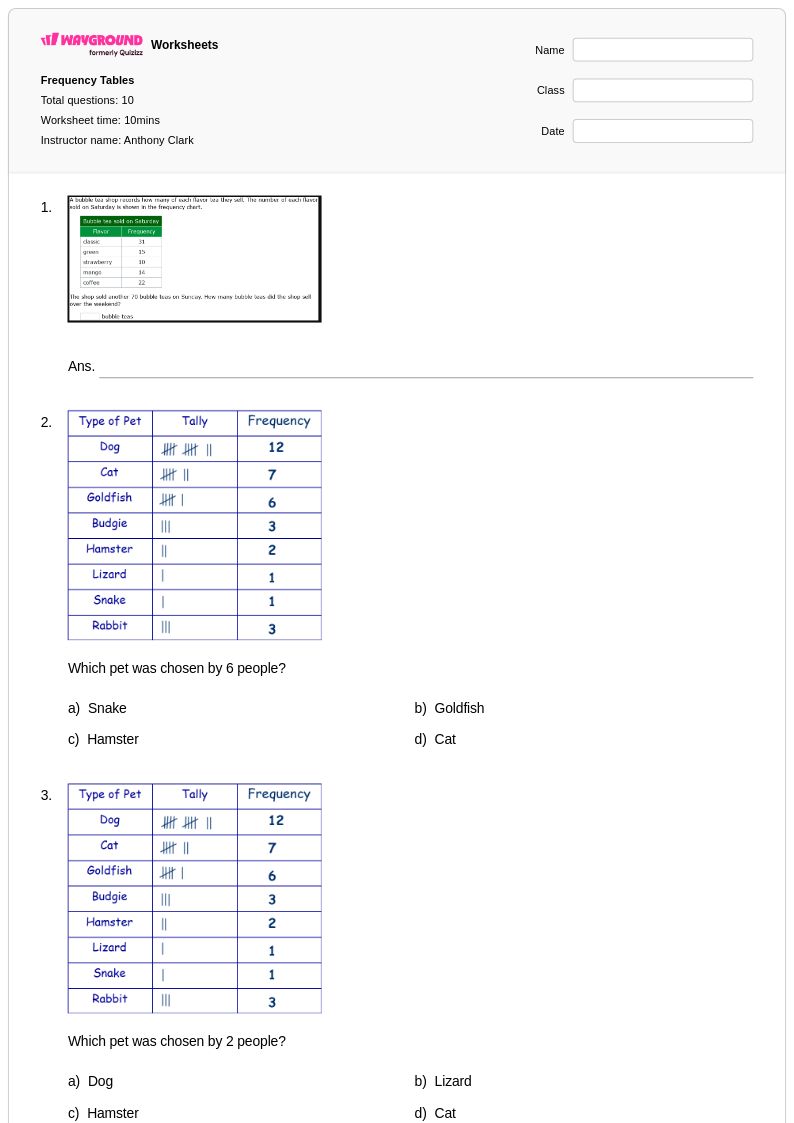
10 Q
5th - Uni
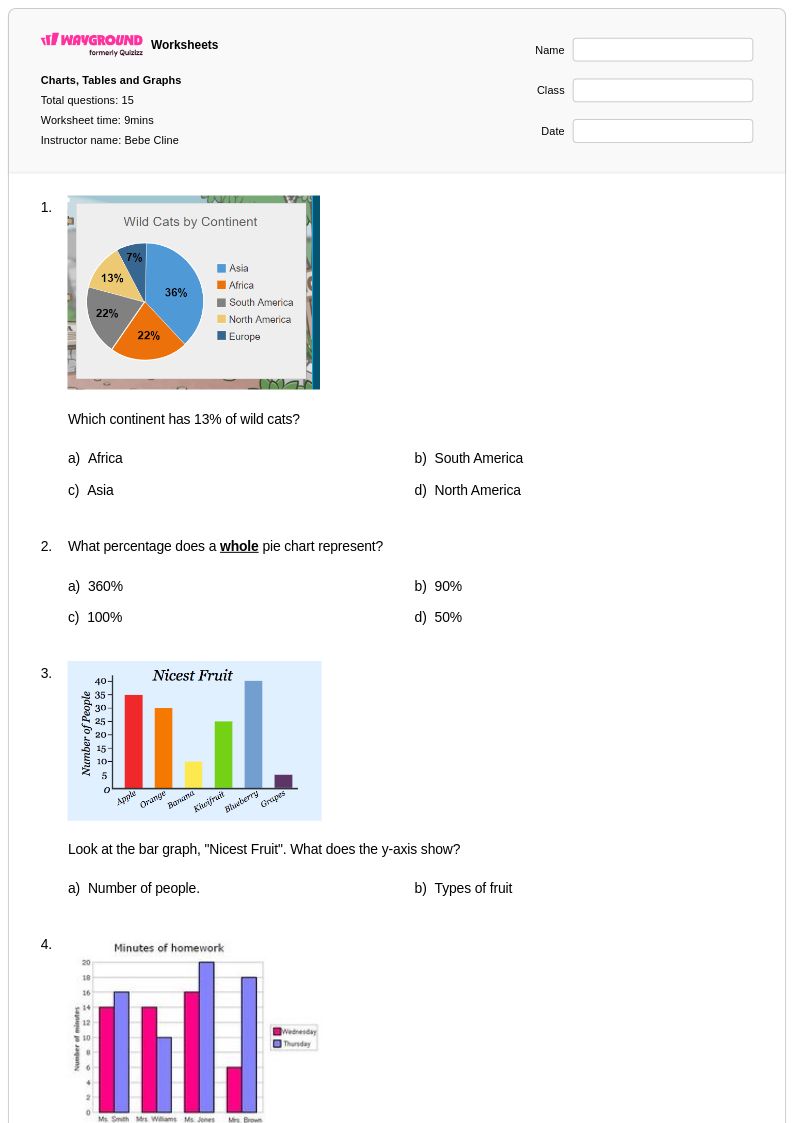
15 Q
5th
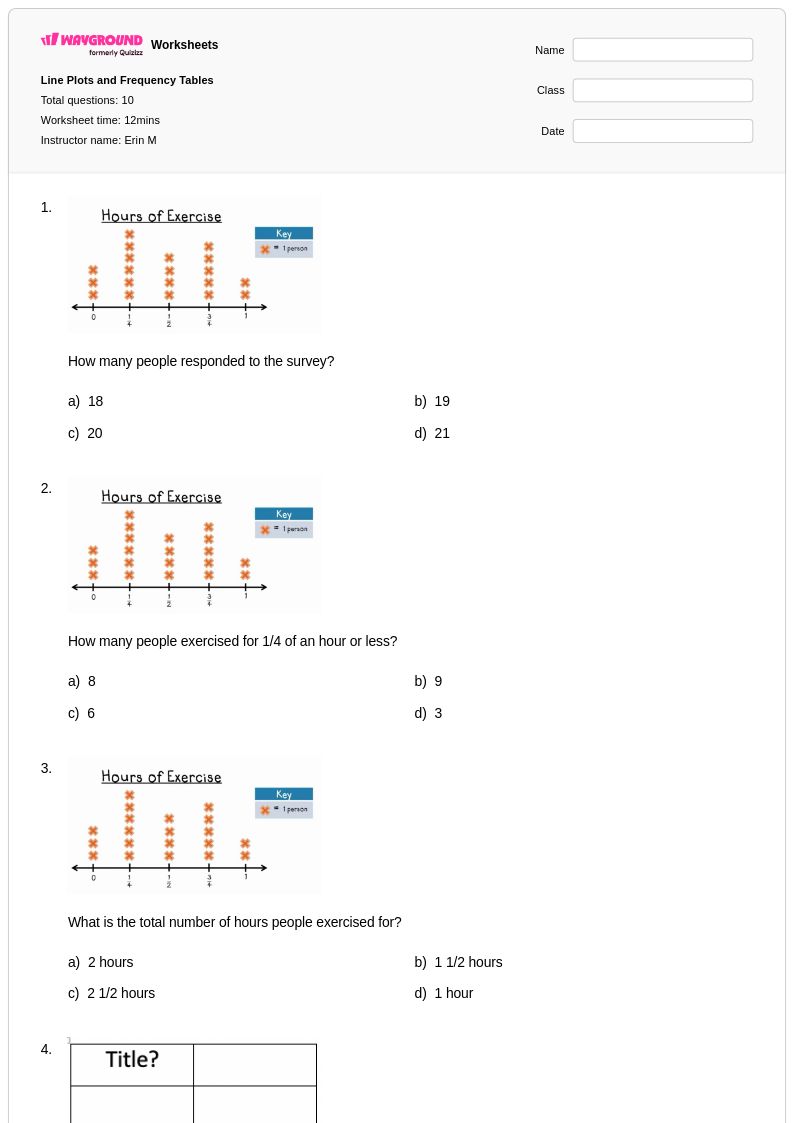
10 Q
5th
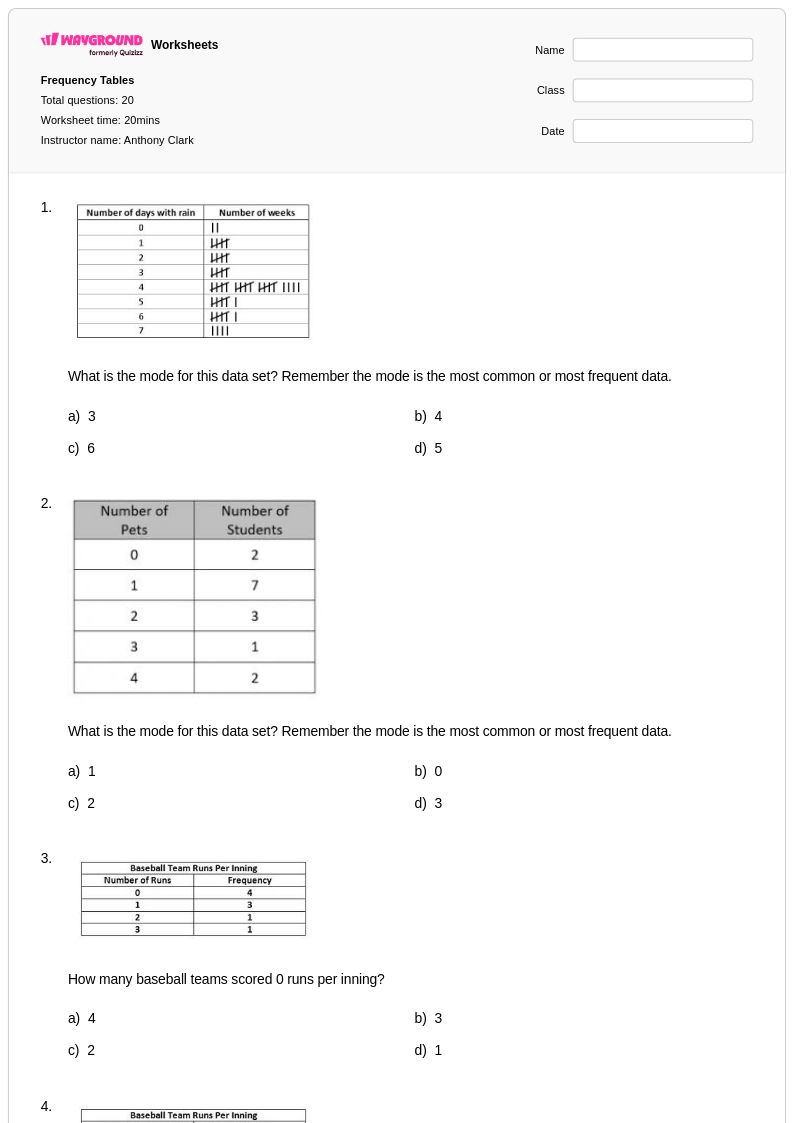
20 Q
5th - Uni
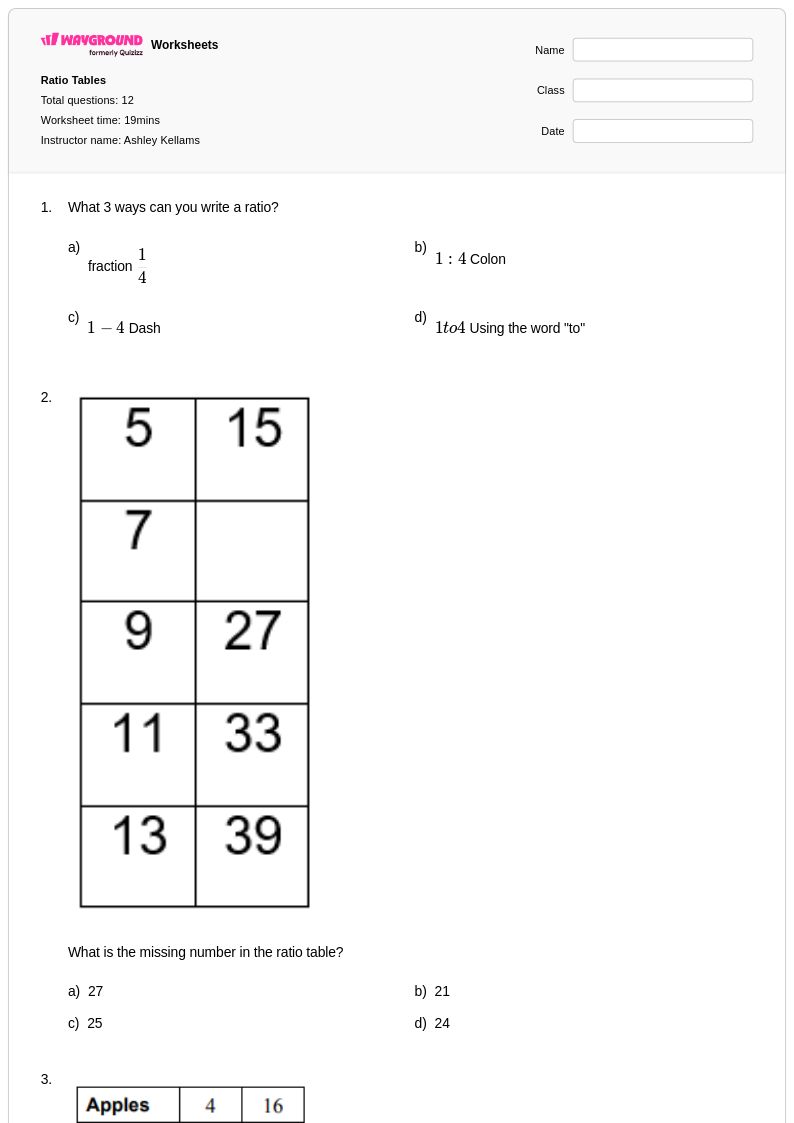
12 Q
5th - 6th
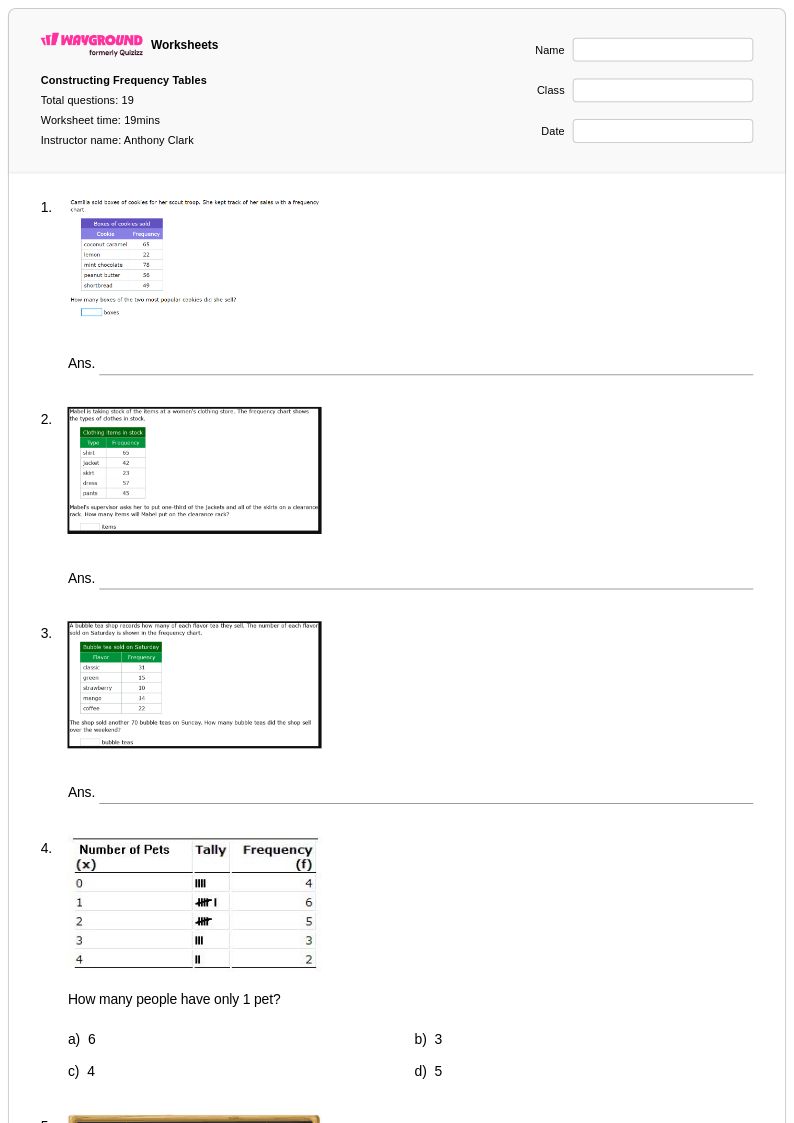
19 Q
5th - Uni
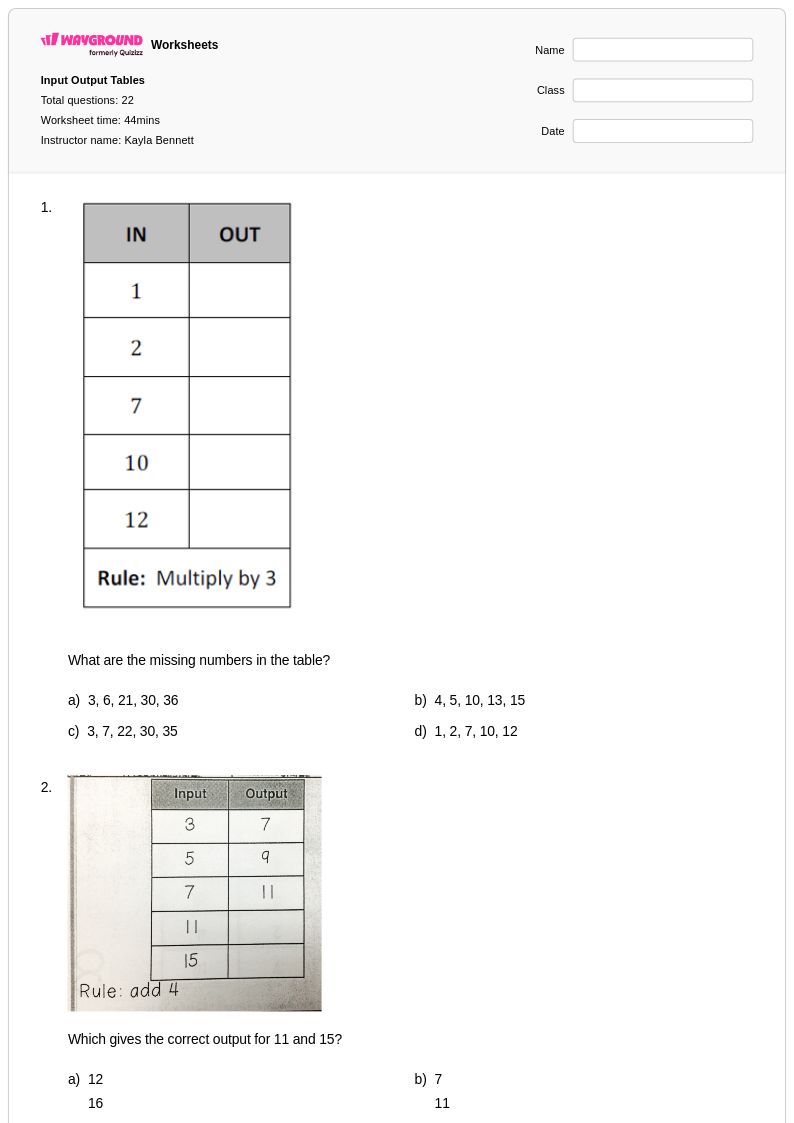
22 Q
5th
20 Q
5th - Uni
11 Q
5th - Uni
20 Q
5th - Uni
16 Q
5th
20 Q
4th - Uni
20 Q
4th - Uni
20 Q
2nd - Uni
13 Q
5th - 9th
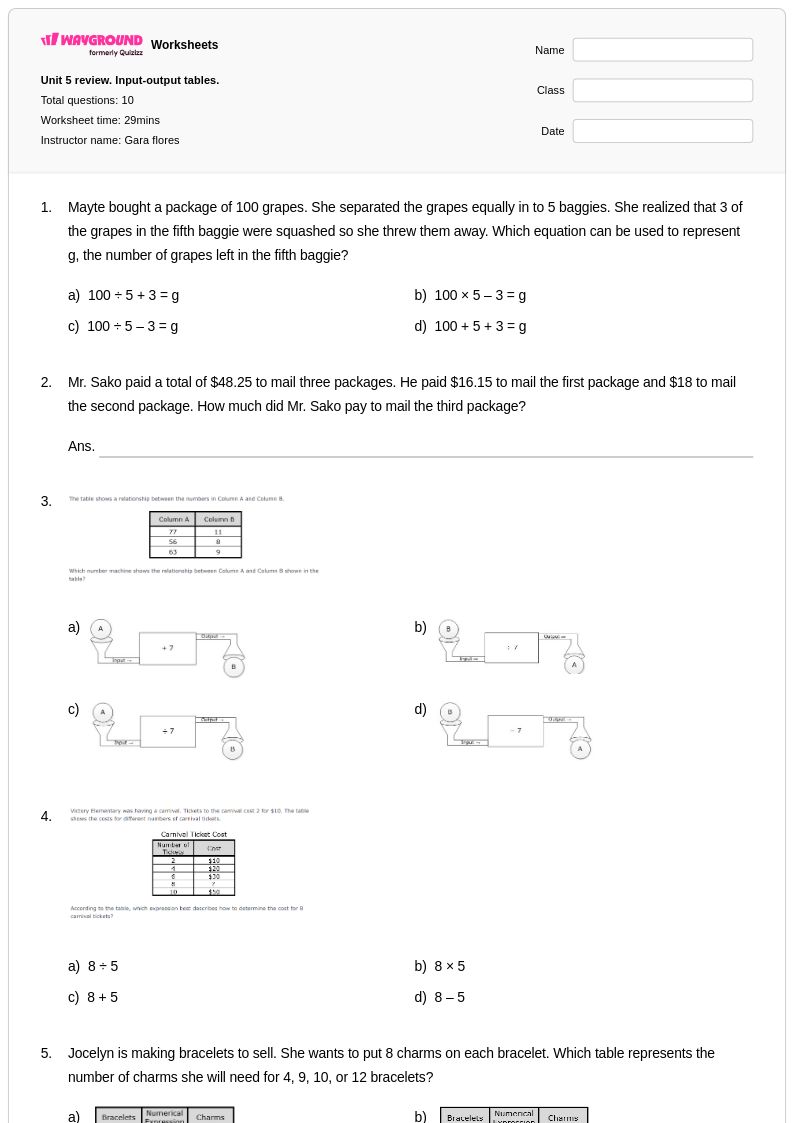
10 Q
3rd - 5th
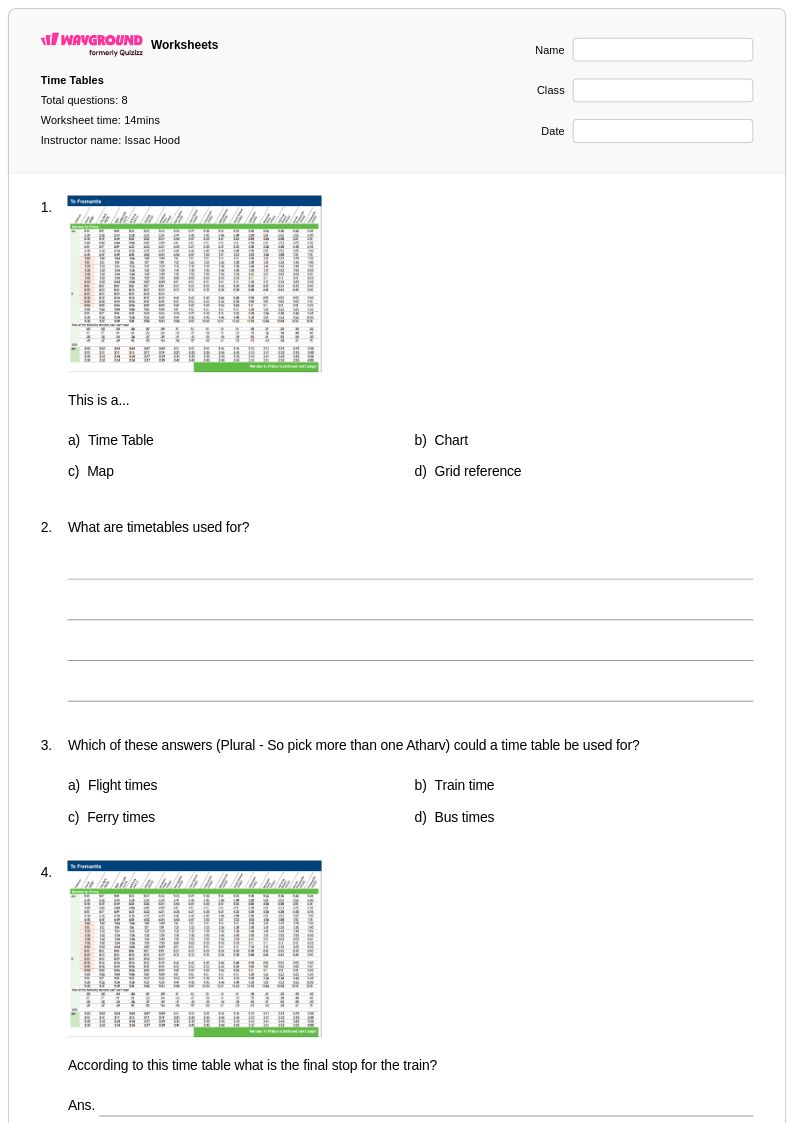
8 Q
5th
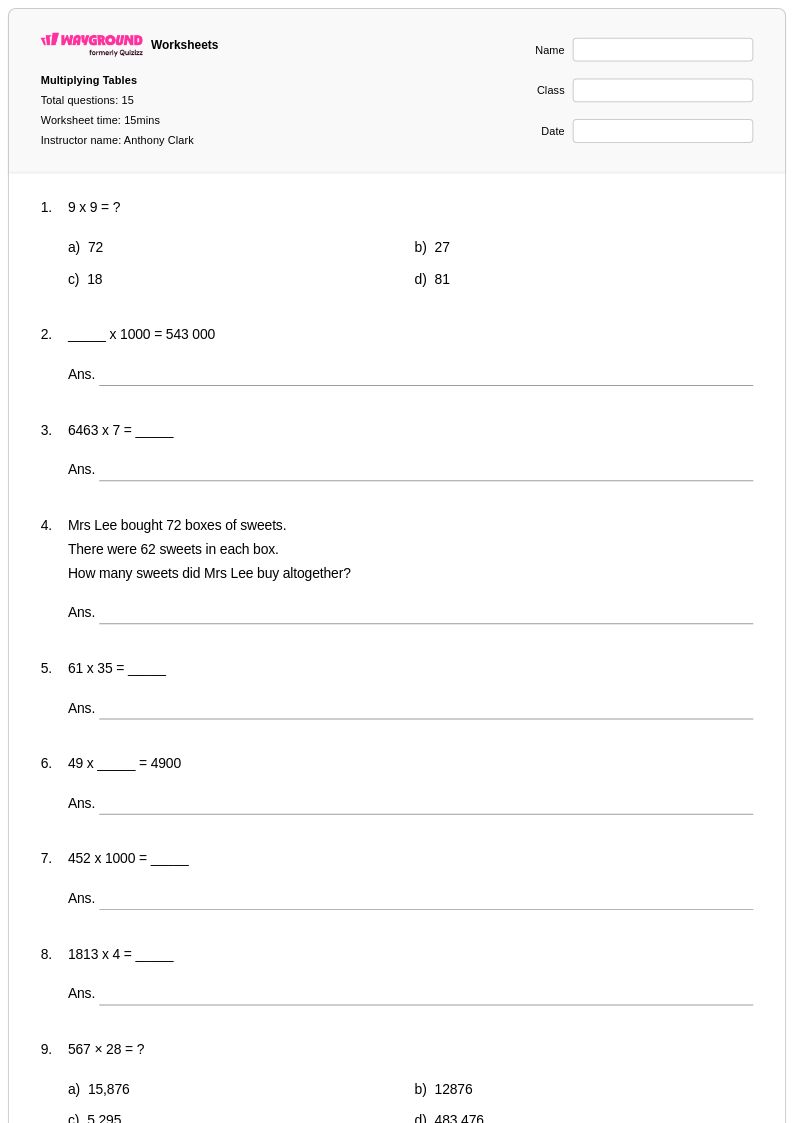
15 Q
5th - Uni
Explore Other Subject Worksheets for class 5
Explore printable Reading Tables worksheets for Class 5
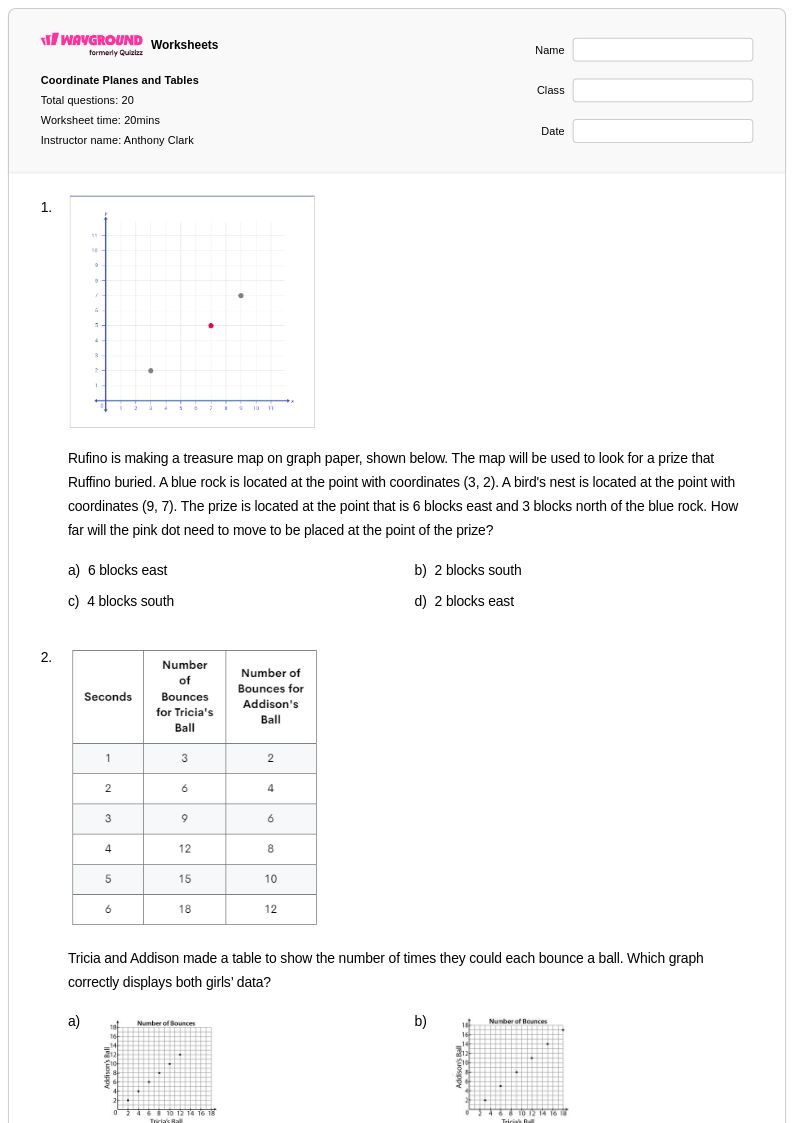
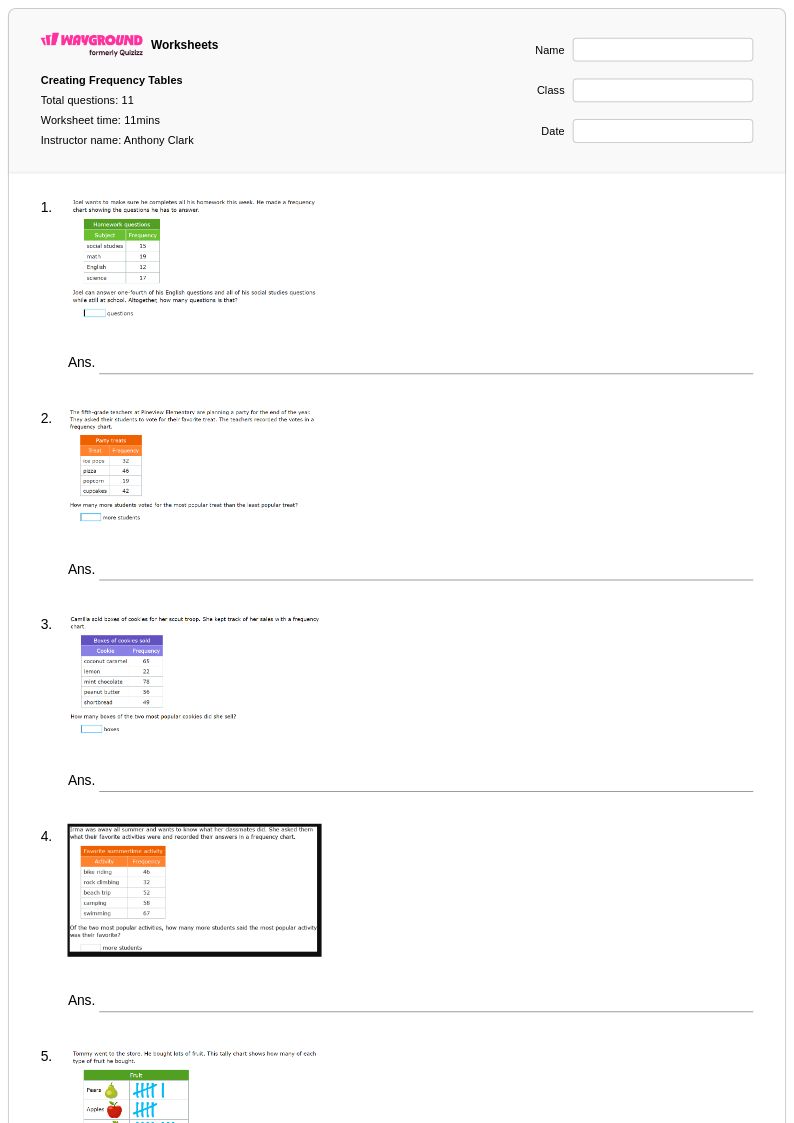
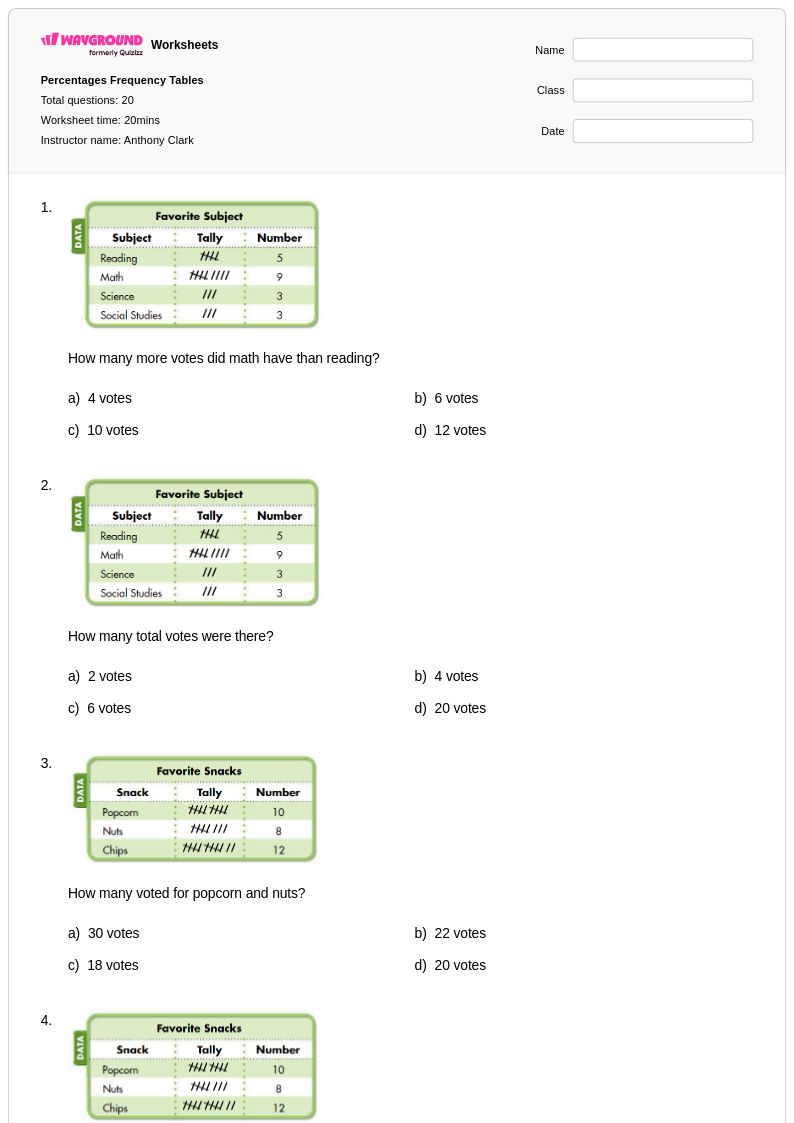
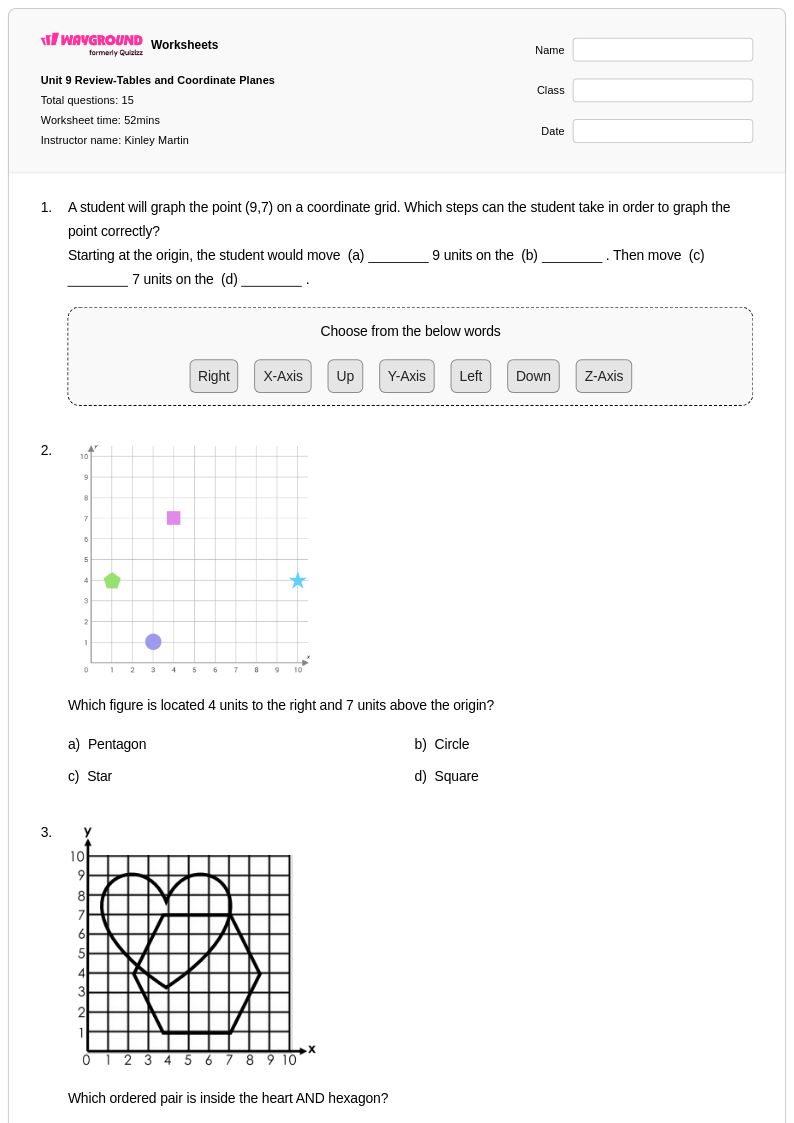
Reading tables worksheets for Class 5 students available through Wayground (formerly Quizizz) provide essential practice in extracting, interpreting, and analyzing data presented in tabular formats. These comprehensive worksheets strengthen critical mathematical skills including identifying patterns in numerical data, comparing values across rows and columns, calculating totals and averages, and drawing logical conclusions from organized information. Students develop proficiency in navigating complex data structures while building foundational skills necessary for advanced statistical concepts. Each worksheet collection includes detailed answer keys and is available as free printable pdf resources, ensuring teachers have immediate access to both practice problems and assessment tools that support systematic skill development in data literacy.
Wayground (formerly Quizizz) empowers educators with millions of teacher-created reading tables worksheets specifically designed for Class 5 mathematics instruction. The platform's robust search and filtering capabilities enable teachers to quickly locate resources that align with curriculum standards and match specific learning objectives for data interpretation skills. Advanced differentiation tools allow educators to customize worksheets for varying ability levels, while the flexibility of both printable and digital pdf formats accommodates diverse classroom environments and individual student needs. These comprehensive features streamline lesson planning by providing ready-to-use materials for initial instruction, targeted remediation, enrichment activities, and ongoing skill practice, ensuring students master the fundamental competencies required for interpreting tabular data across mathematical and real-world contexts.