
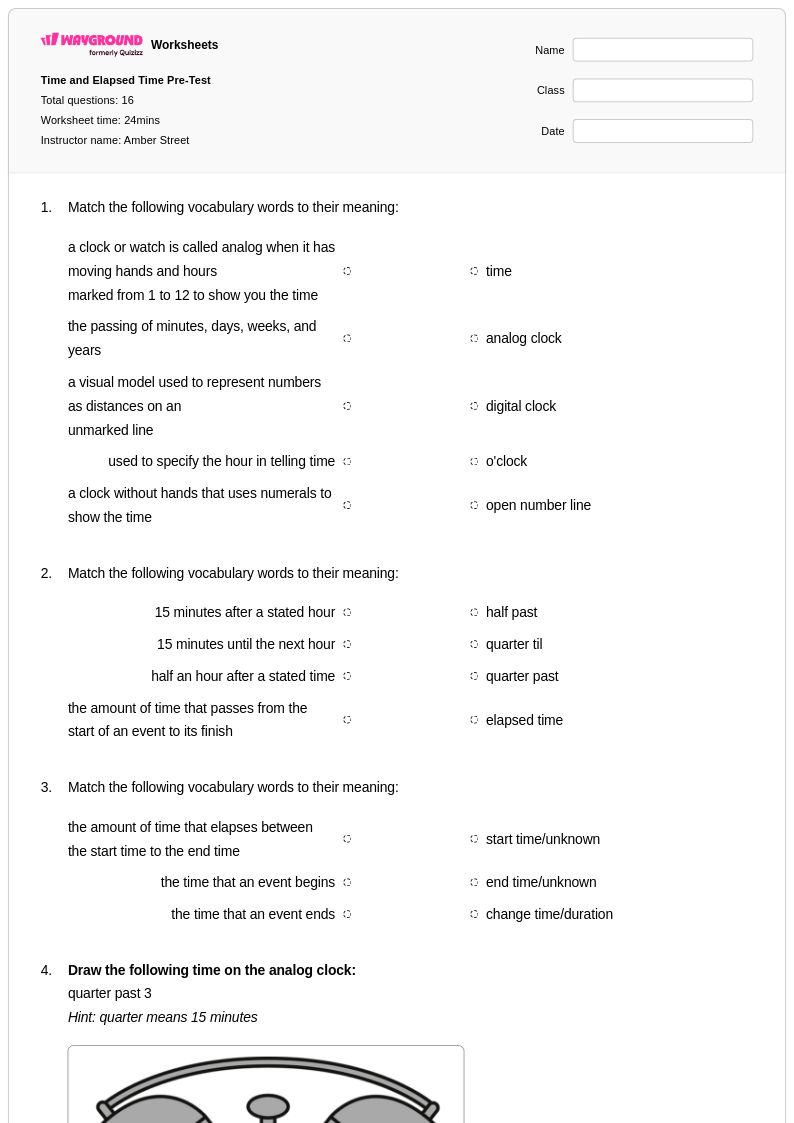
16 Q
4th
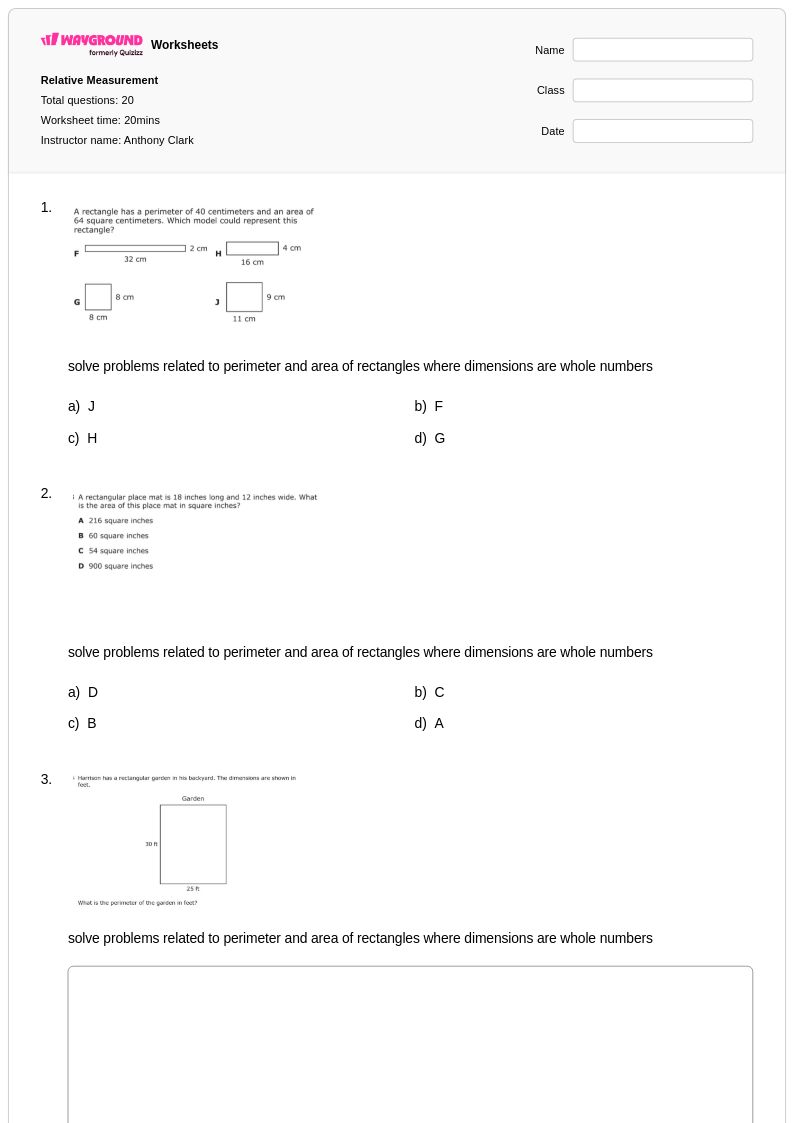
20 Q
4th - Uni
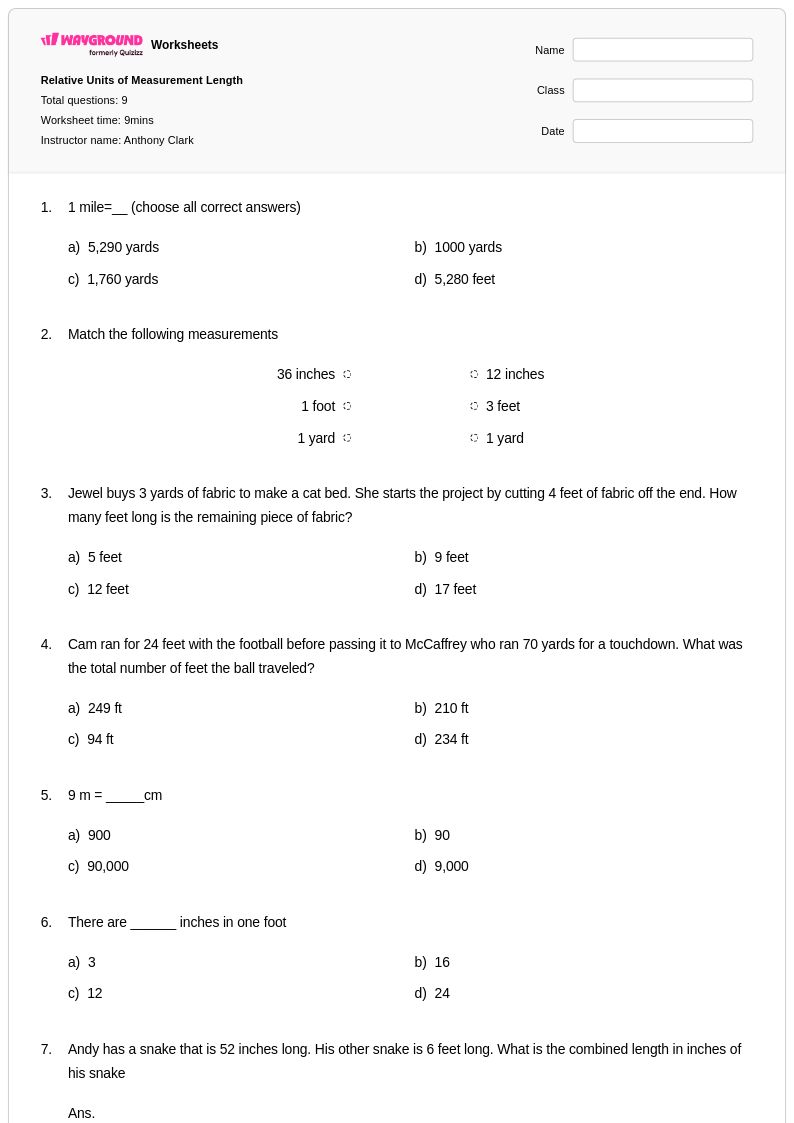
9 Q
4th - Uni
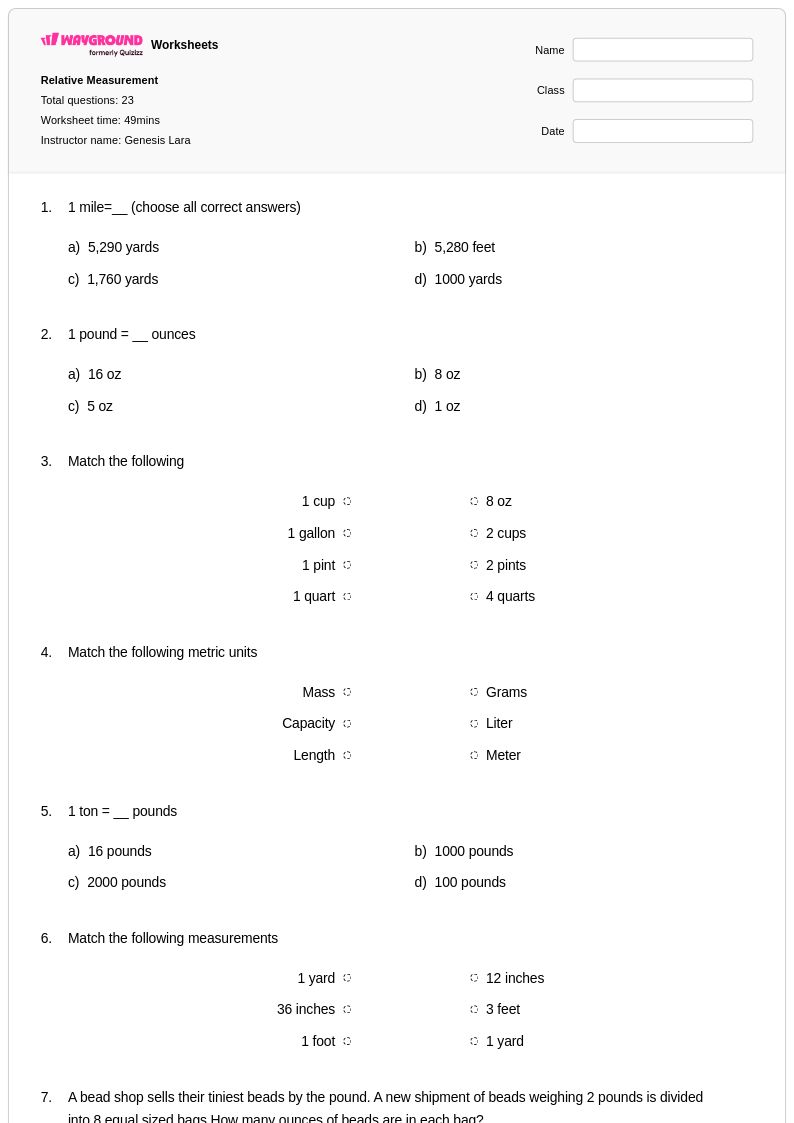
23 Q
4th
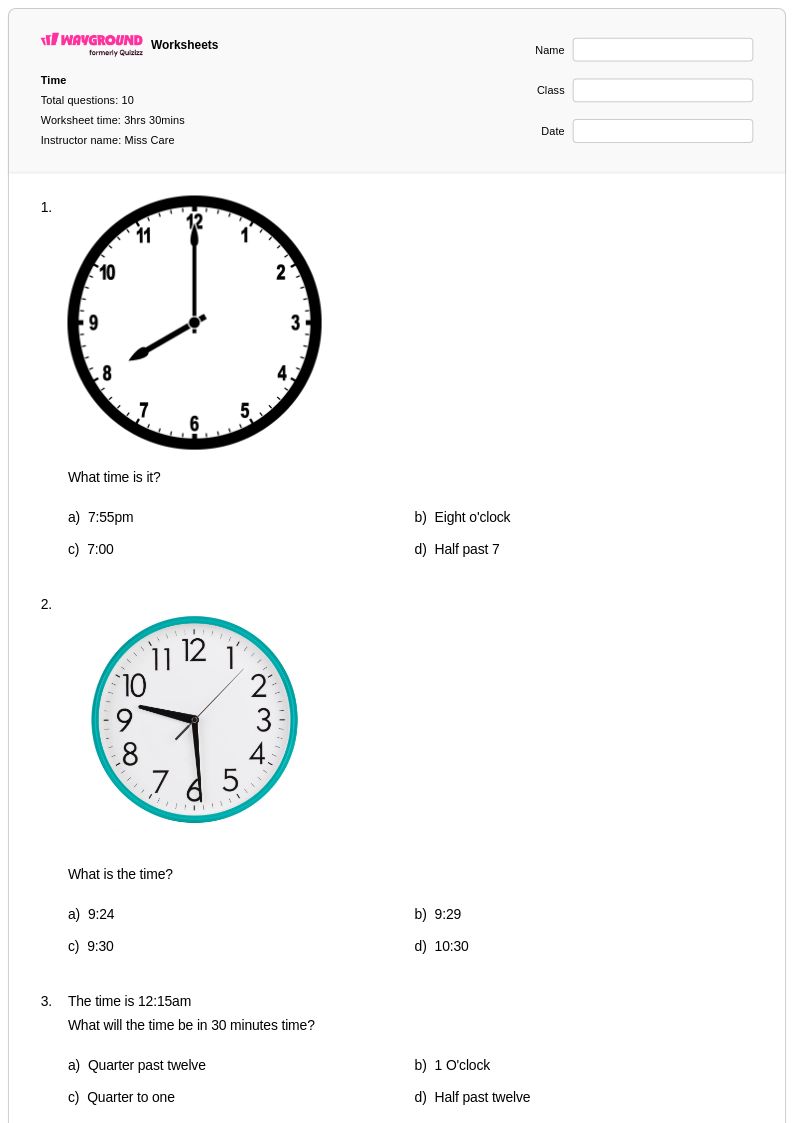
10 Q
4th
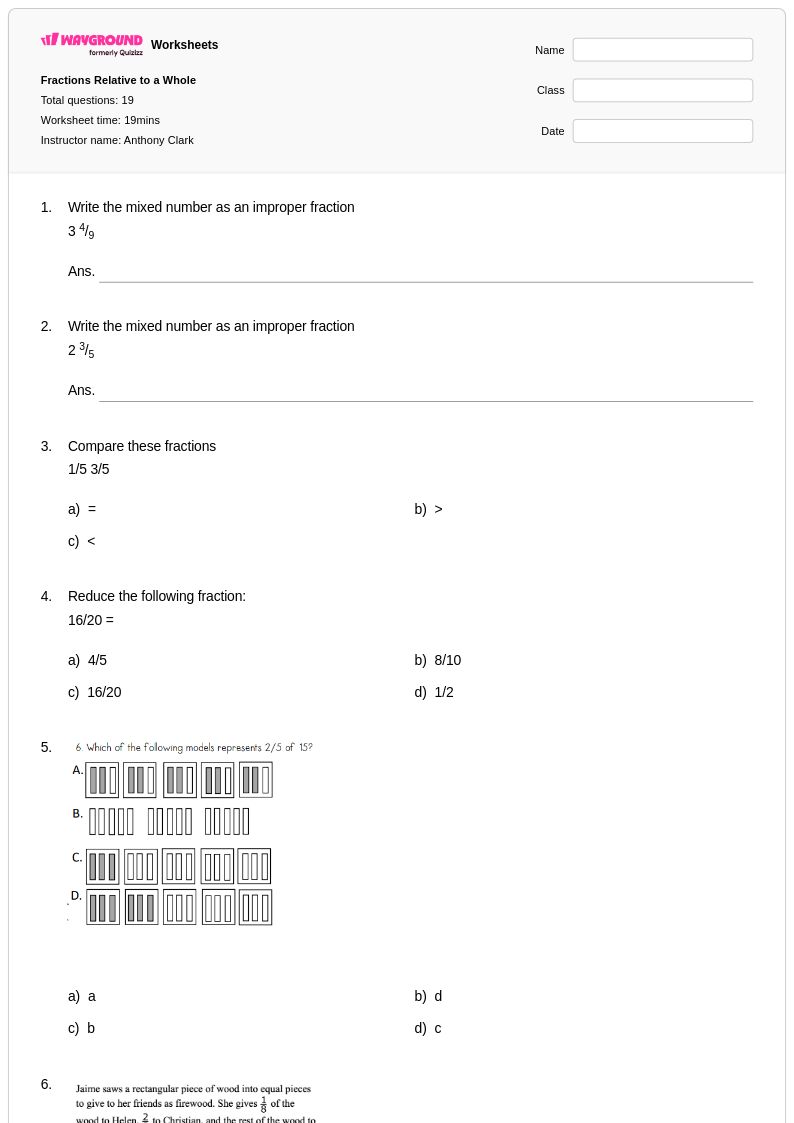
19 Q
4th - Uni
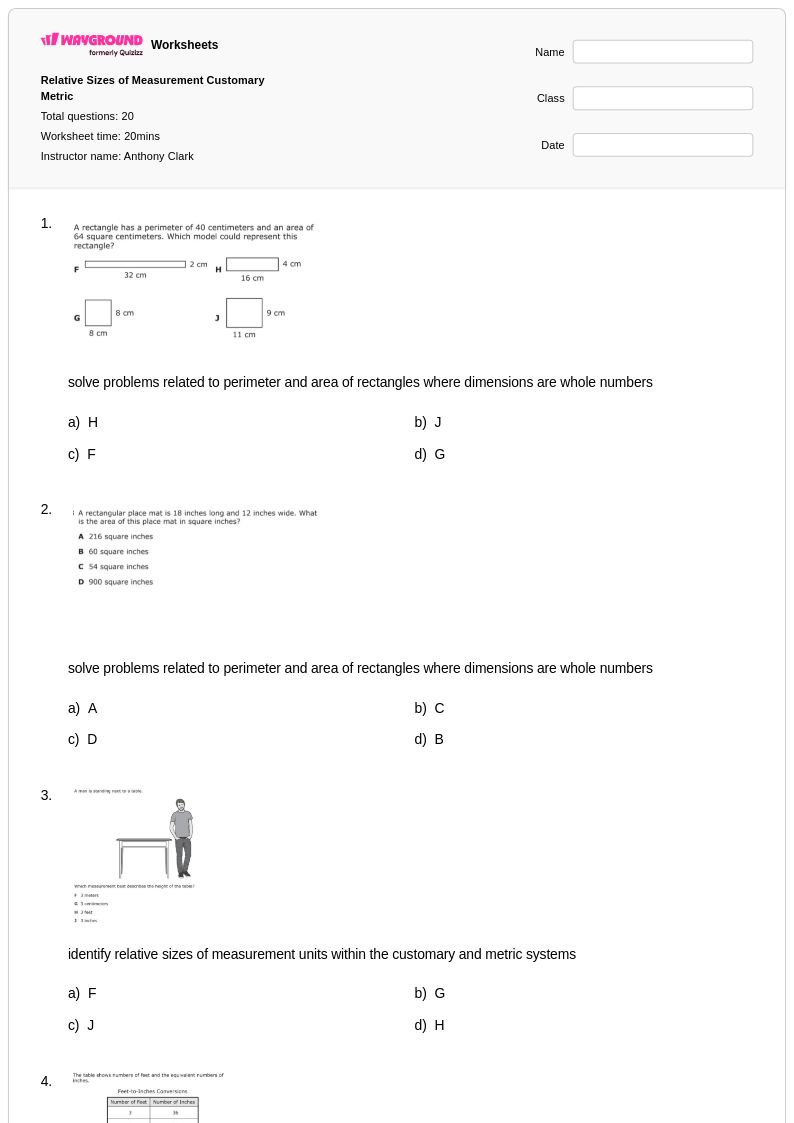
20 Q
4th - Uni
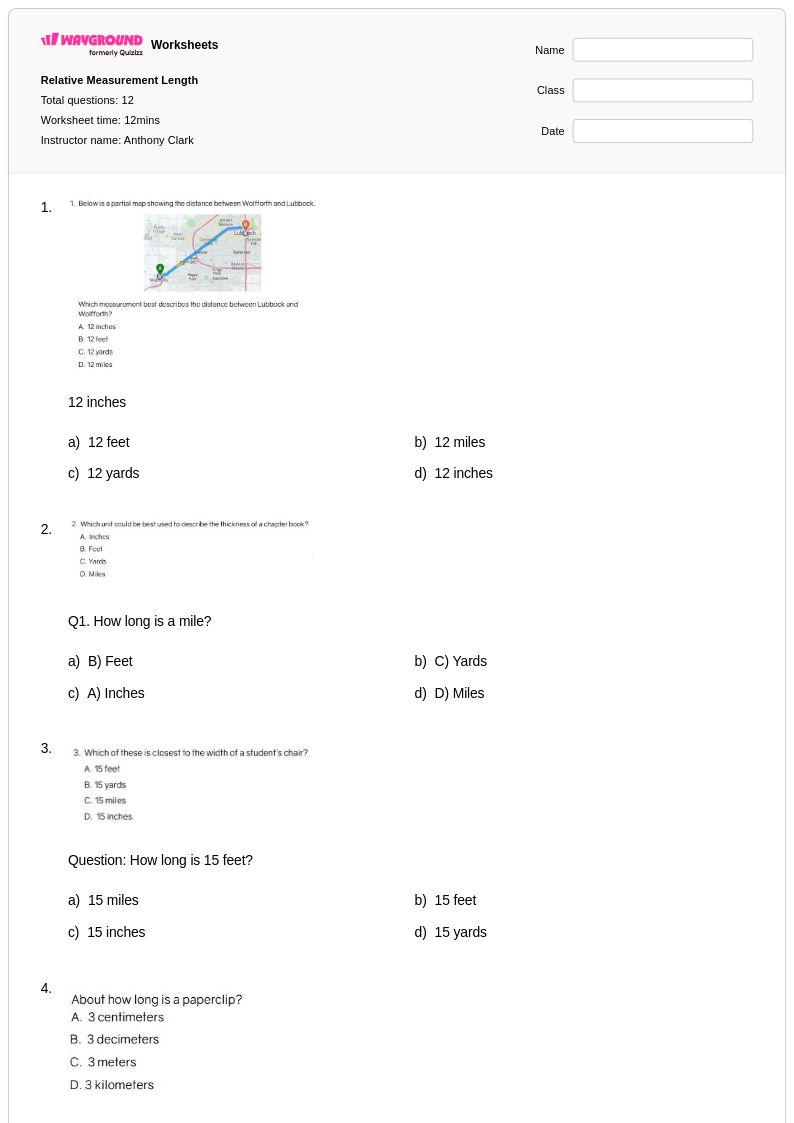
12 Q
4th - Uni
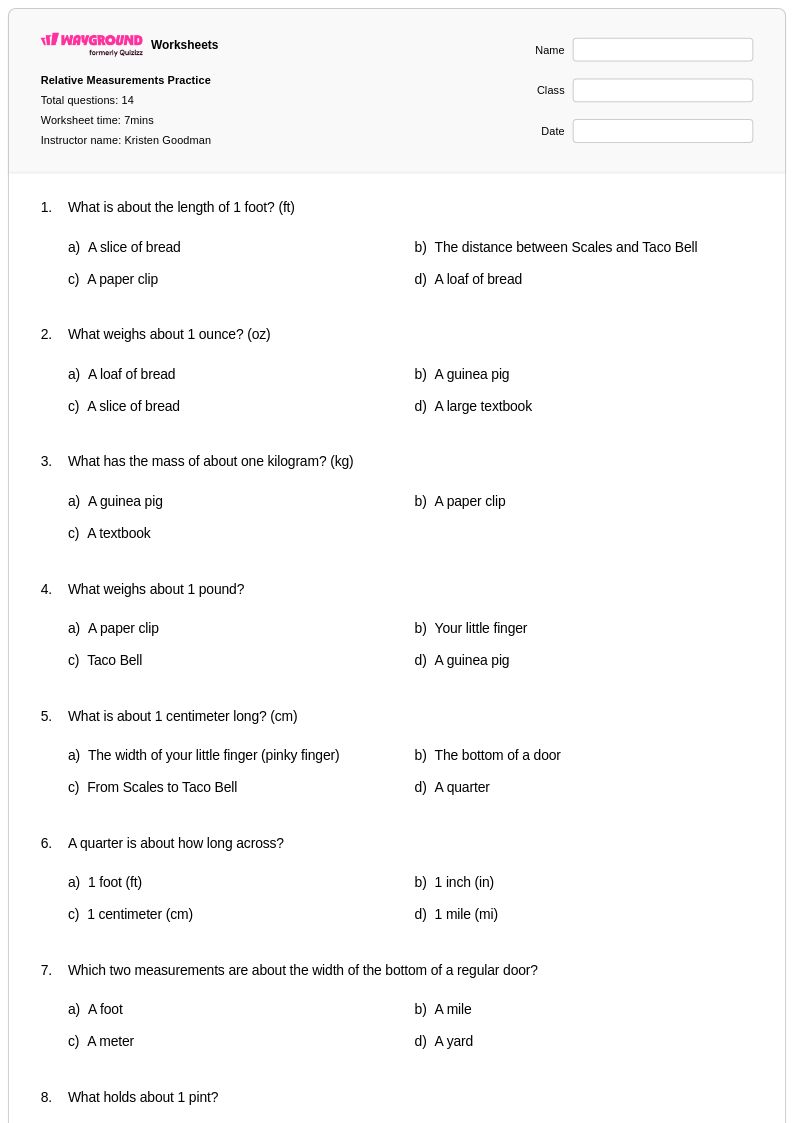
14 Q
4th
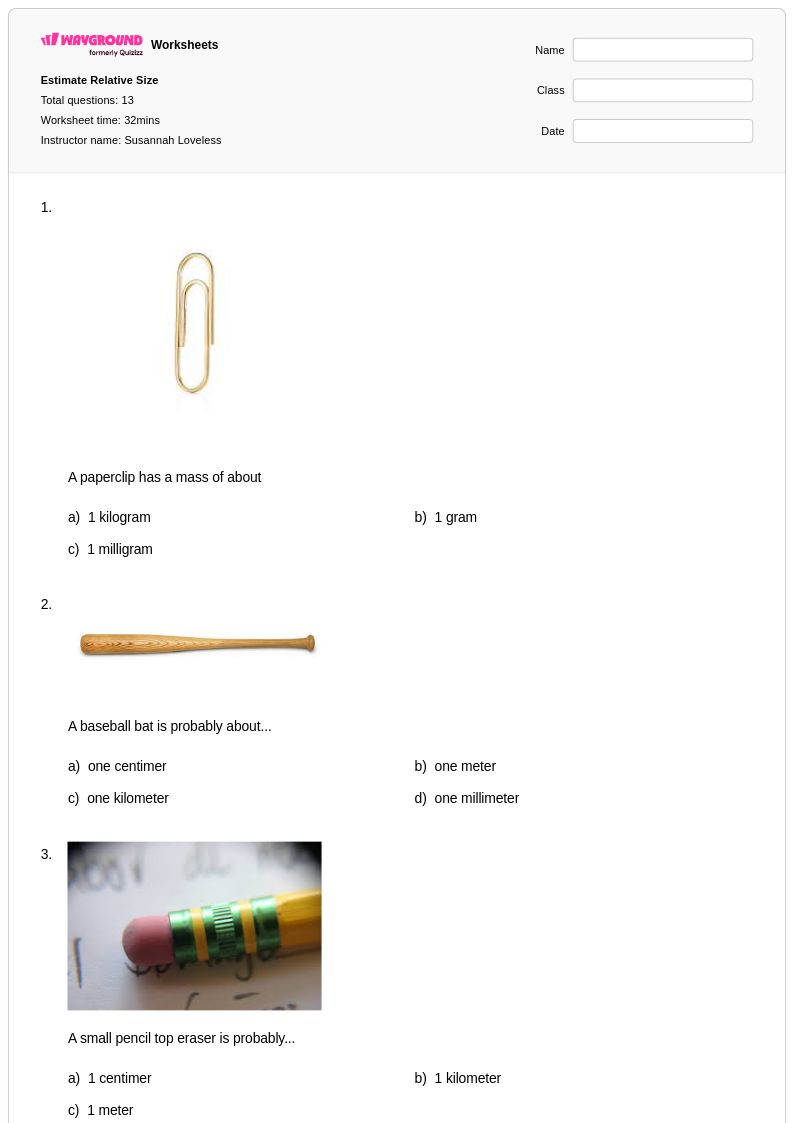
13 Q
4th
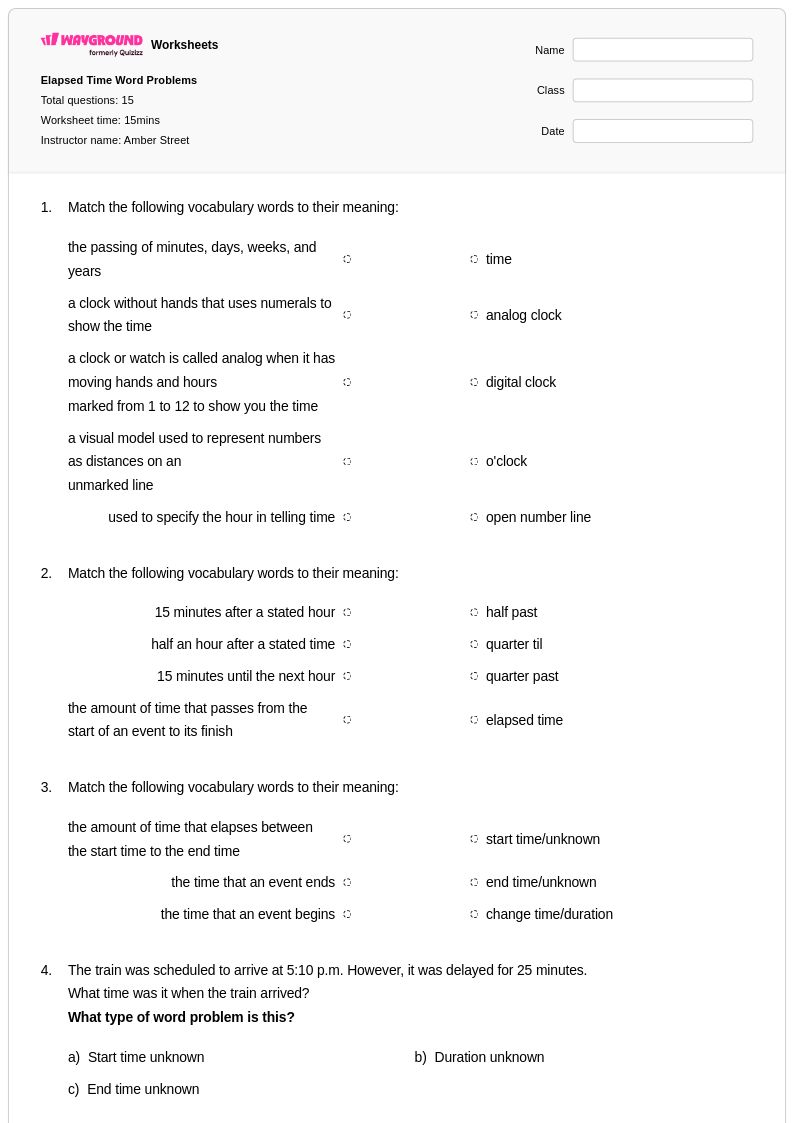
15 Q
4th
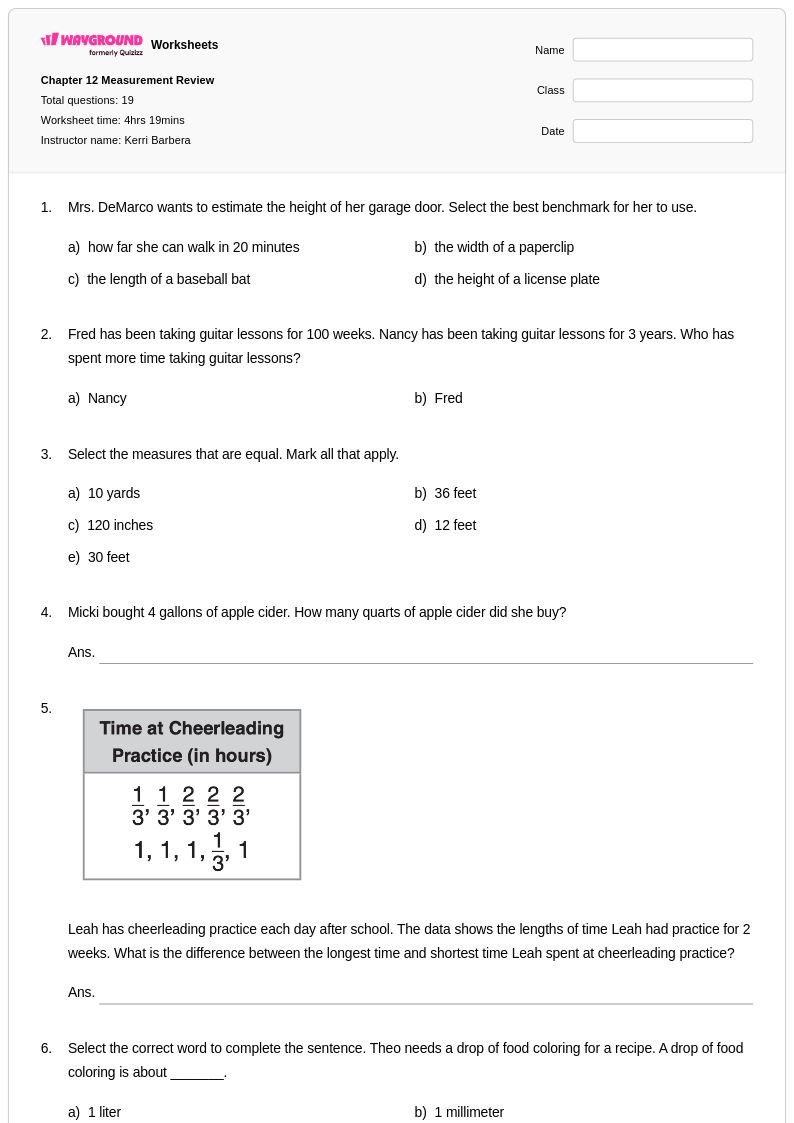
19 Q
4th
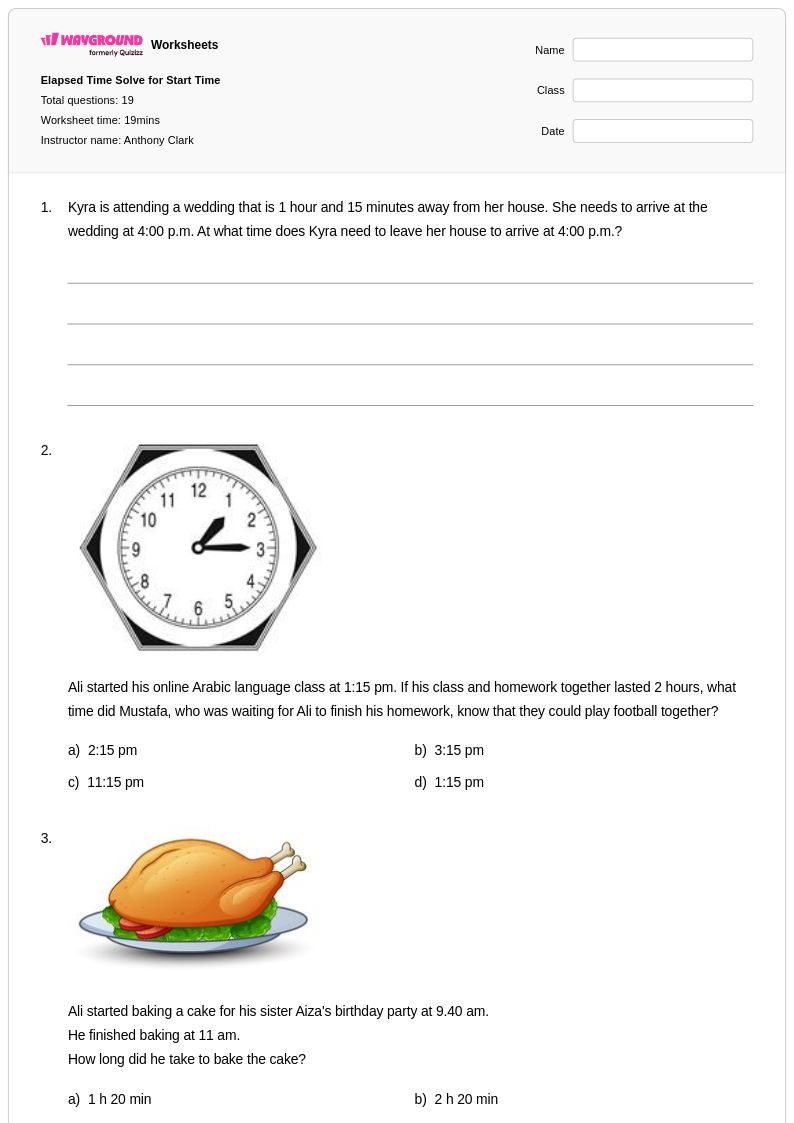
19 Q
4th - Uni
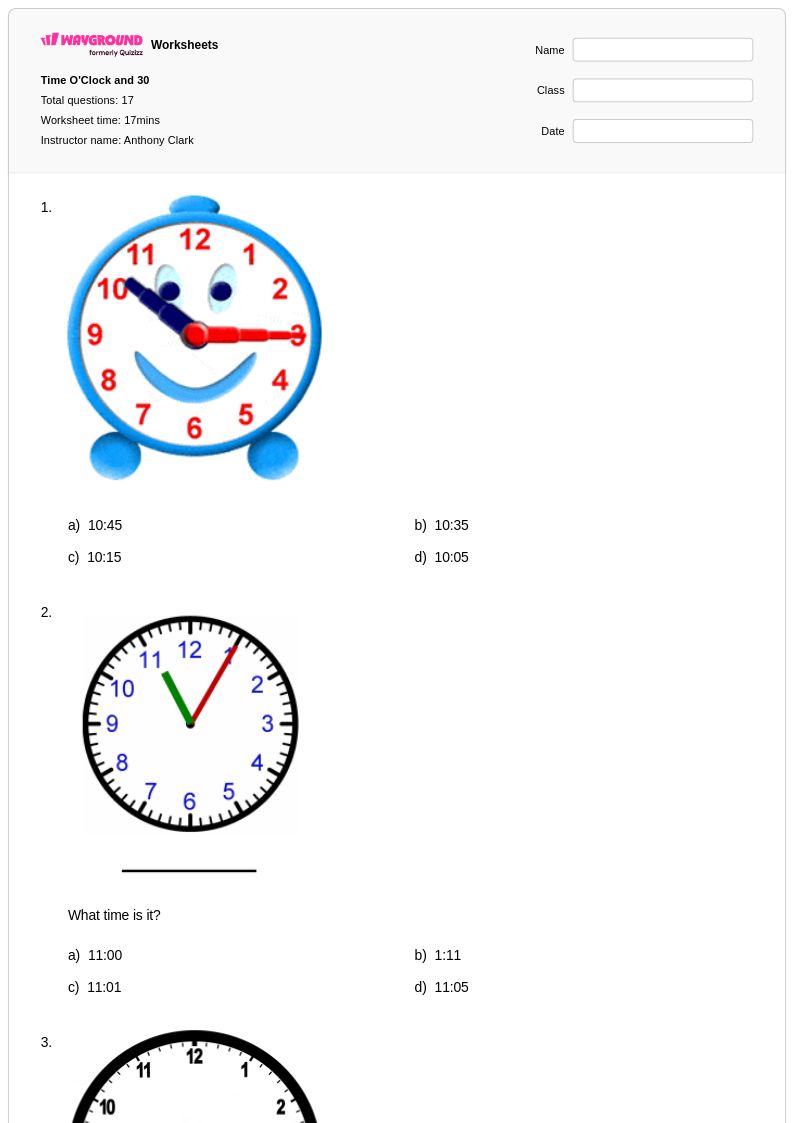
17 Q
1st - Uni
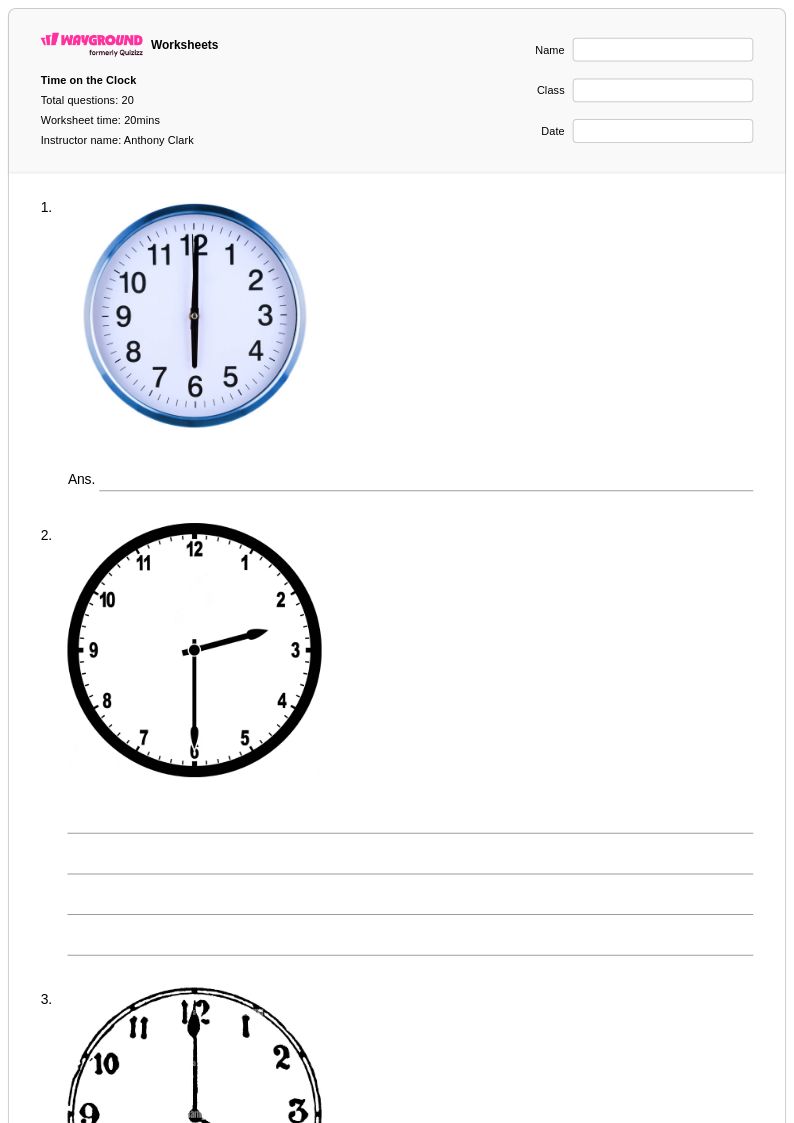
20 Q
3rd - Uni
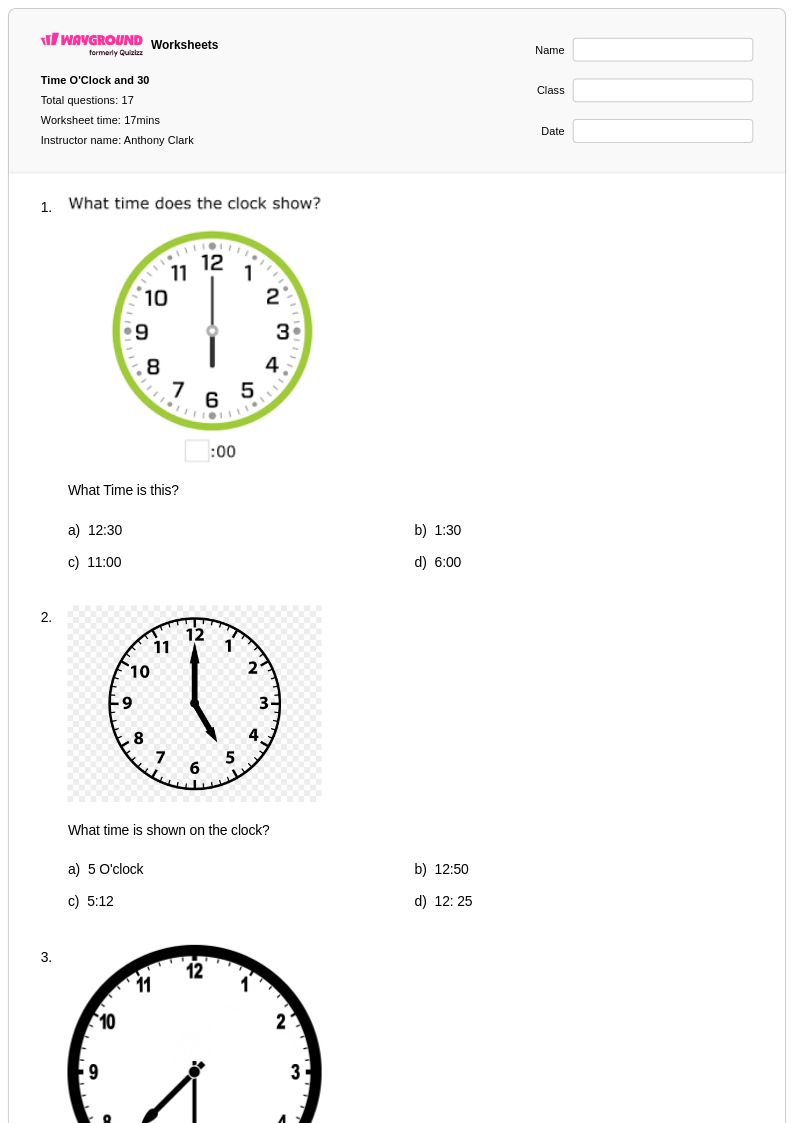
17 Q
1st - Uni
20 Q
2nd - 4th
16 Q
4th
11 Q
3rd - 9th
13 Q
3rd - 4th
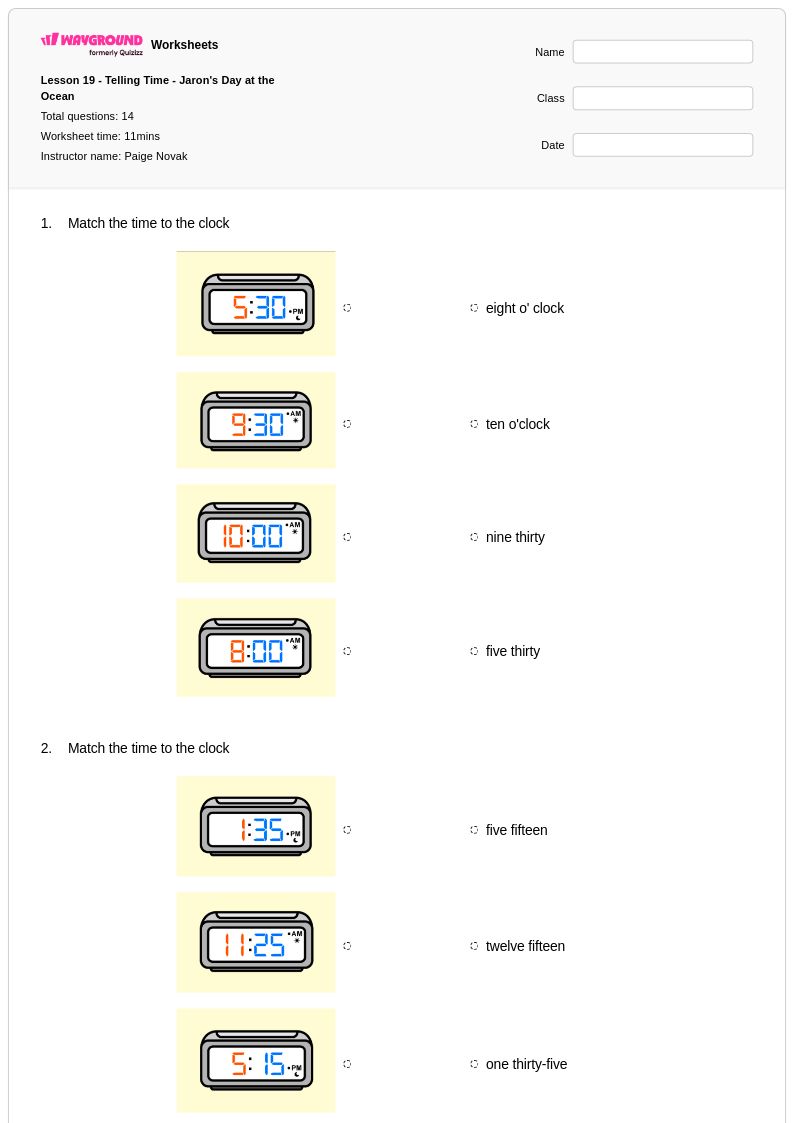
14 Q
4th
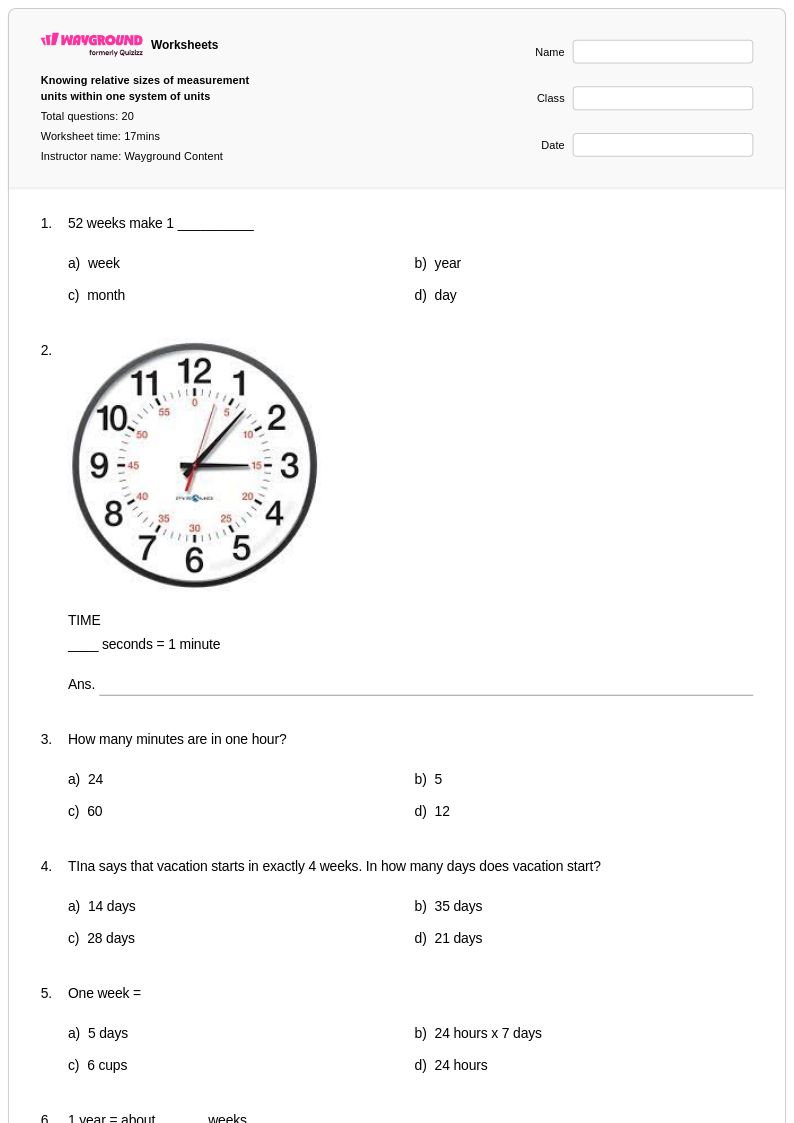
20 Q
4th
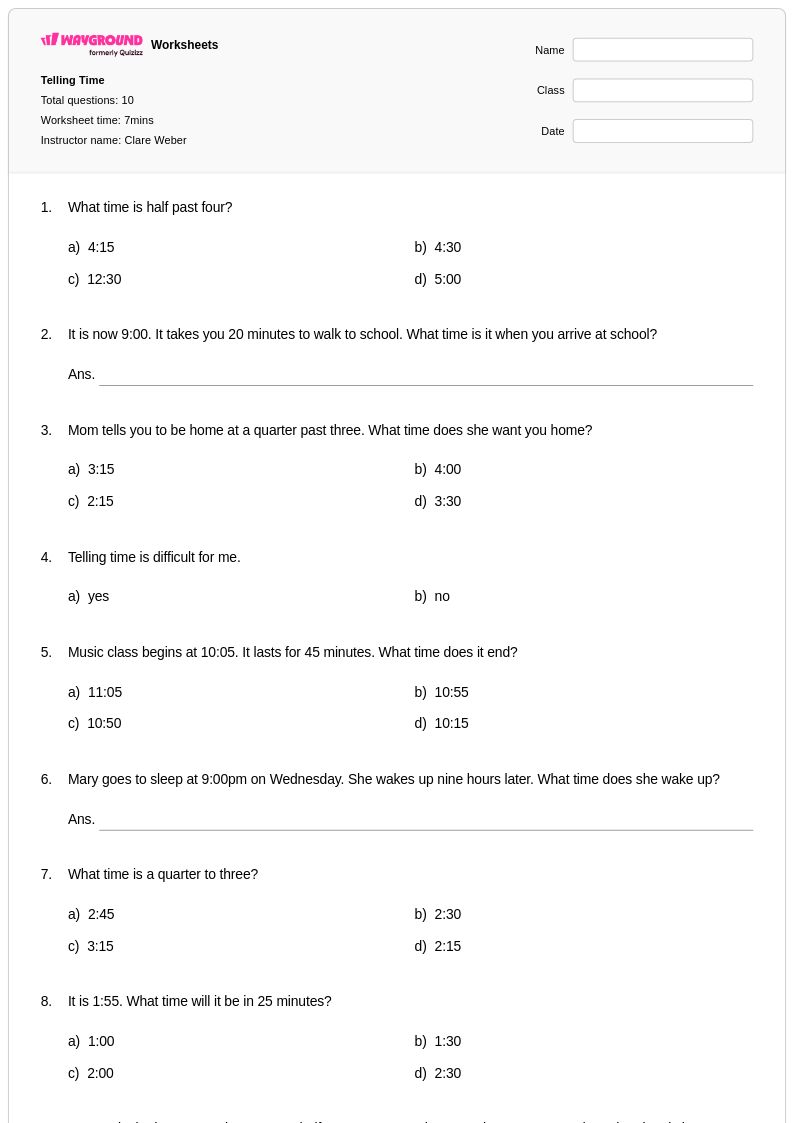
10 Q
4th
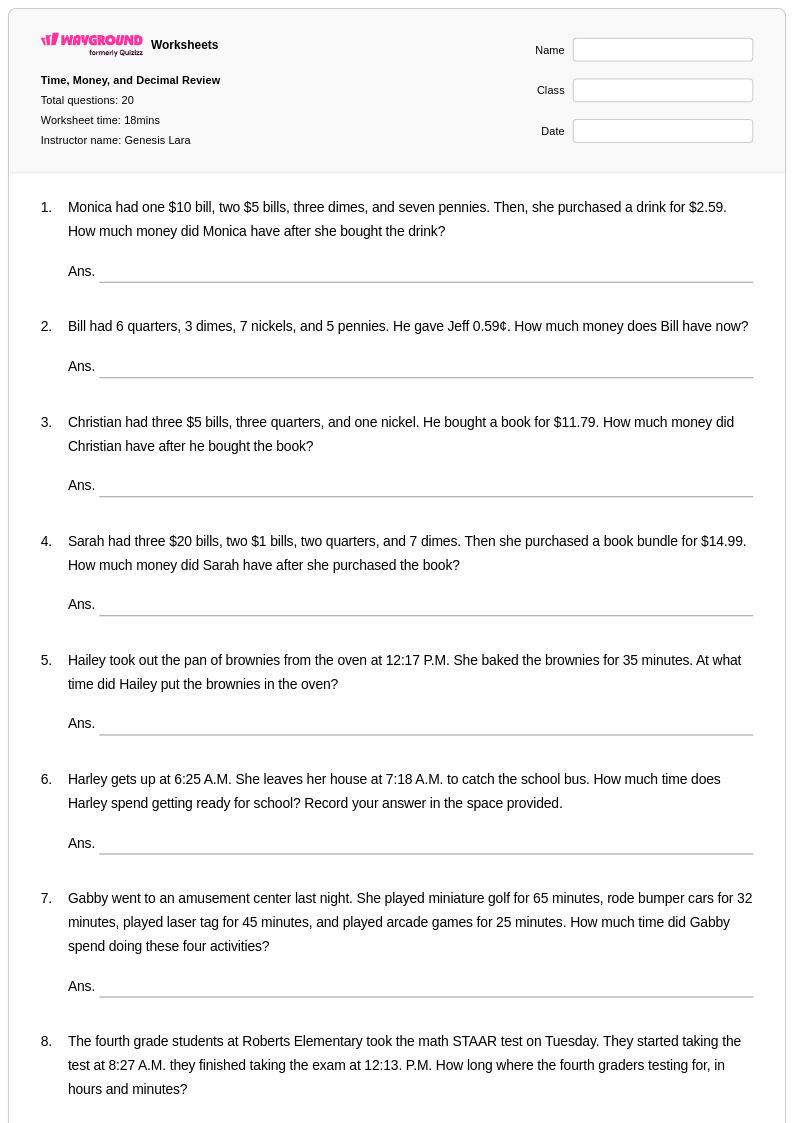
20 Q
4th
Explore Other Subject Worksheets for class 4
Explore printable Relative Time worksheets for Class 4
Relative time worksheets for Class 4 students available through Wayground (formerly Quizizz) provide essential practice in understanding temporal relationships and time sequencing concepts. These comprehensive printable resources help fourth graders master critical skills including determining elapsed time, comparing durations, sequencing events chronologically, and understanding the relationships between different time measurements. Students work through carefully crafted practice problems that challenge them to think about time in relative terms rather than absolute measurements, developing their ability to use temporal language such as "before," "after," "during," "earlier," and "later." Each worksheet collection includes detailed answer keys and free pdf downloads, making it simple for educators to implement immediate feedback and assessment while students strengthen their mathematical reasoning about time relationships.
Wayground (formerly Quizizz) empowers teachers with access to millions of educator-created relative time resources that can be seamlessly integrated into Class 4 mathematics instruction. The platform's robust search and filtering capabilities allow instructors to quickly locate worksheets that align with specific learning standards and match their students' developmental needs. Teachers can customize these printable and digital materials to support differentiated instruction, whether providing additional practice for students who need remediation or offering enriched challenges for advanced learners. The flexible pdf format ensures compatibility with various classroom technologies while maintaining the option for traditional paper-based learning, enabling educators to efficiently plan lessons, conduct skill assessments, and provide targeted support that helps students develop confident understanding of temporal relationships and time-based mathematical concepts.
FAQs
What relative time concepts are taught in 4th grade?
What's an effective strategy for teaching elapsed time to 4th graders?
What are common mistakes in 4th grade elapsed time problems?
How can I use this Wayground worksheet for practice?
How does this topic connect to the broader 4th grade math curriculum?
How can I support struggling students with these word problems?