Free Printable Separation Techniques Worksheets for Class 12
Class 12 separation techniques chemistry worksheets provide comprehensive printables and practice problems to help students master distillation, chromatography, and filtration methods with detailed answer keys.
Explore printable Separation Techniques worksheets for Class 12
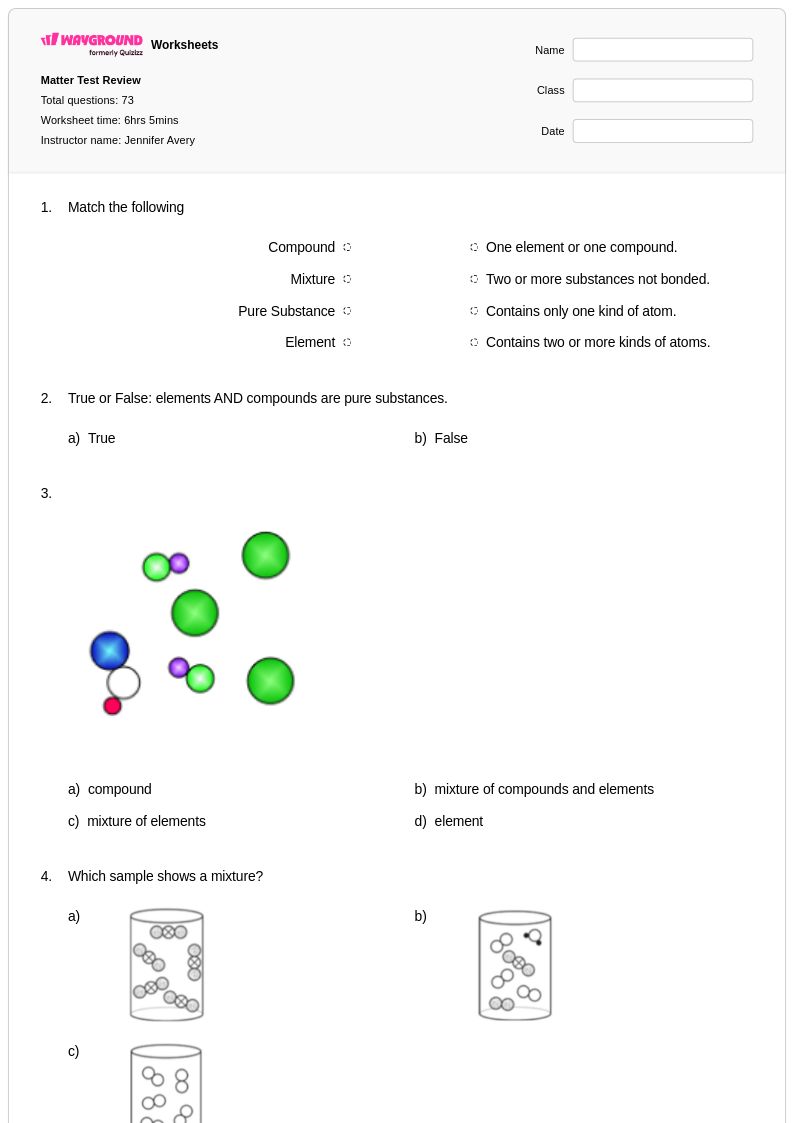
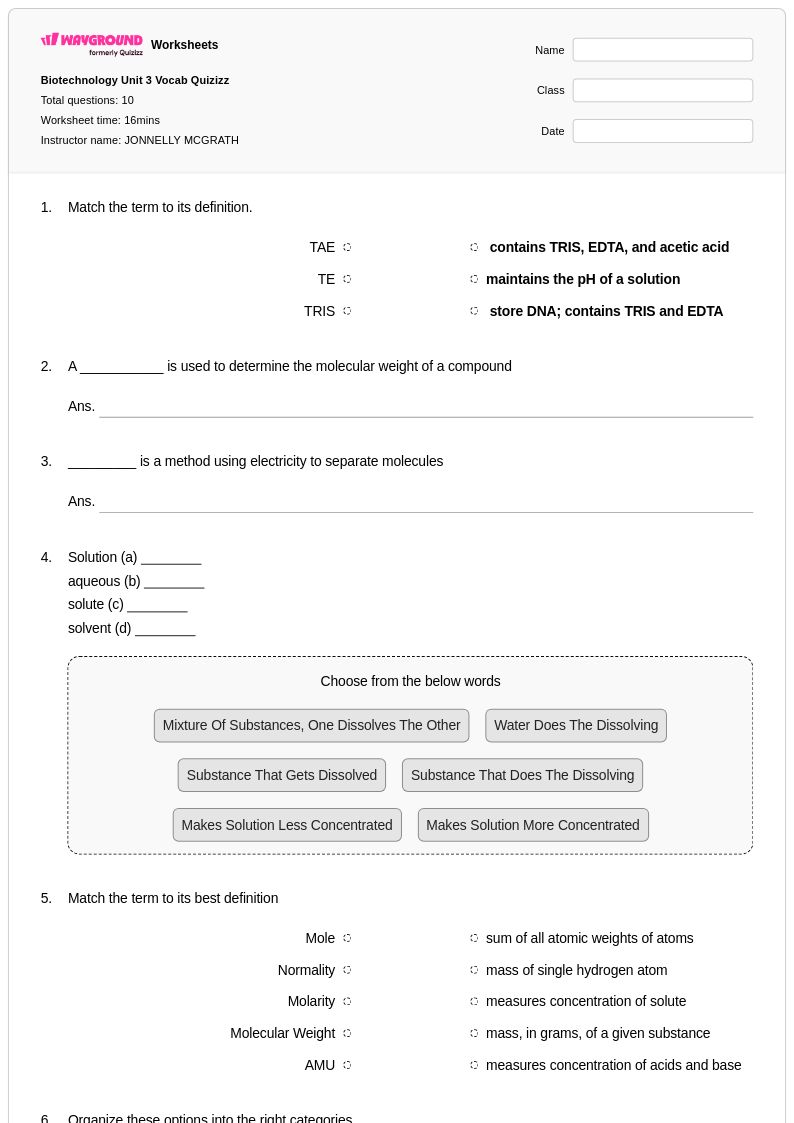
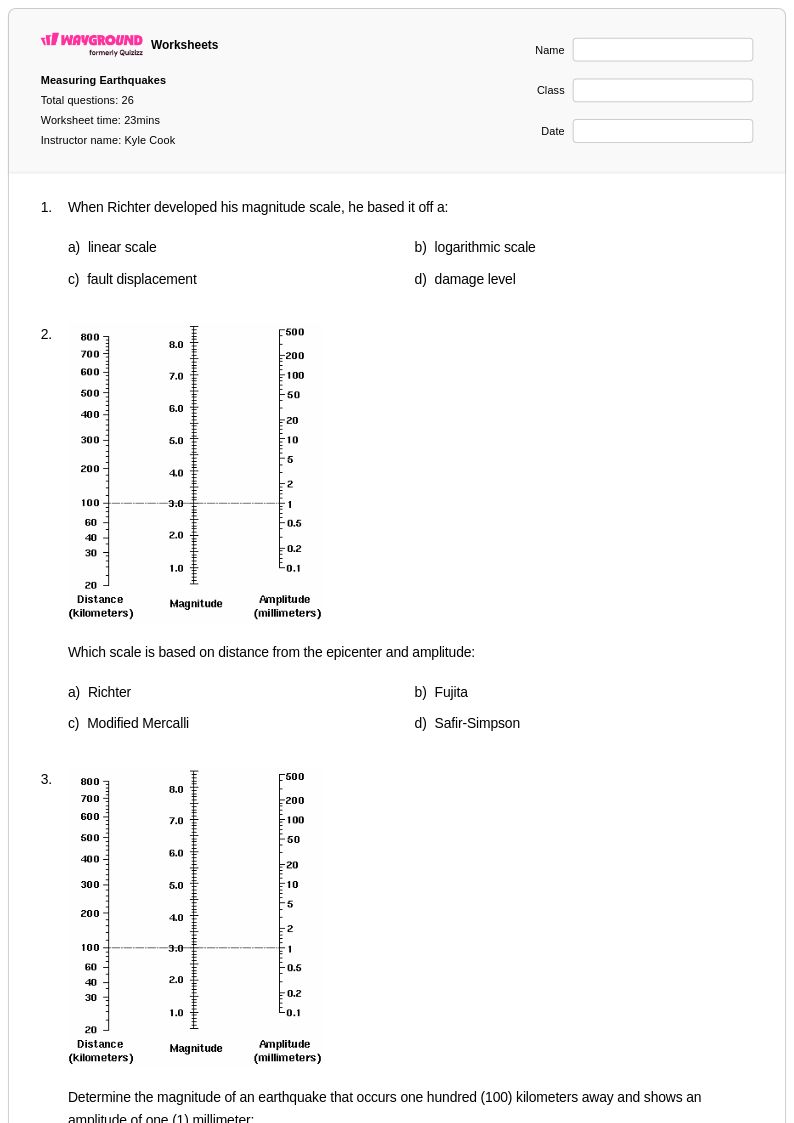
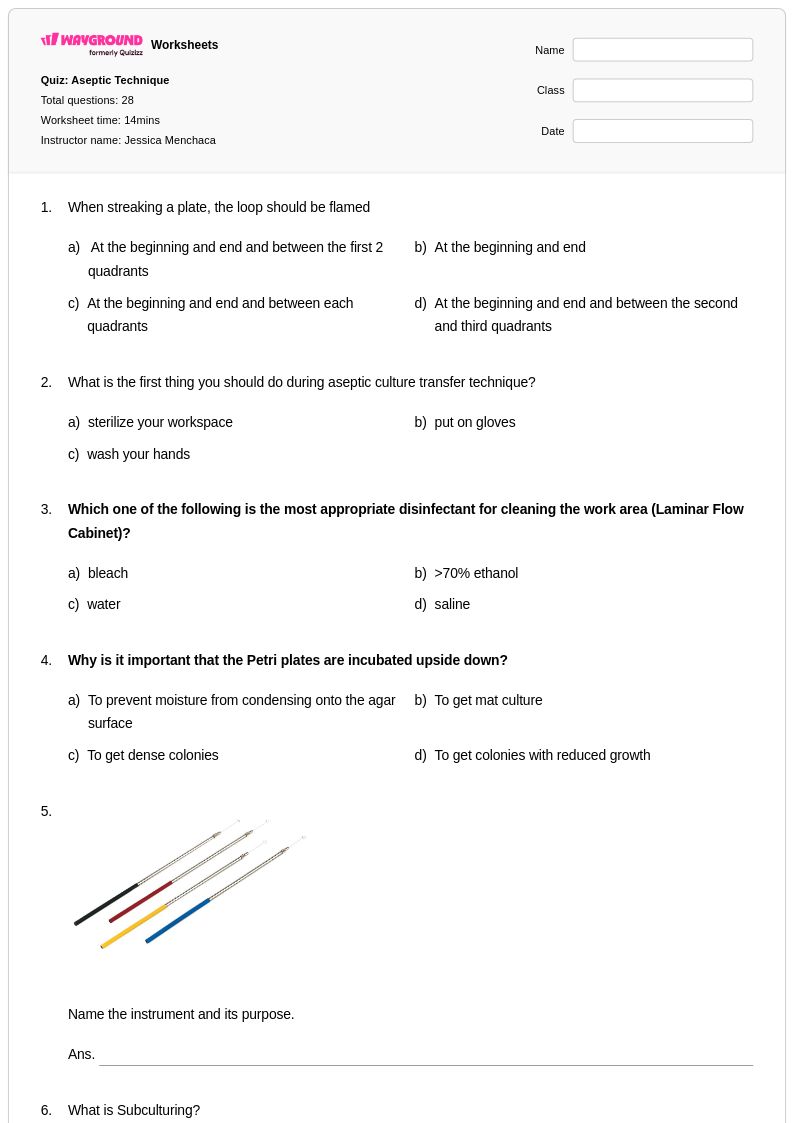
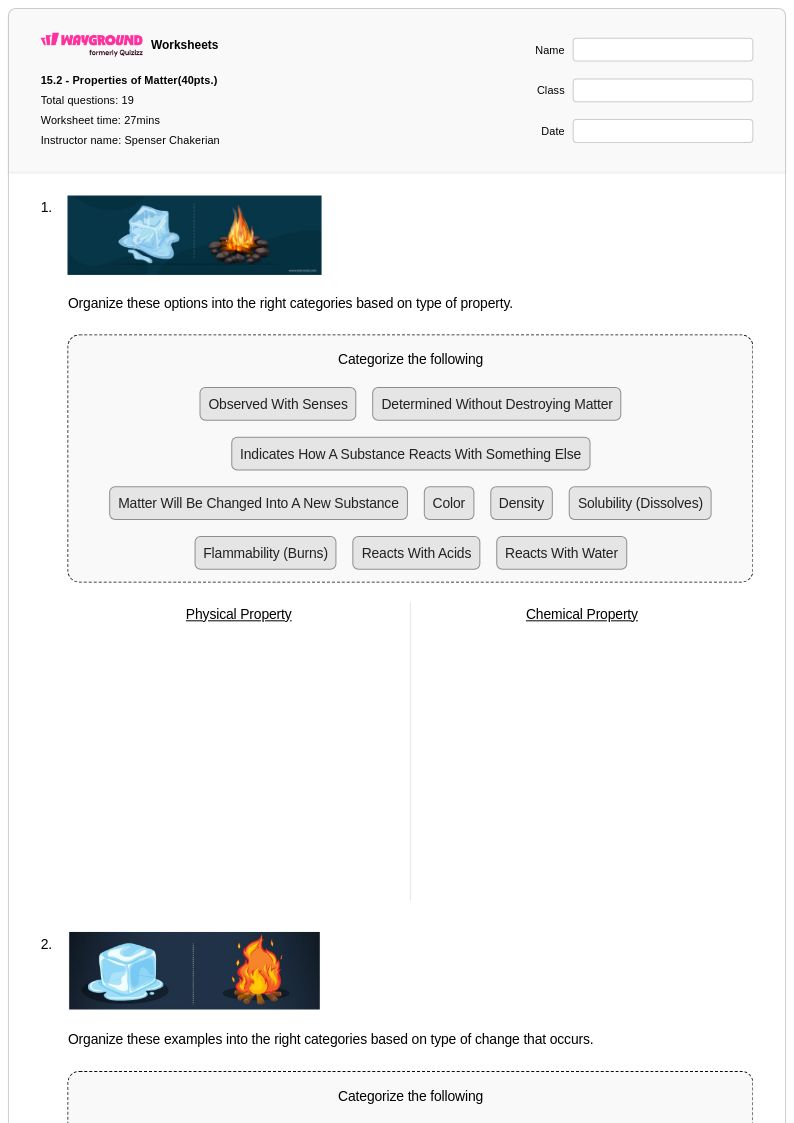
Separation techniques worksheets for Class 12 chemistry students available through Wayground (formerly Quizizz) provide comprehensive practice with advanced methods used to isolate and purify chemical substances. These expertly designed worksheets strengthen critical analytical skills by challenging students to master sophisticated separation processes including chromatography, spectroscopy, crystallization, distillation, and extraction techniques commonly encountered in advanced chemistry coursework and laboratory settings. Students develop proficiency in selecting appropriate separation methods based on physical and chemical properties, interpreting chromatographic data, calculating recovery percentages, and understanding the theoretical principles underlying each technique. The practice problems incorporate real-world applications and complex scenarios that require students to apply multiple separation strategies sequentially, while comprehensive answer keys enable independent learning and self-assessment of these fundamental analytical chemistry concepts available in convenient pdf format.
Wayground (formerly Quizizz) empowers chemistry educators with an extensive collection of millions of teacher-created separation techniques resources that streamline lesson planning and enhance student mastery of these essential analytical methods. The platform's robust search and filtering capabilities allow teachers to quickly locate worksheets aligned with specific curriculum standards and tailored to various skill levels, from basic filtration concepts to advanced instrumental analysis techniques. Differentiation tools enable educators to customize content difficulty and modify practice problems to meet individual student needs, whether providing remediation for struggling learners or enrichment challenges for advanced students. These versatile resources are available in both printable and digital formats, including downloadable pdf versions, making them ideal for traditional classroom instruction, laboratory preparation, homework assignments, and independent study sessions that reinforce critical thinking skills essential for success in analytical chemistry and related scientific disciplines.
FAQs
How do I teach separation techniques in chemistry class?
Start by grounding students in the physical and chemical properties that make separation possible, such as particle size, boiling point, solubility, and polarity. Introduce each method, including filtration, distillation, chromatography, crystallization, and extraction, by pairing the underlying principle with a concrete real-world example, like distilling seawater or using chromatography to separate ink. Hands-on or simulated lab activities reinforce why a specific technique is chosen for a given mixture, which is often the hardest conceptual leap for students to make.
How do I help students choose the right separation technique for a given mixture?
Teach students to analyze the properties of the components in a mixture before selecting a method. A useful framework is to ask: Are the particles different in size? Is one component dissolved? Do the components have different boiling points or solubilities? Practicing this decision-making process with varied mixture scenarios, rather than simply memorizing technique names, builds the analytical thinking students need for assessments and lab work.
What exercises help students practice separation techniques?
Effective practice exercises include identifying the correct separation method for a described mixture, labeling diagrams of distillation apparatus or chromatography setups, and analyzing Rf values from chromatography data. Scenario-based problems that ask students to justify their technique choice, not just name it, deepen conceptual understanding beyond surface recall. Worksheets that combine multiple question formats, including multiple choice, short answer, and diagram analysis, prepare students for a range of assessment styles.
What misconceptions do students commonly have about separation techniques?
A frequent misconception is that filtration can separate dissolved substances, when in fact it only separates insoluble solids from liquids. Students also confuse distillation and evaporation, not recognizing that distillation recovers both the solvent and the solute by condensing vapor. In chromatography, many students misread Rf values or assume that a substance traveling farther is always more soluble, without understanding the role of both mobile and stationary phases.
How can I use separation techniques worksheets from Wayground in my classroom?
Wayground's separation techniques worksheets are available as printable PDFs for traditional classroom use and in digital formats for technology-integrated or remote learning environments. Teachers can also host worksheets as a live quiz on Wayground, making it straightforward to assign practice, collect responses, and review results in one place. For students who need additional support, Wayground offers built-in accommodations such as read aloud, extended time, and reduced answer choices, which can be configured individually without disrupting the experience for the rest of the class.
How do I differentiate separation techniques instruction for students at different skill levels?
Begin with concrete, single-component scenarios for struggling students before moving to multi-step or mixed-method problems. Higher-level students benefit from open-ended questions that ask them to design a separation procedure or evaluate the limitations of a given method. On Wayground, teachers can apply accommodations such as reduced answer choices or read aloud to individual students, allowing the same worksheet to serve diverse learners without requiring separate materials.