Free Printable Traffic Symbols Worksheets for Class 4
Discover free Class 4 traffic symbols worksheets and printables that help students learn essential road safety signs through engaging practice problems, complete with answer keys and downloadable PDFs.
Explore printable Traffic Symbols worksheets for Class 4
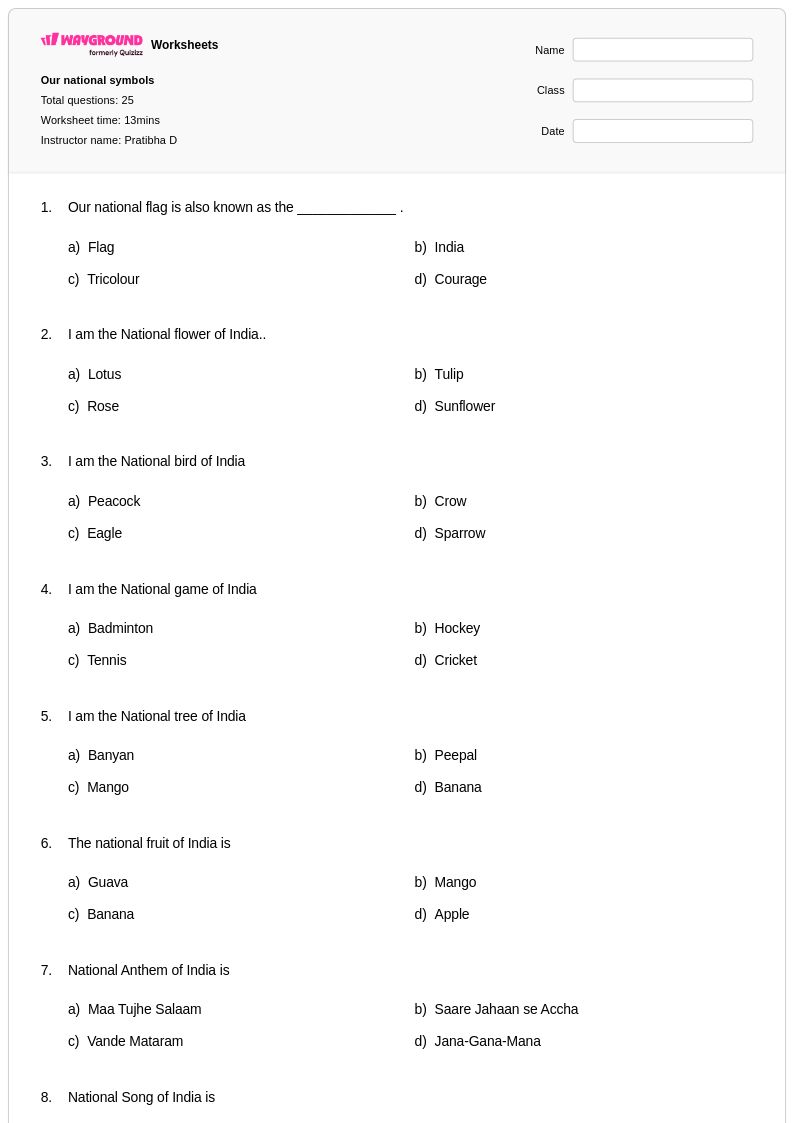
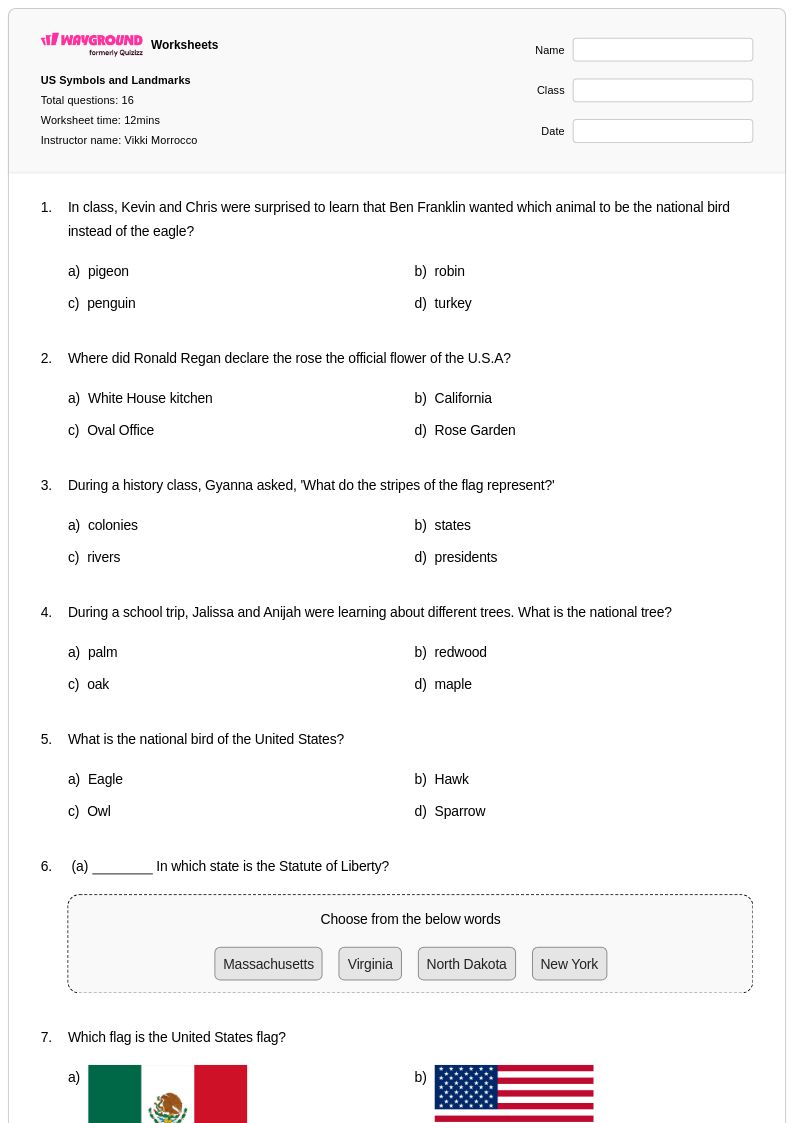
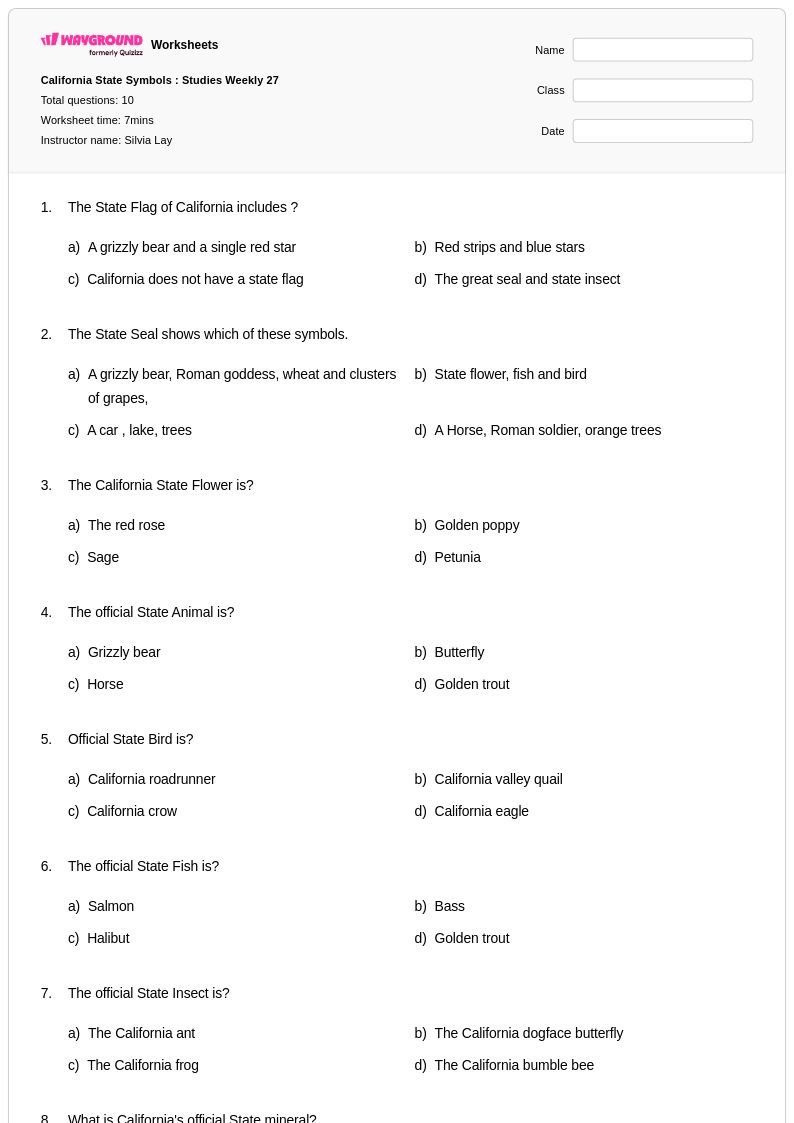
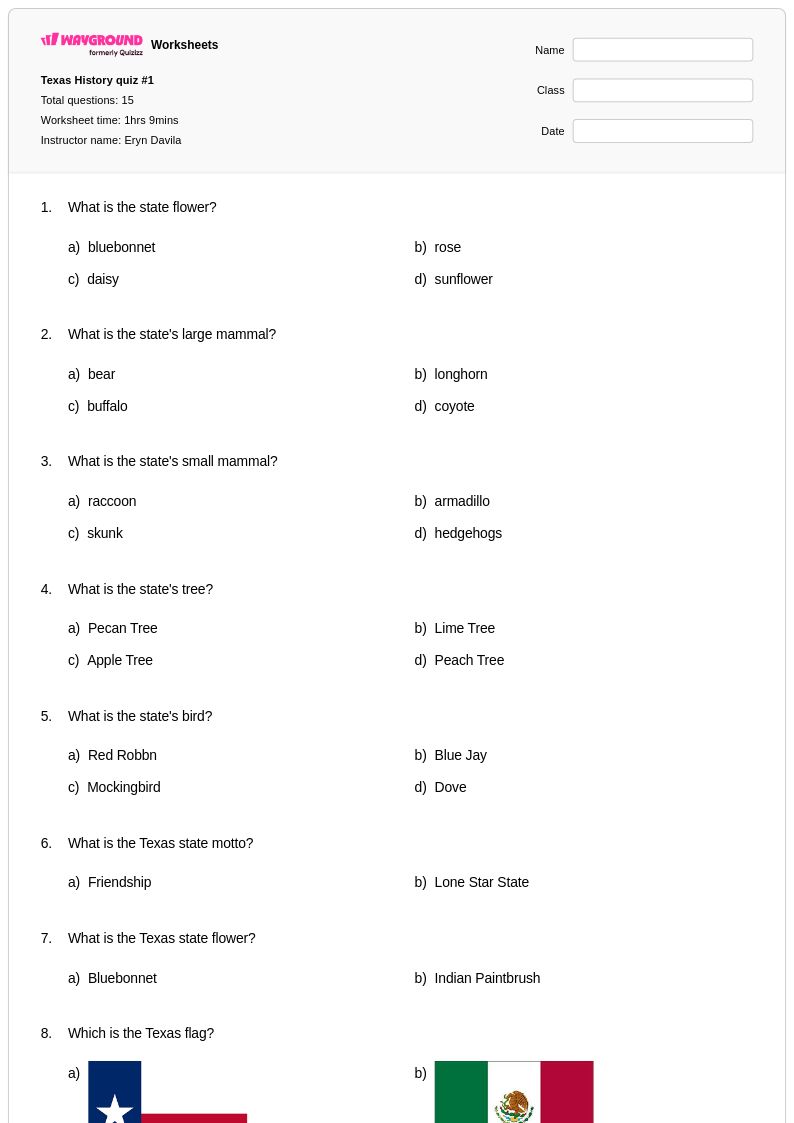
Traffic symbols worksheets for Class 4 students available through Wayground (formerly Quizizz) provide essential foundational learning for understanding road safety and community navigation. These comprehensive printables focus on helping fourth-grade learners recognize, interpret, and apply knowledge of common traffic signs, signals, and road markings they encounter in their daily lives. Students develop critical observation skills, visual literacy, and safety awareness through practice problems that require them to identify warning signs, regulatory symbols, and informational markers. Each worksheet collection includes detailed answer keys that support both independent learning and guided instruction, with free pdf resources covering everything from basic stop and yield signs to more complex construction zone markings and pedestrian crossing indicators.
Wayground (formerly Quizizz) supports educators with millions of teacher-created traffic symbols resources that streamline lesson planning and enhance classroom instruction. The platform's robust search and filtering capabilities allow teachers to quickly locate age-appropriate materials aligned with Class 4 social studies standards and safety education requirements. Differentiation tools enable instructors to customize worksheets for varying skill levels, supporting both remediation for struggling learners and enrichment opportunities for advanced students. These flexible resources are available in both printable pdf formats for traditional classroom use and digital versions for interactive learning environments, making it simple for teachers to incorporate traffic safety education into their curriculum while providing students with meaningful practice opportunities that reinforce real-world application of essential safety knowledge.
FAQs
How do I teach traffic symbols to elementary students?
Start by grouping signs into categories: regulatory (stop, yield, speed limit), warning (curve ahead, school zone), and informational (highway exits, parking). Use real-world examples students already recognize, such as stop signs and crosswalk signals, before introducing less familiar symbols. Connecting each sign to a specific action or consequence helps students move from memorization to genuine understanding of road safety.
What activities help students practice identifying traffic signs and their meanings?
Matching activities that pair sign images with their meanings are highly effective, as are fill-in-the-blank exercises where students identify the correct sign for a described situation. Scenario-based problems, such as determining what a driver or pedestrian should do when encountering a particular symbol, build practical application skills beyond simple recognition. Traffic symbols worksheets that include both visual identification and written explanation tasks reinforce both visual literacy and comprehension.
What mistakes do students commonly make when learning traffic symbols?
Students frequently confuse regulatory signs, which require specific actions like stopping or yielding, with warning signs, which alert drivers to upcoming hazards without mandating a specific response. Another common error is misreading color and shape cues: for example, treating an octagonal sign as a warning sign rather than recognizing that the octagon shape exclusively signals a full stop. Reinforcing that both shape and color carry meaning, not just the text or image, helps correct these misunderstandings.
How can I use traffic symbols worksheets to support students with different learning needs?
Wayground allows teachers to apply student-level accommodations directly within the platform, including Read Aloud support for students who benefit from audio delivery of questions, reduced answer choices to lower cognitive load for students who need it, and extended time settings configurable per student. These accommodations can be assigned to individual students without notifying peers, so the rest of the class continues with default settings. This makes it practical to differentiate traffic symbols practice within a single shared assignment.
How do I use Wayground's traffic symbols worksheets in my classroom?
Wayground's traffic symbols worksheets are available as printable PDFs for traditional classroom use and in digital formats for technology-integrated instruction, giving teachers flexibility depending on their environment. Teachers can also host worksheets as a live or asynchronous quiz directly on Wayground, which automatically scores student responses and surfaces results for review. Answer keys are included with every worksheet, reducing prep time and making these resources ready to use for introduction, practice, or assessment.
How do traffic symbols connect to social studies standards?
Traffic symbols fall within civic knowledge and community awareness strands of social studies, covering how public symbols communicate shared rules that govern safe behavior in a community. Students learning to read and respond to road signs develop an understanding of how societies create and rely on standardized systems to protect individuals and enable cooperation. This makes traffic symbols a practical entry point for broader discussions about civic responsibility and the role of rules in community life.