
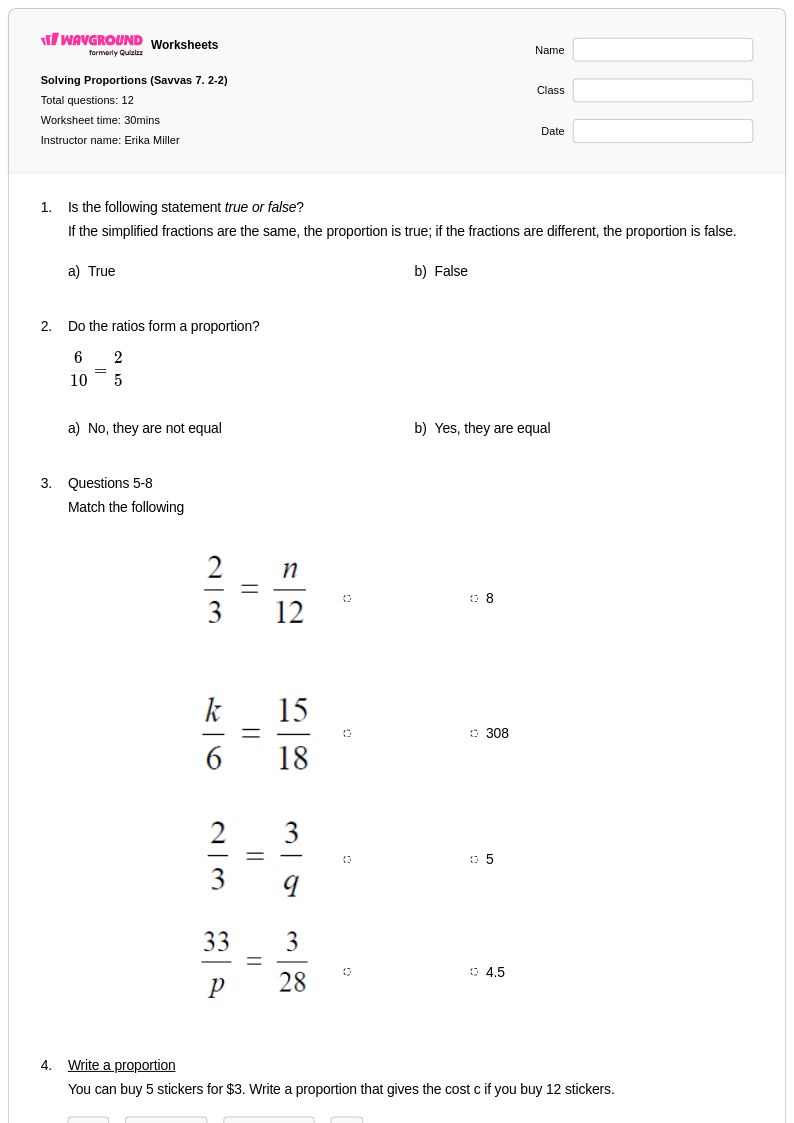
12 Q
7th
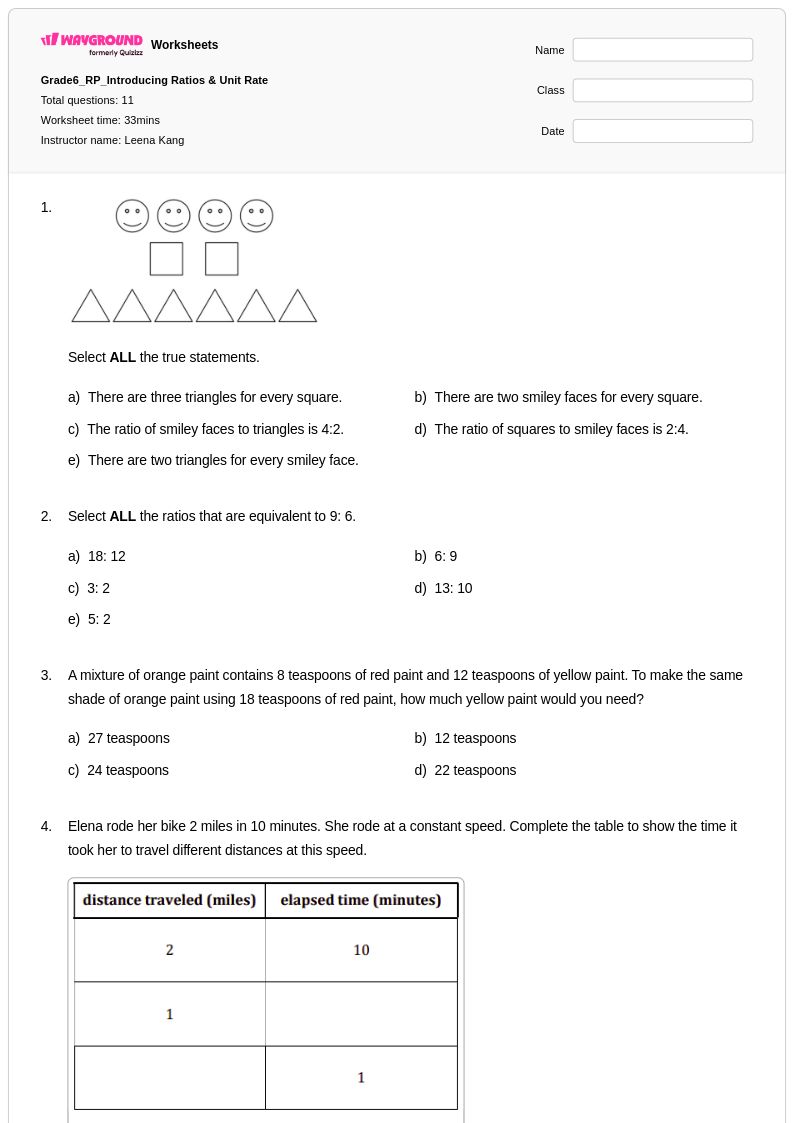
11 Q
7th
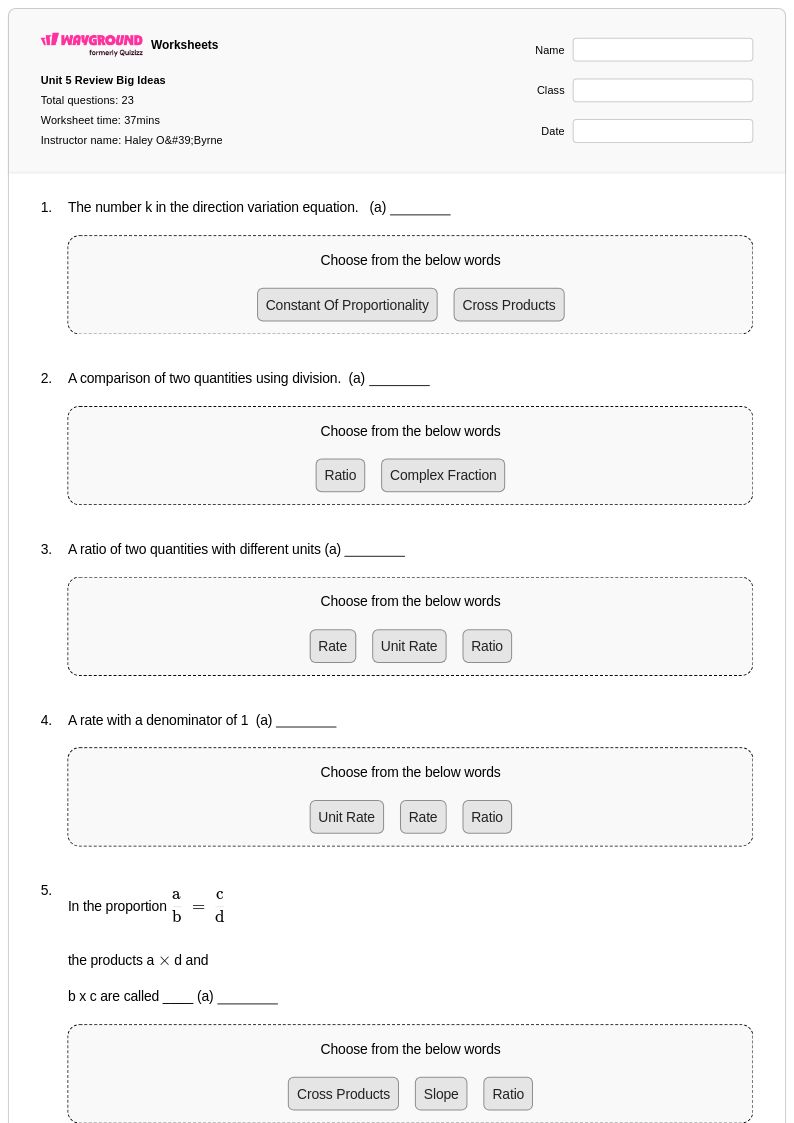
23 Q
7th
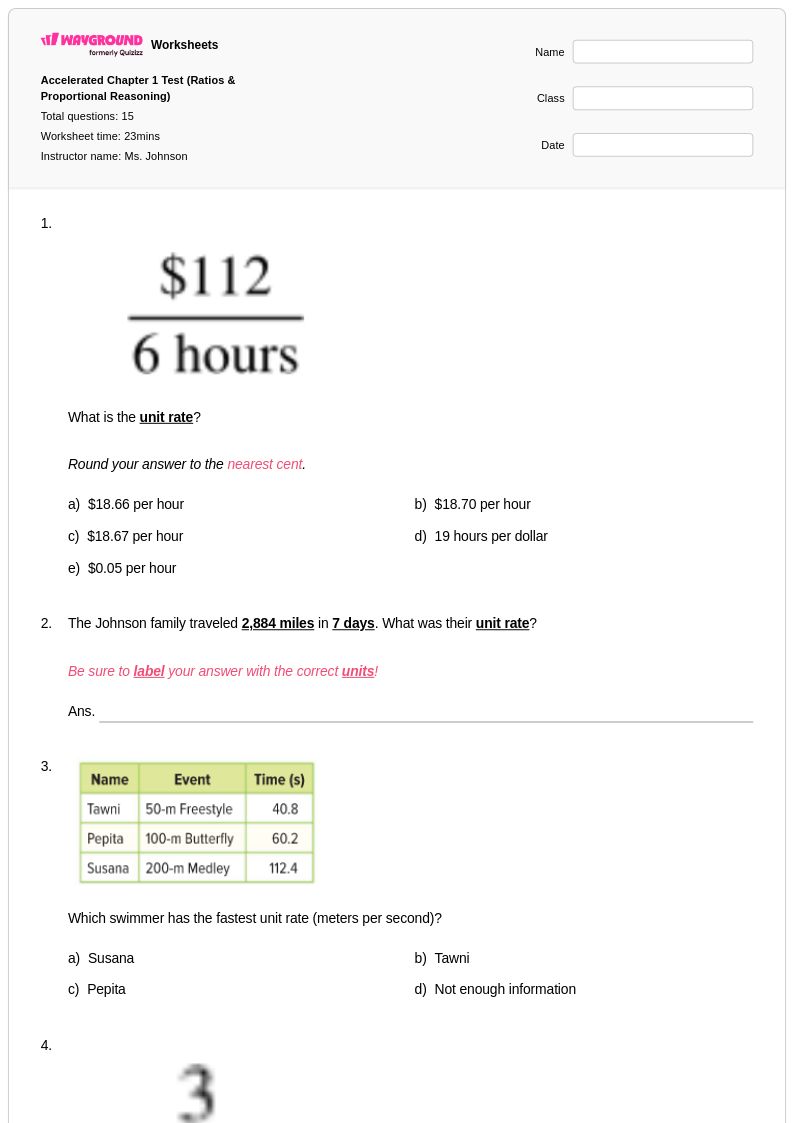
15 Q
7th - 8th
19 Q
6th - Uni
12 Q
7th - Uni
19 Q
7th - Uni
20 Q
7th - Uni
20 Q
7th - Uni
20 Q
7th - Uni
13 Q
7th
11 Q
7th
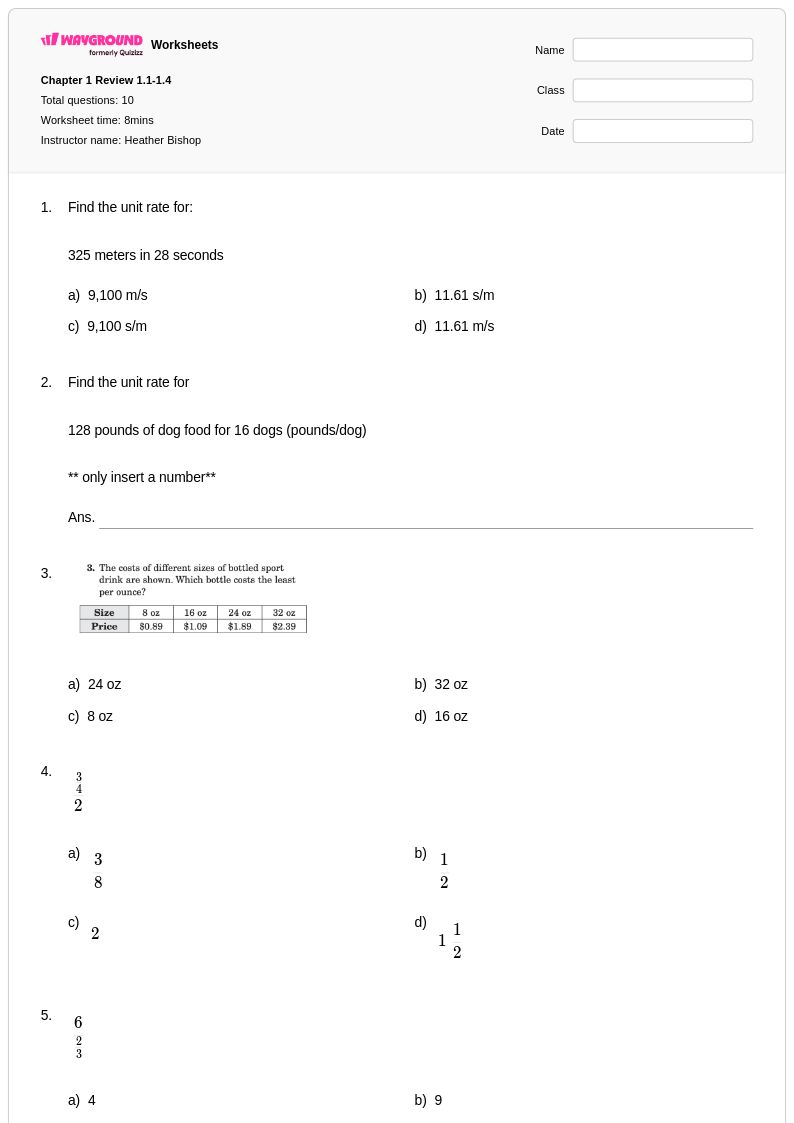
10 Q
7th
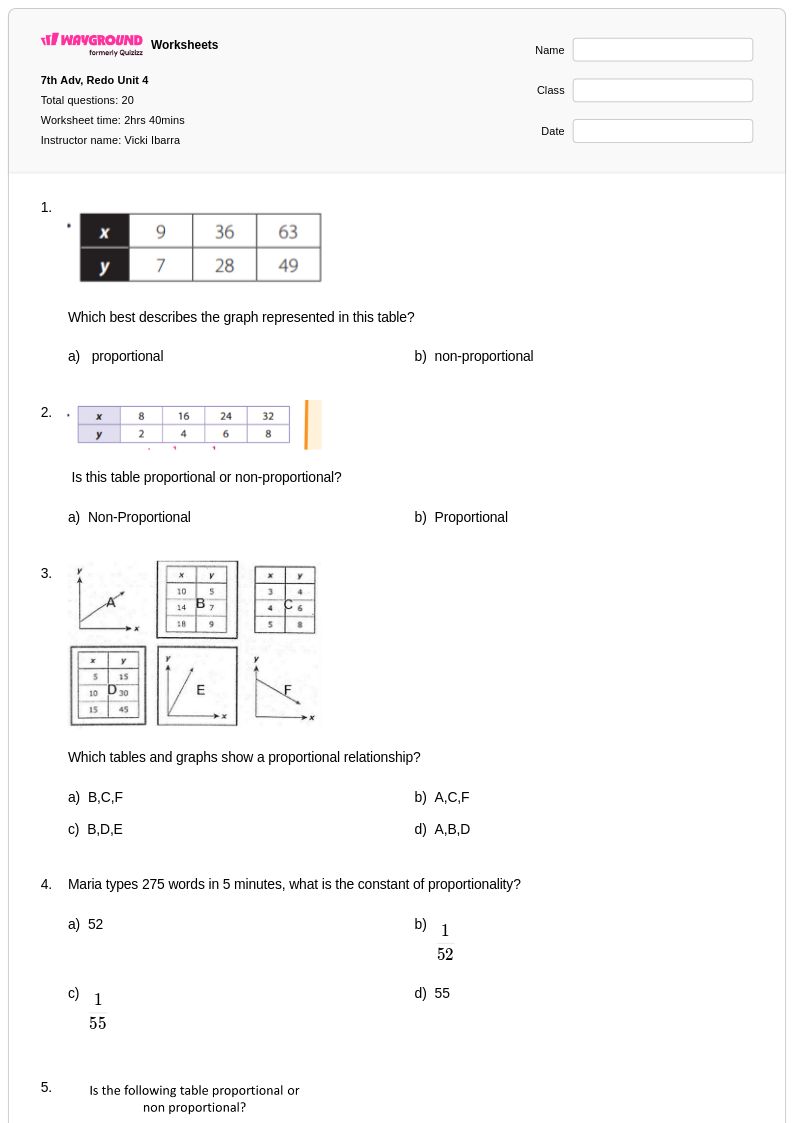
20 Q
6th - 8th
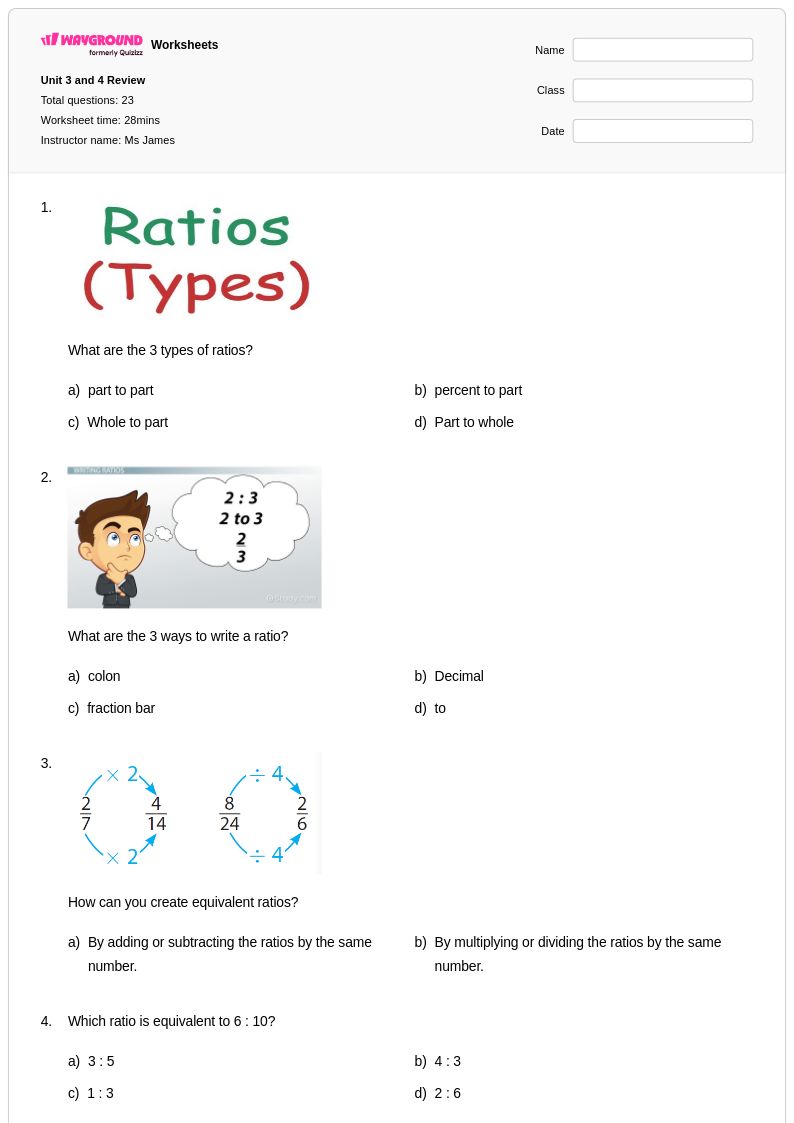
23 Q
7th
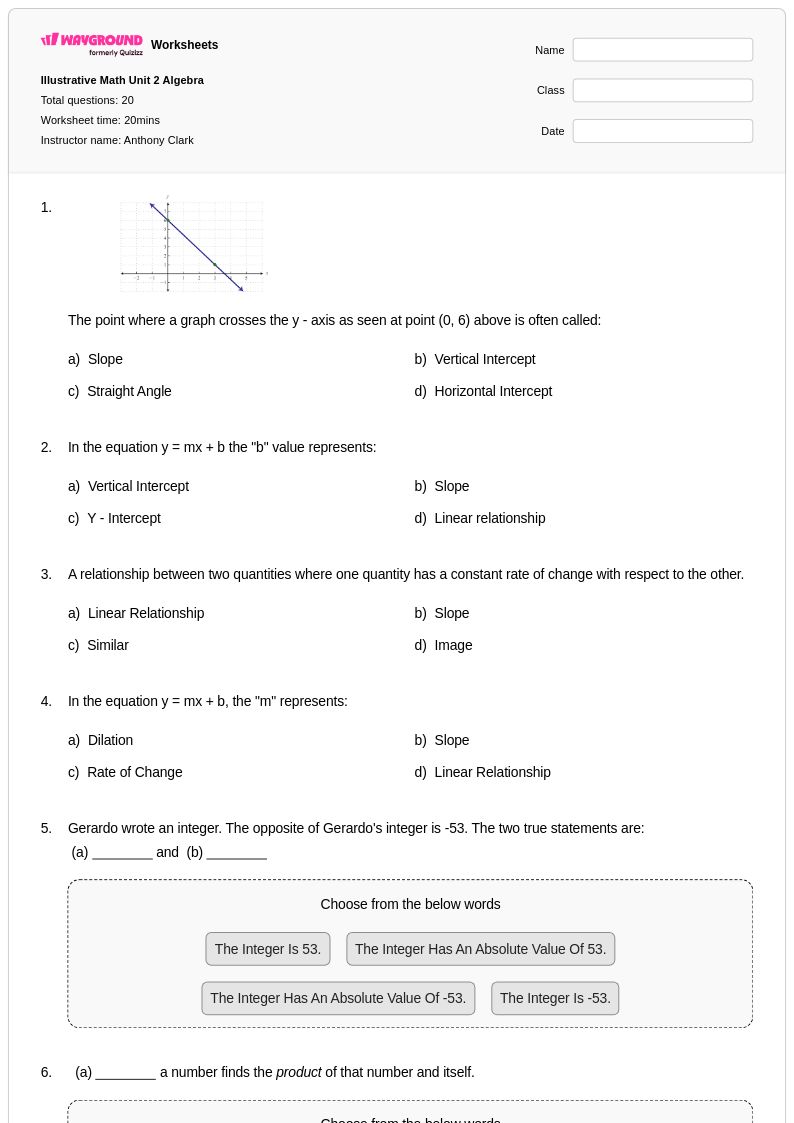
20 Q
7th - Uni
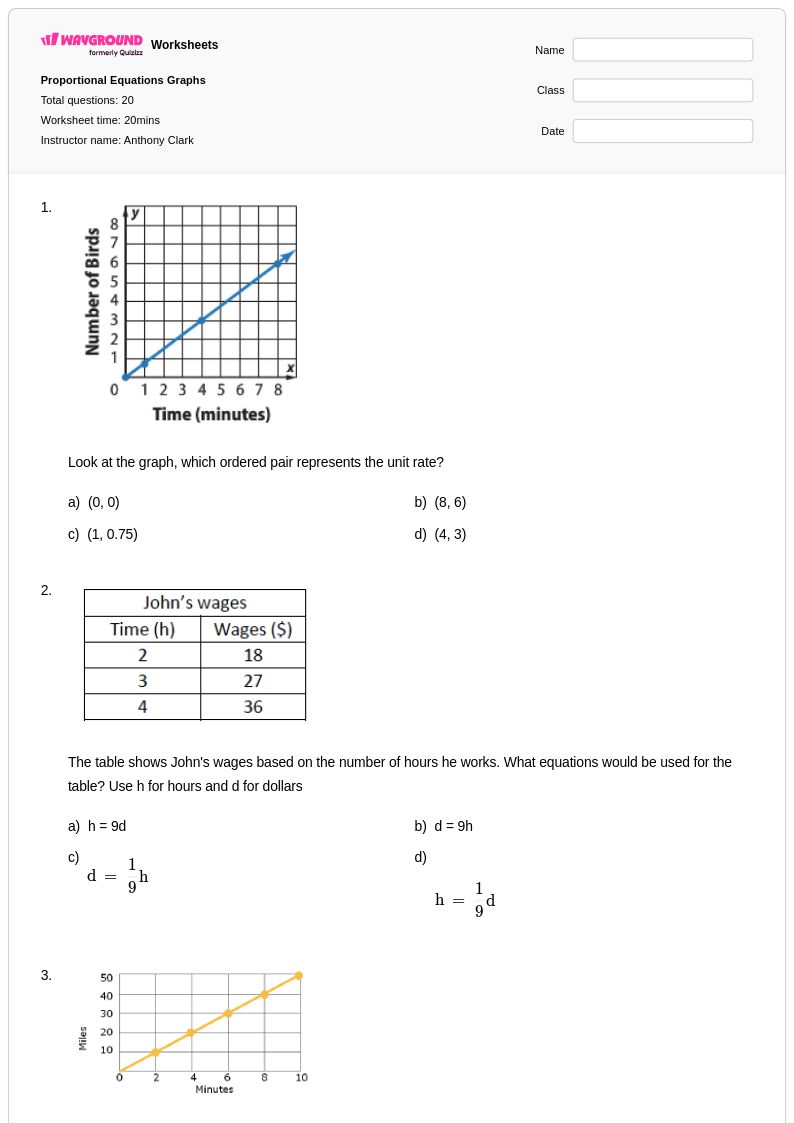
20 Q
7th - Uni
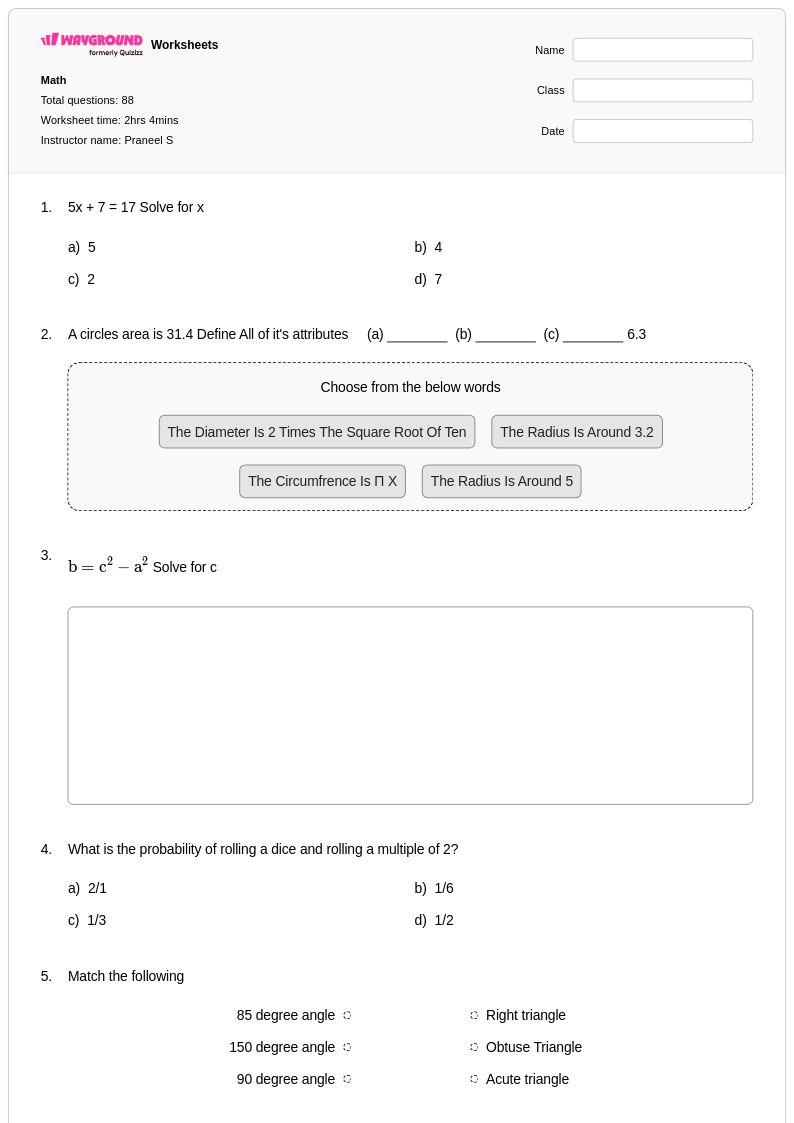
88 Q
7th
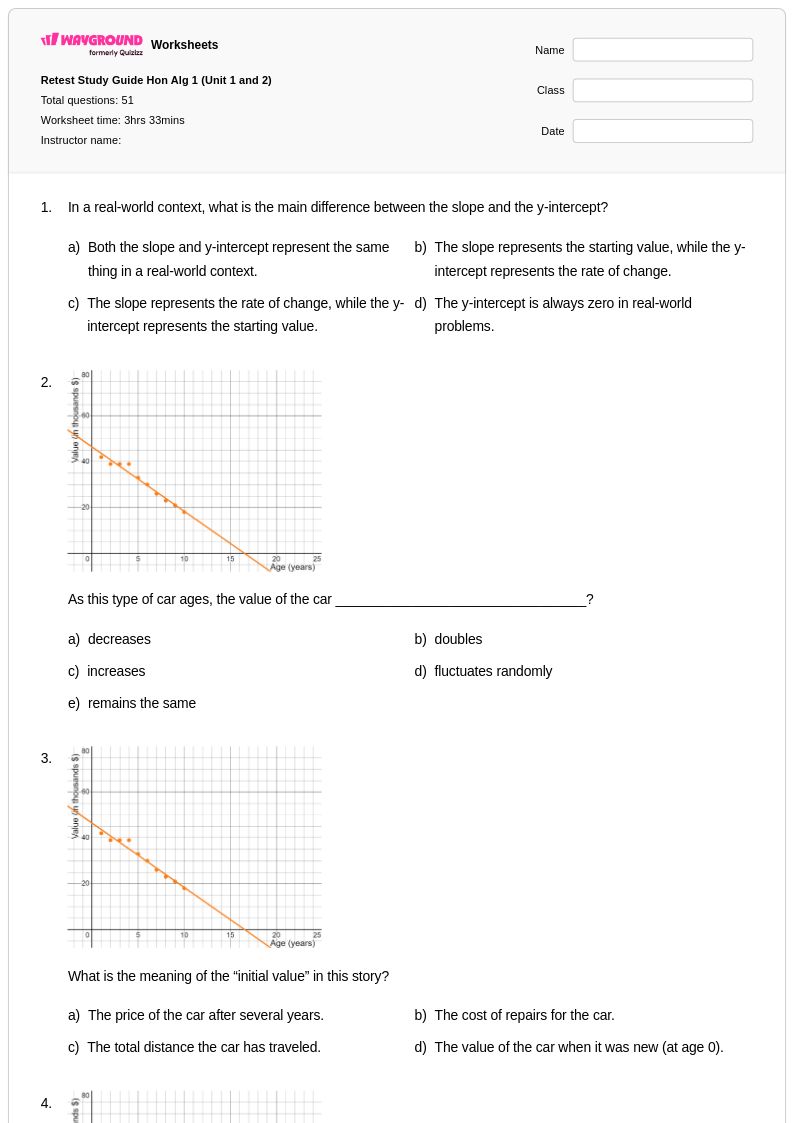
61 Q
7th
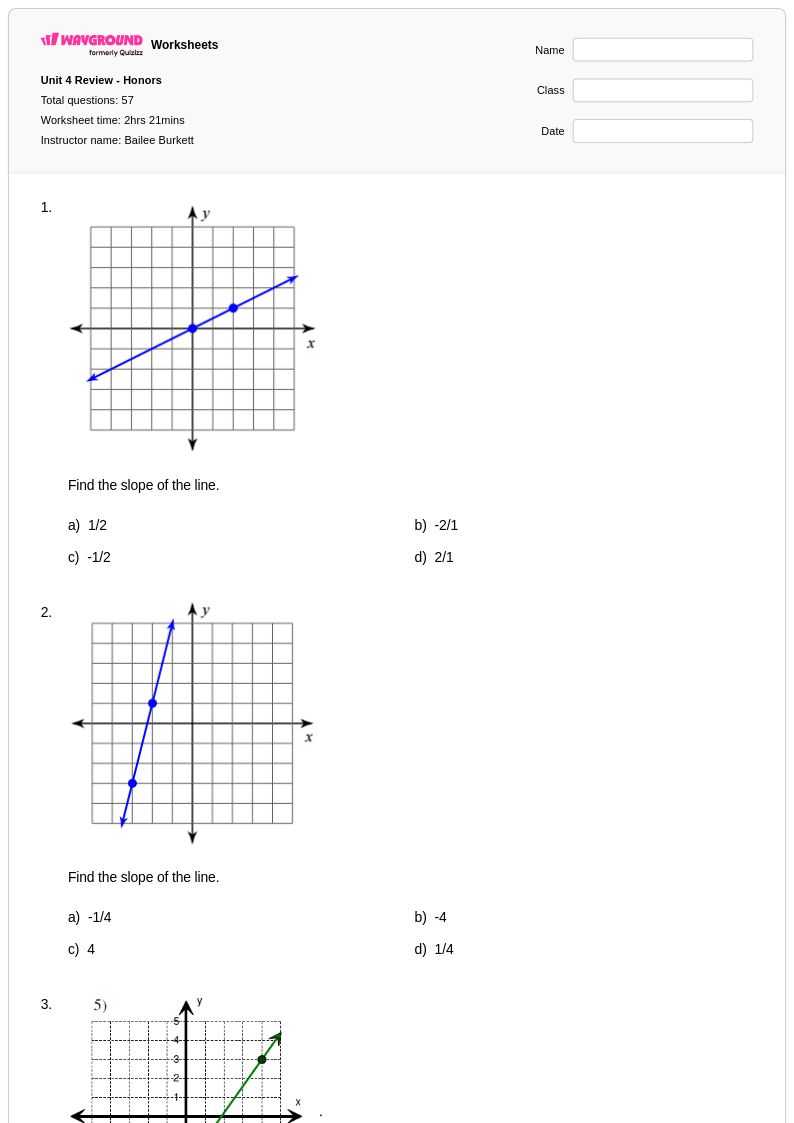
57 Q
7th
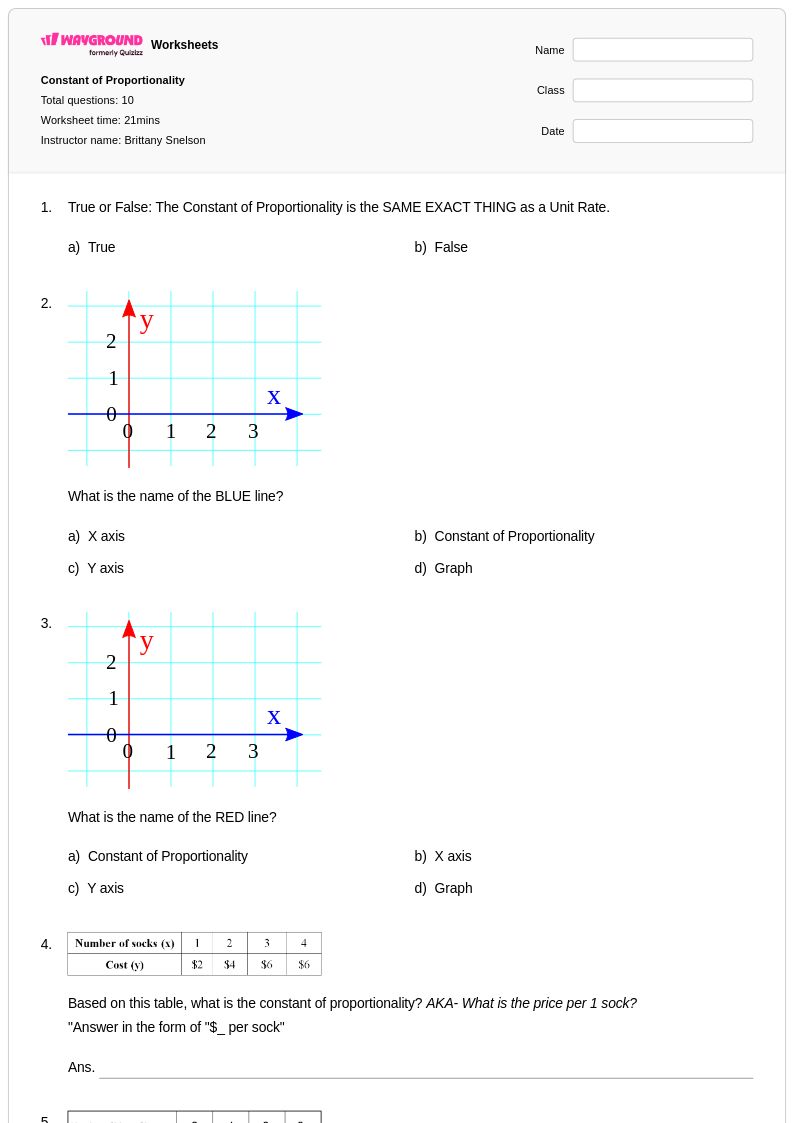
10 Q
7th
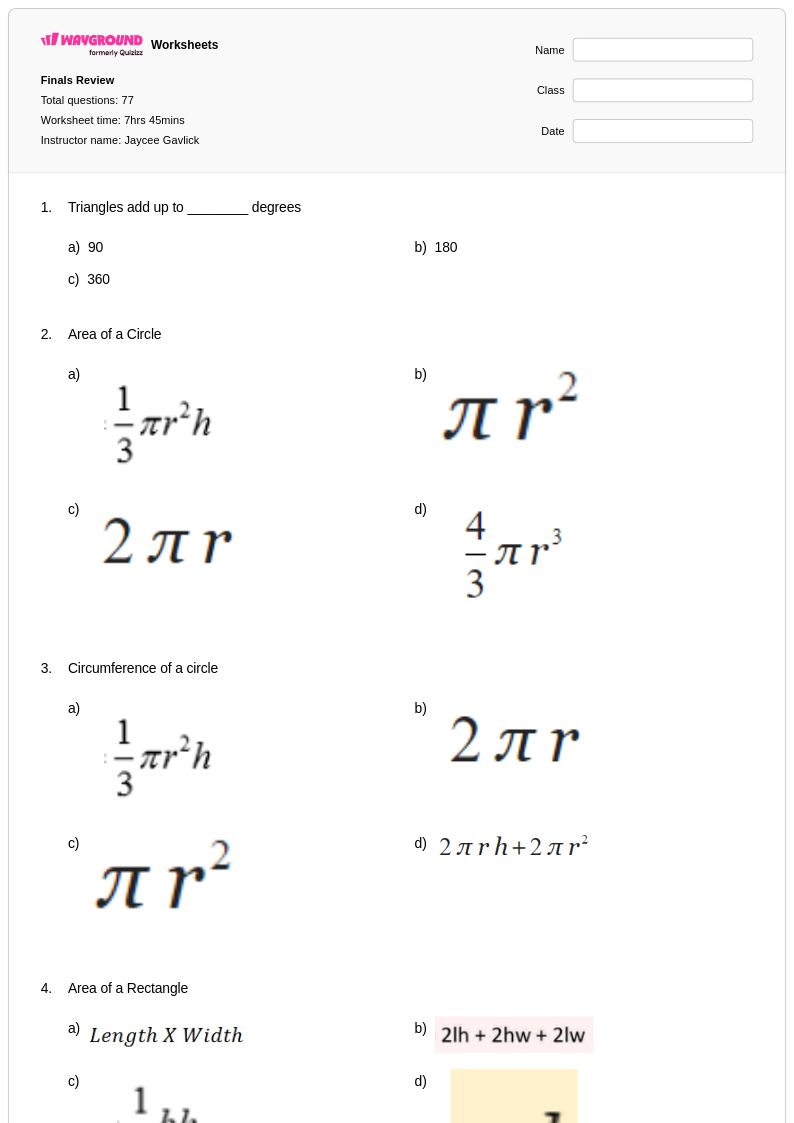
77 Q
7th
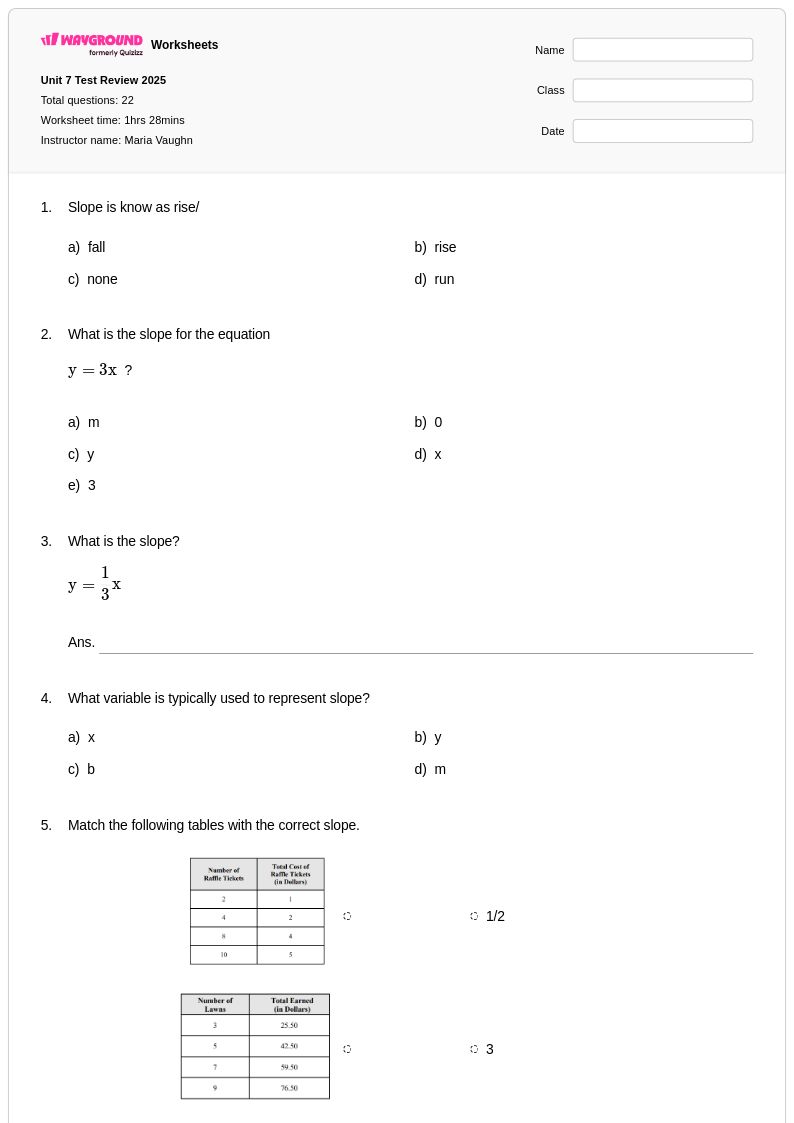
22 Q
7th
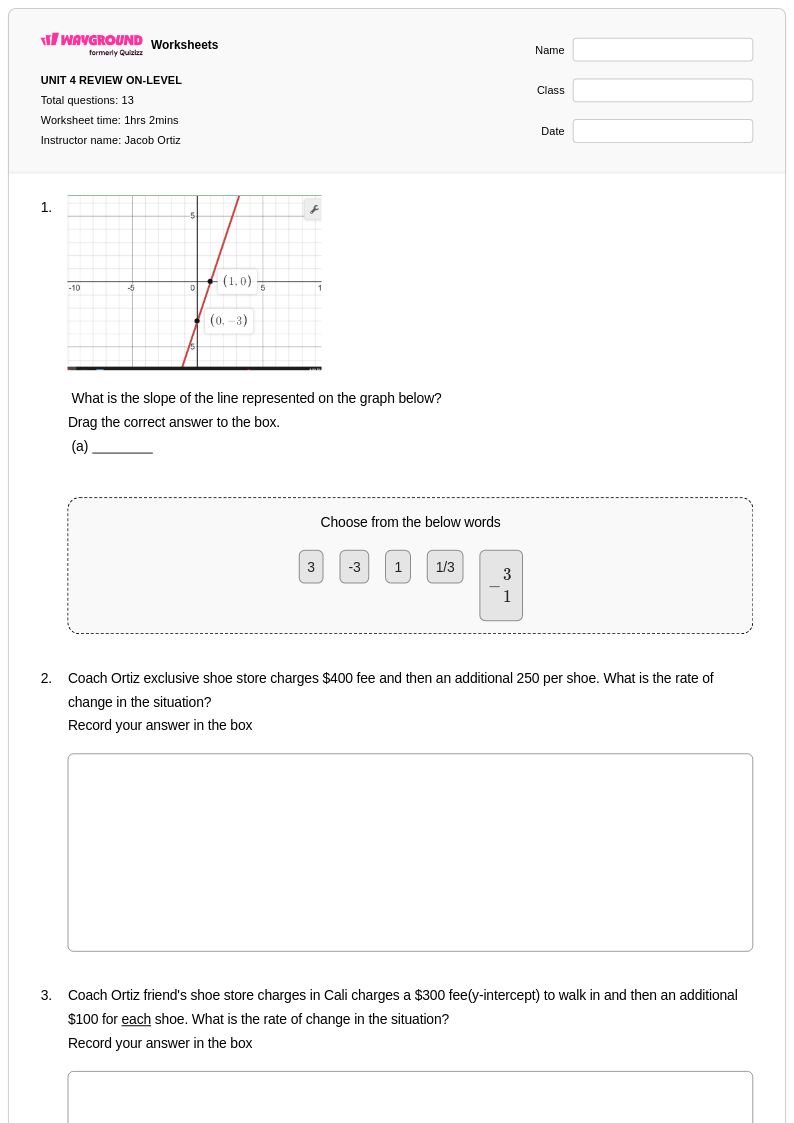
13 Q
6th - 8th
Explore Unit Rate and Slope Worksheets by Grades
Explore Other Subject Worksheets for class 7
Explore printable Unit Rate and Slope worksheets for Class 7
Unit rate and slope worksheets for Class 7 students available through Wayground (formerly Quizizz) provide comprehensive practice in understanding the fundamental connection between these two mathematical concepts. These educational resources help students master the critical skill of calculating unit rates while simultaneously developing their understanding of slope as a rate of change, strengthening their foundation in proportional reasoning and linear relationships. The worksheets feature carefully crafted practice problems that guide students through finding unit rates in real-world contexts such as speed, price per unit, and population density, then transition to representing these relationships graphically and identifying slope. Each worksheet collection includes a complete answer key and is available as free printable PDF resources, allowing students to work systematically through problems that build from basic unit rate calculations to more complex applications involving coordinate geometry and linear functions.
Wayground (formerly Quizizz) supports mathematics educators with an extensive library of millions of teacher-created worksheet resources specifically designed for unit rate and slope instruction at the Class 7 level. The platform's robust search and filtering capabilities enable teachers to quickly locate materials that align with specific curriculum standards and match their students' diverse learning needs. Teachers can access both printable and digital formats, including downloadable PDFs, while utilizing differentiation tools to customize worksheets for various skill levels within their classrooms. These flexible resources prove invaluable for lesson planning, targeted remediation for students struggling with rate concepts, enrichment activities for advanced learners, and consistent skill practice that reinforces the connection between algebraic and geometric representations of proportional relationships.