Free Printable Units of Distance Worksheets for Kindergarten
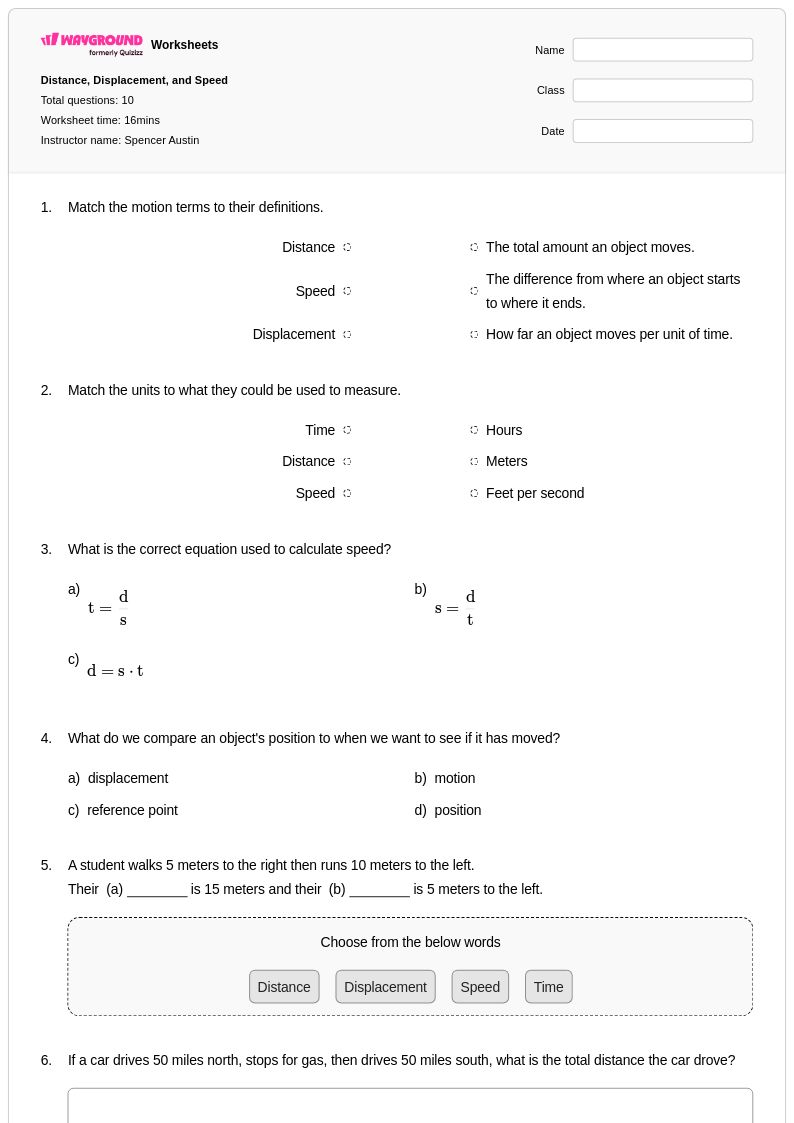
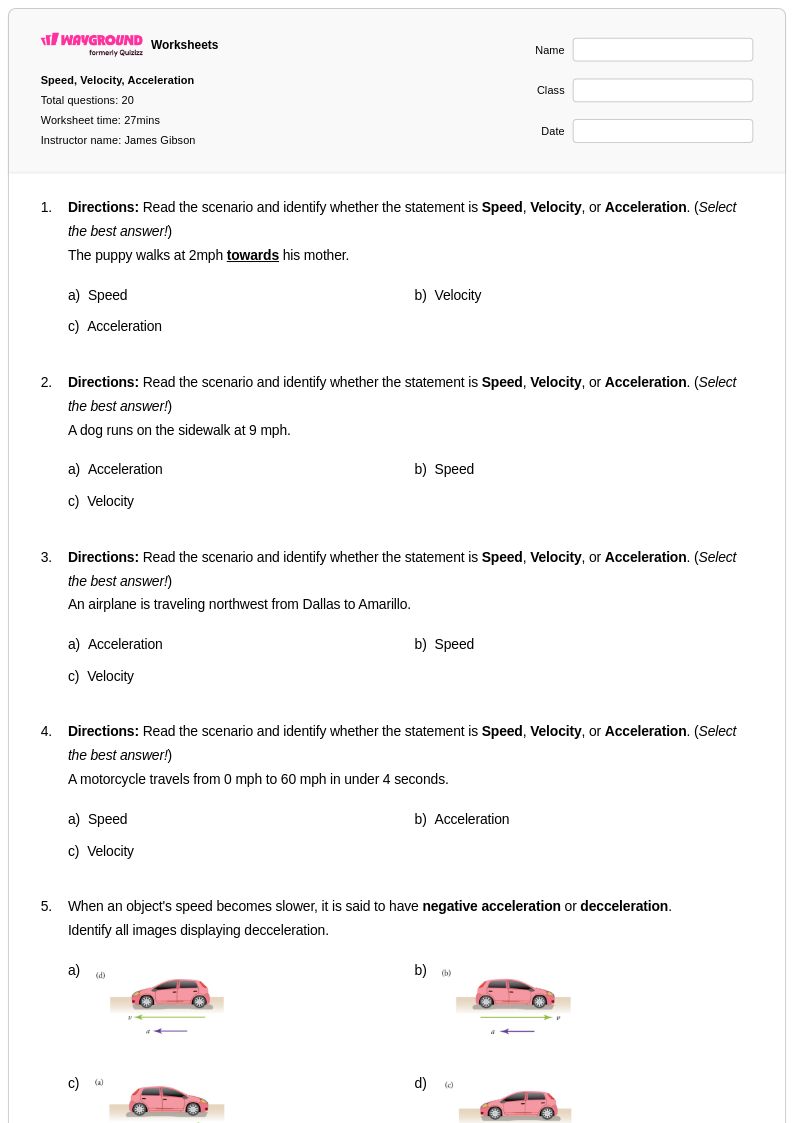
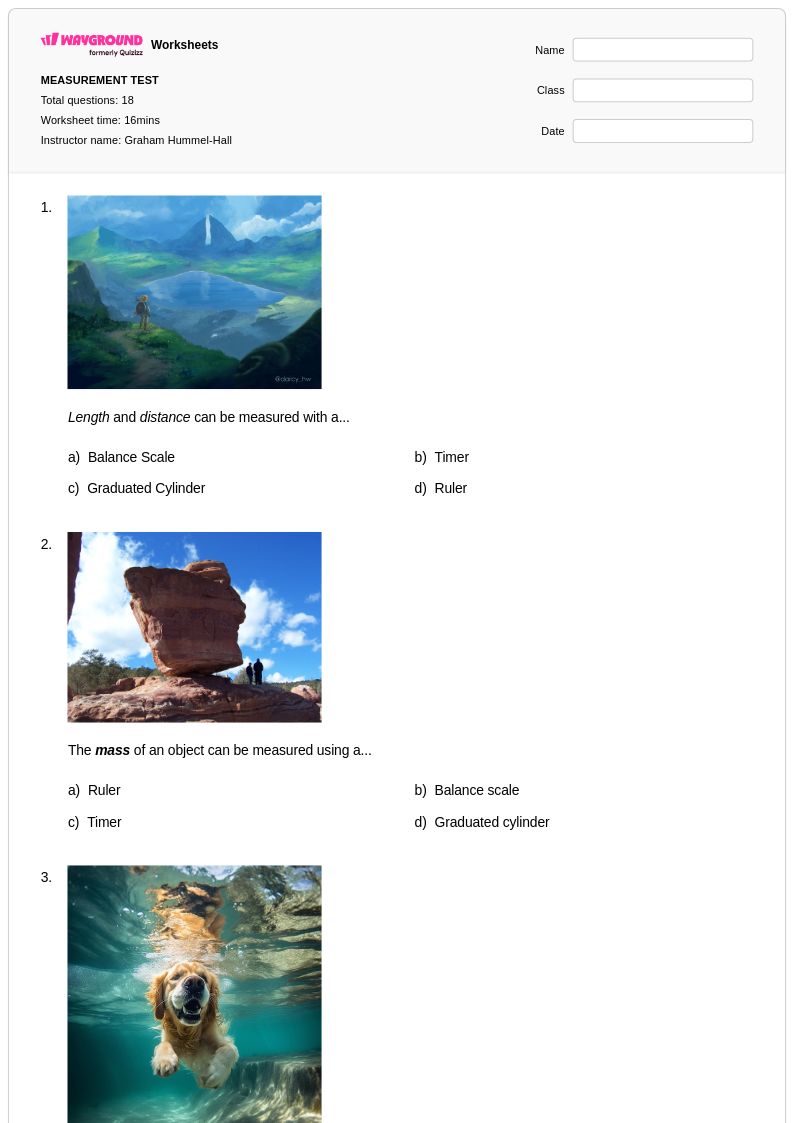
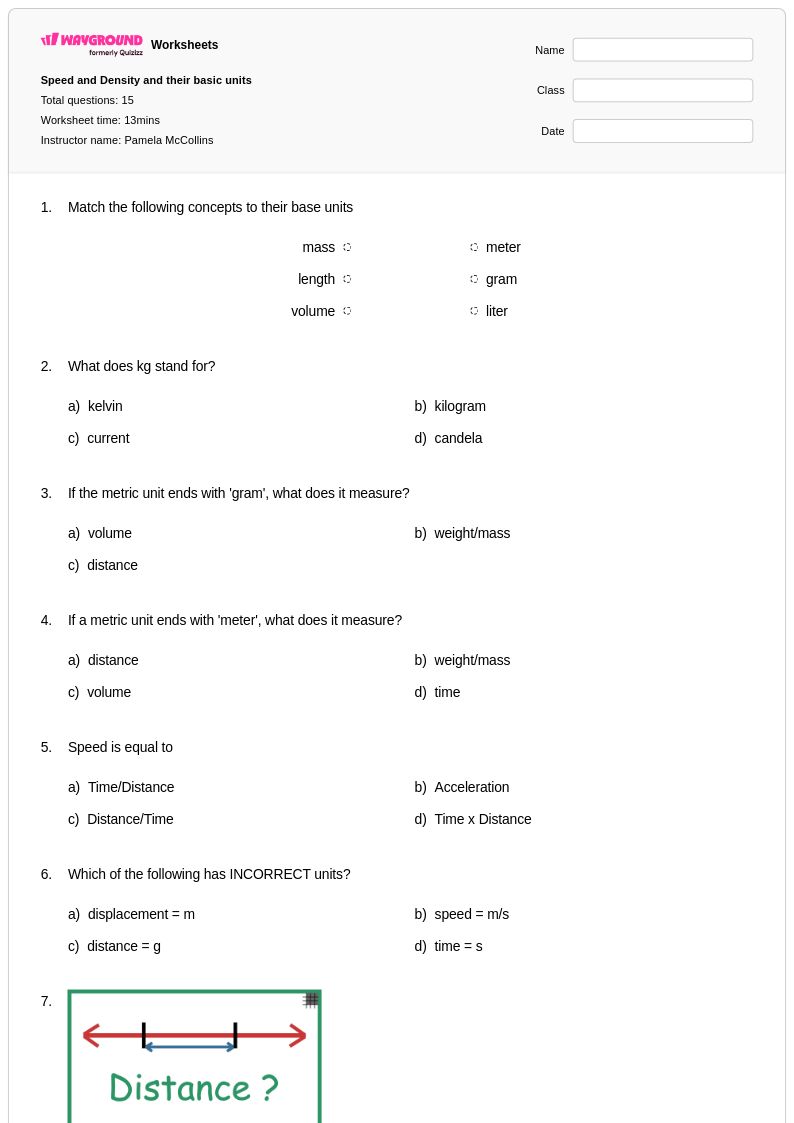
Wayground's free kindergarten units of distance worksheets offer engaging printables and practice problems that help young learners explore measuring length and distance through hands-on activities with complete answer keys.
Explore printable Units of Distance worksheets for Kindergarten
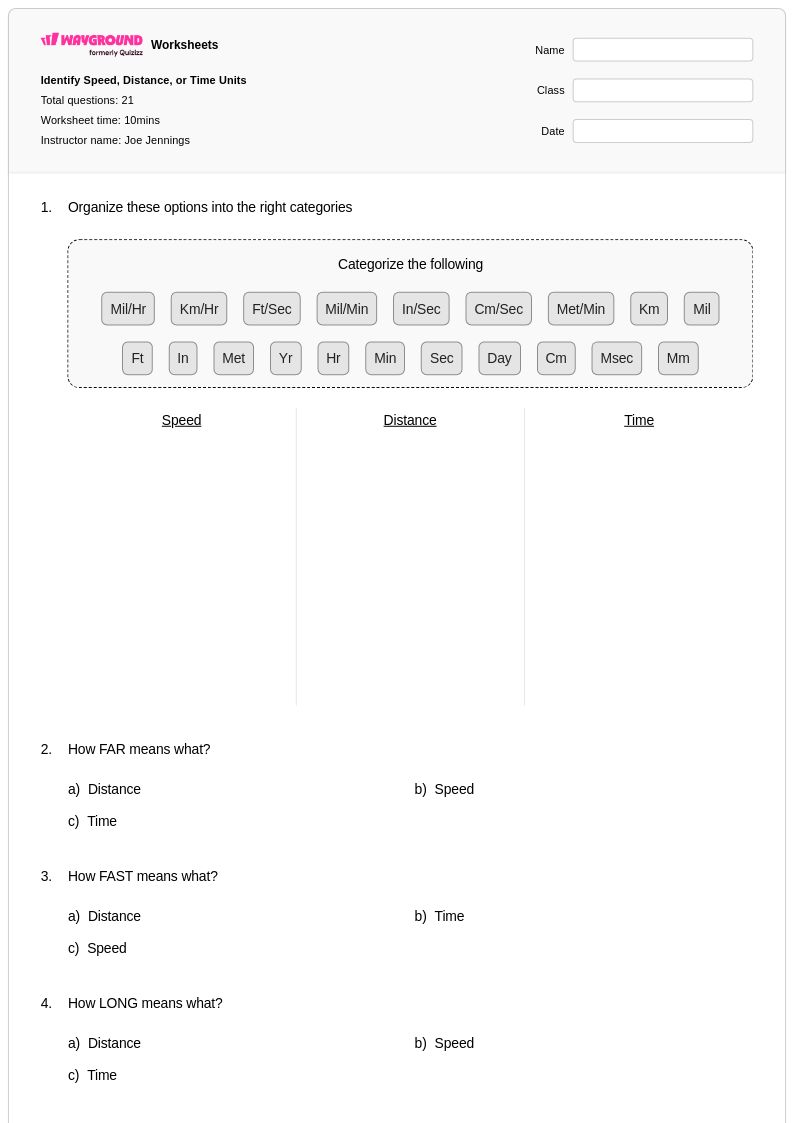
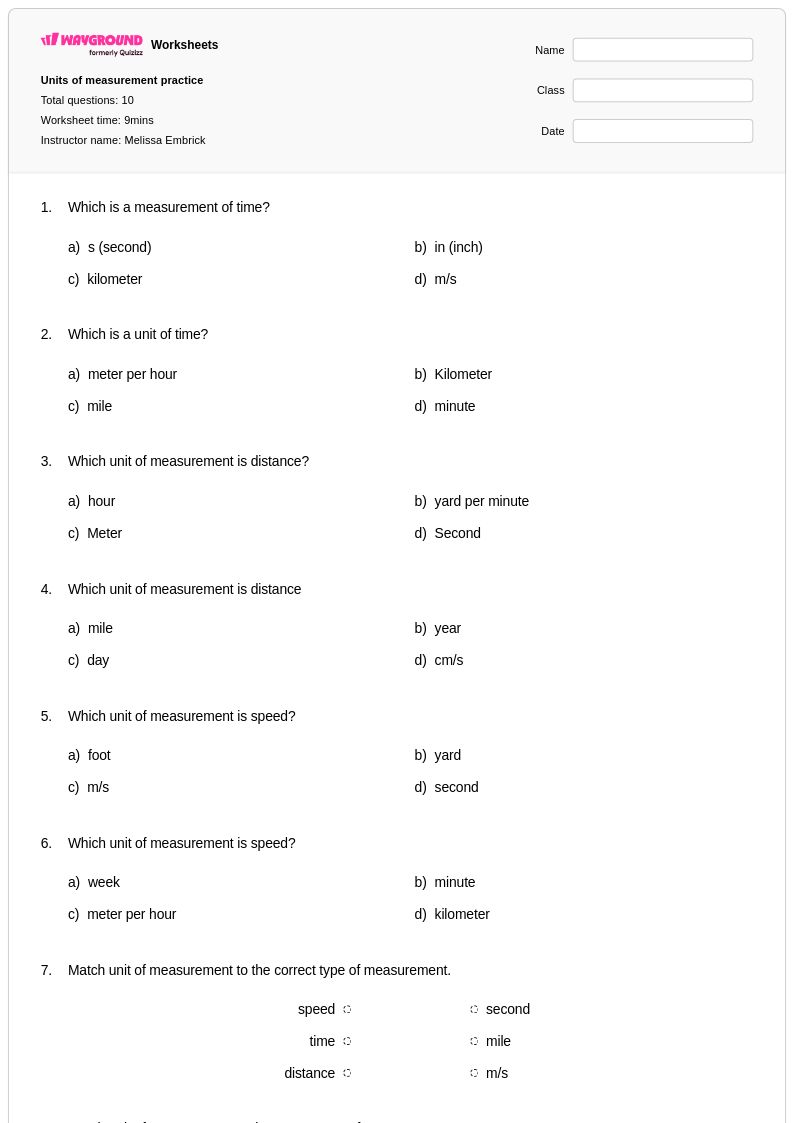
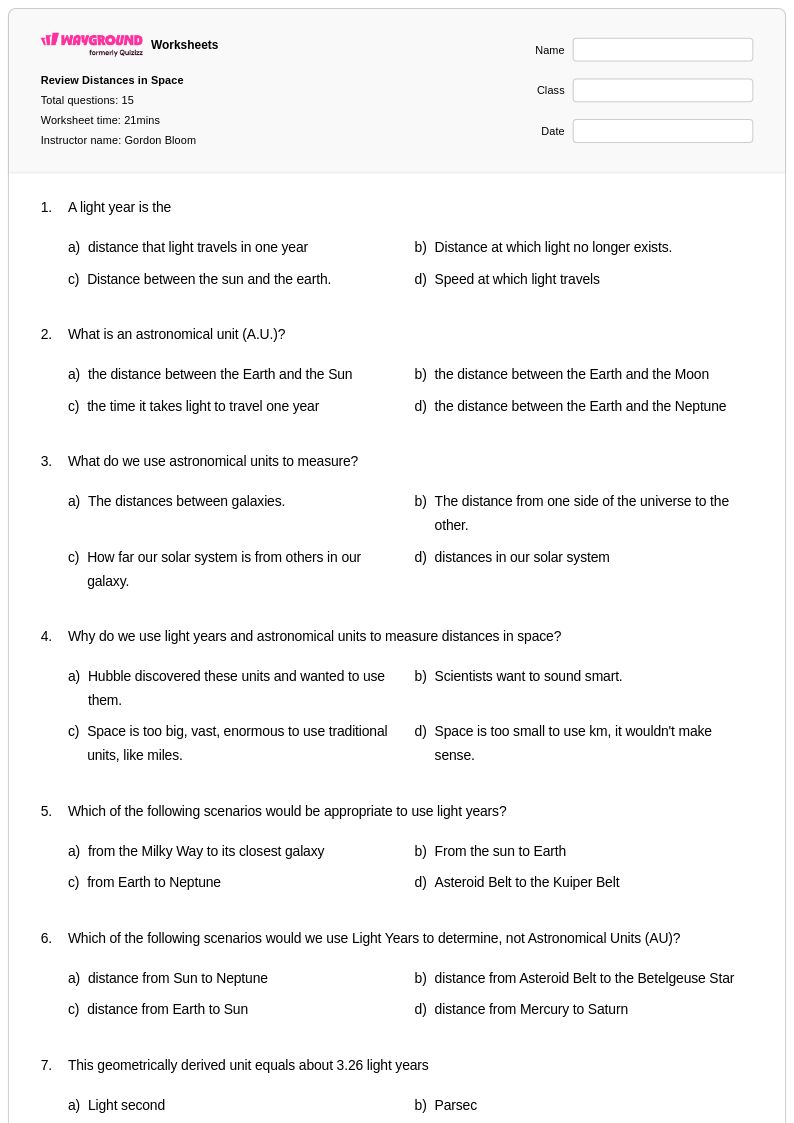
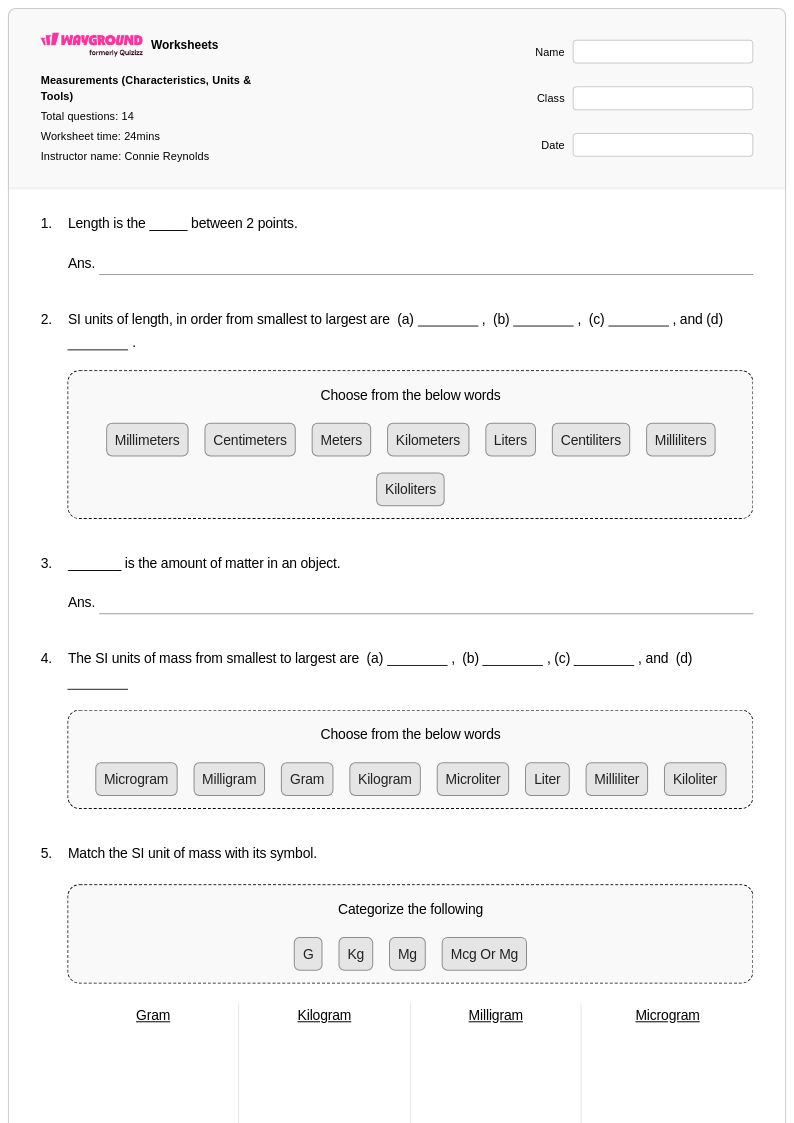
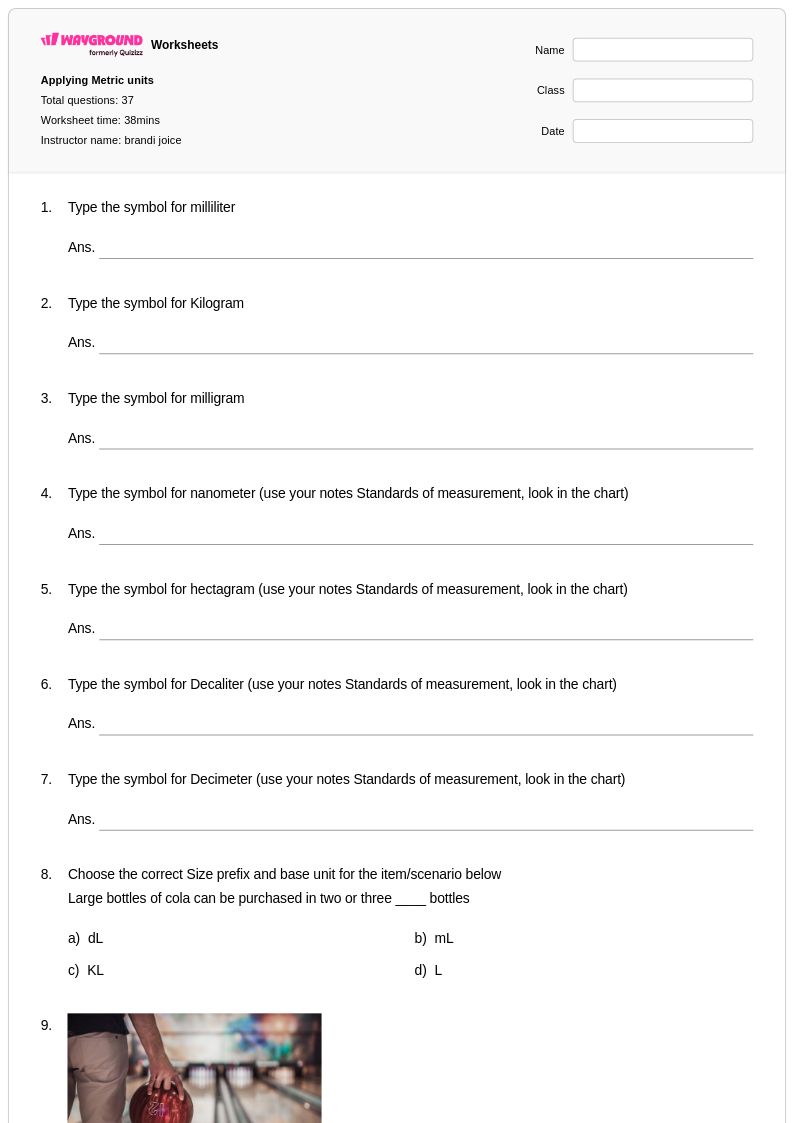
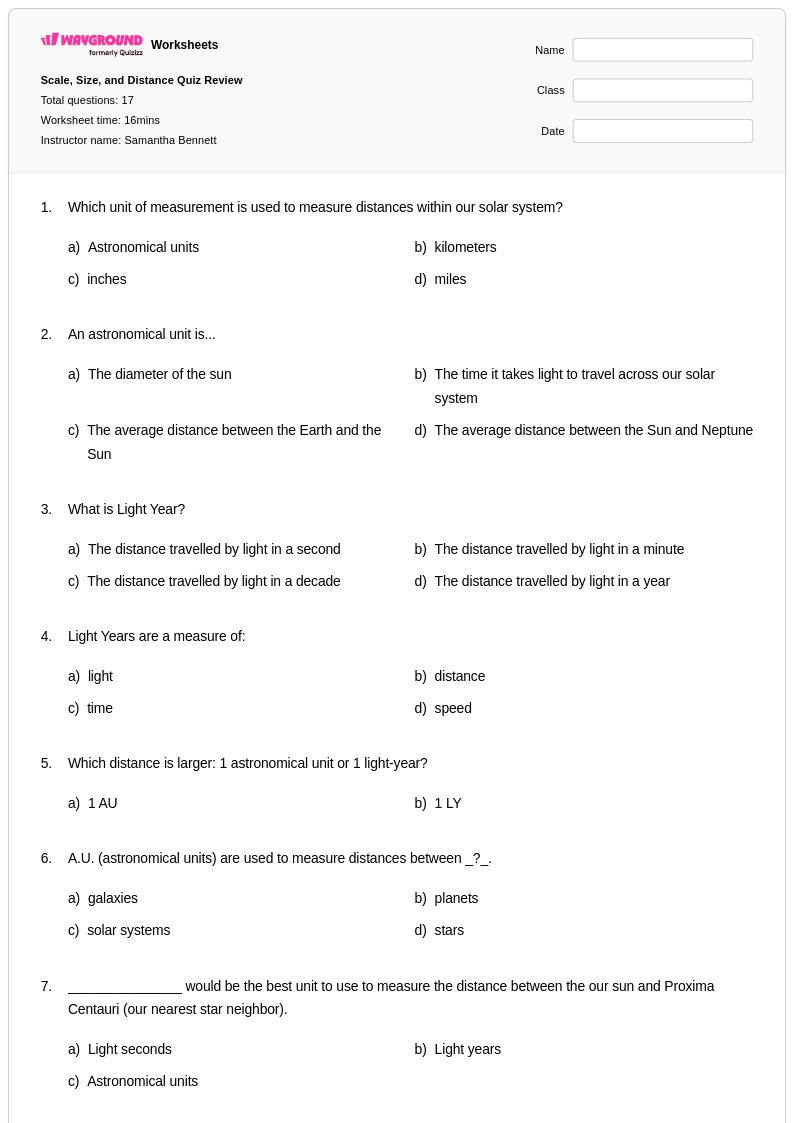
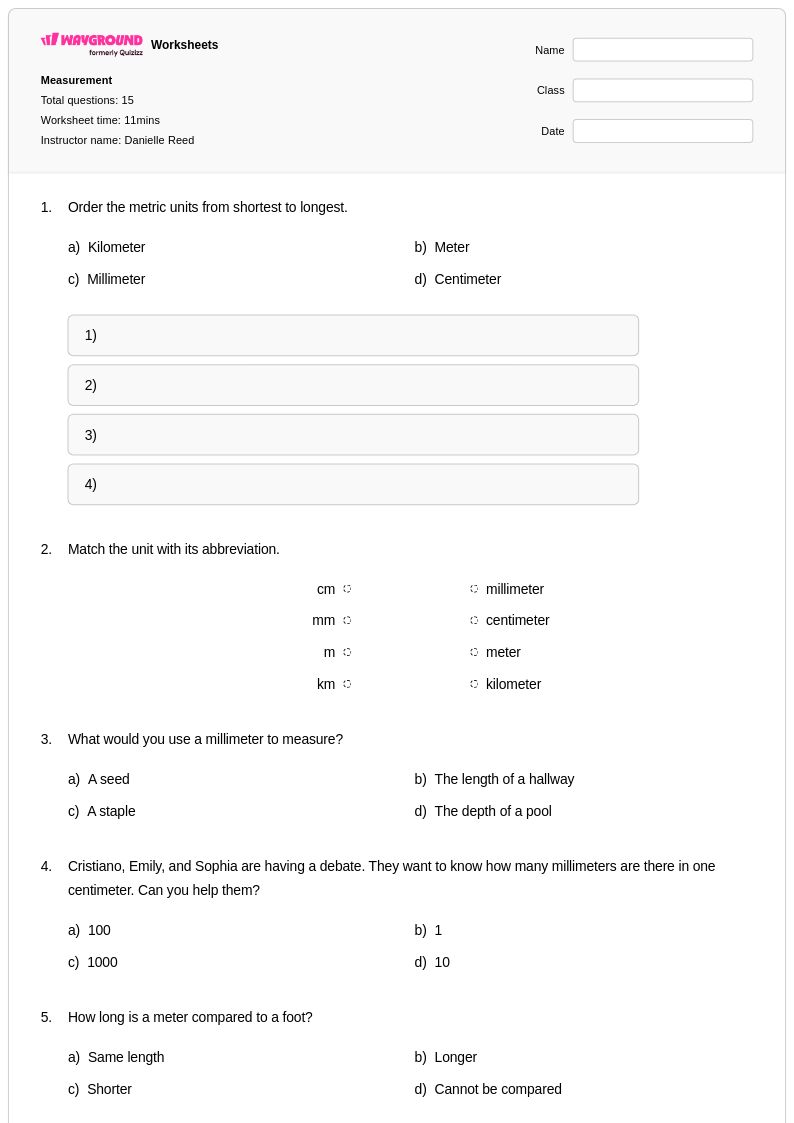
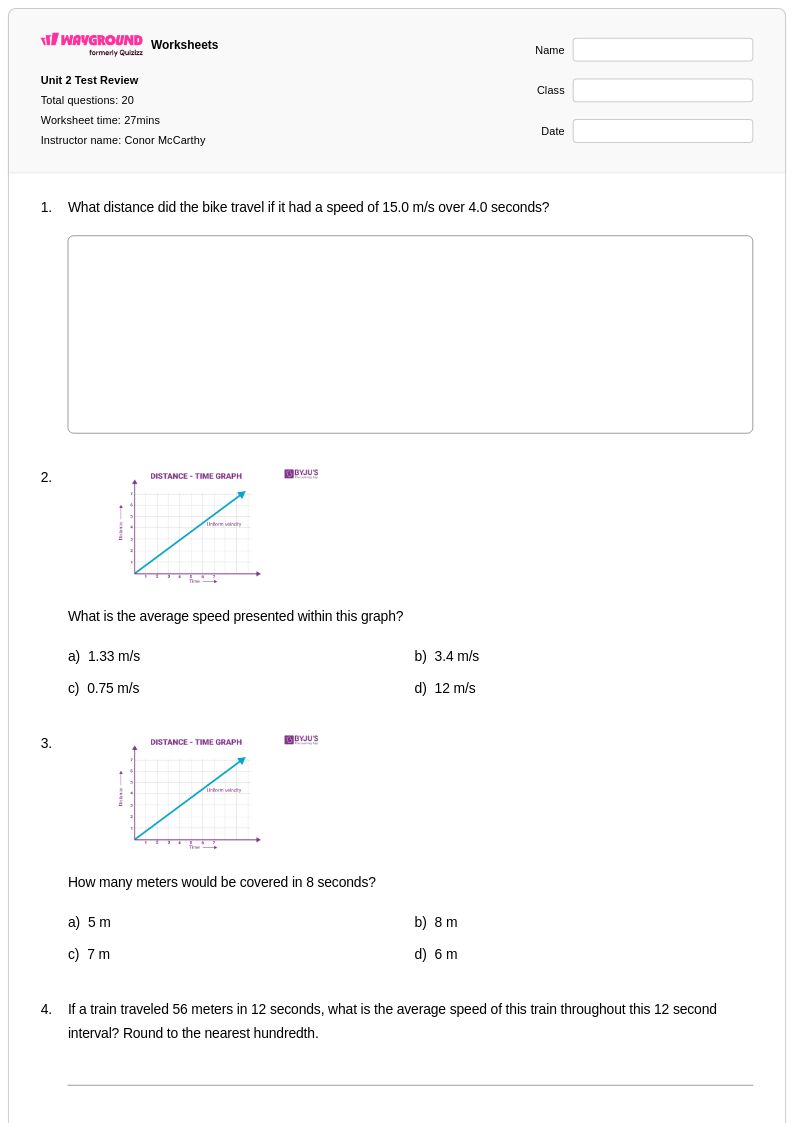
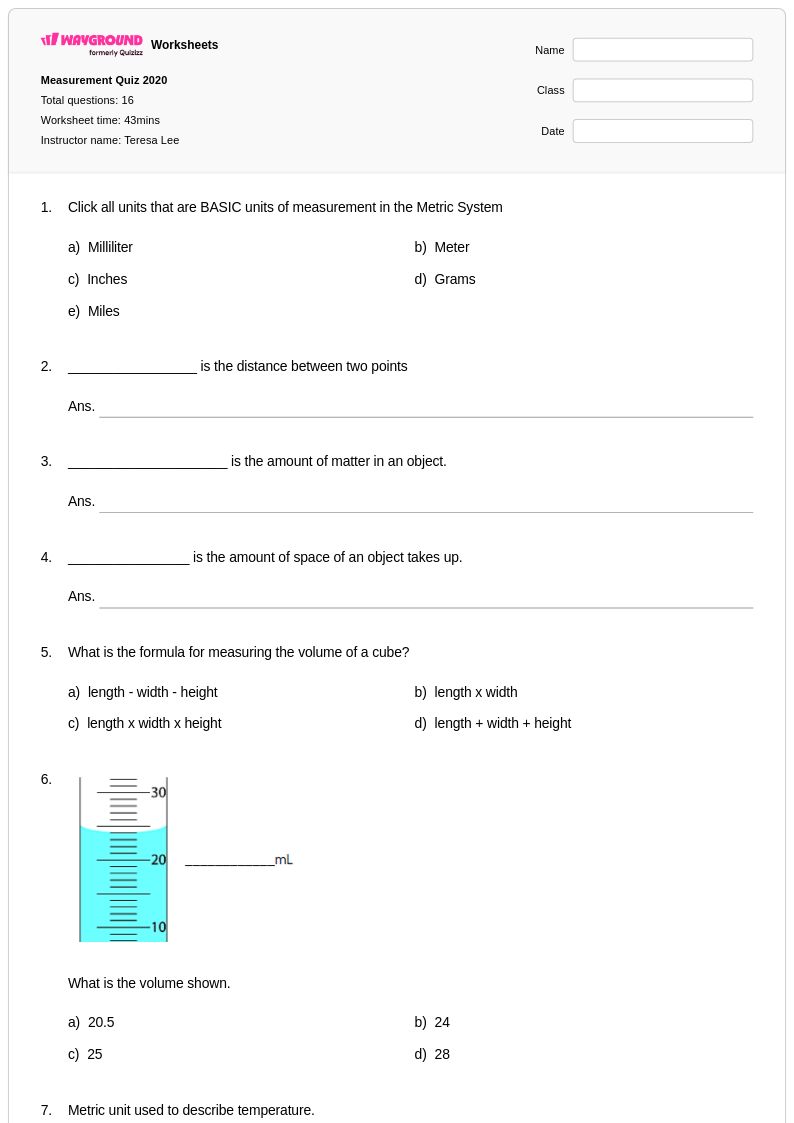
Units of distance worksheets for kindergarten through Wayground (formerly Quizizz) introduce young learners to fundamental measurement concepts through engaging, age-appropriate activities. These carefully designed worksheets help students develop essential skills in recognizing, comparing, and understanding different units used to measure length and distance, such as inches, feet, and basic metric units. Each worksheet focuses on building foundational measurement literacy through hands-on practice problems that encourage students to explore concepts like longer versus shorter, near versus far, and basic unit comparisons. The collection includes comprehensive materials with answer keys, free printables in pdf format, and interactive exercises that make learning about distance measurement both accessible and enjoyable for kindergarten students.
Wayground (formerly Quizizz) empowers teachers with an extensive library of millions of teacher-created resources specifically designed for kindergarten units of distance instruction. The platform's robust search and filtering capabilities allow educators to quickly locate worksheets that align with curriculum standards and match their students' developmental needs. Teachers can easily customize these materials for differentiation, adapting content for remediation or enrichment while maintaining focus on core measurement concepts. The flexible format options, including both printable pdf versions and digital interactive worksheets, support diverse classroom environments and learning preferences. This comprehensive approach to worksheet management streamlines lesson planning while providing teachers with reliable tools for skill practice, formative assessment, and targeted instruction in distance measurement concepts.
FAQs
How do I teach units of distance to students who struggle with conversions?
Start by anchoring each unit to something concrete — a millimeter is about the thickness of a credit card, a kilometer is roughly the distance of a short walk. Once students have a mental model for scale, introduce conversion factors as multiplication and division relationships rather than formulas to memorize. Structured practice that moves from single-step to multi-step conversions, with immediate feedback, helps students build procedural fluency without losing conceptual understanding.
What kinds of exercises help students practice metric and imperial distance conversions?
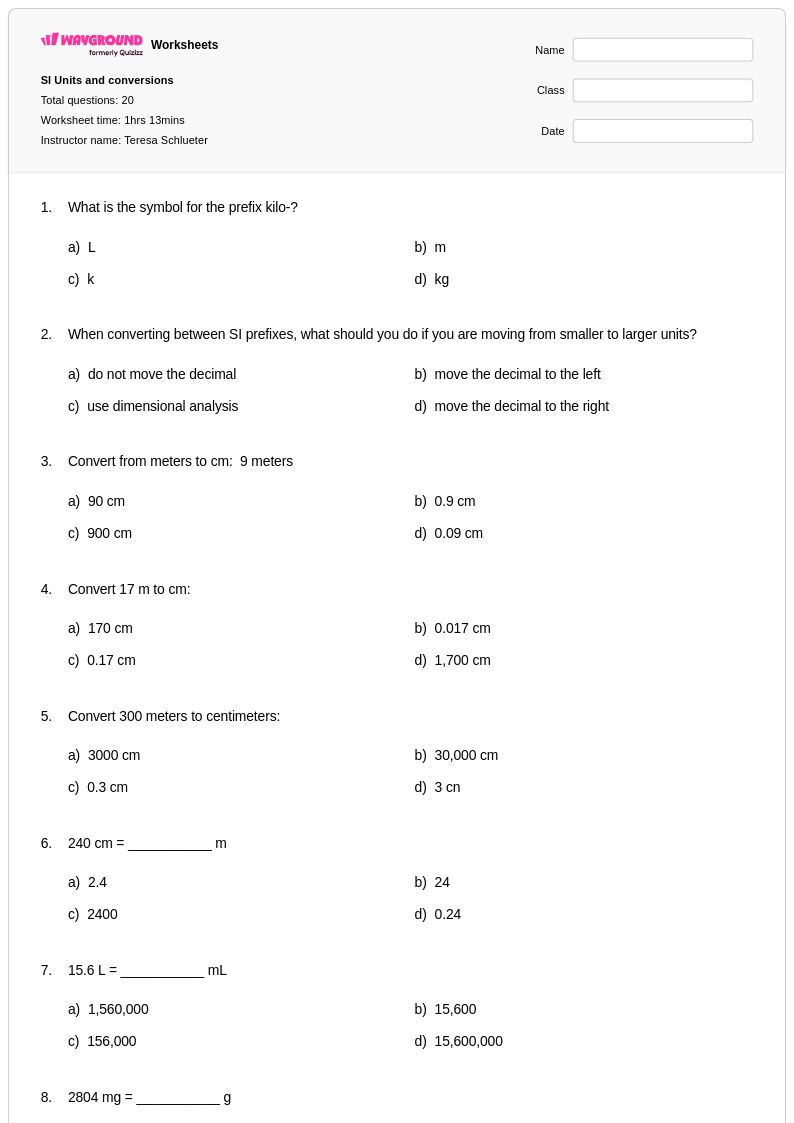
Effective practice includes unit conversion drills (e.g., converting kilometers to meters or feet to miles), measurement estimation tasks, and real-world word problems that require students to select the appropriate unit before calculating. Mixing formats — fill-in-the-blank, matching, and multi-step problem solving — ensures students practice both recall and application. Wayground's units of distance worksheets cover this full range, progressing from basic unit identification to complex conversions across both metric and imperial systems.
What mistakes do students commonly make when converting units of distance?
The most common error is multiplying when students should divide, or vice versa, when converting between units — especially when moving between metric and imperial systems. Students also frequently confuse the relative size of units, for example assuming that more units always means a larger measurement. A targeted misconception is treating the metric prefix system as arbitrary rather than base-10, which causes errors in multi-step conversions like centimeters to kilometers.
How can I differentiate units of distance worksheets for students at different levels?
For struggling students, begin with single-system conversions (metric only or imperial only) and provide a reference chart of conversion factors. Advanced learners benefit from multi-step problems that cross between systems, estimation challenges, and scale interpretation tasks. On Wayground, teachers can apply accommodations such as reduced answer choices to lower cognitive load for individual students, or enable read-aloud support so that word problems are accessible to students with reading difficulties — all without other students being notified.
How do I use Wayground's units of distance worksheets in my classroom?
Wayground's units of distance worksheets are available as printable PDFs for traditional classroom use and in digital formats for technology-integrated environments, so they work equally well as in-class practice, homework, or assessment prep. Teachers can also host the content as a live or assigned quiz directly on Wayground, enabling automatic grading and real-time visibility into student performance. Each worksheet includes a complete answer key, reducing prep time while ensuring consistent feedback.
How do I assess whether students truly understand units of distance versus just memorizing conversion factors?
Ask students to explain their reasoning when converting — if they can only apply a formula without justifying why, they are operating procedurally without conceptual understanding. Estimation tasks, where students decide which unit is most appropriate for measuring a given object or distance, reveal whether students grasp the scale of each unit. Error analysis problems, where students identify and correct a flawed conversion, are especially effective for surfacing gaps in understanding.