Free Printable Writing Letters Worksheets for Class 2
Class 2 writing letters worksheets from Wayground provide engaging printables and practice problems that help young learners master proper letter formation, handwriting skills, and early writing fundamentals with free PDF resources and answer keys.
Explore printable Writing Letters worksheets for Class 2
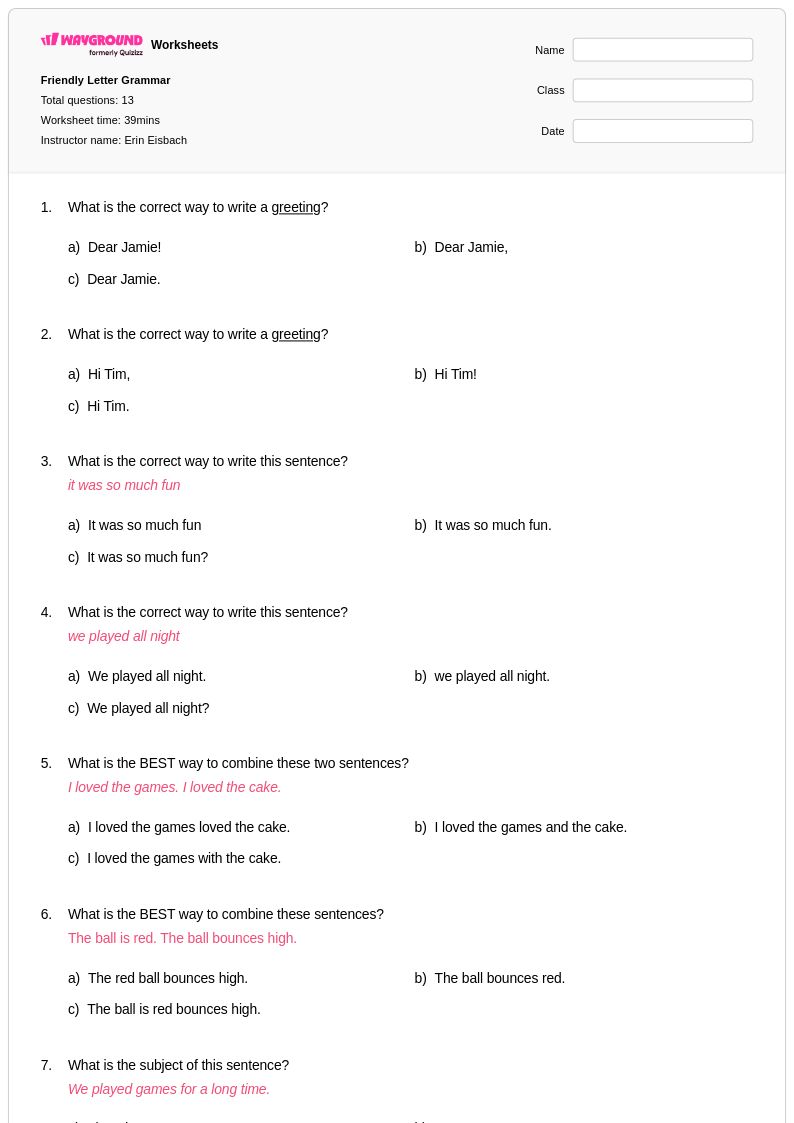
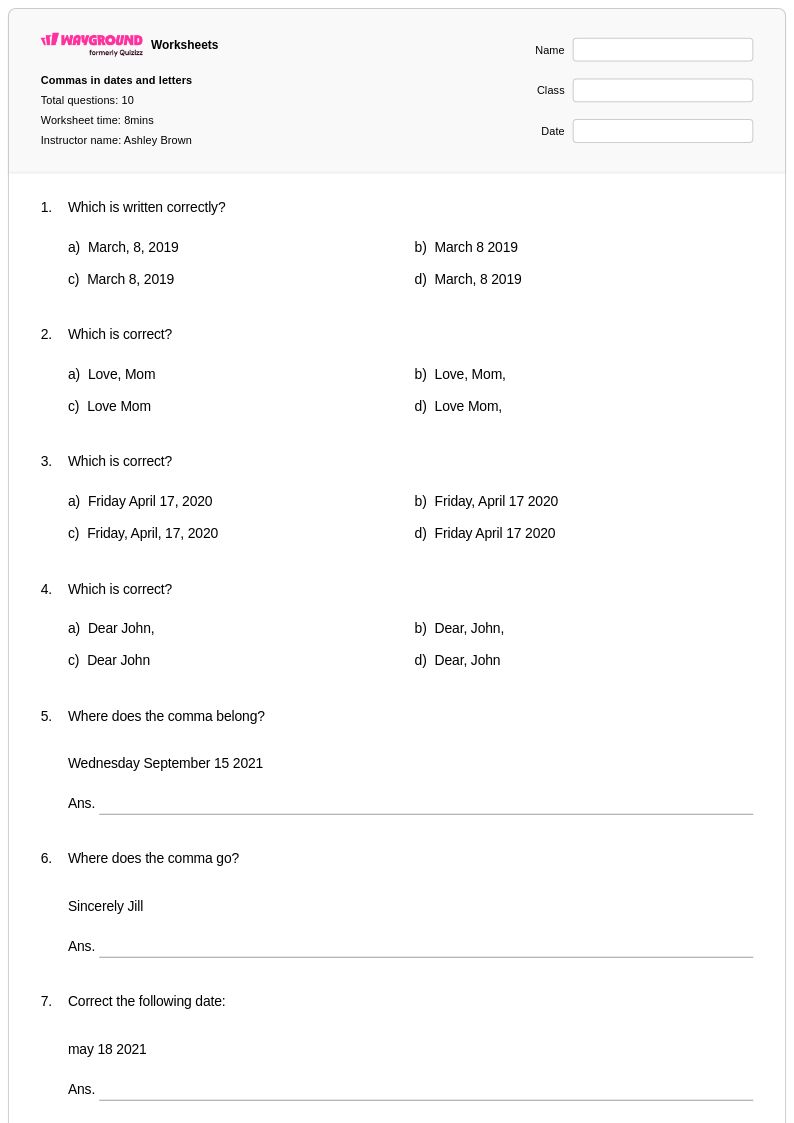
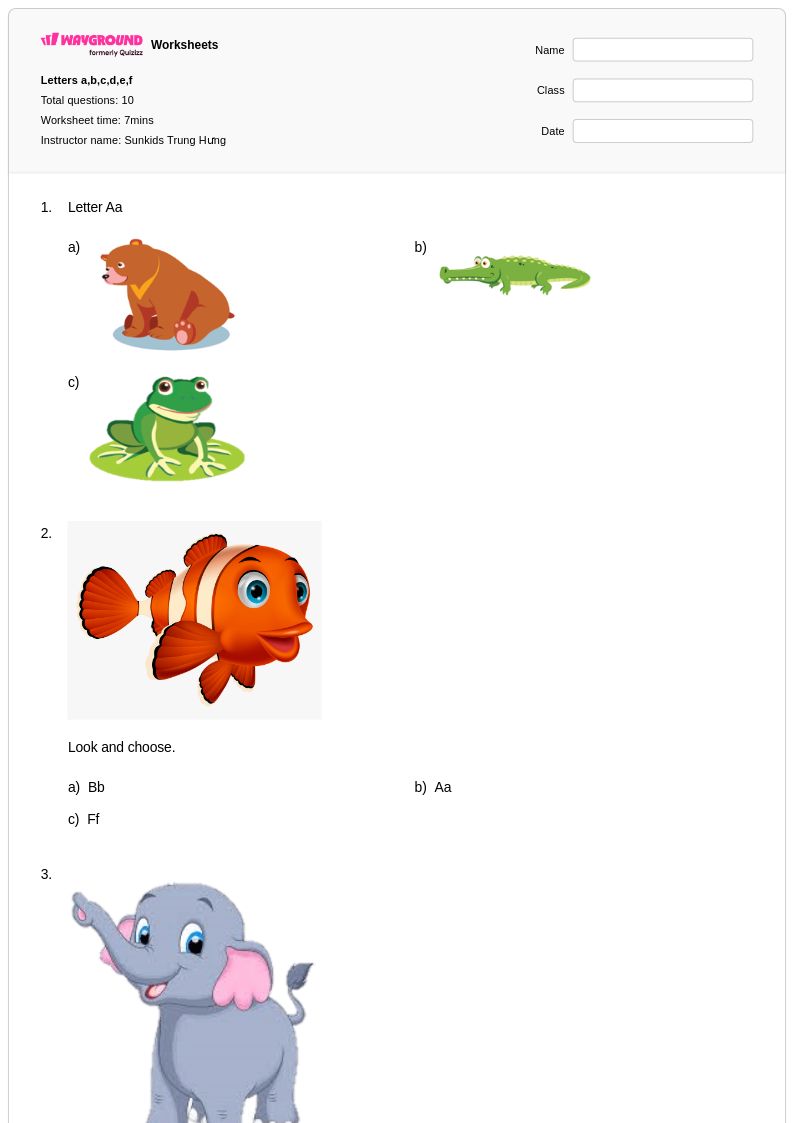
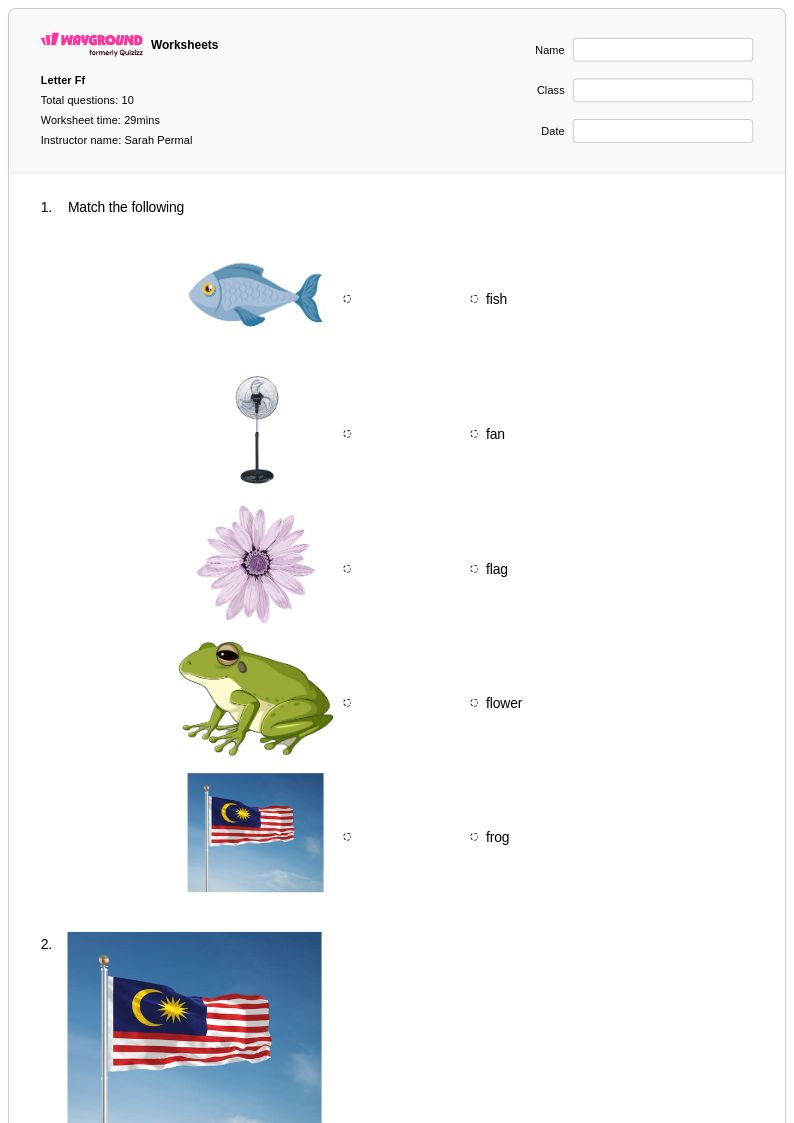
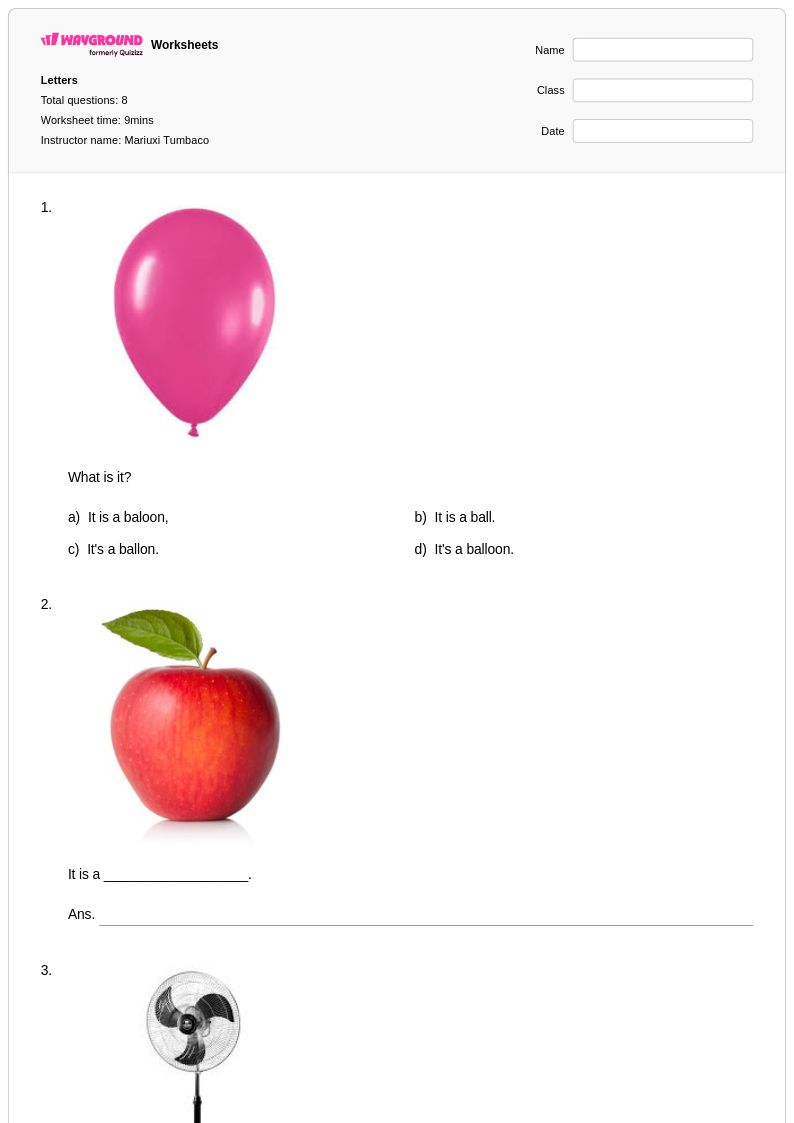
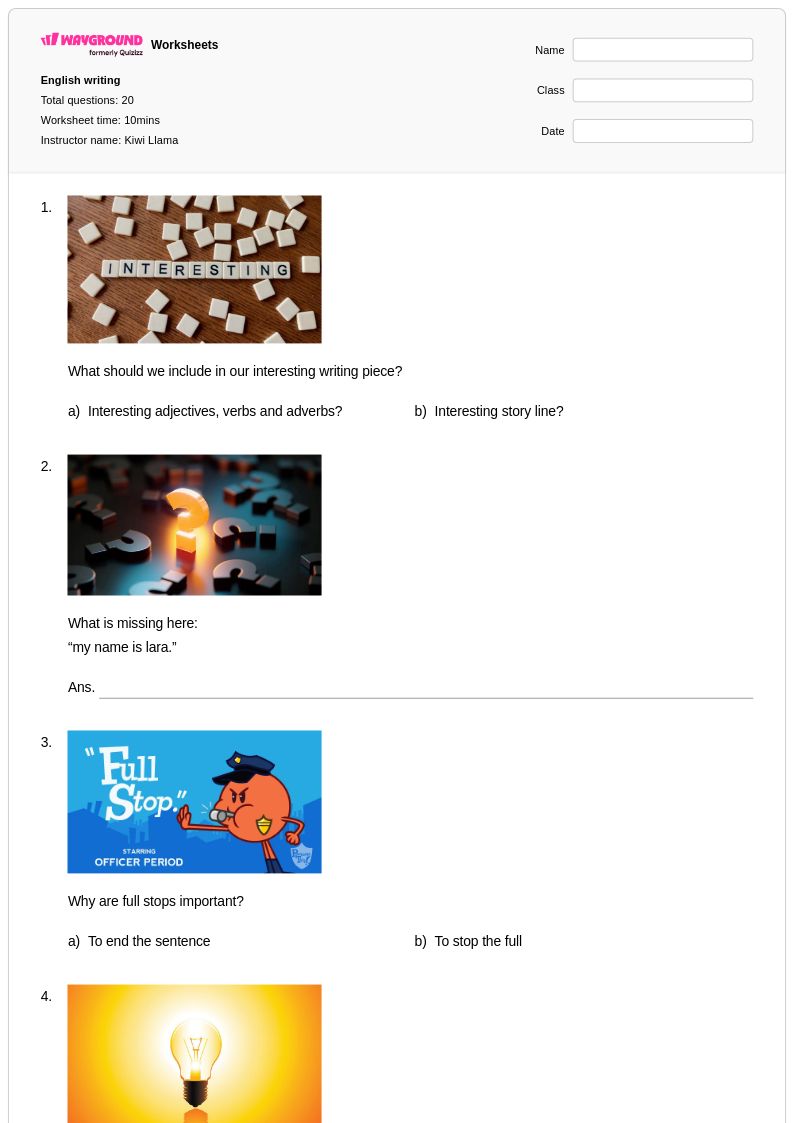
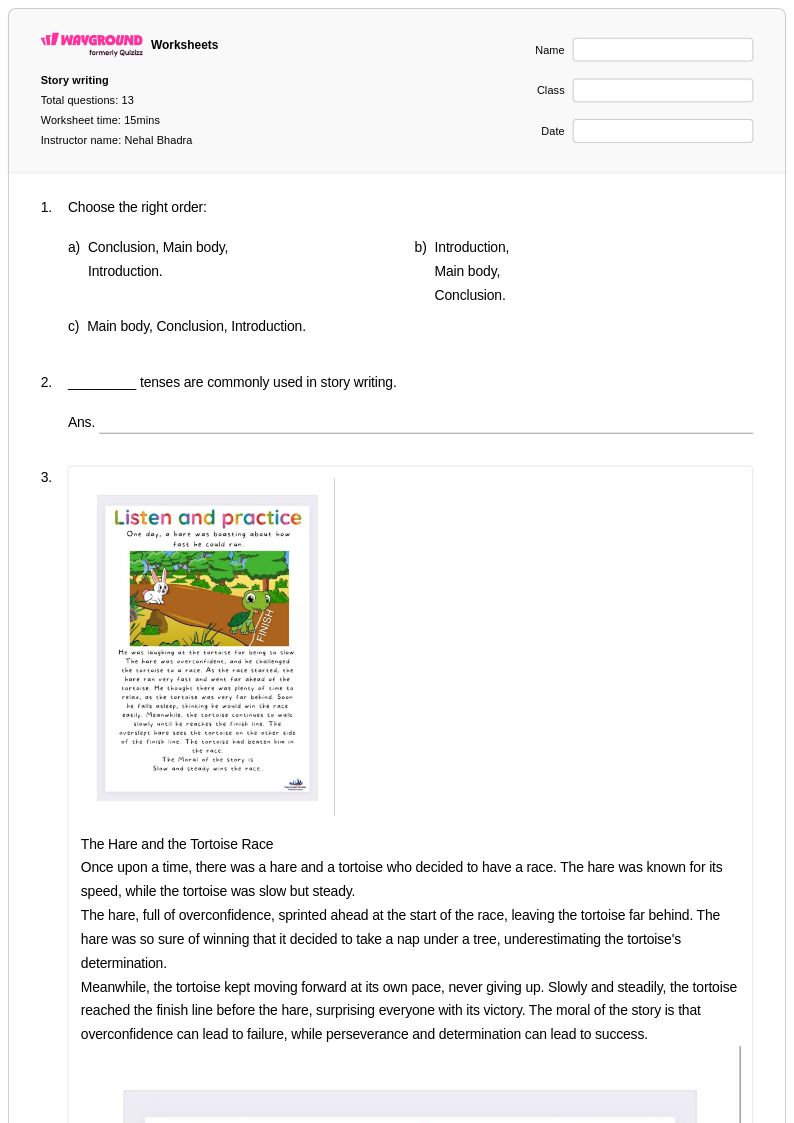
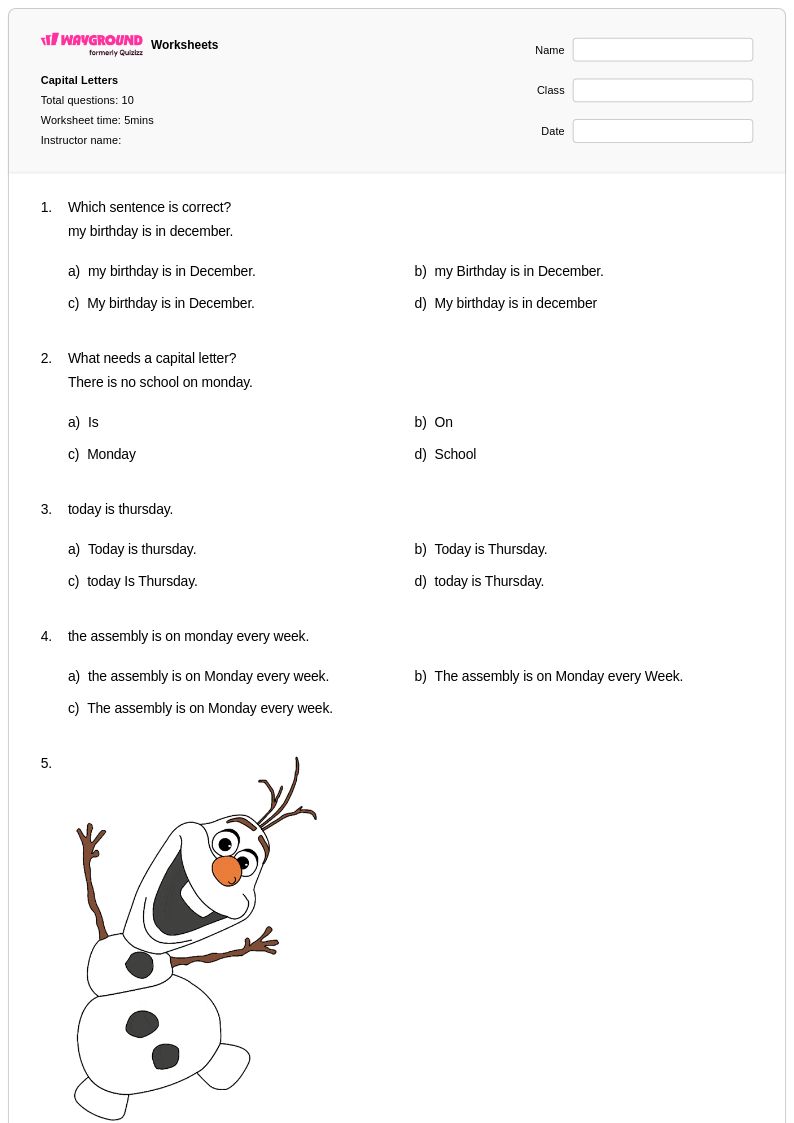
Writing letters worksheets for Class 2 students available through Wayground (formerly Quizizz) provide essential foundational practice for developing proper letter formation, spacing, and handwriting fluency. These comprehensive printables focus on both uppercase and lowercase letter recognition while strengthening fine motor skills through guided tracing exercises and independent writing practice. Students work through carefully structured practice problems that progress from basic letter shapes to more complex letter combinations, with each worksheet including an answer key to support accurate self-assessment and teacher evaluation. The free pdf resources emphasize proper pencil grip, letter directionality, and consistent sizing, helping second-grade learners build the mechanical writing skills necessary for clear communication and academic success across all subject areas.
Wayground (formerly Quizizz) empowers teachers with millions of teacher-created writing letters worksheets specifically designed for Class 2 students, offering robust search and filtering capabilities that allow educators to quickly locate resources aligned with specific handwriting standards and curriculum requirements. The platform's differentiation tools enable teachers to customize worksheets based on individual student needs, whether providing additional support for struggling writers or enrichment activities for advanced learners. These versatile resources are available in both printable and digital pdf formats, making them ideal for classroom instruction, homework assignments, remediation sessions, and independent practice time. Teachers can seamlessly integrate these writing letters worksheets into their lesson planning to address diverse learning styles while ensuring consistent skill development through systematic, age-appropriate handwriting instruction that builds confidence and proficiency in written expression.
FAQs
How do I teach letter formation to young students?
Effective letter formation instruction begins with explicit modeling, where the teacher demonstrates each stroke sequence while narrating the movement aloud. Students then progress through guided tracing before attempting independent writing, with visual reference models kept visible throughout practice. Grouping letters by shared strokes (such as letters that start with a downward stroke like l, i, and t) helps students transfer skills more efficiently across the alphabet.
What exercises help students practice writing letters?
Guided tracing exercises are the most direct entry point, giving students a tactile path to follow before writing independently. Combining letter writing practice with phonetic awareness tasks, such as writing the letter that matches a spoken sound, deepens the connection between handwriting and literacy. Worksheets that pair visual letter models with both uppercase and lowercase practice ensure students internalize both forms simultaneously.
What are the most common mistakes students make when forming letters?
The most frequent errors include incorrect starting points (such as drawing a circle clockwise instead of counterclockwise for letters like 'a', 'd', and 'g'), inconsistent letter size, and reversals of letters like 'b' and 'd' or 'p' and 'q'. Many students also struggle with the transition from tracing to independent writing, losing stroke sequence awareness without the guide. Providing worksheets that include directional arrows and numbered stroke sequences gives students a concrete reference that reduces these errors.
How do I differentiate writing letters practice for students at different skill levels?
For emerging writers, worksheets with large letter guides, dotted tracing paths, and high-contrast visuals provide the scaffolding needed to build motor confidence. More advanced students benefit from exercises that reduce tracing support and integrate letter writing with word-level tasks. On Wayground, teachers can apply accommodations such as read aloud support and reduced answer choices to individual students, and adjust font sizes and display themes through reading mode, ensuring every learner engages with materials at an accessible level.
How can I use writing letters worksheets in my classroom?
Writing letters worksheets work well as warm-up activities, independent practice stations, or take-home reinforcement tasks. Because letter formation is a skill that benefits from repeated, low-stakes practice, short daily worksheet sessions are more effective than infrequent longer ones. On Wayground, these worksheets are available as printable PDFs for traditional pen-and-paper practice and in digital formats for tech-integrated classrooms, and teachers can also host them as a quiz directly on the platform to track student responses.
How do I track student progress in letter formation?
Systematic progress tracking for letter formation typically involves comparing writing samples over time against a consistent rubric that evaluates starting point, stroke direction, proportionality, and legibility. Worksheets that include assessment rubrics alongside practice tasks make it easier to document growth without creating additional assessment materials. Collecting dated work samples in a portfolio gives both teachers and students visible evidence of improvement across the alphabet.