
 Worksheets
1st Six Weeks Review
Total questions: 49
Worksheet time: 25mins
Name
Class
Date
1.
Which would be an advantage to composting?
a)
it is difficult and time consuming
b)
it makes less waste and can save money
c)
it heats up and smells bad
d)
there are NO advantages to composting
2.
What is in the soil that assists in the break down of organic matter?
a)
Butterflies
b)
Composters
c)
Decomposers
d)
Imposters
3.
Which of the following is an example of a decomposer?
a)
Worm
b)
Leaf
c)
Carrot
d)
Dog
4.
Why would the soil in an environment with a lot of trees be very rich in nutrients?
a)
Because of the nutrients from decomposing fallen leaves.
b)
There is a lot of rain in the environment with trees
c)
Carbon dioxide from the trees enriches the soil
d)
Tree roots add nutrients to soil as they grow
5.
The process of decomposition produces all of the following EXCEPT
a)
Water
b)
Carbon Dioxide
c)
Thermal Energy
d)
Worms
6.
Which of the following substances might cycle through and ecosystem?
a)
soil
b)
copper
c)
iron
d)
nitrogen
7.
Which element is essential to life on earth and is cycled in many forms through living systems?
a)
Gold
b)
Carbon
c)
Sodium
d)
Lithium
8.
Carbon dioxide enters the leaves of plants and is used to make -
a)
Glucose
b)
Nitrogen
c)
Hydrogen
d)
Soil
9.
What is biomass?
a)
an element on the periodic table
b)
a PS4 game
c)
organic material from plants and animals
d)
a decomposer
10.
Nutrients produced during composting are used for -
a)
rebuilding houses
b)
fertilizing gardens
c)
making bricks
d)
making paper
11.
When someone says that the compost is "cooking", what do they mean?
a)
They have their compost bin on the stove
b)
they are cooking vegetables to put in the compost bin
c)
they are burning wood to put ashes into the bin
d)
the decomposers are breaking down matter, giving off heat
12.
What is the primary role of decomposers in a food web?
a)
to control the population of producers and consumers
b)
to compete with producers for energy and other resources
c)
to provide energy for the producers in the ecosystem
d)
to recycle energy from dead producers and consumers
13.
What is CHONSP?
a)
Cookies
b)
Compost bin
c)
Elements that compose living organisms
d)
A type of decomposer that breaks up organic matter
14.
What type of energy is given off when decomposers are decaying biomass?
a)
radiant
b)
thermal
c)
potential
d)
light
15.
Definition of organic matter? (When discussing this chapter)
a)
the revolution of cycles
b)
Pesticide free fruits/vegetables
c)
matter gathered from process of photosynthesis
d)
living or once living matter
16.
Decayed organic matter provides nutrients to other organisms
a)
True
b)
False
17.
Which of the following describes a tropism?
a)
a plants response to a stimulus
b)
a plants response to a stipend
c)
all of the above
d)
none of the above
18.
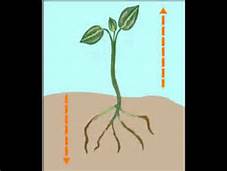
What is the following an example of?
a)
Hydrotropism
b)
Geotropism
c)
Thigmotropism
d)
Phototropism
19.
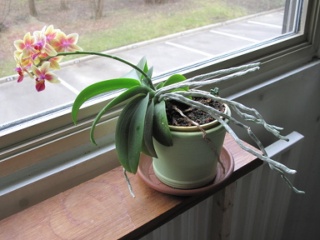
What is the following an example of?
a)
Hydrotropism
b)
Geotropism
c)
Thigmotropism
d)
Phototropism
20.
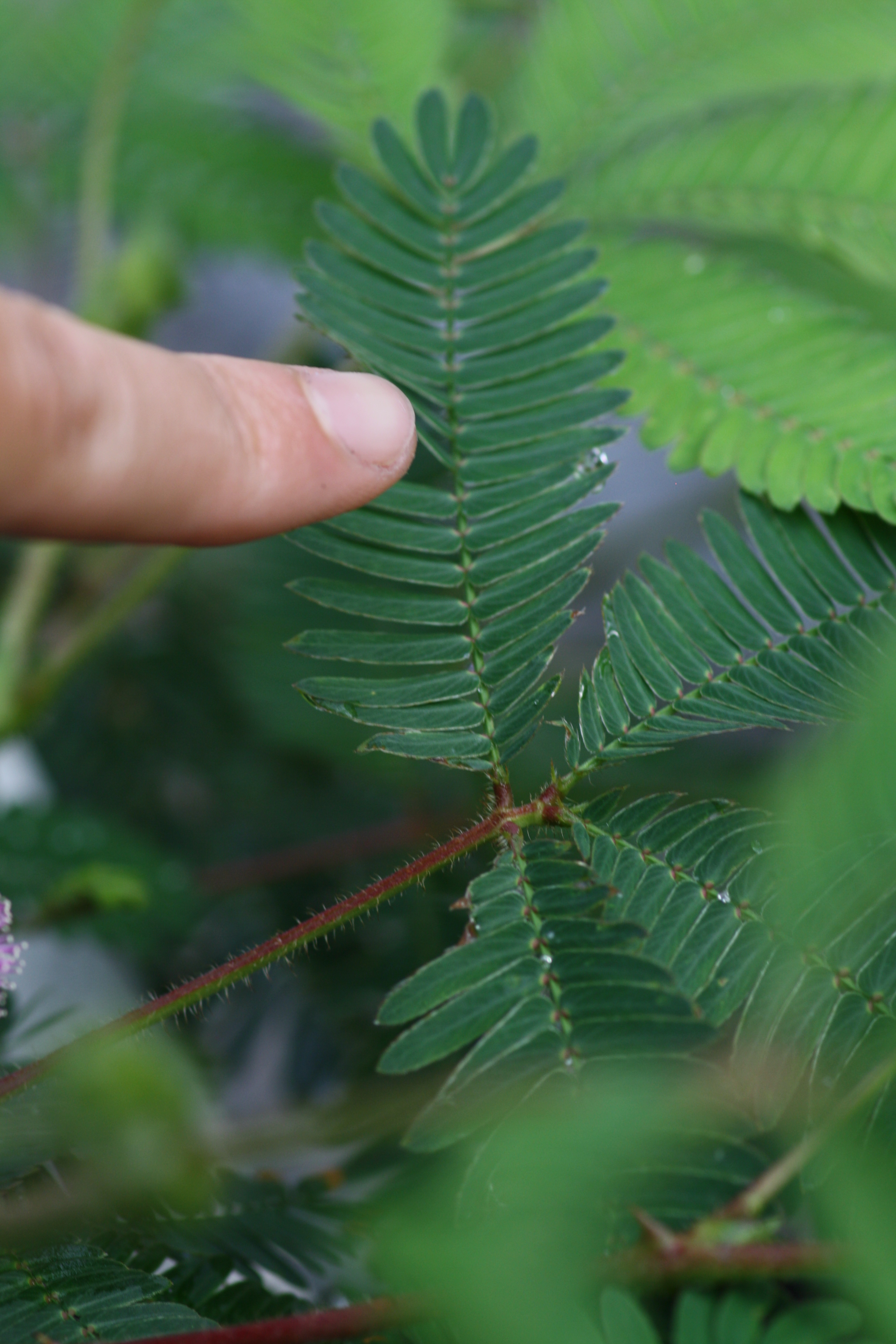
What is the following an example of?
a)
Hydrotropism
b)
Geotropism
c)
Thigmotropism
d)
Phototropism
21.
What is the stimulus in geotropism?
a)
water
b)
touch
c)
gravity
d)
sunlight
22.
What is the stimulus in phototropism?
a)
water
b)
touch
c)
gravity
d)
sunlight
23.
What is the stimulus in thigmotropism?
a)
water
b)
touch
c)
gravity
d)
sunlight
24.
What reacts POSITIVELY to the stimulus of gravity
a)
Flower
b)
Stem
c)
Roots
d)
Leaves
25.
What reacts NEGATIVELY to the stimulus of gravity
a)
Stem/Shoot
b)
Roots
26.
Turgor Pressure is...
a)
how the plant cells expand because of H2
b)
how the plants cells expand because of carbon dioxide
c)
how the plant cells expand because of H2O
27.
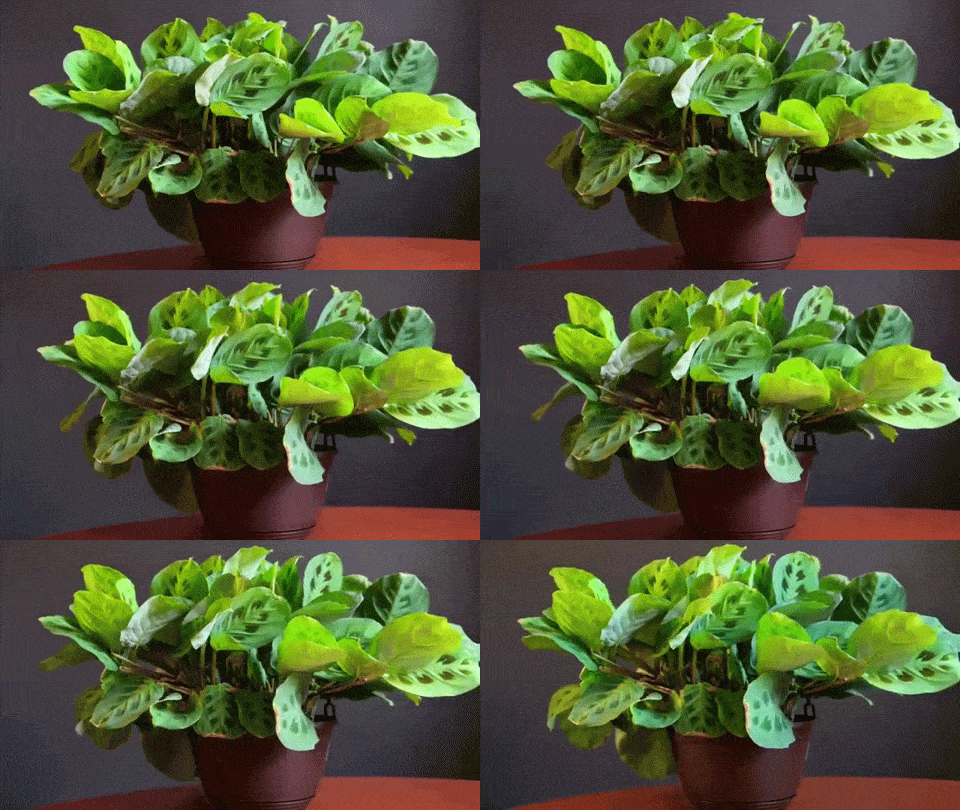
Define the type of turgor pressure in the image....
a)
High Turgor Pressure
b)
Low Turgor Pressure
28.
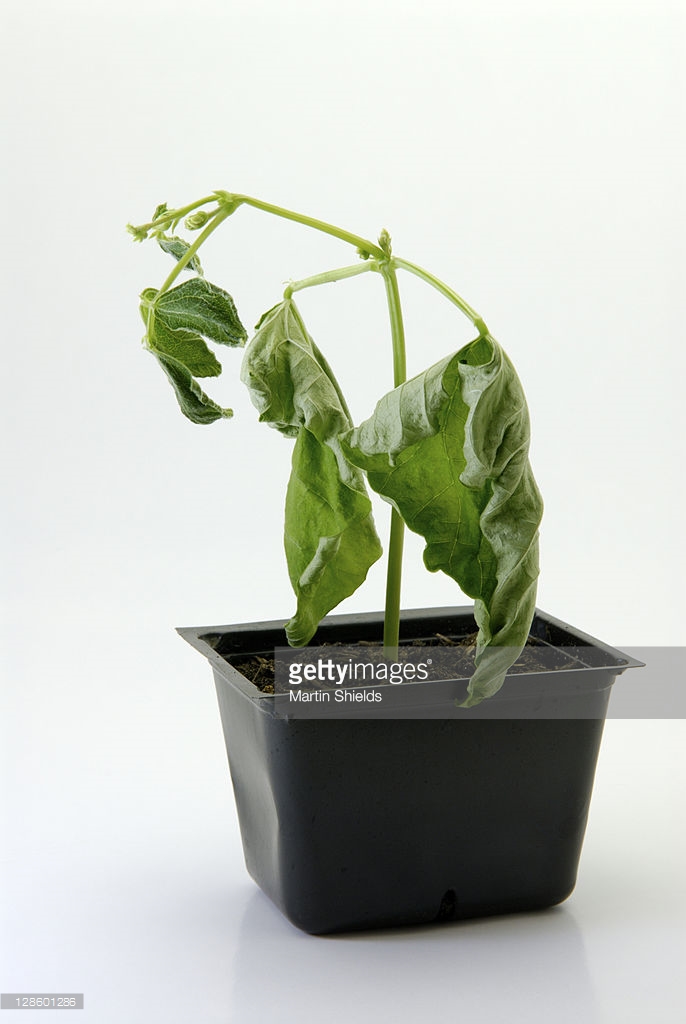
Define the type of turgor pressure in the image....
a)
High Turgor Pressure
b)
Low Turgor Pressure
29.
What is the unit of measurement for work?
a)
Joule
b)
Newton
c)
Meters
d)
Centimeters
30.
What is the unit of measurement for force?
a)
Joule
b)
Newton
c)
Meters
d)
Centimeters
31.
What is the unit of measurement for DISTANCE when solving for work?
a)
Joule
b)
Newton
c)
Meters
d)
Centimeters
32.
What is the formula for work?
a)
F=WxD
b)
W=FxD
c)
D=WxF
d)
All of the Above.
33.
What is the energy source for the process of photosynthesis?
a)
water
b)
the sun
c)
atoms
d)
plants
34.
The overall purpose of photosynthesis is to
a)
create sunlight energy for the cells.
b)
convert light energy into chemical energy.
c)
exchanges heat energy and chemical energy.
d)
changes chemical energy into heat energy.
35.
Plants need sunlight and which of the following resources for photosynthesis to occur (or begin)?
a)
water and glucose
b)
oxygen and water
c)
oxygen and glucose
d)
water and carbon dioxide
36.
What substance is FOOD for plants?
a)
water
b)
hydrogen
c)
glucose
d)
carbon
37.
The products of photosynthesis are
a)
oxygen and glucose.
b)
glucose and water.
c)
water, radiant energy, and carbon dioxide.
d)
oxygen and carbon dioxide.
38.
The place where photosynthesis occurs is the
a)
chlorophyll
b)
roots
c)
glucose
d)
chloroplast
39.
The reactants of photosynthesis are
a)
oxygen and glucose.
b)
water and carbon dioxide.
c)
water and oxygen.
d)
glucose and carbon dioxide.
40.
The green pigment involved in photosynthesis is
a)
mesophyll
b)
chlorophyll
c)
glucose
d)
chloroplast
41.
Which organism is capable of photosynthesis?
a)
mushroom
b)
fish
c)
water
d)
grass
42.
During photosynthesis an underwater plant releases bubbles. What is in the bubbles?
a)
carbon dioxide
b)
glucose
c)
oxygen
d)
chlorophyll
43.
The arrows in food chains and food webs represent what?
a)
Who is eating whom
b)
The direction the prey is running
c)
The direction of the wind
d)
The flow of energy
44.
___is a diagram that shows the amount of energy (10%) moving from one trophic level to another?
a)
Venn diagram
b)
Energy pyramid
c)
Food web
d)
Food chain
45.
What does the 10% rule refer to?
a)
The decrease in population in an ecosystem
b)
The amount of oxygen required
c)
The amount of energy transferred at each level
d)
The amount of glucose present in photosynthesis
46.
What is the term for an animal that eats both plants and animals?
a)
Carnivore
b)
Herbivore
c)
Omnivore
d)
Producers
47.
What is the term of many overlapping food chains (a web of chains)
a)
Food chain
b)
Food web
c)
Energy pyramid
48.
What is the term for an organism that gets its energy by eating only plants?
a)
Carnivore
b)
Omnivore
c)
Producer
d)
Herbivore
49.

Which level of the energy pyramid contains the greatest amount of available energy?
a)
Bottom Level
b)
Top Level
c)
Level with tertiary consumers.
d)
Level with primary consumer
100 %

