wayground logo

Free Printable Worksheets

NEW

Font size

S
M
L
XL
Worksheets

The Earth and the Rock Cycle

Total questions: 78

Worksheet time: 48mins

Name
Class
Date
1.
What do we call the centre of the Earth?
a)
Mantle
b)
Crust
c)
Apple
d)
Core
2.
What layer is between the inner core and the mantle?
a)
asthenosphere
b)
crust
c)
outer core
d)
lithosphere
3.
Which is the coolest part of the planet?
a)
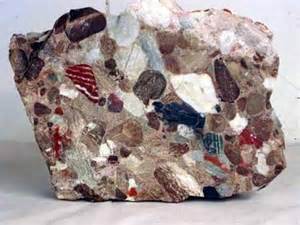
inner core
b)
outer core
c)
mantle
d)
crust
4.
Which of these layers is the largest?
a)
lithosphere
b)
asthenosphere
c)
outer core
d)
mantle
5.
A scientist who studies Earth's processes and the history that shaped it is called a......
a)
geologist
b)
biologist
c)
teacher
d)
students
6.
Which of these layers is the largest?
a)
lithosphere
b)
asthenosphere
c)
outer core
d)
mantle
7.
Solid metal layer of the Earth.
a)
mantle
b)
outer core
c)
inner core
d)
crust
8.
The part of the mantle that can bend and is flexible is called the
a)
crust
b)
lithosphere
c)
asthenosphere
d)
inner core
9.
What are the two types of crust?
a)
top crust,bottom crust
b)
oceanic crust, continental crust
c)
water,land
d)
none of the above 
10.
What type of heat transfer in found in Earth"s asthenosphere?
a)
Conduction
b)
Convection
c)
Radiation
d)
I don't know
11.
This type of rock forms from molten material, either lava or magma.
a)
Igneous Rock
b)
Metamorphic Rock
c)
Sedimentary Rock
12.
Molten material on Earth's Surface
a)
Lava
b)
Magma
13.
Molten material under Earth's Surface
a)
Lava
b)
Magma
14.
Molten material that is on Earth's surface will form this type of igenous rock.
a)
Extrusive Rock
b)
Intrusive Rock
c)
Foliated Rock
d)
Nonfoliated Rock
15.
Molten material that is in the Earth will form this type of igneous rock.
a)
Extrusive Rock
b)
Intrusive Rock
c)
Foliated Rock
d)
Nonfoliated Rock
16.
Intrusive Igneous Rocks will have this type of texture:
a)
Coarse-Grained
b)
Fine Grained
c)
Foliated
d)
Nonfoliated
17.
Intrusive rocks formed from magma will cool
a)
slowly
b)
quickly
18.
Extrusive rocks formed from lava will cool
a)
slowly
b)
quickly
19.
Which word or words do not belong for extrusive rocks?
a)
Fine-Grained
b)
Coarse-Grained
c)
Small Crystals
d)
Cools Quickly
20.
Which is rock / crust is less dense?
a)
Granite
b)
Basalt
21.
What type of crust does granite make up?
a)
continental crust
b)
oceanic crust
22.
What type of crust does basalt make up?
a)
continental crust
b)
oceanic crust
23.
Determine the origin and texture of the rock in the image.
a)
Extrusive / Fine-Grained
b)
Intrusive / Coarse-Grained
c)
Intrusive / Fine-Grained
d)
Extrusive / Coarse-Grained
24.
A rock containing iron becomes soft and crumbly and reddish-brown in color.  It probably has been chemically weathered by -
a)
abrasion
b)
carbon dioxide
c)
oxygen
d)
acid rain
25.
How do plants weather rocks?
a)
during photosynthesis
b)
when roots grow into cracks of rocks and expand the rock
c)
when the plant moves water from the roots to the leaves
d)
Plants don't weather rocks
26.
All of the following are causes of physical weathering EXCEPT...
a)
plant growth
b)
wind
c)
acid rain
d)
running water
27.
What is the major cause of weathering and erosion to form canyons?
a)
wind
b)
ice
c)
glaciers
d)
moving water
28.
The process of breaking up rocks on Earth's surface is called...
a)
sediment
b)
erosion
c)
weathering
d)
deposition 
29.
How does freezing water cause the weathering of rocks?  The freezing water—
a)
keeps the rocks in place
b)
makes the rocks last longer
c)
expands in the cracks and breaks rocks
d)
causes rocks to fall in landslides
30.
What is sediment?
a)
the process of rocks being broken down and carried away
b)
bits of rock and sand caused by the weathering of rocks
c)
the top layer of the soil
d)
decaying plant or animal material 
31.
What is the correct order of the processes?
a)
they all happen at the same time
b)
erosion, weathering, deposition
c)
weathering, erosion, deposition
d)
weathering, deposition, erosion
32.
Particle size can affect where material settles. What is this called?
a)
weathering
b)
deposition
c)
sediment
d)
erosion
33.
Coal is formed from dead plants and other organisms?
a)
True
b)
False
34.
Sedimentary rocks are often formed in layers.
a)
True 
b)
False
35.
Fossils are only found in sedimentary rocks.
a)
True
b)
False
36.
When sediments are pressed together tightly, this is called ____________.
a)
Compaction
b)
Cementation
c)
Weathering
d)
Erosion
37.
Sedimentary rock made from fossils are called...
a)
organic
b)
chemical
c)
stratified
38.
a)
Lithographic Limestone
b)
Breccia
c)
Coal
d)
Conglomerate
39.
This rock is made from tiny pieces of other rocks that settled to the bottom of a valley millions of years ago. What type of rock is this?
a)
Sedimentary
b)
Igneous
c)
Metamorphic
40.
What is mechanical weathering?
a)
Process through which rocks are physically broken into smaller pieces.
b)
Rocks are broken down through chemical changes.
c)
Rocks are worn away from acid in plant roots.
d)
Rocks broken down by machinery.
41.
smallest to biggest
a)
pebbles boulders sand silt granules clay cobbles
b)
boulders cobbles pebbles graules sand silt clay
c)
clastic chemical and biological
42.
what type of rock is obsidian?
a)
sedimentary
b)
metamorphic
c)
igneous
43.
what type of rock is schist?
a)
Metamorphic
b)
sedimentary
c)
another type of rock
44.
Which of the following is a metamorphic rock?
a)
obsidian
b)
granite
c)
gneiss
d)
sandstone
45.
Which of the following is a metamorphic rock?
a)
conglomerate
b)
pumice
c)
obsidian
d)
marble
46.
Which of the following is a metamorphic rock?
a)
basalt
b)
obsidian
c)
slate
d)
pumice
47.
When metamorphic rocks are formed, the extreme pressure is usually caused by the _______.
a)
gravity in the atmosphere
b)
collision of tectonic plates
c)
the fiery hot magma in the Earth's mantle
d)
weight of the mountains
48.
Metamorphic rocks are formed by ___.
a)
existing rocks are baked and squeezed by pressure
b)
small pieces of rock are compacted and cemented together
c)
magma or lava cools and hardens
d)
igneous rocks are broken into pieces
49.
Metamorphic rocks form from ___.
a)
igneous rocks
b)
other metamorphic rocks
c)
sedimentary rocks
d)
all types of rocks
50.
Metamorphic rocks change their size, shape, color and/or texture by doing all of the following EXCEPT ____.
a)
changing their chemical composition
b)
melting to form a new rock
c)
changing their mineral composition
d)
changing their crystal structure
51.

A sedimentary rock which might form deep beneath the dunes in a desert or at the beach.

a)

limestone

b)

sandstone

c)

breccia

d)

shale

52.

A dark coloured and very fine grained sedimentary rock which might turn into slate if metamorphosed.

a)

limestone

b)

sandstone

c)

breccia

d)

shale

53.
The process in which dissolved minerals crystallize and glue sediment together.
a)
cementation
b)
deposition
c)
organic rock
54.

What does clastic mean?

a)

The rock is made from crystals.

b)

Formed when dissolved minerals crystallize as water evaporates.

c)

Made from pieces of other rocks.

d)

It is a stick found in the class. .

55.
Sedimentary rocks are formed by
a)
Cooling of lava or magma
b)
Heat and pressure
c)
Compacting and cementing
56.
How is sediment formed?
a)
Weathering and Erosion
b)
Melting
c)
Pressure
57.
What is the breaking down of rocks?
a)
Weathering
b)
Clastic
c)
Vesicular
58.
What is deposition?
a)
Pieces of sediment come to rest on a surface
b)
Movement of sediment
c)
Breaking down of sediment 
59.
Wind, water, ice and gravity carry sediments away
a)
weathering
b)
deposition
c)
erosion
d)
cementation
60.
Sediment that is left behind in rivers lakes and oceans
a)
weathering
b)
erosion
c)
cementation
d)
deposition
61.
When the weight of new  sediment layers is deposited on top of older layers
a)
erosion
b)
compaction
c)
pressure
d)
weathering
62.
This rock is made of salts left behind when a shallow sea evaporated. What type of sedimentary rock is it?
a)
Clastic
b)
Chemical
c)
Organic
63.
This rock is made of large bits of gravel cemented together. What type of sedimentary rock is it?
a)
Clastic
b)
Chemical
c)
Organic
64.
Name this rock.
a)
lithographic limestone
b)
breccia
c)
coal
d)
conglomerate
65.

What type of sedimentary rock is this?

a)

Breccia

b)

Conglomerate

c)

Limestone

d)

Rock Salt

66.

The breakdown of rock into smaller particles from the effects of wind, water and ice

a)

erosion

b)

cementation

c)

compaction

d)

weathering

67.

In which kind of rock do we usually find a fossil?

a)

hard rock

b)

metamorphic rock

c)

igneous rock

d)

sedimentary rock

68.

Water has moved through the area and part of the paddock has collapsed . What is this process called?

a)

compaction

b)

erosion

c)

deposition

d)

compaction

69.

Students create a demonstration by pouring water on a pile of sand. Some of it washes away. What are they demonstrating?

a)

weathering

b)

erosion

c)

compaction

d)

cementation

70.

Which of the following is the BEST evidence that a rock is sedimentary?

a)

It is banded

b)

It is Crystalline

c)

Its is has a label on it which says "Sedimentary".

d)

It has layers

71.
What are small pieces of rock called?
a)
small bits
b)
sand
c)
sediments
d)
dirt
72.

What type of sedimentary rock is this?

a)

Sandstone

b)

Siltstone

c)

Shale

d)

Andesite

73.

What sedimentary rock is this?

a)

Sandstone

b)

Coal

c)

Shale

d)

Conglomerate

74.

What process BEST describes this?

a)

Water Breakering

b)

Weathering

c)

Chemical Weathering

d)

Physical Weathering

75.

The process of sediments sticking together due to dissolved minerals crystallizing around the sediments is called...

a)

rock gluing

b)

compaction

c)

cementation

d)

weathering

76.

Which rock is the odd one out?

a)

breccia

b)

sandstone

c)

limestone

d)

obsidian

77.

Which rock is the odd one out?

a)

basalt

b)

gabbro

c)

conglomerate

d)

granite

78.

Which area of the river would you LEAST expect to get a mud-stone or shale deposited?

a)

Steep gradient section

b)

Gentle gradient section

c)

Very gentle gradient section

d)

River mouth / sea