
 Worksheets
Unit 4 Mock Test
Total questions: 33
Worksheet time: 1hrs 6mins
Name
Class
Date
1.
Which sequence of DNA bases would pair with this partial strand
ATG TGA CAG
ATG TGA CAG
a)
ATG TGA CAG
b)
TAC ACT GTC
c)
GTA AGT GAC
d)
CAT TCA CTG
2.
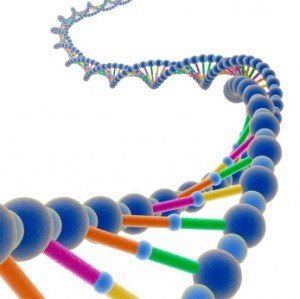
Which of the following best describes a DNA molecule?
a)
double helix
b)
contains ribose
c)
made of amino acids
d)
contains Uracil
3.
Adenine bonds with ______________.
a)
Guanine
b)
Thymine
c)
Cytosine
d)
Adenine
4.
Guanine bonds with ______________.
a)
Adenine
b)
Guanine
c)
Cytosine
d)
Thymine
5.
The enzyme that unzips the DNA to prepare for replication
a)
helicase
b)
replicase
c)
polymerase
d)
synthase
6.

All of the offspring of an organism have the same genetic material, which is identical to the parent organism. From this, we can conclude that this organism -
a)
makes its own food
b)
is unicellular
c)
live in a marine habitat
d)
reproduces asexually
7.

This is when a new organism grows by cell division on the body of its parent. The bud, or offspring is identical to the parent. The bud, when large enough, can break off of the parent and live on its own. Examples of this include yeast, hydra and potatoes.
a)
Regeneration
b)
Vegetative propagation
c)
Fission
d)
Budding
8.
Which is a type of Asexual Reproduction
a)
Sexual
b)
Binary fission
c)
Cells
d)
organism
9.
All Offspring of Asexual reproduction are identical
a)
True
b)
False
10.

Which type of offspring come from two parents?
a)
All offsprings
b)
Uniform offspring
c)
Asexual reproduction
d)
Diverse offspring
11.
A lizard loses its tail and grows a new one. What type of reproduction is this?
a)
Binary Fission
b)
Regeneration
c)
Meiosis
d)
Budding
12.
The saguaro is a tree-like cactus that grows over 50 feet tall in desert areas of North America. The cactus flowers in the spring and relies mainly on bats for pollination. The flowers produce fleshy fruit filled with thousands of seeds, each one genetically unique.
a)
Asexual reproduction
b)
Sexual reproduction
c)
Mitosis
d)
Meiosis
13.
When a cell divides in mitosis, what do we call the 2 new cells?
a)
mother cells
b)
father cells
c)
daughter cells
d)
son cells
14.
In which type of cells will mitosis occur?
a)
egg cells
b)
sperm cells
c)
jail cells
d)
Body cells except the sperm and egg cells
15.
After meiosis is complete how many cells will there be?
a)
1
b)
2
c)
3
d)
4
16.
products of meiosis are genetically
a)
different
b)
identical
17.
There are 46 chromosomes in a normal human ________ cell.
a)
Body cell
b)
Egg or Sperm Cell
18.
What type of cell is produced in Meiosis?
a)
Somatic or body cells
b)
Gametes or sex cells
19.
Unlike sex cells, which are made through a different process, a cell from your toe undergoes the process of...
a)
Mitosis
b)
Meiosis
20.
Which of the following is an example of an advantage for sexual Reproduction?
a)
Not having the ability to reproduce after being born.
b)
No need for a mate
c)
rapidly reproduce offspring
d)
Genetic Variation
21.
Which of the following is an example of a disadvantage of sexual reproduction?
a)
They don't have to find a mate
b)
They are not born with the ability to reproduce
c)
They reproduce in large numbers
d)
Asexual reproduction takes less time
22.
In meiosis, the number of chromosomes in a human sex cell is:
a)
46
b)
92
c)
22
d)
23
23.
What is the number of chromosomes found in a human body cell after mitosis?
a)
23
b)
46
c)
92
d)
47
24.
The purpose of Mitosis is...
a)
Taking in oxygen and putting off carbon dioxide
b)
Creating egg and sperm cells for sexual reproduction.
c)
Repairing damage cells and for growth and development.
d)
Creating energy for the body.
25.
There are ___ number of stages in Mitosis.
a)
2
b)
4
c)
6
d)
8
26.
There are ___ number of stages in Meiosis.
a)
2
b)
4
c)
6
d)
8
27.
What are the three components of a nucleotide?
a)
sugar, hydrogen, nitrogenous base
b)
sugar, oxygen, nitrogenous base
c)
sugar, phosphate, nitrogenous base
d)
sugar, phosphate, protein
28.
What enzyme adds nitrogenous bases to each old strand of DNA after its been split apart.
a)
Polymerase
b)
Helicase
c)
Ligase
d)
Mayonnaise
29.
What does DNA stand for?
a)
Do Not Approach
b)
Deoxyribonucleic Acid
c)
Deopponustayic Apid
d)
Destroy Nasty Ants
30.
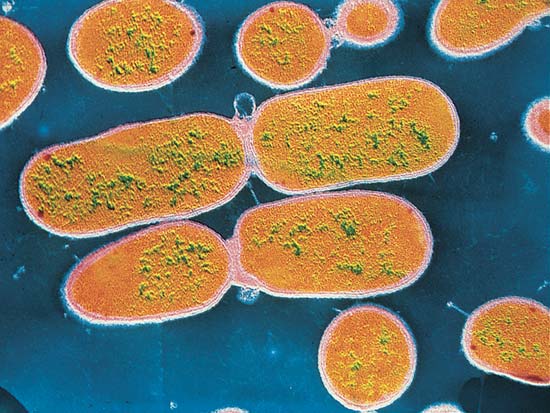
This picture is an example of..
a)
Budding
b)
Sexual reproduction
c)
Regeneration
d)
Binary Fission
31.

The offspring from asexually reproduced organisms are?
a)
Different than their parents
b)
Identical to parents
c)
Like a combination from both parents
d)
A different species
32.

If two organisms reproduce sexually, then their offspring will exhibit a genetic makeup that is -
a)
identical to only one parent
b)
identical to all of its siblings
c)
a unique combination of traits
d)
the recessive traits of each parent
33.

A white cat had a litter of kittens that were orange, grey, and black and white spotted. Is this the result of sexual or asexual reproduction? And how would you characterize the offspring listed above?
a)
Sexual reproduction with uniform offspring
b)
Asexual reproduction with diverse offspring
c)
Sexual reproduction with diverse offspring
d)
Asexual reproduction with uniform offspring
100 %

