
Font size
S
M
L
XL
 Worksheets
7th Grade Science Final Review
Total questions: 82
Worksheet time: 2hrs 37mins
Name
Class
Date
1.
Which biome is characterized by low temperatures and low amounts of rainfall?
a)
tundra
b)
desert
c)
temperate deciduous forest
d)
tropical rain forest
2.
Which biome covers most of the land mass near the Earth's equator?
a)
tundra
b)
desert
c)
grassland
d)
tropical rainforest
3.
Which biome, because of its climate, has the largest number of species of plants and animals?
a)
tundra
b)
desert
c)
tropical rainforest
d)
pine forest
4.
One characteristic feature of tundra is that only the surface thaws in the summer and refreezes in the winter, leaving a layer of permanently frozen subsoil. This characteristic is known as
a)
glaciation
b)
permafrost
c)
crystallization
d)
soilfrost
5.
Which type of trees is found in a temperate forest?
a)
deciduous
b)
evergreen
c)
ginko
d)
palm
6.
In which biome is Georgia located?
a)
tropical rainforest
b)
temperate rainforest
c)
temperate deciduous forest
d)
alpine forest
7.
Which biome receives between 0 to 25 centimeters of rain per year, has a temperature range of 0 to 50 degrees Celsius, has poor soil, and is home to lizards, scorpions, and snakes?
a)
desert
b)
mountain
c)
taiga
d)
tundra
8.
Which biome receives between 0 and 25 centimeters of precipitation each year, has a temperature range from -27 to 5 degrees Celsius, has frozen soil, and is home to hares, caribou, and wolves?
a)
desert
b)
mountain
c)
savannah
d)
tundra
9.
Which of the following habitats probably has the greatest number of plant and animal species?
a)
the African savannah
b)
a rainforest in Brazil
c)
a temperate forest in China
d)
a temperate grassland in Kansas
10.
Which biome contains large populations of grazing herbivores, few species of birds, and deep, rich soil?
a)
taiga
b)
tundra
c)
deciduous forest
d)
grassland
11.
This biome contains mostly spruce trees and Douglas firs, which are both evergreen. The winters are long and cold and the summers are short and rainy. The soil is very rich. Moose and elk live here. This biome is classified as a
a)
taiga
b)
tundra
c)
deciduous forest
d)
temperate forest
12.
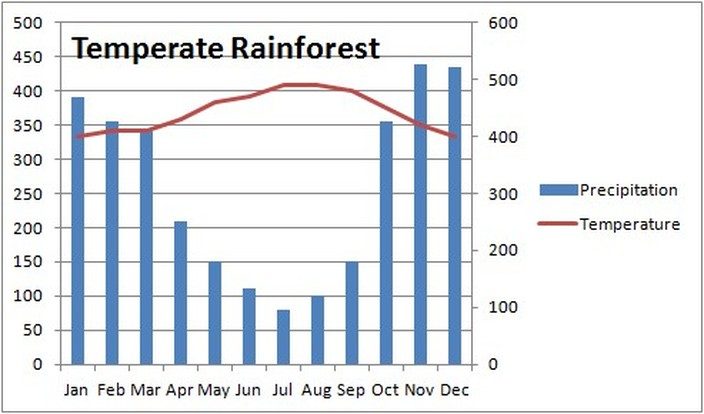
The most important abiotic factors when studying biomes are...
a)
Food and Water
b)
Water and Sunlight
c)
Temperature and Oxygen
d)
Water and Temperature
13.
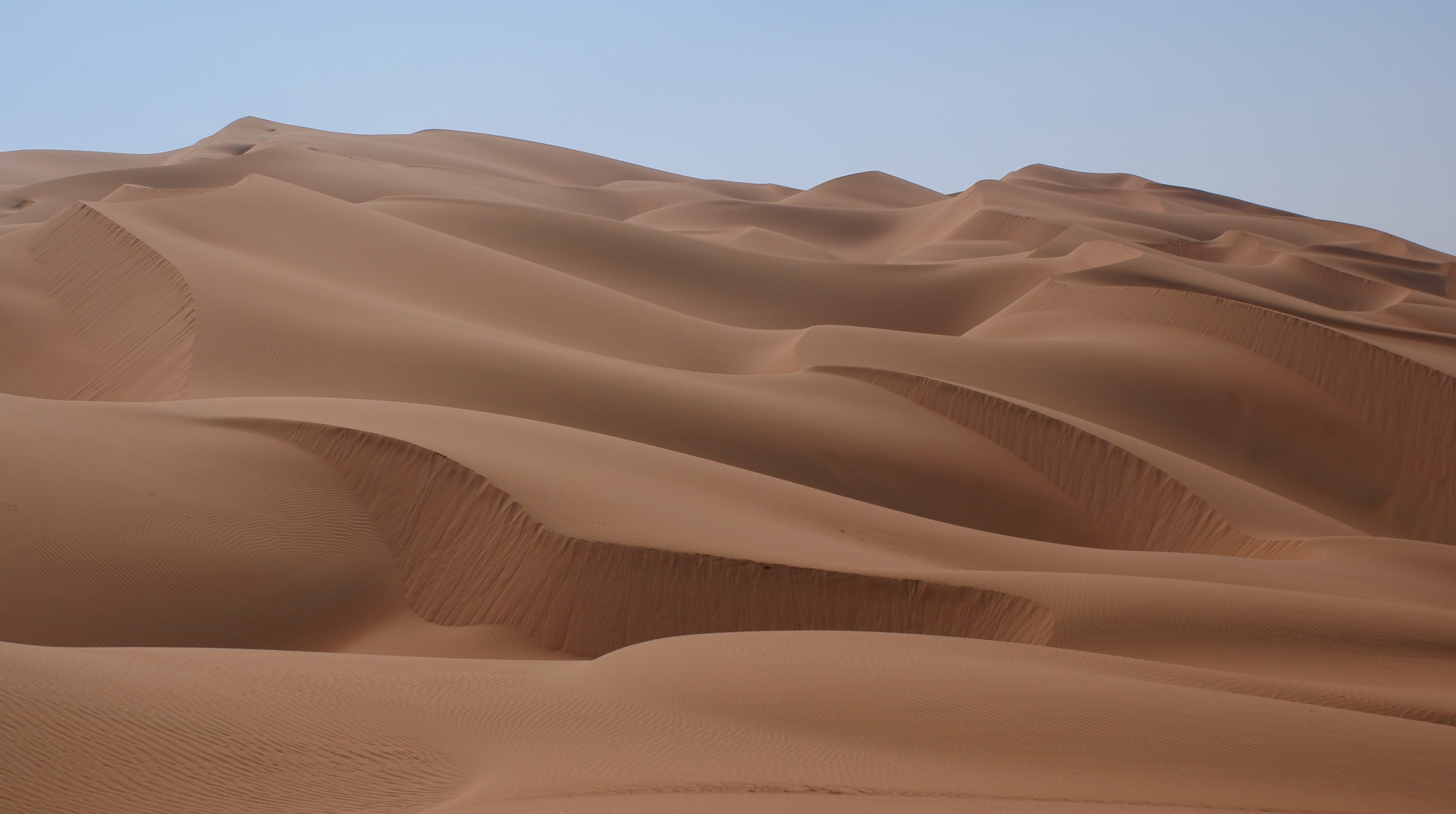
Which biome is MOST LIKE the "desert" in terms of precipitation?
a)
tropical rainforest
b)
temperate deciduous forest
c)
tundra
d)
coniferous forest
14.

Which biome is represented by the rainfall amounts in letter C?
a)
desert
b)
prairie
c)
deciduous forest
d)
tropical rain forest
15.
Anything that helps an animal survive in its environment.
a)
counter-shading
b)
mimicry
c)
adaptation
d)
camouflage
16.
_______________ is when an animal blends into its environment.
a)
camouflage
b)
mimicry
c)
warning coloration
17.
When an animal looks like another animal it is called ______________.
a)
camouflage
b)
mimicry
c)
warning coloration
d)
protective resemblance
18.
Adaptations for defense against a predator would include ____________.
a)
feathers
b)
paw pads
c)
claws
d)
big ears
19.

What organism consumes both rabbits and birds?
a)
The Hawk
b)
The Wolf
c)
The Plant
d)
The Mushroom
20.
Where do decomposers go in your food chain?
a)
at the beginning
b)
they don't belong in a food chain
c)
at the end
d)
at every level
21.
How do producers obtain energy?
a)
They conduct photosynthesis.
b)
They consume plants.
c)
They consume primary consumers.
d)
They consume secondary consumers.
22.
Which is NOT an abiotic factor:
a)
soil
b)
air
c)
bacteria;
d)
water
23.
A food web can be broken down into several seperate
a)
food chains
b)
food pyramids
c)
producers
d)
consumers
24.
Which represents the largest group in a food web?
a)
carnivores
b)
omnivores
c)
herbivores
d)
producers
25.
What might occur when a carnivore is removed from the food web?
a)
A) Nothing. Organisms cannot impact things below them on the energy pyramid.
b)
B) Primary consumers will overpopulate.
c)
C) Plants will be over browsed by herbivores.
d)
D) both B and C might occur.
26.

Which of the following is NOT a consumer?
a)
grass
b)
dog
c)
shark
d)
fish
27.

What part of the food chain is missing?
a)
Producer
b)
Consumer
c)
Decomposer
d)
Heterotroph
28.

An organism that lives by breaking apart dead organic matter into simpler parts is...
a)
scavenger
b)
consumer
c)
decomposer
d)
carnivore
29.

What does a food web represent?
a)
All connections of energy flow throughout all organisms in a ecosystem.
b)
The specific ways that mutualism is carried out.
c)
A single pathway or energy flow between organisms.
d)
How carnivores get their food.
30.

__________ is an organism that eats BOTH plants and animals for energy.
a)
Omnivore
b)
Darnivore
c)
Carnivore
d)
Herbiovre
31.

If the grasshopper were to be removed completely from the food web, what organism would be most effected?
a)
The squirrel
b)
The shrew
c)
The deer
d)
The rabbit
32.

Which organism recieves the least amount of energy from the producer?
a)
Owl
b)
Grasshopper
c)
Lilypad
d)
Mouse
33.
A species living together in one area is called a:
a)
species
b)
community
c)
ecosystem
d)
population
34.
Different organisms living together in the same area:
a)
community
b)
population
c)
species
d)
ecosystem
35.
Bacteria and fungi typically serve what role in an ecosystem?
a)
herbivore
b)
carnivore
c)
omnivore
d)
decomposer
36.

What may happen if the snowshoe hare was removed from the food web pictured?
a)
The insects in the habitat would increase.
b)
The shrew population would decrease due to being only hawk food source.
c)
The willow tree population would decrease.
d)
Foxes would dies due to no food source.
37.
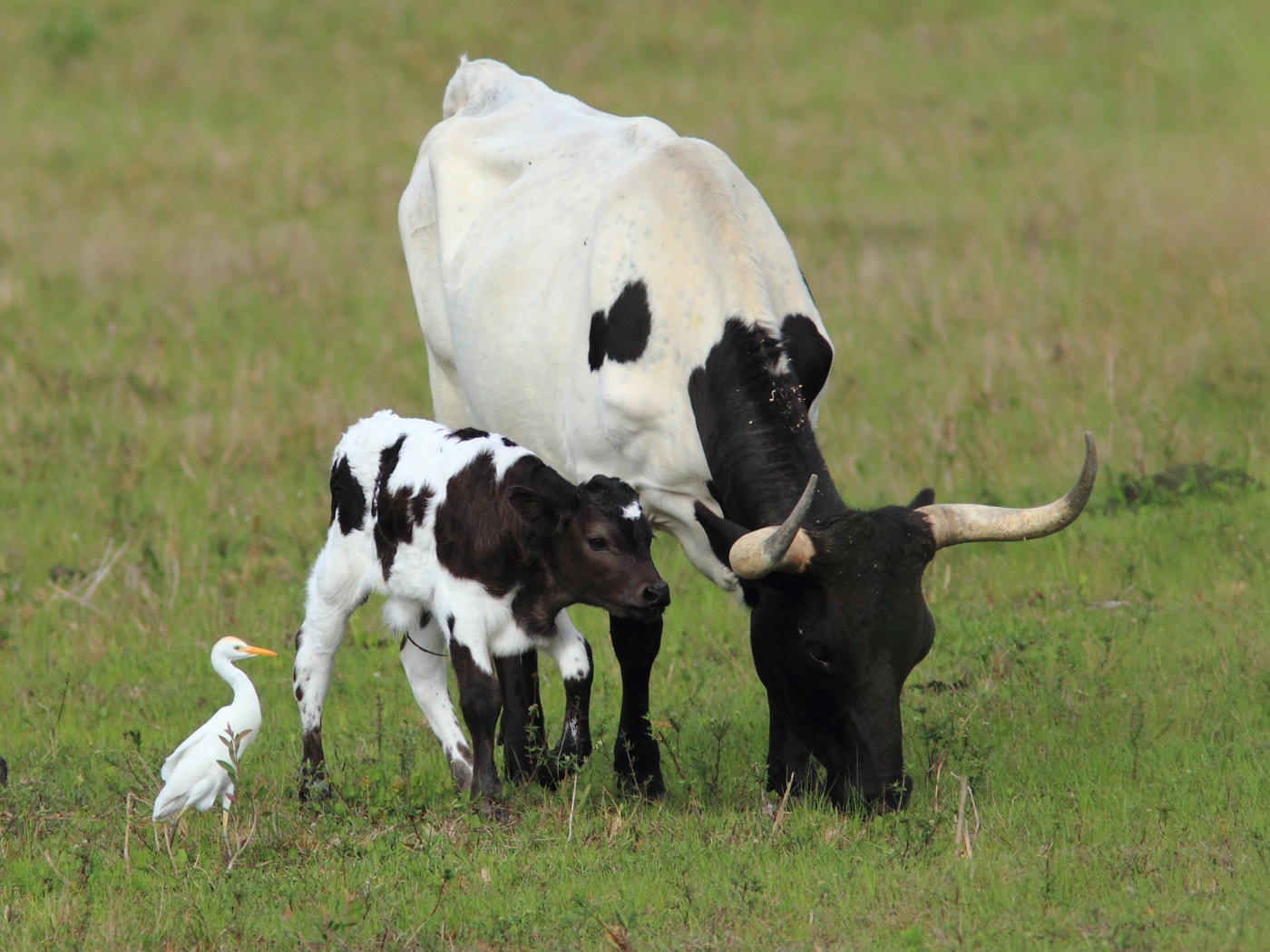
Cattle egrets forage (feed) in fields among cattle. The egret gets easy access to flying insects stirred up by the cattle, and the cattle don't care if they are there or not.
a)
mutualism
b)
commensalism
c)
competition
d)
parasitism
38.
A relationship between two organisms in which one organism benefits and the other is unharmed...
a)
Mutualism
b)
Competition
c)
Parasitsm
d)
Commensalism
39.

A tapeworm and a cat have this type of relationship.
a)
mutualism
b)
parasitism
c)
commensalism
d)
competition
40.
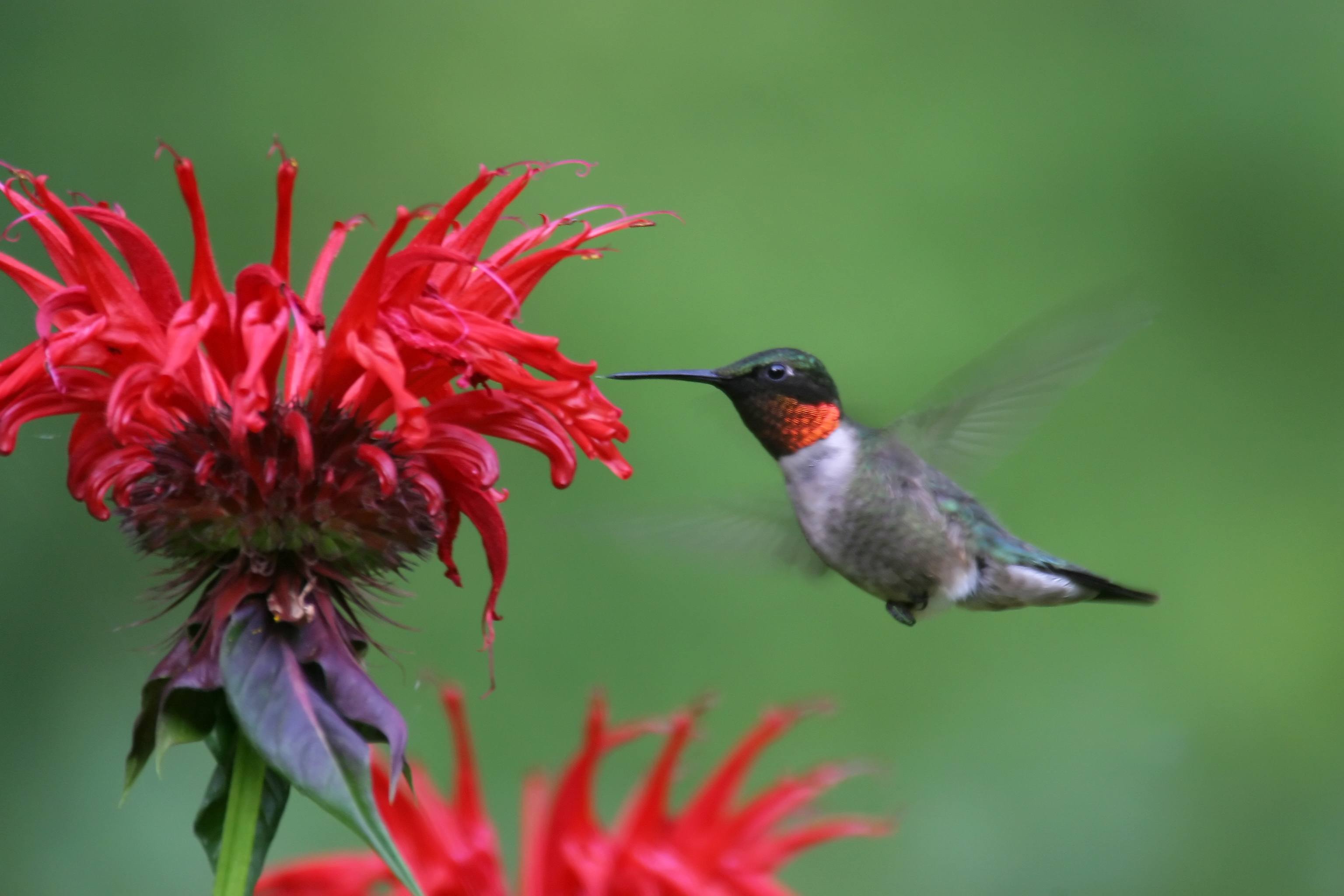
What type of symbiosis? Hummingbirds feed on nectar from flowers. The flowers are pollinated by hummingbirds as they move from flower to flower.
a)
commensalism
b)
mutualism
c)
parasitism
d)
predation
41.
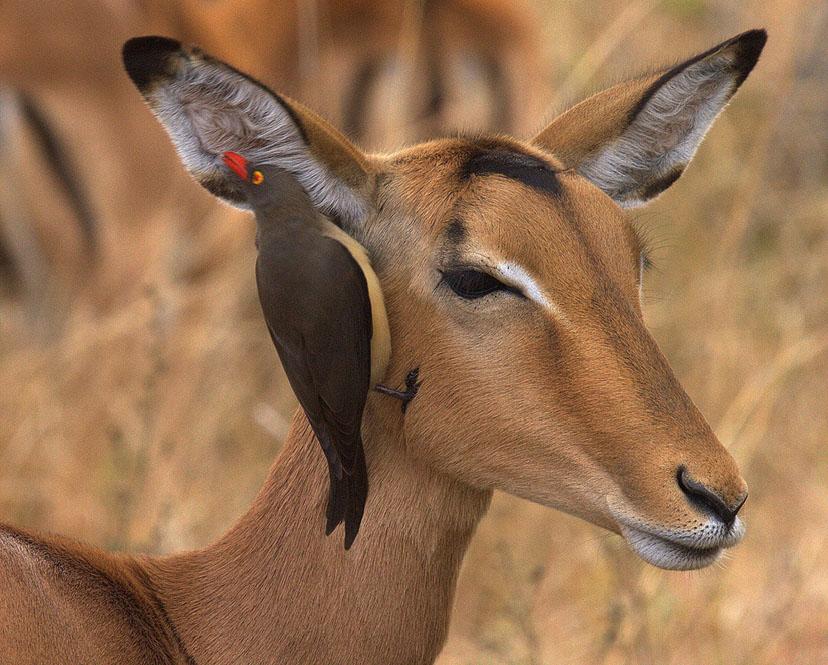
Red-billed oxpeckers are birds that often feed on parasites that infest impala. This is an example of _______.
a)
commensalism
b)
mutualism
c)
neutralism
d)
competition
42.
A relationship between two organisms in which both organisms benefit.
a)
Mutualism
b)
Competition
c)
Parasitsm
d)
Commensalism
43.
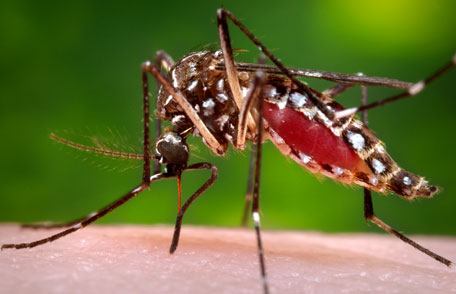
When a mosquito bites you, you are the __________ and the mosquito is the ____________.
a)
host, hostess
b)
parasite, host
c)
host, parasite
d)
prey, predator
44.
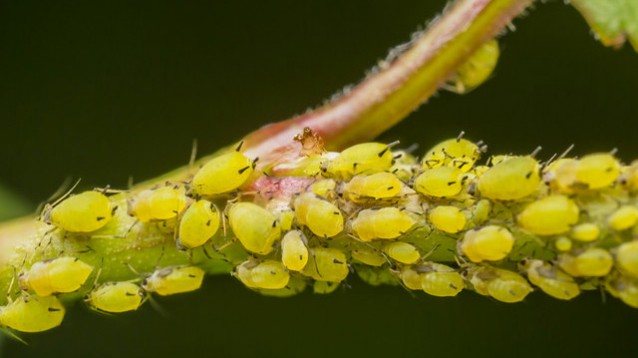
Aphids are tiny insects that live on and eat the leaves of plants, removing vital nutrients from the plants.
a)
Predation
b)
Parasitism
c)
Commensalism
d)
Mutualism
45.
Barnacles create home sites by attaching themselves to whales. This neither harms nor benefits the whales. What kind of relationship is this?
a)
Mutualism
b)
Parasitism
c)
Commensalism
46.

A relationship in which two species live closely together.
a)
resource
b)
mutualism
c)
succession
d)
symbiosis
47.
Cells are the basic unit of all living organisms
a)
True
b)
False
48.

Identify this structure that surrounds the entire cell.
a)
cell wall
b)
cell membrane
c)
sap vacuole
d)
cytoplasm
49.

Identify this structure that is green and makes food the plant cell.
a)
cytoplasm
b)
cell wall
c)
chloroplast
d)
cell membrane
50.
There are some similarities between prokaryotic and eukaryotic cells. Which of the following structures is found in both prokaryotic and eukaryotic cells?
a)
lysosome
b)
mitochondrion
c)
nucleus
d)
cell membrane
51.
What is the function of the cell membrane?
a)
Supports and protects the cell
b)
Controls the cell
c)
Controls what enters and leaves the cell
d)
Metabolic reactions occur here
52.
A living thing that can carry out life processes by itself is called an
a)
organ system
b)
organ
c)
organism
d)
tissue
53.
A group of similar cells that perform a common function is
a)
tissue
b)
organ
c)
cell
d)
organ system
54.
A group of 2 or more tissues that carry out the same function is an
a)
Tissue
b)
Cell
c)
Organ System
d)
Organ
55.
A group of 2 or more organs working together to carry out a common function is
a)
tissue
b)
organ
c)
organ system
d)
cell
56.
The transfer of water across the cell membrane is called
a)
diffussion
b)
osmosis
c)
active transport
d)
homeostasis
57.
The movement of materials across the cell membrane which uses energy is called
a)
diffussion
b)
osmosis
c)
passive transport
d)
active transport
58.
What is cell division called?
a)
cellular meiosis
b)
mitosis
c)
endocytosis
d)
exocytosis
59.
The maintenance of a constant internal state in a changing environment is
a)
cellular respiration
b)
mitosis
c)
meiosis
d)
homeostasis
60.
The movement of materials across the cell membrane without the use of energy is
a)
exocytosis
b)
active transport
c)
passive transport
d)
endocytosis
61.
The movement from low concentration to high concentration is
a)
diffussion
b)
osmosis
c)
cell division
d)
homeostasis
62.
Which part of the cell contains DNA?
a)
The cell wall
b)
The mitochondria
c)
The Vacuoles
d)
The Nucleus
63.
Photosynthesis happens in this part of the plant cell.
a)
The cell wall
b)
The vacuoles
c)
The nucleus
d)
The chloroplast
64.
Chromosomes serve what purpose in the cell?
a)
They breakdown food.
b)
They control what goes into and out of the cell.
c)
They store directions for all cellular activity.
d)
They offer a stiff outer layer to give the cell it's structure.
65.
What are two major differences found in plant and animal cells?
a)
Plant cells have a cell wall and chloroplasts, while animal cells do not.
b)
Plant cells have a nucleus and vacuoles, while animal cells do not.
c)
Plant cells have no mitochondria or cytoplasm, while animal cells do.
d)
They are the same.
66.
What is the job of the mitochondria in the cell?
a)
to tell other organelles what to do
b)
to provide support for the cell
c)
to store both food and water in the cell
d)
to release the energy from food molecules
67.
Which organelle contains water and stored food?
a)
the nucleus
b)
the cytoplasm
c)
the cell membrane
d)
the vacuole
68.
Which cell has a larger vacuole?
a)
The bacterial cell
b)
The animal cell
c)
They both have vacuoles that are the same size
d)
The plant cell
69.

a)
Metaphase
b)
Anaphase
c)
Telophase
d)
Prophase
70.

a)
Telophase
b)
Interphase
c)
Anaphase
d)
Metaphase
71.

a)
Anaphase
b)
Prophase
c)
Telophase
d)
Metaphase
72.

In mitosis, the two resulting cells are
a)
different from the starting cell and identical to each other.
b)
different from the starting cell and different from each other.
c)
identical to the starting cell and different from each other.
d)
identical to the starting cell and identical to each other.
73.

Structure (a) is a ____.
a)
chromosome
b)
chromatid
c)
centromere
74.

The stages of mitosis in order
a)
Metaphase, Anaphase, Prophase, Telophase
b)
Prophase, Anaphase, Metaphase, Telophase
c)
Prophase, Metaphase, Anaphase, Telophase
d)
Anaphase, Prophase, Telophase, Metaphase
75.
How do photosynthesis and cellular respiration differ?
a)
photosynthesis uses food and cellular respiration produces food
b)
photosynthesis gives off oxygen and cellular respiration uses oxygen
c)
photosynthesis uses oxygen and cellular respiration uses carbon dioxide
76.
Which products are produced during aerobic respiration?
a)
water and glucose
b)
glucose and oxygen
c)
carbon dioxide and water
d)
oxygen and carbon dioxide
77.
which is a waste product of photosynthesis?
a)
carbon dioxide
b)
glucose
c)
oxygen
d)
water
78.
Which is MOST necessary for life?
a)
random mutations
b)
reproducing quickly
c)
maintenance of homeostasis
d)
producing a variety of proteins
79.

Look at the diagram. Which reaction is taking place between 1 and 3?
a)
ammonification
b)
glycolysis
c)
photosynthesis
d)
respiration
80.
What are the reactants (what's needed) for photosynthesis?
a)
glucose and oxygen
b)
light, water, and carbon dioxide
81.
What type of organism uses photosynthesis?
a)
plants
b)
bacteria
c)
animals
d)
both plants and bacteria
82.
What is an autotroph?
a)
an organism that can make their own food.
b)
an organism that cannot make their own food
c)
Herbivore
d)
Omnivore
Reset

