
 Worksheets
Ecology
Total questions: 80
Worksheet time: 51mins
Name
Class
Date
1.
Which of the following is the most simple level of ecological organization?
a)
A community
b)
An individual or species
c)
A population
d)
An ecosystem
2.
TRUE or FALSE: A community includes all abiotic and biotic factors.
a)
TRUE
b)
FASLE
3.

What level of organization can be seen here?
a)
Species
b)
Population
c)
Community
d)
Ecosystem
4.
TRUE or FALSE: An ecosystem contains only biotic factors.
a)
TRUE
b)
FALSE
5.

What level of organization can be observed in the image?
a)
Species
b)
Population
c)
Community
d)
Ecosystem
6.
Which is the thin layer of the earth that supports life and also the largest level of ecological organization?
a)
A community
b)
The biosphere
c)
A population
d)
The biome
7.
Which level of ecological organization is composed of many similar ecosystems with the same climate and geographic locations?
a)
A community
b)
A population
c)
A biome
d)
A biosphere
8.
Which is an example of a biotic factor?
a)
The sun
b)
Water
c)
Grass
d)
Rocks
9.
Which is an example of an abiotic factor?
a)
Grass
b)
Trees
c)
Rain
d)
Birds
10.

The study of organisms and how they interact with one another and their environment is best described as
a)
Biology
b)
Ecology
c)
Zoology
d)
Botany
11.
The ___________ is the basic unit of life
a)
organ
b)
cell
c)
atom
d)
tissue
12.
A group of tissues that work together to perform a similar function is called_____. (Examples include the heart, lungs or stomach)
a)
cells
b)
tissues
c)
organs
d)
organ system
13.
All the living things on earth make up the
a)
geosphere
b)
hydrosphere
c)
biosphere
d)
atmosphere
14.
A group of the same species living together is a(n)
a)
population
b)
community
c)
ecosystem
d)
biome
15.
Nonliving factor that affects an ecosystem...
a)
biotic factor
b)
abiotic factor
c)
food chain
d)
biome
16.
Living factors or organisms that affect an ecosystem
a)
abiotic factors
b)
species
c)
trophic level
d)
biotic factors
17.
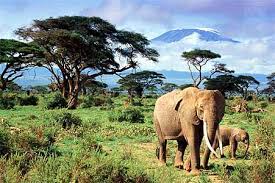
What are the biotic factors in this image?
a)
sunlight, elephants, and grasses
b)
sunlight, water, and air
c)
elephants, plants, trees
18.
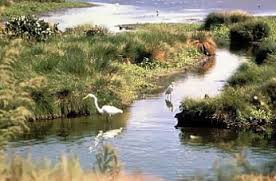
What are the abiotic factors in this image?
a)
water, sunlight, air
b)
birds and plants
c)
water, plants, and birds
19.
An ecosystem contains living and nonliving things.
a)
True
b)
False
20.
Communities are made up of
a)
Different Ecosystems
b)
Same Species
c)
Different Populations
d)
atoms
21.
Water
a)
Biotic
b)
Abiotic
22.
Rain
a)
Biotic
b)
Abiotic
23.
Rocks
a)
Biotic
b)
Abiotic
24.
Soil
a)
Biotic
b)
Abiotic
25.
Oxygen
a)
Biotic
b)
Abiotic
26.
Nitrogen
a)
Biotic
b)
Abiotic
27.
pH value
a)
Biotic
b)
Abiotic
28.
Mineral Content
a)
Biotic
b)
Abiotic
29.
Salt Concentration
a)
Biotic
b)
Abiotic
30.
Sunlight
a)
Biotic
b)
Abiotic
31.
Bacteria
a)
Biotic
b)
Abiotic
32.
Clown Fish
a)
Biotic
b)
Abiotic
33.
King Cobra
a)
Biotic
b)
Abiotic
34.
Lion
a)
Biotic
b)
Abiotic
35.
Lily Pad
a)
Biotic
b)
Abiotic
36.
Flatworms
a)
Biotic
b)
Abiotic
37.
Frogs
a)
Biotic
b)
Abiotic
38.
Octopus
a)
Biotic
b)
Abiotic
39.
Bamboo
a)
Biotic
b)
Abiotic
40.
Movement of soil and rocks from one place to another is called...
a)
weathering
b)
humus
c)
erosion
70.
Soil formation begins with the weathering of_______.
a)
Humas
b)
Subsoil
c)
Litter
d)
Rock
42.
Breaking down or wearing away of rocks is called....
a)
weathering
b)
humus
c)
erosion
43.
The very top layer of soil is mostly made of
a)
Solid rock
b)
Clay and mineral deposits
c)
A mixture of minerals and organic material
d)
Mostly organic material (humus)
44.
Decayed organic material in soil is called______.
a)
Litter
b)
Silt
c)
Humus
d)
Clay
45.

Which layer of soil is on the bottom?
a)
topsoil
b)
subsoil
c)
bedrock
d)
bottomsoil
46.

Which of the following is NOT one of the three layers of soil?
a)
topsoil
b)
undersoil
c)
subsoil
d)
bedrock
47.
the process of dropping sediments
a)
deposition
b)
erosion
c)
weathering
d)
sediments
48.

the fertile, upper part of the soil
a)
clay
b)
sand
c)
silt
d)
topsoil
49.
The movement of rocks and weathered materials is called_________.
a)
Chemistry
b)
Physical
c)
Weathering
d)
Erosion
50.
The process by which rocks break down as a result of chemical reactions/ common causes are water, weak acids, and air
a)
Mechanical Weathering
b)
Chemical Weathering
51.
The two main factors that determine the rate of weathering are the TYPE of rock and_____.
a)
Music
b)
Climate
c)
Size of rock
d)
Weight of rock
52.
When plants, animals, and other organisms die, they break down and become part of the soil. What is this part of the soil called?
a)
sand
b)
silt
c)
clay
d)
humus
53.
The breakdown of rock into smaller pieces by physical means; common causes are ice, wind, water, gravity, plants, and animals
a)
Physical (Mechanical) Weathering
b)
Chemical Weathering
54.
If a mouse dies, _____________ helps the mouse decay
a)
Bacteria
b)
Rocks
c)
Animals
d)
Earthworms
55.
Why are earthworms important to the soil?
a)
The tunnels they make help oxygen get to the soil
b)
When they eat they release droppings that contain nutrients
c)
They keep soil healthy
d)
All of the above
56.
Inorganic matter is made of materials that…
a)
Were once living and nonliving
b)
Were once nonliving
c)
Were once nonliving
57.
Which of the following is NOT an organic material
a)
Worms
b)
Decayed animals
c)
Rocks
d)
Decayed plants
58.
What do we call the layers of soil?
a)
Deposits
b)
Horizons
c)
Minerals
d)
Rocks
59.
In which horizon is the Bedrock
a)
Horizon A
b)
Horizon B
c)
Horizon C
d)
Horizon D or R
60.
Soil's one of the Earth’s most valuable resources. Everything on Earth depends on soil somehow.
a)
True
b)
False
61.
Soil layers are called horizons because...
a)
The layers are all different
b)
The layers are vertical
c)
The layers are horizontal
d)
The layers are above one another
62.
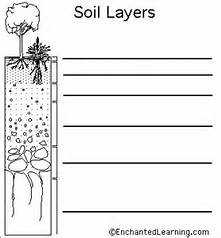
Which horizon contains clay, silt, minerals, and a little humus?
a)
Horizon A
b)
Horizon B
c)
Horizon C
d)
Horizon D or R
63.
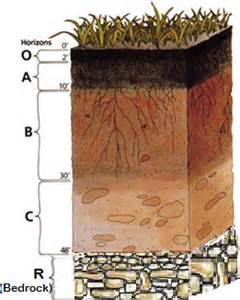
In which horizon is most of the HUMUS?
a)
Horizon A
b)
Horizon B
c)
Horizon C
d)
Horizon D or R
64.
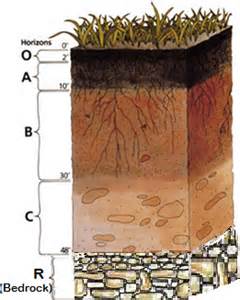
Which horizon is made up of partially weathered rocks?
a)
Horizon A
b)
Horizon B
c)
Horizon C
d)
Horizon D or R
65.
Topsoil which contains the HUMUS is the soil layer best for growing plants.
a)
True
b)
False
66.
Which combination creates sand?
a)
Rocks and ocean waves
b)
Wind and ocean waves
c)
Long waves and wind
d)
surf and ocean waves
67.
Decayed organic material in soil is called______.
a)
Litter
b)
Silt
c)
Humus
d)
Clay
68.
The MAIN thing Decomposers do for the the soil is the following:
a)
Store moisture
b)
Burrow deep in the soil
c)
Make space for air and water
d)
Break down and digest dead organisms
69.
The layer of soil which the topsoil is found.
a)
Horizon A
b)
Horizon B
c)
Horizon C
d)
Horizon D or R
70.
Soil formation begins with the weathering of_______.
a)
Humas
b)
Subsoil
c)
Litter
d)
Rock
71.
A rock containing iron is soft, crumbly, reddish in color. It's been chemically weathered by__.
a)
Carbon Dioxide
b)
Oxygen
c)
Nitrogen
d)
Sulfer
72.
Which type of soil is most like a sponge?
a)
sand
b)
humus
c)
loam
d)
clay
73.
Which type of soil has a large amount of decayed matter like plants and animals?
a)
sand
b)
loam
c)
clay
d)
humus
74.
The way soil feels is called its _____.
a)
type
b)
texture
c)
particle
d)
grain size
75.
I am red in color. I am hard when dry but sticky when wet. What am I?
a)
silt
b)
humus
c)
clay
d)
loam
76.
I am black in color. I am soft and crumbly What am I?
a)
silt
b)
humus
c)
clay
d)
sand
77.
I am tan in color. I do not hold water well. I have a gritty texture. What am I?
a)
silt
b)
humus
c)
clay
d)
sand
78.
Which type of soil is best for growing vegetables in?
a)
silt
b)
loam
c)
humus
d)
sand
79.
Which type of soil could you form into a ball without breaking?
a)
silt
b)
sand
c)
clay
d)
loam
80.
I am a mixture of all soil types. What am I?
a)
silt
b)
humus
c)
clay
d)
loam
100 %

