
 Worksheets
Mollusks and Arthropods
Total questions: 59
Worksheet time: 1hrs 3mins
Name
Class
Date
1.
In what type of environment do MOST mollusks live?
a)
Soil
b)
Freshwater
c)
Marine
d)
Terrestrial
2.
Which part of the Mollusk body is specialized for burrowing, feeding, and movement?
a)
trochophores
b)
visceral mass
c)
mantle
d)
foot
3.
Which class of Mollusks include clams, oysters, and mussels?
a)
Gastropods
b)
Bivalves
c)
Cephalopods
5.
Which class of Mollusks include squid, cuttlefish and octopus?
a)
Gastropods
b)
Bivalves
c)
Caphalopods
5.
Which class of Mollusks include squid, cuttlefish and octopus?
a)
Gastropods
b)
Bivalves
c)
Caphalopods
6.
Which class of Mollusks include organisms that all have two shells?
a)
Gastropods
b)
Bivalves
c)
Cephalopods
7.
Which class of Mollusks all have tentacles?
a)
Gastropods
b)
Bivalves
c)
Cephalopods
8.
Which class of Mollusks have a closed circulatory system?
a)
Gastropods
b)
Bivalves
c)
Cephalopods
d)
All of the classes
28.
What is the meaning of Cephalopods?
a)
Stomach-foot
b)
Head-footed
c)
Two-shelled
d)
Soft-bodied
10.
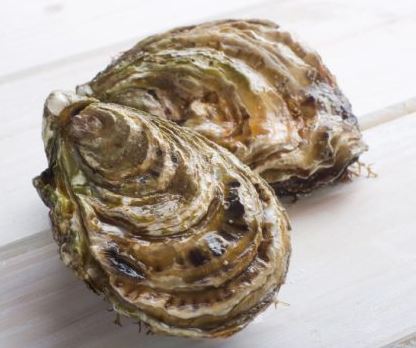
Which group of Mollusks does the picture belong to?
a)
Gastropod
b)
Bivalve
c)
Cephalopod
11.
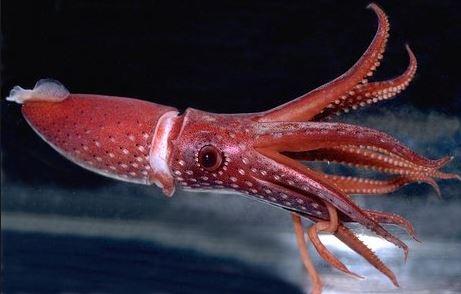
What Mollusk group does the picture belong to?
a)
Gastropod
b)
Bivalve
c)
Cephalopod
12.
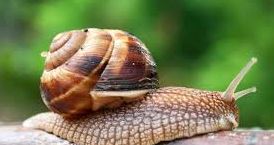
What Mollusk group does the picture belong to?
a)
Gastropod
b)
Bivalve
c)
Cephalopod
13.

What Mollusk group does this picture belong to?
a)
Bivalves
b)
Gastropods
c)
Cephalopods
d)
Cnidarians
14.
What is the meaning of Mollusks?
a)
Soft-bodied
b)
filter feeder
c)
porus
d)
stomach foot
15.
Which class of Mollusks have the most advanced nervous system?
a)
Gastropods
b)
Bivalves
c)
Cephalopods
16.
What type of symmetry do MOST mollusks have?
a)
Bilateral
b)
Radial
c)
Circular
d)
Asymmetrical
17.
Which class of Mollusks include organisms that have camera-like eyes similar to humans?
a)
Gastropods
b)
Bivalves
c)
Cephalopods
18.
Which class of Mollusks is the only class with some terrestrial species?
a)
Gastropods
b)
Bivalves
c)
Cephalopods
19.
Which class of Mollusks have many species that are sessile?
a)
Gastropods
b)
Bivalves
c)
Cephalopods
20.
What type of body do all Mollusks have?
a)
Segmented
b)
Soft
c)
Rigid
d)
Clear
21.
What are the major groups of Mollusks?
a)
Cnidarians, Gastropods, Porifera
b)
Gastropods, Bivalves, Cephalopods
c)
Porifera, Cephalopods, Cnidarians
22.
What muscle opens and closes the clam?
a)
Labial Palp
b)
Adductor
c)
Incurrent
d)
Excurrent
23.
What do the rings on the clam shell indicate?
a)
species
b)
age
c)
size
d)
genus
24.
How do Bivalves eat?
a)
Filter feeders
b)
Radula
c)
Tentacles
25.
Mollusks are vertebrates?
a)
True
b)
False
26.
What is the meaning of Gastropod?
a)
Soft-bodied
b)
Stomach foot
c)
Head-footed
d)
Two-shelled
27.
How do Gastropods obtain nutrients?
a)
Herbivore
b)
Carnivore
c)
Scavenger
d)
All
28.
What is the meaning of Cephalopods?
a)
Stomach-foot
b)
Head-footed
c)
Two-shelled
d)
Soft-bodied
29.
What type of environments do arthropods live?
a)
Marine
b)
Freshwater
c)
Land
d)
All of the above
30.
What is molting?
a)
The process in which arthropods reproduce
b)
The process in which arthropods shed their outer covering and grow a larger one.
c)
The process in which larval forms develop into adult forms
d)
The process in which arthropods breathe
31.
Spiders, ticks, scorpions all belong to...
a)
Crustacean
b)
Arachanids
c)
Chilopoda
d)
Insecta
32.
Which group of arthropods have 3 body segments: head, thorax, and abdomen?
a)
Diplopoda
b)
Chilopoda
c)
Arachnids
d)
Insecta
33.
Which group of Arthropods have two pairs of legs per body segment?
a)
Chilopoda (centipedes)
b)
Diplopoda (millipedes)
c)
Insecta
d)
Crustacea
34.
What two characteristics do all Arthropods have?
a)
two legs per body segment
b)
jointed legs and a cephalothorax
c)
three body segments and metamorphosis
d)
jointed legs and segmented bodies
35.
Beetles, grasshoppers and moths are all examples of...
a)
Arachnids
b)
Crustaceans
c)
Insecta
d)
Diplopoda
36.
Lobster, shrimp, and crabs are examples of what group of Arthropods?
a)
Chilopoda
b)
Diplopoda
c)
Crustaceans
d)
Arachnida
37.
All arthropods have segmented bodies, jointed appendages, and ________________.
a)
tails
b)
lungs
c)
wings
d)
an exoskelton
38.

?
a)
Crustacea
b)
Arachnida
c)
Insecta
d)
Myriapoda
39.

?
a)
Arachnida
b)
Insecta
c)
Crustacea
d)
Myriapoda
40.

?
a)
Myriapoda
b)
Insecta
c)
Arachnida
d)
Crustacea
41.
All spiders are:
a)
vegetarians
b)
omnivores
c)
herbivores
d)
carnivores
42.
The removing and replacing of old exoskeleton is called
a)
metamorphosis
b)
replacement
c)
molting
d)
exoing
43.
Arachnids are the largest class in the animal kingdom.
a)
true
b)
false
44.
How do most Arthropods reproduce?
a)
Asexually through budding
b)
Asexually through binary fission
c)
Sexually and most are hermaphrodites
d)
Sexually with separate sexes
45.
The subphylum characterized by 3 segments, mandibles, no antenna and book lungs would be
a)
chelicerata
b)
hexapoda
c)
myriapoda
d)
crustacea
46.
The subphylum characterized by two pair of antenna, two segments, and biramous appendages would be
a)
chelicerata
b)
hexapoda
c)
myriapoda
d)
crustacea
47.
What does the external skeleton of an arthropod contain?
a)
lime
b)
bone
c)
calcium carbonate
d)
chitin
48.
body of Crustacea and Arachnids
a)
head, thorax, abdomen
b)
cephalothorax, abdomen
49.
Spiders, ticks, scorpions all belong to...
a)
Crustacean
b)
Arachanids
c)
Chilopoda
d)
Insecta
50.
What does the term arthropod mean?
a)
soft
b)
little rings
c)
jointed foot
d)
cephalization
51.
The tough layer on the outside of arthropod's bodies that provide protection and support
a)
nauplius
b)
exoskeleton
c)
skeleton
d)
shell
52.
Why do arthropods have to shed their exoskeletons?
a)
it wears out
b)
they don't shed
c)
it limits the size they can grow
d)
to go from water to land environments
53.
What is the single defining characteristic of crustaceans?
a)
2 pairs of antennae
b)
must be a certain size
c)
all live in marine environments
d)
they all have 10 segments
54.
Crayfish are decapods. What does this mean?
a)
10 feet
b)
10 appendages
c)
10 segments
55.
Organs on the tip of the abdomen on spiders used to create silk threads
a)
swimmerets
b)
spinnerets
c)
chelicera
d)
chelipeds
56.
Which 2 are examples of arthropods in the subphylum Myriapoda
a)
spiders and scorpions
b)
spiders and centipedes
c)
centipedes and millipedes
d)
crayfish and spiders
57.
Which are 2 examples of arthropods in the subphylum Chelicerata?
a)
millipedes and centipedes
b)
spiders and scorpions
c)
mites and crayfish
d)
crayfish and spiders
58.
What is different about the cephalothorax and abdomen of mites and ticks compared to other arthropods?
a)
they only have a cephalothorax
b)
they only have an abdomen
c)
they are fused together
d)
the abdomen is on the anterior end
59.
Which of these is a benefit of metamorphosis?
a)
reduce competition between larva and adults
b)
larva are protected by adults
c)
allows arthropods to grow larger
d)
prevents arthropods from getting too large
100 %

