
NEW
Font size
S
M
L
XL
 Worksheets
Chapter 6 Skeletal System Review
Total questions: 46
Worksheet time: 38mins
Name
Class
Date
1.
Carpals and tarsals (flat bones) are examples of this type of joint
a)
condyloid
b)
gliding
c)
hinge
d)
saddle
2.
Ways that articulations are classified
a)
Structurally
b)
Functionally
c)
Both Structurally & Functionally
d)
Neither
3.
Which of the following is a joint that can freely move?
a)
fibrous
b)
cartilaginous
c)
synovial
4.

Moving a part forward (thrusting the head forward).
a)
protrusion
b)
retraction
c)
elevation
d)
supination
5.

What are joints
a)
A place where one bone meets
b)
A place where two bones meet
c)
Bones don't meet
d)
A place where three bones meet
6.
Hip and shoulder have examples of this type of joint
a)
ball and socket
b)
condyloid
c)
hinge
d)
gliding
7.
The elbows, knees and phalanges are examples of this type of joint
a)
ball and socket
b)
condyloid
c)
gliding
d)
hinge
8.

Movement away from the mid-line is called _____________.
a)
abduction
b)
adduction
c)
internal rotation
d)
external rotation
9.

Turning the hand so that the palm is upward or facing anteriorly (in anatomical position).
a)
supination
b)
pronation
c)
flexion
d)
dorsiflexion
10.
Cartilagenous joints are connected by
a)
synovial fluid
b)
fibrous connective tissue.
c)
hyaline cartilage or fibrocartilage
d)
a joint capsule
11.
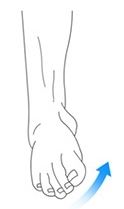
Turning the foot so the plantar surfaces faces medially.
a)
plantar flexion
b)
eversion
c)
inversion
d)
dorsiflexion
12.
A twisting motion of the foot that turns the sole outward is called:
a)
Plantar flexion
b)
Inversion
c)
Eversion
d)
Dorsiflexion
13.
The knee joint is an example of a _____ joint.
a)
hinge
b)
ball and socket
c)
saddle
d)
gliding
14.
An example of a pivot joint is(are) the:
a)
head of the radius articulating with the ulna.
b)
first metacarpal articulating with the trapezium.
c)
humerus articulating with the scapula.
d)
interphalangeal joints.
15.
Stretching the foot down and back and pointing the toe is called:
a)
plantar flexion.
b)
dorsiflexion.
c)
hyperextension.
d)
abduction.
16.
Kicking a football is accomplished by:
.
.
a)
pronation.
b)
adduction.
c)
extension.
d)
flexion.
17.
Pubic symphysis
a)
fibrous/epiphyseal disk
b)
cartilaginous/suture
c)
cartilaginous/symphysis
d)
synovial/symphysis
18.
These are associated with bursae
a)
fibrous
b)
cartilaginous
c)
synovial
19.
Which of the following would be found in the lower back?
a)
C4
b)
T5
c)
L3
d)
L10
20.
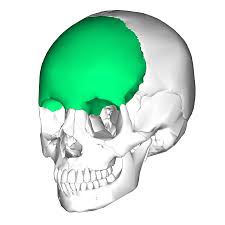
What is this?
a)
Frontal
b)
Mandible
c)
Occipital
d)
Parietal
21.
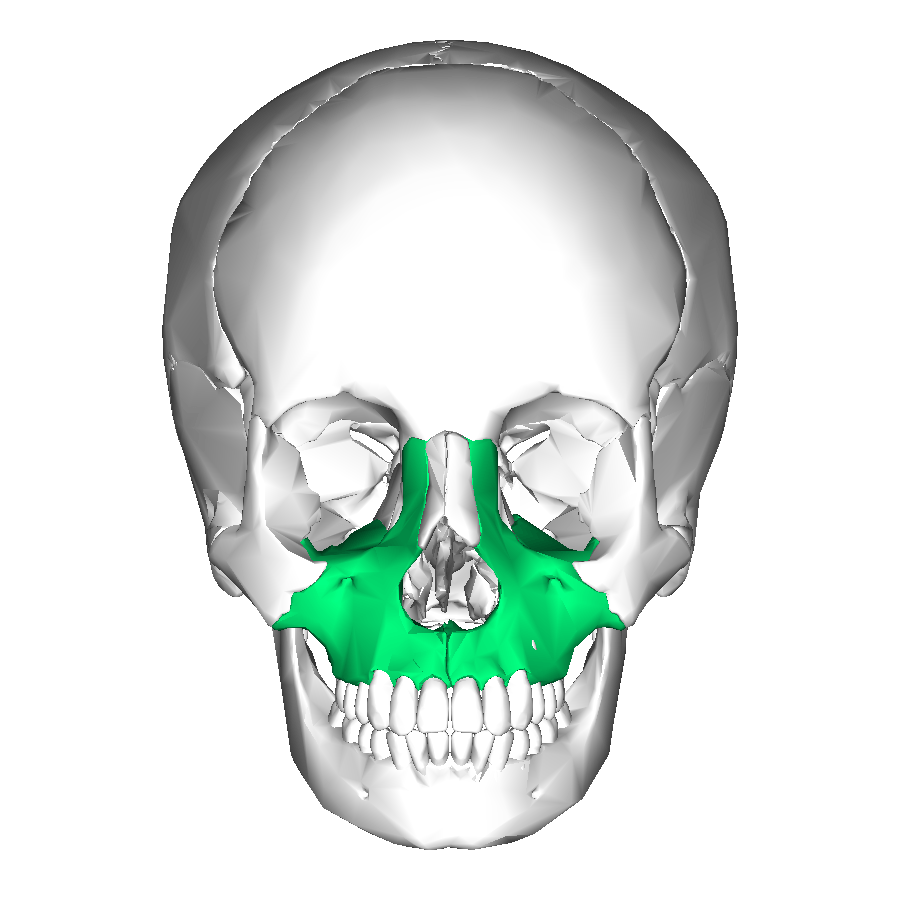
What is this?
a)
Mandible
b)
Maxillae
c)
Zygomatic
d)
Lacrimal
22.
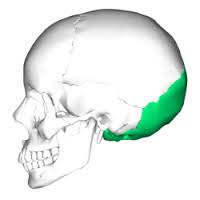
What is this?
a)
Parietal
b)
Occipital
c)
Frontal
d)
Temporal
23.
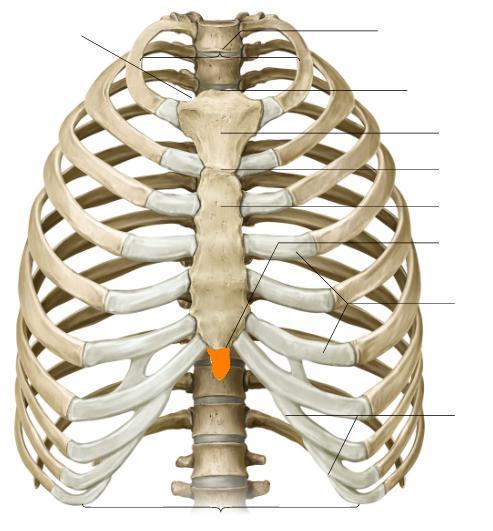
What is this?
a)
Manubrium
b)
Xiphoid Process
c)
Body
d)
Costal Cartilage
24.
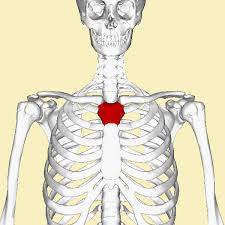
What is this?
a)
Manubrium
b)
Body
c)
Xiphoid Process
d)
Clavicle
25.

Is this the axial or appendicular skeleton?
a)
Axial
b)
Appendicular
26.

Which bone is not part of the axial skeleton
a)
Ribs
b)
Sacrum
c)
Clavicle
d)
Vertebrae
27.

Bone 6 (circled)
a)
Saccrum
b)
Lumbar
c)
coccyx
d)
Thoracic
28.

Identify bone 9.
a)
zygomatic
b)
frontal
c)
temporal
d)
ethmoid
29.

Label G
a)
Head
b)
Neck
c)
Greater Trochanter
d)
Lateral epicondyle
30.
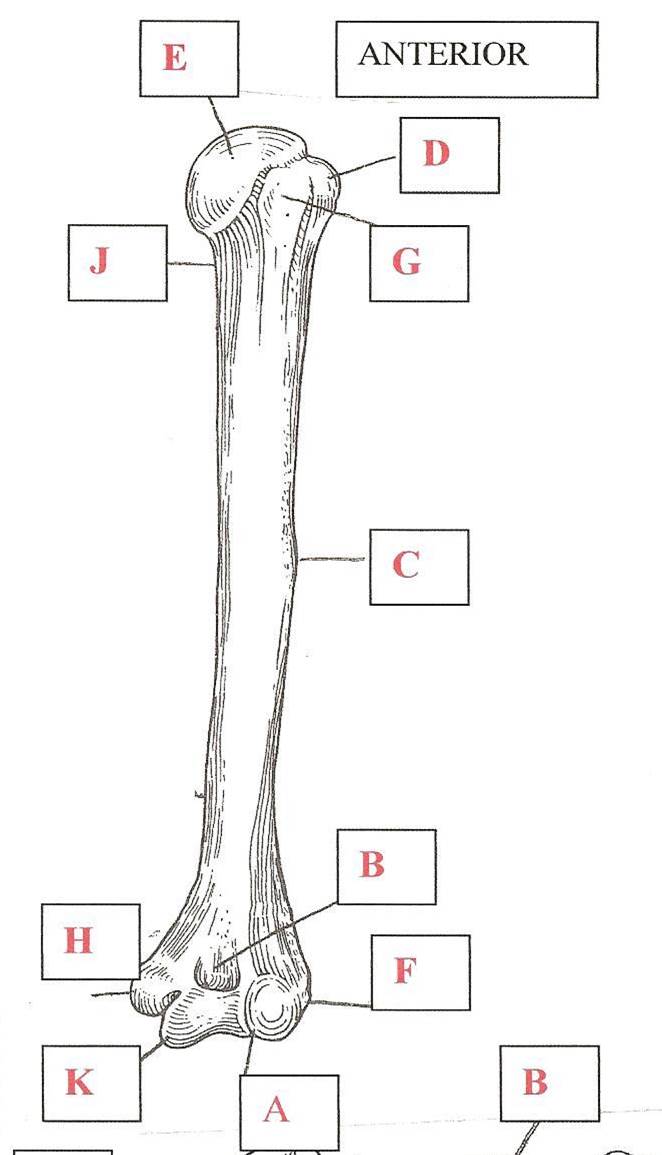
This bone is the...
a)
Femur
b)
Radius
c)
Sacrum
d)
Humerus
31.
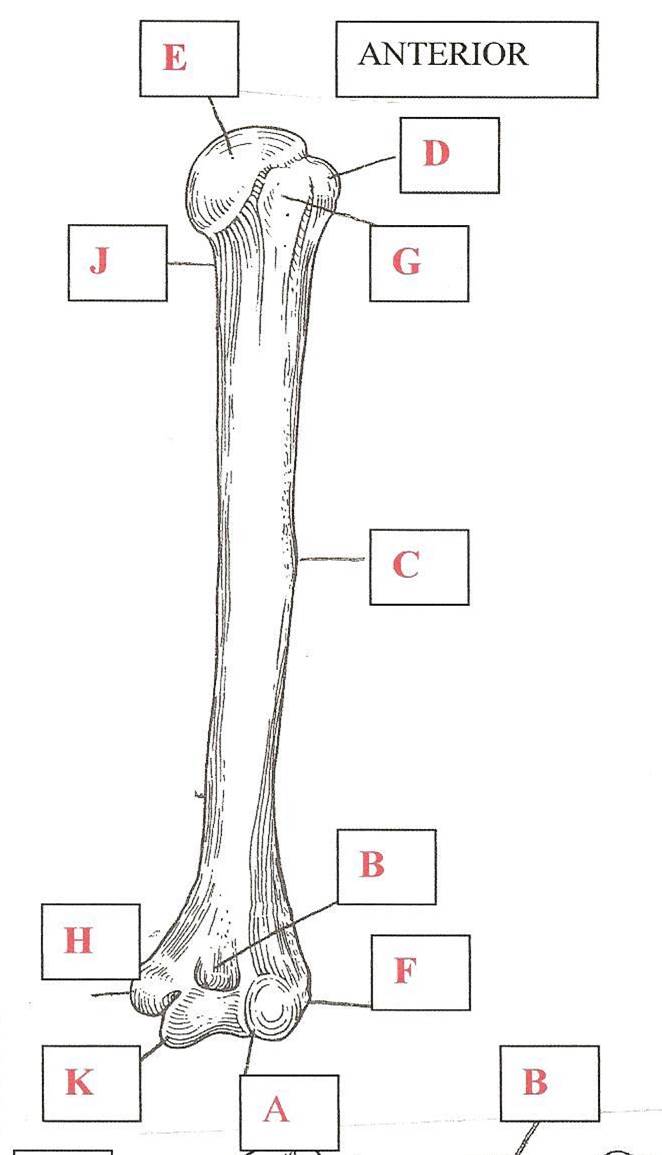
Label C
a)
Greater tubercle
b)
Lesser tubercle
c)
Deltoid tuberosity
d)
Coronoid fossa
32.
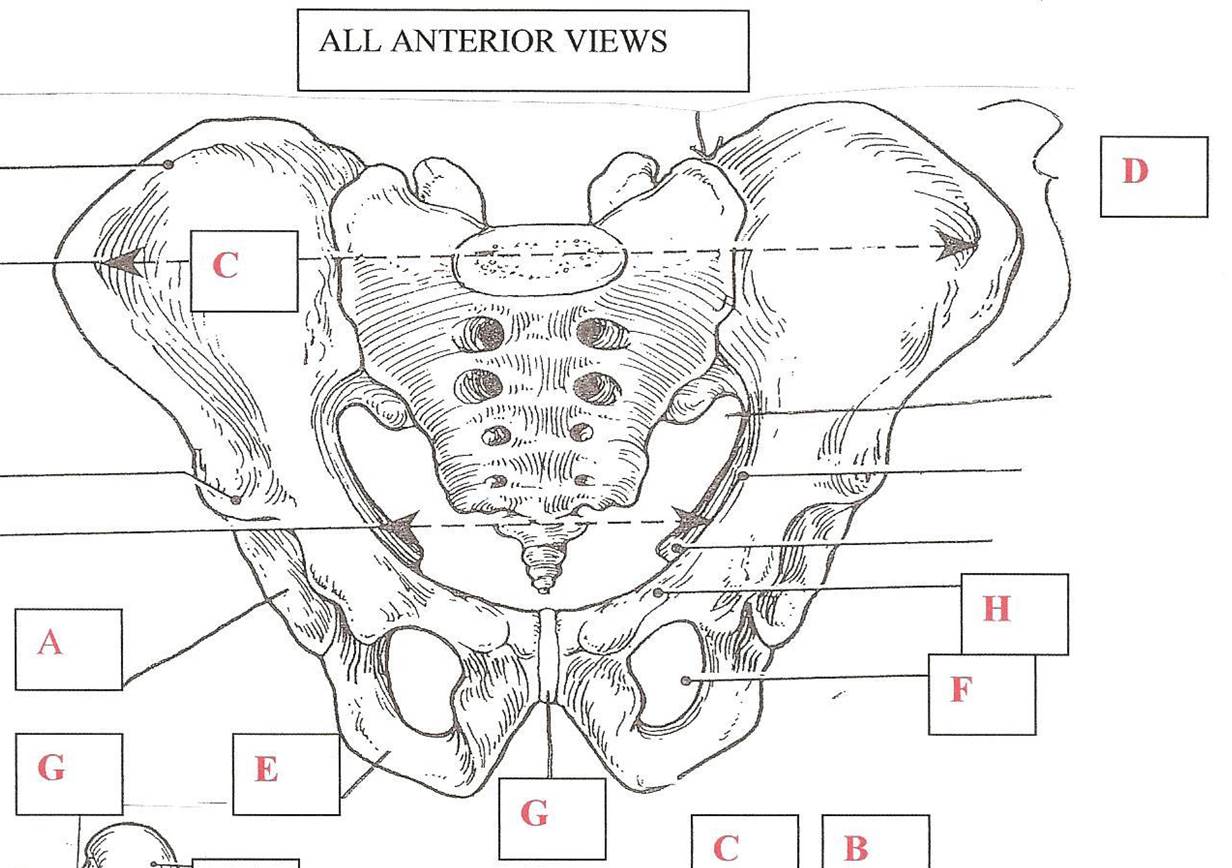
Label G
a)
Iliac fossa
b)
Acetabulum
c)
Pubic Symphysis
d)
Iliac Crest
33.
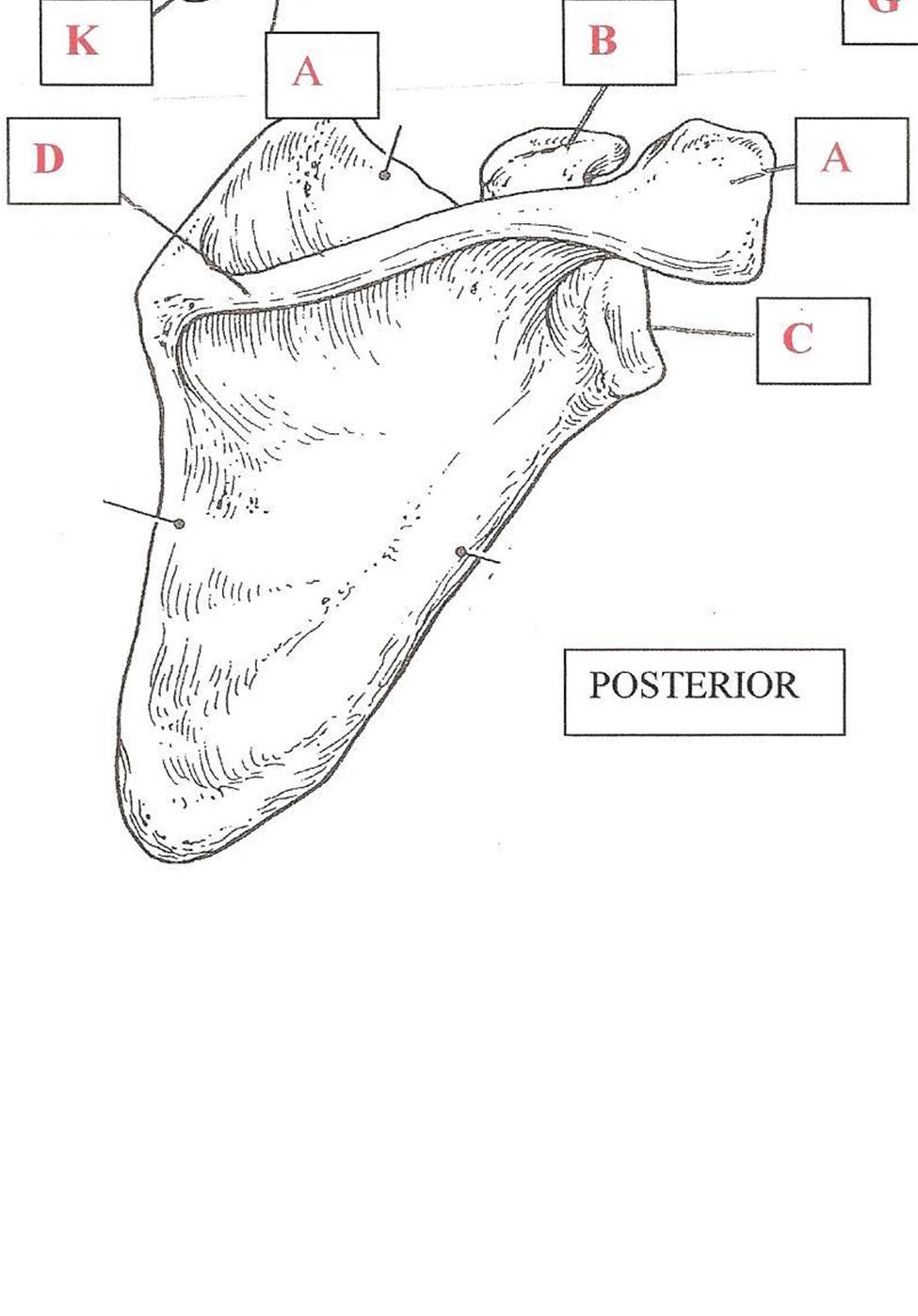
Label A
a)
Acromion process
b)
Scapular spine
c)
Coracoid process
d)
Glenoid fossa
34.
What part of the bone is lightweight and is located inside the compact bone and the ends of bones?
a)
Periosteum
b)
Spongy bone
c)
Red marrow
d)
Yellow marrow
35.
What type of joints allows little or no movement?
a)
Gliding
b)
Pivot
c)
Cartilage
d)
Immovable
36.

Name this joint
a)
gliding
b)
saddle
c)
hinge
d)
ball and socket
37.

The skull is an example of what type of joint?
a)
Cartilaginous
b)
Synovial
c)
Fibrous
38.

Name this joint
a)
pivot
b)
saddle
c)
gliding
d)
hinge
39.
The joint between the tibia and fibula is?
a)
a gomphosis
b)
a syndesmoses
c)
a cartilaginous joint
d)
a synovial joint
40.

Name this joint
a)
gliding
b)
saddle
c)
ball and socket
d)
condyloid
41.

Name this joint
a)
gliding
b)
saddle
c)
condyloid
d)
pivot
42.
Flexion...
a)
Decreases angle of the joint
b)
Increases angle at the joint
c)
Moves limb away from midline
d)
Moves limb toward midline
43.

Which fracture is where the bone is visible through the skin?
a)
Compound Fracture
b)
Stable Fracture
c)
Kevin Ware
d)
Horse
44.
Bone breaks into many fragments.
a)
Shattered Fracture
b)
Traction Fracture
c)
Comminuted Fracture
d)
The Magic School Bus
45.
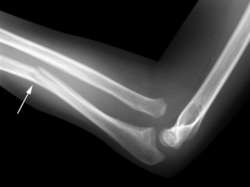
a)
Compound Fracture
b)
Greenstick Fracture
c)
Transverse fracture displaced
d)
Compression fracture
46.

a)
Compression Fracture
b)
Compound Fracture
c)
Greenstick Fracture
d)
Comminuted Fracture
Reset

