
 Worksheets
PASS Review
Total questions: 55
Worksheet time: 45mins
Name
Class
Date
1.
What is the term that means an animal with a backbone?
a)
protist
b)
invertebrates
c)
fungi
d)
vertebrates
2.
What is the definition of CONDUCTION?
a)
When heat is transferred from objects like rays of light or electromagnetically.
b)
a hot liquid or air that expands, becomes less dense, and rises or becomes more dense, and sinks.
c)
When heat transfers from objects that are touching.
d)
When heat transfers through the heater or AC in your house.
3.
What is the definition of CONVECTION
a)
When heat transfers through waves.
b)
When heat transfers from objects that are touching.
c)
a hot liquid or air that expands, becomes less dense, and rises or becomes more dense, and sinks.
d)
Heat traveling from the sun
4.
What kind of heat transfer happens when the sun is heating your body?
a)
Conduction
b)
Radiation
c)
Convection
d)
Density
5.
The strength of a magnet can be changed by
a)
adding less loops to the coil.
b)
adding more loops to the coil.
6.
An example of the best insulator is
a)
copper
b)
salt
c)
plastic
d)
sand
7.
An example of a good conductor is
a)
copper
b)
sand
c)
plastic
8.

How are electromagnets different from magnets?
a)
magnets can be turned on/off
b)
you can turn an electromagnet on/off
c)
magnets are more powerful
d)
magnets have a North and South pole
9.
Which of the following is NOT part of an electromagnet?
a)
Wire
b)
Iron
c)
Toothpick
d)
Power source
10.

This is a picture of a simple electromagnet. How can the electromagnet be made stronger?
a)
Add more coils of wire to the nail.
b)
Use a smaller battery.
c)
Reverse the poles of the magnet.
d)
Remove all the coils and the nail.
11.
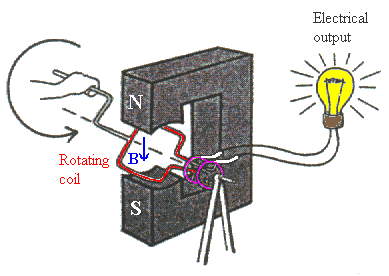
What is the transfer of electricity in a generator?
a)
Mechanical to Electrical
b)
Physical to Potential
c)
Electrical to Mechanical
d)
Yogurt to Light
12.
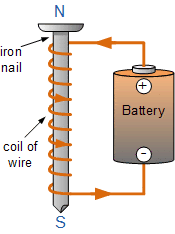
What can you use to make an electromagnet?
a)
Battery, nail and string
b)
Battery, pencil and wire
c)
Wire, battery and iron ore (nail)
d)
Peanut butter, lampshade, hand sanitizer
13.
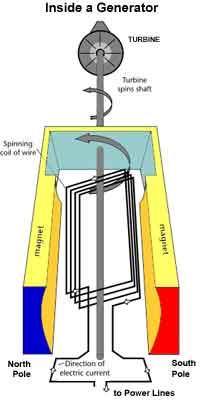
In large generators in power plants, ___________ rotate inside a coil of wire to produce an electric current.
a)
Wind
b)
Water
c)
Magnets
d)
Circuits
14.
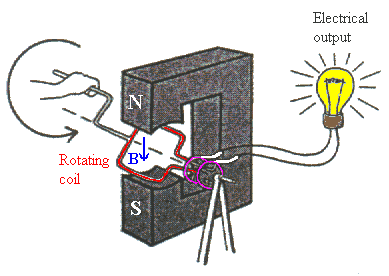
Which device uses mechanical energy to produce electrical energy?
a)
Electric Motor
b)
Magnet
c)
Generator
d)
Solar Cell
15.
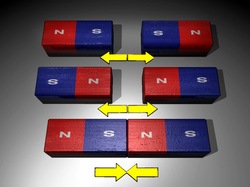
What force does a magnetic field apply without actually touching the object?
a)
a push or pull
b)
gravity
c)
friction
d)
pressure
16.
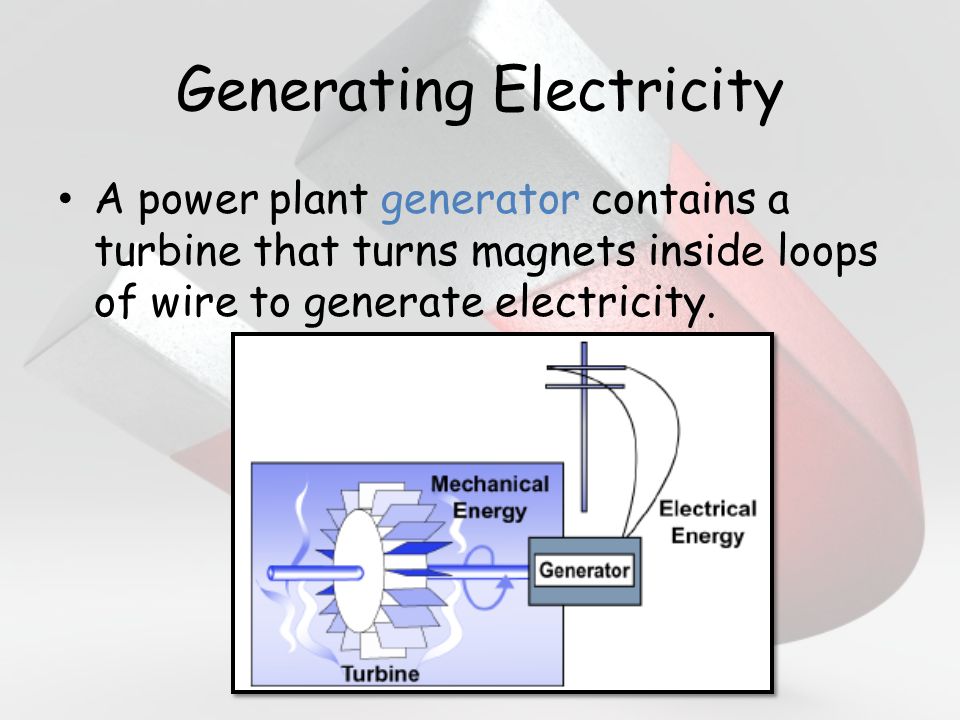
What is the fan that turns the magnet inside a generator called?
a)
electromagnet
b)
turbine
c)
solar panel
d)
pinstock
17.
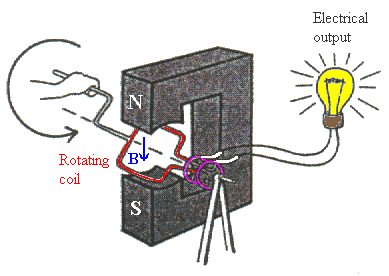
What energy do you put IN to a generator?
a)
Mechanical
b)
Electrical
c)
Thermal
d)
Potential
18.
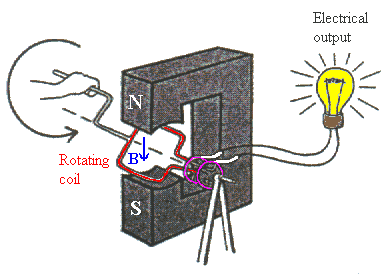
What type of energy comes OUT of a generator?
a)
Mechanical
b)
Electrical
c)
Thermal
d)
Potential
19.
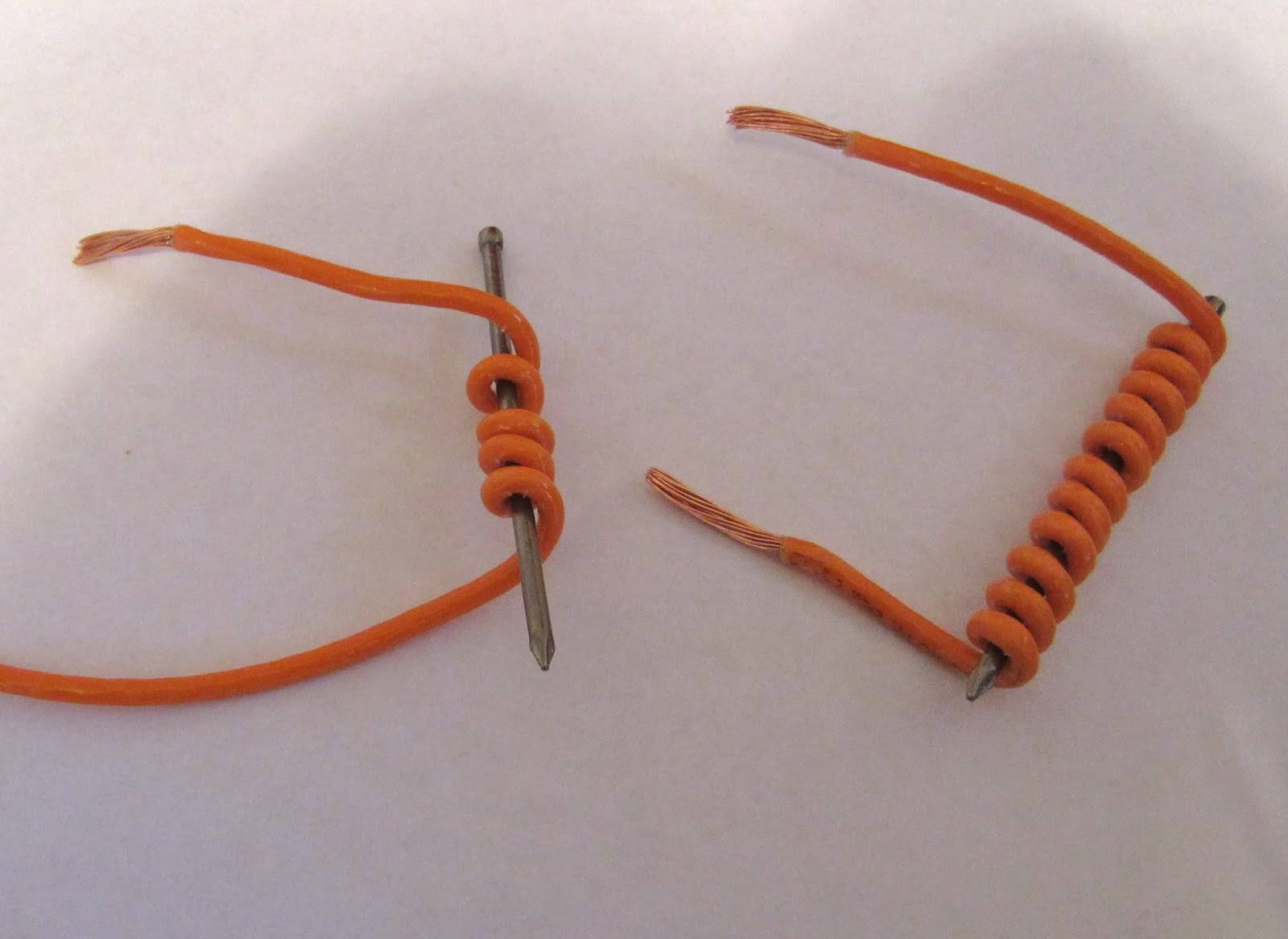
What happens to the strength of an electromagnet as you add more coils around it?
a)
Increases
b)
Decreases
c)
Stays the same
d)
Stops completely
20.
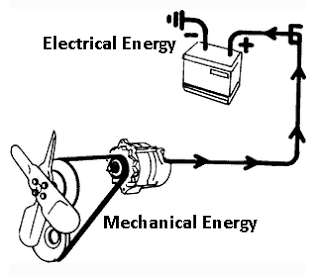
In an electric motor, the energy transformation begins as ----
a)
electrical and becomes chemical
b)
mechanical and becomes electrical
c)
electrical and becomes mechanical
d)
mechanical and becomes chemical
21.
Protists that make their own food are...
a)
Autotrophs
b)
Heterotrophs
c)
Plantotrophs
d)
Sigotrophs
22.
What is Cilia?
a)
A tail like structure that help protist move
b)
Hair like fibers that help protist move
c)
A place where spores are kept
d)
A fake foot that help protist move
23.
What is Flagella?
a)
A tail like structure that help protist move
b)
Hair like fibers that help protist move
c)
A place where spores are kept
d)
A fake foot that help protist move
24.
What is a pseudopod?
a)
A tail like structure that help protist move
b)
Hair like fibers that help protist move
c)
A place where spores are kept
d)
A fake foot that help protist move
25.
Which are examples of fungi?
a)
mold
b)
yeast
c)
mushrooms
d)
all of the above
26.

What part of a fungus is described as long, thread-like structures that absorb nutrients?
a)
roots
b)
fruit body
c)
hyphae
d)
spores
27.
What is asexual reproduction?
a)
Reproduction where one organism/parent is needed to create offspring.
b)
Reproduction where more than two organisms/parents are needed to create an offspring.
c)
Reproduction that happens between two organisms from different species.
d)
It's the same thing as sexual reproduction but involves plants.
28.
What vocabulary word describes the breaking off of dead things and recycling it's nutrients through the food chain?
a)
Symbiosis
b)
Decomposing
c)
Budding
d)
Mycelium
29.

There are five categories of vertebrates. Which one is not a vertebrate?
a)
Mammals
b)
Birds
c)
Arthropods
d)
Reptiles
30.

What are vertebrates?
a)
Animals with a backbone
b)
Animals without a backbone
31.
What is the scientific word for warm-blooded?
a)
warmtherm
b)
ectotherm
c)
thermal
d)
endotherm
32.

I live part of my life in water, leave, then return to the water. What am I?
a)
Mammal
b)
Arthropod
c)
Reptile
d)
Amphibian
33.
What kind of animal changes their temperature with the environment?
a)
Mammal
b)
Ectotherm
c)
Endotherm
d)
Bird
34.

How much does a lion have to eat?
a)
It's weight every seven to ten days
b)
One bird a week
c)
A lot of fruits
d)
Twice its weight every two days
35.
What is one way an endotherm keeps his body warm?
a)
Jogging
b)
Sweating
c)
Shivering
d)
Hiding
36.
What covers a reptile and a fish's body?
a)
Scales
b)
Fur/hair
c)
Feathers
d)
Spines
37.

What is it called when an animal moves to a warmer or colder area for the season?
a)
Hibernation
b)
Dormancy
c)
Migration
d)
Burrowing
38.

Where would you place an independent variable on a graph?
a)
The y-axis
b)
The x-axis
c)
In a chart
d)
On top of the graph
39.

Where would you place the dependent variable on a graph
a)
Above the graph
b)
In the graph
c)
The x-axis
d)
the y-axis
40.
When a cold front overtakes a warm front, the temperature drops as the warm air mass is cut off from the ground and pushed upward. It can bring strong winds and heavy precipitation.
a)
Warm Front
b)
Cold Front
c)
Occluded Front
d)
Stationary Front
41.
Where the warm and cold air meet and stall, clouds and fog form, and it may rain or snow. It could bring many days of clouds and precipitation.
a)
Warm Front
b)
Cold Front
c)
Occluded Front
d)
Stationary Front
42.

This is the symbol for a...
a)
Cold Front
b)
Warm Front
c)
Stationary Front
d)
Occluded Front
43.

This is the symbol for a...
a)
Occluded Front
b)
Stationary Front
c)
Warm Front
d)
Cold Front
44.

This is the symbol for a...
a)
Stationary Front
b)
Occluded Front
c)
Cold Front
d)
Warm Front
45.

This is the symbol for a...
a)
Stationary Front
b)
Occluded Front
c)
Cold Front
d)
Warm Front
46.

Identify the type of front that is shown in the image.
a)
Occluded Front
b)
Cold Front
c)
Stationary Front
d)
Warm Front
47.

Identify the type of front that is shown in the image.
a)
Occluded Front
b)
Cold Front
c)
Stationary Front
d)
Warm Front
48.

Identify the type of front that is shown in the image.
a)
Occluded Front
b)
Cold Front
c)
Stationary Front
d)
Warm Front
49.

Identify the type of front that is shown in the image.
a)
Occluded Front
b)
Cold Front
c)
Stationary Front
d)
Warm Front
50.
Which weather tool measures wind?
a)
anemometer
b)
therometer
c)
wind vane
d)
barometer
51.

What is the purpose of a barometer?
a)
Tells you that it is going to rain.
b)
Measures the amount of wind.
c)
Measusres the amount of clouds in the sky.
d)
It measure the amount of pressure in the air.
52.

In a high pressure systems
a)
there are few clouds because the air in moving downward
b)
there are many clouds because the air is very humid
c)
there are few clouds because the air is moving outward
d)
there are many clouds because the air is moving upward
53.

A front is
a)
where warm air is cooling at earth's surface
b)
a boundary where hot and cold air are separating
c)
a boundary where two different air masses meet
d)
where cold air is rising and forming rain clouds
54.

What would you expect from a Continental Polar air mass?
a)
moist, warm air
b)
dry, cold air
c)
dry, warm air
55.

What would you expect from a Maritime Tropical air mass?
a)
dry, warm air
b)
moist, cold air
c)
moist, warm air
100 %

