
 Worksheets
Cells Test Review (TCAP Review Round 2)
Total questions: 102
Worksheet time: 1hrs 17mins
Name
Class
Date
1.

Which diagram best shows the end result of diffusion?
a)
F
b)
G
c)
H
d)
J
2.
Why is diffusion and osmosis important to cells?
a)
It allows them to take in materials without using energy.
b)
It allows them to reproduce.
c)
It allows them to absorb sunlight.
d)
It allows cells to use all energy.
3.
When both inside and outside of a cell have the same amount of water it is said that the cell has reached a state of ___________.
a)
osmosis
b)
equilibrium
c)
diffusion
d)
hypertonic
4.

Which way will the water molecules move during osmosis?
a)
Out of the cell, so the cell shrinks.
b)
Out of the cell, so the cell swells.
c)
Into the cell, so the cell shrinks.
d)
Into the cell, so the cell swells.
5.
In the egg lab __ moved from the egg to the syrup.
a)
water
b)
mice
c)
salt
d)
sugar
6.
What does selectively-permeable mean?
a)
Only certain substances are able to pass through
b)
Nothing is able to pass through
c)
Everything is able to pass through
7.
What does “high concentration area” mean?
a)
Spread out
b)
Tightly packed together
c)
Uncrowded
d)
Spacious
8.
Osmosis is the diffusion of _____ across a selectively permeable membrane.
a)
food
b)
air
c)
water
d)
oxygen
9.
Vegetables are often sprayed with water in grocery stores.
What will happen to the cells? They will -
What will happen to the cells? They will -
a)
become more hypertonic
b)
swell up
c)
shrivel up
d)
become hypotonic
10.
In which eukaryotic organelles does photosynthesis occur?
a)
mitochondria
b)
stomata
c)
xylem
d)
chloroplast
11.
What are the products of photosynthesis?
a)
Carbon dioxide and water
b)
Carbon dioxide and oxygen
c)
Glucose and oxygen
d)
Glucose and water
12.
Which gas is removed from the atmosphere during photosynthesis?
a)
hydrogen
b)
oxygen
c)
nitrogen
d)
carbon dioxide
13.

In which organelle (part of the cell) does photosynthesis take place?
a)
mitochondria
b)
chloroplast
c)
nucleus
d)
cell membrane
14.

What is the source of energy for photosynthesis?
a)
carbohydrates-chemical
b)
sunlight-radiant
c)
heat-thermal
d)
television-electrical
15.

Which of the following structure is where cellular respiration occurs in the cell?
a)
nucleus
b)
cytoplasm
c)
mitochondria
d)
vacuoles
16.
Cellular Respiration's goal is to
a)
make water
b)
make ATP
c)
make glucose
d)
make oxygen
17.

Why is photosynthesis an important process for life?
a)
it creates oxygen for animals to breathe
b)
it becomes a food source for other organisms
c)
it creates glucose for plants to use as energy
d)
all of these are correct
18.

What is this process called?
a)
respiration
b)
photosynthesis
c)
Conservation of Mass
d)
Ocean Acidification
19.

This is a example of........
a)
organ system
b)
cells
c)
organ
d)
tissue
20.

This is a example of ........
a)
cell
b)
organ system
c)
organ
d)
tissue
21.
The brain is a part of which organ system?
a)
nervous
b)
skeletal
c)
muscular
d)
digestive
22.
Which organelle is only found in a plant cell?
a)
nucleus
b)
chloroplast
c)
mitochondria
d)
cell membrane
23.

Directs all cell activities through the DNA located there.
a)
Lysosomes
b)
Nucleus
c)
ribosomes
d)
Mitochondria
24.
Which of the following is directly involved in the transportation of materials inside/within the cell?
a)
Endoplasmic Reticulum
b)
Vacuole
c)
Lysosome
d)
Mitochondria
25.
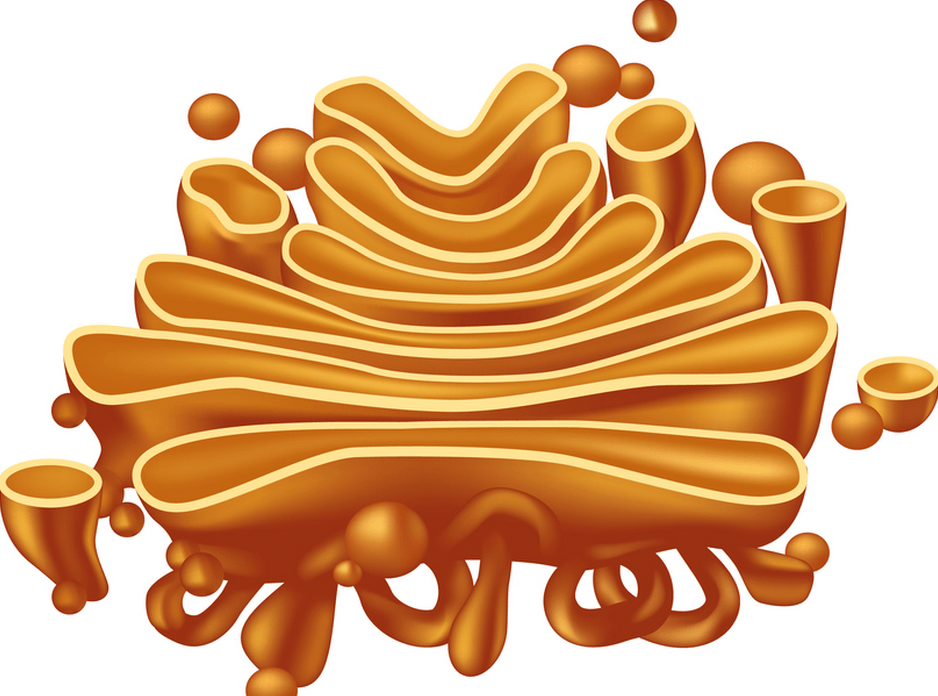
I am a protein packaging and shipping machine! Who am I?
a)
vacuole
b)
ribosome
c)
mitochondrion
d)
golgi apparatus
26.
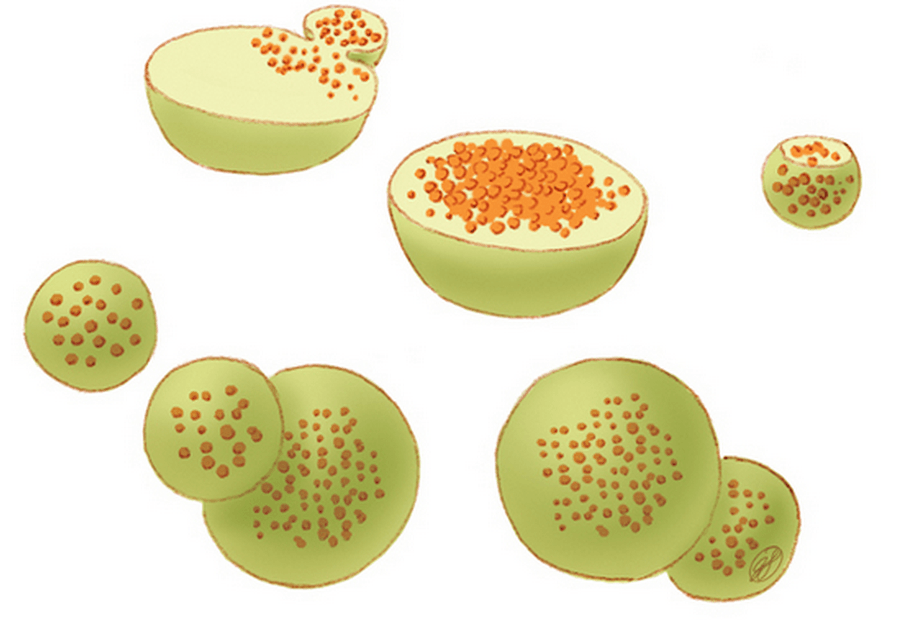
You might think of me as the trash collector, but recycler is maybe more accurate. What am I?
a)
mitochondria
b)
lysosome
c)
vacuole
d)
ribosome
27.
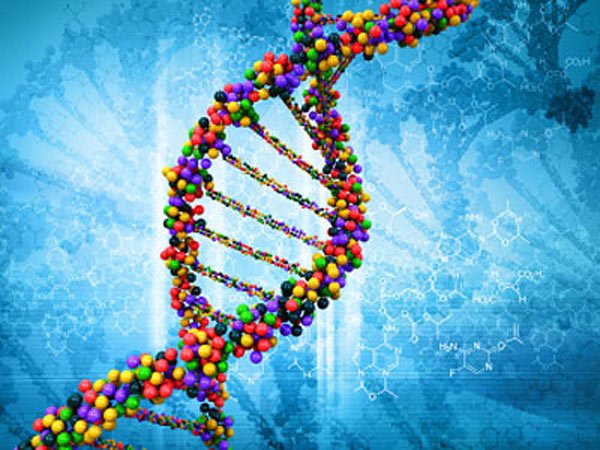
What is the name of the genetic material that is inside the nucleus?
a)
ER
b)
ATP
c)
YOLO
d)
DNA
28.
What is found in both plant and animal cells but is much larger in plant cells?
a)
Nucleus
b)
Mitochondria
c)
Chloroplast
d)
Vacuole
29.
Where are proteins made?
a)
Golgi body
b)
Mitoichondria
c)
Chromosomes
d)
Ribosomes
30.
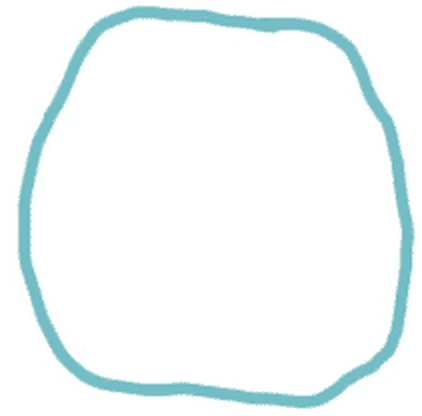
I am the outer most layer of an animal cell. What am I?
a)
cell wall
b)
nucleus
c)
cell membrane
d)
cell skin
31.
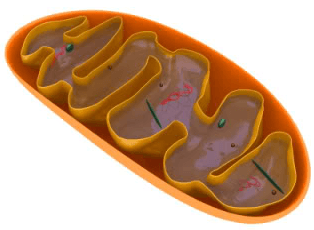
What are tiny organelles that convert glucose into ATP?
a)
Ribosomes
b)
Vesicles
c)
Cytoskeleton
d)
Mitochondria
32.
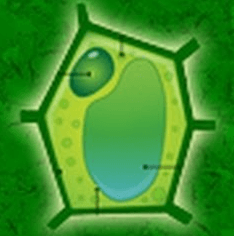
A rigid layer that lies outside the cell's membrane is...
a)
Cytoskeleton
b)
Cilia
c)
Cell Wall
d)
Flagella
33.
What organelle is called the "powerhouse" of a cell?
a)
Endoplasmic Reticulum
b)
Nucleus
c)
Mitochondria
d)
Nucleolus
34.
What is the gel-like substance inside of cells called?
a)
photoplasm
b)
photosynthesis
c)
cytoskeleton
d)
cytoplasm
35.
Main producer of ATP in all eukaryotes
a)
chloroplast
b)
mitochondria
c)
lysosome
d)
smooth er
36.
Organs that work together to perform a related function is called _____________?
a)
cells
b)
tissues
c)
organ system
d)
organs
37.
What happens to cells placed in salt water
a)
grow
b)
water leaves the cells
c)
water enters the cells
d)
explode
38.
What happens to cells placed in fresh water?
a)
shrink
b)
:)
explode
explode
c)
grow
d)
nothing
39.
This is part of the endoplasmic reticulum that is used to make proteins that will be used by other cells. It is lined with ribosomes.
a)
Vesicles
b)
Lysosomes
c)
Rough ER
d)
Smooth ER
40.

Which structure helps plants stand up?
a)
cell membrane
b)
lysosome
c)
Golgi apparatus
d)
cell wall
41.

What is the fluid inside a cell called?
a)
Endoplasimic Reticulum
b)
Orange Juice
c)
Water
d)
Cytoplasm
42.
Which of the following is the best example of Newton's First Law of Motion?
a)
Jessica's body flies forward after she hits the brakes
b)
Jessica drives a car
c)
Jessica is at a road crossing
d)
Jessica is sleeping
43.
If I slowly roll a ball down the hallway, why does it eventually stop?
a)
Because of Newton's First Law
b)
Friction and Air Resistance
c)
Inertia
d)
It wouldn't stop, it would keep going until it hits a wwall.
44.
What is inertia?
a)
the rule that in the absence of outside forces, the total momentum of objects that interact does not change
b)
a force that acts between obects that are not moving
c)
a measure of the force of gravity on an object
d)
the tendency of an object to resist a change in motion
45.
One object has twice as much mass as another object. The first object also has also twice as much...
a)
velocity
b)
gracitational acceleration
c)
inertia
d)
all of these
46.

This is the measurement from trough to trough or crest to crest. Number 1 in the diagram.
a)
Crest
b)
Trough
c)
Wavelength
d)
Amplitude
47.

This is the farthest away a wave can move from its resting point in either direction. Number 2 in the diagram.
a)
Crest
b)
Wavelength
c)
Trough
d)
Amplitude
48.

This is the lowest point of a wave. Number 4 in the diagram.
a)
Crest
b)
Trough
c)
Amplitude
d)
Resting Point
49.

This is the place where the wave meets the medium. It is not numbered in the diagram but is shown.
a)
Crest
b)
Trough
c)
Resting Point
d)
Amplitude
50.

This is the highest part of the wave. Number 3 in the diagram.
a)
Trough
b)
Crest
c)
Amplitude
d)
Resting Point
51.
A mechanical wave requires a ________.
a)
Motion
b)
Medium
c)
Vacuum
d)
Car
52.

Seismic waves are _________________
a)
Earthquakes
b)
Tornadoes
c)
Light waves
d)
Sound waves
53.

Sound waves are _______________
a)
Transverse waves
b)
Longitudinal waves
c)
Circular waves
d)
Seismic waves
54.

What kind of wave is this?
a)
Transverse
b)
Longitudinal
55.

What kind of wave is this?
a)
Transverse Wave
b)
Longitudinal Wave
56.

What kind of wave is this?
a)
Transverse
b)
Longitudinal
c)
Compression
d)
Rarefraction
57.
The man who studied genetics and came up with genetics is
a)
Watson
b)
Crick
c)
Mendel
d)
Darwin
58.

Squidward has light blue skin, and his genotype for this trait is Bb. Would Squidward be considered a purebred or hybrid for light blue skin?
a)
Purebred
b)
Hybrid
59.
Which of the following is a phenotype?
a)
BB
b)
Bb
c)
bb
d)
Blue eyes
60.
the passing of genetic traits from parent to offspring.
a)
heredity
b)
trait
c)
gene
d)
allele
61.
having two of the same genes for the trait (sometimes called purebred).
a)
homozygous
b)
hetrozygous
c)
protein
d)
chromosome
62.
having two different genes for a trait (sometimes called hybrid).
a)
protein
b)
homozygous
c)
heterozygous
d)
genotype
63.
Two brown eyed parents (Bb) have a baby. What is the chance the baby is blue eyed?
a)
0 %
b)
25%
c)
50%
d)
75%
64.
G = green, g = yellow
The genotype for a yellow plant is...
The genotype for a yellow plant is...
a)
GG
b)
Gg
c)
gg
d)
all of the choices result in yellow
65.
Two heterozygous (Tt) tall pea plants are crossed. Which describes their offspring?
a)
50% tall and 50% short
b)
75%tall and 25% short
c)
100%short
66.
Which represents the genotype of a homozygous condition?
a)
Bb
b)
BC
c)
bb
d)
bc
67.

If green is dominant over purple, then what is the genotype for this individual?
a)
Purple
b)
Green
c)
GG
d)
gg
68.

Which is the correct phenotype for this organism?
a)
BB
b)
blue
c)
green
d)
bb
69.
Dominant alleles are-
a)
capital
b)
lowercase
c)
both
d)
neither
70.
Recessive alleles are-
a)
capital
b)
lowercase
c)
both
d)
neither
71.
If "T" is the allele for tall and "t" is the allele for short, then Tt would produce?
a)
tall
b)
short
c)
medium
d)
not enough info
72.

Coal is a __________ energy resource.
a)
Renewable
b)
Nonrenewable
73.

Solar Power is a __________ energy resource.
a)
Renewable
b)
Nonrenewable
74.

Geothermal Power is a __________ energy resource.
a)
Renewable
b)
Nonrenewable
75.
Generally, which of the following energy resources are better for the environment?
a)
renewable
b)
nonrenewable
76.
When coal is used by humans, it is typically used to
a)
Heat homes directly
b)
Heat water
c)
Generate electricity
d)
Heat food
77.

Hyrdo Power is a __________ energy resource.
a)
Renewable
b)
Nonrenewable
78.
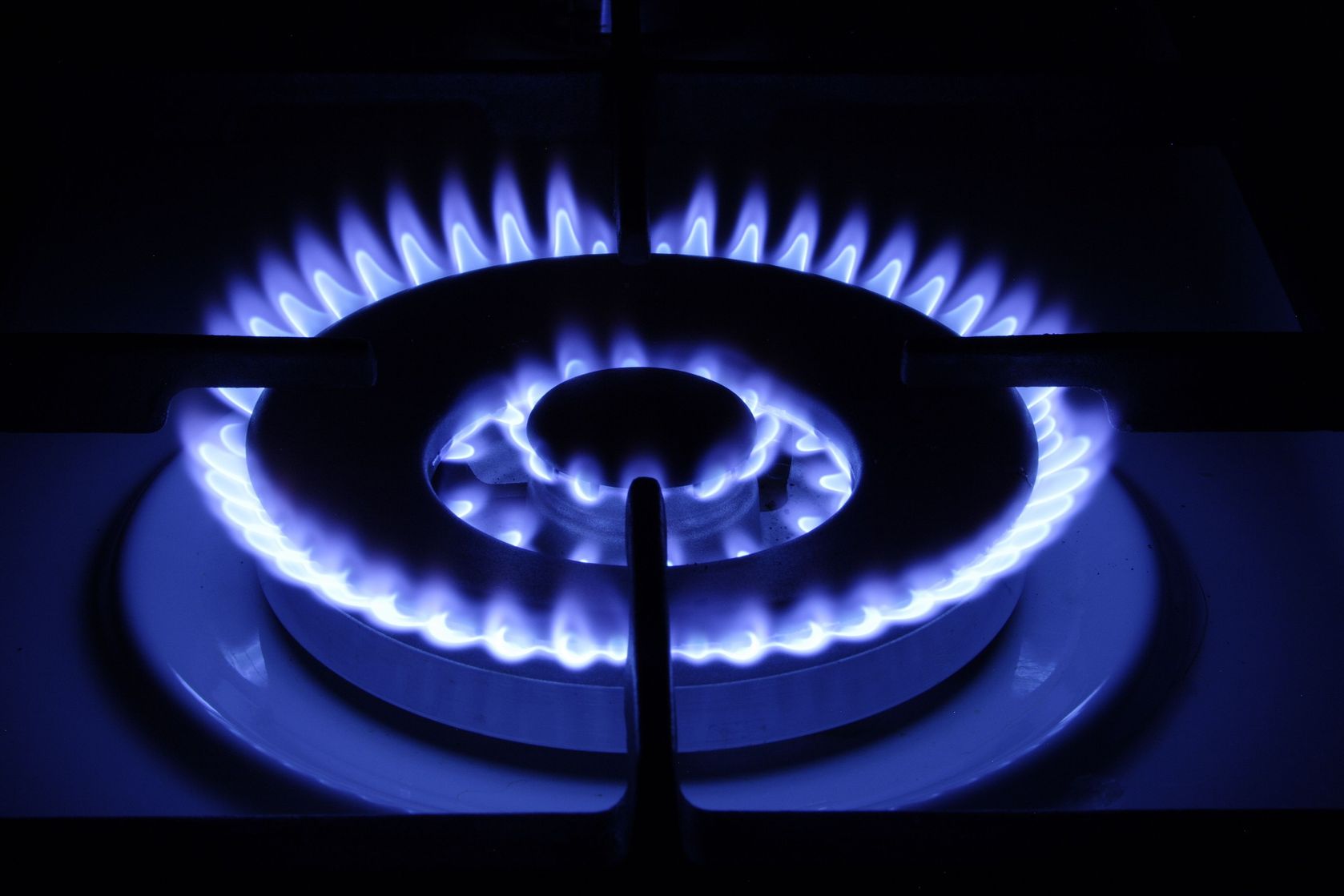
Fossil fuels are Renewable resources. True or False?
a)
True
b)
False
79.

What is an example of a renewable resource?
a)
hydroelectric
b)
oil
c)
coal
d)
fossil fuel
80.

_________is compacted matter dug from under the Earth’s surface that is used to provide energy by burning it.
a)
Hydro
b)
Coal
c)
Nuclear
d)
Geothermal
81.

_________is a liquid pumped from under the Earth’s surface and is then used to produce energy by burning.
a)
Oil
b)
Natural Gas
c)
Geothermal
d)
Hydro
82.

__________uses heat from the interior of the Earth.
a)
Solar
b)
Geothermal
c)
Nucler
d)
Wind
83.

Identify this simple machine
a)
Lever
b)
Wheel & Axle
c)
Inclined Plane
d)
Screw
84.
The device used to raise a flag up a flag pole is an example of a
a)
wheel and axle
b)
lever
c)
inclined plane
d)
pulley
85.
An inclined plane wrapped around a rod forms this simple machine
a)
lever
b)
pulley
c)
screw
d)
wedge
86.
A simple machine that consists a rigid bar that pivot about a fixed point
a)
lever
b)
pulley
c)
wheel and axle
d)
fulcrum
87.

Stairs
a)
wedge
b)
pulley
c)
inclined plane
d)
wheel and axle
88.

Lightbulb
a)
wedge
b)
pulley
c)
incline plane
d)
screw
89.
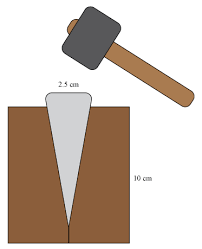
This device
a)
wedge
b)
lever
c)
incline plane
d)
wheel and axle
90.
A flat sloping surface that connects lower and higher elevations. It makes raising objects easier.
a)
wedge
b)
screw
c)
lever
d)
inclined plane
91.

Identify the stage of mitosis.
a)
interphase
b)
prophase
c)
anaphase
d)
cytokinesis
92.

Identify the stage.
a)
interphase
b)
metaphase
c)
anaphase
d)
telophase
93.

Identify the stage of mitosis.
a)
interphase
b)
prophase
c)
metaphase
d)
anaphase
94.

Identify the stage of mitosis.
a)
interphase
b)
prophase
c)
anaphase
d)
cytokinesis
95.

Structure (b) is a ____.
a)
chromosome
b)
chromatid
c)
centromere
96.

The stages of mitosis in order
a)
Metaphase, Anaphase, Prophase, Telophase
b)
Prophase, Anaphase, Metaphase, Telophase
c)
Prophase, Metaphase, Anaphase, Telophase
d)
Anaphase, Prophase, Telophase, Metaphase
97.

#2 (the entire structure) is called...
a)
chromosome
b)
chromatid
c)
centromere
98.

#3 is called...
a)
chromosome
b)
chromatid
c)
centromere
99.
budding, fission, and regeneration are all examples of ...
a)
asexual reproduction
b)
sexual reproduction
100.
The cell that forms after fertilization is called...
a)
zygote
b)
gamete
c)
egg cell
d)
sperm cell
101.

What phase is represented by letter A?
a)
Anaphase
b)
Metaphase
c)
Prophase
d)
Telophase
102.

Name the phase:
a)
Anaphase
b)
Telophase
c)
Metaphase
d)
Prophase
100 %

