
 Worksheets
Science
Total questions: 109
Worksheet time: 2hrs 42mins
Name
Class
Date
1.

This is the cause part of an experiment.
a)
Independent Variable
b)
Dependent Variable
c)
Control
d)
Experiment
2.
About how many days does it take to moon to go through a complete cycle?
a)
7 days
b)
365 days
c)
29 days
d)
20 days
3.

When the Earth is between the moon and sun, it is most likely a:
a)
new moon
b)
full moon
c)
waxing crescent
d)
waxing gibbous
4.
Mrs. Smith says "the moon looks larger than the stars!" What explains this?
a)
The moons soaks up the star's light
b)
The moon is larger than Earth
c)
The moon is larger than stars
d)
the moon is closer to Earth than stars
5.

The Moon orbits Earth in a ________________ direction
a)
clockwise
b)
counterclockwise
c)
upwards
d)
downwards
6.
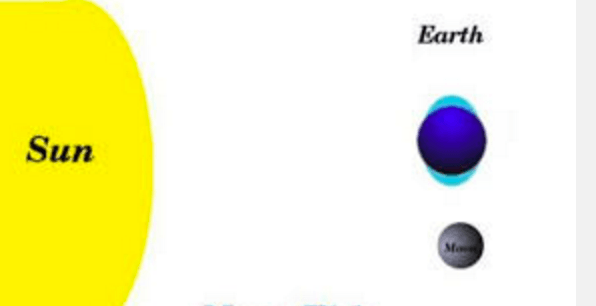
Which moon phase is shown in this diagram?
a)
new moon
b)
1st quarter
c)
full moon
d)
last quarter/3rd quarter
7.

Which moon phase is shown in this diagram?
a)
new moon
b)
first quarter
c)
full moon
d)
last quarter/3rd quarter
8.

What would be the result if the Earth's axis was not tilted but straight up and down?
a)
Nothing would change
b)
There would be no seasons
c)
Days would get longer
d)
The Equator would burn up and the poles would freeze
9.

What moon phase is at position 5?
a)
waxing crescent
b)
waxing gibbous
c)
full moon
d)
waning crescent
10.

What moon phase is at position 8?
a)
waxing crescent
b)
waxing gibbous
c)
waning gibbous
d)
waning crescent
11.

What moon phase is at position 4?
a)
waxing crescent
b)
waxing gibbous
c)
waning gibbous
d)
waning crescent
12.
Dropping leaves in the fall is a characteristic of what type of tree?
a)
deciduous
b)
evergreen
c)
conifer
d)
bonsai
13.
In which biome can you find permafrost?
a)
taiga
b)
tundra
c)
desert
d)
chaparral
14.
Which biome do we live in?
a)
temperate grassland
b)
temperate rainforest
c)
temperate deciduous forest
d)
chaparral
15.
Which biome receives between 0 to 25 centimeters of rain per year, has a temperature range of 0 to 50 degrees Celsius, has poor soil, and is home to lizards, scorpions, and snakes?
a)
desert
b)
mountain
c)
taiga
d)
tundra
16.
Which biome receives between 0 and 25 centimeters of precipitation each year, has a temperature range from -27 to 5 degrees Celsius, has frozen soil, and is home to hares, caribou, and wolves?
a)
desert
b)
mountain
c)
savannah
d)
tundra
17.
This biome contains mostly spruce trees and Douglas firs, which are both evergreen. The winters are long and cold and the summers are short and rainy. The soil is very rich. Moose and elk live here. This biome is classified as a
a)
taiga
b)
tundra
c)
deciduous forest
d)
temperate forest
18.
The process in which green plants convert energy from the Sun into energy stored in carbon-containing molecules is called
a)
respiration
b)
combustion
c)
digestion
d)
photosynthesis
19.
Which biome, because of its climate, has the largest number of species of plants and animals?
a)
tundra
b)
desert
c)
rain forest
d)
pine forest
20.
What term is given by scientists to the living parts of an ecosystem?
a)
Biotic Factors
b)
Abiotic Factors
c)
Community
d)
Population
21.
Abiotic factors are parts of the environment that are...
a)
Nonliving
b)
Living
c)
Populations
d)
Vegetation
22.
This biome is found around the equator and is home to a large amount of biodiversity.
a)
Deserts
b)
Tropical Rain Forests
c)
Savannas
d)
Chaparral
23.

Which biome is MOST LIKE the "desert" in terms of precipitation?
a)
tropical rainforest
b)
temperate deciduous forest
c)
tundra
d)
coniferous forest
24.

Which biome is home to lions, zebras, wildebeests, giraffes, and elephants?
a)
Grasslands
b)
Tundra
c)
Rainforest
d)
Temperate Forest
25.

What is an estuary?
a)
A little body of water.
b)
water in a gaseous form.
c)
Places where fresh water and streams flow into the ocean.
d)
the presence of an unwated msterial in a given place.
26.
One characteristic feature of tundra is that only the surface thaws in the summer and refreezes in the winter, leaving a layer of permanently frozen subsoil. This characteristic is known as
a)
glaciation
b)
permafrost
c)
crystallization
d)
soilfrost
27.
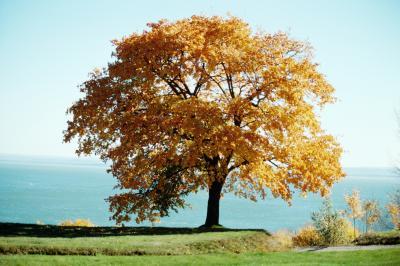
The biome known for trees with broad leaves that fall off the trees in the winter.
a)
Coniferous Forests
b)
Deciduous Forests
c)
Deserts
d)
Tropical Rain Forests
28.
What are the key features of the Tundra?
a)
cold winter, thin acidic soil, evergreen trees
b)
treeless, permafrost, cold dark winters
c)
ong cool summers, short dark winters, migrating animals
d)
many evergreen trees, short moist summers, long snowy winters
29.
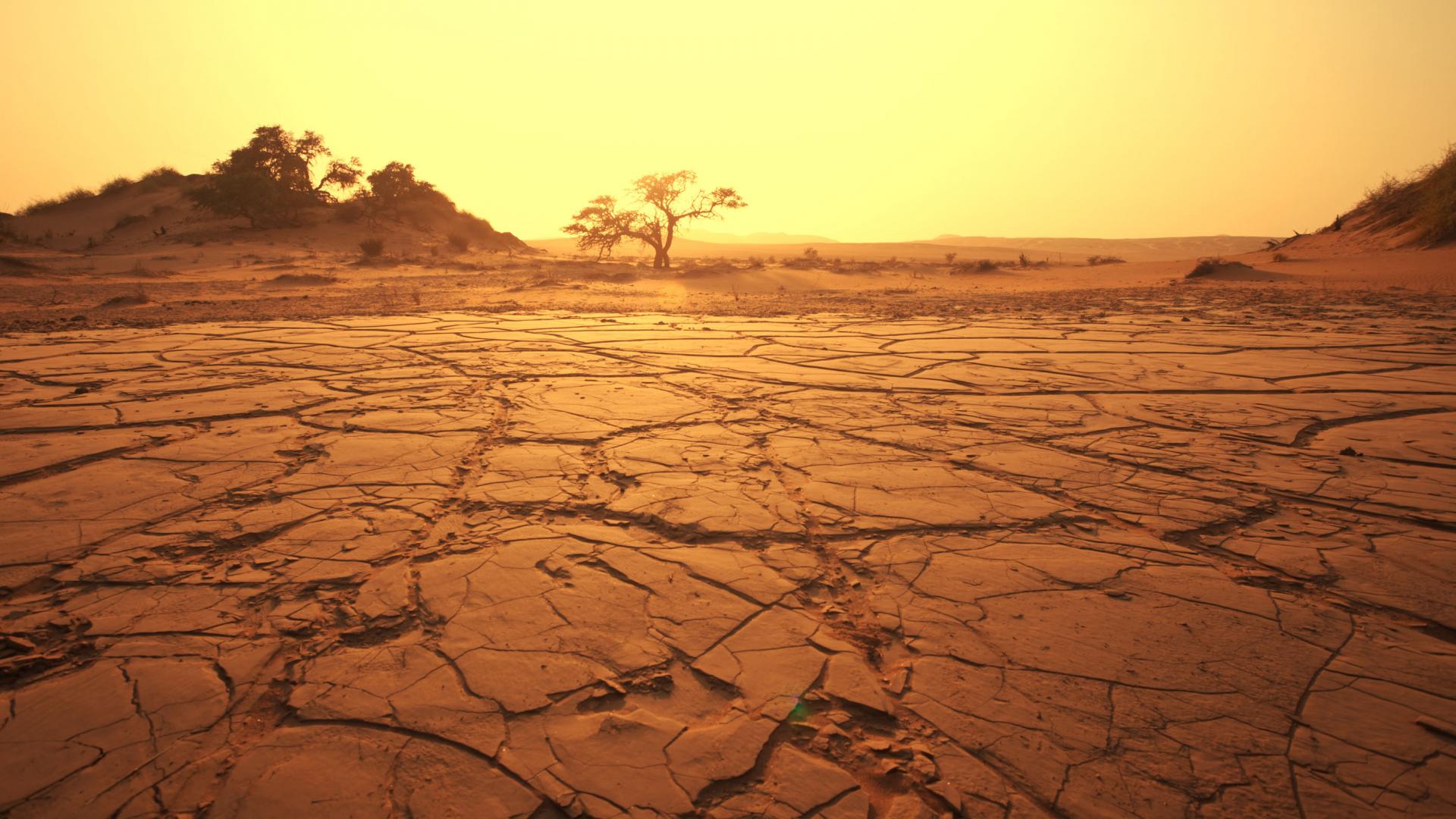
Which biome is the driest?
a)
Desert
b)
Tundra
c)
Taiga
d)
Rainforest
30.
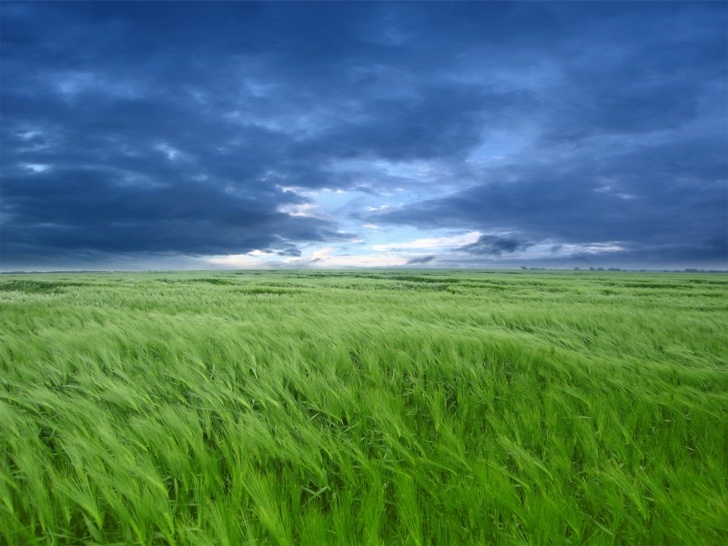
Which biome has wide-open fields of grass?
a)
Taiga
b)
Grasslands
c)
Temperate Forest
d)
Rainforest
31.
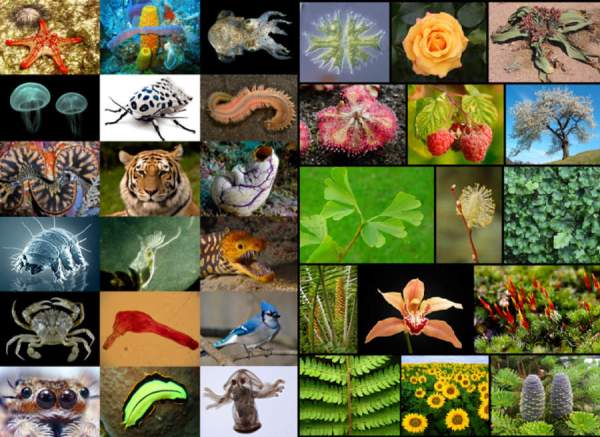
Which biome has the most variety of plants and animals?
a)
Temperate Forest
b)
Rainforest
c)
Tundra
d)
Grasslands
32.
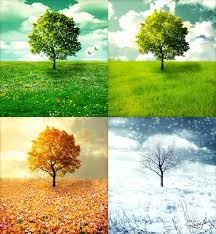
Which biome has 4 seasons?
a)
Taiga
b)
Tundra
c)
Grasslands
d)
Temperate Forest
33.
Which step of the Design Process involves communicating the results of your tests
a)
Ask
b)
Imagine
c)
Improve
d)
Share Results
34.
During which step of the Design Process do you experiment with the prototype under controlled conditions and collect /record data
a)
Test and Evaluate
b)
Imagine
c)
Improve
d)
Share Results
35.
The engineering process begins
a)
when you brainstorm new ideas
b)
creating an advertisment
c)
identifying the need or solution to a problem
36.

Which of the following is a negative unintended consequence of the automobile?
a)
It transports people to see family and friends.
b)
It causes traffic congestion.
c)
It gives people an alternative way to get to work.
d)
Repair and maintenance of automobiles create jobs for people.
37.

Use of the Internet has brought many intended benefits and some unintended consequences. Which of the following is an unintended consequence?
a)
made communcation faster
b)
caused the Postal Service to lose money
c)
research was made easier
d)
allowed for global communication
38.
Which of these is the best example of a product that results from adaptive engineering?
a)
a farm tool with a curved blade
b)
a water sprinkler activated by a timer
c)
a system for planting different crops each year
d)
a genetically modified plant species that resists pests
39.
Which of these is the best example of an assistive technology that helps a person overcome a disability.
a)
a computer program that can change text into spoken words
b)
an oven that contains a fan that moves hot air around
c)
a television with a button that can lower the volume
d)
a telephone that records digital voice messages from callers
40.

Why is a deer classified as a herbivore?
a)
A deer makes its own food.
b)
A deer eats only plants.
c)
A deer eats only animals.
d)
A deer eats plants and animals.
41.
What are organisms that use other organisms for food in order to gain energy?
a)
decomposers
b)
producers
c)
herbivores
d)
consumers
42.

What type of organism makes its own food?
a)
consumer
b)
carnivore
c)
producer
d)
animal
43.
Which are decomposers?
a)
humans
b)
trees
c)
red wolves
d)
worms
44.
From where do producers get their energy?
a)
the ground
b)
other animals
c)
decomposers
d)
the sun
45.
Which are examples of consumers?
a)
grass and cows
b)
turtles and seaweed
c)
owls and bears
d)
sun and mushrooms
46.
The process of using sunlight, carbon dioxide, and water to make sugar and oxygen is called _________?
a)
chlorophyll
b)
evaporation
c)
photosynthesis
d)
transportation
47.

Which organism do the owl and the weasel compete for in the food web?
a)
Hawk
b)
Spider
c)
Grasshopper
d)
Shrew
48.
What is the definition of Abiotic factors?
a)
Alive organisms or things
b)
Dead things or organisms
c)
panda
d)
insect
49.
What is a example of a abiotic factor?
a)
Panda
b)
Turtle
c)
Butterfly
d)
weather
50.
What is an example of a biotic factor?
a)
skunk
b)
rocks
c)
soil
d)
water
51.
Temperature, light, air, water, and soil are all _____ parts of the environment
a)
alive
b)
biotic
c)
abiotic
d)
living
52.

If a star is very bright, then
a)
its surface temperature is very low
b)
its size is very large
c)
it's using lots of hydrogen
d)
its surface temperature is very high
53.
I am a rock entering a planet's atmosphere.
a)
meteor
b)
meteorite
c)
asteroid
d)
comet
54.
The belt between Mars and Jupiter
a)
Comets
b)
Asteroids
c)
Meteors
d)
Stars
55.
Sometimes I am called a "dirty snowball". I have a hydrogen cloud, coma, and a nucleus. I am invisible except when near the sun. What am I?
a)
Asteroid
b)
Star
c)
Meteor
d)
Comet
56.
The spinning of an object on its axis is called______
a)
orbit
b)
rotation
c)
revolution
d)
tide
57.
Day and night is caused by the _____________ of earth on its axis.
a)
revolution
b)
orbit
c)
rotation
58.
The earth orbits around...
a)
the sun.
b)
the moon
c)
other planets
d)
the Milky Way
59.
What are the reasons for the seasons?
a)
Earth's tilt and rotation.
b)
Earth's rotation and revolution.
c)
Earth's tilt and revolution.
d)
Earth's tilt and resolution
60.

When the Northern Hemisphere of Earth is Leaning away from the Sun, What season is the Southern Hemisphere experiencing?
a)
Summer
b)
Winter
c)
Spring
d)
Fall
61.

Spinning of the Earth on its axis is called...
a)
rotation
b)
revolution
c)
orbit
62.
A[n] ______________ tide occurs when the sun is at right angles to the line between Earth and the moon.
a)
high
b)
neap
c)
low
d)
spring
63.
Differences in the moon's and sun's pull on different sides of the Earth cause _________.
a)
gravity
b)
lunar phases
c)
tides
d)
dabbing
64.
A[n] ___________ tide occurs when the sun, Earth, and the moon are nearly in a line.
a)
spring
b)
high
c)
low
d)
neap
65.
The bulge of water on the side of the Earth closest to the moon produces ___________.
a)
high tide
b)
low tide
c)
neap tide
d)
spring tide
66.

Which type of eclipse is shown in this picture?
a)
Solar Eclipse
b)
Orbit
c)
Lunar Eclipse
d)
Total Eclipse
67.

Which type of eclipse is shown in the diagram?
a)
Solar Eclipse
b)
Lunar Eclipse
c)
Total Eclipse
d)
Partial Eclipse
68.
What is the definition of CONVECTION
a)
When heat transfers through waves.
b)
When heat transfers from objects that are touching.
c)
a hot liquid or air that expands, becomes less dense, and rises or becomes more dense, and sinks.
d)
Heat traveling from the sun
69.

The way the heat is moving from the hot coffee is called...
a)
convection
b)
radiation
c)
insulation
d)
conduction
70.
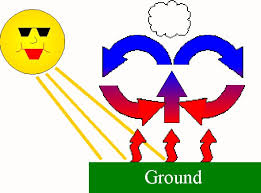
Warm air rises and the cool air sinks demonstrates this type of heat transfer.
a)
conduction
b)
convection
c)
radiation
d)
Insolation
71.
What causes wind to blow?
a)
Differences in longitude
b)
Shock waves from clouds
c)
Differences in air temperature and pressure
d)
The rotation of the earth
72.
Which term best describes how the earth's atmosphere is heated?
a)
Spirally
b)
Unevenly
c)
Circularly
d)
Kinetically
73.

These weather tool is a ___________.
a)
barometer
b)
wind vane
c)
thermometer
d)
anemometer
74.

This weather tool is used to measure ___________.
a)
homework
b)
air
c)
snow
d)
rain
75.

This weather tool is used to meaure ________.
a)
your temperature when you are sick.
b)
the wind direction.
The temperature outside.
The temperature outside.
c)
the temperature outside.
d)
time to go to recess.
76.

This tool is used by meterologist to ___________.
a)
find north, south, west, and east.
b)
show where the rain is coming from.
c)
the direction of the wind.
d)
help them with driving directions.
77.
The weather forecast tomorrow says there will be a 15 mph northeast wind and a high temperature of 52 degrees. What three instruments will a meteorologist use to make this prediction?
a)
hammer, screwdriver, and a drill
b)
anemometer, rain gauge, and anemometer
c)
thermometer, snow gauge, and wind vane
d)
wind vane, thermometer, and barometer
78.

What is the name of this weather tool?
a)
Thermometer
b)
barometer
c)
anemometer
d)
wind vane
79.
What is the purpose of a barometer?
a)
Tells you that it is going to rain.
b)
Measures the amount of wind.
c)
Measusres the amount of clouds in the sky.
d)
It measure the amount of pressure in the air.
80.
What is the name of a person who forescast weather?
a)
weather man
b)
geologist
c)
meteorlogist
d)
scientist
81.
Which instrument measures humidity?
a)
sling psychrometer
b)
thermometer
c)
anemometer
d)
wind vane
82.
Which ocean current affects the east coast of the United States?
a)
Gulf Stream
b)
California Current
c)
Eastern Australian Current
d)
Gulf Current
83.
The Gulf stream carries _____________ water from the east coast of The United States to the West coast of Europe.
a)
Cold
b)
Warm
c)
Freezing
d)
Fresh
84.
Warm ocean currents generally come from
a)
The North Pole
b)
The South Pole
c)
The Equator
d)
Both A and B
85.
Cold ocean currents generally come from
a)
The North Pole
b)
The South Pole
c)
The Equator
d)
Both North and South Poles
86.
Energy of motion is which type of energy?
a)
Potential
b)
Kinetic
c)
Sound
d)
Gravitational
87.
When plants convert the sun's energy into food, which type of energy is it?
a)
kinetic
b)
chemical
c)
thermal
d)
radiant
88.

What kind of energy is represented in this picture?
a)
Thermal
b)
Potential
c)
Nuclear
d)
Mechanical
89.

What kind of energy does this device use?
a)
Chemical
b)
Electrical
c)
Thermal
d)
Chemical
90.
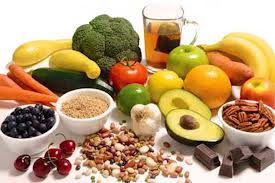
What kind of energy is represented in the picture?
a)
Thermal
b)
Chemical
c)
Sound
d)
Nuclear
91.

A battery converts what type of energy to another?
a)
sound to kinetic
b)
light to heat
c)
mechanical to electrical
d)
chemical to electrical
92.
Wind turbines and windmills convert what energy to another?
a)
Kinetic to electric
b)
Gravitational potential to electric
c)
Mechanical to potential
d)
Thermal to sound
93.
What machine changes electrical energy into light and sound energy?
a)
battery
b)
lightbulb
c)
alarm clock
d)
apple
94.
On a roller coaster, where is maximum potential energy?
a)
At the bottom of a big hill
b)
When going around a corner
c)
When going upside down
d)
At the top of a big hill
95.
Think about the Law of Conservation of Energy.
Which of the following is not true?
Which of the following is not true?
a)
Energy cannot be destroyed.
b)
Energy cannot be created.
c)
Energy cannot be transformed.
d)
Energy can only be transformed.
96.
When you are holding a book, energy is stored between the book and Earth; this type of energy is called ________ potential energy.
a)
Kinetic
b)
Potential
c)
Gravity
d)
Friction
97.

Is this picture of a stopped roller coaster this is an example of _________________ energy?
a)
Kinetic Energy Only
b)
Gravitational Potential Energy
c)
Electrical Energy
d)
Nuclear Energy
98.
A cell phone battery dies. It gets plugged into an electrical outlet to recharge. Which of the following energy transformations occur during the charging?
a)
mechanical to chemical
b)
electrical to solar
c)
chemical to light
d)
electrical to chemical
99.

A student listens to music with a digital music player, similar to the one shown below. Which best describes the energy transformations that take place in the music player?
a)
Mechanical to chemical to electrical
b)
Chemical to sound to electrical
c)
Chemical to electrical to sound
d)
Electrical to heat to sound
100.
Inside a power plant, coal is burned to produce hot gases. What type of energy conversion takes place as hot gases cause turbines to move?
a)
Thermal energy to chemical energy
b)
Thermal energy to kinetic energy
c)
electrical energy to kinetic energy
d)
Kinetic energy to thermal energy
101.
According to the Law of Conservation of Energy, energy cannot be _________ or ____________.
a)
destroyed, destroyed
b)
created, saved
c)
created, destroyed
d)
lost, found
102.
Which is NOT an insulator.
a)
Wool
b)
Plastic
c)
Copper
d)
Glass
103.
Something electricity can't move through is called a(n) ______.
a)
conductor
b)
wire
c)
shoe
d)
insulator
104.
What is a example of a conductor?
a)
wood
b)
metal
c)
rubber
d)
rock
105.
What is a conductor?
a)
Material that does NOT transfer energy.
b)
Materials that are connected to circuits.
c)
Materials that transfer energy.
d)
Materials that
106.
An insulator is a material that:
a)
Transfers thermal and electrical energy
b)
Transfers electrical energy and slows thermal energy
c)
Slows electrical energy and allows thermal energy to pass
d)
Slows thermal and electrical energy from transfering
107.

The Gulf Stream is a ______ current that carries water from the ______ to the North Atlantic Ocean.
a)
cold, Tropics
b)
warm, Tropics
c)
cold, Mexico
d)
warm, South America
108.
Warm ocean currents generally come from
a)
The North Pole
b)
The South Pole
c)
The Equator
d)
Both A and B
109.
The Earth's greatest source of energy comes from the _________.
a)
precipitation
b)
rotation of its axis
c)
Sun
d)
oceans currents
100 %

