
 Worksheets
7th Grade Body Systems
Total questions: 45
Worksheet time: 35mins
Name
Class
Date
1.
Which system fights disease?
a)
excretory
b)
nervous
c)
immune
d)
digestive
2.
largest organ in the body
a)
skin
b)
heart
c)
stomach
d)
trachea
3.
Which of these is the most complex?
a)
brain
b)
red blood cell
c)
muscle tissue
d)
cow
4.
Liver cells require a lot of energy. What would you expect in high numbers in liver cells?
a)
mitochondria
b)
ribosomes
c)
nuclei
d)
chloroplasts
5.
body's first defense against germs, controls body tempertature
a)
endocrine system
b)
reproductive system
c)
immune system
d)
integumentary system
6.

What body system makes your body move?
a)
Circulatory
b)
Respiratory
c)
Skeletal
d)
Muscular
7.
___________ are the building blocks of life.
a)
cells
b)
legos
c)
blocks
d)
blood
8.
The circulatory system uses _________ to deliver oxygen to the rest of the body.
a)
blood cells
b)
lungs and nose
c)
blood vessels
d)
brain and spinal cord
9.
When tissues come together, they form ___________.
a)
cells
b)
atoms
c)
organs
d)
systems
10.
Which of the following body systems work together for support, protection, and movement?
a)
respiratory and cardiovascular
b)
skeletal and muscular
c)
skeletal and integumentary
d)
digestive and respiratory
11.
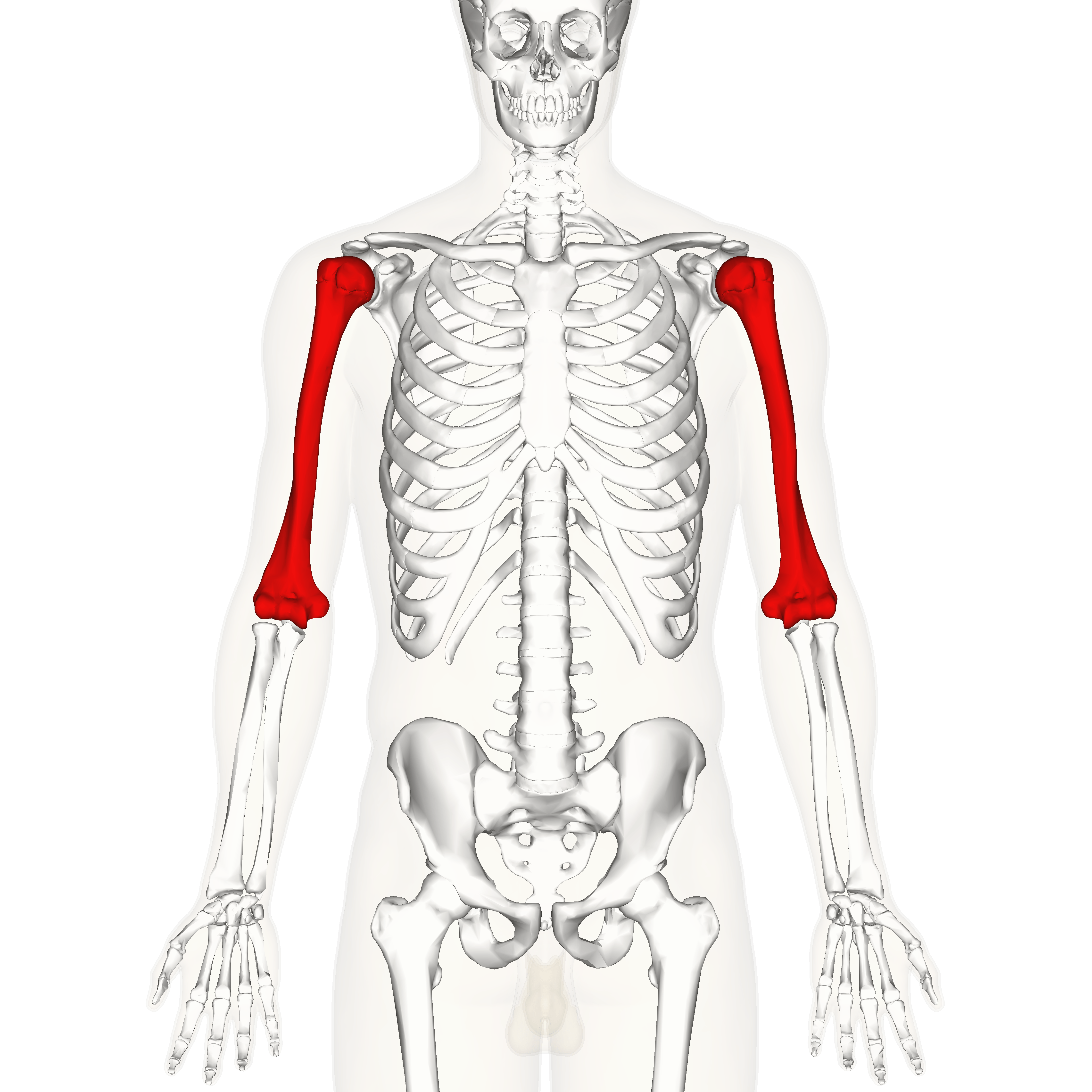
The humerus is part of this system?
a)
Muscular
b)
Reproductive
c)
Skeletal
d)
Nervous
12.
What is the function of the digestive system?
a)
to break down and absorb nutrients
b)
to support and protect our bodies
c)
to produce vitamin D
d)
to help us move
13.
Which system produces sperm and egg cells? In females, it also nourishes the fetus.
a)
reproductive
b)
endocrine
c)
nervous
d)
lymphatic
14.
Joints, cartilage, and tendons belong to what system?
a)
Skeletal System
b)
Muscular System
c)
Excretory System
d)
Lymphatic System
15.

The skin is the major organ in which system?
a)
Integumentary
b)
Muscular
c)
Endocrine
d)
Immune
16.

Gas exchange between the blood and the outside occurs in which system?
a)
Respiratory
b)
Circulatory
c)
Lymphatic
d)
Integumentary
17.

Which system uses hormones to regulate body activities?
a)
Integumentary
b)
Urinary
c)
Endocrine
d)
Immune
18.

Which system maintains posture, produces heat and moves the body?
a)
Skeletal
b)
Nervous
c)
Integumentary
d)
Muscular
19.
Which system are the lungs in?
a)
respiratory
b)
digestive
c)
excretory
20.
Which system is the stomach in?
a)
respiratory
b)
digestive
c)
nervous
21.
What blood vessels take blood away from the heart after oxygen is addels
a)
veins
b)
arteries
c)
capillaries
22.
Smooth and Cardiac muscles are both
a)
voluntary
b)
involuntary
23.
Wearing your seat belt, safety helmets, and following safety rules are examples of protecting what body system?
a)
Endocrine System
b)
Urinary system
c)
Nervous System
24.
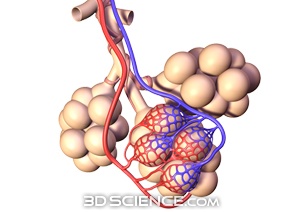
When you breathe, your lungs take in ___ and remove ___.
a)
air/oxygen
b)
oxygen/carbon dioxide
c)
carbon dioxide/waste
d)
waste/air
25.
A group of tissues creates a
a)
heart
b)
circulatory system
c)
blood cell
d)
smooth muscle tissue
26.

I bring in air into the body and remove carbon dioxide.
a)
Respiratory System
b)
Skeletal System
c)
Endocrine System
d)
Excretory System
27.

I eliminate waste from the body in the form of urine.
a)
Reproductive System
b)
Muscular System
c)
Nervous System
d)
Excretory System
28.
During the process of nutrient absorption in animals, which two body systems are most responsible for breaking down food into smaller pieces and distributing the nutrients to body cells?
a)
Endocrine system and immune system
b)
Digestive system and circulatory system
c)
Nervous system and digestive system
d)
Muscular system and digestive system
29.
In humans, the gases oxygen and carbon dioxide must be exchanged between the environment and cells. During this exchange, oxygen is delivered to the red blood cells so that they can function properly in the blood stream. Which two body systems are working together to achieve this goal?
a)
Digestive system and circulatory system
b)
Endocrine system and respiratory system
c)
Integumentary system and immune system
d)
Respiratory sytem and circulatory system
30.
As a runner begins to run a race, his or her respiration rate will increase. The runner begins to breathe deeper and at a rapid rate. In addition, the heart beats more quickly. This will result in more oxygen delivered to the muscle cells. Which two body systems are working together to help out the muscle cells?
a)
Immune system and lymphatic system
b)
Respiratory system and circulatory system
c)
Digestive system and integumentary system
d)
Lymphatic system and immune system
31.

The glands and hormones belong to this system.
a)
endocrine
b)
respiratory
c)
integumentary
d)
nervous
32.

I have separate male and female systems.
a)
Reproductive System
b)
Muscular System
c)
Nervous System
d)
Digestive System
33.
The process of breaking down food
a)
homoestasis
b)
circulation
c)
digestion
d)
respiration
34.
removes liquid and gas wastes from the body
a)
digestive system
b)
lymphatic system
c)
excretory system
d)
endocrine system
35.
kidneys, ureter, bladder, and urethra are part of the
a)
digestive system
b)
lymphatic system
c)
excretory system
d)
endocrine system
36.
supplies the body with oxygen and expel harmful carbon dioxide.
a)
respiratory system
b)
lymphatic system
c)
circulatory system
d)
endocrine system
37.
transports materials throughout the body
a)
nervous system
b)
lymphatic system
c)
circulatory system
d)
respriatory system
38.
removes excess fluid around organs, produce white blood cells, and absorb and transport fats
a)
skeletal system
b)
digestive system
c)
circulatory system
d)
lymphatic system
39.
protects internal organs, provides support, helps the body move, and stores minerals, such as calcium
a)
excretory system
b)
digestive system
c)
skeletal system
d)
lymphatic system
40.
works with skeletal system to provide movement
a)
excretory system
b)
muscular system
c)
circulatory system
d)
lymphatic system
41.
brain, nerve cells, spinal cord
a)
skeletal system
b)
nervous system
c)
endocrine system
d)
muscular system
42.
sends signals to the body and controls processes in the body by producing hormones
a)
excretory system
b)
nervous system
c)
endocrine system
d)
muscular system
43.
contains glands such as the adrenal glands or thyroid gland and other organs like the ovaries, testes, and pancreas
a)
excretory system
b)
nervous system
c)
endocrine system
d)
circulatory system
44.
maintaining steady internal conditions when external conditions change
a)
homoestasis
b)
circulation
c)
digestion
d)
respiration
45.
Which of the following is NOT part of the Central Nervous System?
a)
Brain
b)
Spinal Cord
c)
Eyeballs
100 %

