
 Worksheets
dca 2 review
Total questions: 75
Worksheet time: 49mins
Name
Class
Date
1.
Which of the following is not a compound?
a)
HCl
b)
Cl
c)
NaCl
d)
CO2
2.
How many elements are represented in the compound?
Na2CO3
Na2CO3
a)
1
b)
2
c)
3
d)
4
3.
The P in SHNOP is the symbol for:
a)
Potassium
b)
Positive
c)
Phosphorous
d)
Plebium
4.

Which of the following elements is required in an organic compound?
a)
nitrogen
b)
oxygen
c)
carbon
d)
sodium
5.
The compound PO4 is...
a)
inorganic
b)
organic
6.
The compound CHO is...
a)
inorganic
b)
organic
7.
Which compound is inorganic?
a)
Glucose (C₆H₁₂O₆)
b)
Ethane (C₂H₆)
c)
Carbon Dioxide (CO₂)
d)
Stearic Acid (C₁₈H₃₆O₂)
8.
These organic compounds are the instructions for the cell.
a)
Carbohydrates
b)
Lipids
c)
Nucleic Acids
d)
Proteins
9.
The smallest unit of matter is ________.
a)
the cell
b)
an atom
c)
a compound
d)
an element
10.
The smallest living thing is ______.
a)
the cell
b)
an atom
c)
a compound
d)
an elelement
11.
A compound is a molecule consists of 2 or more ________.
a)
cells
b)
atoms
c)
element
d)
mixture
12.
Organic Compounds are made of these two elements:
a)
helium and carbon
b)
neon and cobalt
c)
hydrogen and carbon
d)
carbon and calcium
13.
Tissues are made of _______.
a)
organs
b)
organ systems
c)
organisms
d)
cells
14.
Stores food and water for the cell.
a)
Cytoplasm
b)
Cell Wall
c)
Vacuole
d)
Nucleus
15.
Controls what enters and leaves the cell
a)
Mitochondria
b)
Cell Membrane
c)
Cell Wall
d)
Nucleus
16.

What do all of these organisms have in common?
a)
They all have uniform offspring
b)
They are all made of cells
c)
They possess the same features
d)
They have the same internal and external structures
17.

According to cell theory, where did this cell come from?
a)
another living cell
b)
energy from sun
c)
a multicellular organism
d)
the nonliving environment
18.
What tool do you use to view the cells?
a)
metric ruler
b)
centrifuge
c)
microscope
d)
pipette
19.
Which of the following is NOT a cell theory.
a)
All non-living things are made of cells
b)
All cells come from pre-existing cells
c)
Cells are the basic unit of structure and function of all living things
20.
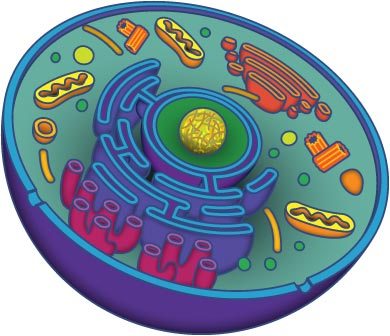
All living things are made up of...
a)
cells
b)
cell tissues
c)
organ
d)
organ systems
21.
All cells come from___________ cells.
a)
pregnant
b)
pre-existing
c)
paternal
d)
pin size
22.
also known as the "powerhouse"
a)
cell membrane
b)
storage
c)
cytoskeleton
d)
mitochondria
23.
what is the control center in a cell
a)
mitochondria
b)
DNA
c)
nucleus
d)
movement
24.

What is the fluid inside a cell called?
a)
Endoplasimic Reticulum
b)
Orange Juice
c)
Water
d)
Cytoplasm
25.

This organelle helps plants keep their rigid structure.
a)
Cell wall
b)
Cell membrane
c)
Chloroplast
d)
Nucleus
26.

Chloroplasts carry out...
a)
Phagocytocis
b)
Phylocytosis
c)
Photosynthesis
d)
Respiration
27.
maintaining steady internal conditions when external conditions change
a)
homoestasis
b)
circulation
c)
digestion
d)
respiration
28.
The process of breaking down food
a)
homoestasis
b)
circulation
c)
digestion
d)
respiration
29.
removes liquid and gas wastes from the body
a)
digestive system
b)
lymphatic system
c)
excretory system
d)
endocrine system
30.
supplies the body with oxygen and expel harmful carbon dioxide.
a)
respiratory system
b)
lymphatic system
c)
circulatory system
d)
endocrine system
31.
transports materials throughout the body
a)
nervous system
b)
lymphatic system
c)
circulatory system
d)
respriatory system
32.
contains the heart, blood, blood vessels, arteries, and veins
a)
skeletal system
b)
digestive system
c)
circulatory system
d)
respriatory system
33.
contains bones, ligaments, tendons, and cartilage
a)
excretory system
b)
digestive system
c)
skeletal system
d)
lymphatic system
34.
protects internal organs, provides support, helps the body move, and stores minerals, such as calcium
a)
excretory system
b)
digestive system
c)
skeletal system
d)
lymphatic system
35.
works with skeletal system to provide movement
a)
excretory system
b)
muscular system
c)
circulatory system
d)
lymphatic system
36.
contain skeletal muscles, cardiac muscles, and smooth muscles
a)
excretory system
b)
muscular system
c)
circulatory system
d)
lymphatic system
37.
detects, processes, and responds to information. It controls body processes and coordination
a)
skeletal system
b)
nervous system
c)
endocrine system
d)
lymphatic system
38.
brain, nerve cells, spinal cord
a)
skeletal system
b)
nervous system
c)
endocrine system
d)
muscular system
39.
contains glands such as the adrenal glands or thyroid gland and other organs like the ovaries, testes, and pancreas
a)
excretory system
b)
nervous system
c)
endocrine system
d)
circulatory system
40.
work together to maintain homeostasis
a)
nervous and endocrine systems
b)
digestive and excretory systems
c)
lymphatic and endocrine systems
d)
skeletal and muscular systems
41.
Biotic factors of an ecosystem are:
a)
non-living
b)
plants
c)
living thing
d)
soil
42.
Identify an a example of an abiotic factor?
a)
Panda
b)
Turtle
c)
Butterfly
d)
sunlight
43.
Temperature, light, air, water, and soil are all _____ parts of the environment
a)
alive
b)
biotic
c)
abiotic
d)
living
44.
Which biome holds the greatest biodiversity?
a)
grassland
b)
tundra
c)
rainforest
d)
desert
45.
The trees in this biome shed their leaves and grow new ones each year:
a)
temperate deciduous forest
b)
grasslands
c)
deserts
d)
tundra
46.
The ability to conserve water is an important adaptation in which biome?
a)
Coniferous Forest
b)
Deciduous Forest
c)
Desert
d)
Tundra
47.
Which biome features permanently frozen soil called permafrost?
a)
Coniferous Forest
b)
Deciduous Forest
c)
Desert
d)
Tundra
48.
Coniferous (Boreal) forests are made up primarily of trees that _______________.
a)
change color in the fall
b)
bear cones
c)
shed their leaves
d)
have thin bark
49.
The term "terrestrial" means
a)
land.
b)
water.
50.
Which two biomes have the least precipitation?
a)
tropical rain forest and temperate grasslan
b)
savanna and tropical dry forest
c)
tundra and desert
d)
boreal forest and temperate woodland
51.
Which biome receives between 0 to 25 centimeters of rain per year, has a temperature range of 0 to 50 degrees Celsius, has poor soil, and is home to lizards, scorpions, and snakes?
a)
desert
b)
mountain
c)
taiga
d)
tundra
52.

Which biome has 4 seasons?
a)
Taiga
b)
Tundra
c)
Grasslands
d)
Temperate Forest
53.
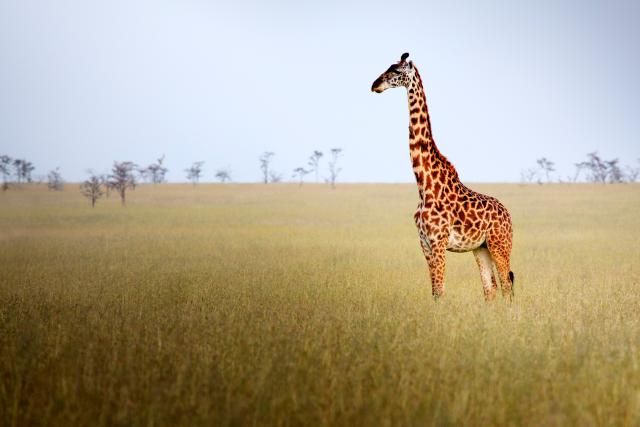
Which biome is home to lions, zebras, wildebeests, giraffes, and elephants?
a)
Grasslands
b)
Tundra
c)
Rainforest
d)
Temperate Forest
54.
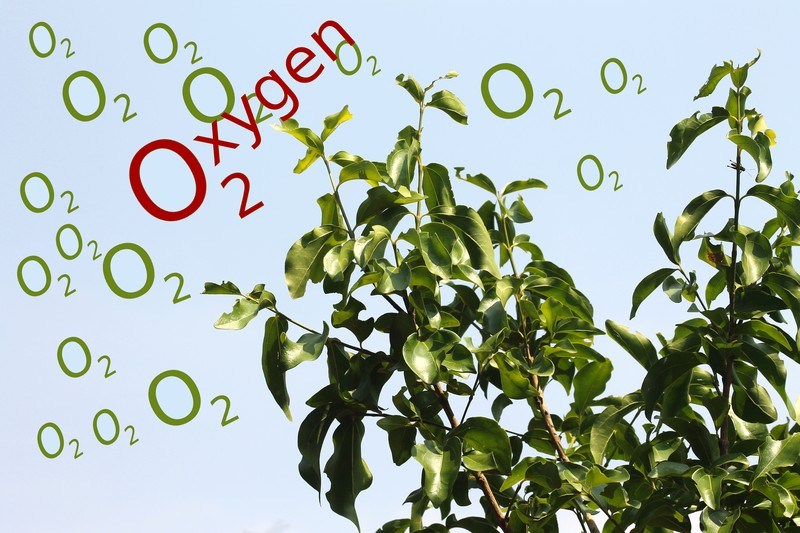
Which biome produces over 50% of the world's oxygen?
a)
Rainforest
b)
Temperate Forest
c)
Grasslands
d)
Taiga
55.
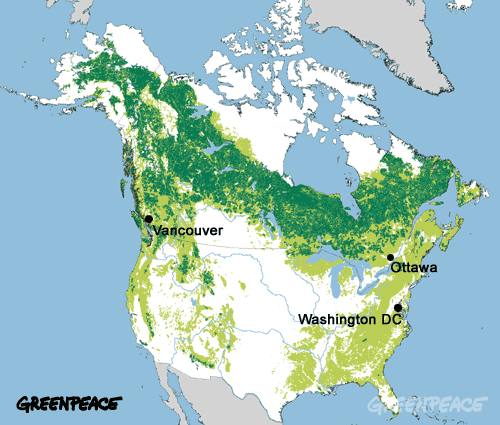
Which biome is Canada in?
a)
Tundra
b)
Taiga
c)
Temperate Forest
d)
Desert
56.

Which biome is home to jaguars, anacondas, leopards, gorillas, and poisonous tree frogs?
a)
Grasslands
b)
Temperate Forest
c)
Rainforest
d)
Tundra
57.
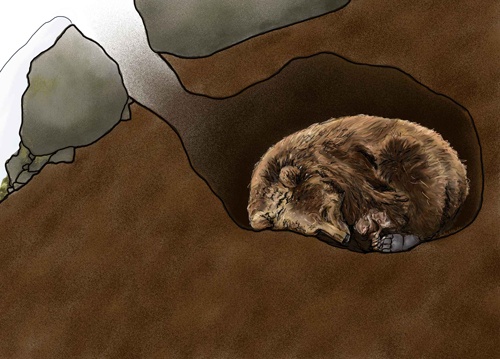
Which biome could an animal who hibernates in the winter to survive the cold live in?
a)
Grasslands
b)
Taiga
c)
Desert
d)
Rainforest
58.
Which of the following is not a mechanical weathering agent?
a)
animal digging
b)
plant roots breaking rock
c)
abrasion from wind carrying sand
d)
rust due to oxidation
59.
Which of the following is an agent of chemical weathering?
a)
abrasion
b)
release of pressure
c)
freezing and thawing
d)
acid rain
60.
The movement of rock particles by wind, water and ice...
a)
abrasion
b)
weathering
c)
erosion
d)
deposition
61.
What happens to the rate of weathering as surface area increases?
a)
decreases
b)
remains the same
c)
increases
d)
goes down
62.
Rain washing away soil from a hillside:
a)
Weathering
b)
Erosion
c)
Deposition
d)
Evaporation
63.
A mudslide flowing down a steep hill:
a)
Weathering
b)
Erosion
c)
Deposition
d)
Convection
64.
Layers of sediment forming at the bottom of the ocean:
a)
Weathering
b)
Erosion
c)
Deposition
65.
What is an example of chemical weathering?
a)
Freezing and thawing
b)
Acid Rain
c)
Wind
66.
The esophagus leads to the _____.
a)
stomach
b)
liver
c)
intestines
d)
pancreas
67.
Which stage of digestion removes water?
a)
large intestine
b)
small intestine
c)
mouth
d)
stomach
68.
Where would you expect to find hydrochloric acid?
a)
stomach
b)
small intestine
c)
liver
d)
large intestine
69.
Chewing food is an example of _____________.
a)
chemical digestion
b)
physical digestion
70.
Chewing food with teeth is an example of a
a)
physical change
b)
chemical change
71.
Where does the first step of digestion take place?
a)
in the stomach.
b)
in the mouth.
72.
Changes the size, shape, or color of food:
a)
Physical digestion
b)
Chemical Digestion
73.
The stomach releases hydrochloric acid and enzymes that break down the protein in meats and turn the protein into amino acids. This change is
a)
Physical
b)
Chemical
74.
Acids and enzymes are used in
a)
physical digestion
b)
chemical digestion
75.
During chemical digestion
a)
only changes in size and shape occur
b)
a new substance is formed
100 %

