
 Worksheets
Star Quiz
Total questions: 70
Worksheet time: 1hrs 9mins
Name
Class
Date
1.

What word best describes our sun?
a)
Average
b)
Supergiant
c)
Dwarf
d)
Red Giant
2.
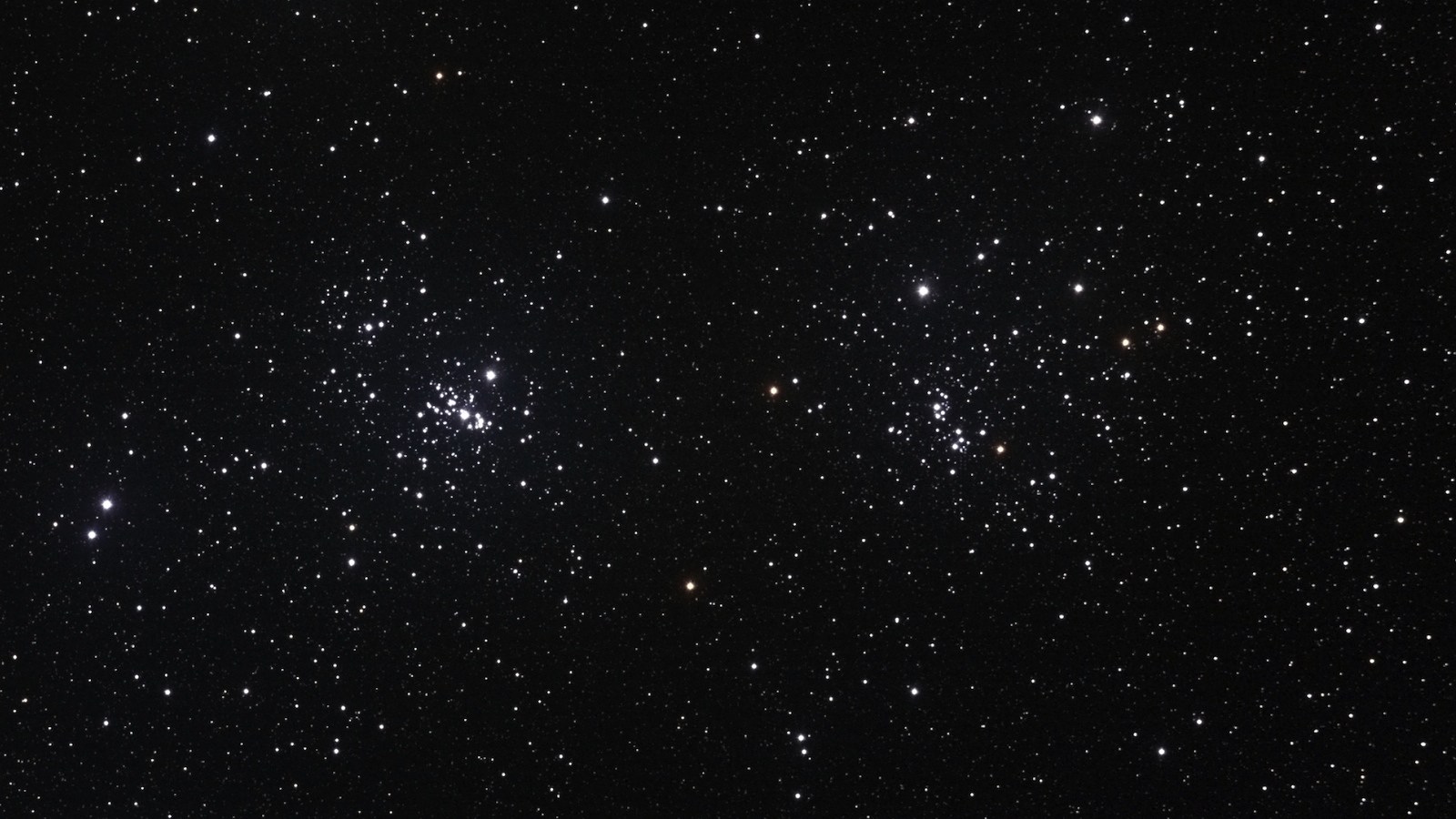
Why do other stars appear so much smaller than the sun?
a)
They are much smaller
b)
They are so far away
c)
They are not as bright
d)
They are dwarf stars
3.

What color of star is the hottest?
a)
Blue
b)
Red
c)
Yellow
d)
Orange
4.

What color of star is the coolest?
a)
Red
b)
Yellow
c)
Blue
d)
White
5.

What is the name of the largest stars?
a)
Protostars
b)
Supergiants
c)
Red Giants
d)
Dwarf Stars
6.

Why does the sun look small in the sky to us?
a)
It is 93,000,000 miles away
b)
It is smaller than Earth
c)
It is not very bright
d)
It travels around Earth
7.

What is the name of baby stars?
a)
Dwarf
b)
Supergiant
c)
Protostars
d)
Nebulas
8.
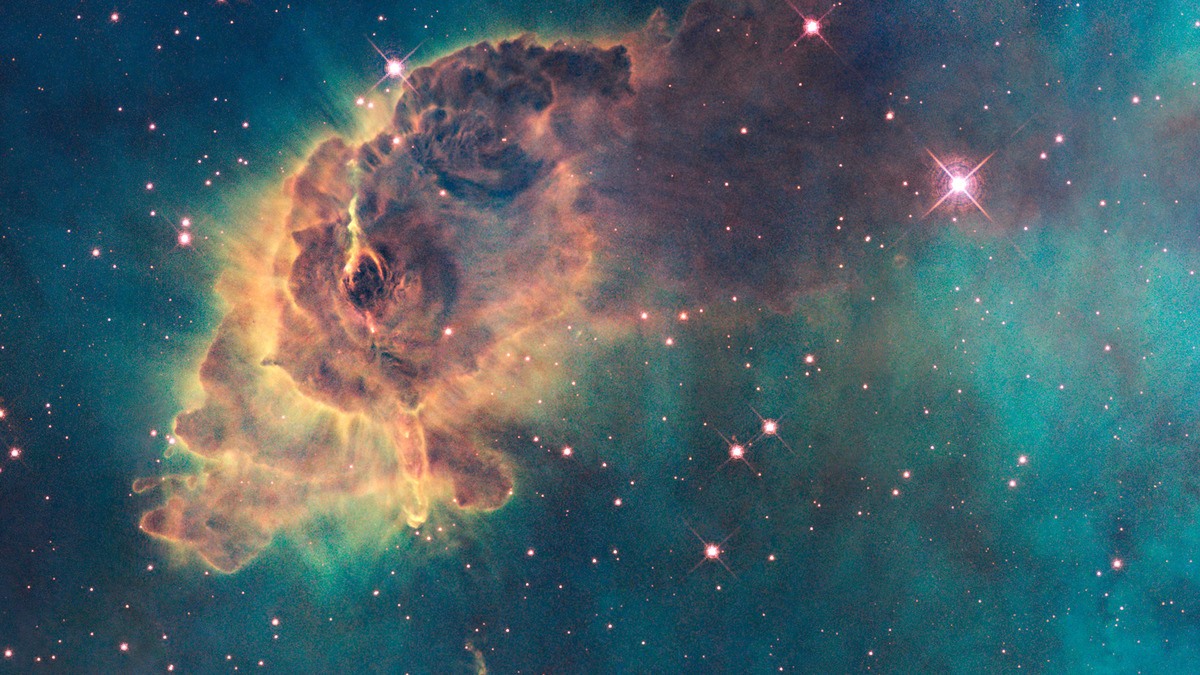
What is the name of the gas/dust clouds that form stars?
a)
Nebulas
b)
Protostars
c)
Supernova
d)
Neutron Star
9.
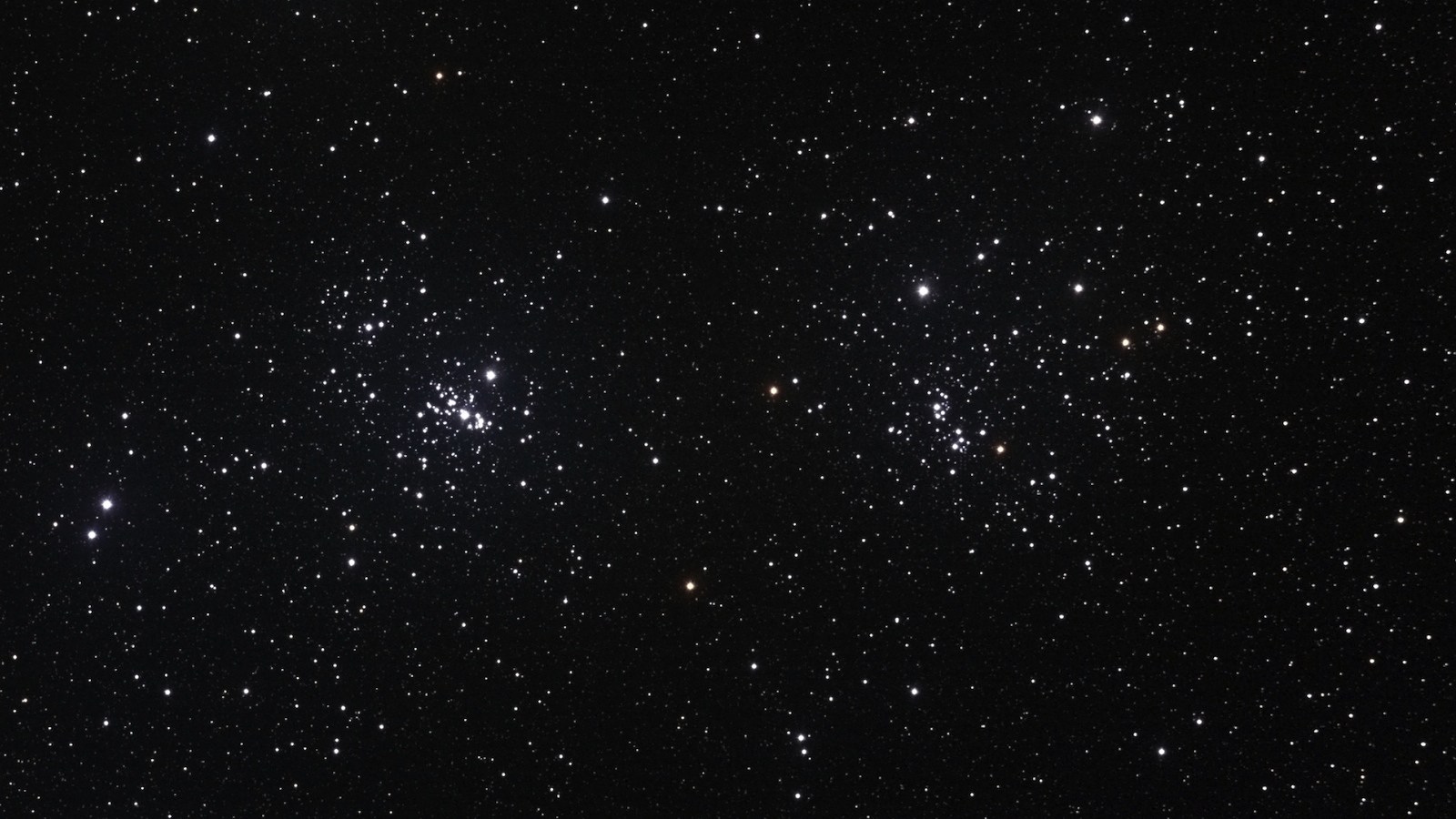
True or False
Stars are really close together in outer space.
Stars are really close together in outer space.
a)
True
b)
False
10.

True or False
Constellations are stars that appear to be in a pattern.
Constellations are stars that appear to be in a pattern.
a)
True
b)
False
11.

To get the sun to appear bigger in our sky, how would the distance between the sun and earth have to change?
a)
Earth would have to move closer to the sun
b)
Earth would have to move farther from the sun
12.
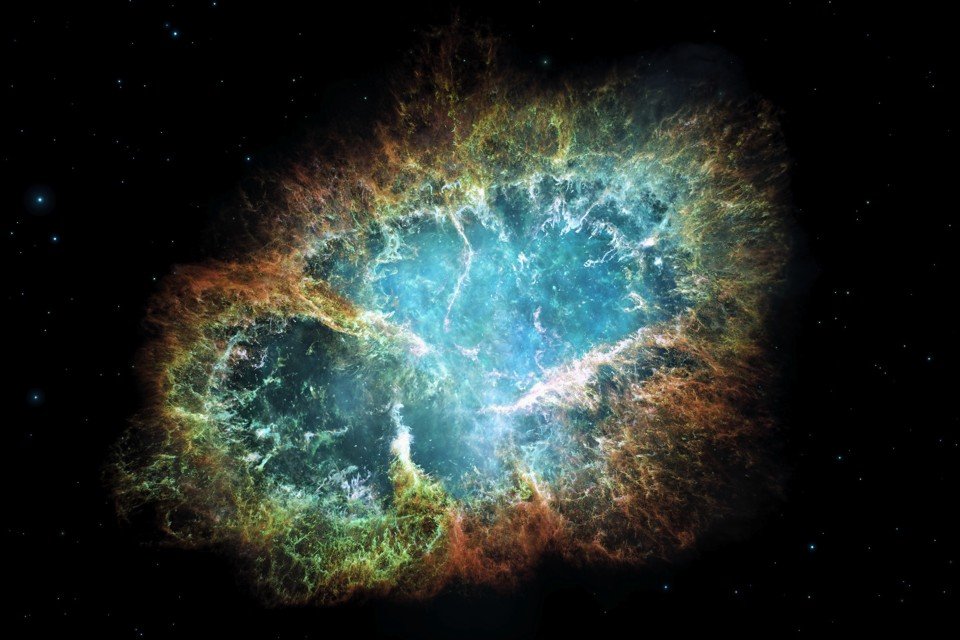
What is the name of the explosion at the death of a massive star?
a)
Supergiant
b)
Supernova
c)
Black Hole
d)
Nebula
13.

What are stars?
a)
Rocky bodies
b)
Hot exploding balls of gas
c)
5 pointed shapes
d)
Hollywood actors
14.

True or False
The Sun is the biggest star in the sky.
The Sun is the biggest star in the sky.
a)
True
b)
False
15.

After a white dwarf has burned out, it will become a ....
a)
black dwarf
b)
dead dwarf
c)
Dopey
d)
a black hole
16.

What is found on the x axis of an H-R diagram?
a)
Luminosity
(or brightness)
(or brightness)
b)
Temperature
c)
Star Size
d)
Distance
17.
______ is a force that causes dust particles to stick together in a nebula.
a)
nuclear fusion
b)
gravity
c)
hydrogen
d)
iron
18.
Helium is the result of ______ atoms combining in nuclear fusion.
a)
nuclear fusion
b)
gravity
c)
hydrogen
d)
iron
19.
Our sun is currently in this star stage
a)
Protostar
b)
Nebula
c)
Main Sequence
d)
I have literally no idea
20.
absololute magnitude is?
a)
how far a star is
b)
how bright a star really is
c)
how bright a star looks from distance
d)
how much energy a star gives
21.
apparent magnitude is
a)
how far a star is
b)
how bright a star really is
c)
how bright a star looks from distance
d)
how much energy a star gives
22.
Luminosity is
a)
how much heat a star gives off
b)
how much light a star gives off
c)
how much energy a star gives off
d)
how bright a star is
23.
A Less bright star can seem to be brighter because it is
a)
really big
b)
has sparkles
c)
is far away
d)
is closer
24.
A very bright star can seem to be dimmer because it is
a)
further away
b)
cooler in temperature
c)
very close
d)
batteries are dying
25.
Scientist use what to determine how how hot and bright a star are?
a)
grids
b)
color
c)
computers
d)
telescopes
26.
A red star is?
a)
hotter
b)
dryer
c)
wetter
d)
cooler
27.
A blue star is?
a)
cold
b)
warm
c)
sad
d)
hot
28.
A yellow star is?
a)
hot
b)
medium
c)
cold
d)
light
29.
stars are measured by apparent magnitude, appparent brightness, and luminosity
a)
true
b)
false
30.
Our sun is a _____ star
a)
blue
b)
orange
c)
yellow
d)
red
31.
the sun is about half through its ___ billion year old life?
a)
5
b)
10
c)
15
d)
20
32.
Our famous giant star that is blue is called
a)
riegis
b)
betelgeuse
c)
orion
d)
rigel
33.
Our famous giant star that appears red is called?
a)
Rigel
b)
Betelgeuse
c)
orion
d)
milkyway
34.
we know Betelgeuse must be giant because it is
a)
red and we can still see it
b)
blue and still see it
c)
yelllow and still see it
d)
computers tell us
35.
Rigel and Betelgeuse are stars in what famous constellation
a)
milky way
b)
orion
c)
big dipper
d)
taurus
36.
a group of stars in the sky whos patterns form a picture is a
a)
constellation
b)
cave painting
c)
milky way
d)
sun
37.
The constellation Orion appears as a
a)
Bull
b)
Bear
c)
Hunter
d)
Warrior
38.
certain stars appear to move through the sky during the year, this is because earth is traveling on its
a)
mission
b)
gravity
c)
atmosphere
d)
orbit
39.
stars vary in 3 things name them?
a)
brightness, size, temperature
b)
brightness , sparkle, color
c)
brightness, size, color
d)
sparkle, wishes, coloor
40.
there is a space between stars sometimes millions and billions of miles
a)
true
b)
false
41.
High mass, Largest and brighter stars
a)
supernova
b)
super redgiant
c)
black hole
d)
nebula
42.
Sudden, violent eruptions that occur near sun spots
a)
Solar winds
b)
Solar spots
c)
Solar eruptions
d)
Solar flares
43.
After a supernova, the core of the star can cool into this, flickering like a pulse
a)
Protostar
b)
Pulsar star
c)
White dwarf
d)
Black hole
44.
The core of Red Giants collapse, outer layers are blown off, this dim core is left behind.
a)
nebula
b)
white dwarf
c)
protostar
d)
black hole
45.
This life cycle has a stronger gravitational pull, lots of energy, Short life span
a)
Low Mass star
b)
High Mass star
c)
Protostar
d)
Main sequence
46.
Inner most layer of the Sun where hydrogen fuses into helium
a)
Corona
b)
Nebula
c)
Chromosphere
d)
Core
47.
Occurs when the core of massive stars collapse in on itself to due a great gravitational pull
a)
black dwarf
b)
red giant
c)
black hole
d)
neutron star
48.
Average, yellow star located on edge of the Milky Way; mainly composed of hydrogen and helium
a)
neutron star
b)
high mass star
c)
sun
d)
red giant
49.
What is the color of hottest stars?
a)
blue
b)
red
c)
orange
d)
yellow
50.
Special state of matter when atoms are exposed to extreme temps & electrons are striped away
a)
plasma
b)
solid
c)
liquid
d)
gas
51.
Energy from the core of Sun radiates out (moves through) from this layer
a)
convection zone
b)
radiation zone
c)
core
d)
photosphere
52.
Magnetic charged particles that escape gravitational pull of sun & travel at variety of speeds
a)
solar winds
b)
solar flares
c)
sun spots
d)
solar energy
53.
This layer produces color for our Sun
a)
Corona
b)
Chromosphere
c)
Photosphere
d)
Radiation zone
54.
Darker, cooler areas on the sun’s surface; discovered by Galileo proving the Sun rotated
a)
sun spots
b)
solar wind
c)
solar flares
d)
solar light
55.
This layer is where particles move in a circular manner based on their temperature
a)
Corona
b)
Convection zone
c)
Radiation zone
d)
Photosphere
56.
What is the color of the coolest stars?
a)
Blue
b)
Red
c)
Orange
d)
Yellow
57.
Very hot stars are what color?
a)
Blue
b)
Yellow
c)
Red
d)
Orange
58.

What is the color of the coolest stars?
a)
blue
b)
Yellow
c)
Red
d)
Orange
59.

Where are stars the most stable?
a)
Supergiant
b)
Main sequence
c)
White dwarf
d)
black dwarf
60.

Put the stars in order from hottest to coolest.
a)
Blue, Red, White, Yellow, Orange,
b)
Red, White, Yellow, Orange, Blue
c)
Blue, White, Yellow, Red, Orange
d)
Blue, White, Yellow, Orange, Red
61.
Low-mass stars eventually collapse into what final star remnant?
a)
Black holes
b)
Neutron stars
c)
White dwarfs
d)
Nebulae
62.
The Sun makes up over 99% of the solar system's mass.
a)
True
b)
False
63.
What will the Sun become at the end of its lifecycle?
a)
red giant
b)
red dwarf
c)
white dwarf
d)
super nova
64.
What is the process that occurs in the core of a star, like the sun, that produces energy?
a)
fission
b)
fusion
c)
decay
d)
convection
65.
What stage of stellar evolution is the sun experiencing at this time?
a)
protostar
b)
main-sequence
c)
giant
d)
white dwarf
66.
Which of the following stages is the earliest in the development of a star?
a)
dark nebula
b)
neutron star
c)
protostar
d)
giant
67.

What is the stage before this black hole?
a)
Supernova
b)
Neutron star
c)
white dwarf
d)
black dwarf
68.
True or False: Massive stars have LONG lives.
a)
False
b)
True
69.

Which star has the lowest luminosity?
a)
A
b)
B
c)
C
d)
D
70.

Which star has the lowest temperature?
a)
A
b)
B
c)
C
d)
D
100 %

