
 Worksheets
7th Grade Life Science challenge
Total questions: 52
Worksheet time: 58mins
Name
Class
Date
1.
If a cell has a nucleus, then it must be what type of cell?
a)
animal
b)
prokaryotic
c)
eukaryotic
d)
plant
2.
Temperature is an example of what kind of factor?
a)
Biotic
b)
abiotic
c)
dead
d)
living
3.
Are you Abiotic Or Biotic
a)
Biotic
b)
Abiotic
4.

Which of the following correctly lists the levels of organization from smallest to largest?
a)
Community, Biome, Organism, Population, Ecosystem
b)
Biome, Population, Community, Ecosystem, Organism
c)
Organism, Population, Community, Ecosystem, Biome
d)
Ecosystem, Population, Organism, Biome, Community
5.
Which of the following is NOT a cell theory.
a)
All non-living things are made of cells
b)
All cells come from pre-existing cells
c)
Cells are the basic unit of structure and function of all living things
6.
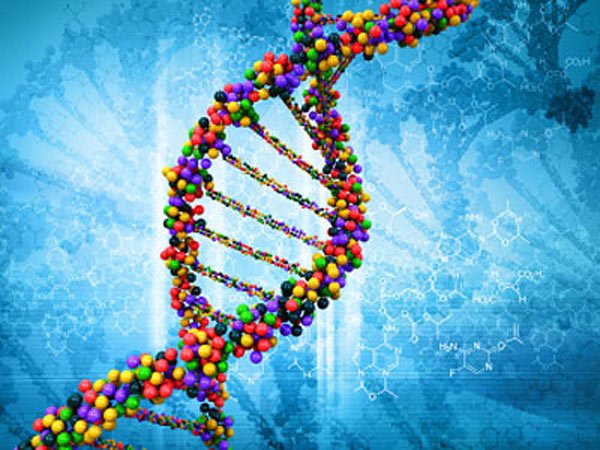
What is the name of the genetic material that is inside the nucleus?
a)
ER
b)
ATP
c)
YOLO
d)
DNA
7.

Which part of the cell is often called "the brain of the cell"?
a)
nuclear membrane
b)
endoplasmic reticulum
c)
nucleus
d)
mitochondria
8.
Which biome is MOST like the desert in terms of precipitation?
a)
tundra
b)
tropical rain forest
c)
temperate deciduous forest
d)
temperate grassland
9.
Where do rivers begin?
a)
in estuaries
b)
in ocean inlets
c)
in marshes
d)
in mountain streams
10.
A scientist is investigating the process through which a sperm cell joins with and egg cell during sexual reproduction. This process is known as
a)
meiosis
b)
division
c)
ovulation
d)
fertilization
11.
Which human body system is different in males and females?
a)
endocrine system
b)
lymphatic system
c)
reproductive system
d)
integumentary system
12.
What is found in both plant and animal cells but is much larger in plant cells?
a)
Nucleus
b)
Mitochondria
c)
Chloroplast
d)
Vacuole
13.
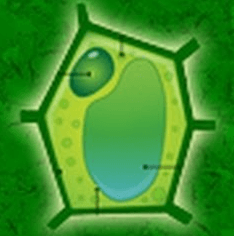
A rigid layer that lies outside the cell's membrane is...
a)
Cytoskeleton
b)
Cilia
c)
Cell Wall
d)
Flagella
14.

What am I?
a)
cell wall
b)
mitochondria
c)
cytoplasm
d)
chloroplast
15.

What does the chloroplast do in a plant cell?
a)
control center of the cell
b)
captures energy from sunlight
c)
found in plant and animal cells
16.

What is the role of this human body system?
a)
to bring oxygen to cells
b)
to extract nutrients from food
c)
to remove wastes from blood
d)
to control growth and development
17.
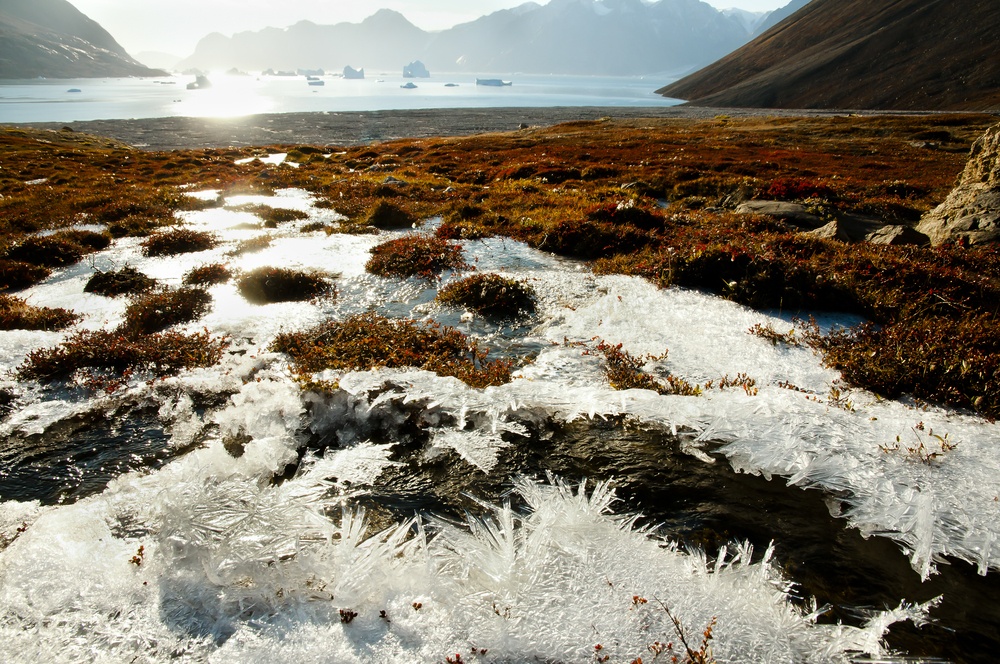
Which Biome has permafrost?
a)
Temperate Forest
b)
Rainforest
c)
Taiga
d)
Tundra
18.
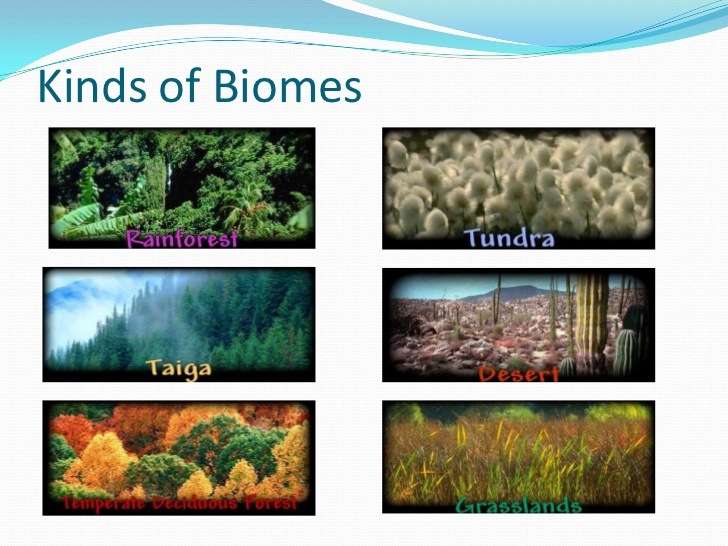
What is the main factor that separates the biomes?
a)
Land
b)
Water
c)
Climate
d)
Longitude
19.
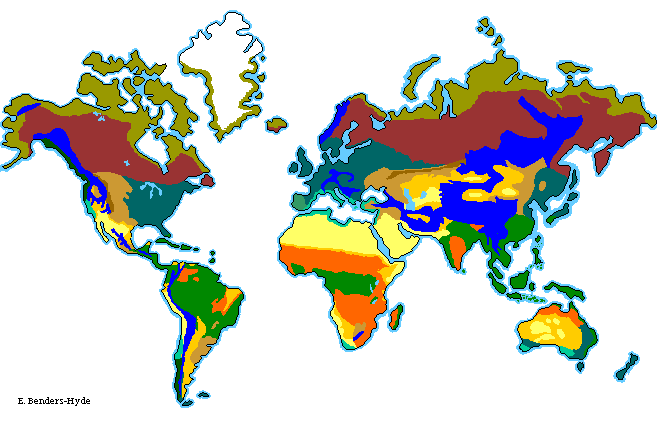
A large ecosystem is called a ______
a)
Ecosystem
b)
Habitat
c)
Biome
d)
Niche
20.

This biome includes three zones: intertidal, near-shore, and open ocean zone and includes living thins such as crabs, otters, and whales.
a)
Wetlands
b)
Marine
c)
Ocean
d)
Freshwater
22.

A biome is......
a)
Like a snowglobe that you shake and can see different types of animals.
b)
A large region of earth with a certain type of climate
c)
An area of earth only found in the United States.
d)
A community of living things.
22.
A biome is......
a)
Like a snowglobe that you shake and can see different types of animals.
b)
A large region of earth with a certain type of climate
c)
An area of earth only found in the United States.
d)
A community of living things.
23.

The most important abiotic factors when studying biomes are...
a)
Food and Water
b)
Water and Sunlight
c)
Temperature and Oxygen
d)
Water and Temperature
24.

What is the order of succession shown in this figure?
a)
A, B, C, D
b)
B, A, D, C
c)
C, D, A, B
d)
D, A, B, C
25.
After a volcanic eruption, lava covers the land. What is the order that plants grow to repopulate the area?
a)
Lichens → Shrubs → Grasses → Trees
b)
Shrubs → Trees → Grasses → Lichens
c)
Grasses → Lichens → Shrubs → Trees
d)
Lichens → Grasses → Shrubs → Trees
26.

In the energy pyramid here, which organisms have the most energy available?
a)
Producers
b)
Carnivores
c)
Herbivores
d)
Top Predator
27.

An animal that eats other animals is a....
a)
carnivore
b)
omnivore
c)
herbivore
d)
decomposer
28.

Overlapping food chains in an ecosystem make up....
a)
food web
b)
food chain
c)
niche
d)
symbiosis
29.

An organism that lives by breaking apart dead organic matter into simpler parts is...
a)
scavenger
b)
consumer
c)
decomposer
d)
carnivore
30.
An organism that can make its own food is called?
a)
Consumer
b)
Autotroph
c)
Decomposer
d)
Heterotroph
31.
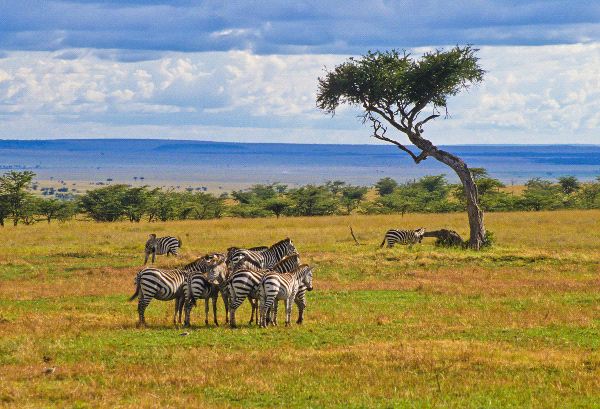
What are the biotic factors of the savanna
a)
animals
b)
plants
c)
grass
d)
all of the above
32.
Plants are very resistant to _____________ in the grasslands.
a)
drought
b)
fast
c)
herbivores
d)
trees
33.

Many organisms in the polar ice or tundra biomes will do what to avoid the cold months with no food.
a)
Migrate
b)
Hibernate
c)
Find spots rich in food
d)
All of these
34.
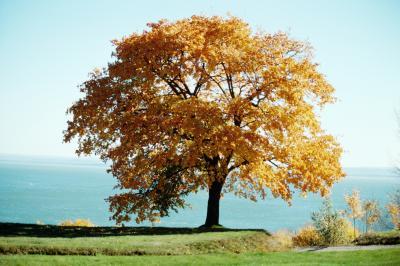
The biome known for trees with broad leaves that fall off the trees in the winter.
a)
Coniferous Forests
b)
Deciduous Forests
c)
Deserts
d)
Tropical Rain Forests
35.
Water
a)
Terrestrial
b)
Aquatic
c)
Tropical
d)
Arctic
36.
Land
a)
Climate
b)
Terrestrial
c)
Aquatic
d)
Tropical
37.

A tropical storm that forms an "eye" in the Atlantic Ocean, central and NE Pacific Ocean or Carribean Sea and is measured as F1-F5 depending on wind speeds
a)
Flood
b)
Tornado
c)
Tsunami
d)
Hurricane
38.
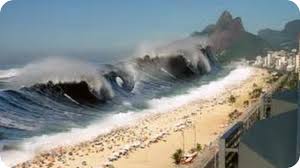
A long high sea wave caused by an underwater Earthquake, landslide or underwater volcanic
a)
Typhoon
b)
Flood
c)
Tornado
d)
Tsunami
39.
What is the process of transporting sediments from location to another?
a)
Deposition
b)
Erosion
c)
Weathering
d)
Compaction
40.
How does freezing water cause the weathering of rocks? The freezing water—
a)
keeps the rocks in place
b)
makes the rocks last longer
c)
expands in the cracks and breaks rocks
d)
causes rocks to fall in landslides
41.
What is the process in which particles move from a high to low concentration?
a)
osmosis
b)
diffusion
c)
temperature
d)
flowing
42.
The gradual change of organisms over time is called....
a)
adaptation
b)
evolution
c)
kingdom
d)
species
43.
Which two people are known for building models of DNA?
a)
Watson and Crick
b)
Cricket and Walter
c)
Watson and Sherlock
d)
Sprague and Heagy
44.
The study of how organisms pass traits from parents to offspring is called.....
a)
genetics
b)
family tree
c)
zoology
d)
botany
45.
Plant adaptation, large leaves that collect more sunlight, help in which biome
a)
desert
b)
tundra
c)
rainforest
46.
What do the arrows in a food web represent?
a)
flow of power
b)
flow of money
c)
hierarchy of organisms
d)
flow of energy from one organism to another
47.

Which organism is the tertiary consumer?
a)
grass
b)
grasshopper
c)
lizard
d)
hawk
48.

Which organism has the most energy available to them?
a)
grass
b)
grasshopper
c)
lizard
d)
hawk
49.
Why is a pyramid used to show energy flow in an ecosystem?
a)
There is more energy available at each tropic level.
b)
The energy amount is the same.
c)
there is less energy available at each trophic level.
50.
If you cross one heterzygous parent with one homozygous recessive parent, what percentage would be pure recessive?
a)
100%
b)
75%
c)
50%
d)
25%
51.
What is the genotype and phenotype for the offspring in percentages for two heterozygous parents? R= ROUND, r=wrinkled
a)
100% round , RR
b)
100% wrinkled, rr
c)
50% round Rr, 50% wrinkled rr
d)
25%, RR round, 50% Rr round, 25% wrinkled rr
52.
Which is the correct order from smallest to largest?
a)
nucleus, chromosome, DNA, allele
b)
allele, DNA, chromosome, nucleus
c)
DNA, allele, nucleus, chromosome
d)
allele, chromosome, nucleus, DNA
100 %

