
 Worksheets
Spring Final 2017
Total questions: 90
Worksheet time: 2hrs 3mins
Name
Class
Date
1.
Sea stars have the ability to regenerate half their body when attacked by a fish.
Which statement best explains what type of reproduction occurs when sea stars regenerate?
Which statement best explains what type of reproduction occurs when sea stars regenerate?
a)
Asexual because each half has a similar structure
b)
Asexual because each half has the same genetic information
c)
Sexual because each half has a parent and an offspring
d)
Sexual because two gametes unite
2.
The part of a chromosome that carries information for a particular trait is called a
a)
protein
b)
gene
c)
nucleus
d)
gamete
3.
What gas is needed by humans to survive AND given off as a waste product (produced) by plants?
a)
oxygen
b)
nitrogen
c)
carbon dioxide
d)
helium
4.
Slow, but predictable re-growth of an area after a catastrophic event is called ________________.
a)
climax community
b)
natural selection
c)
selective breeding
d)
succession
5.
A mature forest is known as a ______________.
a)
climax community
b)
natural selection
c)
selective breeding
d)
succession
6.
Which biome receives between 0 to 25 centimeters of rain per year, has a temperature range of 0 to 50 degrees Celsius, has poor soil, and is home to lizards, scorpions, and snakes?
a)
desert
b)
mountain
c)
taiga
d)
tundra
7.
Which biome receives between 0 and 25 centimeters of precipitation each year, has a temperature range from -27 to 5 degrees Celsius, has frozen soil, and is home to hares, caribou, and wolves?
a)
desert
b)
mountain
c)
savannah
d)
tundra
8.

A drought has hit this grassland biome. How will this effect the rabbit population?
a)
The rabbits will increase in number.
b)
The rabbit population will stay the same.
c)
The rabbit population will decrease.
d)
The rabbit population will become extinct immediately.
9.

What does biodiversity mean?
a)
Only one species in an area.
b)
The different amount of species in an area
c)
All abiotic life
d)
Nitrogen fixation
10.
Which biome, because of its climate, has the largest number of species of plants and animals?
a)
tundra
b)
desert
c)
rain forest
d)
pine forest
11.
This biome is found around the equator and is home to a large amount of biodiversity.
a)
Deserts
b)
Tropical Rain Forests
c)
Savannas
d)
Chaparral
12.
The first organisms that appear in an ecological community
a)
ecological succession
b)
primary succession
c)
secondary succession
d)
pioneer speciles
13.
Starts with BARE ROCK followed by lichen
a)
primary succession
b)
secondary succession
c)
both types of succession
14.
How do lichens contribute to primary succession?
a)
Lichens decompose organic matter from animals and plants
b)
Lichens begin to break down rock to form soil
c)
Lichens are nitrogen fixing bacteria
15.
Natural disasters such as flooding and tornadoes are linked to ________________.
a)
primary
b)
secondary
c)
old field
d)
ecosystem
16.
The final stable community of plants and animals is called:
a)
pioneer community
b)
farmland
c)
climax community
d)
old field
17.
A garden was cleared out, but had to be left alone for a month. What would you expect to see?
a)
lichens and mosses
b)
grasses and weeds
c)
a fully blossomed garden
d)
bushes and small trees
18.
Succession that occurs in an area with NO SOIL
a)
ecological succession
b)
primary succession
c)
secondary succession
d)
pioneer speciles
19.
The scientific name for an organism is made from the:
a)
class and family name
b)
genus and species name
c)
domain and kingdom name
d)
kingdom and phylum name
20.
Term given to describe the 2 name naming system is:
a)
dichotmous key
b)
binomial nomenclature
c)
2 scientific names
d)
binomial key
21.
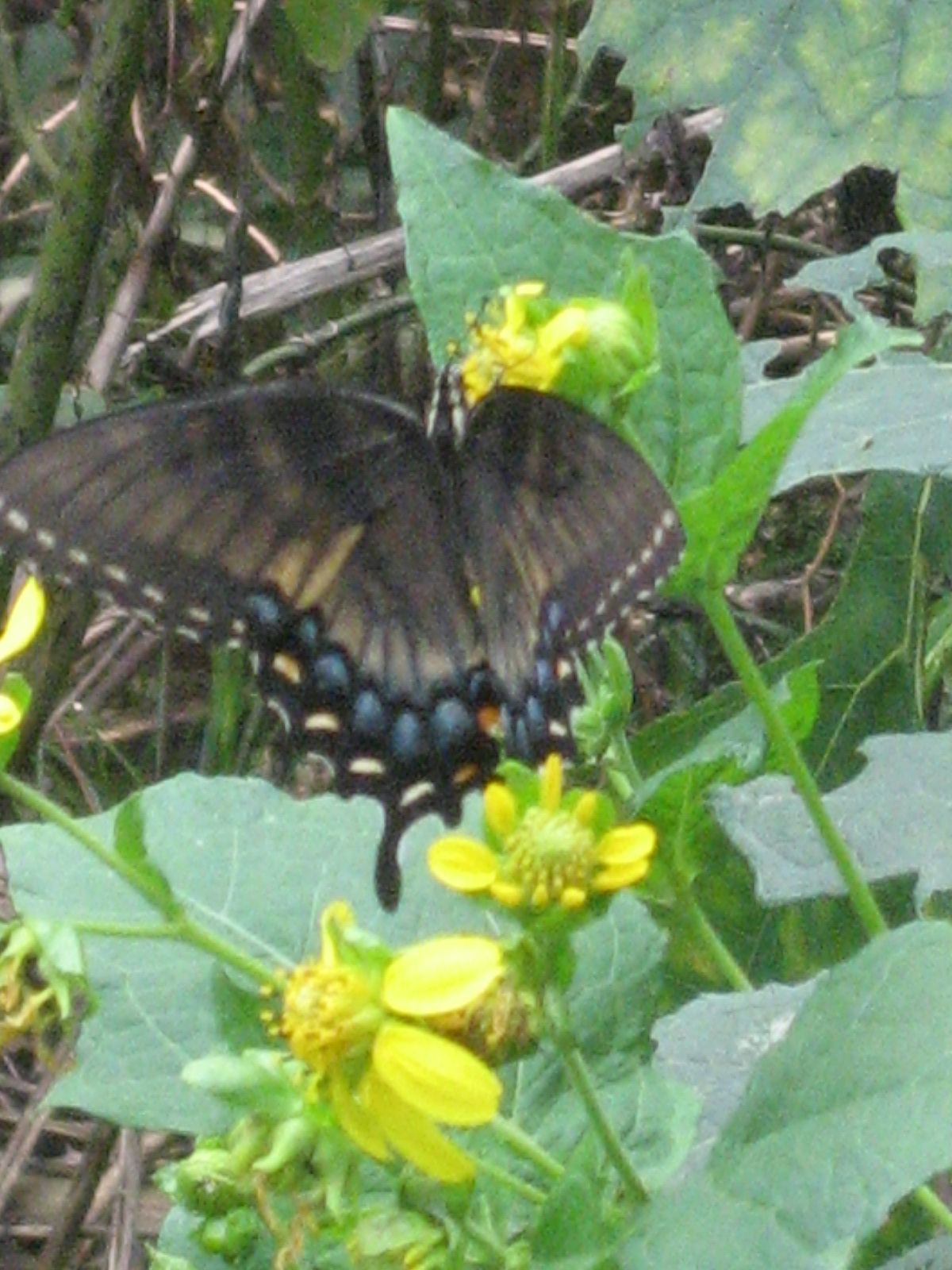
The 8 levels of classification, most broad to most specific.
a)
Domain, Genus, Family, Order, Class, Phylum, Kingdom, Species
b)
Domain, Species, Kingdom, Genus, Phylum, Family, Class, Order
c)
Domain, Kingdom, Phylum, Class, Order, Family, Genus, Species
d)
Order, Kingdom, Species, Domain, Phylum, Family, Class, Genus
22.
Which of the following organisms are MOST closely related?
a)
organisms that share a domain
b)
organisms that share a family
c)
organisms that share a genus
d)
organisms that share an order
23.

What is the name of bird Z?
a)
Certhidea
b)
Geospiza
c)
Camarhynchus
d)
Platyspiza
24.
What is the most specific level of classification?
a)
Family
b)
Domain
c)
Species
d)
Carolus Linnaeus
25.
Where the better adapted organisms survive to pass traits along to offspring.
a)
Evolution
b)
Natural Selection
c)
Extinction
d)
Artifical Selection
26.

Genetic variation can arise from a random change in the DNA of a gene. The change is called a(n)
a)
mutation
b)
gene flow
c)
gene pool
d)
allele
27.
what is selective breeding.
a)
big b
b)
selecting a species to breed with
c)
picking a species to eat.
28.

All of these finches have different shaped beaks, they are an adaptation to gain access of
a)
Water
b)
Food
c)
Shelter
29.
The ___________ is the basic unit of life
a)
organ
b)
cell
c)
atom
d)
tissue
30.
What is the correct order of organization
a)
tissues-cells-organs-organ systems-organism
b)
cell-tissue-organs-organ systems-organism
c)
organism-cells-tissues-organ systems-organism
d)
tissues-cells-organs-organ sytems-organism
31.
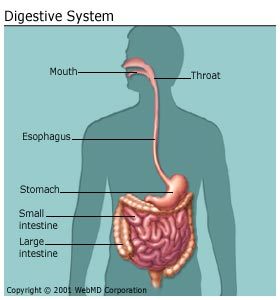
This is a example of........
a)
organ system
b)
cells
c)
organ
d)
tissue
32.
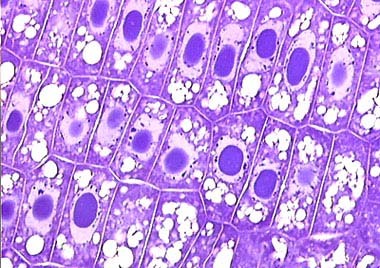
This is a example of ........
a)
cell
b)
tissue
c)
organ
d)
organ system
33.
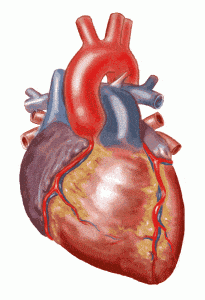
This is a example of ........
a)
cell
b)
organ system
c)
organ
d)
tissue
34.
Which organelle is only found in a plant cell?
a)
nucleus
b)
chloroplast
c)
mitochondria
d)
cell membrane
35.

Directs all cell activities through the DNA located there.
a)
Lysosomes
b)
Nucleus
c)
ribosomes
d)
Mitochondria
36.
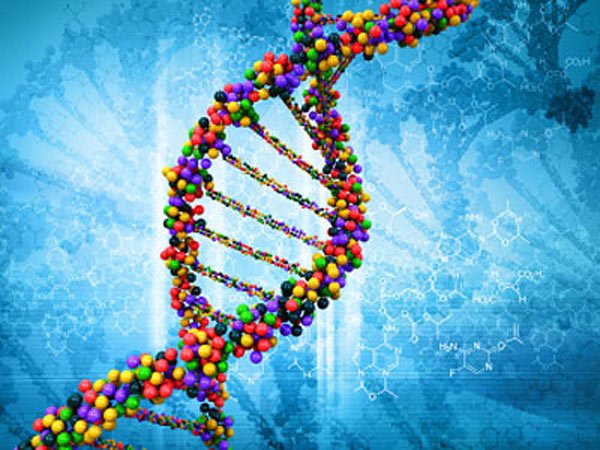
What is the name of the genetic material that is inside the nucleus?
a)
ER
b)
ATP
c)
YOLO
d)
DNA
37.
Where are proteins made?
a)
Golgi body
b)
Mitoichondria
c)
Chromosomes
d)
Ribosomes
38.

I am the outer most layer of an animal cell. What am I?
a)
cell wall
b)
nucleus
c)
cell membrane
d)
cell skin
39.
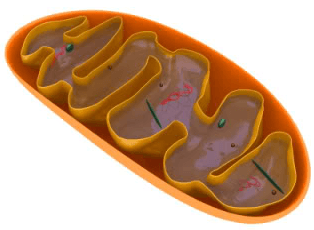
What are tiny organelles that convert glucose into ATP?
a)
Ribosomes
b)
Vesicles
c)
Cytoskeleton
d)
Mitochondria
40.
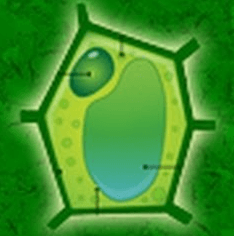
A rigid layer that lies outside the cell's membrane is...
a)
Cytoskeleton
b)
Cilia
c)
Cell Wall
d)
Flagella
41.
What organelle is called the "powerhouse" of a cell?
a)
Endoplasmic Reticulum
b)
Nucleus
c)
Mitochondria
d)
Nucleolus
42.
What organelle helps with cell digestion?
a)
Lysosomes
b)
Ribosomes
c)
Golgi Complex
d)
ER
43.
What is the gel-like substance inside of cells called?
a)
photoplasm
b)
photosynthesis
c)
cytoskeleton
d)
cytoplasm
44.
Controls what enters and leaves the cell
a)
Mitochondria
b)
Cell Membrane
c)
Cell Wall
d)
Nucleus
45.

According to cell theory, where did this cell come from?
a)
another living cell
b)
energy from sun
c)
a multicellular organism
d)
the nonliving environment
46.

What do all of these organisms have in common?
a)
They all have uniform offspring
b)
They are all made of cells
c)
They possess the same features
d)
They have the same internal and external structures
47.

Robert Hooke, Anton van Leeuwenhoek, Theodor Schwann, Rudolf Virchow, and Matthias Schliden were all responsible for what theory?
a)
The Theory of Gravity
b)
The Theory of Relativity
c)
The Cell Theory
d)
The Theory of Continental Drift
48.
All cells come from___________ cells.
a)
pregnant
b)
pre-existing
c)
paternal
d)
pin size
49.
This is a double layer of phospholipids that creates a barrier between the cells internal and external environments; it controls what comes in or out of the cell (selective permeable)
a)
Nucleus
b)
Cilia
c)
Cell membrane
d)
Flagella
50.

Which system detects changes in the environment and sends electrical signals in response to these changes?
a)
Nervous
b)
Endocrine
c)
Lymphatic
d)
Reproductive
51.

This system carries oxygen, nutrients and waste around the body.
a)
Lymphatic
b)
Urinary
c)
Respiratory
d)
Circulatory
52.

What is the main function of the respiratory system?
a)
to provide oxygen and remove carbon dioxide from the body
b)
to bring oxygen to the body
c)
to break down food and absorb nutrients
d)
to remove oxygen from the body and deliver carbon dioxide
53.
What is the function of the digestive system?
a)
to break down and absorb nutrients
b)
to support and protect our bodies
c)
to produce vitamin D
d)
to help us move
54.

What body system consists of the kidneys?
a)
Circulatory
b)
Excretory
c)
Digestive
d)
Muscular
55.
Which system produces sperm and egg cells? In females, it also nourishes the fetus.
a)
reproductive
b)
endocrine
c)
nervous
d)
lymphatic
56.

The main function of the excretory system is....
a)
To filter waste from the blood stream and carry it outside of the body.
b)
To transport nutrients to the body.
c)
To break down nutrients for absorption.
d)
To provide structure and support for the body.
57.
Your skin and hair are parts of your ___________
a)
endocrine system
b)
excretory system
c)
lymphatic system
d)
integumentary system
58.
Joints, cartilage, and tendons belong to what system?
a)
Skeletal System
b)
Muscular System
c)
Excretory System
d)
Lymphatic System
59.
Glands, Pituitary and thyroid belong to what system?
a)
Endocrine System
b)
Excretory System
c)
Reproductive System
d)
Skeletal System
60.

Which system uses hormones to regulate body activities?
a)
Integumentary
b)
Urinary
c)
Endocrine
d)
Immune
61.

Which system maintains posture, produces heat and moves the body?
a)
Skeletal
b)
Nervous
c)
Integumentary
d)
Muscular
62.
The ____ is a tube-like passageway for both food and air.
a)
epiglottis
b)
larynx
c)
pharynx
d)
trachea
63.
Within the lungs, the exchange of oxygen and carbon dioxide occurs between the ____ and the capillaries.
a)
trachea
b)
bronchi
c)
alveoli
d)
diaphragm
64.
The ____ prevents food or liquid from entering your trachea.
a)
alveoli
b)
bronchi
c)
epiglottis
d)
larynx
65.
These are branches of the trachea?
a)
bladder
b)
bronchi
c)
kidneys
d)
emphysema
66.
This is the muscle beneath the lungs that helps air move in and out?
a)
bladder
b)
bronchi
c)
nephrons
d)
diaphragm
67.
A plant's growth towards or away from a stimulus is called ...
a)
tropism
b)
hormone
c)
auxin
d)
dormancy
68.
What is an example of a "Short-day plant"? They only bloom if they have more than 12 hours of darkness.
a)
Pointsettias
b)
Irises
c)
Dandelions
d)
Rice
69.
A wilted plant will return to an upright position by using which of the following forces?
a)
Muscular contractions
b)
Gravitational attraction
c)
Turgor pressure
d)
Magnetic repulsion
70.
When a seedling emerges upright from the soil, which force is it overcoming?
a)
Gravity
b)
Magnetism
c)
Repulsion
d)
Heat
71.
Which of the following is a change that the body will undergo to prepare for fight or flight in response to a stressful stimulus?
a)
less blood to the brain
b)
sweating decreases
c)
heart rate increases
d)
muscles relax
72.
While sitting in a room, a person notices that the temperature has become uncomfortably warm. The body will respond by -
a)
shivering
b)
sweating
c)
twitching
d)
vomiting
73.
Which of the following is a response to smelling food?
a)
rapid blinking
b)
excessive sweating
c)
increased hunger
d)
sensitivity to sound
74.

Which is the correct phenotype for this organism?
a)
BB
b)
blue
c)
green
d)
bb
75.
Which of the following terms refers to the different possibilities of a gene?
a)
chromosome
b)
DNA
c)
Punnett Squares
d)
allele
76.

This image shows a...
a)
Punnett Square
b)
Phenotype
c)
Genotype
d)
Dominant allele
77.
In asexual reproduction, all of the offspring are:
a)
Physically Identical
b)
Genetically Identical
c)
Physically and Genetically Identical
d)
Not Identical
78.
A hydra reproduces when an outgrowth, or bud, forms and continues to develop until if falls off of the parent. This is an example of:
a)
Binary Fission
b)
Sporulation
c)
Budding
d)
Vegetative Propagation
79.

What is this called? Bacteria do this...
a)
budding
b)
binary fission
c)
sporulation
d)
regeneration
80.
Creates the greatest diversity, & therefore the ability to survive changing environments is
a)
sexual reproduction
b)
asexual reproduction
c)
cloning
d)
fragmentation
81.
What is a disadvantage of asexual reproduction?
a)
New species of organisms cannot come into being.
b)
The offspring does not multiply rapidly.
c)
The offspring does not live for long.
d)
All of these
82.
Which of the following describes the main advantages of sexual reproduction?
a)
requires lots of time/energy
b)
no new gene combos can arise
c)
diversity
d)
looks identical to the parent
83.
In general, asexual reproduction is used by _______ organisms.
a)
simple
b)
extinct
c)
complex
84.
Which reproduction requires a mate?
a)
asexual
b)
sexual
c)
neither
85.
The result of meiosis is:
a)
two diploid cells
b)
two haploid cells
c)
four diploid cells
d)
four haploid cells
86.

When an area of a chromatid is exchanged with the matching area on a chromatid of its homologous chromosome, _________________ occurs
a)
crossing over
b)
mutagenesis
c)
hybridization
d)
fertilization
87.
The chromosomes that pair up during meiosis, are called __________ chromosomes.
a)
heterozygous
b)
asexual
c)
homologous
d)
genes
88.

What process, and which type of resulting cells are represented?
a)
mitosis, gametes
b)
mitosis, body cells
c)
meiosis, gametes
d)
meiosis, body cells
89.

Identify the stage of mitosis.
a)
interphase
b)
prophase
c)
metaphase
d)
anaphase
90.
What process does a multi-cellular organism use to replace its damaged body cells?
a)
mitosis
b)
meiosis
c)
replication
d)
transcription
100 %

