
NEW
Font size
S
M
L
XL
 Worksheets
6 Principles of IDEA
Total questions: 12
Worksheet time: 6mins
Name
Class
Date
1.
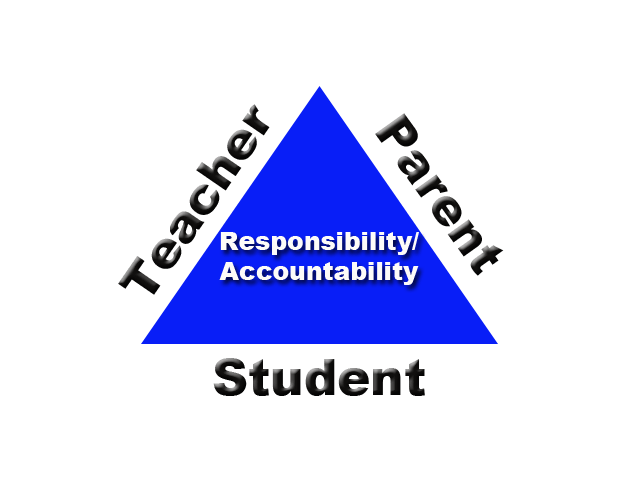
This IDEA principle seeks to make schools and parents accountable to each other for protecting students' IDEA rights.
a)
zero reject
b)
nondiscriminatory identification and evaluation
c)
free and appropriate public education (FAPE)
d)
procedural due process safeguards
2.

This IDEA principle states that related services must be provided without charge and meet the standard of the state education agency.
a)
zero reject
b)
nondiscriminatory identification and evaluation
c)
free and appropriate public education (FAPE)
d)
least restrictive environment (LRE)
3.

This IDEA principle provides a mechanism for shared decision making when designing the IEP.
a)
parent and student participation
b)
procedural due process safeguards
c)
least restrictive environment (LRE)
d)
free and appropriate public education (FAPE)
4.

The value of relationships between students with and without disabilities is reflected in this principle.
a)
parent and student participation
b)
procedural due process safeguards
c)
least restrictive environment (LRE)
d)
free and appropriate public education (FAPE)
5.

This IDEA principle provides an opportunity for mediation and/or a due process hearing.
a)
parent and student participation
b)
procedural due process safeguards
c)
least restrictive environment (LRE)
d)
free and appropriate public education (FAPE)
6.

This IDEA principle helps to determine whether a student has a disability.
a)
zero reject
b)
nondiscriminatory identification and evaluation
c)
free and appropriate public education (FAPE)
d)
least restrictive environment (LRE)
7.

This IDEA principle ensures that services are provided in keeping with what has been decided in the IEP meeting of the student.
a)
zero reject
b)
nondiscriminatory identification and evaluation
c)
free and appropriate public education (FAPE)
d)
least restrictive environment (LRE)
8.

This IDEA principle requires notification concerning the school's decisions about their children.
a)
free and appropriate public education (FAPE)
b)
least restrictive environment (LRE)
c)
procedural due process safeguards
d)
parent and student participation
9.

This principle of IDEA creates a presumption in favor of educating students with disabilities with those who do not have disabilities unless the student cannot benefit from being educated with students who do not have disabilities.
a)
free and appropriate public education (FAPE)
b)
least restrictive environment (LRE)
c)
procedural due process safeguards
d)
parent and student participation
10.

This IDEA principle involves using student preferences and interests during transition planning.
a)
free and appropriate public education (FAPE)
b)
least restrictive environment (LRE)
c)
procedural due process safeguards
d)
parent and student participation
11.
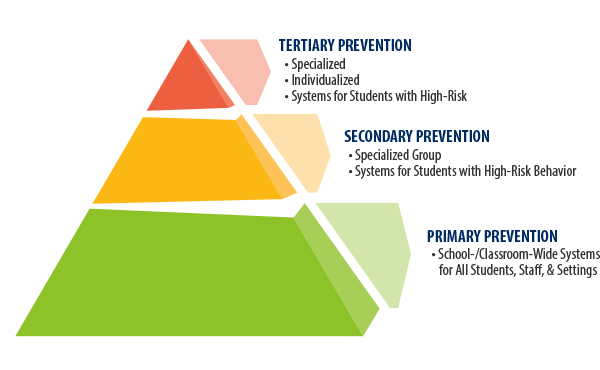
This IDEA principle states that sschools must offer a continuum or range of services from more to less typical and inclusive.
a)
least restrictive environment (LRE)
b)
free and appropriate public education (FAPE)
c)
nondiscriminatory identification and evaluation
d)
zero reject
12.
This IDEA principle states that no student with a disability may be excluded from a free and appropriate public education regardless of the severity of his/her disability.
a)
least restrictive environment (LRE)
b)
free and appropriate public education (FAPE)
c)
nondiscriminatory identification and evaluation
d)
zero reject
Reset

